

Refugee Reception Center in the Baixada do Glicério
The Refugee Reception Center in the Baixada do Glicério integrates shelter and services for displaced individuals while fostering social connections within its urban context.
 illustrarch Editoral Team12 December 20192 Mins read454


The Refugee Reception Center in the Baixada do Glicério, designed by Samoel Araujo dos Santos in São Paulo, Brazil, gives architectural form to a half-century of social work. Located in downtown São Paulo, the project is established as an annex for Missão PAZ, a social project that has served the refugee and immigrant population for over 70 years, working as both a host and a professional training center. The design seeks centrality by developing the construction of a void inside the building, while establishing relationships with the surroundings that respect the heritage recommendations and templates of the nearby buildings.
Housing that receives displaced people carries demands that ordinary residential work rarely faces. A reception center has to combine shelter with services, offering arrival, orientation, and training under a single roof while still feeling welcoming rather than institutional. The choice to hollow out a central void answers this directly: an interior courtyard brings daylight and air deep into a dense urban block, gives residents a calm point of reference, and lets the many functions of the building look inward toward a shared heart. For people who have left their homes behind, that legible center can make a large building feel knowable.
Stitching the Building Into Its Neighborhood
The urban intervention foresees the recovery of a public square, integrating a kindergarten for children between 2 and 5 years old, exploring topographic issues and visual potentials to create a new public space. A walkway becomes the important element connecting the pre-existing church, the school unit, the building, and the reception area. It allows users to move safely and also creates a contemplative route through the urban landscape. The masterplan further proposes displacing a fire department logistics unit to an empty space under the Viaduto do Glicério, forming an intimate relationship between the building and the road structure.
Working with leftover space beneath an elevated viaduct reflects a wider movement in dense cities to reclaim residual ground for public life rather than leave it abandoned. By tying together a square, a school, a church, and the reception center, the proposal treats social integration as a spatial question, not only a programmatic one. Set within the layered fabric of São Paulo, the work shows how thoughtful urban design can support a community whose members are still finding their footing. The result reads less as a single object and more as a piece of city built for belonging.


Savan House by Nobico Studio
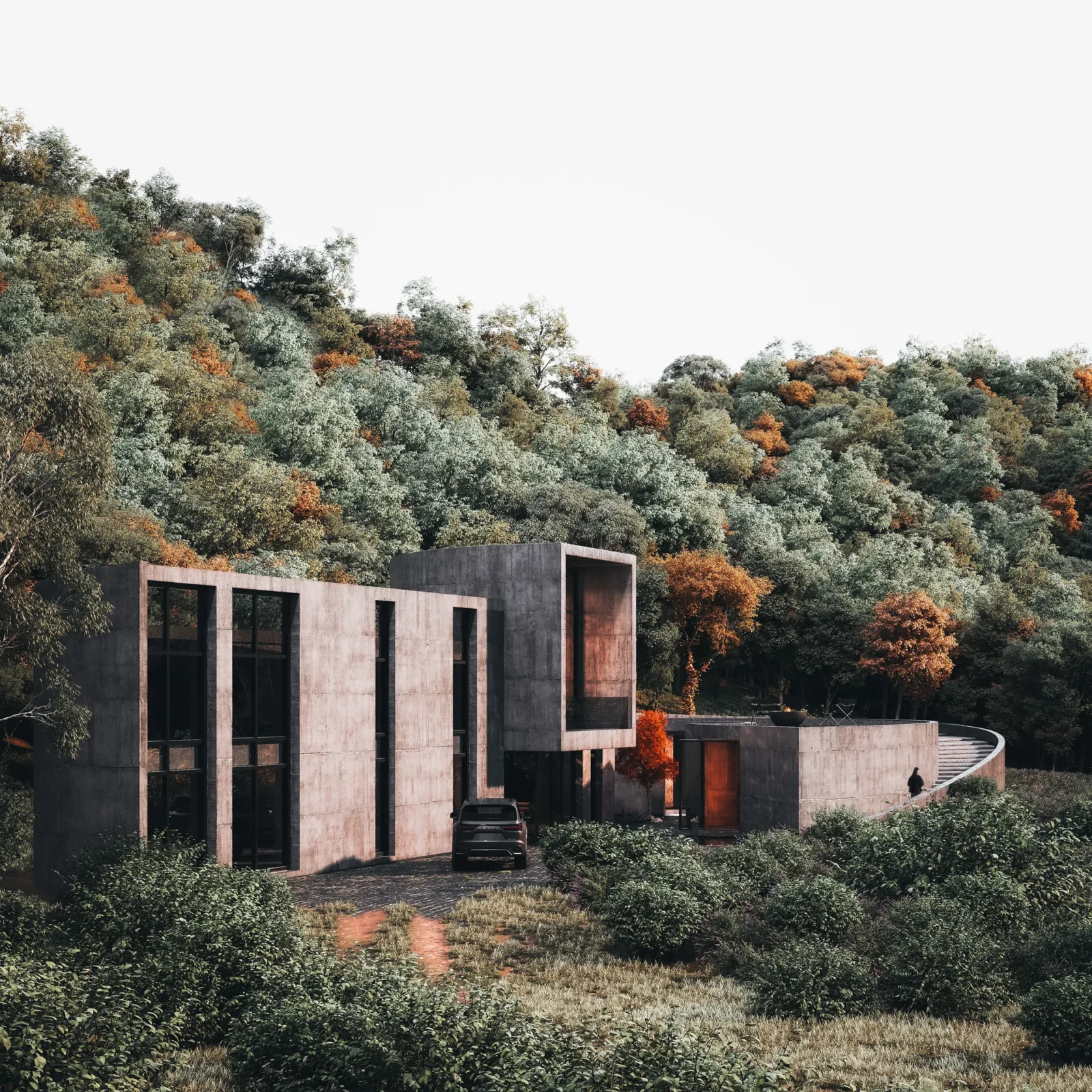
Savan House is Nobico Studio's unbuilt concept for a forested hillside in...
illustrarch Editoral Team3 Mins read
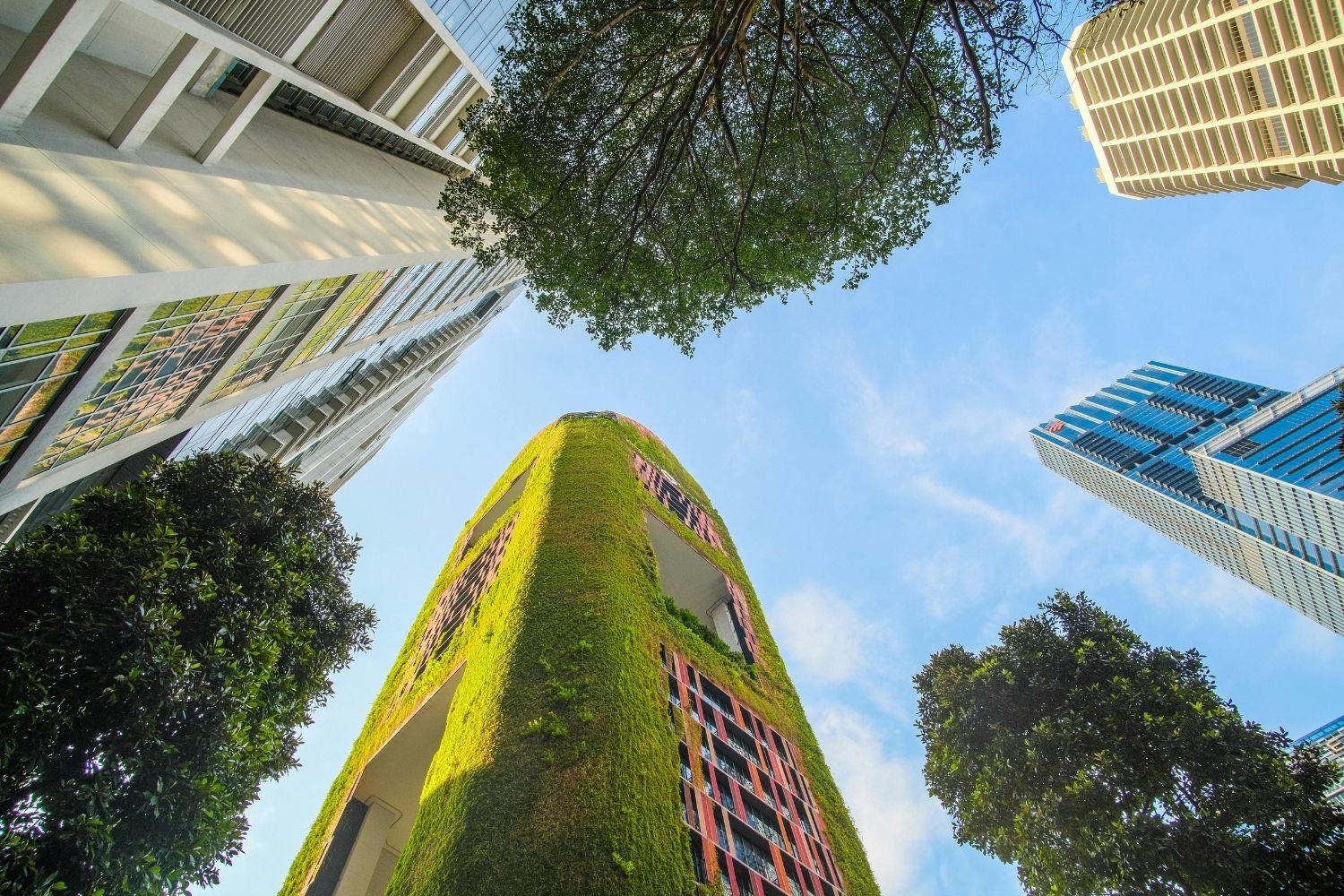
Residential Architecture Face-Off: Co-Living vs Traditional Apartment for Urban Housing
Co-living and traditional apartments represent two distinct approaches to residential architecture in...
 Furkan Sen8 Mins read
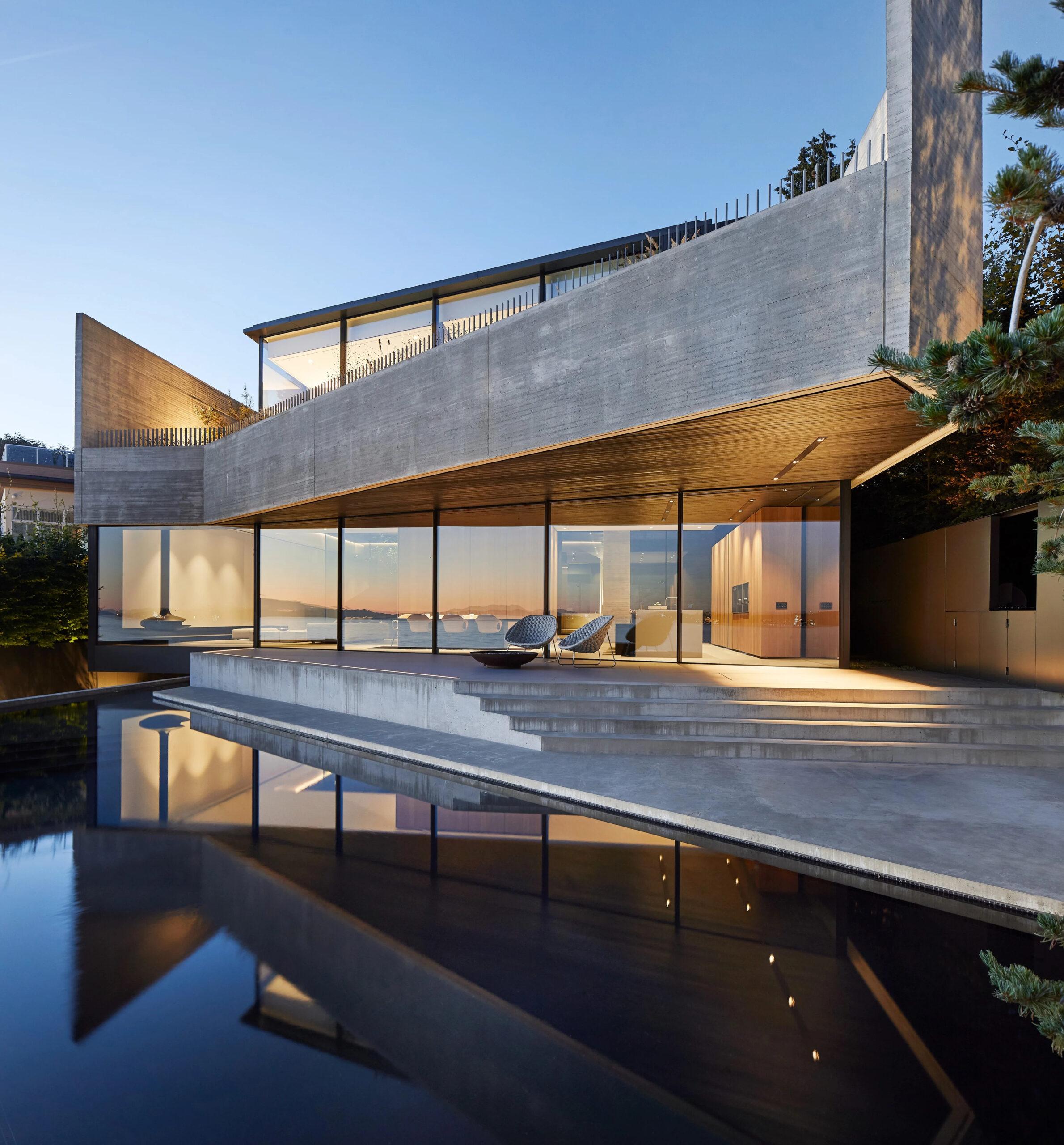
Designing a Liminal Space Where Urban Meets Coastal
The Liminal House by Mcleod Bovell Modern Houses in West Vancouver is...
 Elif Ayse Sen5 Mins read
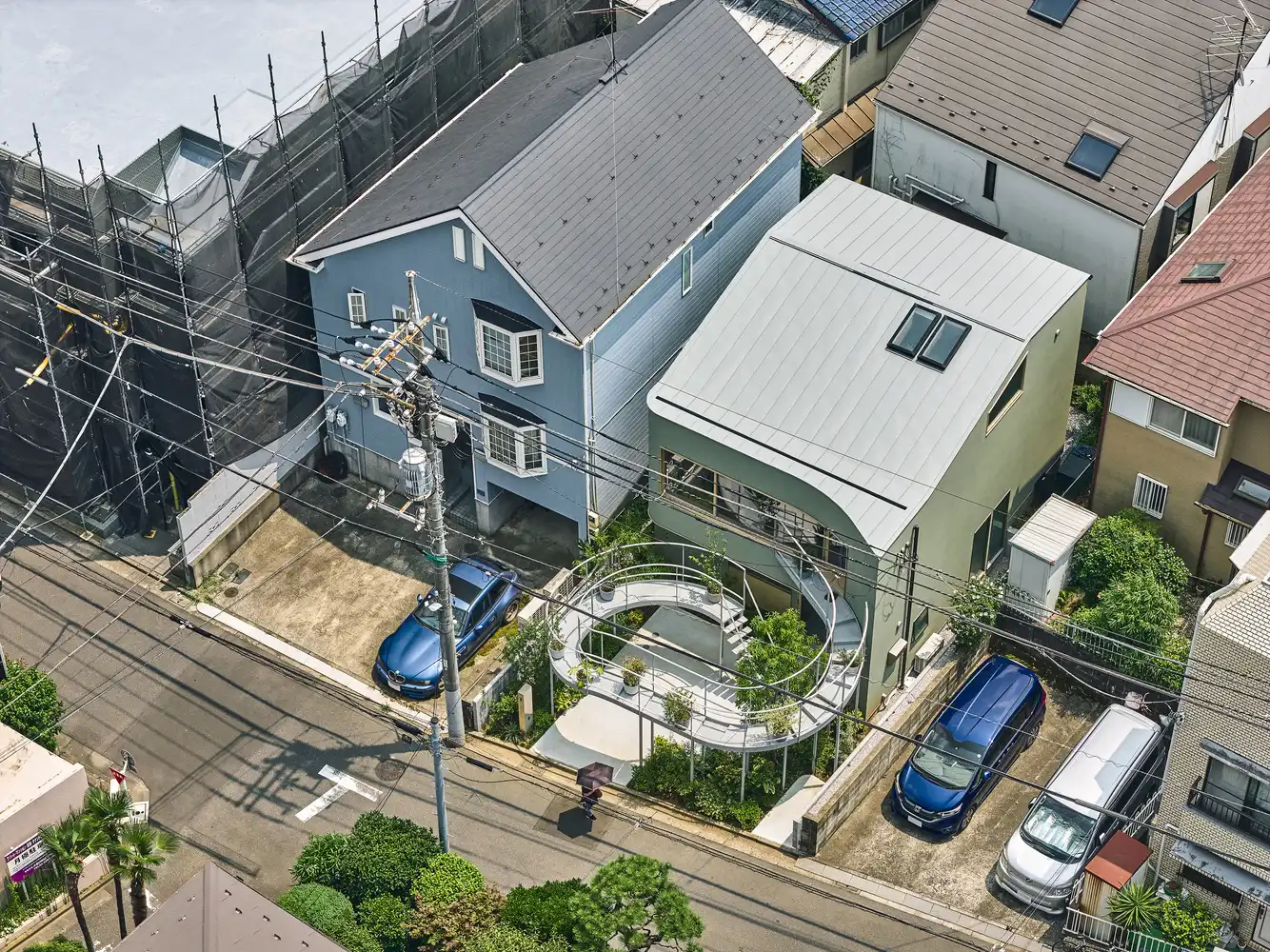
House in Nakano: A 96 m² Tokyo Architecture Marvel by HOAA
House in Nakano, designed by HOAA, creatively addresses urban density challenges by...
 Bahattin Duran6 Mins read


Leave a comment