
Home Projects Cultural Lagoa de Fora – Culture and Gastronomy
Cultural

Lagoa de Fora – Culture and Gastronomy

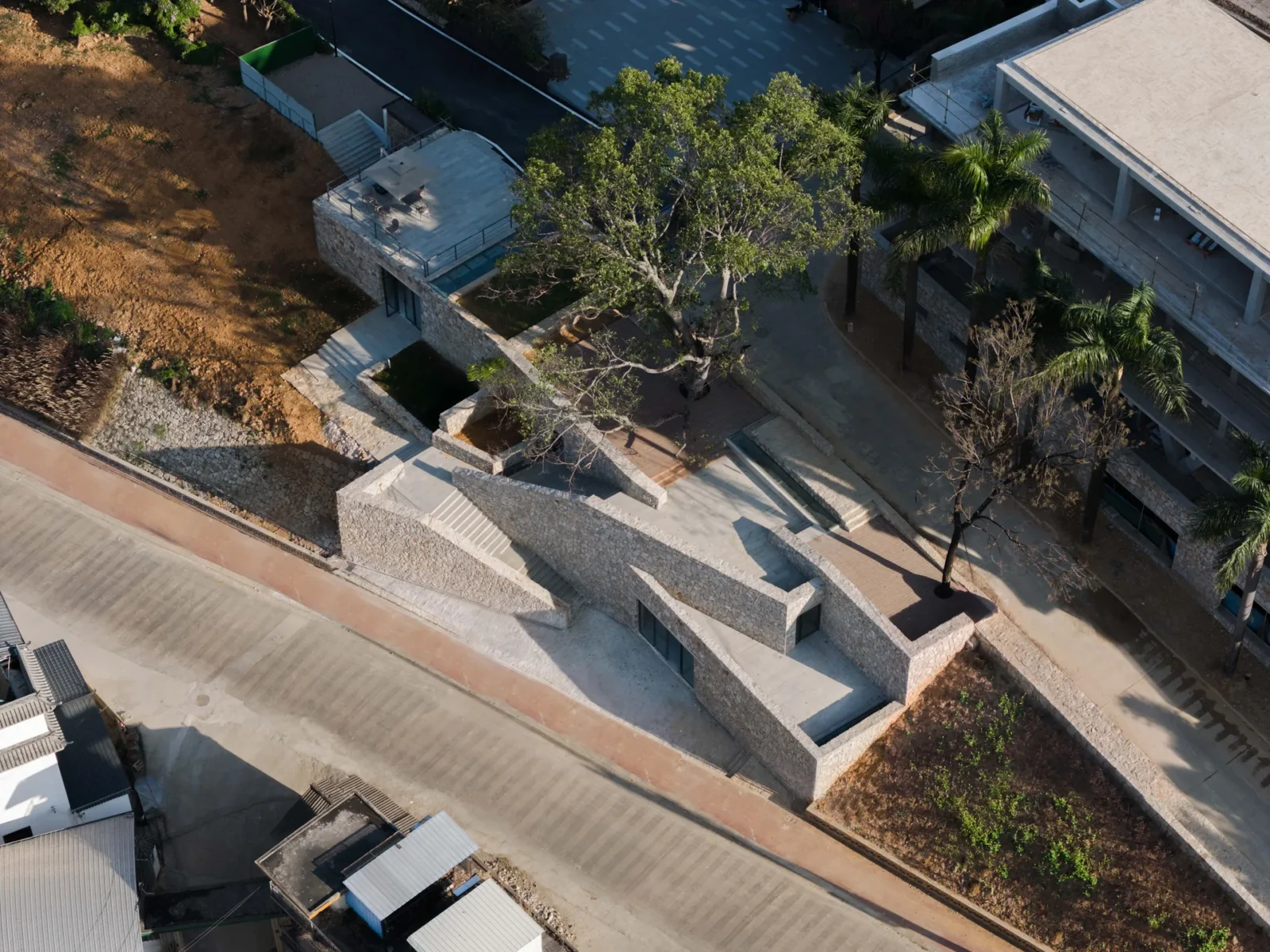
The Lagoa de Fora region in Balneário Gaivota is set to develop an architectural complex that enhances local culture and gastronomy while supporting year-round tourism.

Share
Share
The place where the proposal is made is located in the municipality of Balneário Gaivota, district of the city of Sombrio until 1995 when it was emancipated through state law No. 10.054. According to data from the Brazilian Institute of Geography and Statistics (IBGE) it is estimated that in 2018 over 10,000 people lived in the municipality, but according to the local mayor, this number reaches 35,000 people during the summer season.
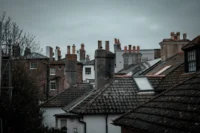
Lagoa de Fora - Culture and Gastronomy
The Municipal Human Development Index (MHDI) was 0.728 in 2010 considered high and higher than the 0.699 index registered by Brazil in the same period. Its territory is approximately 148 km² and borders the east with the Atlantic Ocean, one of its main tourist attractions. The Lagoa de Fora region, a specific point where the object of study is located, is a destination known by the inhabitants of the region and neighboring municipalities, since they often frequent the lagoon that gives the place its name, and the venues around it. Even with small increases, the tourism scenario in Brazil has much to advance, a surprising fact is the comparison of the number of international arrivals in Brazil and in the city of Miami.
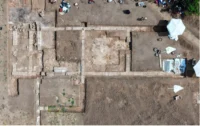
Lagoa de Fora - Culture and Gastronomy 2
According to the National Civil Aviation Agency (ANAC), Brazilian airports obtained in 2017 about 10.6 million landings with international origin, less than the 10.9 million registered by Miami International Airport in the same year.
Lagoa de Fora - Culture and Gastronomy 3
In this context comes the proposal of an architectural complex of hybrid use, which through activities related to culture, gastronomy and tourism, can directly expand the quality of life of the population present in the immediate surroundings of the proposal, and through Gastronomy, materials, artwork and other subtle interventions provide recognition of the history and cultural identity that defines the region.

For a town whose population more than triples in summer, a cultural and gastronomy venue like this does double duty. It gives residents a year-round civic anchor while offering visitors a reason to stay beyond the beach. Projects of this kind show how modest cultural infrastructure can steady the seasonal economy of a small coastal municipality and give it an identity that outlasts the tourist months.

Share
Written by
illustrarch Editoral Team

illustrarch is your daily dose of architecture. Leading community designed for all lovers of illustration and drawing.

Leave a comment

Subscribe
Notify of
guest

0 Comments
Oldest
Newest Most Voted
Related Articles
CCA Tashkent Opens in Studio KO’s Revamped 1912 Tram Depot
Architecture NewsCultural

CCA Tashkent Opens in Studio KO’s Revamped 1912 Tram Depot

Studio KO has converted a 1912 Tashkent tram depot into CCA Tashkent,...

People’s Theatre Opens Permanent Inwood Home After 18 Years
Architecture NewsCultural

People’s Theatre Opens Permanent Inwood Home After 18 Years

WORKac's ramp-driven design gives Mino Lora's People's Theatre its first permanent home...

MAD to Convert 1923 Rotterdam Warehouse into Dance Center
Architecture NewsCultural

MAD to Convert 1923 Rotterdam Warehouse into Dance Center

MAD will convert a 1923 Rotterdam warehouse into Danshuis, a dance center...

Bawan Village Visitor Center by TAO
CulturalProjects

Bawan Village Visitor Center by TAO

On the site of an abandoned petrol station in Yunnan, TAO builds...

Subscribe to Our Updates

Enjoy a daily dose of architectural projects, tips, hacks, free downloadble contents and more.
Copyright © illustrarch. All rights reserved.
Made with ❤️ by illustrarch.com

iA Media's Family of Brands