

ITU Faculty Of Management – Architectural Competition Entry
Dome Architects' design for the ITU Faculty of Management elevates the building and landscape to enhance circulation and create usable outdoor spaces for students.
 illustrarch Editoral Team12 December 20192 Mins read455


Dome Architects designed their competition entry for the ITU Faculty of Management in Besiktas, Istanbul, by lifting both the main mass and the land from the ground at the same limits, satisfying the requirements of the needs program while opening the site to movement. Raising the building in this way produced circulated spaces and walkable terraces, and these levels naturally introduced new alternatives into the landscape. The result spreads the user experience across the terrain rather than confining it to a single floor plate.
Educational buildings carry a particular set of demands. A faculty has to move large numbers of students between lecture halls, seminar rooms, studios, and shared social areas across a daily rhythm of class changes, so circulation becomes one of the defining problems of the type. By turning roofs and intermediate levels into usable terraces, the scheme treats movement itself as part of the academic life of the campus, giving students places to gather, study, and pass between functions in the open air. Universities increasingly value this kind of informal space, since learning is understood to happen between classes as much as inside them.
Landscape, Trees, and the Honeycomb Facade
The proposal makes the existing trees that need to be protected the main element of its landscape design. Dome Architects wanted the sensitivity of this issue to be felt directly in the building, carrying it into the gallery space at the core so that the green presence reads from inside as well as out. This continuity between preserved planting and interior void ties the architecture to its site in Besiktas, a dense district on the European shore of Istanbul.
On the facade, the form reflects a honeycomb pattern that refers to the bee figure, the symbol of the institution the architects worked with, adapted from a modern perspective. Drawing an institutional emblem into the geometry of the skin gives the building an identity rooted in its client while remaining contemporary in expression. Hexagonal and honeycomb structures have long attracted designers for their efficiency and visual rhythm, and here the motif binds symbolism, surface, and order into one gesture. The entry reads as a campus building that wants to be walked through and across, with its landscape, its raised terraces, and its patterned face working toward a single architectural idea.
For further context, see Istanbul Technical University, the district of Besiktas, and the geometry of the honeycomb.


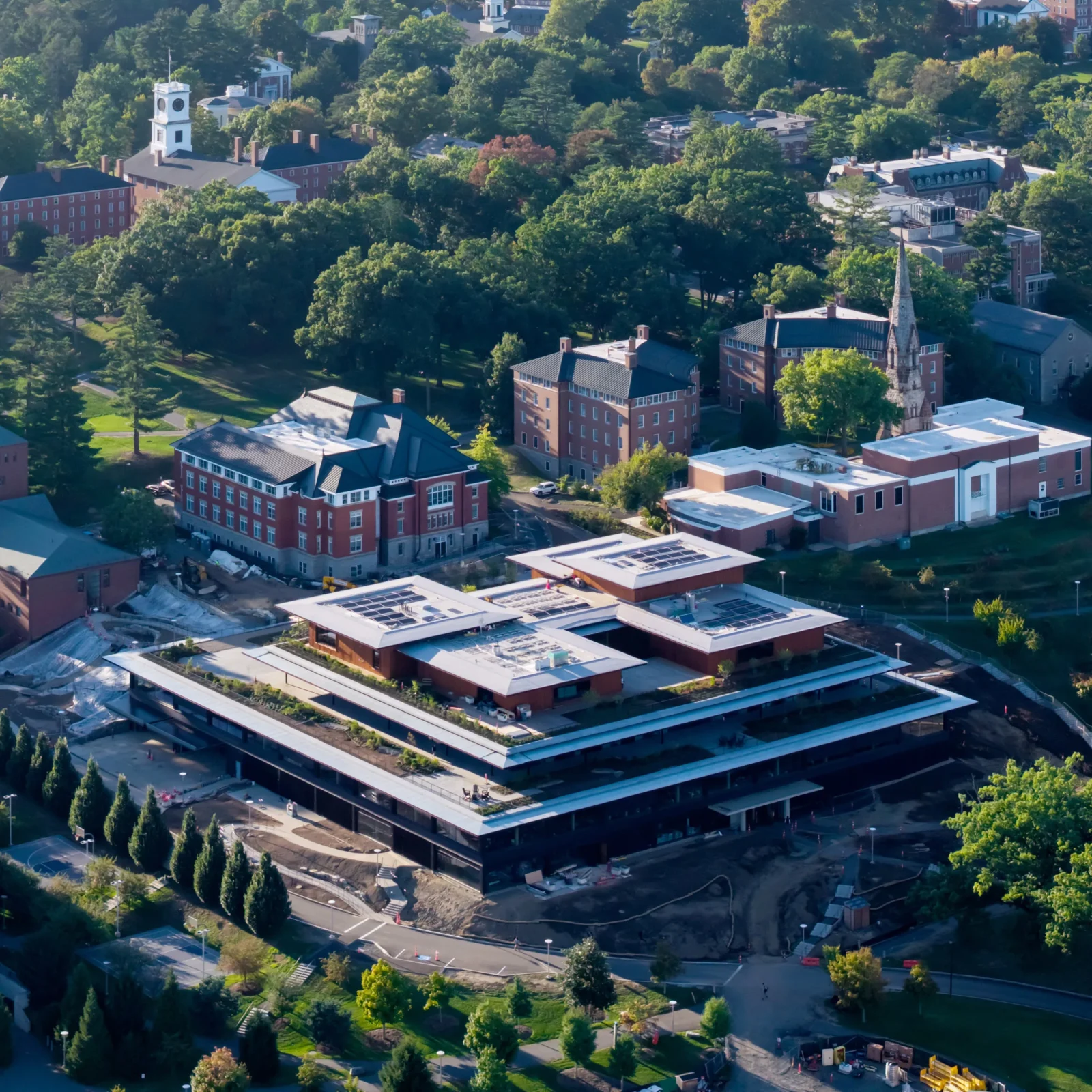
Herzog & de Meuron Builds Amherst College Student Center Atop Old Foundations
Herzog & de Meuron built a mass-timber student center at Amherst College...
illustrarch Editoral Team2 Mins read
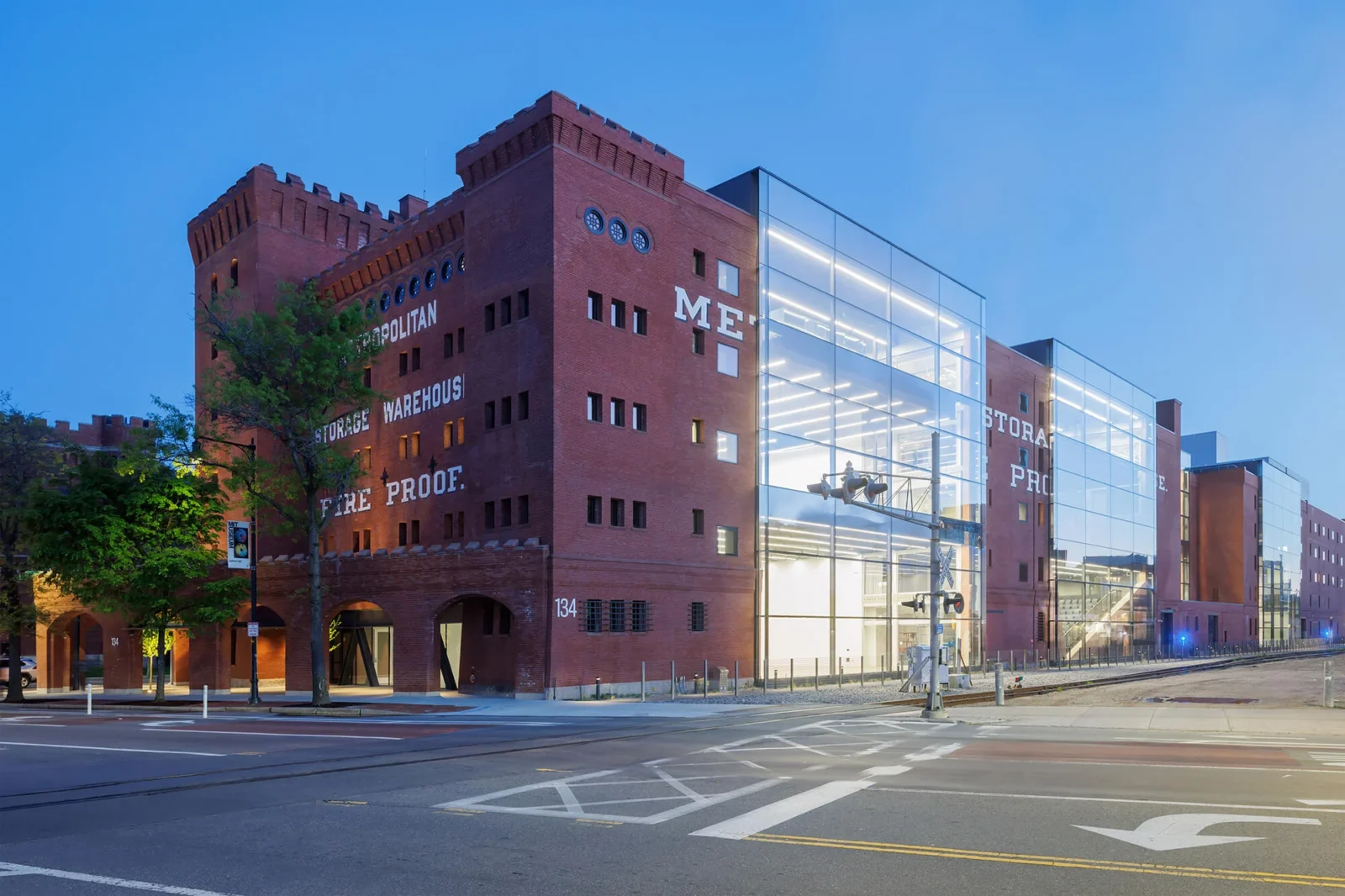
MIT Architecture School Moves Into DS+R-Converted Metropolitan Storage Warehouse
MIT's architecture school has moved into a DS+R-converted 1894 warehouse in Cambridge,...
illustrarch Editoral Team3 Mins read

SENA Tunja Training Center by TAP Arquitectura
TAP Arquitectura's unbuilt competition proposal for SENA in Tunja wraps a 4,400...
illustrarch Editoral Team2 Mins read

Four Design and Architecture Contests Open for Entries This Fall
Four separate design contests, in California, Vancouver, Canada's new RIBA chapter and...
illustrarch Editoral Team2 Mins read


Leave a comment