

Bungalow Design at Tanzania
The bungalow in Tanzania features dynamic spaces, double height volumes, and a roof designed for optimal light and ventilation, enhancing comfort in a warm climate.
 illustrarch Editorial Team27 March 20191 Mins read446
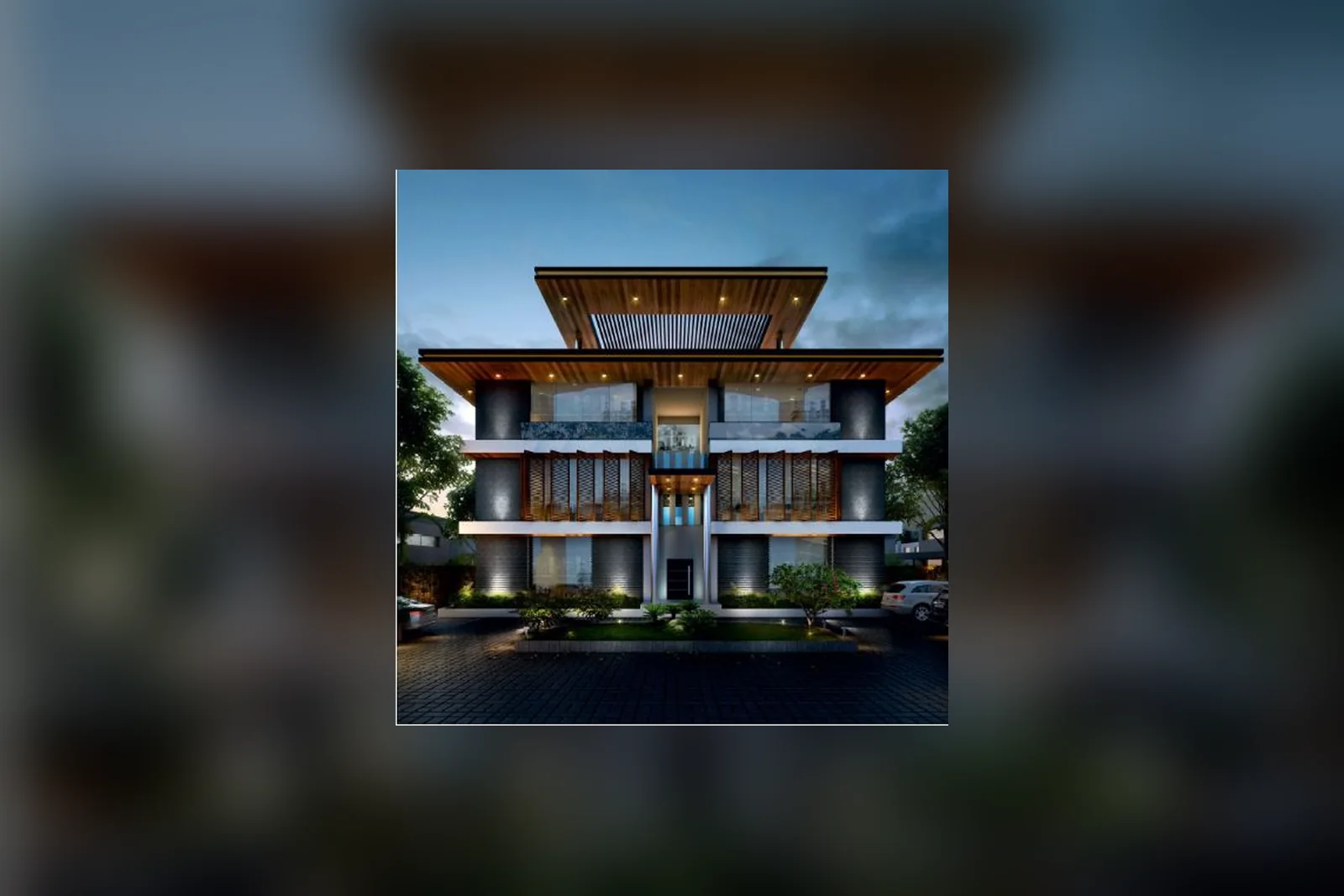


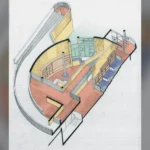
This bungalow in Tanzania was designed to break the box, replacing a static plan with dynamic spaces that move between scales and moods. Architect Abrar Mushtaque Bodle of @ctrlandspacestudio worked through the 2016 to 2017 period to give the home double height volumes alongside leisure areas such as a terrace gym, so daily life is not confined to a single repetitive rhythm of rooms.

The habitable rooms were planned so that every bedroom would receive a walk in wardrobe, treating storage as part of the architecture rather than an afterthought. This kind of careful room planning is a defining concern in single family bungalow design, where the whole program sits on a compact footprint and each square meter has to earn its place. When circulation, privacy, and storage are resolved early, the rest of the house can relax into more generous gestures.
Light, Air, and a Roof That Opens Up
The roof was conceived as a single slab, then cut open where the interior needed daylight, with those openings filled by pergolas that keep the structure feeling dynamic. The entrance lobby is held by three slim columns that add a quiet elegance to the arrival sequence. Double height louvered windows do real work here, drawing air through the section and letting a sufficient amount of sunlight reach deep into the plan.
This attention to passive comfort matters in a country like Tanzania, where a warm climate rewards cross ventilation and shaded daylight over heavy reliance on mechanical cooling. Louvers, pergolas, and tall openings let the house breathe while filtering harsh midday sun, an approach that reduces energy demand and keeps interior spaces pleasant through the day. The double height volumes also help warm air rise and escape, supporting a natural stack effect across the levels.
Two options were proposed for the project and one was selected, a reminder that residential architecture often advances through comparison rather than a single fixed answer. The result reads as a home that values openness, generous light, and a roofline willing to be carved into something more expressive than a simple lid.





Office for Future’s Dvir Turns a Former School in Stavyshche Into 42 Homes for Displaced Ukrainian Families
The 1,900 square metre school keeps its place in town life with...
illustrarch Editorial Team1 Mins read

Liman Estate by Chapman Taylor
Liman Estate by Chapman Taylor sets four low-rise residential buildings with curved,...
illustrarch Editorial Team2 Mins read

Living Typologies by Stela Boldur
Living Typologies by Stela Boldur is a student masterplan for the former...
illustrarch Editorial Team2 Mins read
Residential Architecture Face-Off: Co-Living vs Traditional Apartment for Urban Housing
Co-living and traditional apartments represent two distinct approaches to residential architecture in...
 Furkan Sen8 Mins read






Leave a comment