

Mario Villa Apartments
Mario Villa Apartments in Cuenca, Ecuador, transform an unfinished family house into a multi-unit residence through adaptive reuse.
 illustrarch Editoral Team26 July 20191 Mins read309
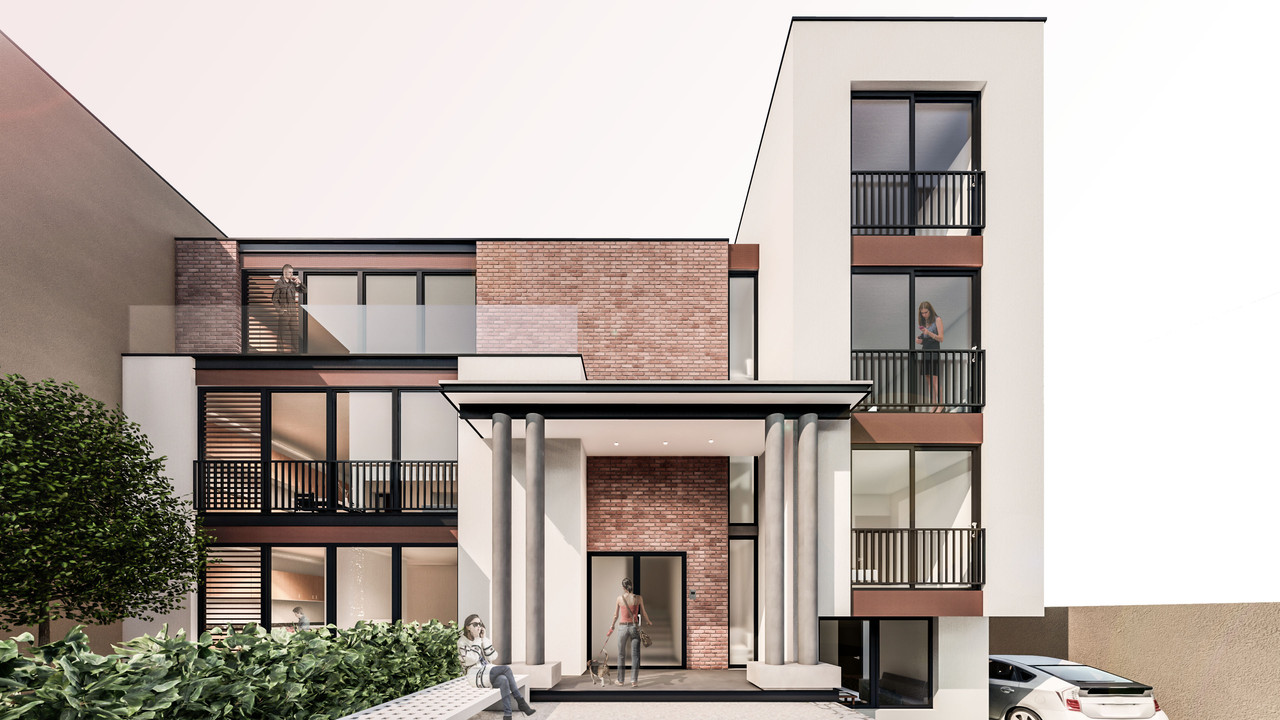


The Mario Villa Apartments in Cuenca, Ecuador turn an unfinished, weathered family house into a small multi-unit residence through careful reuse rather than demolition. Designed by Mediagua Architecture, the project began with a client’s wish to readjust and expand his home, a structure that was still incomplete in its construction and had deteriorated over the years. Because the main investment drew on nearly all the savings of the client and his partner, the design kept the existing structure and masonry intact wherever possible, treating the standing fabric as a resource to build upon.
Working within those limits, the architects proposed three apartments and two duplexes organized around a single circulation path. The slopes of the existing floor slabs, rather than being corrected away, were used to set the levels and connections between units. The result keeps construction effort and cost down while giving each home its own position on the site. This approach reflects a wider movement in housing design toward adaptive reuse, where an aging building is adjusted to new uses instead of cleared and rebuilt from scratch.
Density and reuse in a constrained home
Converting a single house into several dwellings is one of the recurring challenges of urban apartment design. Each unit needs daylight, privacy, ventilation, and a clear way in and out, yet all of them share one footprint, one set of load-bearing walls, and often one stair or path. By committing to a single shared route through the building, Mediagua Architecture avoids the cost and spatial loss of duplicated circulation, letting more of the existing area go to living space. The mix of flats and duplexes also lets the design respond to different household sizes within the same compact structure.
Projects like this matter because much of a city’s future housing already exists in the form of partial, tired, or underused buildings. Cuenca, a UNESCO-listed historic city in the southern Andes of Ecuador, is a fitting setting for an approach that values continuity over replacement. The Mario Villa Apartments show how tight budgets and an imperfect inheritance can still produce a workable, multi-family home when the existing fabric is read as an asset.




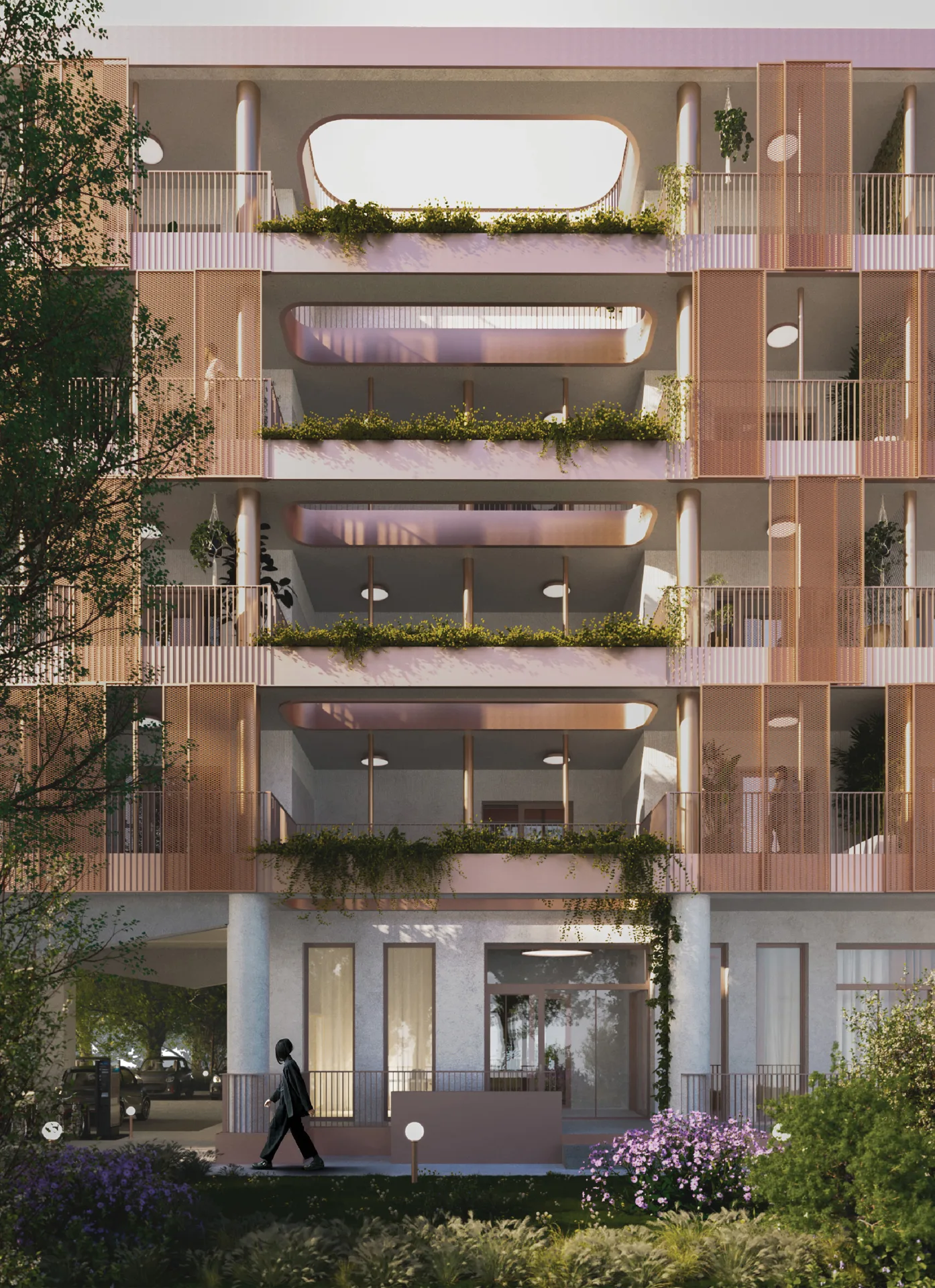
Living Typologies by Stela Boldur
Living Typologies by Stela Boldur is a student masterplan for the former...
illustrarch Editoral Team2 Mins read
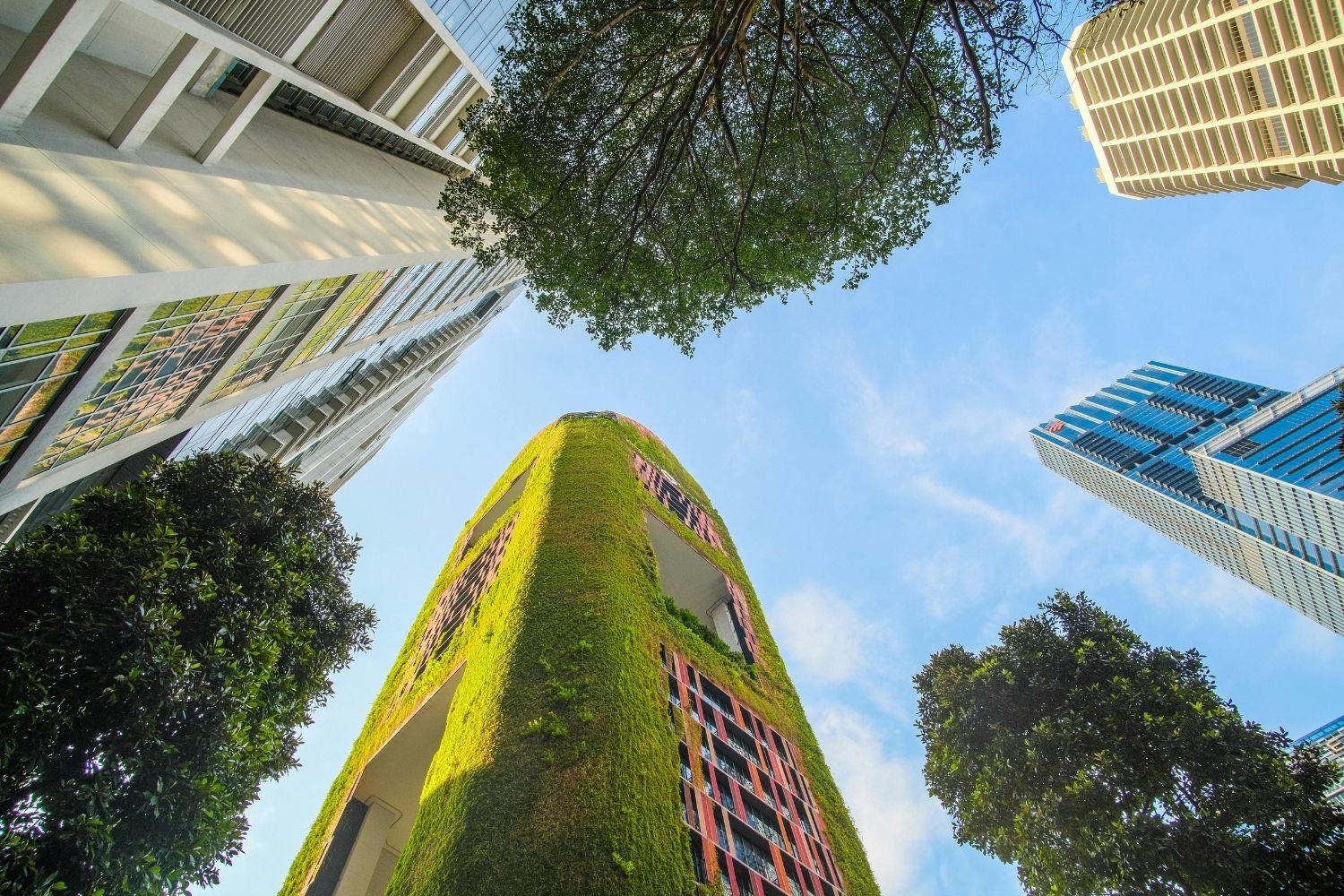
Residential Architecture Face-Off: Co-Living vs Traditional Apartment for Urban Housing
Co-living and traditional apartments represent two distinct approaches to residential architecture in...
 Furkan Sen8 Mins read
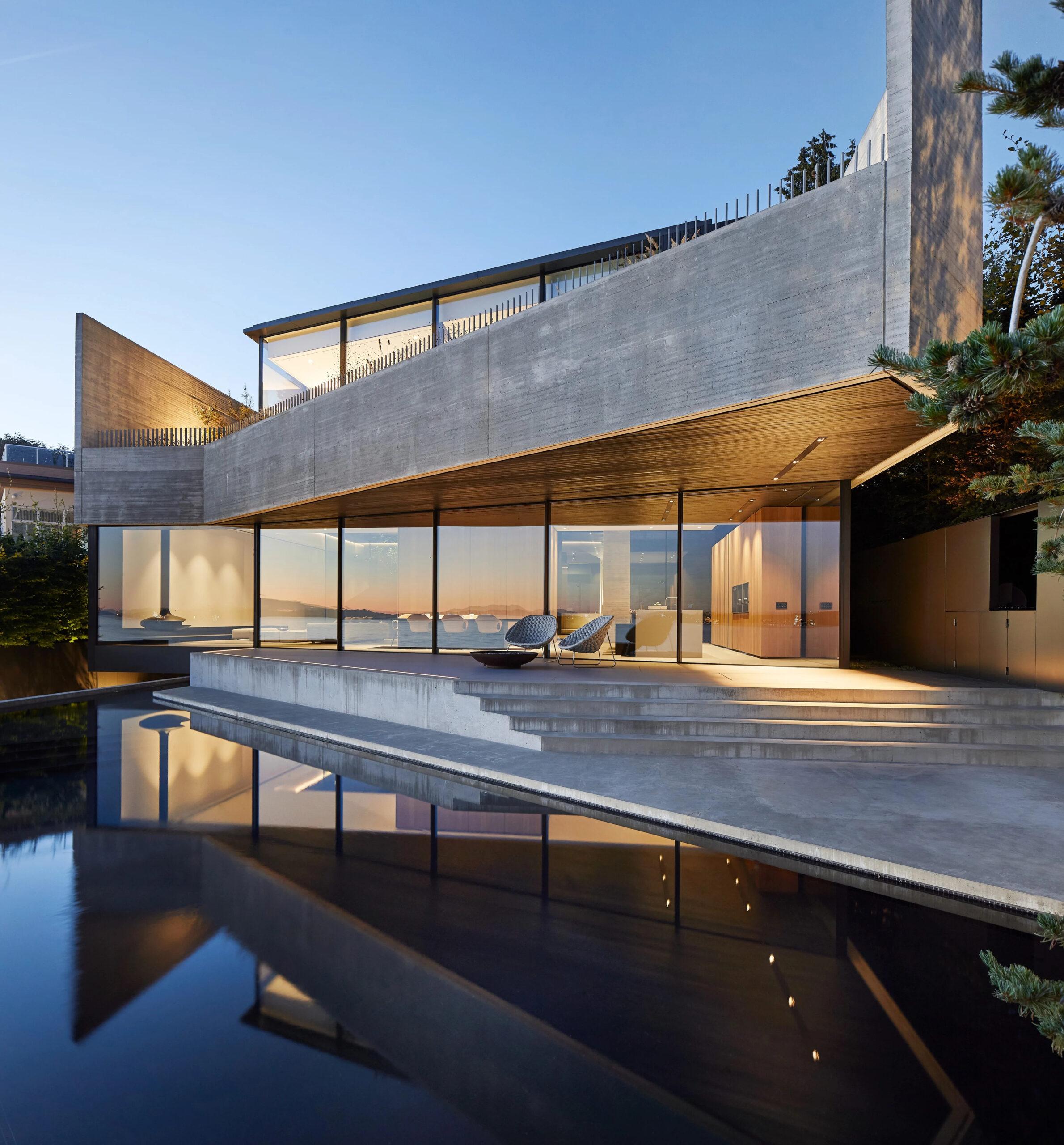
Designing a Liminal Space Where Urban Meets Coastal
The Liminal House by Mcleod Bovell Modern Houses in West Vancouver is...
 Elif Ayse Sen5 Mins read
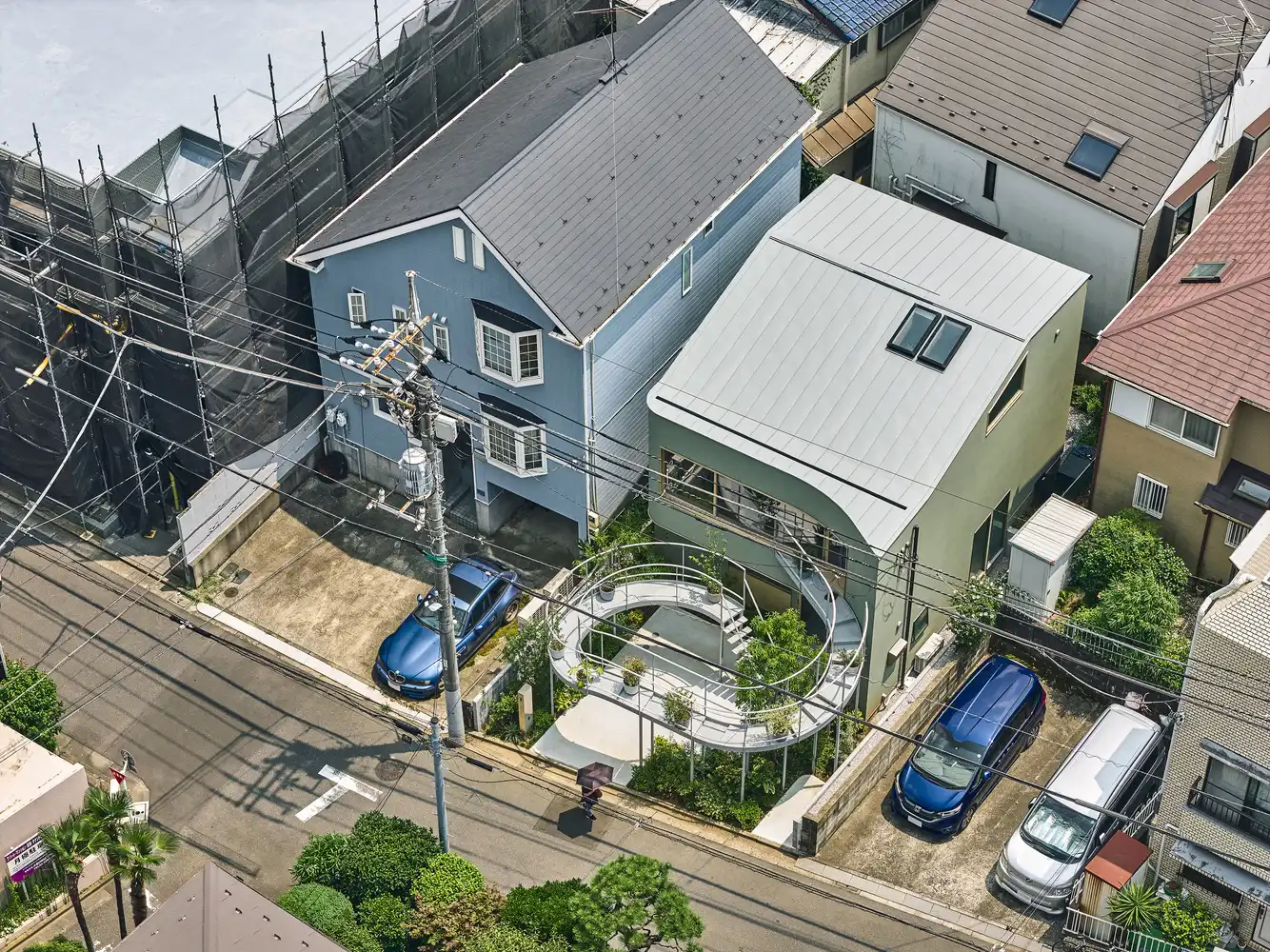
House in Nakano: A 96 m² Tokyo Architecture Marvel by HOAA
House in Nakano, designed by HOAA, creatively addresses urban density challenges by...
 Bahattin Duran6 Mins read


Leave a comment