

BINÔME Multi-residence by APPAREIL architecture
Binôme by APPAREIL Architecture is a five-unit residential building that redefines soft densification in Montreal. Through two sculpted volumes connected by a shared courtyard, the project blends privacy, community, and environmental responsibility into a contemporary urban living model.
 Begum Gumusel27 December 20253 Mins read251

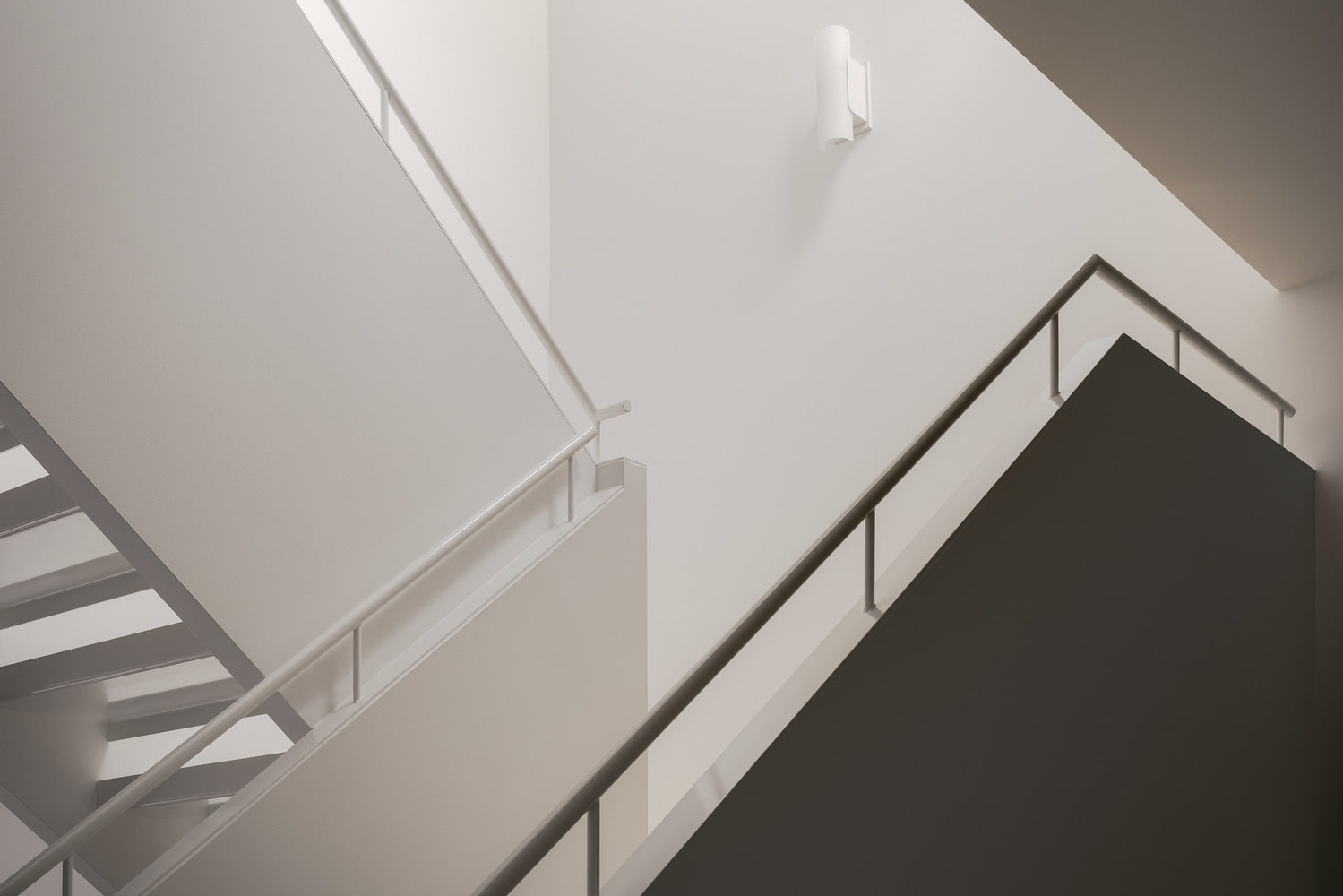
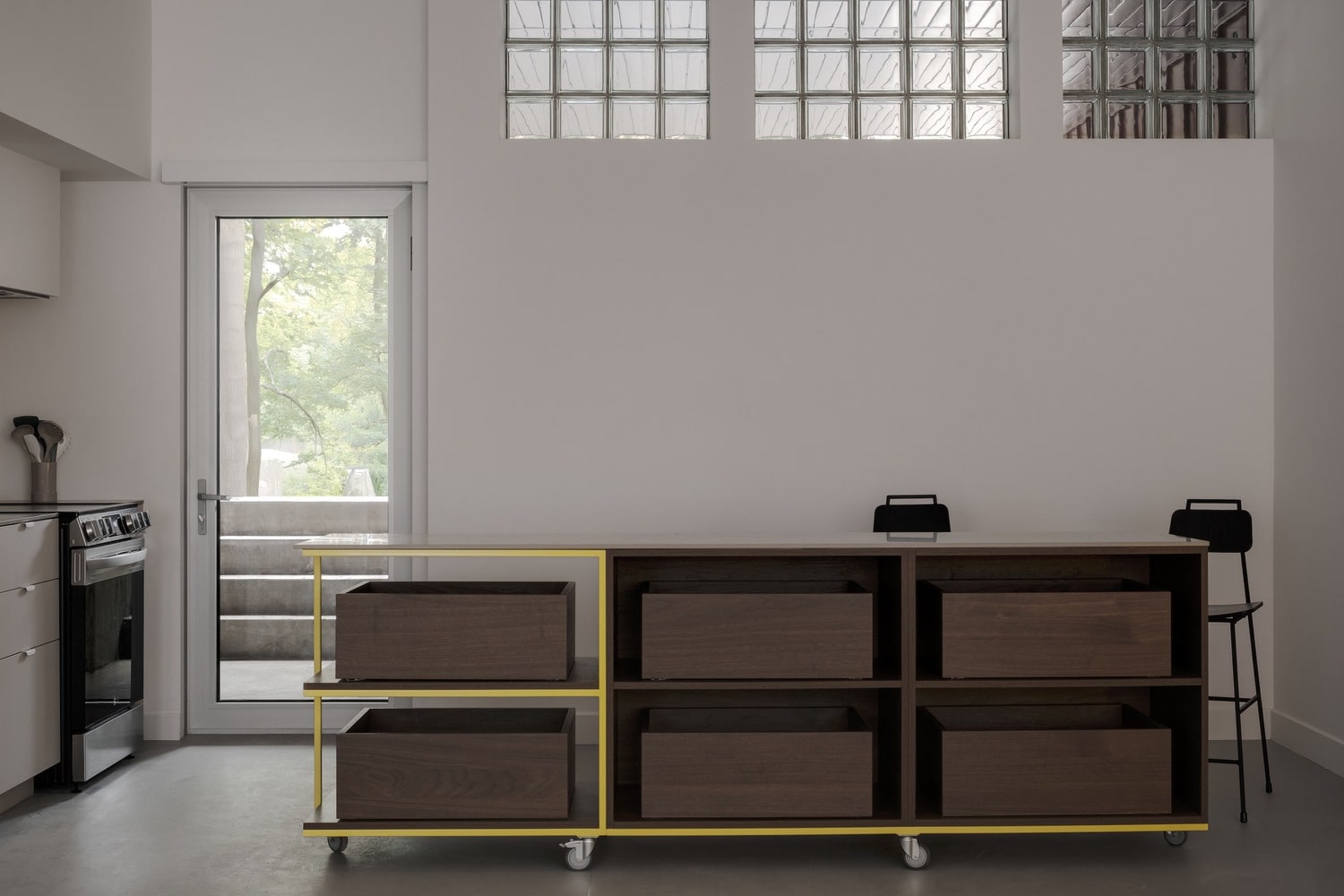
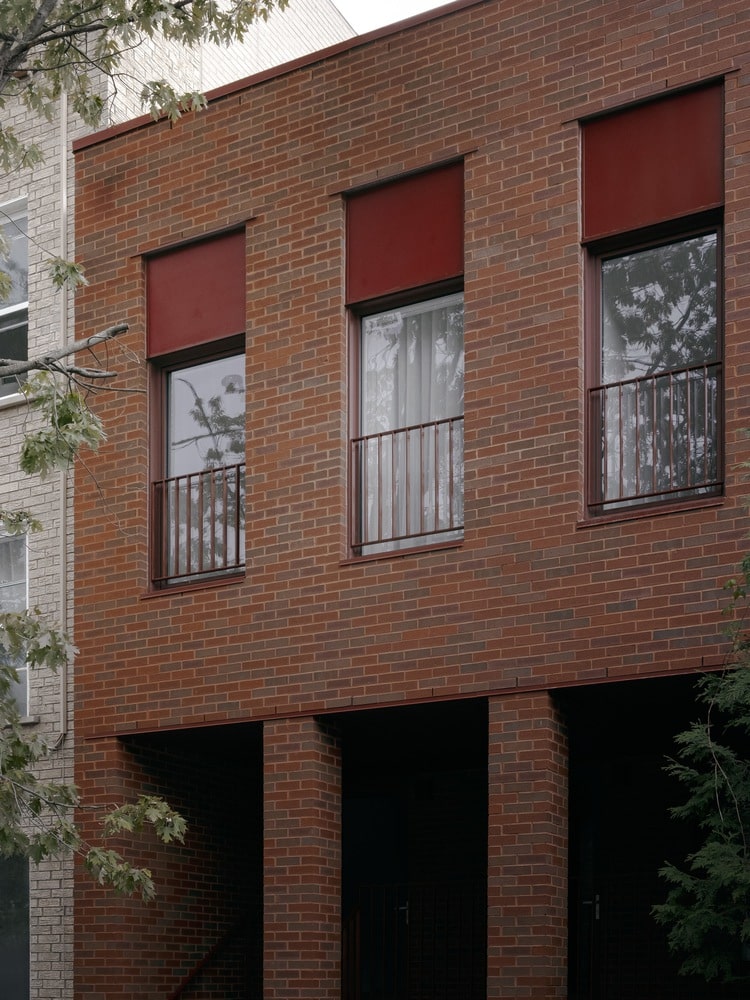

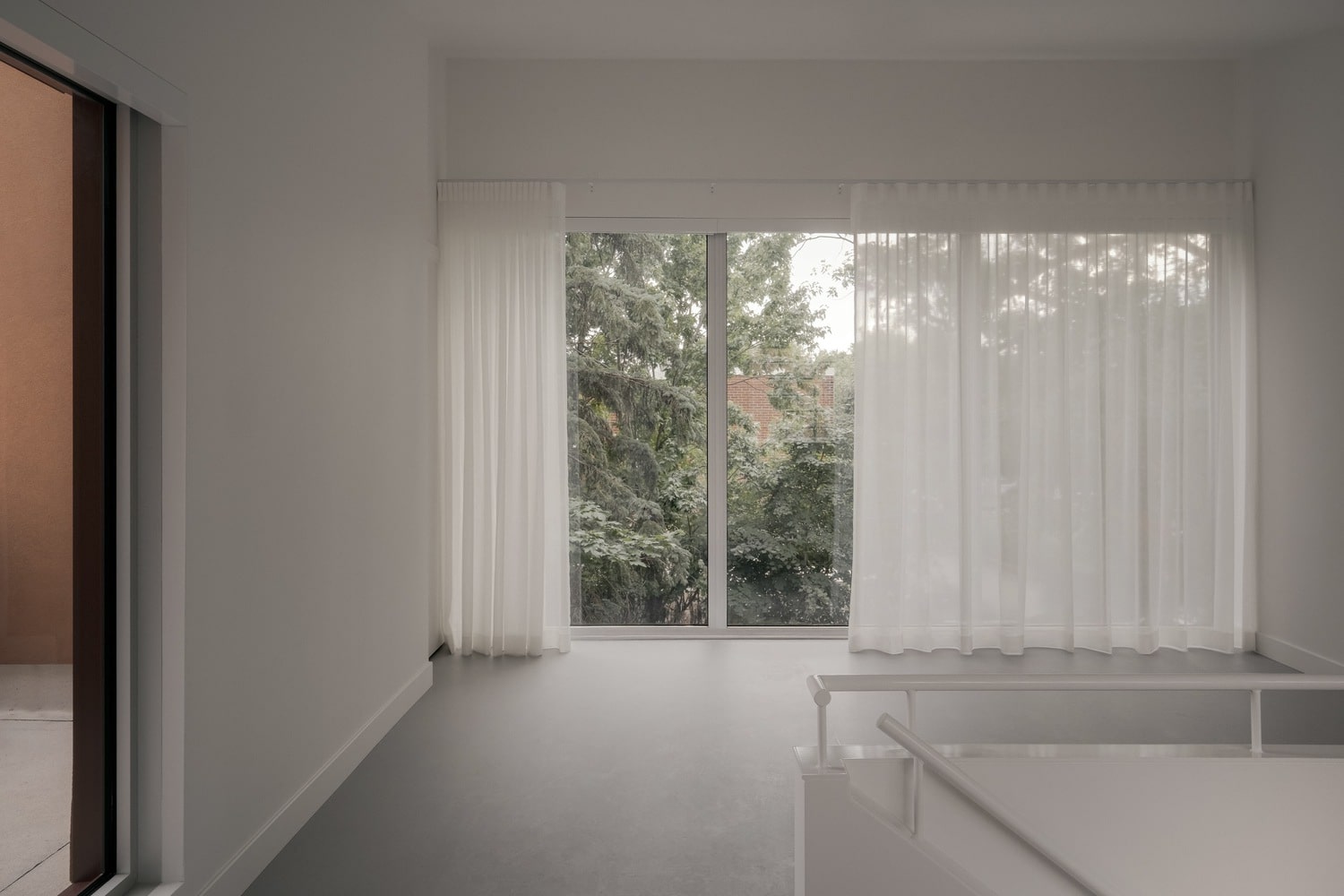
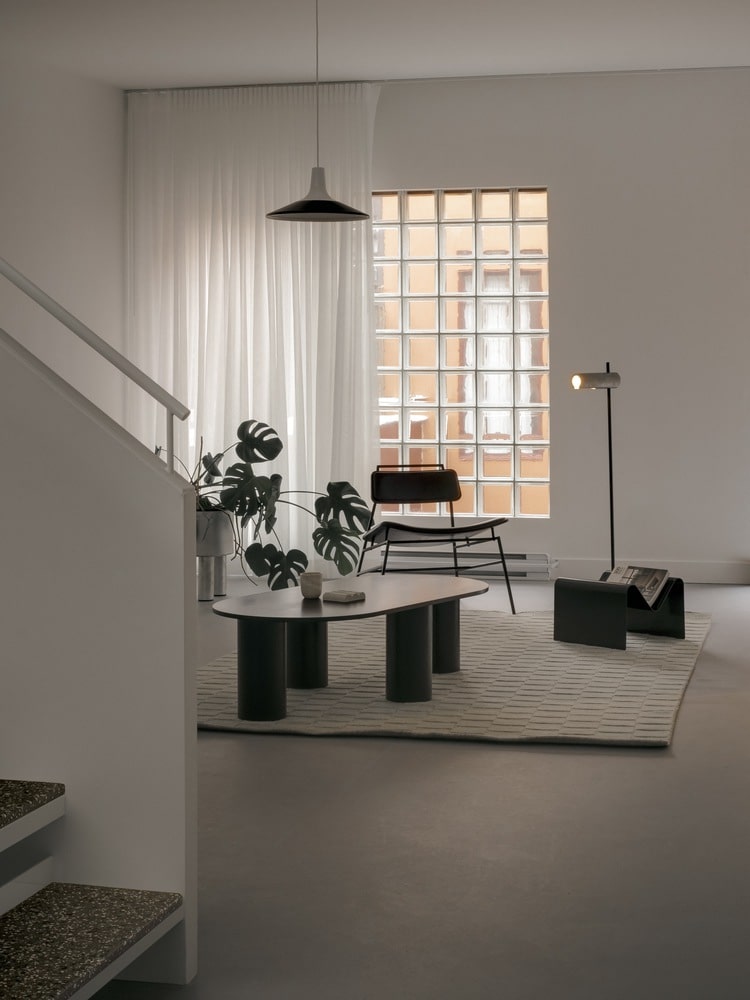
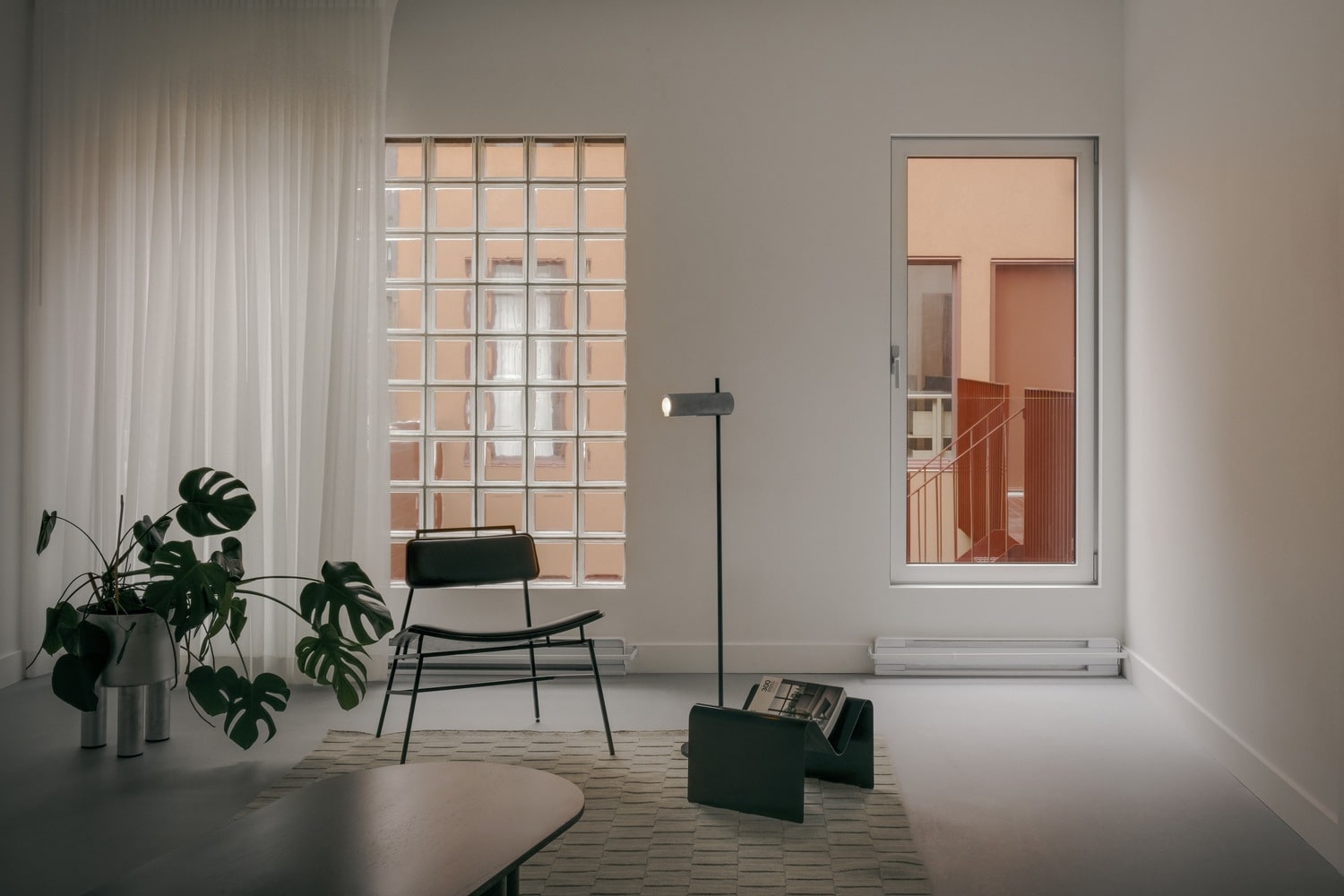

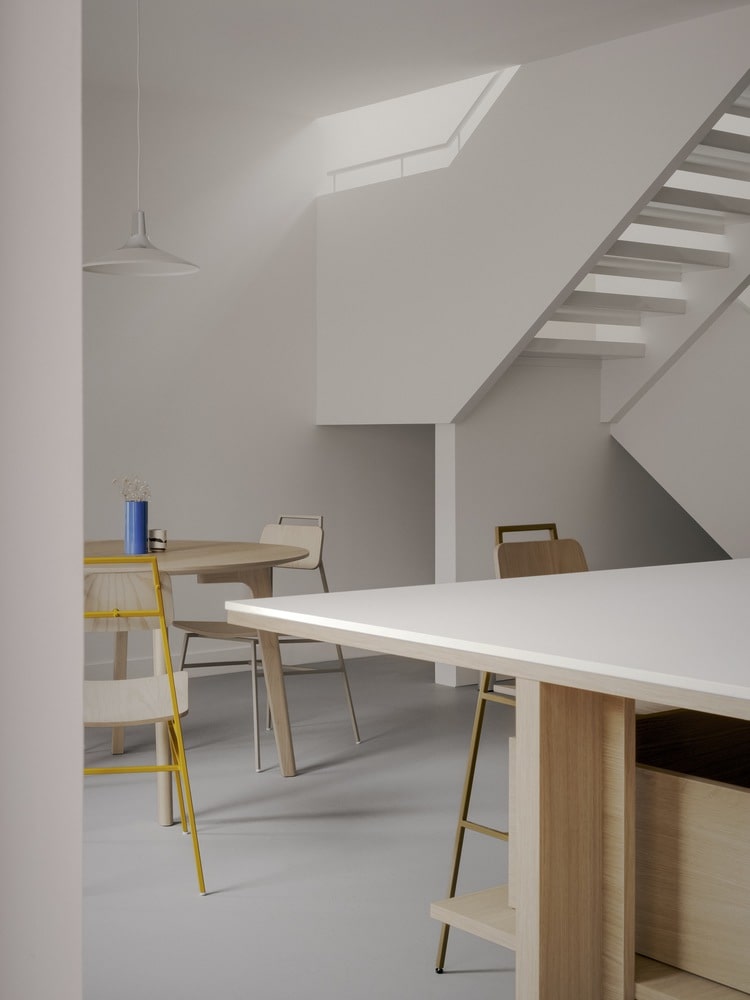
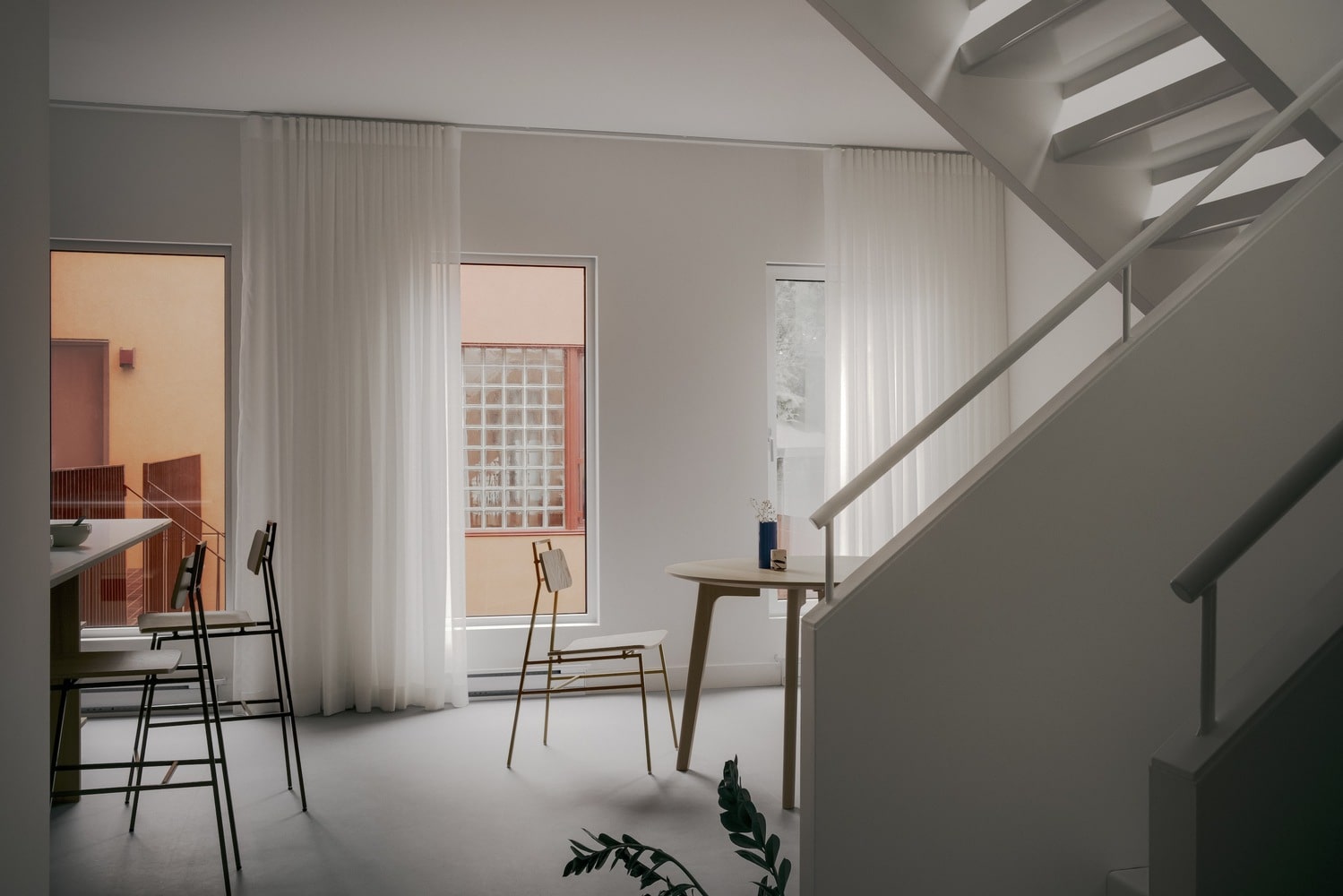
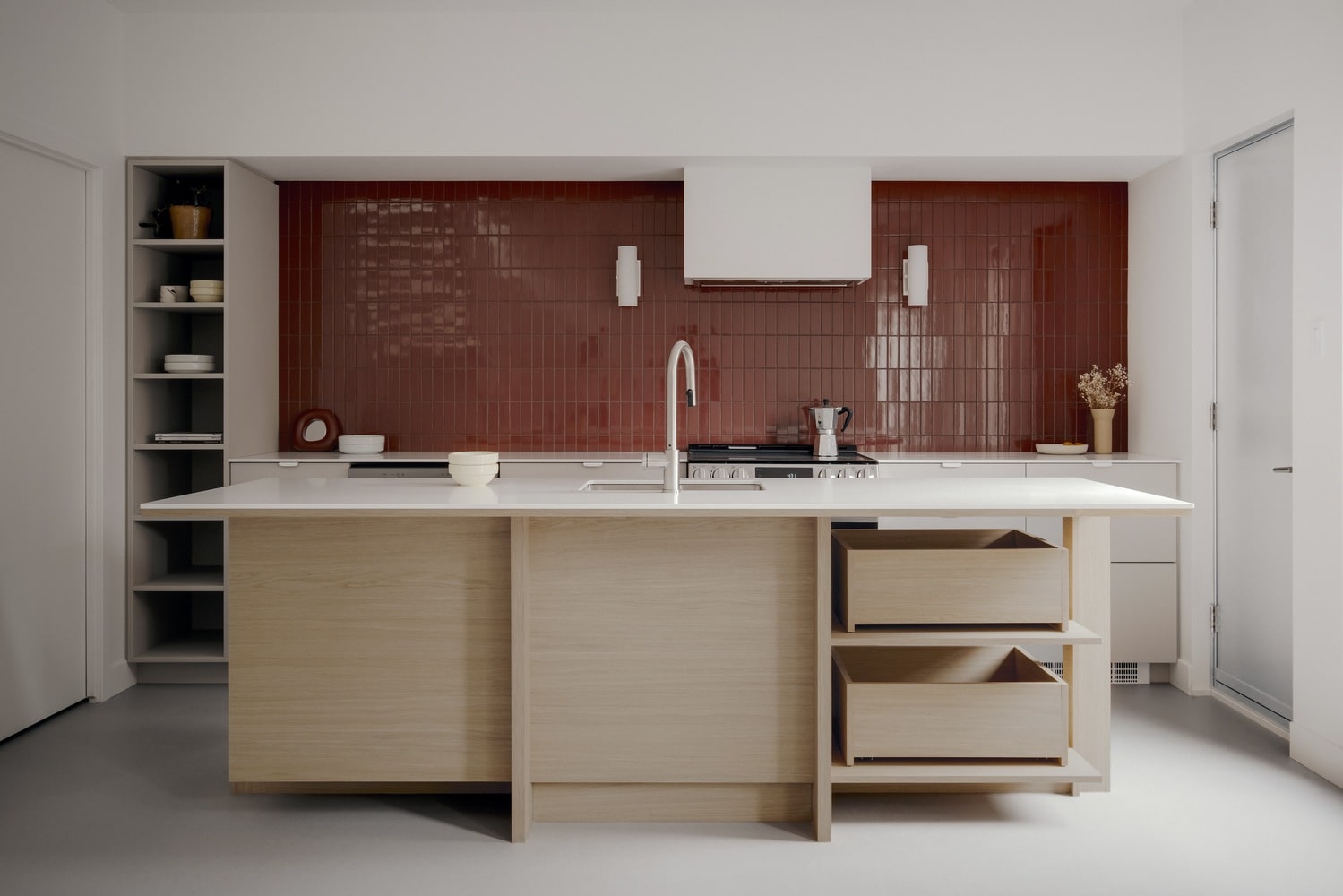
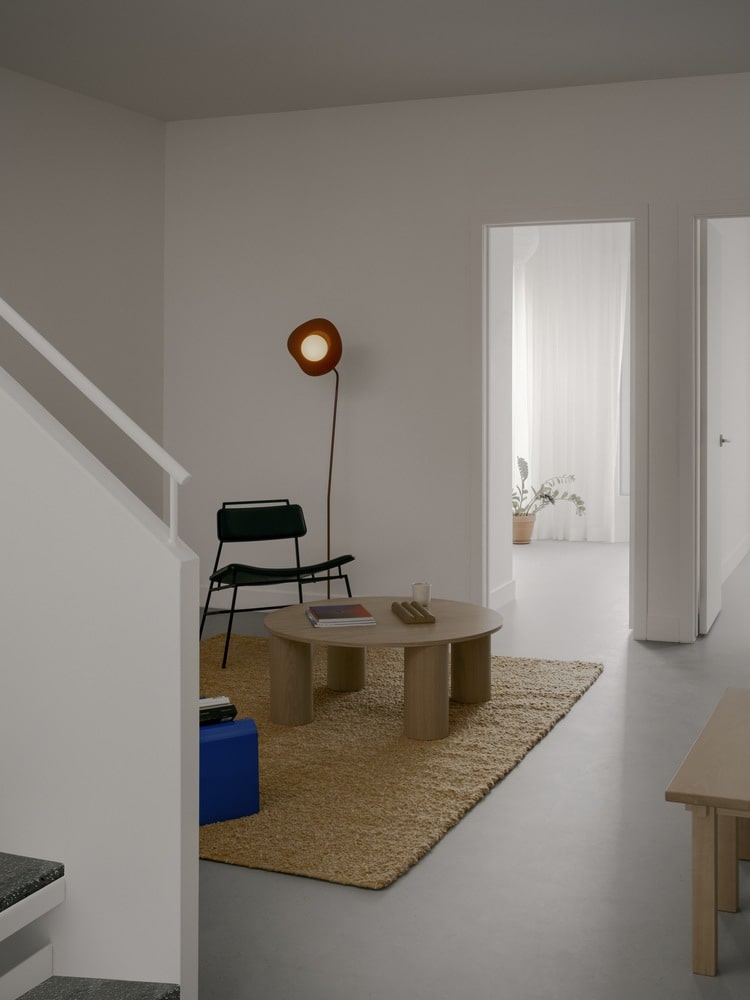
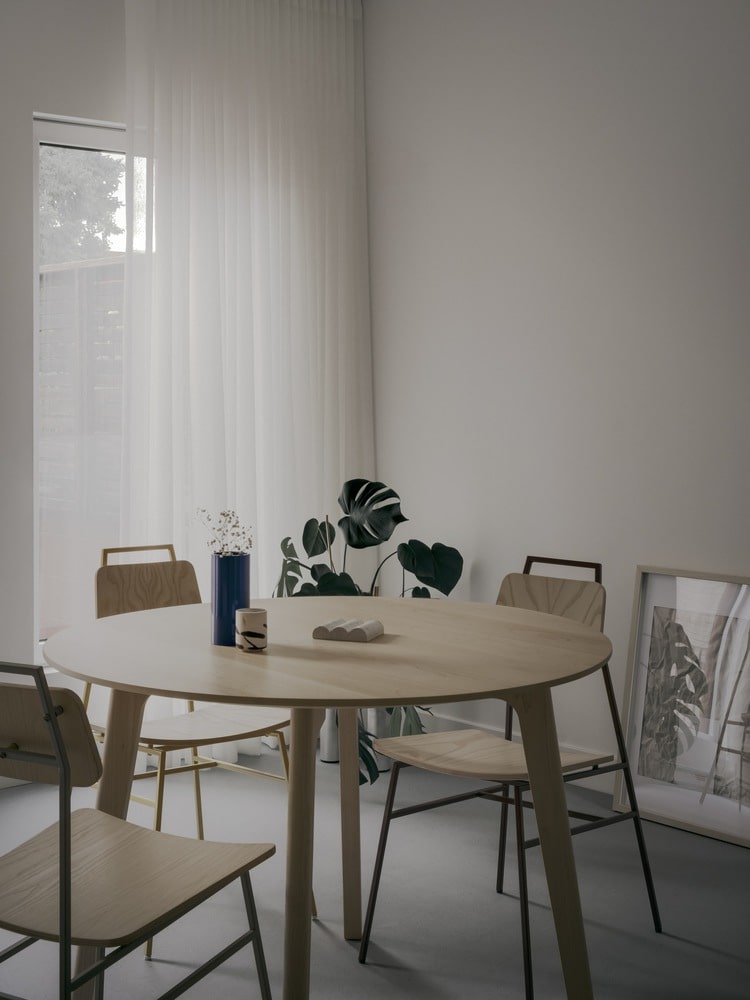

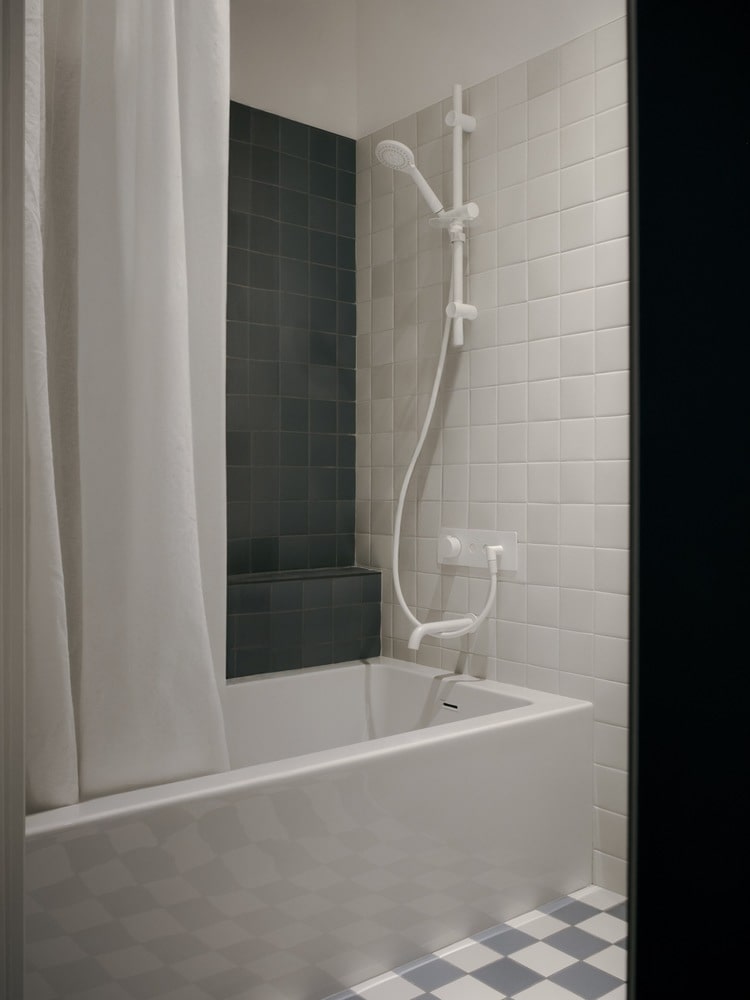


Table of Contents Show
Binôme introduces a thoughtful new take on Montreal’s evolving housing landscape, offering a sensitive and contemporary approach to urban densification. Conceived by APPAREIL Architecture, this five-unit residential building transforms an underused lot into a vibrant, community-minded micro-neighborhood. Co-commissioned by the owners of the adjacent duplex, the project was envisioned as a meaningful infill development, one that prioritizes architectural quality, intergenerational living, and a renewed sense of belonging within the urban fabric.

A Strategy of Soft Density and Site Optimization
Located on a deep and narrow parcel, the project required meticulous planning to navigate zoning constraints, excavation challenges, and density limitations. Instead of defaulting to a traditional duplex, the design team and clients chose a more ambitious path: a building that maximizes the lot’s potential while enhancing quality of life. This approach led to a two-volume configuration divided by a landscaped courtyard, giving residents generous access to daylight, natural ventilation, and shared outdoor space.
Splitting the building into two bodies achieves several benefits:
- Cross-ventilation and abundant natural light, thanks to through-unit configurations
- A communal courtyard that supports informal interaction
- Visual permeability, preventing the structure from feeling monolithic
- Improved privacy, despite increased density
The result is a model of urban living that is intimate, compact, and deeply connected to its context, proving that densification can be both humane and inspiring.
Flexible Living Through Diverse Residential Typologies
Binôme includes five individual residences: three open-plan units of roughly 600 sq. ft. and two duplexes of about 1,500 sq. ft. Each home has its own entrance, ensuring a sense of autonomy while still belonging to a shared environment. Access is either through the courtyard or via a private passage opening onto rear terraces, offering varied spatial experiences.
The massing rises three stories with a basement, bringing density while maintaining a human scale. Every design decision supports privacy, comfort, and community, creating a hybrid condition where individual life and communal living coexist with ease.
Informed by Montreal’s vernacular housing patterns, including alleyways, duplex structures, and intimate courtyards, the project reinterprets local traditions through a contemporary lens. It offers a new model for gentle urban growth, one that avoids overwhelming the neighborhood while adding meaningful housing diversity.
Architectural Expression Rooted in Context
The architectural identity of Binôme draws from the area’s industrial past, where manufacturing buildings have gradually transformed into living spaces and creative studios. Its façade expresses this continuity through:
- Tone-on-tone red brick, echoing historic textures
- Metal cladding in warm, muted hues, creating visual harmony
- Large workshop-style windows, referencing industrial typologies
- Brick colonnades, inspired by the former Pasteur Hospital
Rather than imitating its surroundings, the project contributes a layered and rhythmic street presence, balancing distinction with respectful integration. Brick arches introduce a ceremonial transition from public to private space, reinforcing the building’s architectural integrity.
Inside, the design is equally meticulous. Material choices and color palettes shift from unit to unit, reflecting the residents’ personalities while maintaining a coherent aesthetic. Finely crafted custom kitchen islands, diverse bathroom ceramics, and thoughtfully framed windows ensure every home feels bespoke. The courtyard’s glass block walls diffuse soft light, protecting privacy while enhancing brightness in shared zones. The double-height red base enlivens the heart of the project, connecting all spaces through a warm visual language.
Sustainability and Quality of Life at the Core
Binôme places well-being and environmental responsibility at the forefront. Through-units encourage natural ventilation, reducing reliance on mechanical systems. Green roofs and planted lightwells improve biodiversity and mitigate heat island effects, while fostering garden-like qualities at the lower levels. The courtyard becomes a central oasis where residents naturally gather, supporting social cohesion.

A refined palette of wood, light finishes, and ample daylight creates soothing atmospheres inside each home. Integrated edible plantings enrich the landscaping, promoting ecological awareness and offering residents the pleasure of growing food in an urban setting.
By optimizing an overlooked lot and designing with intention at every scale, the project illustrates how thoughtful densification can elevate the neighborhood rather than overwhelm it. Binôme stands as a model for future collective housing: compact, community-oriented, and deeply rooted in place.
Photography: Félix Michaud




Living Typologies by Stela Boldur
Living Typologies by Stela Boldur is a student masterplan for the former...
 illustrarch Editoral Team2 Mins read
Residential Architecture Face-Off: Co-Living vs Traditional Apartment for Urban Housing
Co-living and traditional apartments represent two distinct approaches to residential architecture in...
 Furkan Sen8 Mins read
Designing a Liminal Space Where Urban Meets Coastal
The Liminal House by Mcleod Bovell Modern Houses in West Vancouver is...
 Elif Ayse Sen5 Mins read
House in Nakano: A 96 m² Tokyo Architecture Marvel by HOAA
House in Nakano, designed by HOAA, creatively addresses urban density challenges by...
 Bahattin Duran6 Mins read


Leave a comment