

Bridleway House by Guttfield Architecture
Bridleway House by Guttfield Architecture is a barn-inspired timber extension that reframes countryside views while responding sensitively to a historic village setting in West Berkshire.
 Begum Gumusel10 January 20263 Mins read227

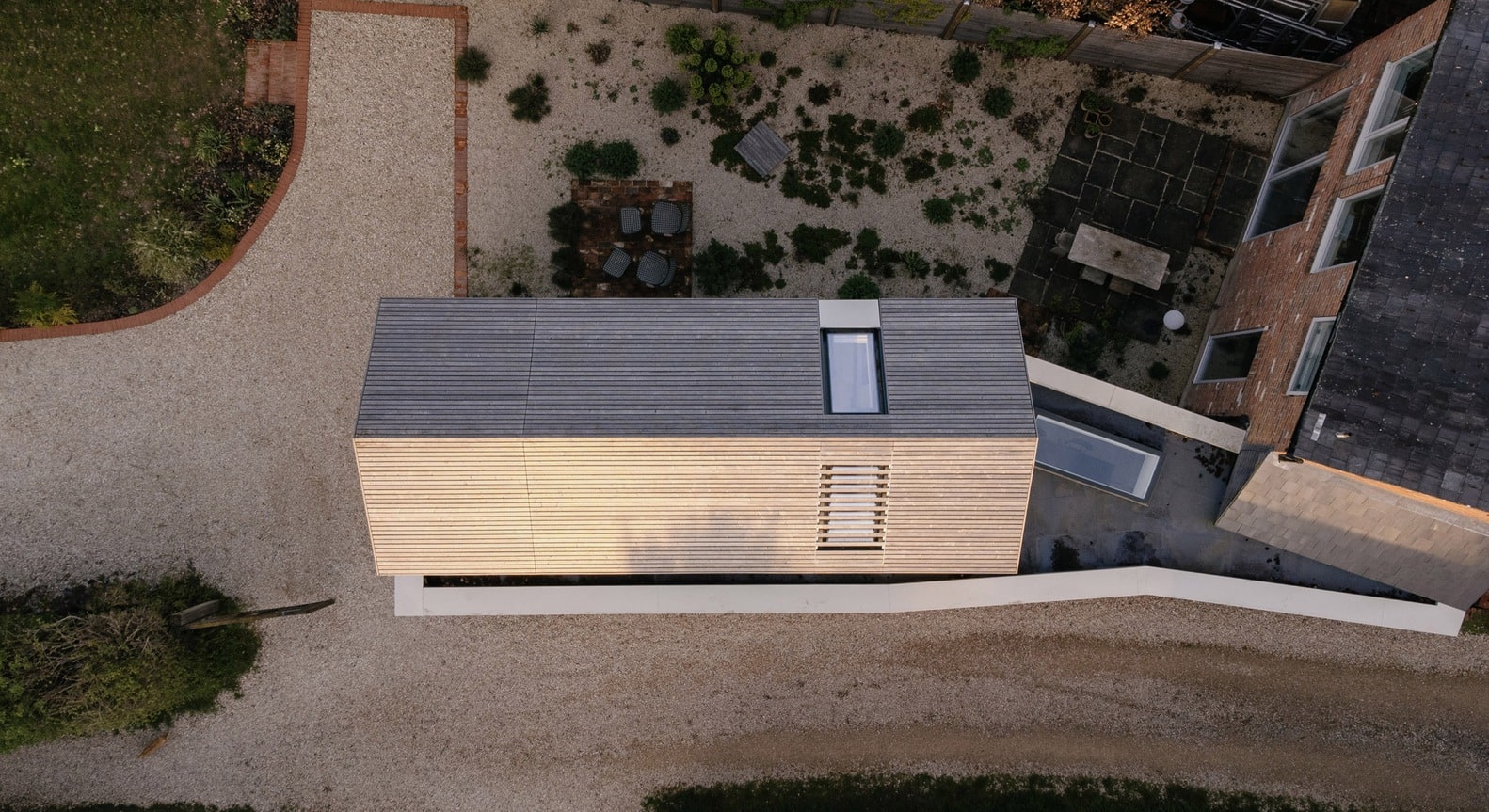
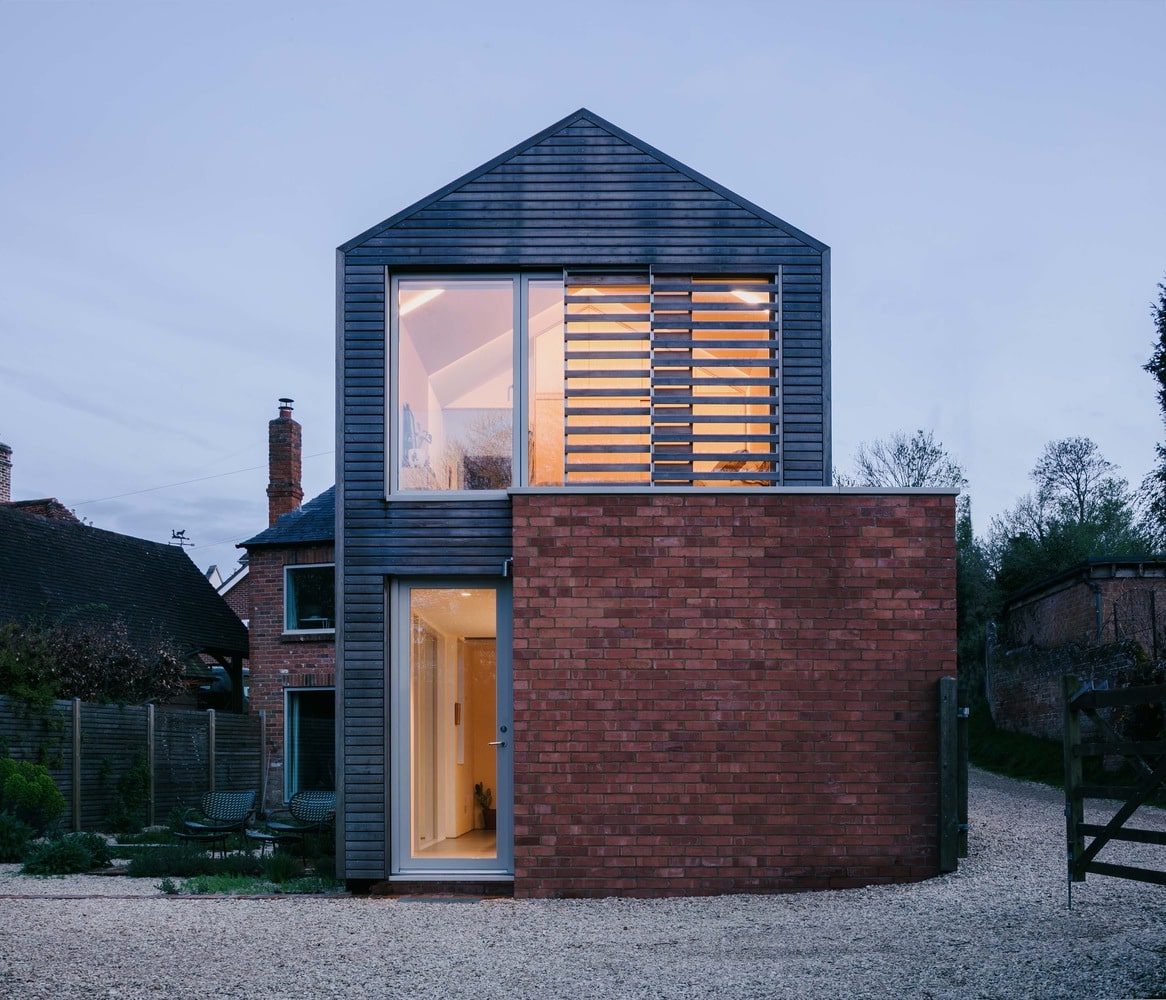
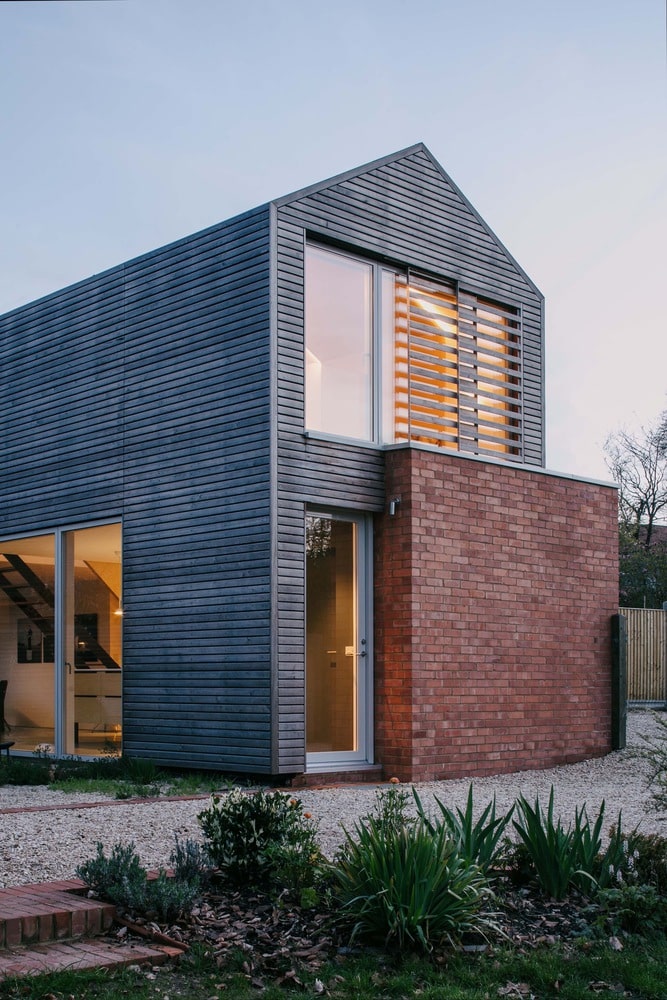
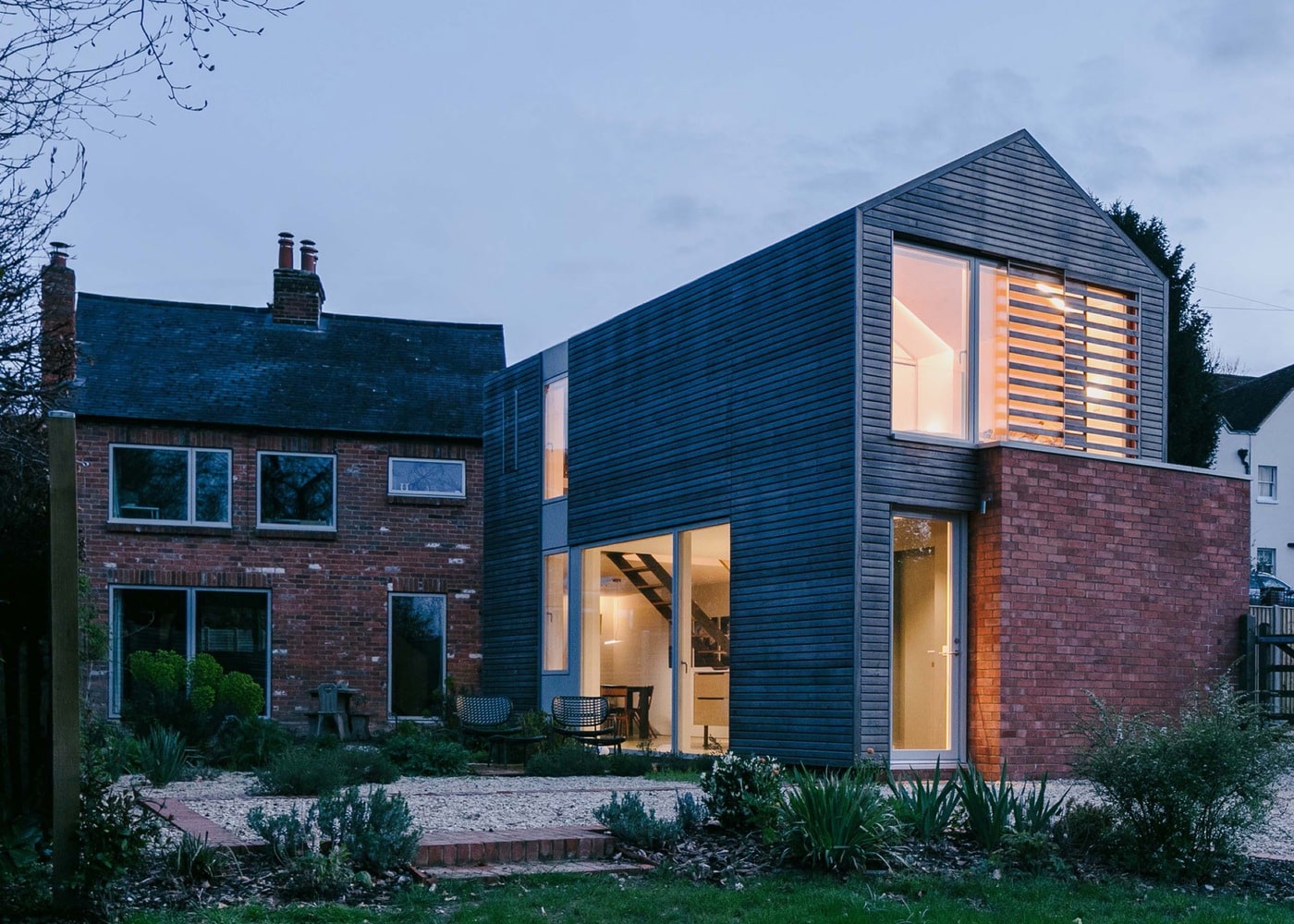
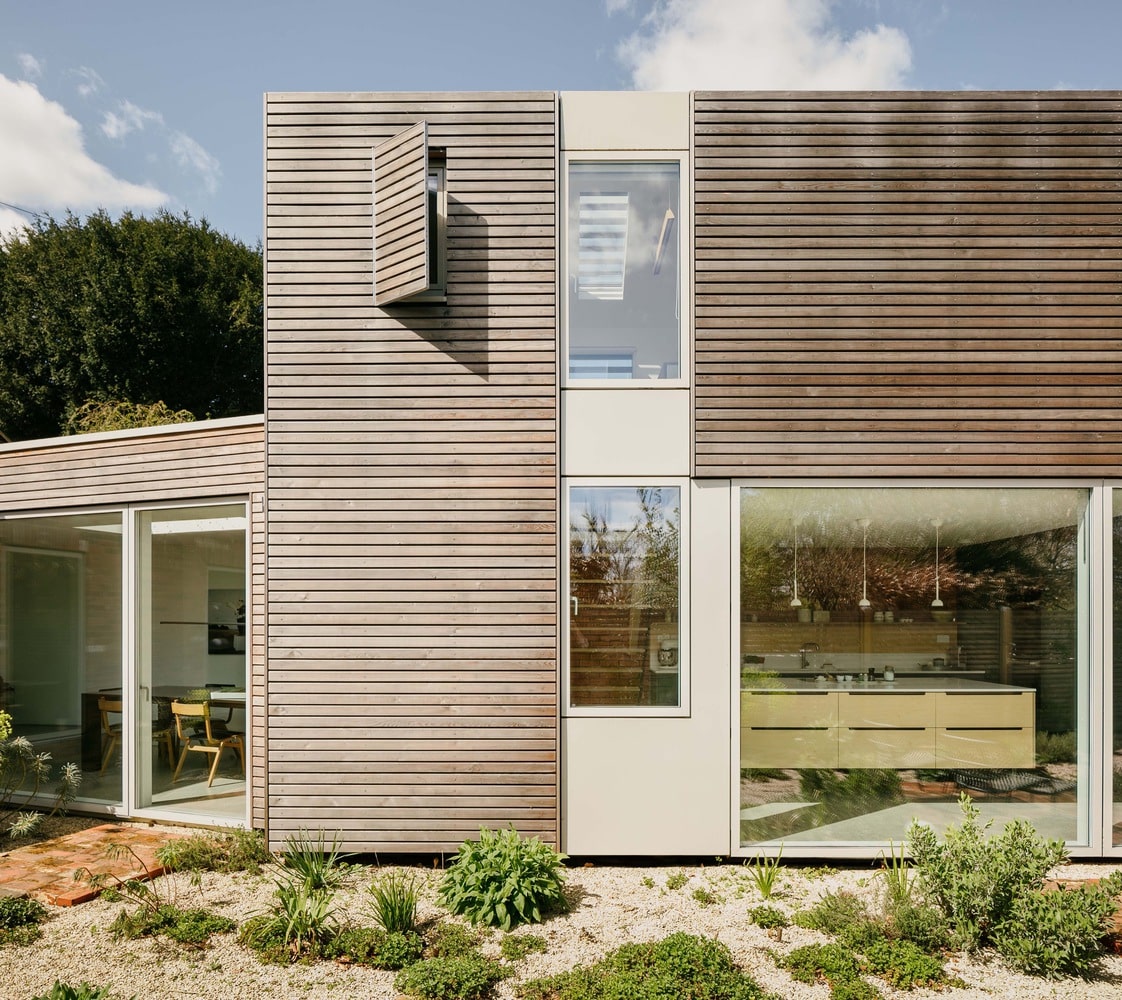
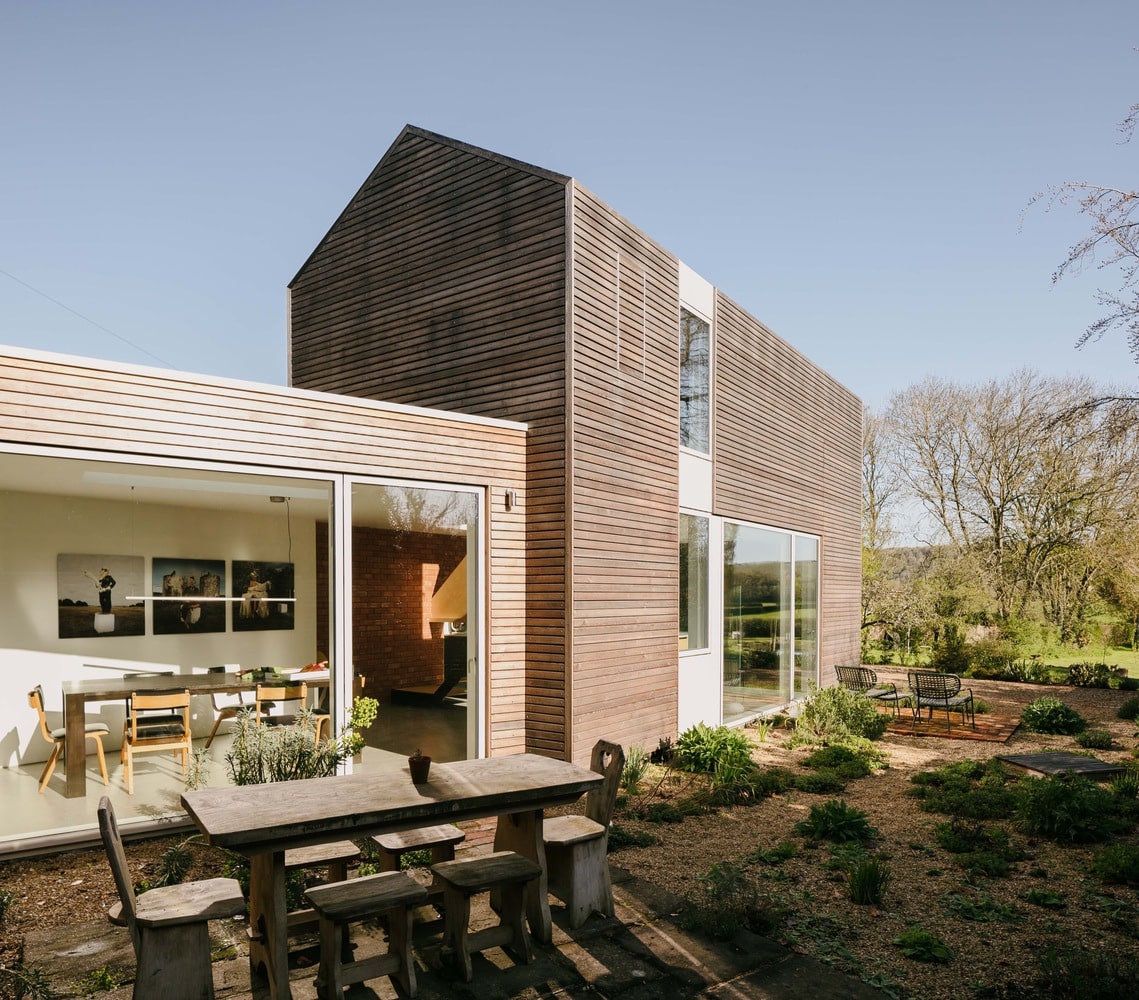
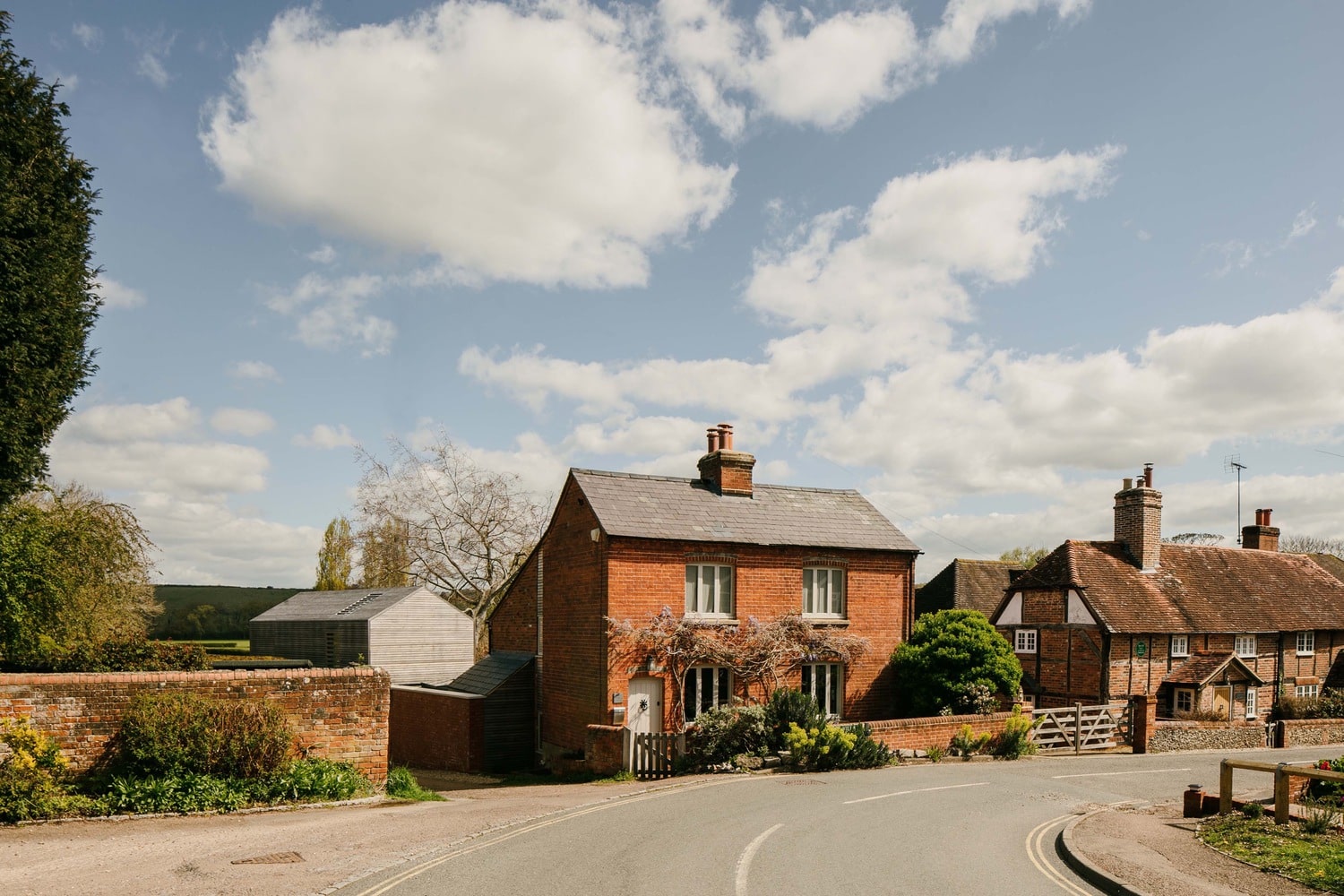
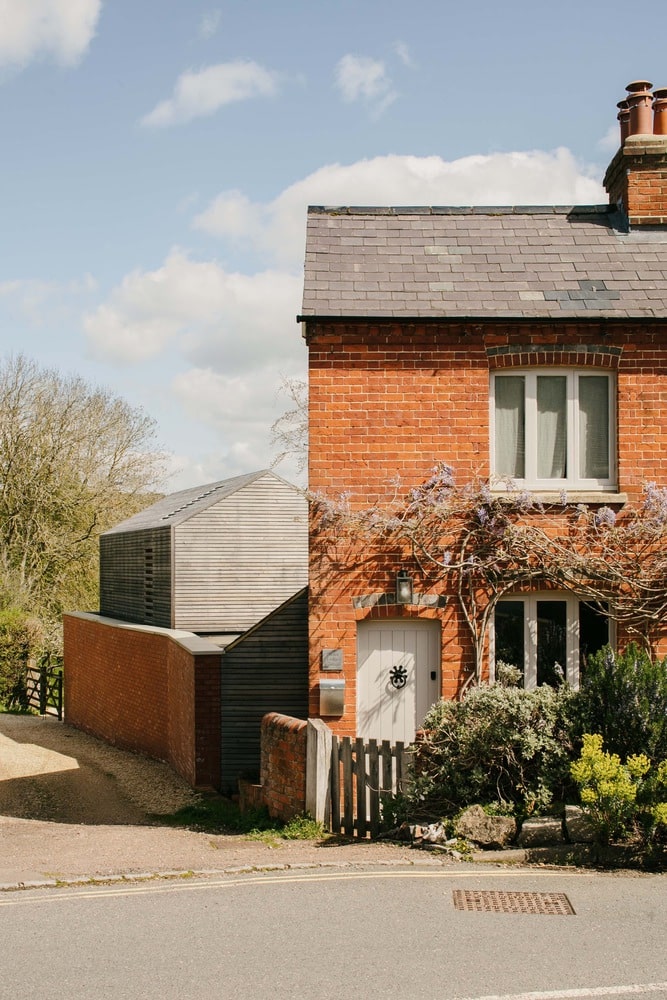
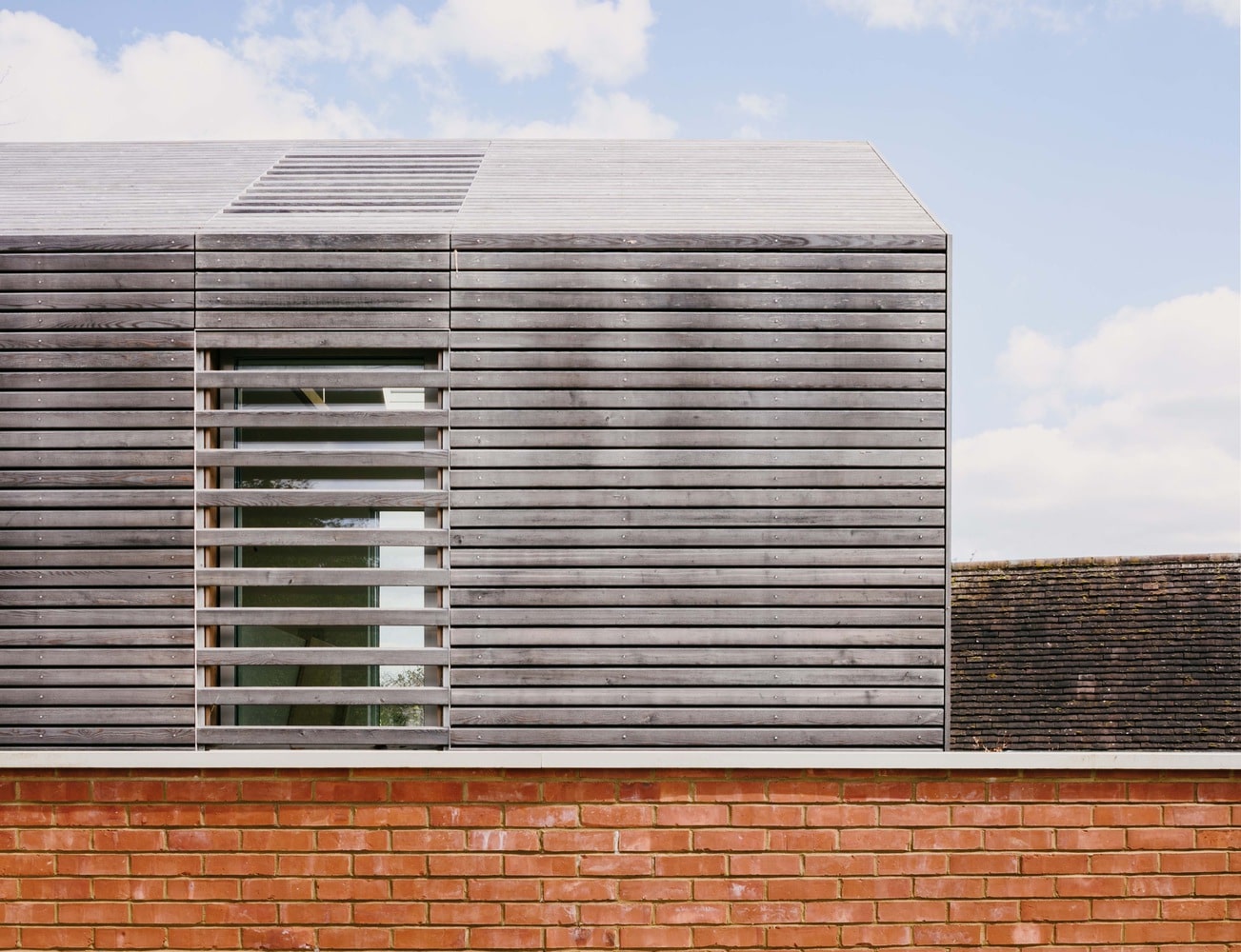
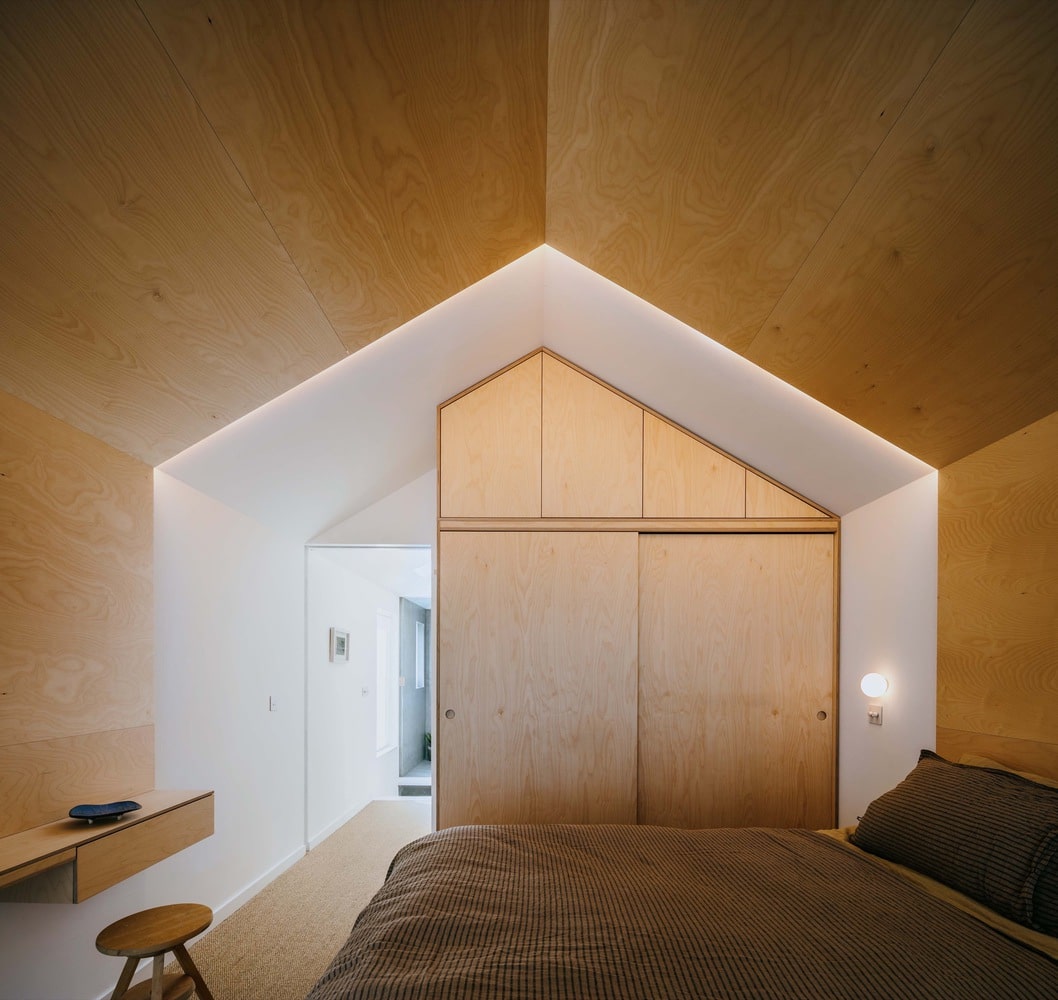
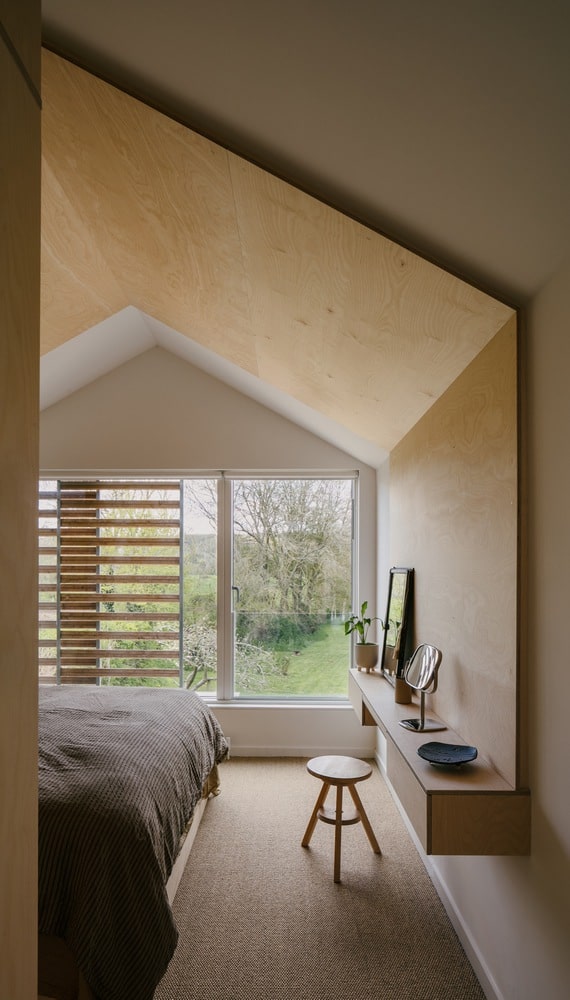
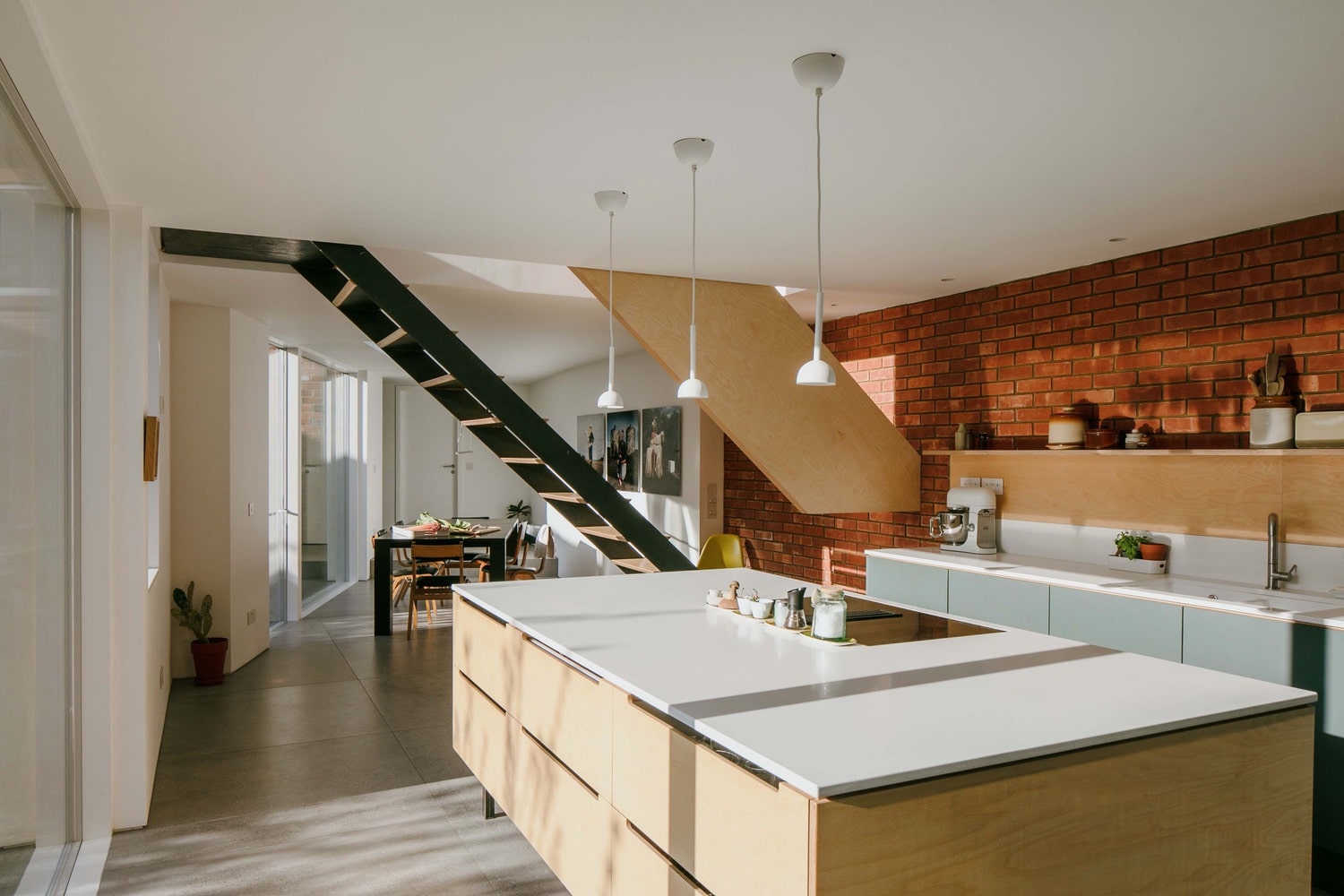
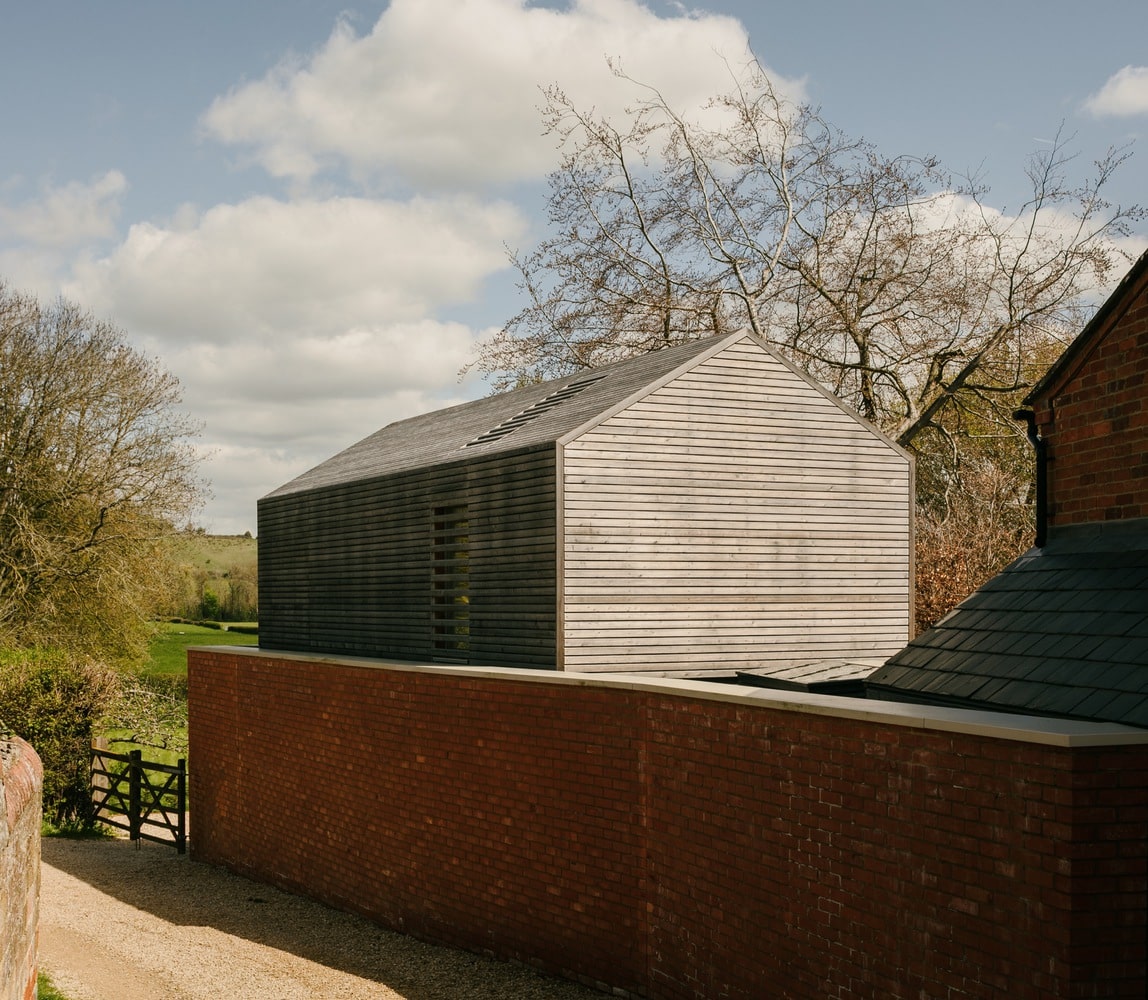
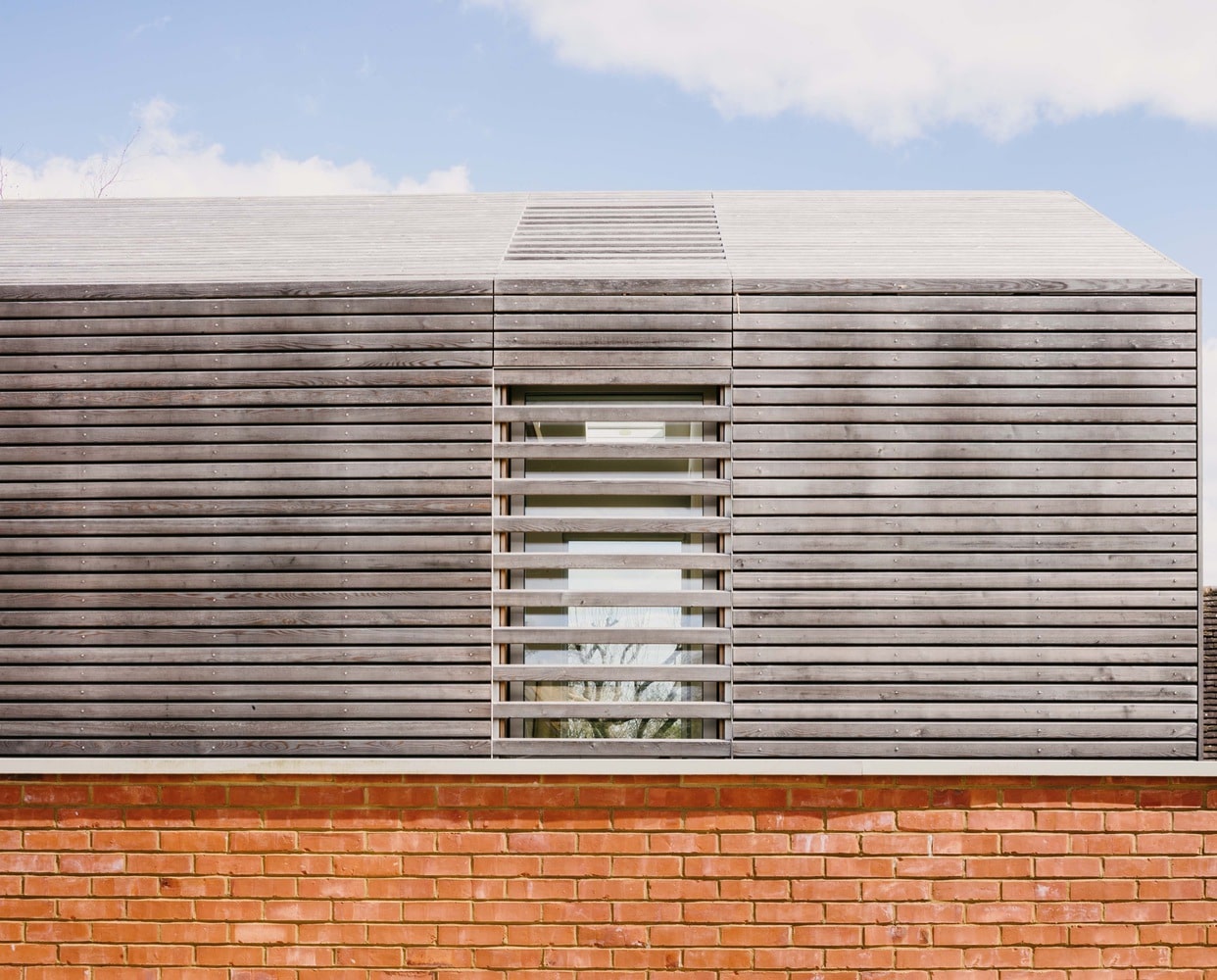
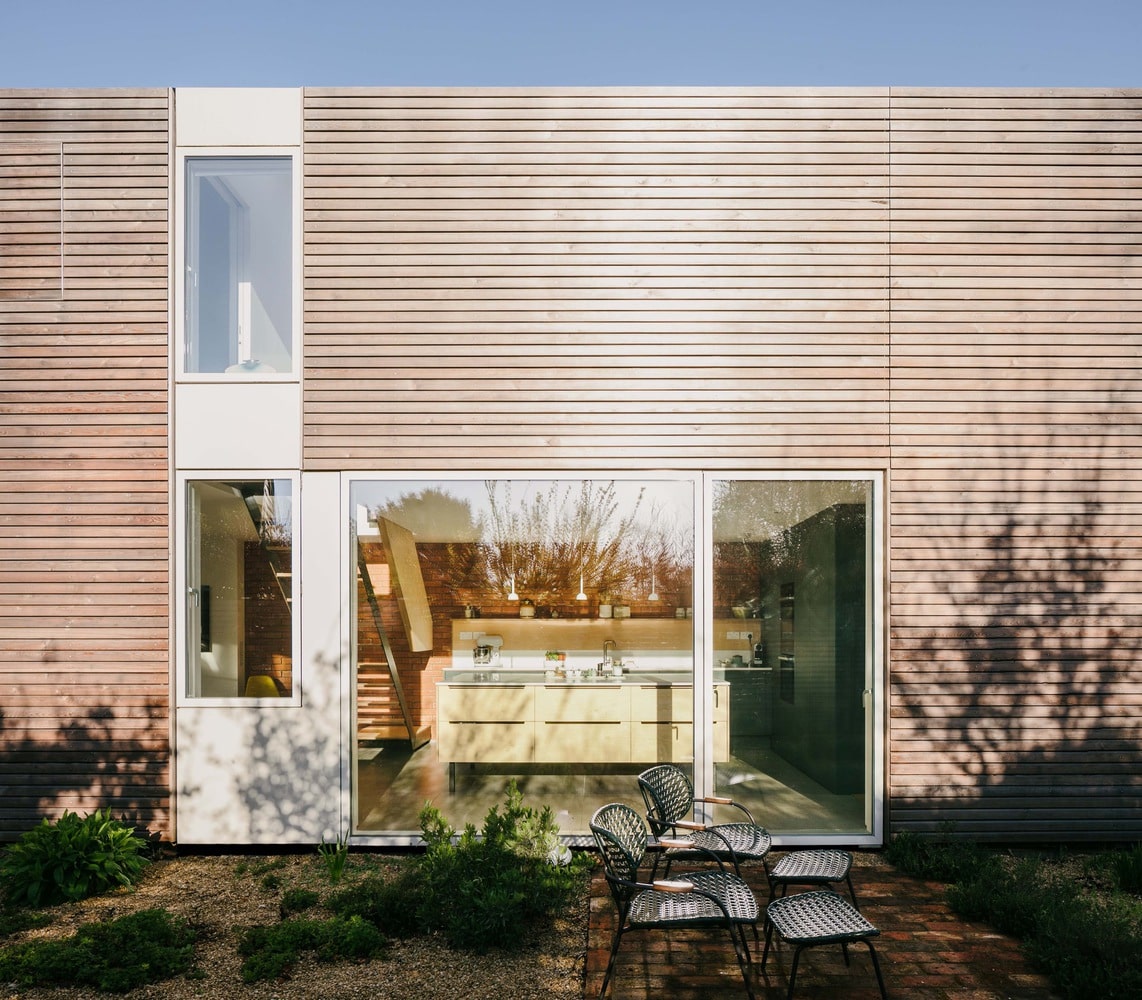
Table of Contents Show
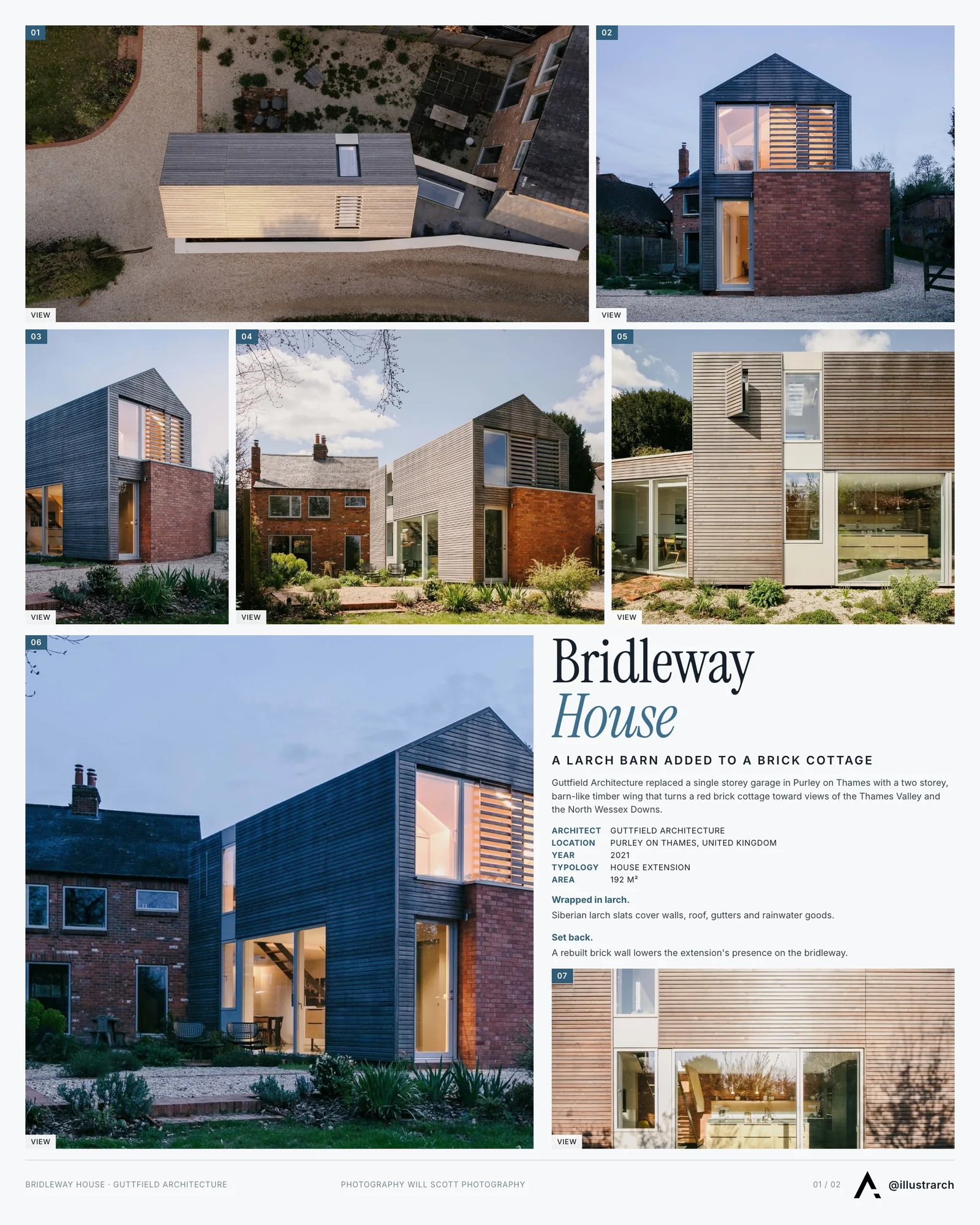
Set within a Thameside village on the edge of the rolling countryside of West Berkshire, Bridleway House is a carefully considered residential extension that balances innovation with deep respect for its rural and historic context. Designed by Guttfield Architecture, the project replaces a modest single-storey garage with a two-storey, barn-like timber wing that reorients the home toward long-distance views of the Thames Valley and the North Wessex Downs Area of Outstanding Natural Beauty. The result is an extension that feels both quietly contemporary and entirely at home within its village setting.
Responding to Site, Memory, and Landscape
Although the existing red brick cottage sat close to expansive countryside, it lacked meaningful visual connection to the surrounding landscape. The architects were tasked with creating an addition that could frame distant views while addressing the sensitive conditions of a site bordering a public bridleway. This challenge was heightened by the personal nature of the commission: the clients had grown up in the village and wished to contribute a thoughtful yet distinct architectural gesture to the place they had returned to later in life.
The new wing is carefully positioned to project beyond the rear elevation of the cottage, opening up previously unavailable vistas. This strategic extension transforms the spatial experience of the house, shifting its focus outward toward the landscape while maintaining discretion along the bridleway edge.
A Barn-Like Form with Refined Detailing
The architectural language of the extension draws inspiration from local agricultural buildings, adopting a simple, pitched-roof form reminiscent of nearby barns. However, this familiar silhouette is reinterpreted through crisp proportions, precise detailing, and contemporary material choices. The upper level of the new volume is clad entirely in horizontal Siberian larch slats, which wrap seamlessly across walls, roof, gutters, and rainwater goods to create a unified timber envelope.
To reduce the perceived scale of the addition when viewed from the bridleway, the timber volume is subtly set back behind a rebuilt brick wall. This move breaks down the massing and reinforces the visual hierarchy of the original cottage, allowing the extension to read as a respectful secondary element rather than a dominant presence.
Light, Privacy, and a Carefully Orchestrated Threshold
Local planning restrictions limited window openings overlooking the bridleway, prompting a thoughtful response that turned constraint into opportunity. The architects introduced a glazed vertical slot housing the new staircase, bringing daylight deep into the plan while maintaining privacy through a fixed timber screen composed of hit-and-miss slats.
In the master bedroom, privacy is negotiated through a pair of interwoven sliding larch shutters. These movable screens allow occupants to adjust views and light levels throughout the day, offering moments of openness or enclosure depending on need. This dynamic façade element not only satisfies planning requirements but also introduces a playful, tactile quality to daily use.
Interior Spaces Shaped by Craft and Material Warmth
Inside, the extension is defined by a warm, cohesive material palette. Birch plywood is used extensively for bespoke joinery, including the kitchen, staircase, wardrobes, bathroom fittings, bedhead, and integrated furniture. This material continuity lends the interior a calm, crafted atmosphere while reinforcing the barn-like character of the architecture.
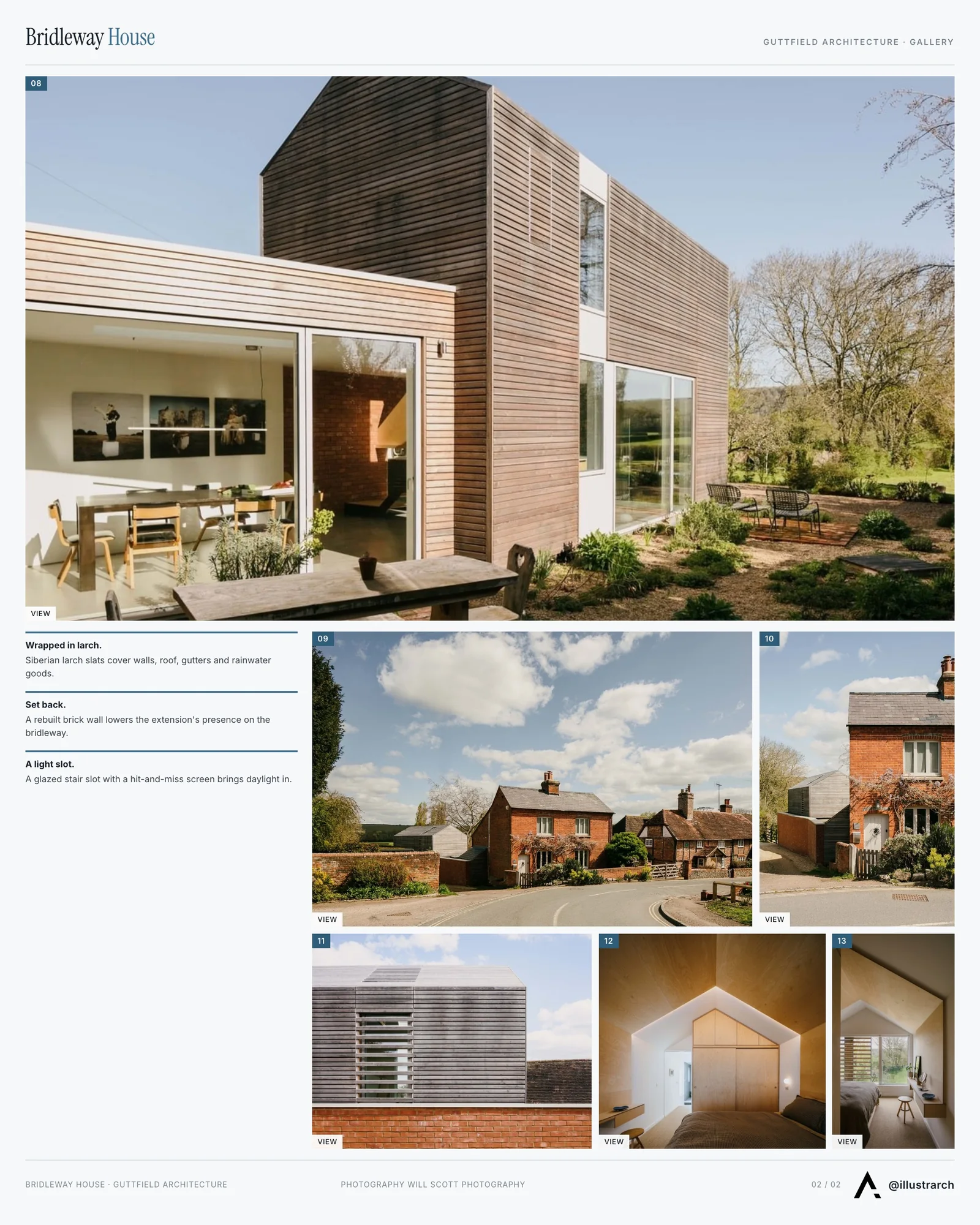
The first floor is dedicated entirely to a new master suite, where the vaulted ceiling follows the geometry of the roof. Concealed lighting, built-in furniture, and a full-width picture window combine to create a serene retreat that celebrates the surrounding landscape. At ground level, the new kitchen and dining space opens directly onto a kitchen garden planted with drought-resistant herbs and perennials, strengthening the relationship between interior living and outdoor cultivation.
An exposed section of the existing red brick wall is retained internally along the bridleway, adding texture and colour while anchoring the new spaces to the history of the cottage.
Economy, Sustainability, and Architectural Joy
Completed for under £350,000, Bridleway House demonstrates how modest budgets can still support architectural ambition through careful detailing, efficient planning, and material restraint. The project avoids unnecessary excess, focusing instead on spatial quality, daylight, and long-term adaptability.
As founder Fred Guttfield notes, the extension transforms a utilitarian garage into a sequence of spaces that are both functional and joyful, with the sliding timber shutters becoming a defining moment of delight. Through its sensitive massing, tactile interiors, and nuanced response to context, Bridleway House offers a compelling example of how contemporary architecture can enrich rural settings without disrupting their character.
Photography: Will Scott Photography



Living Typologies by Stela Boldur
Living Typologies by Stela Boldur is a student masterplan for the former...
 illustrarch Editoral Team2 Mins read
Residential Architecture Face-Off: Co-Living vs Traditional Apartment for Urban Housing
Co-living and traditional apartments represent two distinct approaches to residential architecture in...
 Furkan Sen8 Mins read

Designing a Liminal Space Where Urban Meets Coastal
The Liminal House by Mcleod Bovell Modern Houses in West Vancouver is...
 Elif Ayse Sen5 Mins read
House in Nakano: A 96 m² Tokyo Architecture Marvel by HOAA
House in Nakano, designed by HOAA, creatively addresses urban density challenges by...
 Bahattin Duran6 Mins read


Leave a comment