

Guggenheim Museums Around the World: Architecture, Icons, and Cultural Impact
Guggenheim museums have redefined the relationship between architecture, art, and the city. From Frank Lloyd Wright’s radical spiral in New York to Frank Gehry’s global icons, these buildings demonstrate how museums can shape cultural identity, urban transformation, and architectural discourse worldwide.
 Sinan Ozen14 January 20263 Mins read223
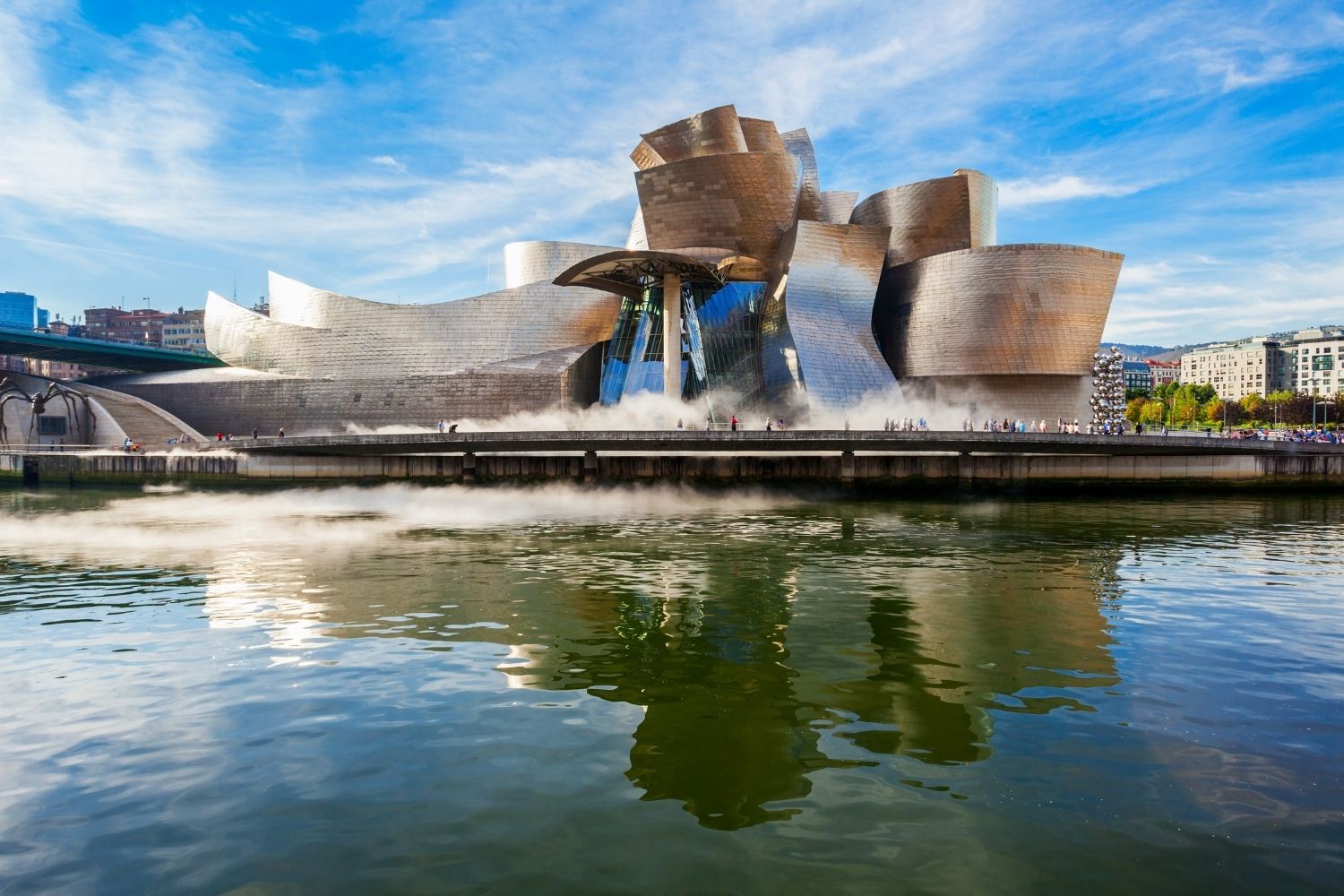
Table of Contents Show
Few cultural institutions have shaped the relationship between architecture and art as profoundly as the Guggenheim museums. From the mid-20th century onward, the Guggenheim name has become inseparable from architectural experimentation, positioning the museum not merely as a container for art but as an active cultural statement. These buildings operate at the intersection of urban ambition, artistic vision, and architectural authorship, often redefining how cities present themselves to the world. Rather than following a single stylistic language, Guggenheim museums form a global constellation of ideas—each responding to its local context while contributing to a broader discourse on form, movement, and spatial experience. To examine them is to reflect on how architecture can become an agent of cultural identity rather than a neutral backdrop.
The Guggenheim as Architectural Manifesto: New York
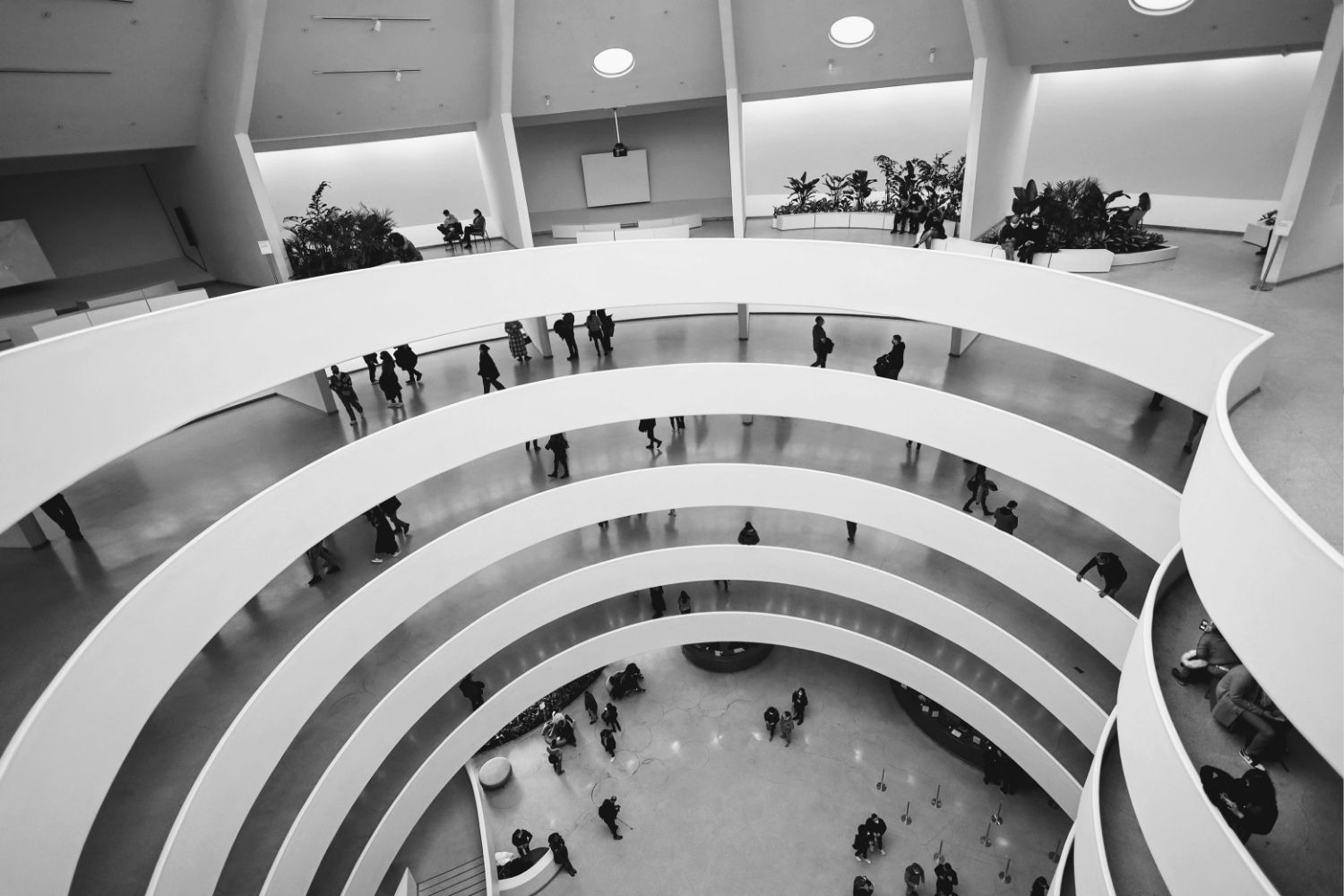
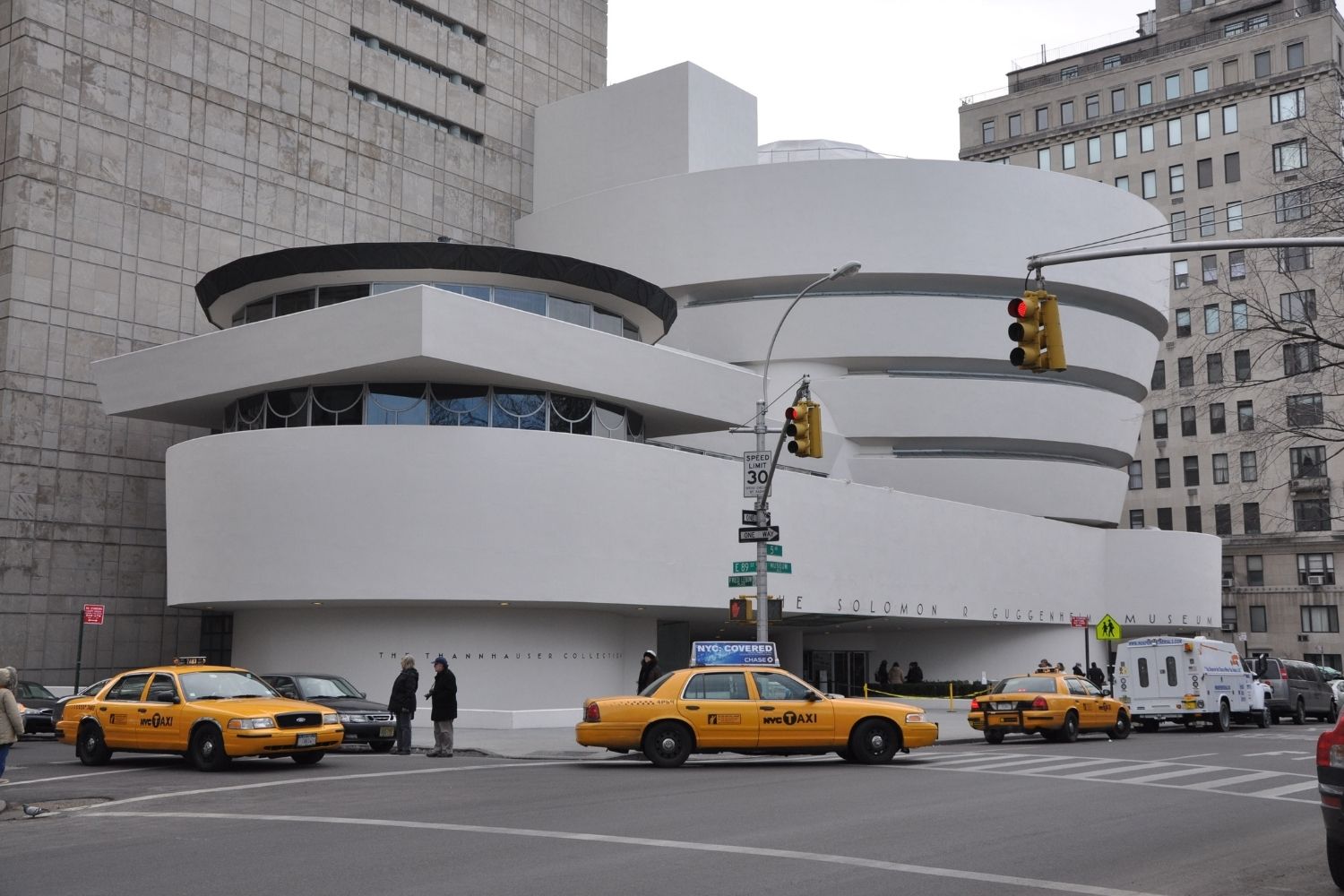
The Solomon R. Guggenheim Museum stands as one of the most radical museum buildings of the 20th century, challenging the conventions of both exhibition design and urban architecture. Frank Lloyd Wright’s continuous spiral rejects the compartmentalized gallery model, proposing instead a single, uninterrupted spatial journey where architecture actively shapes perception. This inversion—where walls curve, floors slope, and movement becomes central—forces a dialogue between art and space that remains provocative decades later. Beyond its formal daring, the building matters because it reframed the museum as a total work of art, influencing generations of architects to consider circulation, experience, and narrative as core architectural tools rather than secondary concerns.
Bilbao Effect and the Power of Iconic Form
The Guggenheim Museum Bilbao represents a turning point in contemporary architectural culture, where a single building reshaped global perceptions of a city. Frank Gehry’s titanium-clad forms defy traditional composition, instead embracing fragmentation, reflection, and movement as expressive devices. More than an aesthetic achievement, Bilbao introduced a new model of cultural regeneration—one where architecture operates as economic catalyst and symbolic capital. For architects and urbanists, its significance lies not only in its sculptural language but in the ethical and strategic questions it raises about spectacle, authorship, and the responsibilities of landmark architecture within complex urban realities.
Domestic Scale and Curated Intimacy: Venice
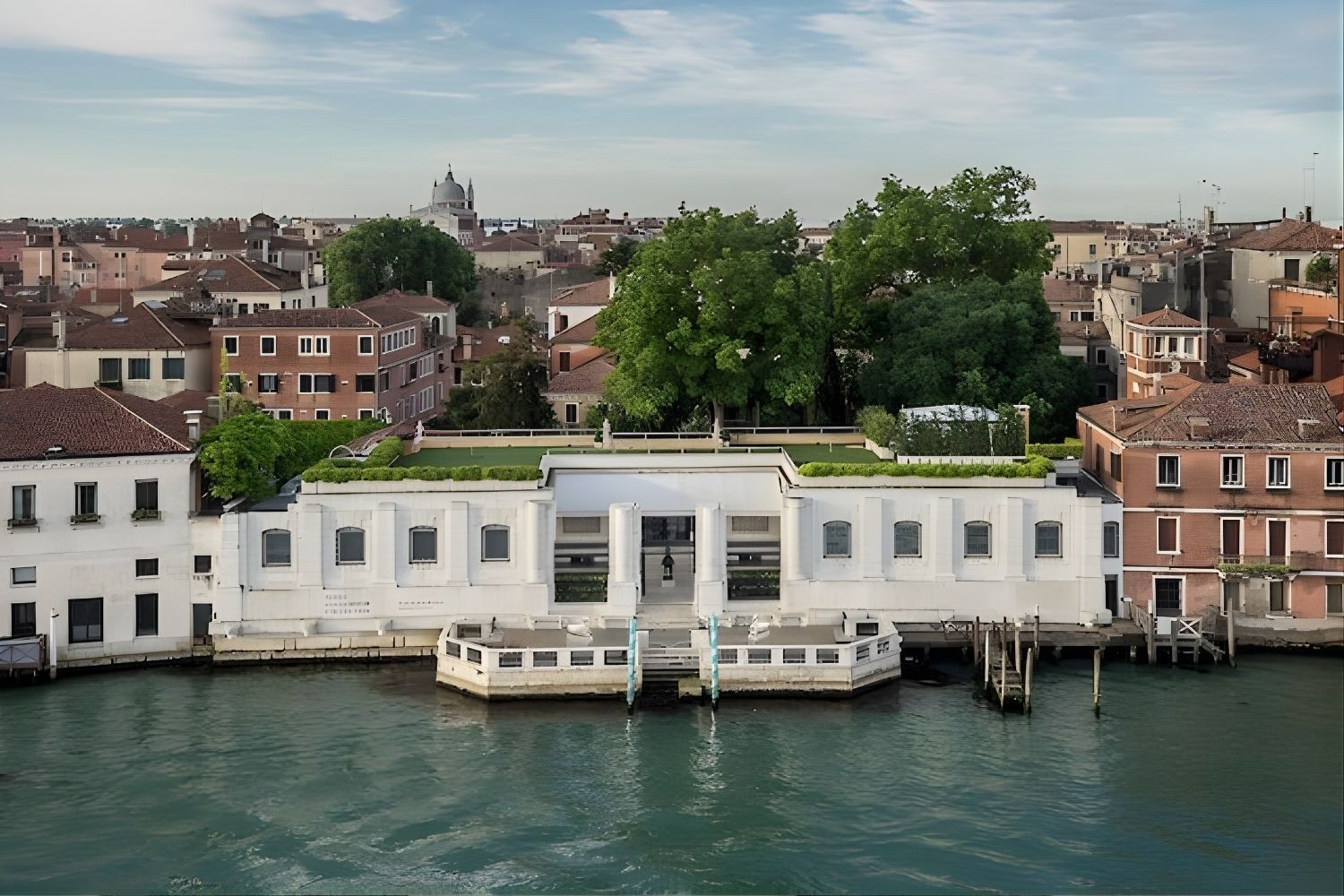
In contrast to monumental statements, the Peggy Guggenheim Collection demonstrates how architectural restraint can foster deeper engagement with art. Housed within the Palazzo Venier dei Leoni, the museum blurs the line between domestic space and public gallery, allowing visitors to experience modern art at a human scale. The building’s low profile and direct relationship with the Grand Canal position it as part of Venice’s everyday urban fabric rather than an isolated icon. Architecturally, its importance lies in showing that spatial intimacy, adaptability, and context can be as powerful as formal bravura—an increasingly relevant lesson in an era questioning excess and monumentality.
Experimental Platforms: Berlin and Las Vegas
The now-closed Guggenheim Museum Berlin and Guggenheim Las Vegas offered alternative interpretations of what a Guggenheim could be: temporary, adaptive, and deeply intertwined with their host contexts. Berlin’s minimalist gallery within Deutsche Guggenheim explored precision, neutrality, and curatorial focus, while Las Vegas tested the boundaries between high culture and entertainment architecture. Though short-lived, these projects mattered because they expanded the Guggenheim’s architectural vocabulary beyond permanent icons, emphasizing flexibility, experimentation, and the risks inherent in cultural branding across diverse urban environments.
Future Monumentality: Abu Dhabi and Global Ambition
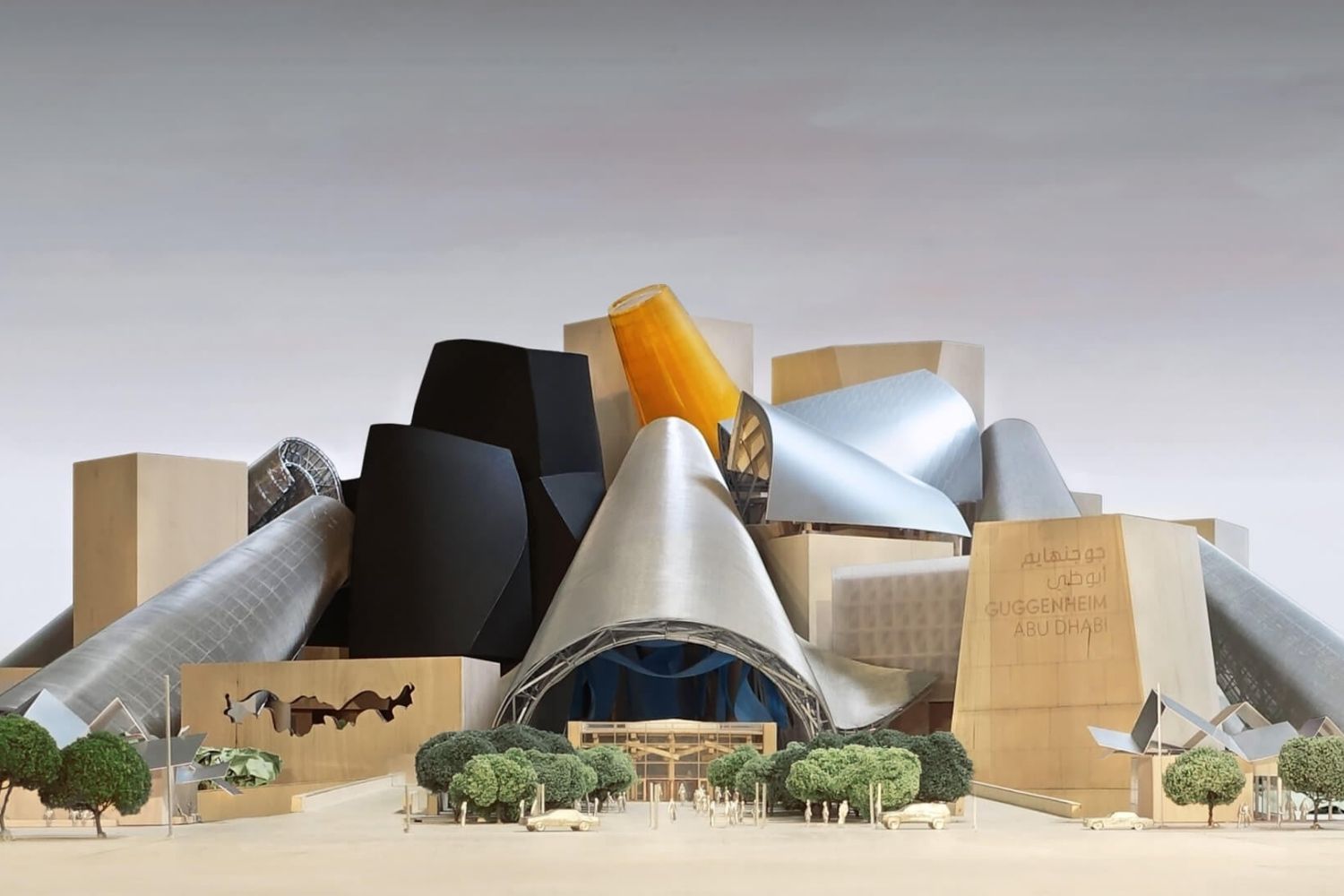
Still unfolding, the Guggenheim Abu Dhabi signals a new chapter in museum architecture, where scale, geopolitics, and cultural exchange converge. Designed by Frank Gehry, the project adapts his expressive language to climatic, material, and urban conditions unique to the Gulf. Its ambition reflects broader questions about globalization, authorship, and cultural representation—how architecture mediates between local identity and international narratives. For contemporary practice, Abu Dhabi matters as a case study in negotiating ethics, labor, sustainability, and symbolism within large-scale cultural developments.
Conclusion
Taken together, these seven Guggenheim museums reveal architecture’s capacity to operate simultaneously as spatial experiment, cultural symbol, and urban instrument. They demonstrate that museum design is not a fixed typology but an evolving conversation shaped by technology, politics, economics, and artistic ambition. For architects and students, the Guggenheim network offers more than iconic imagery; it provides a framework for understanding how architecture can challenge norms, provoke debate, and actively shape cultural life. As architectural practice moves toward greater social awareness and contextual sensitivity, the lessons embedded in these buildings—about experience, responsibility, and authorship—remain essential. The Guggenheim museums remind us that architecture, at its most influential, does not simply house culture; it participates in creating it.









The Frida Kahlo Apartment Building in San Francisco Is Listed for $8 Million
The San Francisco apartment building where Frida Kahlo and Diego Rivera lived...
 Elif Ayse Sen9 Mins read
Museum Cafes: 7 of the World’s Most Stunning Places to Sit Down
7 museum cafes where the architecture does the work: Victorian refreshment rooms...
Elif Ayse Sen9 Mins read
Peter Zumthor on Film: Wim Wenders Captured in “From Inside Out”
Wim Wenders spent six years filming Peter Zumthor's buildings in 3D, and...
Elif Ayse Sen9 Mins read
Elephant Tower Thailand: How Goya Rises From Elephant-Dung Bricks
At the gateway to the Matalay development in Khao Lak, Thailand, Goya...
Elif Ayse Sen5 Mins read




Leave a comment