

House Next Door by Guelo Nunes Arquitetura
Located in Alto de Pinheiros, this house was acquired by the client as an investment with the intent to renovate it for rental purposes.
 Bahattin Duran17 June 20252 Mins read335


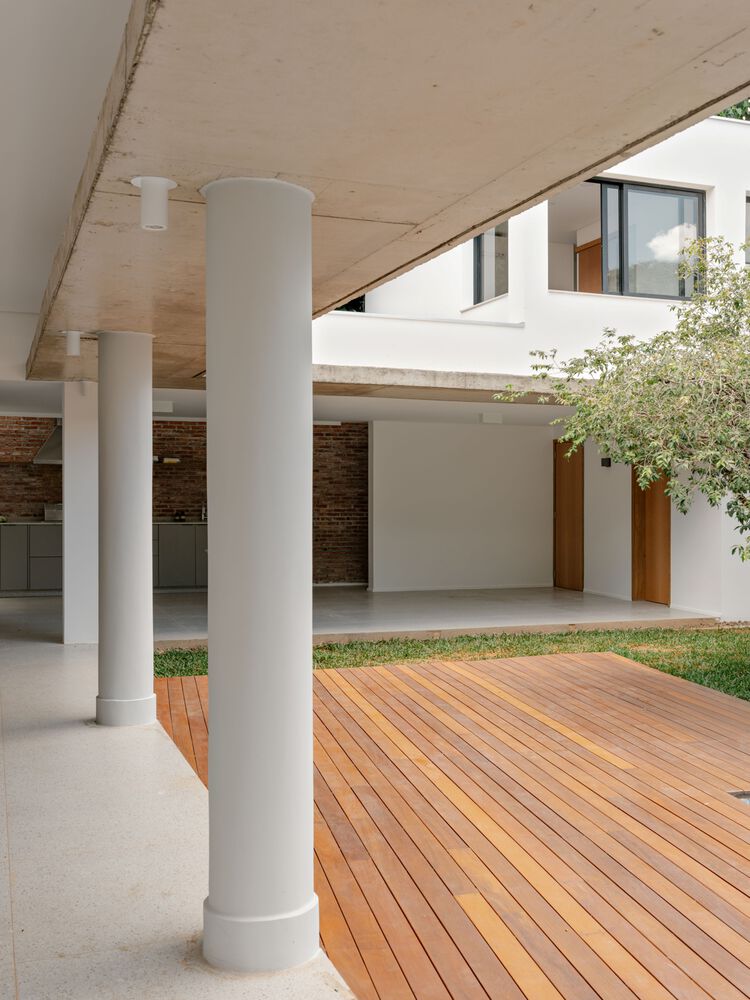
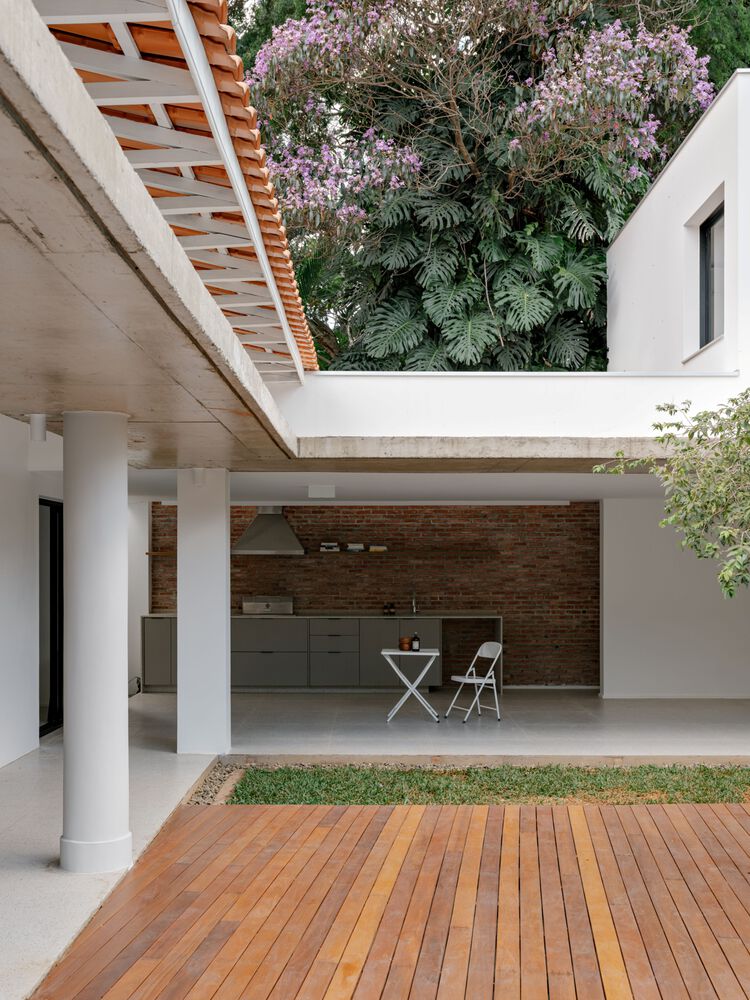

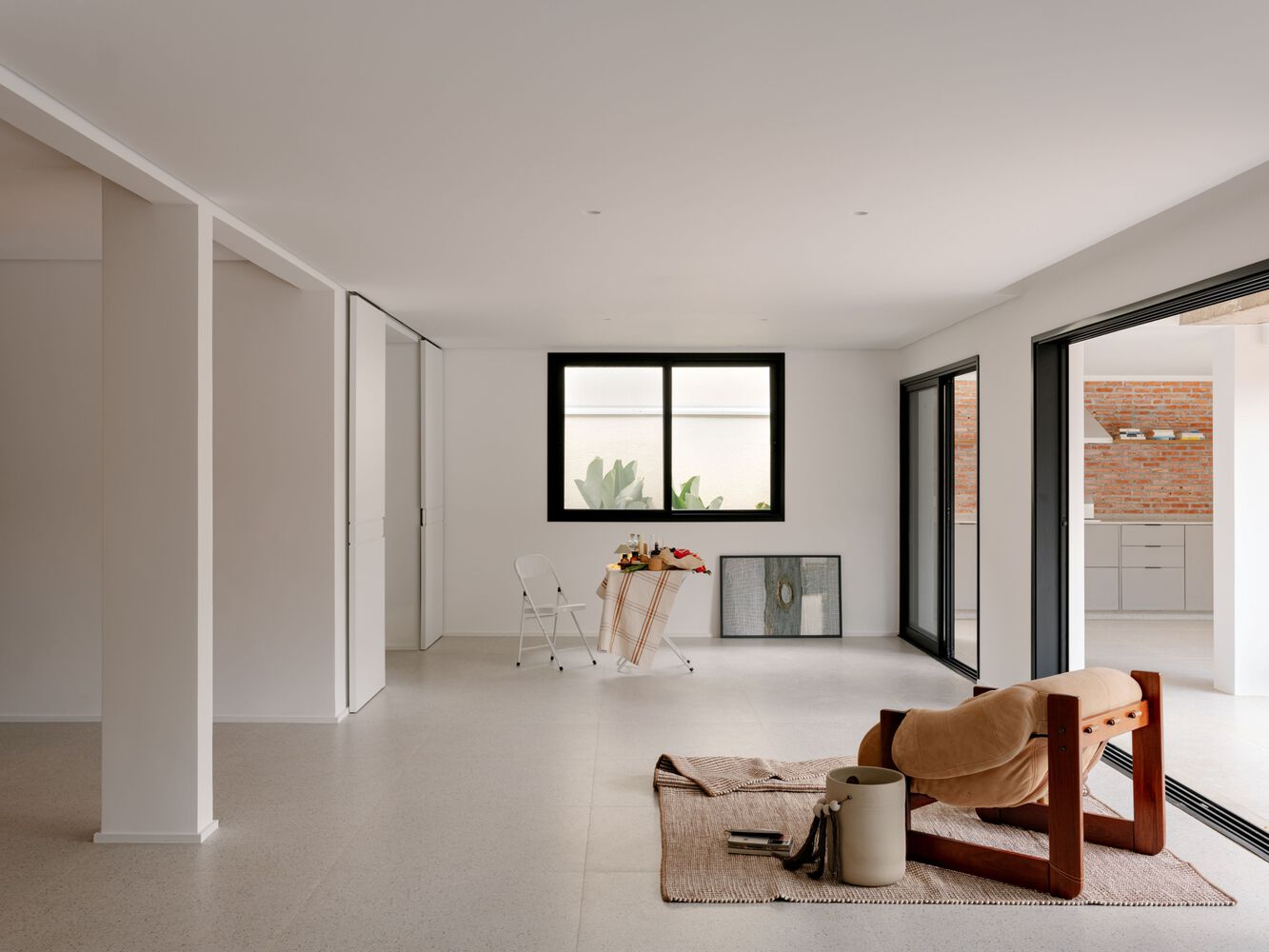
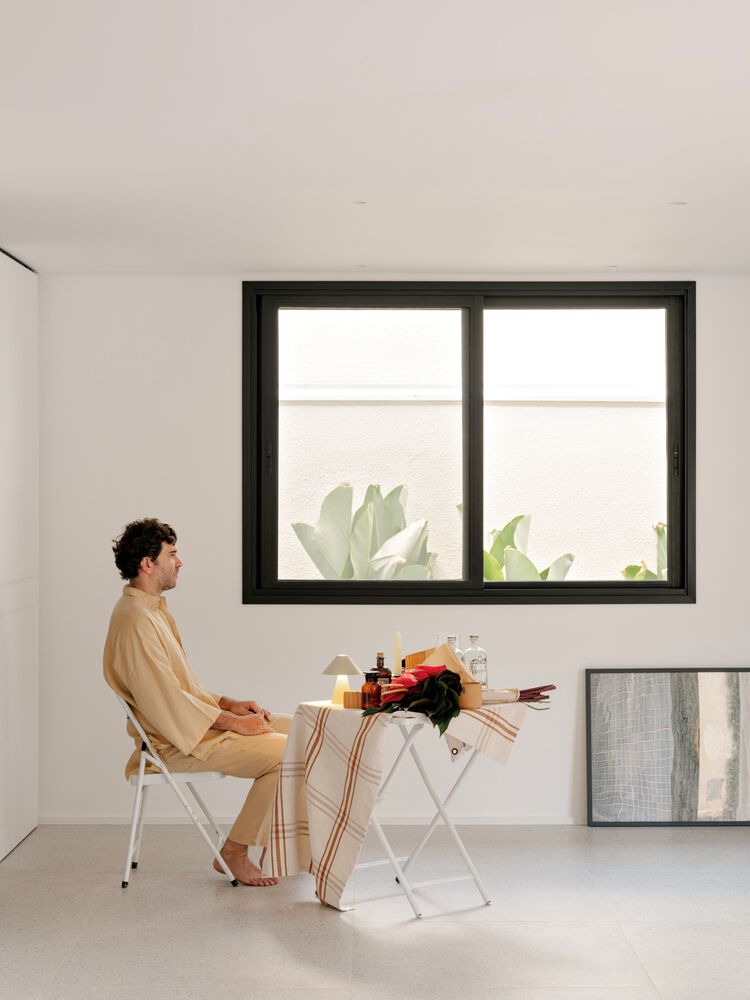
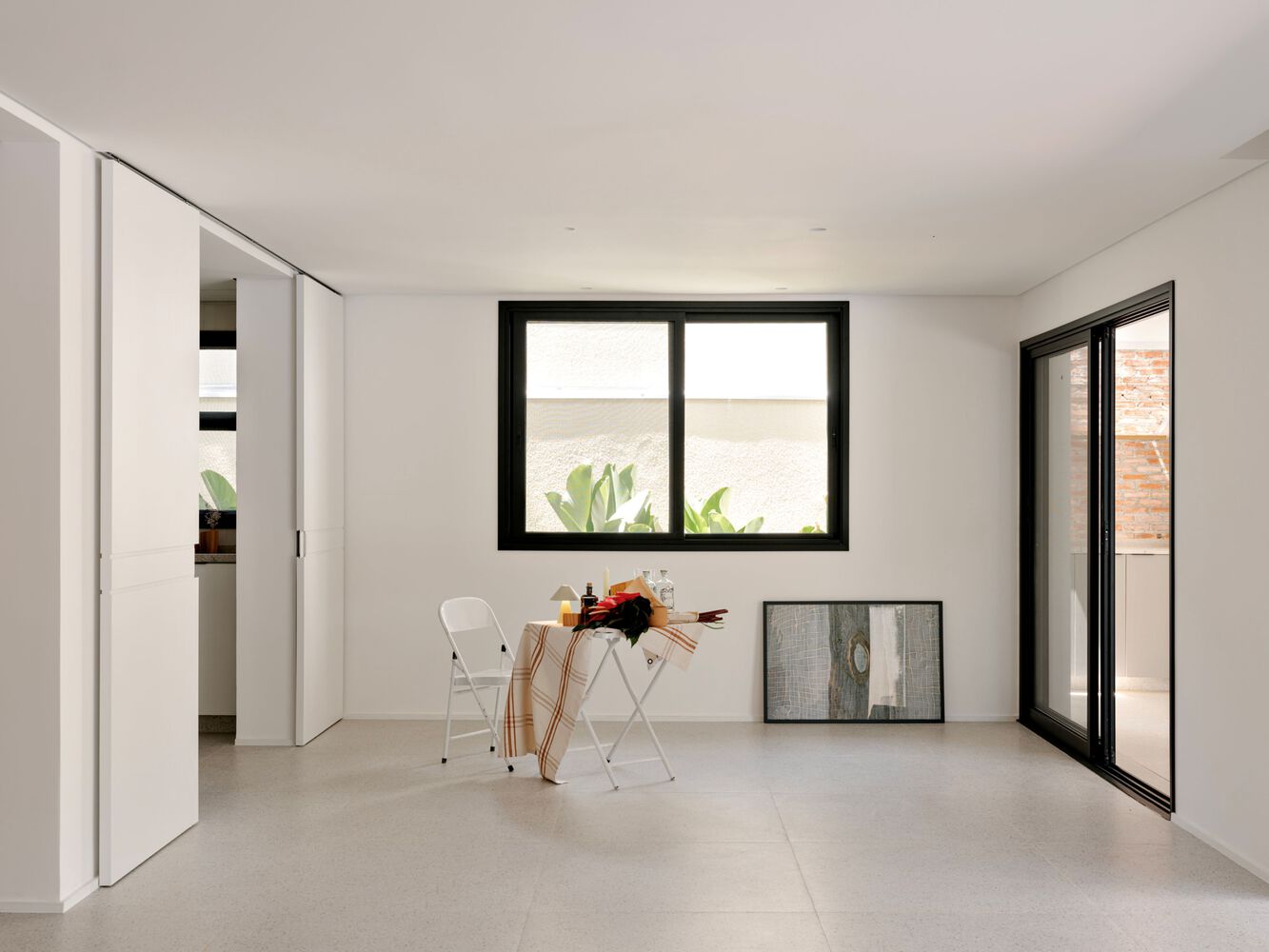
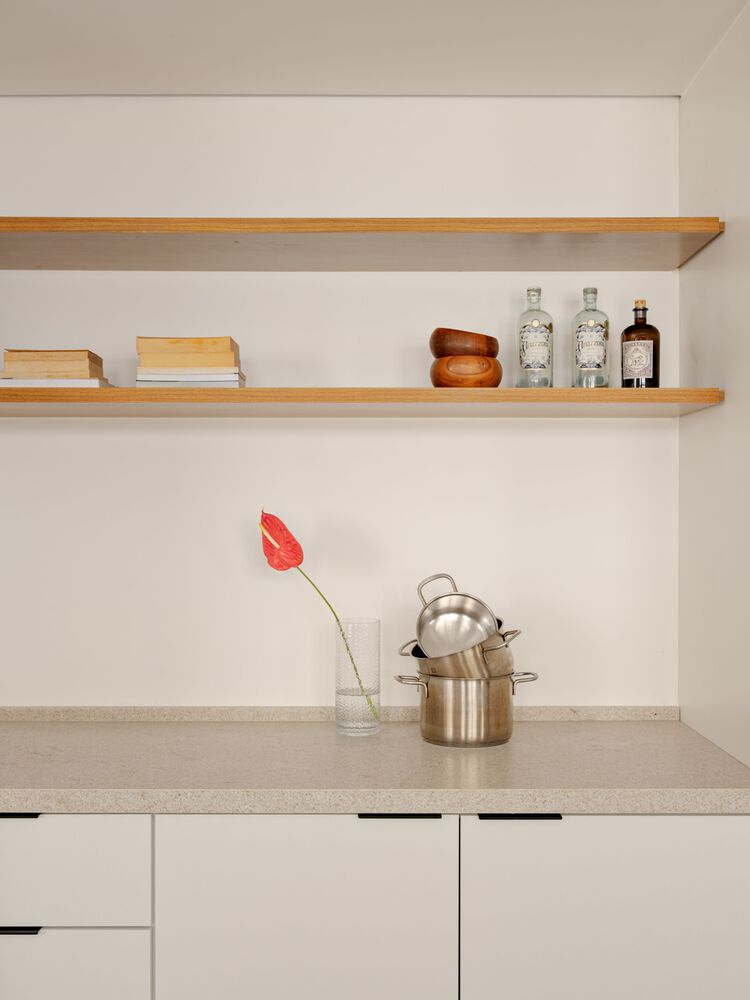
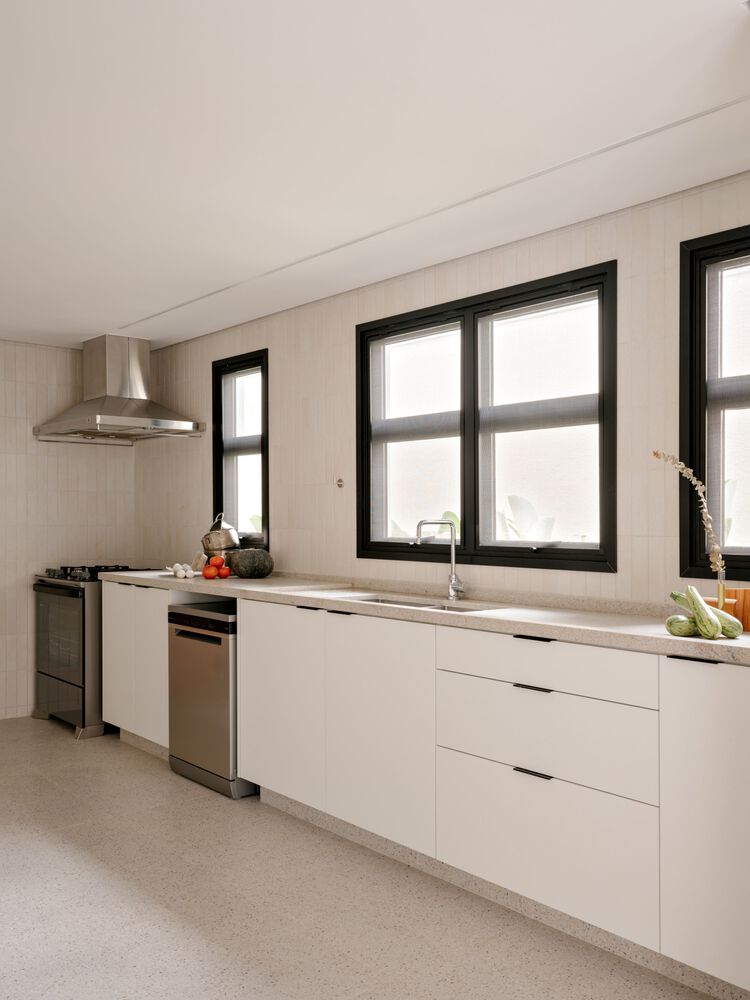
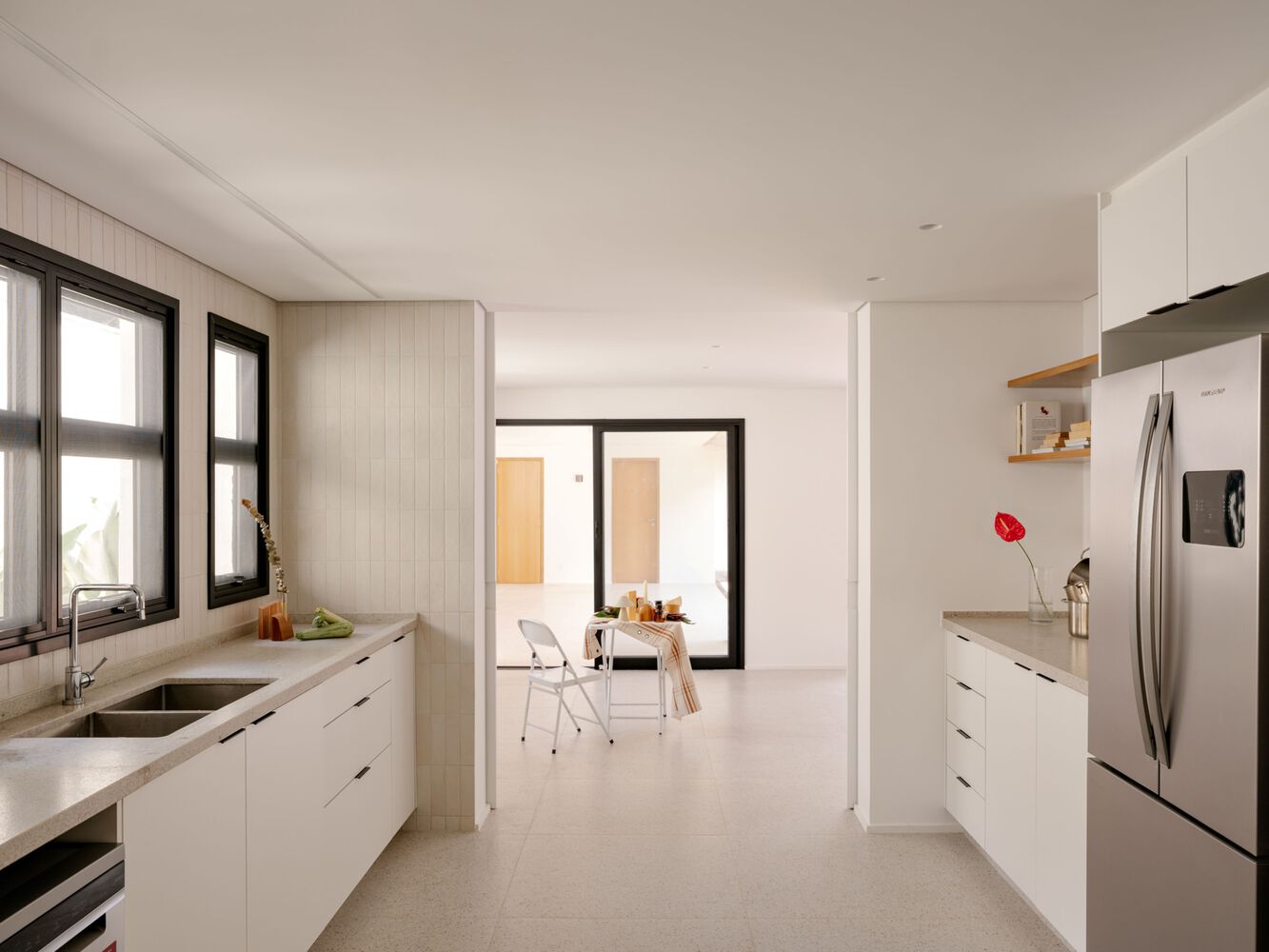
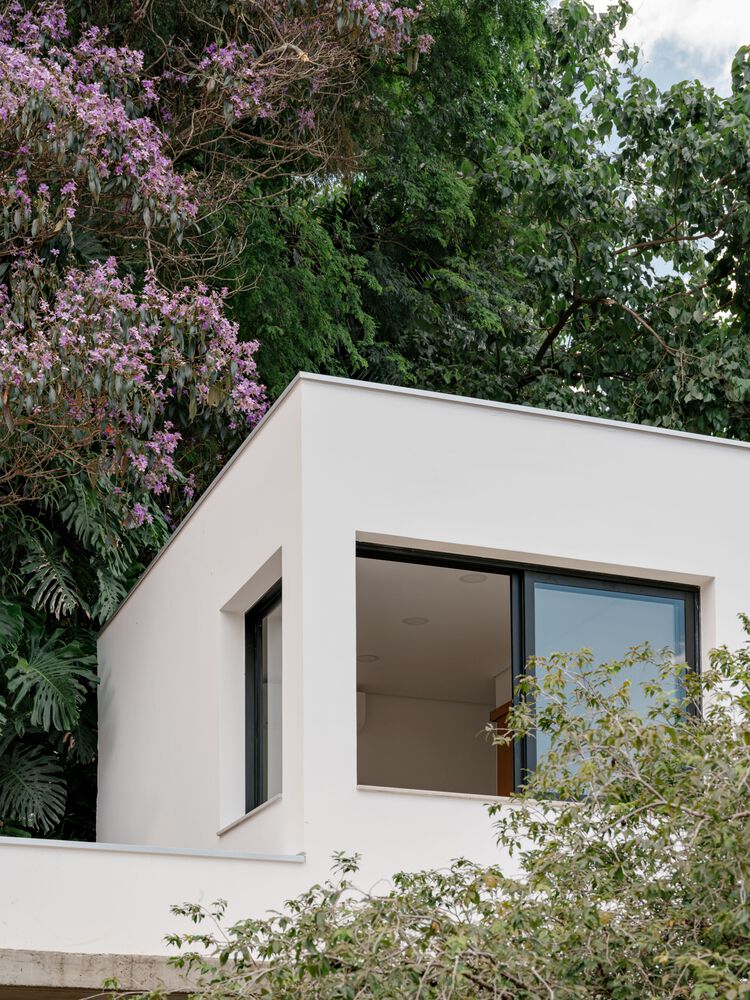
House Next Door, designed by Guelo Nunes Arquitetura in the Alto de Pinheiros neighbourhood of São Paulo, Brazil, reimagines an existing house as a rental investment without sacrificing the warmth that makes a home worth living in. The client acquired the property intending to renovate it for rental purposes, and the guiding principle was a renovation that balanced cost-effectiveness with high-quality results, meeting the expectations for this type of rental while keeping construction expenses and future maintenance to a minimum.

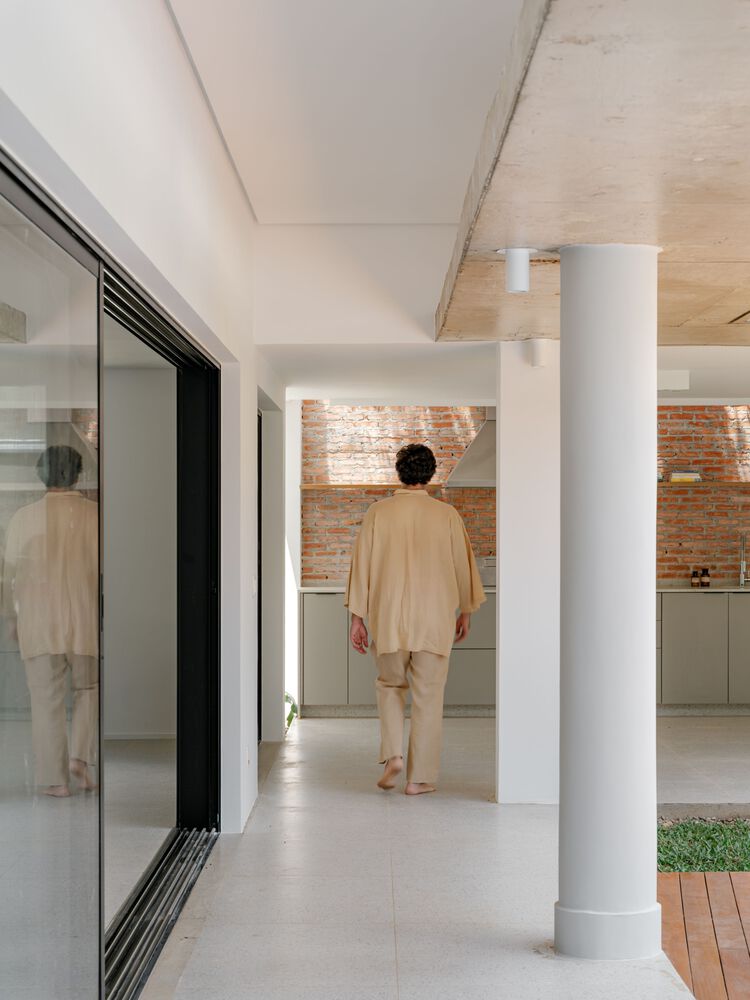
Designing for the rental market poses a distinct challenge. A house that will pass through many tenants has to feel personal enough to attract residents yet neutral and durable enough to absorb constant change. Guelo Nunes Arquitetura answered this by integrating the house seamlessly with the garden, introducing new openings to enhance natural light and flow, and adding a gourmet area that includes a bedroom on the second floor. All existing bedrooms were converted into ensuite suites, creating fluid and generous spaces that accommodate a variety of uses and layouts. This flexibility lets the house adapt easily to different renters without requiring further modifications each time a new tenant arrives.
Material Choices and the Entrance Transformation
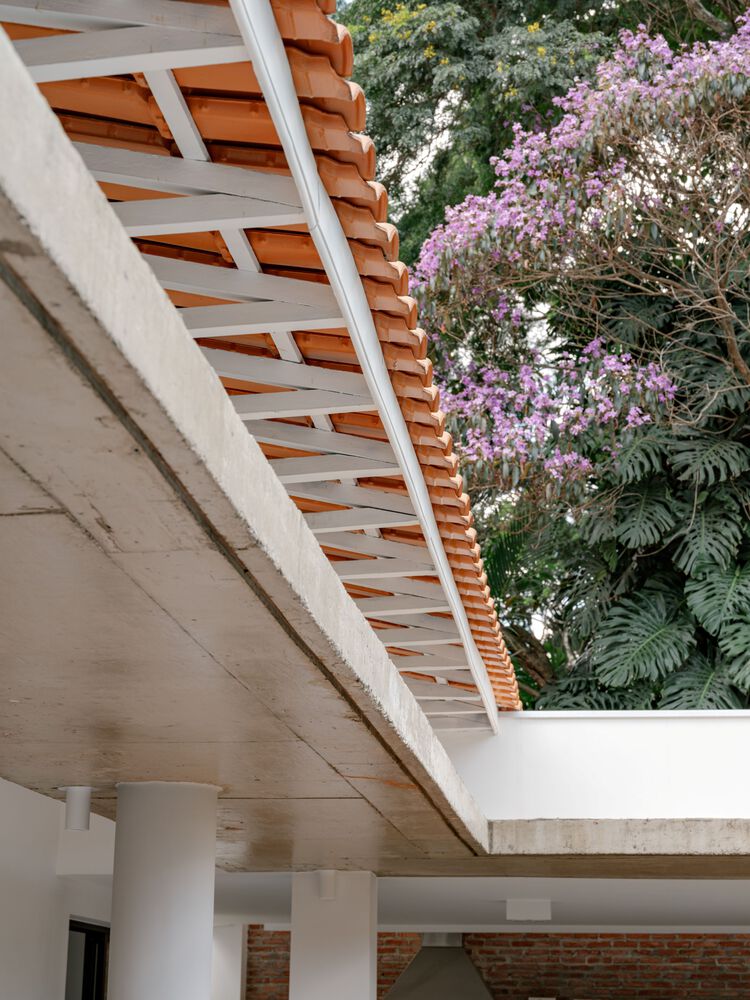
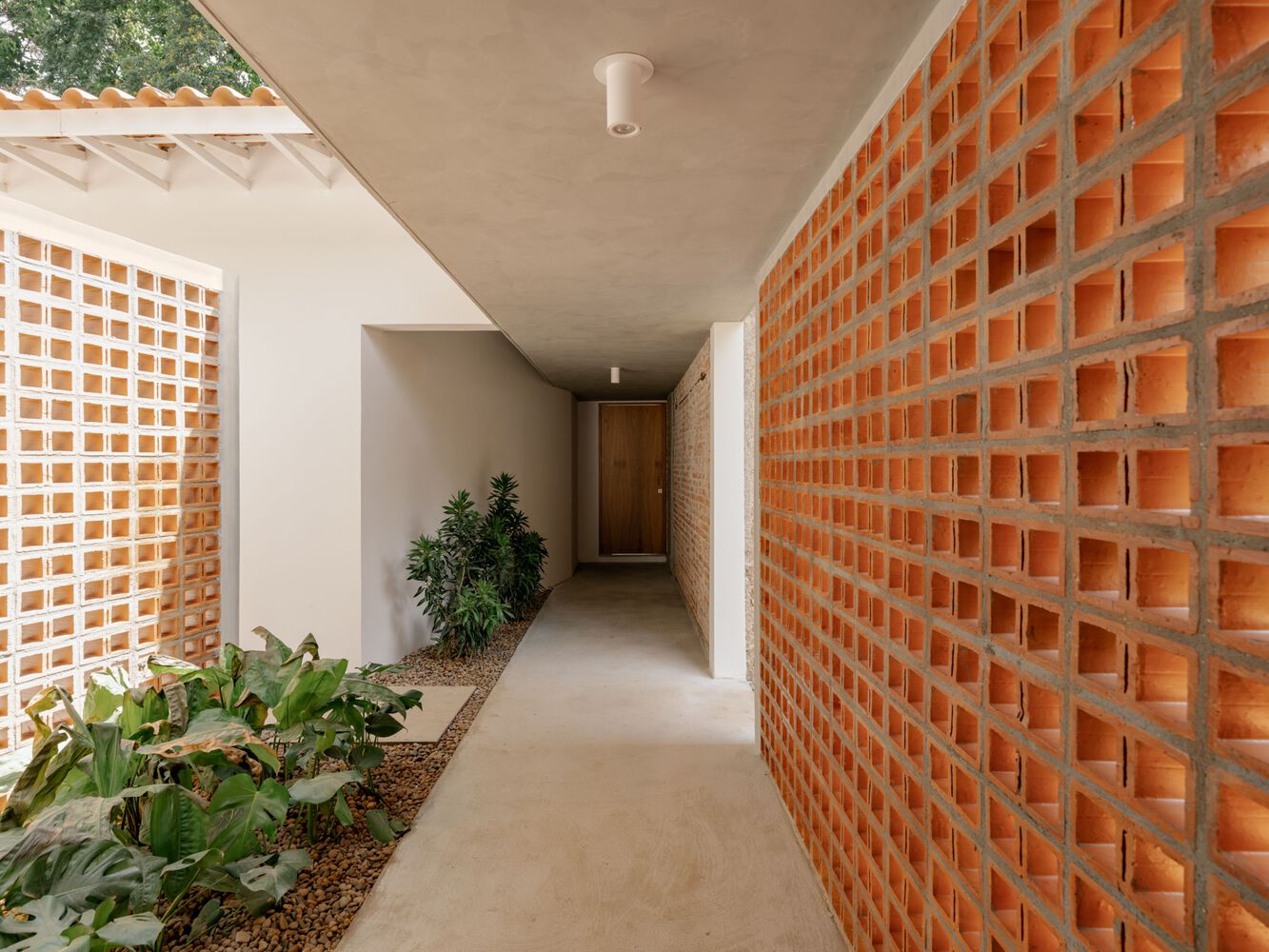
Because upkeep would be managed by the owner, the architects carefully selected materials that require minimal maintenance. These materials were chosen not only for durability but also to add subtle charm and character without overwhelming the design, making the house appealing to a wide range of potential residents with diverse tastes. This emphasis on low-maintenance, long-lasting surfaces reflects a broader principle of adaptive reuse, where an existing building is reworked rather than demolished, conserving embodied value and shortening the construction timeline.
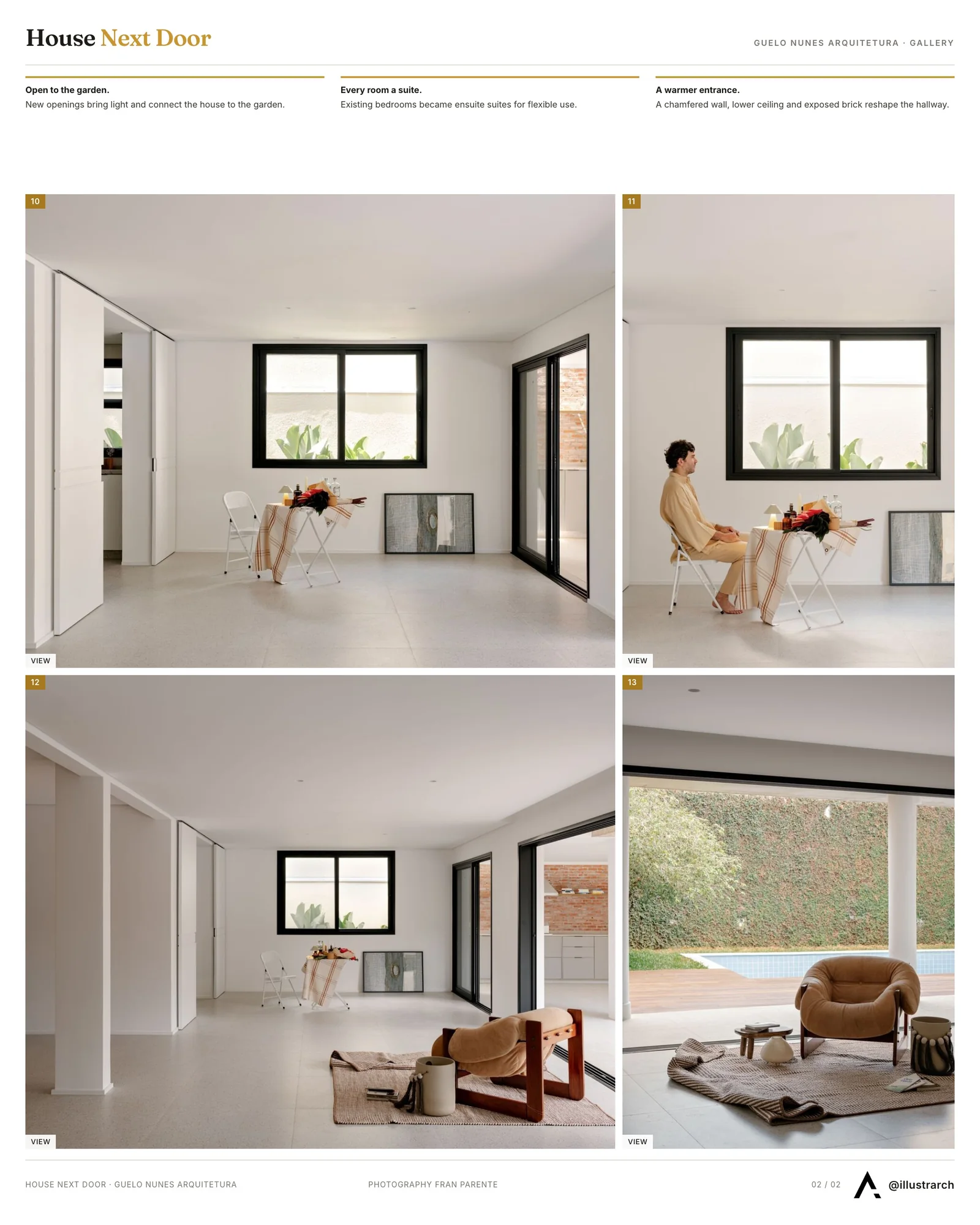
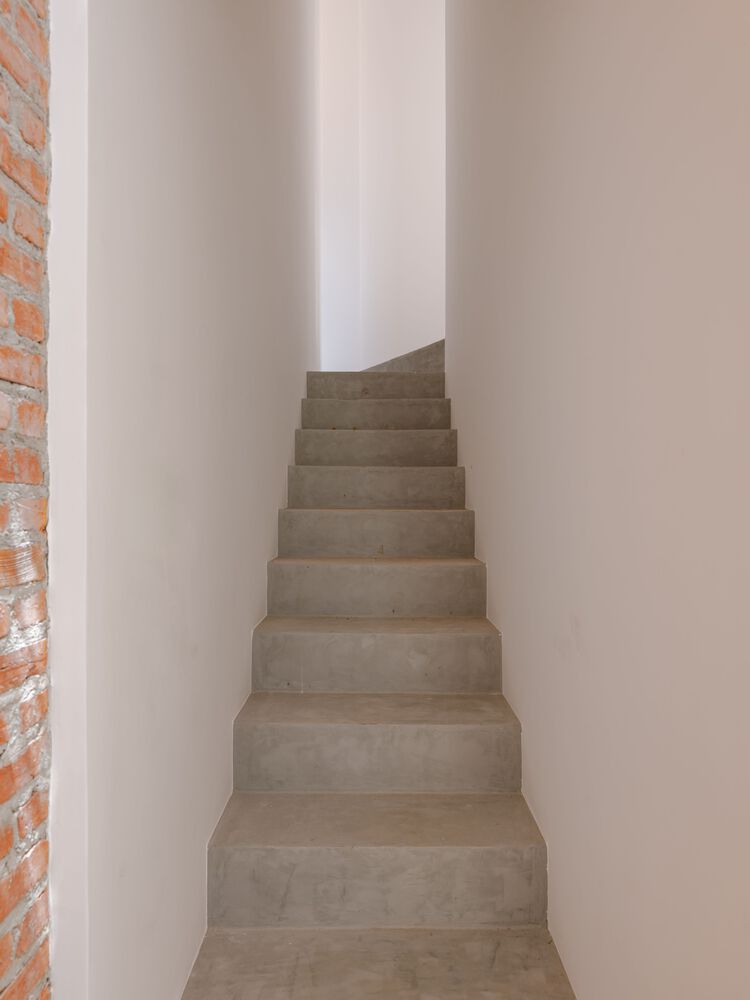
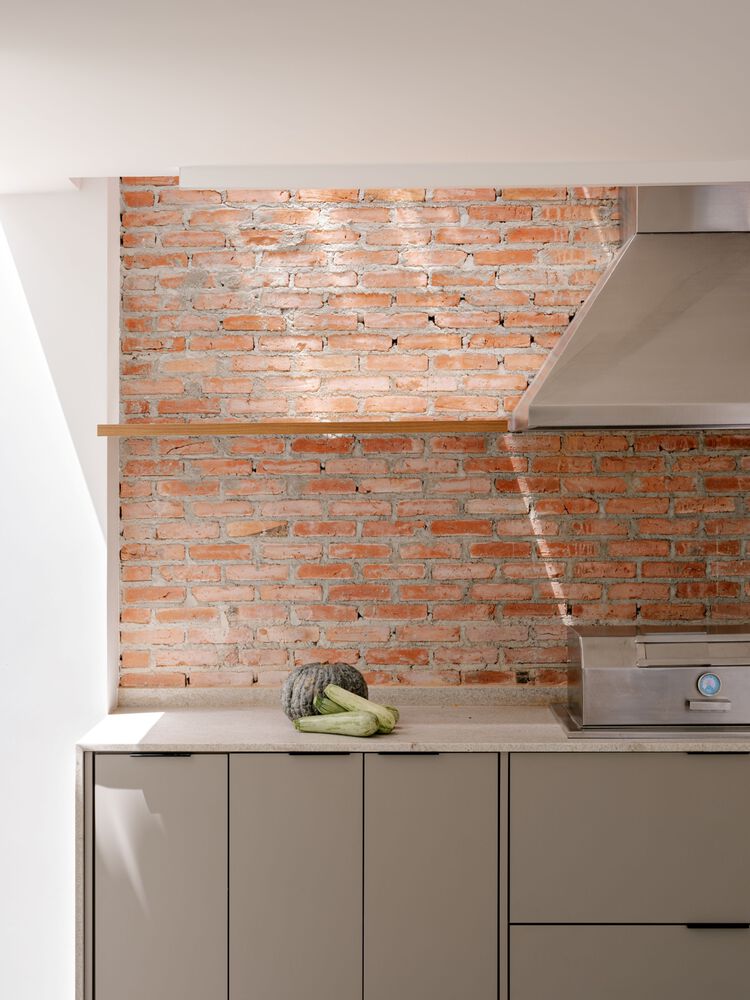
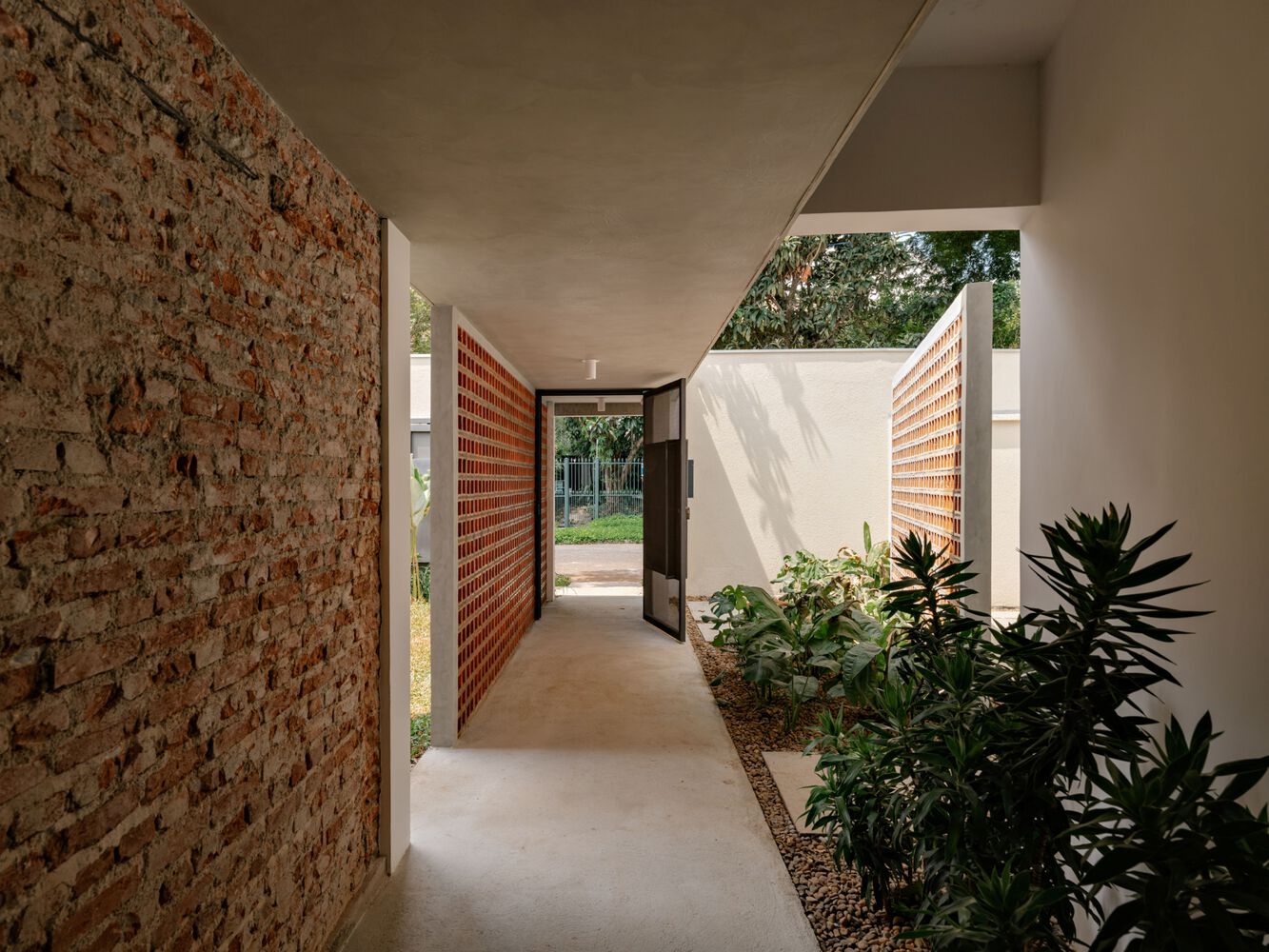
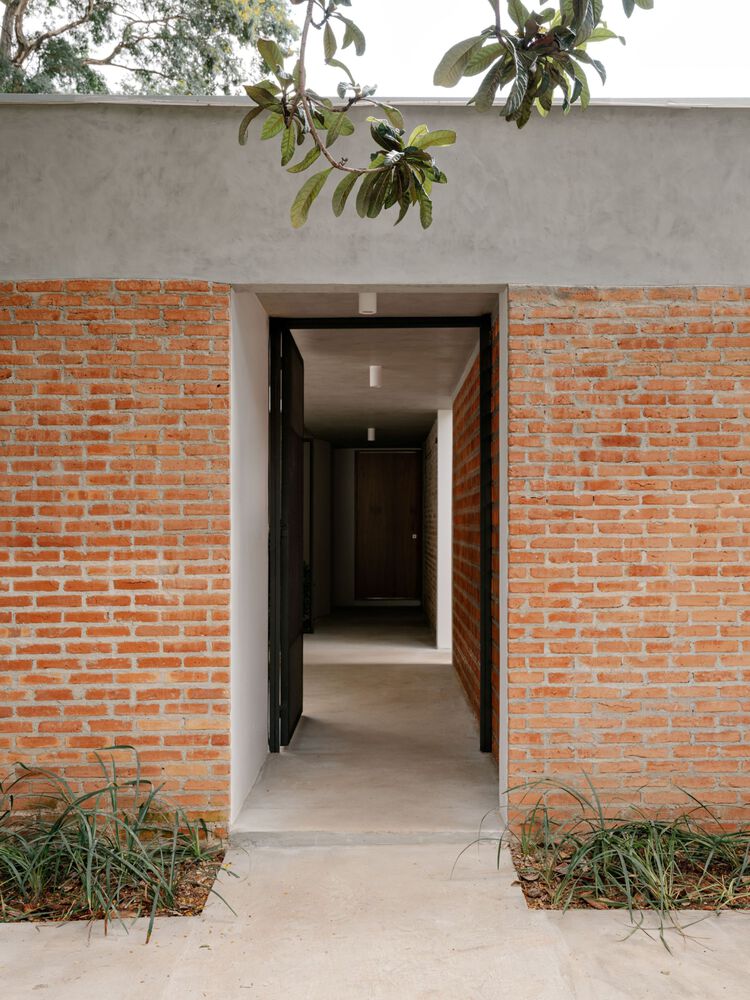
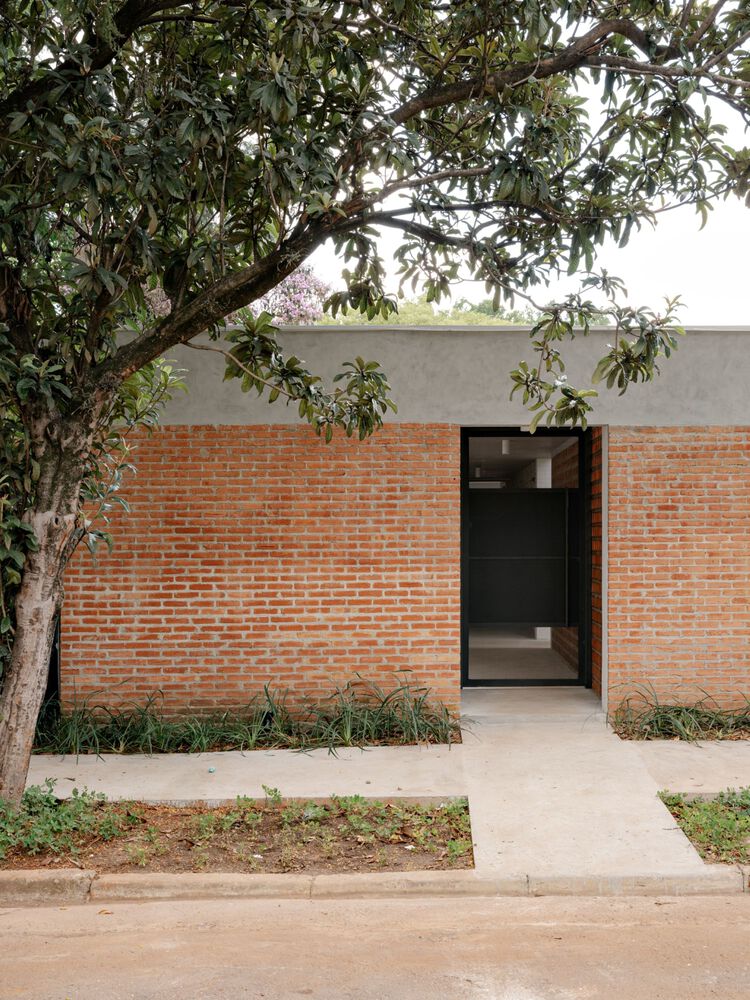
One of the project’s biggest challenges was the main entrance, which forms the first impression of the house. Visitors were previously greeted by a narrow, dark, and uninviting hallway, an important factor in rental decisions. The studio combined three key interventions: chamfering one of the walls to open the space, lowering the ceiling height for a cozier scale, and exposing the brickwork by removing the plaster coating. Together these changes transformed the proportions and ambiance of the entrance, creating a warmer, more welcoming arrival. The exposed brick gives the threshold a tactile honesty that connects with the city’s enduring tradition of Brazilian modern architecture in São Paulo.
By treating a routine rental renovation as an opportunity for thoughtful spatial design, House Next Door shows how modest, well-judged moves can lift the everyday experience of a home. Photography by Fran Parente.





Modern Earthy Sanctuary House by PENTARCH designers
The Modern Earthy Sanctuary is a 10 Marla house in Sheikhupura, Pakistan,...
 illustrarch Editoral Team2 Mins read
Casa Paisaje by TAP Arquitectura
Casa Paisaje is TAP Arquitectura's unbuilt 2025 competition proposal for a 302...
illustrarch Editoral Team2 Mins read

Casa d’Abreu Neto by Álvaro Siza
Casa d’Abreu Neto in Matosinhos is the first house Álvaro Siza saw...
illustrarch Editoral Team3 Mins read
The House of Memories by Studio Lagom
Studio Lagom replace a rambling 22-room family house in Valsad with a...
illustrarch Editoral Team3 Mins read


Leave a comment