

Youtube Channels #5: Lumion Tutorials
Lumion tutorials on YouTube provide comprehensive guidance on real-time architectural rendering, covering model importing, lighting, materials, and animation techniques.
 Merve Yamak24 January 20195 Mins read979

Table of Contents Show
The best Lumion tutorials on YouTube come from a small set of channels that teach real-time architectural rendering in a way you can follow at your own pace. From the official Lumion account to presentation specialists and SketchUp educators, these channels cover importing models, lighting, materials, and animation for free.
Lumion is one of the fastest and most approachable programs for 3D rendering. When you build a project in SketchUp or 3ds Max, adding detail and presenting it well can get awkward. Lumion lets you turn those 3D models into video or still images, drop them into realistic environments, and add artistic touches without a steep technical setup. If you have struggled to combine plants, furniture, and landscape elements, Lumion shows usable alternatives for both exterior and interior scenes. SketchUp and 3ds Max can choke on scenes with thousands of objects, and Lumion can run slowly too depending on your graphics card, but the right Lumion tutorials walk you through fixing performance and getting clean results.
If you are already used to SketchUp or 3ds Max, Lumion will not feel foreign because the layer logic carries over. Separating textures in those programs means assigning different colors or layers, and that same habit helps inside Lumion. Beyond that, the learning curve is gentle. You can grab a free trial directly from the developer at Lumion’s official free trial page before committing to a license. For background reading, our guide to online tutorials for learning Lumion pairs well with the video channels below.
Why Learn Lumion From YouTube?
YouTube remains the most practical place to learn Lumion because the software is so visual. Reading about exposure or reflection values rarely sticks, but watching someone adjust a slider and seeing the scene change makes the logic obvious. Video also keeps pace with the software, which updates yearly, so channels that publish version-specific walkthroughs help you avoid menus and tools that no longer exist. The channels below range from absolute beginner content to advanced presentation work, so you can match the material to your current level.

📌 Did You Know?
Lumion was created by the Dutch company Act-3D, which built its early reputation on real-time 3D engines before releasing Lumion in 2010. That gaming-style rendering heritage is the reason the software updates your scene almost instantly instead of running long offline calculations.
Best YouTube Channels for Lumion Tutorials
The channels below are active, free to watch, and focused on architectural visualization rather than general 3D content. The table gives a quick overview before the breakdown of each one.
Lumion Tutorial Channels at a Glance
| Channel | Main Focus | Best For |
|---|---|---|
| Lumion | Official feature walkthroughs | Version updates and core tools |
| Show It Better | Architectural presentation | Styling and storytelling |
| The SketchUp Essentials | SketchUp to Lumion workflow | Beginners and LiveSync |
| YOGA4ARCH | Render quality and animation | Photorealistic exteriors |
| ArchAdemia | Structured course-style lessons | Step-by-step learners |
1. Lumion (Official Channel)
Start with the source. The official Lumion YouTube channel publishes getting-started guides, feature overviews for each release, and focused clips on lighting, materials, and animation. Because it tracks every version, it is the safest place to confirm how a tool actually works in the build you are running. Pair the videos with the developer’s own written video tutorial library when you want a reference you can scan.
2. Show It Better
Founded in 2016, Show It Better is one of the most followed channels for architectural presentation, and its Lumion content leans toward making renders communicate an idea rather than just look pretty. Expect lessons on composition, color, post-production, and the small styling choices that separate a student render from a professional board.
3. The SketchUp Essentials
Run by Justin Geis, The SketchUp Essentials is the bridge for anyone moving from SketchUp into Lumion. The channel explains how the two programs connect through LiveSync and covers the basics in plain language. We pointed to it earlier in our roundup of YouTube channels for design software, and it remains a reliable first stop.
This beginner walkthrough is a good place to start if you have never opened Lumion before. It covers the interface and your first real-time render.
4. YOGA4ARCH
For render quality, YOGA4ARCH is one of the more useful channels. Its tutorials get into photorealistic exteriors, animation renders, and the effects stack that gives a scene depth. If your images already look fine but lack polish, this is where to study lighting and atmosphere.
5. ArchAdemia
ArchAdemia offers a free Lumion course on YouTube alongside its paid platform. The teaching style is structured and sequential, which suits people who prefer a clear path from import to final render rather than jumping between unrelated tips.
💡 Pro Tip
Rebuild a tutorial scene with your own model instead of just watching. Following along with your real project forces you to handle messy geometry, missing materials, and scale issues that polished demo files hide. That practice is what makes the techniques stick.
What Makes Lumion Stand Out?
Lumion is built around speed and accessibility, which is why so many architects reach for it when a deadline is close. Its biggest strength is real-time rendering: you move through your scene and watch lighting, materials, and effects update almost instantly instead of waiting on long calculations. The software ships with a large content library of trees, plants, people, vehicles, and furniture, so adding realistic context takes minutes rather than hours.
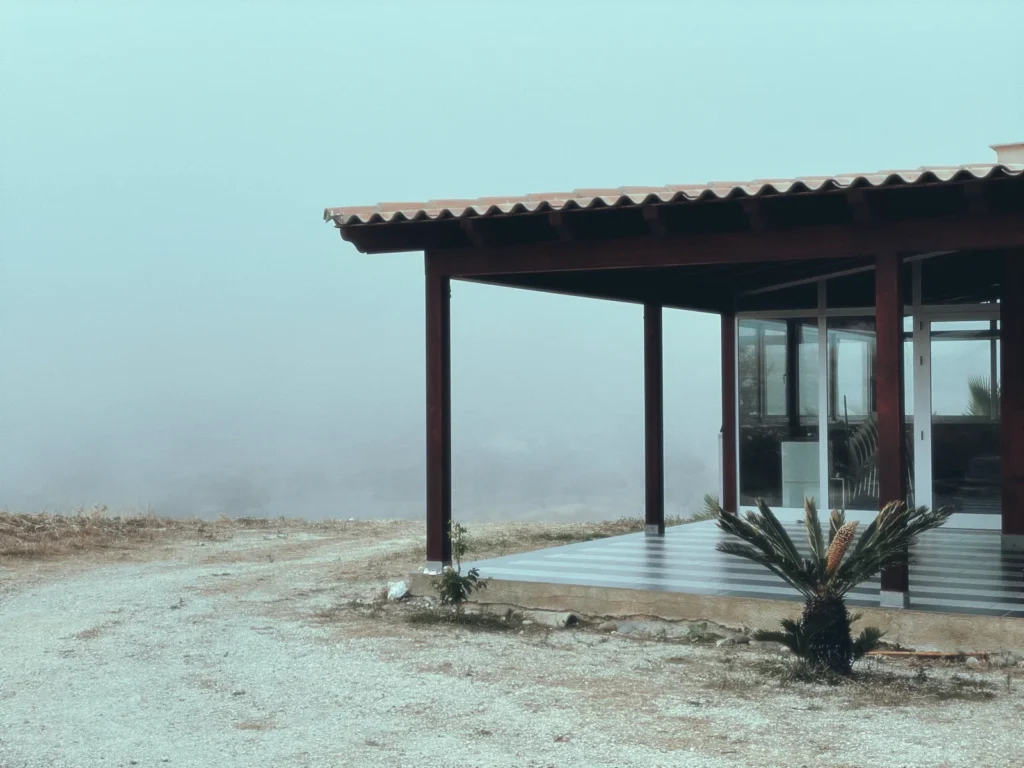
Beyond still images, Lumion is strong at video walkthroughs and atmospheric effects such as fog, rain, snow, and changing skies. Those touches help you communicate not just how a building looks, but how it feels at different times of day and in different weather.
⚖️ Pros & Cons at a Glance
Pros: Fast real-time feedback, large built-in asset library, easy import from SketchUp and Revit, strong video and weather effects.
Cons: Heavy on graphics hardware, less fine control than V-Ray, no real modeling tools inside the program.
How Does Lumion Compare to Other Renderers?
Compared with engines like V-Ray or Corona, Lumion trades some fine control for ease and speed. V-Ray can produce extremely photorealistic results but has a steeper learning curve and longer render times. Twinmotion is the closest direct competitor and shares the real-time approach, so many users pick between the two based on workflow and budget. For early design stages and client presentations, Lumion’s quick turnaround is hard to beat. If you are weighing your options, see our breakdown of Lumion vs Enscape vs Twinmotion and our list of alternative rendering tools to Lumion.
Tips for Learning Lumion Efficiently
The fastest way to improve is to focus on lighting first. Realistic results come more from good sun angles, shadows, and exposure than from any single material. Next, learn the material library and adjust reflection and gloss values, since default settings rarely look convincing. Use the LiveSync plugins for SketchUp and Revit so changes in your model refresh in Lumion automatically. Finally, study the built-in effects stack, because subtle additions like ambient occlusion, color correction, and depth of field separate amateur renders from finished ones. Quality skies and lighting also depend on good source files, so a library of free HDRI websites is worth keeping bookmarked.

Hardware and Common Questions
Because Lumion leans heavily on the graphics card, a dedicated GPU with plenty of video memory makes the biggest difference to performance. If scenes feel slow, reduce the number of high-detail objects and lower preview quality while you work to keep things responsive.
Is Lumion good for beginners?
Yes, especially for anyone already comfortable with SketchUp or 3ds Max, since the layer logic carries over. The beginner videos from the official channel and The SketchUp Essentials get you to a first render quickly.
Do you need to model inside Lumion?
No. Lumion is a visualization tool, so you build geometry in another program and import it for rendering. That is why the SketchUp and Revit LiveSync workflows matter so much.
How long does it take to learn Lumion?
Most people produce a presentable render within a few days of focused practice. Reaching consistent, polished results takes a few weeks of working on real projects and studying lighting and effects.
Where to Go From Here
Your Next Step: Download the free trial, subscribe to the official Lumion channel plus one presentation-focused channel like Show It Better, then rebuild one of your existing SketchUp models in Lumion this week. Working on a project you already know is the quickest way to turn these Lumion tutorials into a skill you can use on real work.





Notion Alternatives for Architects: 7 Tools That Fit Studio Work
Notion works until a studio needs fee tracking, phase budgets and timesheets....
 Furkan Sen7 Mins read

Why Every Practice Ends Up With Five Versions of the Same Revit Family
Let’s learn why Revit family libraries accumulate duplicates, break schedules and slow...
 illustrarch Editoral Team5 Mins read

Visualizing Renovation Projects From Photographs: A Workflow for Existing-Building Work
Photo-based visualization turns a photograph of a building that already exists into...
illustrarch Editoral Team7 Mins read

Best Free CAD Blocks and Resources for Architects
A working guide to free CAD blocks for architects, covering ARCAT, CAD-Blocks.net,...
Furkan Sen7 Mins read


Leave a comment