


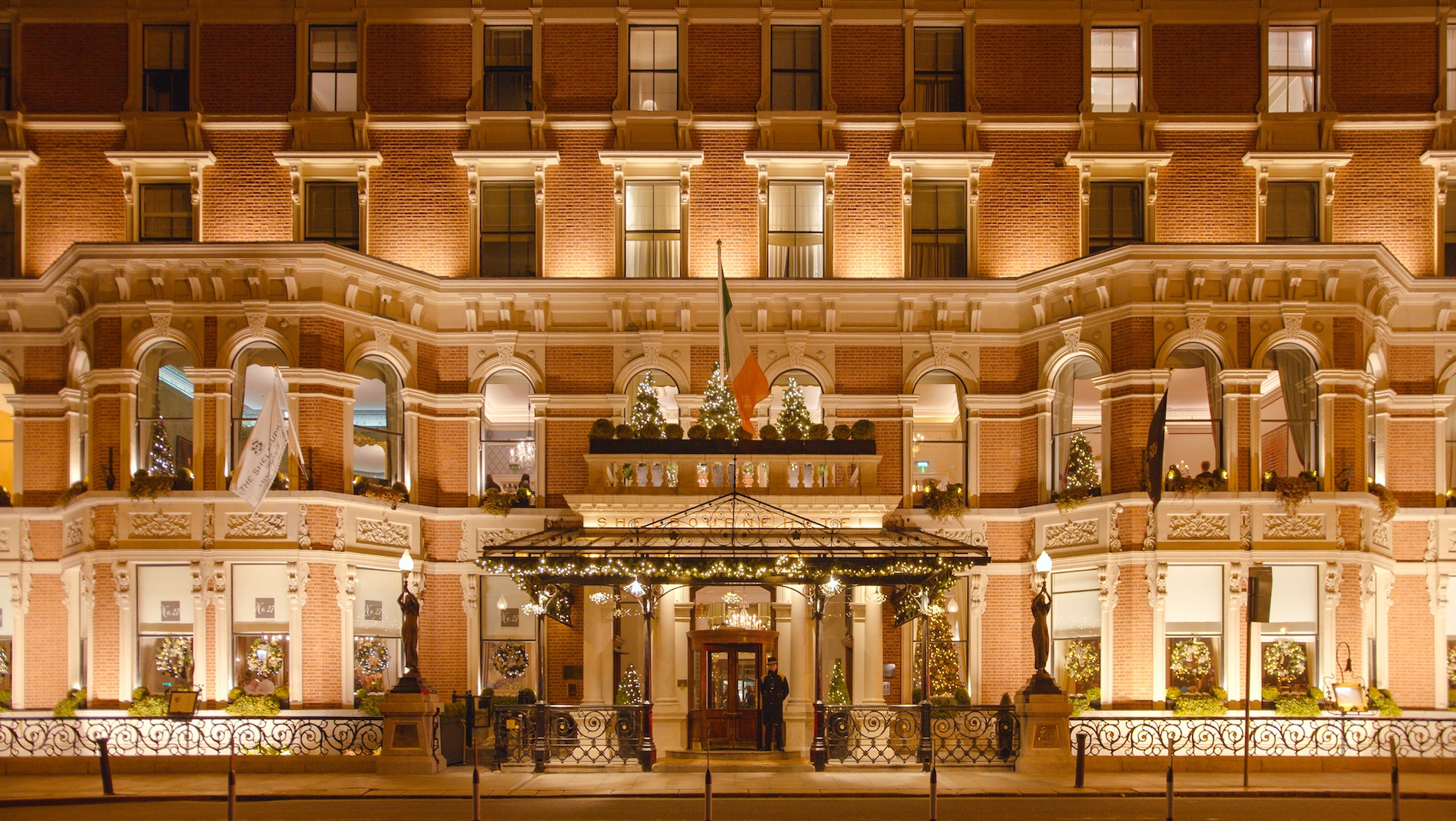
Hotels are more than just temporary lodging spaces for travelers – they are often historic and cultural landmarks, embodying the stories and memories of a particular time and place. The restoration and conservation of hotel buildings is therefore essential in preserving these landmarks for future generations to experience and enjoy. First and foremost, a well-designed hotel can enhance the guest experience, making visitors feel welcomed, comfortable, and inspired. A thoughtfully designed hotel can create a sense of place and identity, reflecting the culture, history, and environment of its location. It can also provide a range of amenities and services that meet guests’ needs and expectations, such as comfortable rooms, high-quality dining options, and recreational facilities. Moreover, a well-designed hotel can benefit the broader community in which it is located. It can serve as a hub for social and economic activity, providing jobs and generating revenue for local businesses. It can also contribute to the identity and character of a neighborhood or city, attracting visitors and promoting cultural exchange.
Restoration of hotel buildings involves returning them to their original condition or appearance while ensuring that their historical, cultural, and architectural significance is preserved. It requires a deep understanding of the building’s history and architectural features, as well as expertise in building materials and techniques used in the original construction.
Conservation, on the other hand, involves the ongoing maintenance and preservation of the building, ensuring that it remains functional and in good condition. It involves regular inspections, maintenance, and repair of the building’s structural elements, mechanical systems, and decorative features. Restoration and conservation efforts can help to maintain the cultural and historical significance of hotel buildings and promote sustainable tourism. They can also generate economic benefits by attracting visitors and creating jobs in the tourism industry.
One example of successful restoration and conservation efforts is the Raffles Hotel in Singapore. Originally opened in 1887, the hotel underwent extensive restoration and renovation in 1989 to restore it to its original grandeur. The restoration involved preserving the hotel’s iconic colonial architecture and restoring its ornate interiors, including its grand ballroom and 10-meter high Victorian-style lobby.
Another example is the Plaza Hotel in New York City, which underwent a $400 million renovation in 2005 to restore its historic grandeur while modernizing its facilities. The restoration involved repairing and restoring the building’s iconic facade, replacing its mechanical systems, and upgrading its guest rooms and amenities. To ensure the success of restoration and conservation efforts, it is essential to engage with all stakeholders, including local communities, preservation groups, and government agencies. Collaboration and consultation can help to ensure that restoration efforts align with the community’s needs and priorities, while also promoting sustainable tourism and economic development.
The restoration and conservation of hotel buildings are essential in preserving their cultural and historical significance while promoting sustainable tourism and economic development. These efforts require a deep understanding of the building’s history and architectural features, as well as expertise in building materials and techniques used in the original construction. Engaging with stakeholders and communities is also critical to ensure that restoration efforts align with community needs and priorities.

Hotels From Historic Landmarks
This trend of rethinking hotel buildings is becoming increasingly popular as developers and architects seek to create unique and memorable experiences for guests while preserving historic landmarks.
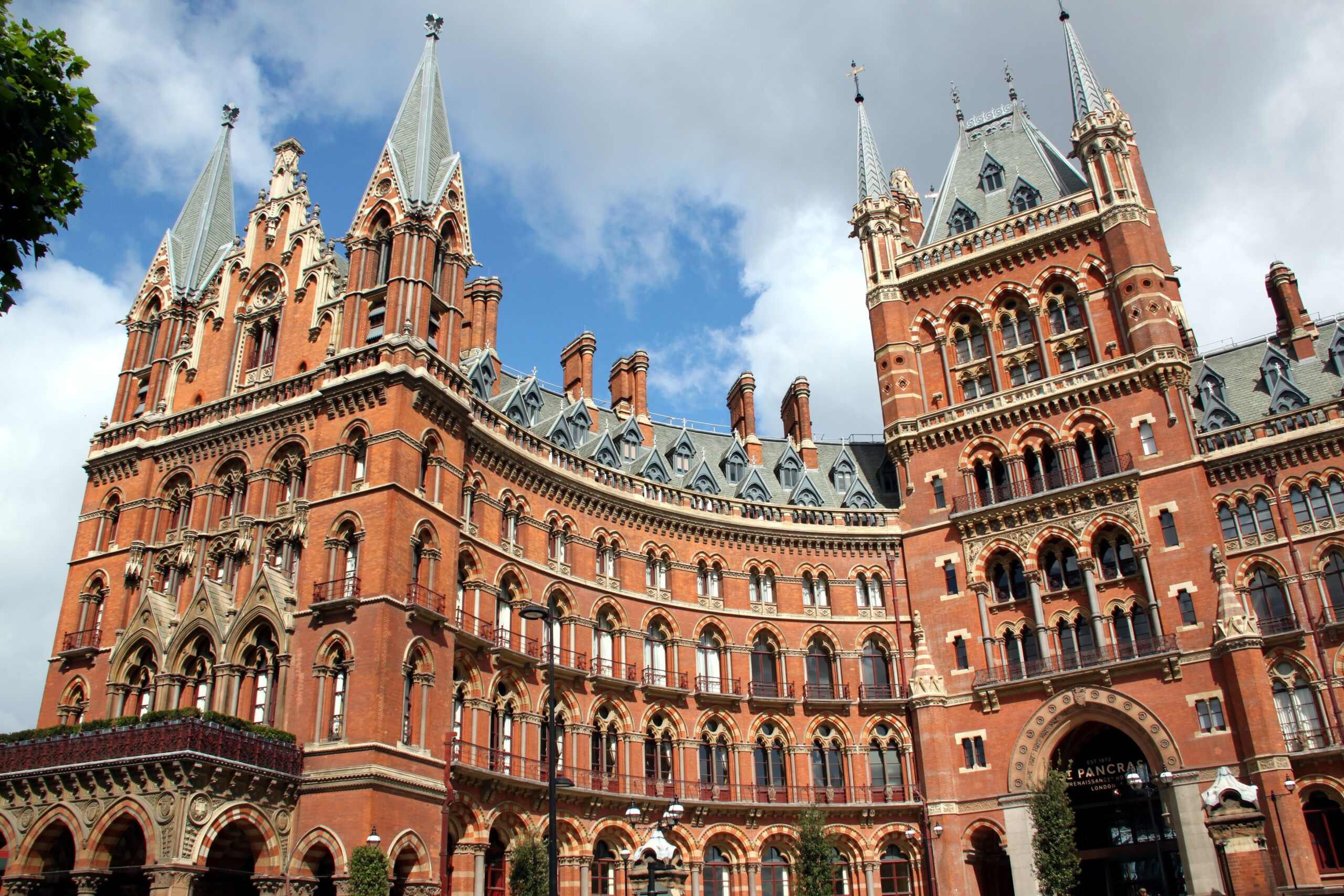
One example is the St. Pancras Renaissance Hotel in London, which was originally built in the 19th century as a grand railway station. The building fell into disrepair in the 20th century and was almost demolished, but was eventually restored and converted into a luxury hotel in 2011. The hotel’s Gothic Revival architecture and historic features, such as the grand staircase and wrought-iron balustrades, were preserved and incorporated into the hotel’s design.
Finally, Ace Hotel in New Orleans, which is housed in a historic Art Deco building that was once a furniture showroom. The building was renovated and converted into a hotel in 2016, with many of its original features, such as the terrazzo flooring and geometric patterned ceilings, preserved and incorporated into the hotel’s design.





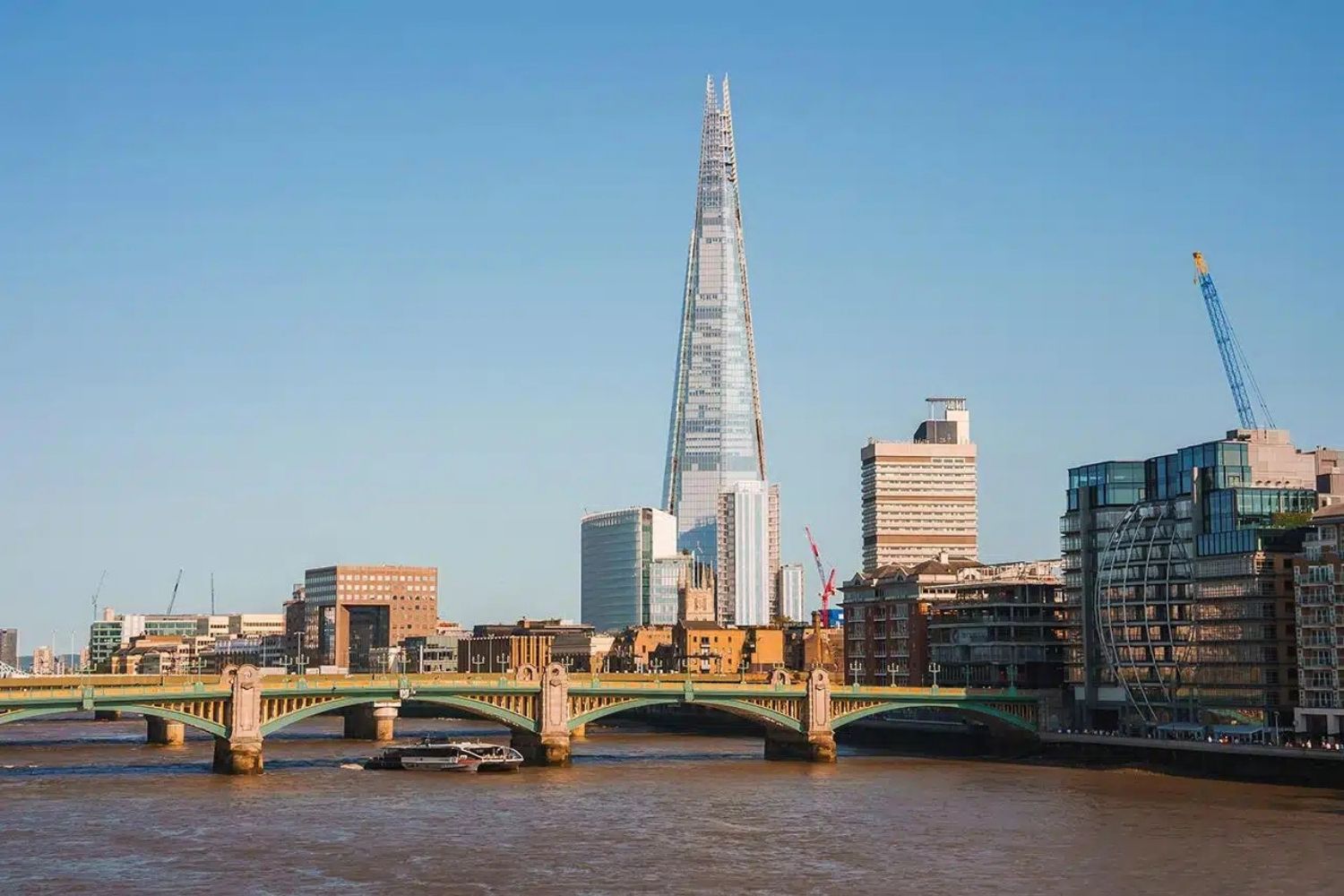
The Shard London: How Renzo Piano’s Glass Tower Redefined the City Skyline
Standing at 309.6 metres in Southwark, the Shard is the United Kingdom's...
 Furkan Sen6 Mins read
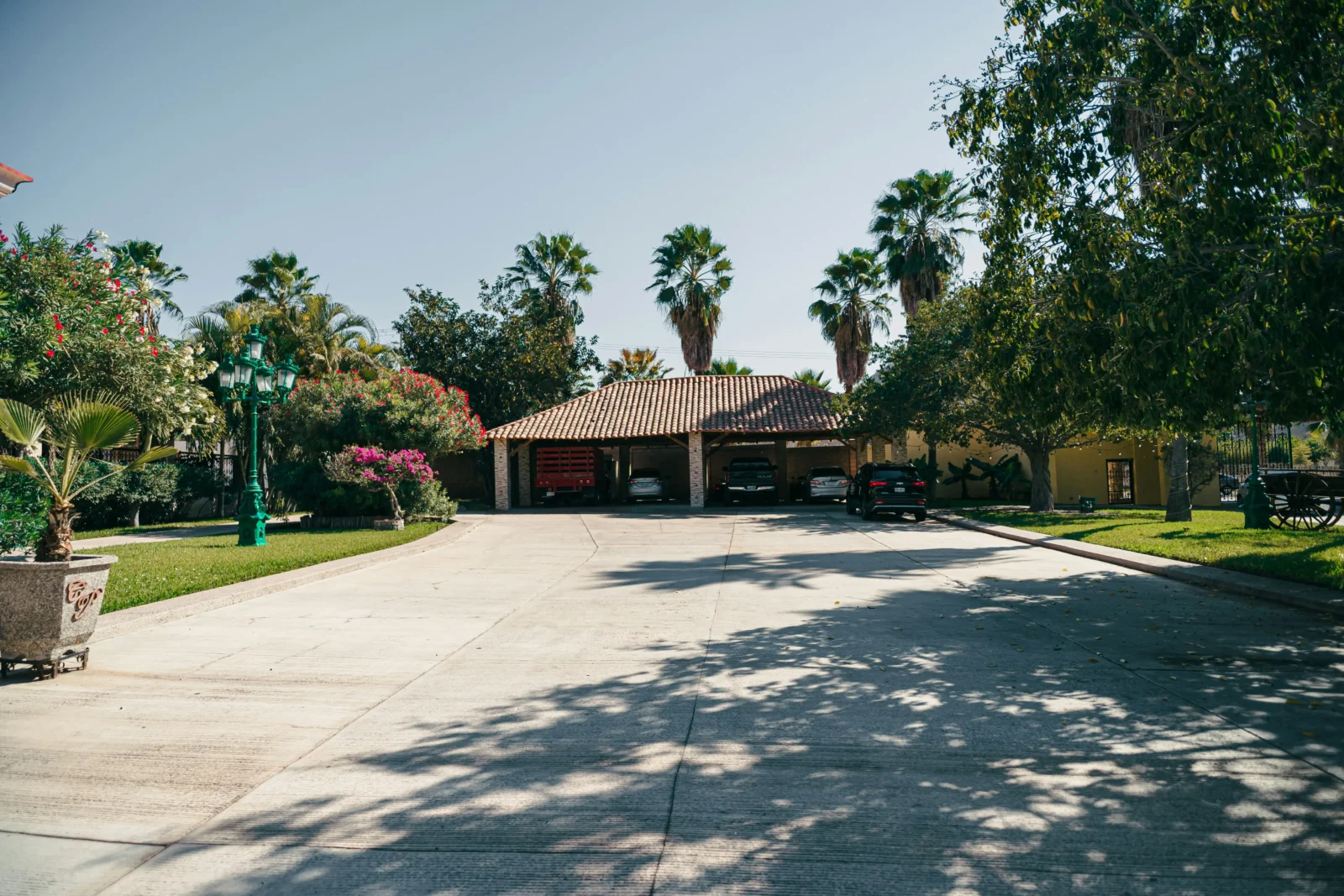
10 Best Pavers for Driveway (2026)
Table of Contents Show 1. Techo-Bloc: Blu 80mmWhy Choose Techo-Bloc Blu 80mm...
 illustrarch Editoral Team8 Mins read

Architecture Inside Out: How High-Tech Buildings Turned Structure Into Spectacle
From the Centre Pompidou in Paris to Norman Foster's HSBC tower in...
Furkan Sen6 Mins read
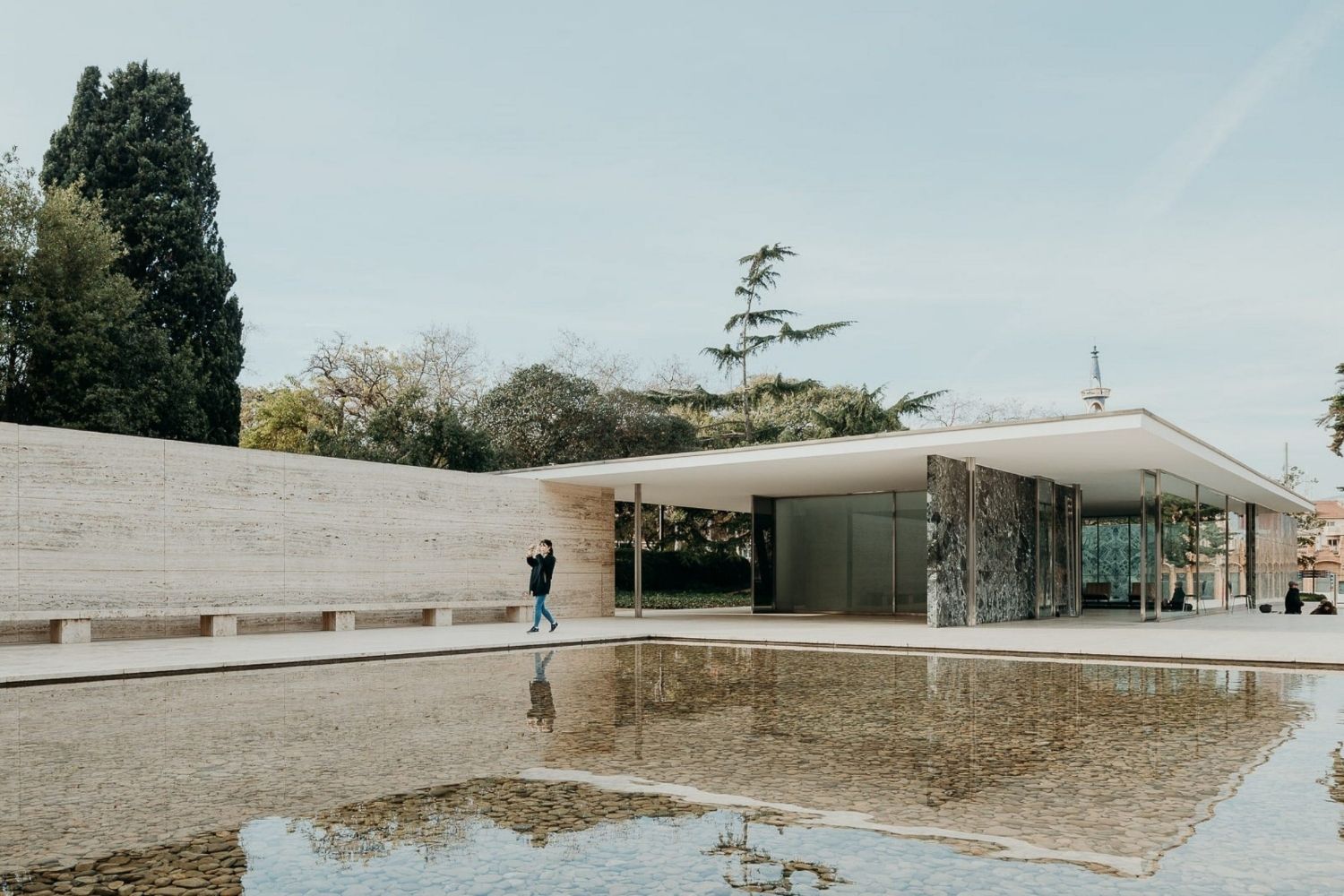
Best Examples of Modern Architecture: Steel and Glass Buildings That Shaped a Movement
Six buildings changed architecture forever by proving that steel and glass could...
Furkan Sen7 Mins read


Leave a comment