

American Container Homes: Redefining Urban Living Through Innovative Architecture
Discover how American container homes are reshaping modern urban living through sustainable design, modular flexibility, and affordability. This guide covers design principles, real projects, cost factors, zoning considerations, and practical planning steps for anyone curious about living in a container home in the United States.
 Furkan Sen1 May 202612 Mins read114
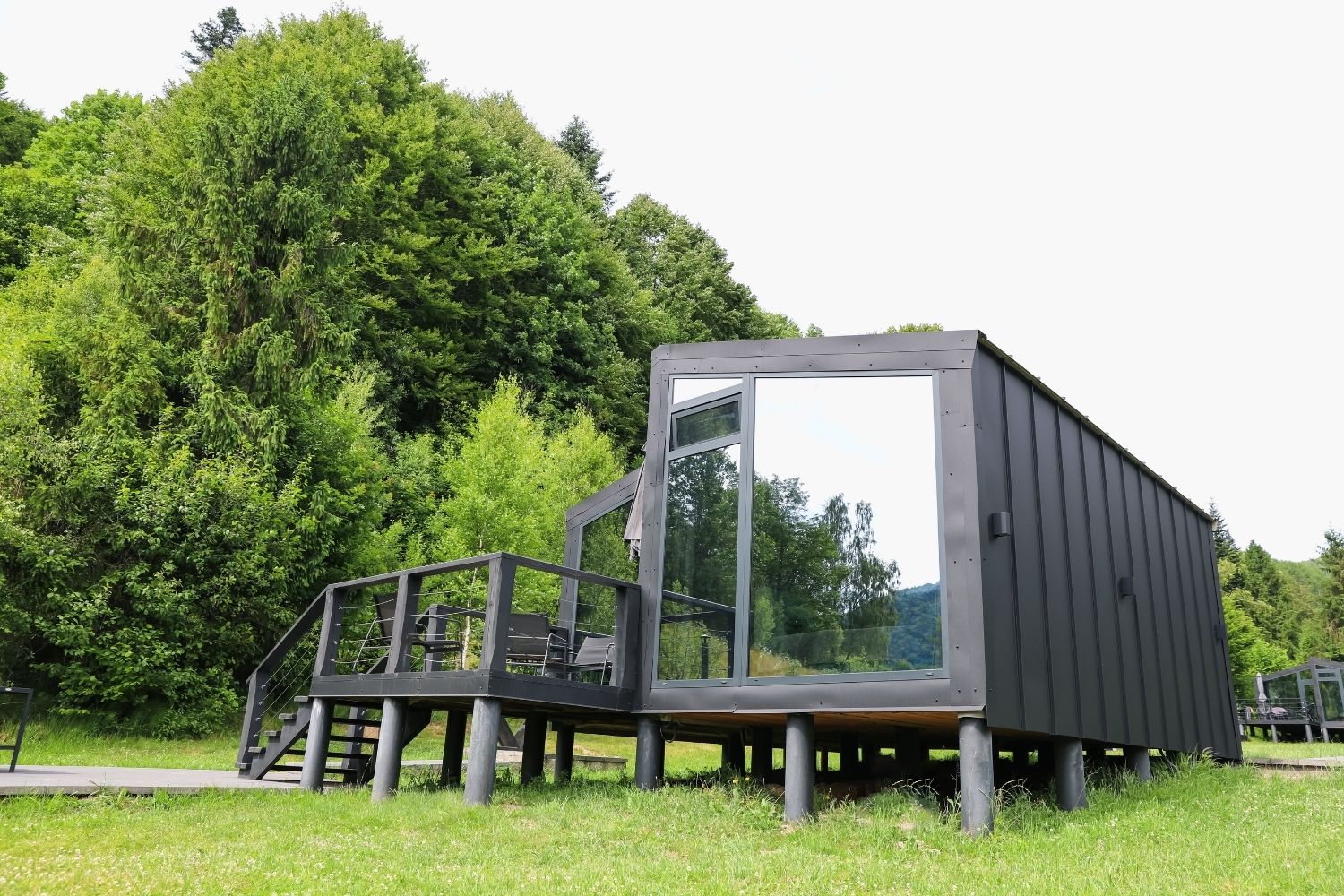
Table of Contents Show
American container homes are residential dwellings built from repurposed steel shipping containers, offering an affordable, sustainable, and design-forward alternative to traditional housing. Their modular nature allows architects and homeowners to reshape urban living by combining industrial aesthetics with energy-efficient design, making them one of the most practical expressions of innovative architecture in the United States today.
Shipping containers arrive at American ports by the millions every year, and a growing share of them never go back to sea. Architects, developers, and homeowners are converting these steel boxes into studios, family residences, and small urban communities. The appeal is simple: a structural frame already exists, the material is industrial-grade, and the footprint is flexible enough to fit tight city lots or expansive rural sites. Beautiful container homes are no longer rare experiments on design blogs. They are becoming part of the American housing conversation.
This guide looks at how container home design is shaping urban living in the United States, where innovative architecture meets real daily life. It covers design principles, aesthetics, planning, costs, and the practical side of container home living so you can decide whether this path fits your situation.
What Are American Container Homes?
American container homes are residential structures built primarily from steel intermodal shipping containers, typically in 20-foot or 40-foot sizes. Most projects use high-cube containers, which add roughly a foot of interior ceiling height compared to standard units. The container itself provides the structural shell, the exterior envelope, and in many cases the finished facade, cutting construction time and material use.
Architects approach container home design in a few different ways. Some leave the corrugated steel exposed as a design feature, celebrating the industrial look. Others clad the exterior in wood, fiber cement, or stucco so the home blends with the neighborhood. Interiors are insulated, drywalled, and finished like any other modern home, with plumbing, electrical, and HVAC systems integrated during the build.
The category keeps expanding. Building a container home in the USA now includes expandable container houses that unfold on site, collapsible units that ship flat, and permanent multi-container designs that read as contemporary single-family homes.
Why Urban Living With Container Homes Is Gaining Ground
Three forces are driving interest in container home living across American cities. First, housing affordability has reached a pressure point in many metro areas, pushing buyers to look at alternatives. Second, sustainability is no longer a niche concern, and repurposing existing steel appeals to environmentally minded homeowners. Third, cities are slowly loosening accessory dwelling unit (ADU) rules, creating legal space for small, modular homes on existing residential lots.
💡 Pro Tip
When planning an urban container home, order a structural assessment of the container before purchase, not after delivery. Containers that have been modified at the port, dented in transport, or cut for prior use may require reinforcement with steel tube framing around any new wall openings, which can shift a project’s steel budget by thousands of dollars.
The Design Language of Beautiful Container Homes
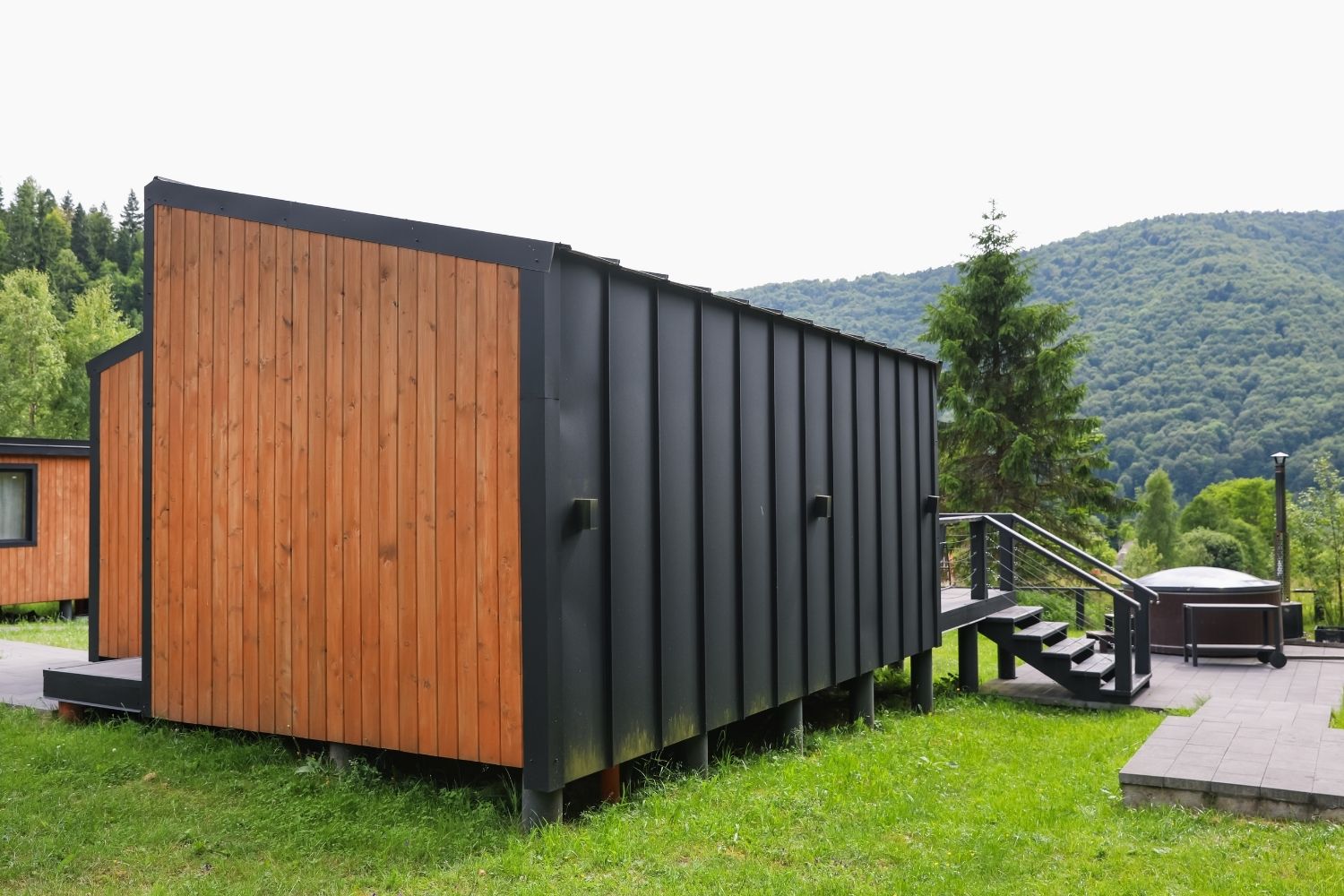
What makes a container home feel like a home rather than a converted industrial object is the design. The steel shell sets clear constraints: the interior width of a 40-foot high cube container is about 7 feet 8 inches, and the usable length is around 39 feet. Good container home design works with these dimensions instead of fighting them.
Open Plans and Long Sightlines
Single-container homes almost always use an open plan. Kitchen, dining, and living functions share one long space to keep sightlines clear and prevent the interior from feeling like a narrow hallway. Sleeping areas are usually placed at one end, separated by a partial wall or a sliding partition rather than a full room divider. This approach is the foundation of most container home interior design strategies, and it works because it plays to the container’s strengths instead of treating them as limitations.
Stacking, Cantilevering, and L-Shaped Layouts
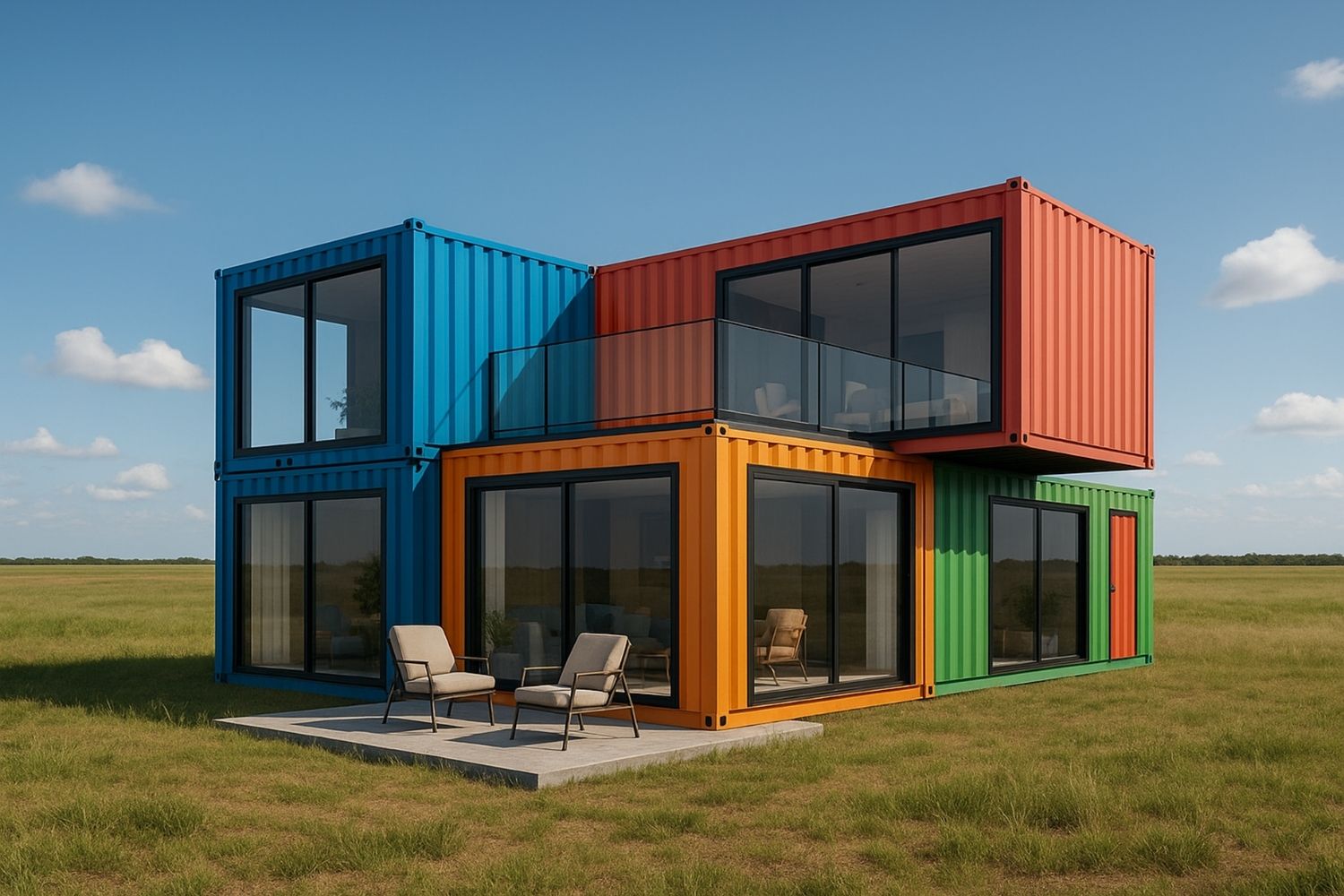
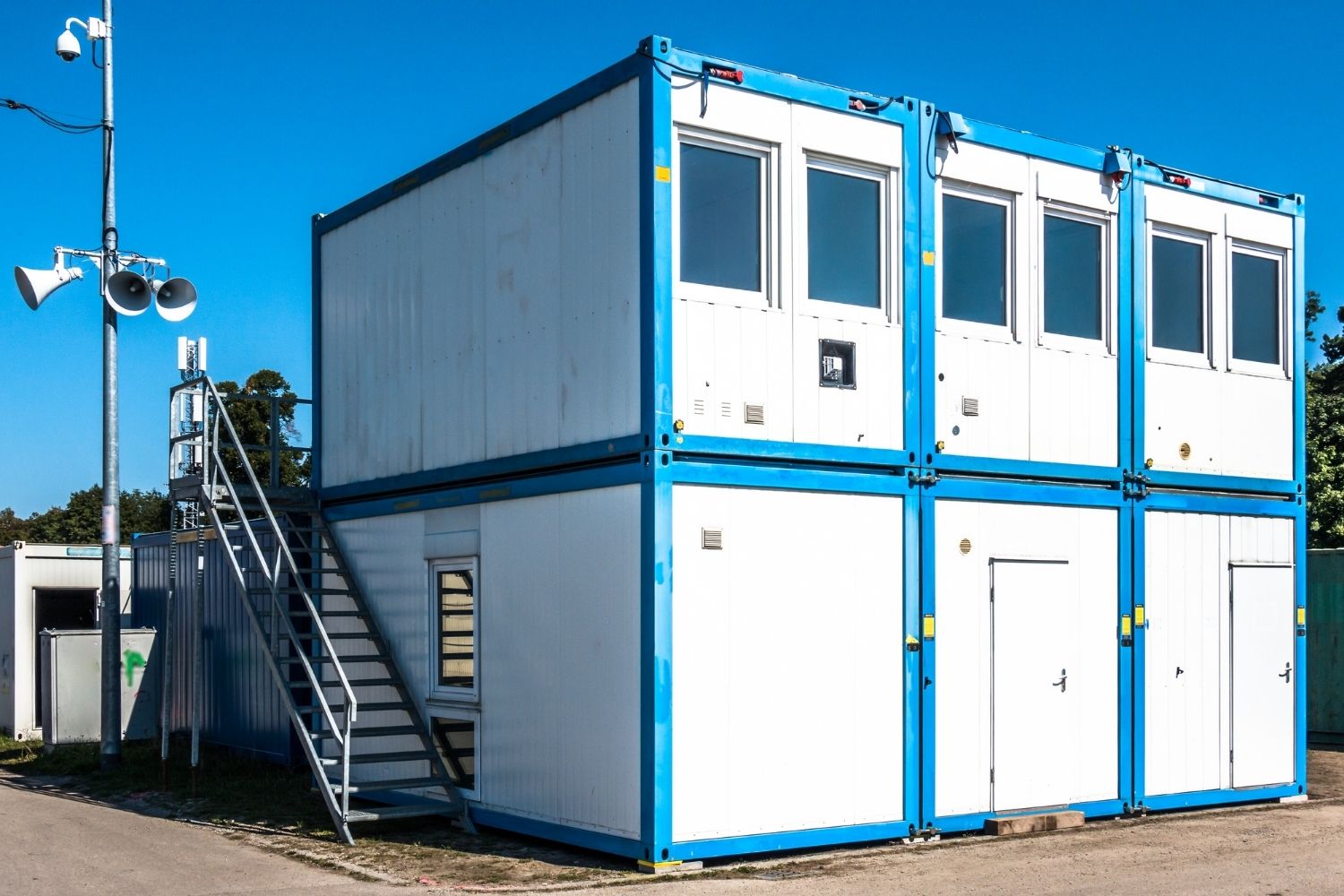
Multi-container homes introduce architectural possibilities that a single box cannot offer. Stacking two 40-foot containers creates a two-story home without expanding the footprint. Placing one container perpendicular to another forms an L-shape that frames an outdoor courtyard. Cantilevering a top container over a lower one creates covered entries, porches, and dramatic visual moments that architects use to establish the home’s identity.
ArchDaily’s feature on Måns Tham Arkitektkontor’s Container House shows how eight containers arranged on a steep canyon lot can create a family home that steps down the terrain, with structural container walls doing the heavy lifting that would otherwise require heavy framing.
Windows, Light, and the Black Box Problem
Containers arrive with no windows, so every opening is a decision. Large window walls at the ends of containers, glazed sliders between stacked units, and skylights cut into the roof all help solve what designers call the black box problem. The goal is to let enough natural light in that the narrow width disappears from perception.
🎓 Expert Insight
“The shipping container is a vehicle to invent new architecture.” — Ada Tolla and Giuseppe Lignano, LOT-EK founders
LOT-EK has built its entire practice around container-based work, from single residences to multi-unit Drivelines Studios in Johannesburg. Their argument is that the container is not just a recycled object but a rigorous architectural module that forces designers to think in disciplined proportions.
How Container Home Design Reshapes Urban Living
Urban living with container homes is not simply about placing a converted box on an empty lot. It is about using the modular format to answer specific city problems: expensive land, narrow infill sites, slow construction timelines, and rising demand for accessory units on existing residential properties.
Infill and ADU Applications
Many American cities now permit accessory dwelling units on single-family lots. Containers fit this use case well because they arrive mostly finished, can be craned into backyards in a single day, and connect to existing utilities with minimal site disruption. A 20-foot container ADU typically provides around 160 square feet, enough for a studio with a compact kitchen, a wet bath, and a Murphy bed. A 40-foot unit pushes that to roughly 320 gross square feet, which allows a small one-bedroom layout.
Mixed-Use and Community Projects
Cities have started using container architecture for more than single homes. MVRDV’s partnership with the social enterprise KLABU, featured on ArchDaily’s coverage of container community projects, shows how modular container buildings can serve as sports clubhouses in refugee settlements and urban areas. The same logic applies to pop-up retail, temporary housing during construction of permanent buildings, and mixed-use developments that combine ground-floor commercial containers with residential units above.
Density Without High-Rise Construction
Container homes let developers achieve medium density on sites that would not support traditional apartment construction. Stacking three levels of containers on a narrow urban lot produces six to nine small units without the complexity of concrete-and-steel mid-rise construction. For small-scale urban developers, this is often the practical entry point into multifamily housing.
🏗️ Real-World Example
Redondo Beach House (Redondo Beach, California, 2006): Designed by architect Peter DeMaria, this two-story residence was the first shipping container home in the United States approved as a structural system under the Uniform Building Code. The project demonstrated that containers could meet strict American building codes when properly engineered, opening the door for wider adoption of container home design across the country.
How to Live in a Container Home: Practical Planning Steps
Understanding how to live in a container home starts long before the crane arrives. The planning phase decides whether the project feels like a thoughtful home or a compromised compromise.
Site Selection and Zoning
Local zoning is the first filter. Some American cities classify container homes as modular dwellings and treat them like any other house. Others require specific variances, and a few rural counties ban them outright. Before buying a container, verify that your municipality allows residential container construction on your lot and confirm setbacks, height limits, and foundation requirements. A step-by-step guide for building a container home in the USA can help map out these regulatory steps in order.
Container Sourcing and Grading
Not all containers are equal. One-trip containers have made a single voyage and are in near-new condition, costing more but requiring less rehabilitation. Cargo-worthy containers have traveled for years but are still certified for shipping. Wind-and-water-tight (WWT) units are the cheapest but often need patching and rust treatment. For residential use, one-trip or high-grade cargo-worthy units are typically the right choice.
Foundation, Insulation, and Systems
Containers need a proper foundation. Concrete piers or a full slab are the most common options, with piers working well on sloped or sensitive sites. Insulation is critical because steel is a thermal conductor. Closed-cell spray foam is the most common choice for American container homes because it seals air gaps, adds structural rigidity, and works within the tight wall cavity. Mechanical systems follow standard residential practice, with mini-split heat pumps being particularly common for their compact size and efficiency.
📐 Technical Note
Standard 40-foot high cube containers have exterior dimensions of roughly 40 feet by 8 feet by 9 feet 6 inches, with an interior ceiling height of approximately 8 feet 10 inches before insulation. After 2 to 3 inches of closed-cell spray foam is applied to walls and ceiling, expect finished interior dimensions closer to 7 feet 6 inches wide and 8 feet 4 inches tall, which directly affects cabinetry, doorway, and furniture planning.
Comparing Container Home Types for Urban Living
Different container home configurations suit different urban situations. The table below summarizes the most common types and where they fit best.
| Configuration | Approximate Size | Best Urban Use | Typical Build Time |
|---|---|---|---|
| Single 20-ft container | 160 sq ft gross | ADU, backyard office, studio | 2 to 3 months |
| Single 40-ft container | 320 sq ft gross | One-bedroom urban home | 3 to 4 months |
| Two stacked 40-ft | 640 sq ft gross | Two-story infill home | 4 to 6 months |
| L-shape, 3 containers | 960 sq ft gross | Small family residence | 5 to 8 months |
| Multi-unit stack (6 to 9) | 2000+ sq ft gross | Small apartment development | 8 to 14 months |
The Sustainability Case for American Container Homes
Sustainability is one of the most cited reasons homeowners choose container construction. The environmental argument rests on three points: reuse of existing steel, faster construction with less site waste, and the potential for energy-efficient retrofits.
A single 40-foot high cube container contains roughly 8,000 pounds of steel. Keeping that steel in use as a building rather than sending it to a scrapyard avoids the significant energy cost of smelting and reforming new structural steel. When paired with solar panels, rainwater collection, and high-performance insulation, container homes can reach very low operational energy use.
The Construction21 analysis on sustainable shipping container homes argues that American cities facing climate resilience targets could use container architecture as part of their affordable housing toolkit. Faster construction timelines mean faster occupancy, which matters when cities are trying to close a housing gap.
The Criticism You Should Know
Container architecture also has serious critics. Some architects argue that the sustainability claims are overstated because most residential container projects require substantial steel reinforcement once walls are cut, which reduces the recycling benefit. Hybrid Architecture, an early pioneer of container building in Seattle, has noted that the inflexible dimensions of containers can be a poor match for urban density goals, where purpose-built modular construction may perform better.
An honest look at container home living acknowledges these limits. Containers are not always the greenest or cheapest path. They shine in specific situations: infill lots, ADUs, off-grid cabins, and design-forward projects where the industrial aesthetic is part of the point.
⚠️ Common Mistake to Avoid
Many first-time builders assume that container homes are automatically cheaper than traditional construction. In dense urban markets, once you add a proper foundation, structural reinforcement around cut openings, spray-foam insulation, permits, utility connections, and interior finishes, the total cost per square foot often approaches conventional small-home construction. Container homes win on design character and construction speed more reliably than they win on pure price.
Budget, Timeline, and Financing Realities
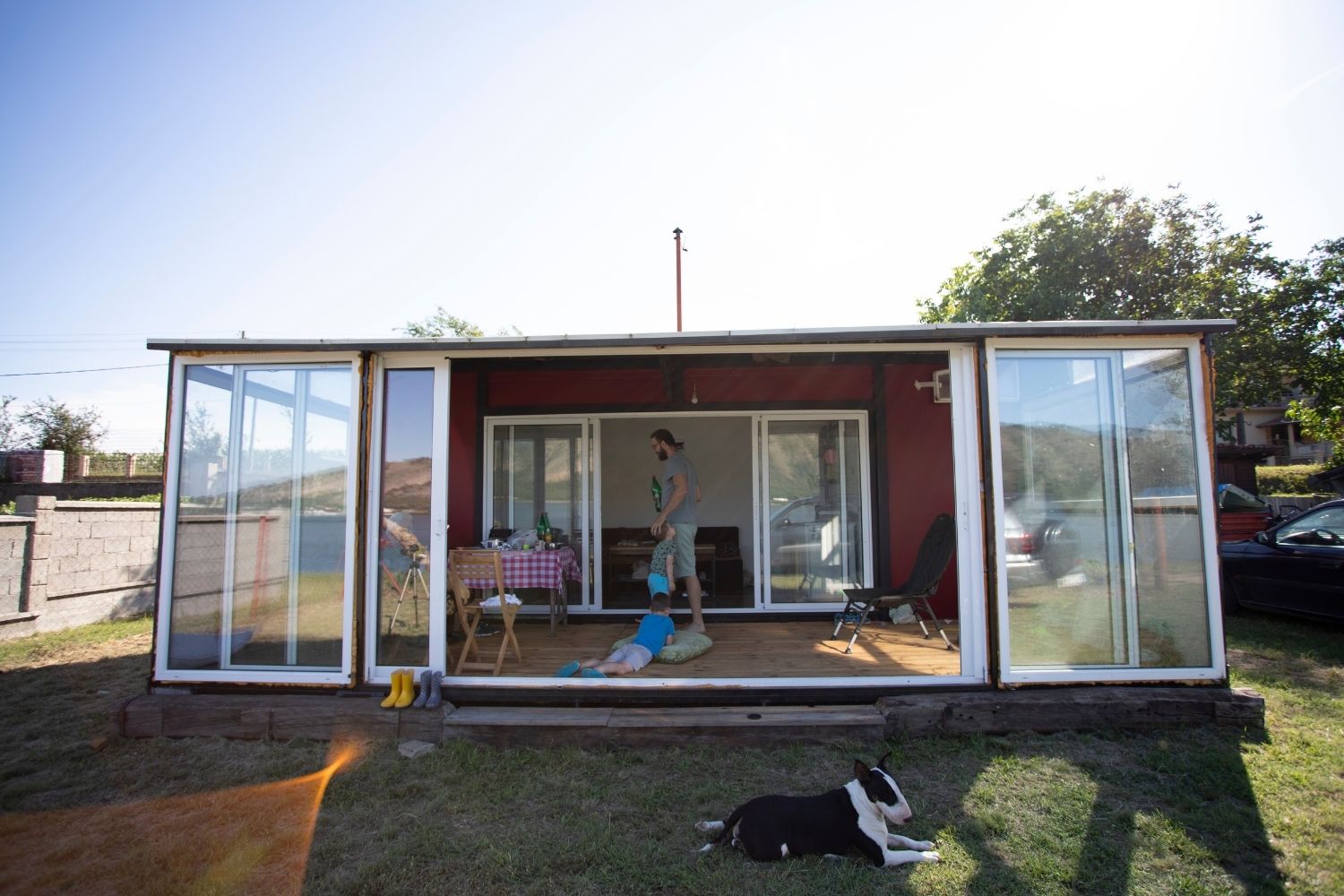
Budgets for American container homes vary enormously by region, design complexity, and finish level. A DIY single-container off-grid cabin can come in under $40,000, while a fully permitted multi-container urban home with custom finishes can reach $250,000 or more.
Timelines are generally faster than conventional construction. The Modular Building Institute’s industry analysis consistently reports that modular construction methods, including container construction, can reduce overall project duration by a significant margin compared to site-built construction. Factory prep and site prep happen in parallel, which is where most of the time savings come from.
Financing is where many prospective container homeowners hit their first wall. Traditional mortgage lenders are often unfamiliar with container homes, and some treat them as non-standard construction requiring specialty loans. Construction loans are usually available but may require a licensed general contractor and engineered plans.
Cost figures in this article are approximate and vary significantly by region, material supplier, labor market, and project scope. Building codes, zoning rules, and financing options for container homes also vary by jurisdiction. Always consult local building officials, a licensed architect or engineer, and your lender before committing to a container home project.
What Does Innovative Architecture Look Like in Container Form?
Innovative architecture in the container format does not mean stacking boxes in increasingly dramatic configurations. It means using the container’s constraints to produce spatial experiences you would not get from conventional framing. Three design strategies define the most interesting work in the field.
The Courtyard Approach
Arranging containers around a central courtyard creates a private outdoor room that acts as the heart of the home. This is particularly effective on urban lots where street-facing openness is not desirable. The courtyard brings light and air into every container without compromising privacy.
The Lifted Volume
Placing one or more containers on steel columns, with the ground plane kept open for parking, entry, or landscape, is a signature move in modern container architecture. It turns a small lot into a multi-use site and creates covered outdoor space without enclosed square footage.
The Hybrid Build
Some of the strongest American container homes are not pure container buildings. They combine containers with traditional framing, concrete, or cross-laminated timber. The containers handle the structural heavy lifting while other materials fill in larger clear-span areas. The broader field of shipping container architecture often favors this hybrid approach for anything larger than a two-bedroom home.
The Future of Container Home Living in American Cities
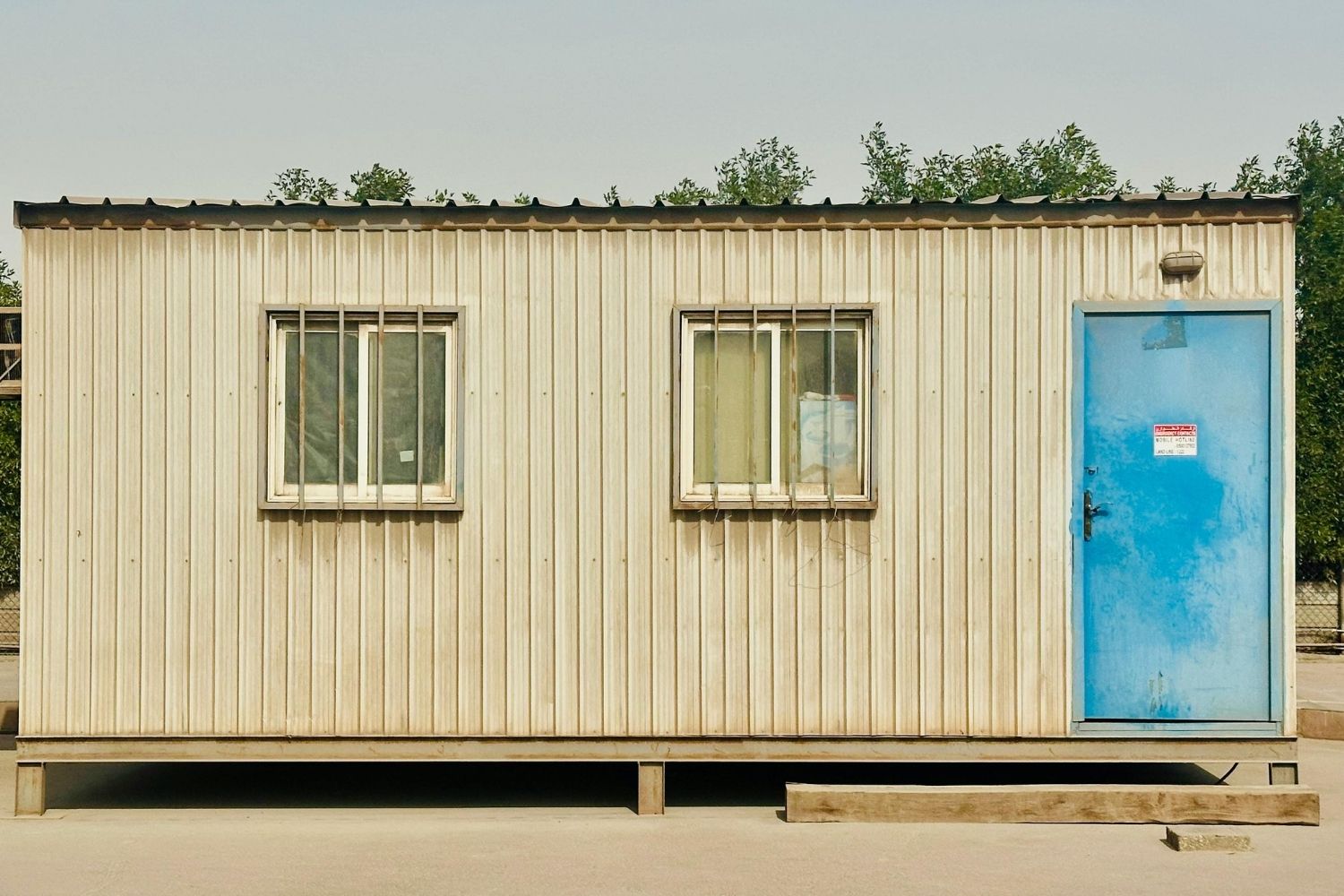
The trajectory of American container homes is tied to the wider shift toward prefabrication and offsite construction. As cities continue to wrestle with housing shortages and labor constraints in traditional construction, container-based and modular solutions will likely occupy a growing slice of new housing starts. ADU-friendly zoning changes, improvements in prefabrication quality, and growing familiarity among lenders and appraisers will all smooth the path for container home living in the years ahead.
At the same time, the category is maturing. Early container homes often looked like experiments. Newer American container homes look like deliberate architecture, with carefully detailed facades, thoughtful interior layouts, and performance that matches or exceeds conventional residential construction.
✅ Key Takeaways
- American container homes use repurposed steel shipping containers as the primary structural and aesthetic element, offering a modular path into innovative architecture.
- Successful container home design works with the container’s fixed dimensions rather than against them, relying on open plans, generous glazing, and smart stacking or cantilevering.
- Urban living with container homes is most viable for ADUs, infill lots, small multifamily projects, and design-forward single-family homes on challenging sites.
- Container home living requires careful planning around zoning, foundation, insulation, and utility connections, and true cost savings depend heavily on design choices and local conditions.
- The strongest American container homes treat the container as a serious architectural module, often combined with conventional framing or cross-laminated timber in hybrid builds.
Frequently Asked Questions
How much does an American container home cost?
Costs vary widely. Single-container homes in the United States commonly fall between $25,000 and $80,000 for basic builds, while multi-container homes with full finishes often range from $80,000 to $250,000 or more. Location, foundation type, insulation, finishes, and permit costs are the biggest variables.
Are container homes legal in American cities?
Legality depends on local zoning and building codes. Many cities classify container homes as modular residences and permit them with standard residential review. Others require specific variances or additional engineering review. Always confirm with your local building department before buying a container or committing to a design.
How long do American container homes last?
With proper rust prevention, insulation, and maintenance, container homes can last 25 to 50 years or longer. Regular inspection for rust at seams, cut openings, and roof connections, combined with appropriate exterior coatings, is the key to long-term durability.
Can you live in a container home year-round in cold climates?
Yes, but insulation is critical. Closed-cell spray foam on all interior surfaces, paired with thermally broken windows and an efficient heat pump, allows American container homes to perform well in cold climates. Without proper thermal detailing, steel containers can suffer from condensation and cold spots.
Do container homes hold their value?
Resale markets for container homes are still developing. In areas where container homes are well-accepted and permitted, they can hold value comparably to similarly sized conventional small homes. In markets where they are rare or viewed skeptically by lenders and appraisers, resale can be more challenging.









Tiny House Water Systems: Your Complete Guide to Plumbing, Rainwater Harvesting and Off-Grid Solutions
A practical guide to designing a tiny house water system, covering PEX...
 Bahattin Duran14 Mins read
Off-Grid Tiny House Living: Complete Setup Guide for Beginners
This guide walks you through every stage of setting up an off-grid...
Bahattin Duran15 Mins read
Tiny House with Loft: Design Ideas, Plans and Building Tips for Vertical Living
A complete guide to designing and building a tiny house with loft,...
Bahattin Duran15 Mins read

8+ Best Tiny Home Communities in Michigan: Great Lakes Tiny Living Guide
Explore tiny home communities in Michigan. Great Lakes lifestyle, affordable land, and...
Bahattin Duran18 Mins read




Leave a comment