

Salone del Mobile.Milano 2026: Key Highlights, Numbers, and Trends from Milan Design Week
The 64th edition of Salone del Mobile.Milano brought 1,900+ exhibitors and 316,342 visitors to Rho Fiera Milano from April 21 to 26, 2026. This guide covers the fair's major debuts including Salone Raritas and OMA's Salone Contract masterplan, Fuorisalone highlights across the city, and the design trends that defined Milan Design Week 2026.
 Elif Ayse Sen2 May 202611 Mins read274
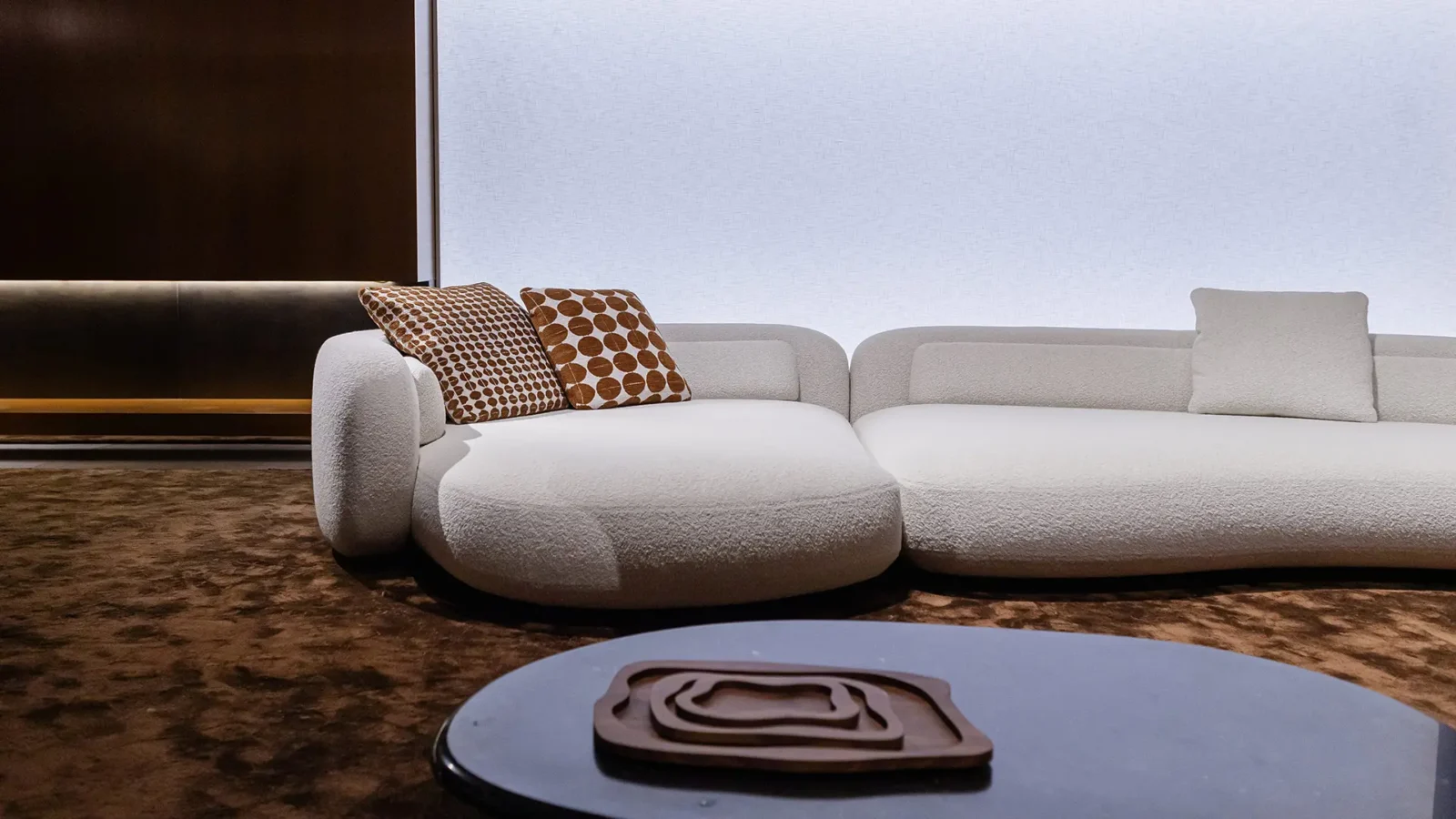
Table of Contents Show
Salone del Mobile.Milano 2026, the 64th edition of the world’s largest furniture and design fair, ran from April 21 to 26 at Rho Fiera Milano. The event brought together over 1,900 exhibitors from 32 countries, welcomed 316,342 visitors from 167 nations, and introduced new platforms including Salone Raritas and the OMA-designed Salone Contract masterplan, while the parallel Fuorisalone program activated hundreds of locations across Milan with more than 1,300 events.
What Is Salone del Mobile.Milano?
Salone del Mobile.Milano is the annual international trade fair for furniture, lighting, kitchens, bathrooms, and interior accessories held each April at Rho Fiera Milano. Founded in 1961, the event has grown from a regional furniture showcase into the single most important week on the global design calendar. Under the leadership of President Maria Porro and General Manager Marco Sabetta, the fair operates both as a commercial platform where manufacturers meet buyers and specifiers, and as a cultural event where architecture, design, and craft intersect.
The fair sits within a broader week of activity known as Milan Design Week, which includes the official exhibitions at Rho Fiera alongside hundreds of off-site events, installations, and showroom presentations spread across the city’s design districts. For architects, interior designers, and product designers, attending design week in Milan 2026 was a chance to see where the industry is heading, from material research to spatial thinking, all in one concentrated period.
💡 Pro Tip
If you are planning to attend a future edition, download the official Salone del Mobile.Milano app before arriving. The interactive pavilion map and exhibitor catalogue save significant time when navigating over 169,000 square meters of net exhibition space. Book early-bird tickets online for a reduced rate and plan your day around specific pavilions rather than trying to cover the entire fair in one visit.
Salone del Mobile.Milano 2026 by the Numbers
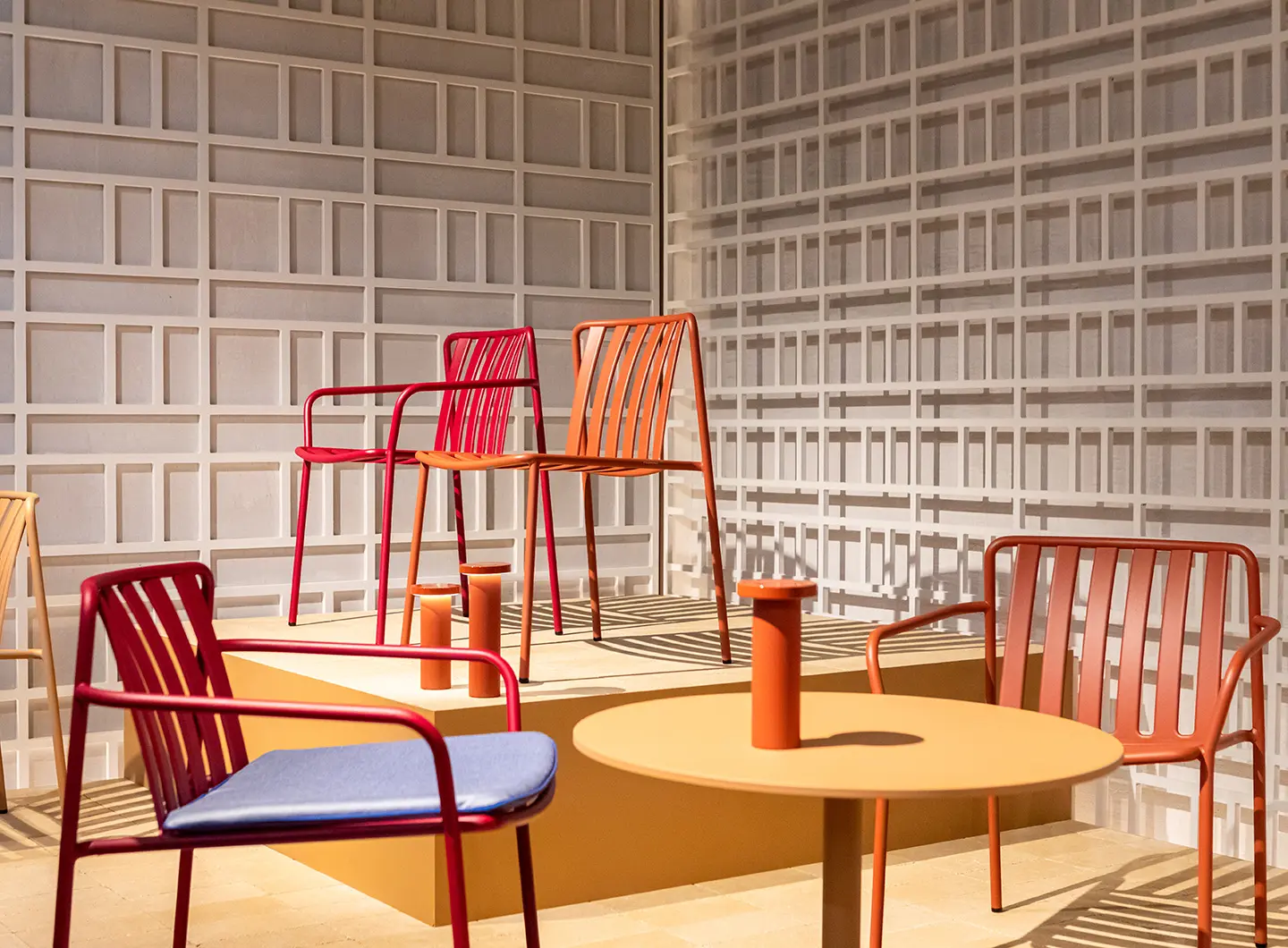
The 64th edition delivered strong attendance despite a period of global economic uncertainty. The fair occupied over 169,000 square meters of net exhibition space across the Rho Fiera Milano fairgrounds, which were completely sold out. International trade visitors accounted for 68 percent of total professional attendance, consistent with the 2025 edition and confirming the event’s role as a global meeting point for the furnishing industry.
🔢 Quick Numbers
- 316,342 total visitors from 167 countries (Salone del Mobile.Milano, 2026)
- 1,900+ exhibitors across 169,000+ sqm of net exhibition space (Salone del Mobile.Milano, 2026)
- €255 million economic impact for Milan, a 14.7% increase over 2025 (Confcommercio Research Center, 2026)
- 6,039 press and media representatives, including 2,828 from abroad (Salone del Mobile.Milano, 2026)
Growth in visitor numbers from specific regions pointed to shifting demand patterns. Canada saw a 28 percent increase and Mexico rose by 15 percent. Brazil held strong in fourth place among international markets, while South Korea climbed to fifteenth with a 4.5 percent increase. These figures reflect the year-round promotional work that the Salone conducts through B2B missions, partnerships with Art Basel in Miami Beach and Hong Kong, participation in Expo Osaka 2025, and the fair’s first spin-off event in Saudi Arabia.
The fair received an additional institutional boost when Deputy Prime Minister Antonio Tajani appointed Salone del Mobile.Milano as an Ambassador of Italian Design Worldwide at the opening of the 64th edition, a recognition of the event’s diplomatic and economic significance for Italy’s design sector.
What Was New at the 2026 Edition?
Several new initiatives distinguished this edition from previous years. The most talked about were Salone Raritas and the Salone Contract masterplan, both of which signaled the fair’s ambition to expand beyond its traditional furniture exhibition format.
Salone Raritas: Limited Edition and Collectible Design
Salone Raritas debuted in Pavilion 9 as a dedicated platform for limited-edition design, one-off pieces, and high-end creative manufacturing. Curated by Annalisa Rosso, Editorial Director and Cultural Events Advisor of the Salone, with exhibition design by the Dutch studio Formafantasma, the project brought together 25 exhibitors (later expanded to 28 galleries from 12 countries) who presented objects at the boundary between design and art. Formafantasma conceived the exhibition space as a “lantern,” using modular architecture with controlled light and rhythm to frame each piece.
The initiative marks a strategic move by the Salone to acknowledge the growing collector market for design objects. Rather than competing with established art and design fairs, Salone Raritas positions itself as a bridge between special production and the broader design industry, offering galleries and makers a context firmly rooted in furniture manufacturing rather than the gallery system.
Salone Contract 2027: OMA’s Masterplan
The Salone also previewed its upcoming contract-focused exhibition, with a masterplan entrusted to Rem Koolhaas and David Gianotten of OMA. Salone Contract 2027 will target the hospitality, real estate, marine, and public spaces sectors, areas where large-scale integrated furnishing projects require different skills, procurement models, and collaboration tools than residential furniture.
On April 21, the first day of the International Forum featured a lecture by Koolhaas and the public presentation of the 2027 masterplan. Koolhaas noted that designing means “getting out of one’s comfort zone,” a comment that the Salone organization adopted as a guiding principle for the project. The contract initiative reflects a broader industry trend: as residential furniture growth stabilizes in mature markets, hospitality and commercial projects represent an expanding opportunity for Italian manufacturers.
🎓 Expert Insight
“The Salone does not merely bring the world of design together: it sets it in motion. It transforms attendance into relationships, content into opportunities, and complexity into direction.” — Maria Porro, President of Salone del Mobile.Milano
Porro’s statement, made at the closing of the 2026 edition, reflects the fair’s evolving identity. The Salone increasingly functions not just as a marketplace but as a strategic infrastructure that supports Italian manufacturers in reaching new international markets and developing new business models throughout the year.
The Biennial Exhibitions: EuroCucina and International Bathroom Exhibition
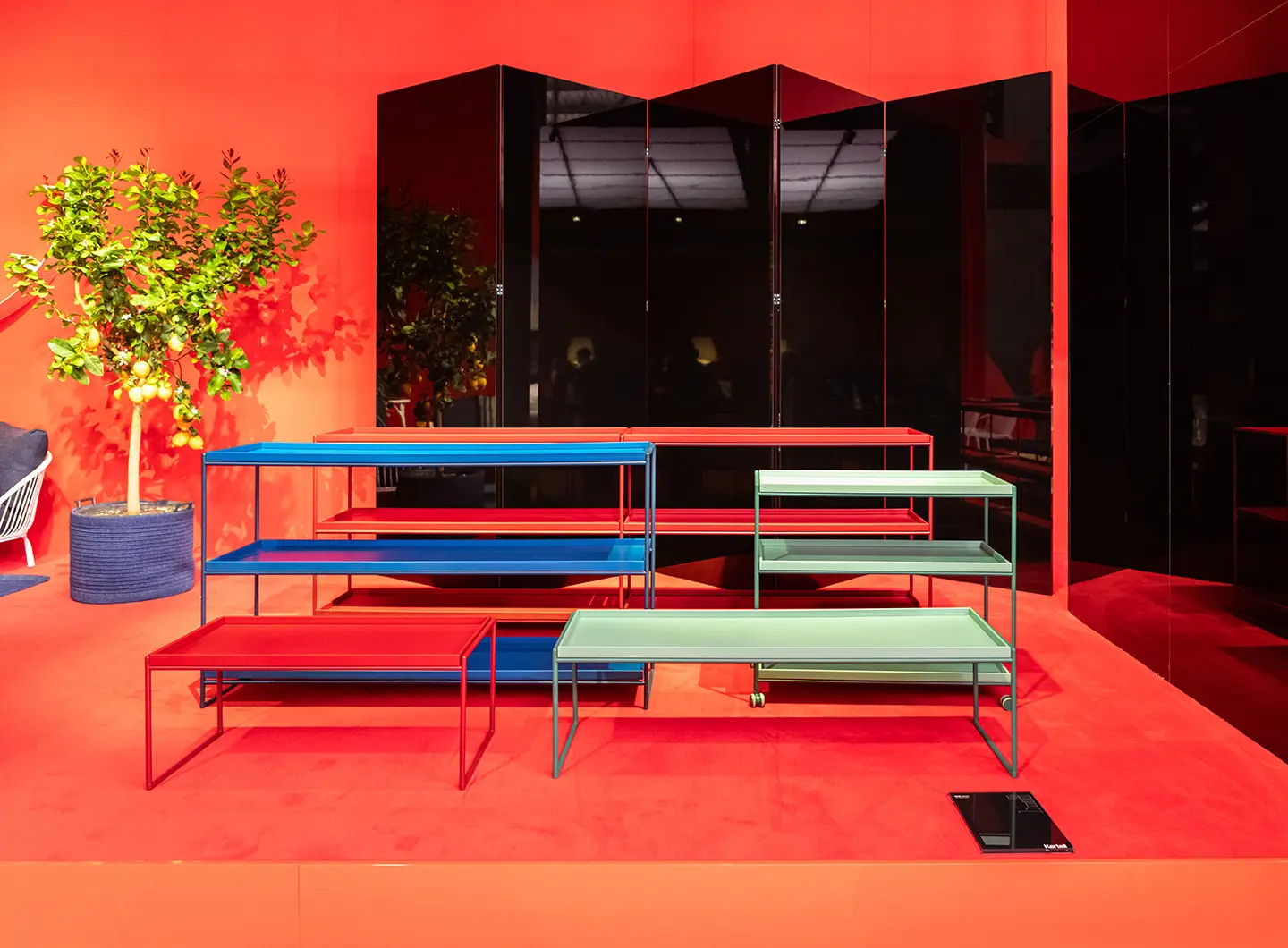
The 2026 edition marked the return of two biennial shows that generate particular excitement among trade visitors. EuroCucina with FTK (Technology For the Kitchen) featured 106 brands from 17 countries across Pavilions 2 to 4, with a strong emphasis on efficiency, sustainability, and technology integration in kitchen environments. The International Bathroom Exhibition brought together 163 brands from 14 countries in Pavilions 6 to 10, focusing on material innovation and wellness-oriented bathroom design.
These biennial exhibitions attract buyers and specifiers who may skip non-biennial years, which partly explains the strong international attendance. Kitchen and bathroom design are also sectors where Italian manufacturers hold significant global market share, making these exhibitions especially relevant for international procurement.
SaloneSatellite: Under-35 Designers Take the Stage
SaloneSatellite, the fair’s platform for emerging designers under 35, returned with the theme “Craftsmanship + Innovation.” Founded by Marva Griffin Wilshire in 1998, this section of the fair has introduced over 14,000 designers and hundreds of international schools to the industry over its history. In 2026, approximately 700 designers from 39 countries participated alongside 20 design schools, showing prototypes that ranged from experimental material research to functional product proposals. The annual SaloneSatellite Award recognized projects combining innovation, aesthetics, and positive impact.
Milan Design Week 2026 Beyond the Fairgrounds
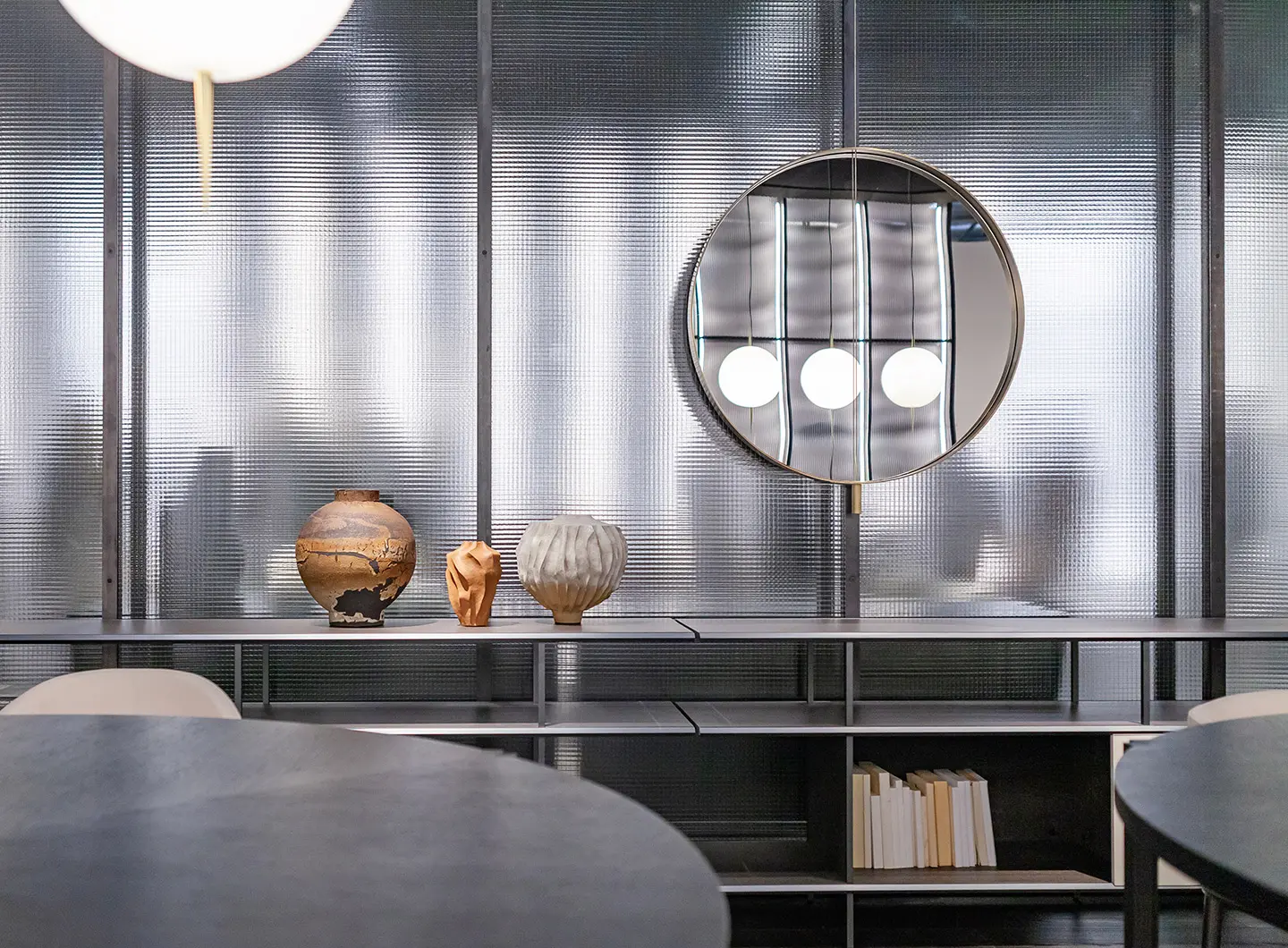
Milan Design Week extends far beyond the pavilions at Rho Fiera. The Fuorisalone program, coordinated through the Fuorisalone.it platform, registered over 1,100 events on its official guide, with a total of more than 1,300 events across the city. Over 500,000 visitors engaged with the city-wide program, which was framed by the 2026 theme: “Be the Project” (Essere Progetto).
The theme invited participants to think about design as an ongoing process rather than a finished result. Many exhibitions responded by showing works in progress, research documentation, and experimental prototypes rather than polished products. This shift toward process-oriented presentation was visible across districts, from established venues to new locations.
Key Design Districts and Venues
Brera Design District remained the largest Fuorisalone hub, hosting 320 events across 217 permanent showrooms and special locations during its 17th edition. Other districts including Tortona, Durini, 5VIE, Isola, and Porta Venezia each contributed distinct programming. Independent platforms like Alcova, MoscaPartners Variations, and Convey activated unconventional spaces ranging from abandoned swimming pools to military hospitals.
At the University of Milan (Università degli Studi di Milano Statale), the annual Interni MATERIAE project transformed the Cortile d’Onore and surrounding spaces into a path of installations. Contributions came from architecture studios including Zaha Hadid Architects, MAD Architects (led by Ma Yansong), BIG, and Snøhetta. The rubble of Ukrainian schools was reassembled into a ring installation in the courtyard, while technology, memory, and sustainability were explored through the porticoes.
🏗️ Real-World Example
Zaha Hadid Architects, “The Origin” for Audi (Portrait Milano, 2026): ZHA created a monumental titanium-colored fiberglass portal set atop a reflecting pool in the courtyard of Portrait Milano. The installation used spatial compression and expansion to slow visitors down, acting as a physical transition between the historic architecture of the hotel and a vision of a tech-driven future. It was one of the most photographed installations of Milan Design Week 2026.
How Did the Fuorisalone Digital Platform Perform?
The Fuorisalone.it platform recorded 820,000 unique users since January 2026, with a 62 percent female audience and visitors from China, Germany, the United States, Switzerland, Spain, and Japan. On Instagram, the @Fuorisalone account gained 28,000 followers during the week, reaching 240,000 total, with 8.3 million impressions and 220,000 interactions. The newsletter subscriber base grew to 75,000.
A significant digital innovation was the Fuorisalone Passport, a new tool piloted in the Brera Design District across 63 events. It registered 104,000 users with 31 percent international participation and more than 65,000 check-ins. The tool provided organizers with data on visitor flows and behavior, offering a level of insight into off-site engagement that was previously unavailable.
Notable Installations and Collaborations at Milan Design Week 2026
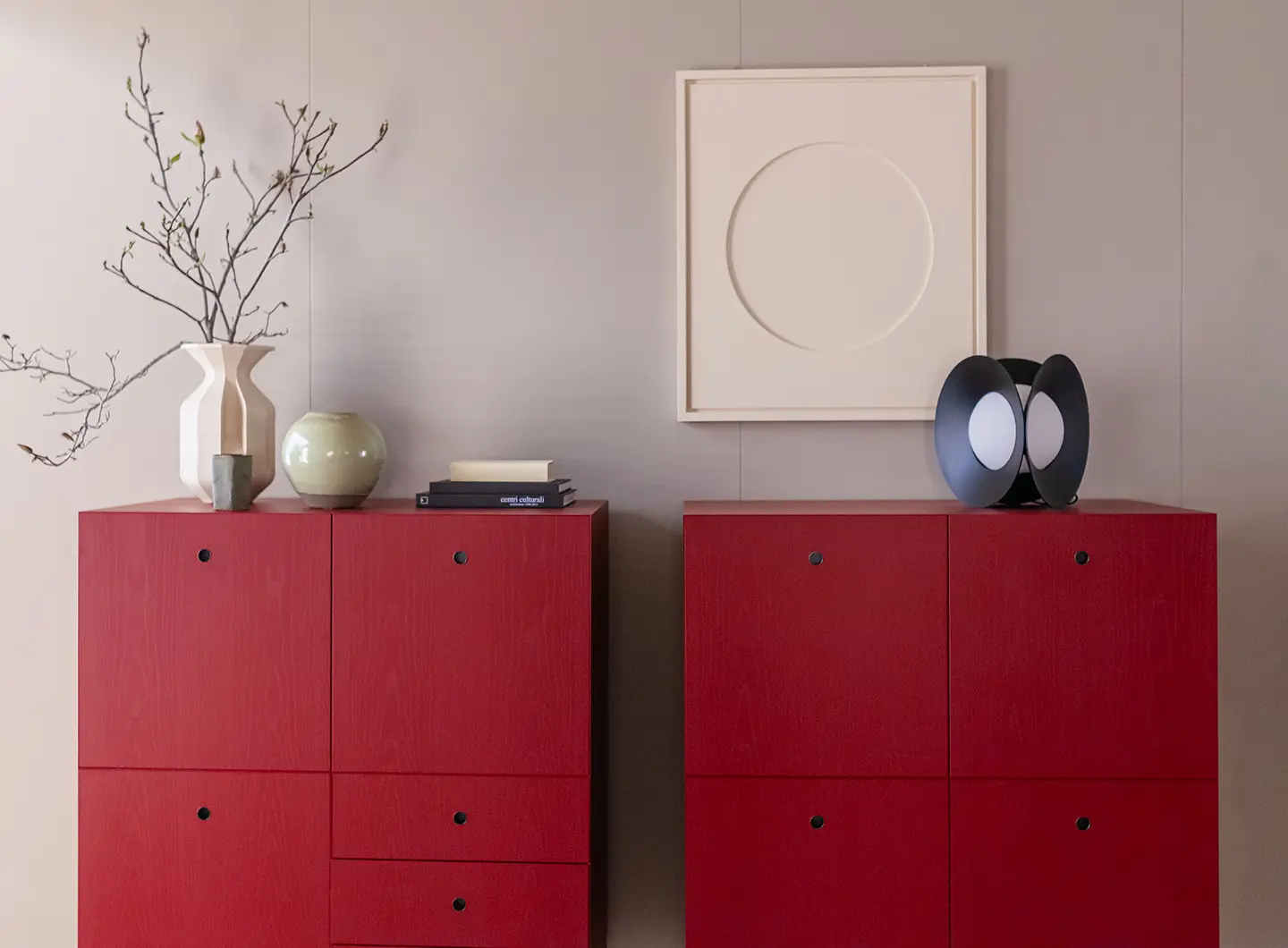
Several projects stood out for their ambition and execution. Lina Ghotmeh’s “Metamorphosis in Motion” for MoscaPartners Variations at Palazzo Litta was one of the week’s architectural highlights. Alcova, the itinerant design platform, expanded to two venues for the first time: Villa Pestarini (a private Franco Albini residence opened to the public) and the Baggio Military Hospital, where 131 exhibitors set up in hangars, a chapel, and other spaces. A design-club-night in the hangars and an installation exploring design and spirituality in the church drew particular attention.
Architect-brand collaborations were a strong theme. Kengo Kuma partnered with Jaipur Rugs on the “Faces” collection, translating the facades of his buildings into handwoven textiles. Kelly Wearstler launched a furniture collection with H&M Home at the 17th-century Palazzo Acerbi. Baccarat returned to Milan Design Week after a decade with a collaboration with Bethan Laura Wood. Kettal partnered with Eames Office to present an architectural installation focused on Eames residential projects.
The cultural program also included Common Archive, a one-night initiative on April 24 organized by the Osservatorio del Salone del Mobile.Milano. For the first time, Milan’s historical design and architecture archives opened their doors simultaneously, offering over 50 guided tours and talks across the city.
💡 Pro Tip
Pace yourself during Milan Design Week. The week typically runs from Monday through Saturday, and the most productive approach is to dedicate specific days to the fair at Rho Fiera and separate days to Fuorisalone districts. Brera, Tortona, and 5VIE can each fill a half-day. Trying to cover the entire city in a single day leads to exhaustion and shallow engagement with the work on display.
Design Trends Visible at Salone del Mobile.Milano 2026
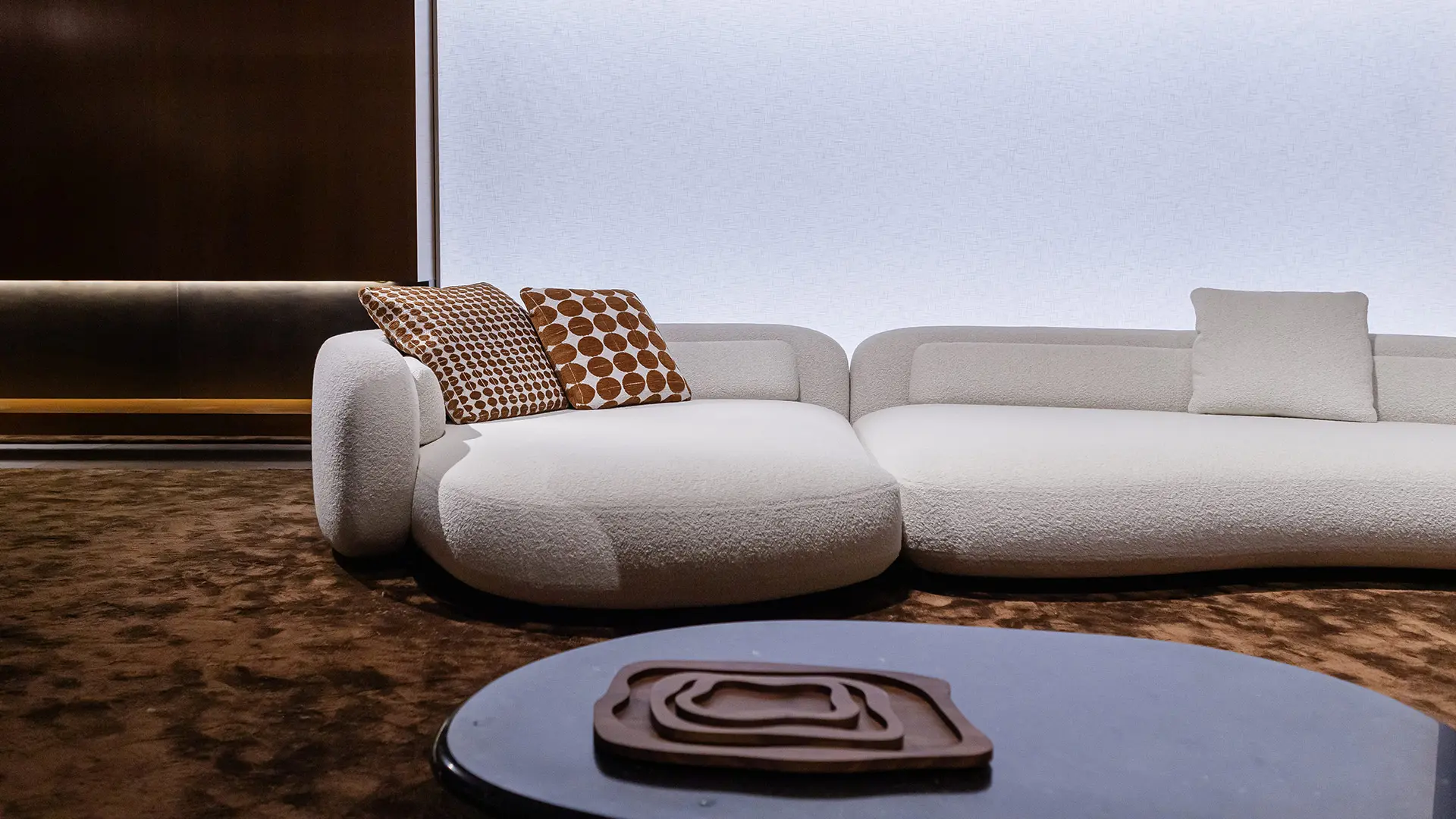
Across the fair and the city, several recurring directions emerged. These were not sharp breaks from previous years but rather intensifications of trajectories that have been building over multiple editions.
Material Research and Craft
The “A Matter of Salone” communication campaign for 2026 took matter itself as its starting point, asking what meaning design can take on when the focus shifts from form or function to the physical substance of objects. This thematic framing was reflected across many stands and exhibitions. Natural, recycled, and regenerated materials were prominent, from reclaimed wood and bio-based composites to ceramic and glass produced using traditional techniques. The Salone Raritas section amplified this focus, presenting objects where the story of making was inseparable from the finished piece.
Mediterranean and Nautical Influences
The Salone’s own editorial team noted a strong Mediterranean current running through the stands of leading companies. Nautical elements made their way from sea to land, appearing in woven textures, curved profiles, and color palettes drawn from coastal landscapes. Mediterranean architectural references, including open-air living, tiled surfaces, and natural ventilation, also influenced bathroom and kitchen design at EuroCucina and the International Bathroom Exhibition.
Process Over Product
In line with the Fuorisalone theme “Be the Project,” many exhibitors chose to present their working process alongside or instead of finished objects. Research panels, material samples, sketches, and prototypes appeared in showrooms and installations that would have shown only polished products in earlier years. This approach resonated with younger audiences and communicated a more honest, less marketing-driven image of design practice.
📌 Did You Know?
The Rho Fiera Milano fairgrounds, designed by architect Massimiliano Fuksas and opened in 2005, are located about 15 kilometers northwest of central Milan. The site’s net exhibition area of over 169,000 square meters is equivalent to roughly 25 football fields. Despite this scale, the 2026 edition was completely sold out, with 227 brands appearing for the first time or returning after an absence.
What Does the 2026 Edition Mean for the Design Industry?
The 2026 Salone del Mobile.Milano took place against a backdrop of geopolitical instability, shifting trade policies, and cautious consumer spending in several key markets. That the event still attracted over 316,000 visitors and maintained 68 percent international trade attendance suggests that the fair’s value proposition, as a concentrated opportunity for face-to-face business, product discovery, and industry networking, remains strong.
The introduction of Salone Raritas signals recognition that the design market is splitting. Mass-produced furniture and collectible, limited-edition design serve different audiences and different economic models, and the Salone is now making space for both. The OMA-led Salone Contract masterplan, meanwhile, acknowledges that contract and hospitality projects represent an expanding frontier for Italian manufacturers who have traditionally focused on residential markets.
For architects and interior designers, the 2026 edition reinforced that Milan Design Week remains an essential point of reference. The combination of commercial exhibitors, cultural programming, emerging talent, and city-wide installations creates a density of ideas and contacts that is difficult to replicate through digital channels or smaller regional events. The year-round promotional activities, from B2B missions to international partnerships, extend the fair’s impact well beyond the six days in April.
Video: Walk Through Salone del Mobile.Milano 2026 at Rho Fiera
This 4K walkthrough captures the scale and atmosphere of the 2026 fair at Rho Fiera Milano, giving a sense of the exhibition layout and stand design across the pavilions.
Looking Ahead: What Comes Next After Milan Design Week 2026
The Salone has already laid groundwork for 2027. The Salone Contract debut, shaped by OMA’s masterplan, will be the biggest structural addition to the fair in years. Its success will depend on whether the contract sector, which operates with different procurement timelines and decision-making structures than residential retail, sees sufficient value in a dedicated trade fair presence.
The Fuorisalone ecosystem continues to evolve as well. Data from the new Fuorisalone Passport tool will help organizers understand visitor behavior in ways that were previously impossible for off-site events. If this data leads to better curation and fewer low-quality installations, the overall quality of Milan Design Week will benefit. The growing involvement of fashion houses, technology companies, automotive brands, and food companies alongside furniture manufacturers is expanding what design week means, sometimes productively, sometimes at the risk of diluting the focus on furniture and spatial design.
For the Italian design industry, the appointment of Salone del Mobile.Milano as Ambassador of Italian Design Worldwide carries symbolic weight. It formalizes a relationship between the fair and Italian diplomatic infrastructure that has been growing informally for years. Whether this translates into tangible support for Italian manufacturers entering new markets will be worth watching.
✅ Key Takeaways
- Salone del Mobile.Milano 2026 attracted 316,342 visitors from 167 countries, with 68% international trade attendance, confirming the fair’s global relevance despite economic headwinds.
- Salone Raritas introduced a dedicated platform for collectible and limited-edition design, expanding the fair’s scope beyond mass-produced furniture for the first time.
- Rem Koolhaas and OMA presented the masterplan for Salone Contract 2027, targeting the hospitality, real estate, and public space sectors as growth areas for Italian manufacturers.
- Milan Design Week 2026 generated €255 million in economic impact for the city, a 14.7% increase over 2025, with over 1,300 events across Milan’s design districts.
- Material research, Mediterranean influences, and process-oriented presentations were the dominant design directions visible across the fair and the Fuorisalone program.
Final Thoughts
Salone del Mobile.Milano 2026 demonstrated that the fair continues to function as both a commercial engine and a cultural barometer for the global design industry. The addition of Salone Raritas, the preview of Salone Contract, and the increasingly data-driven Fuorisalone program all point to an event that is actively adapting to changes in how design is produced, sold, and experienced. For architects, designers, and anyone working in the built environment, the six days in Milan remain among the most productive of the year.







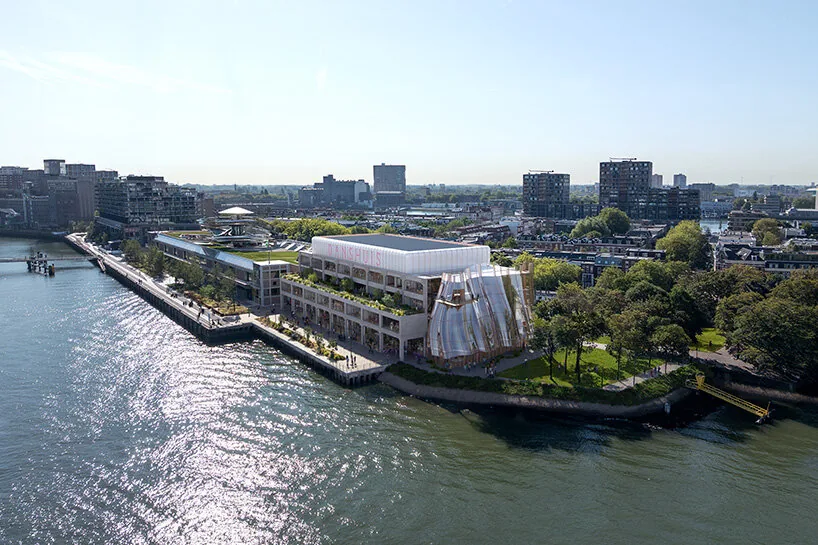
MAD to Convert 1923 Rotterdam Warehouse into Dance Center
MAD will convert a 1923 Rotterdam warehouse into Danshuis, a dance center...
 illustrarch Editoral Team1 Mins read
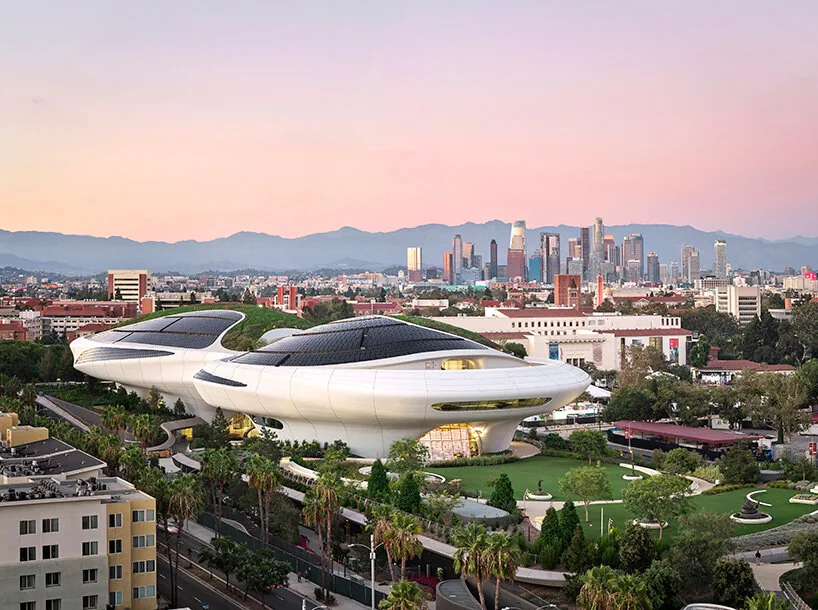
George Lucas’s Narrative Art Museum Set to Open in LA in 2026
George Lucas's museum of narrative art, designed by Ma Yansong, opens in...
illustrarch Editoral Team3 Mins read

BIG Completes First Art Museum With Suzhou MoCA on Jinji Lake
BIG's first completed art museum, a 60,000 sqm cluster of pavilions, has...
illustrarch Editoral Team2 Mins read
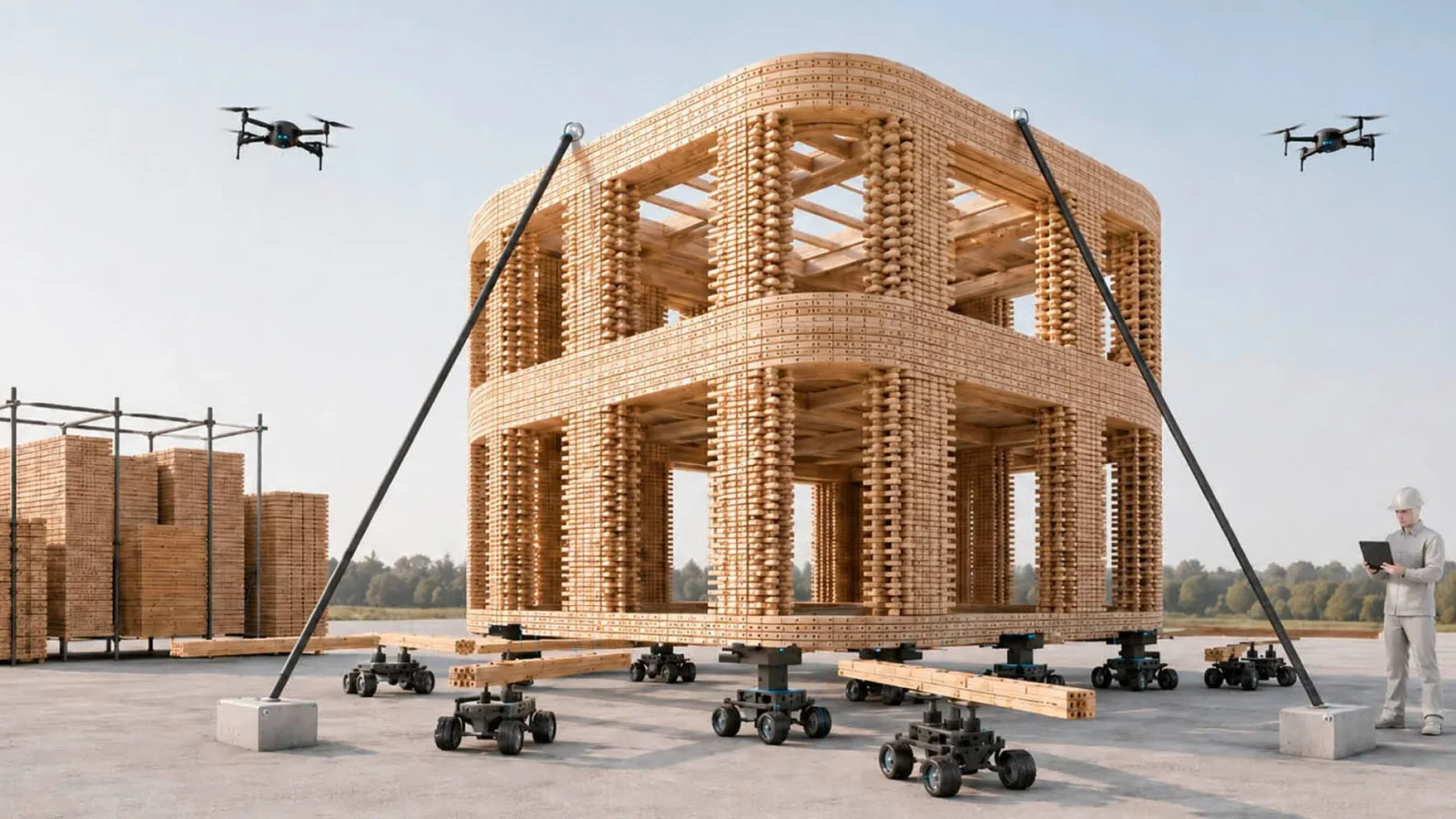
Foster + Partners to Test Robot Swarms Building Timber from the Top Down
Foster + Partners wins €4m EU grant to build robot and drone...
illustrarch Editoral Team2 Mins read




Leave a comment