

AR Future Projects Awards 2026: Winners, Projects and Key Highlights
The 2026 AR Future Projects Awards by The Architectural Review honored 13 winning projects across categories from cultural regeneration to tall buildings, with ADEPT's adaptive reuse of a former Karstadt department store in Braunschweig, Germany earning the top prize and two highly commended recognitions going to projects in Canada and India.
 Elif Ayse Sen30 April 202610 Mins read211
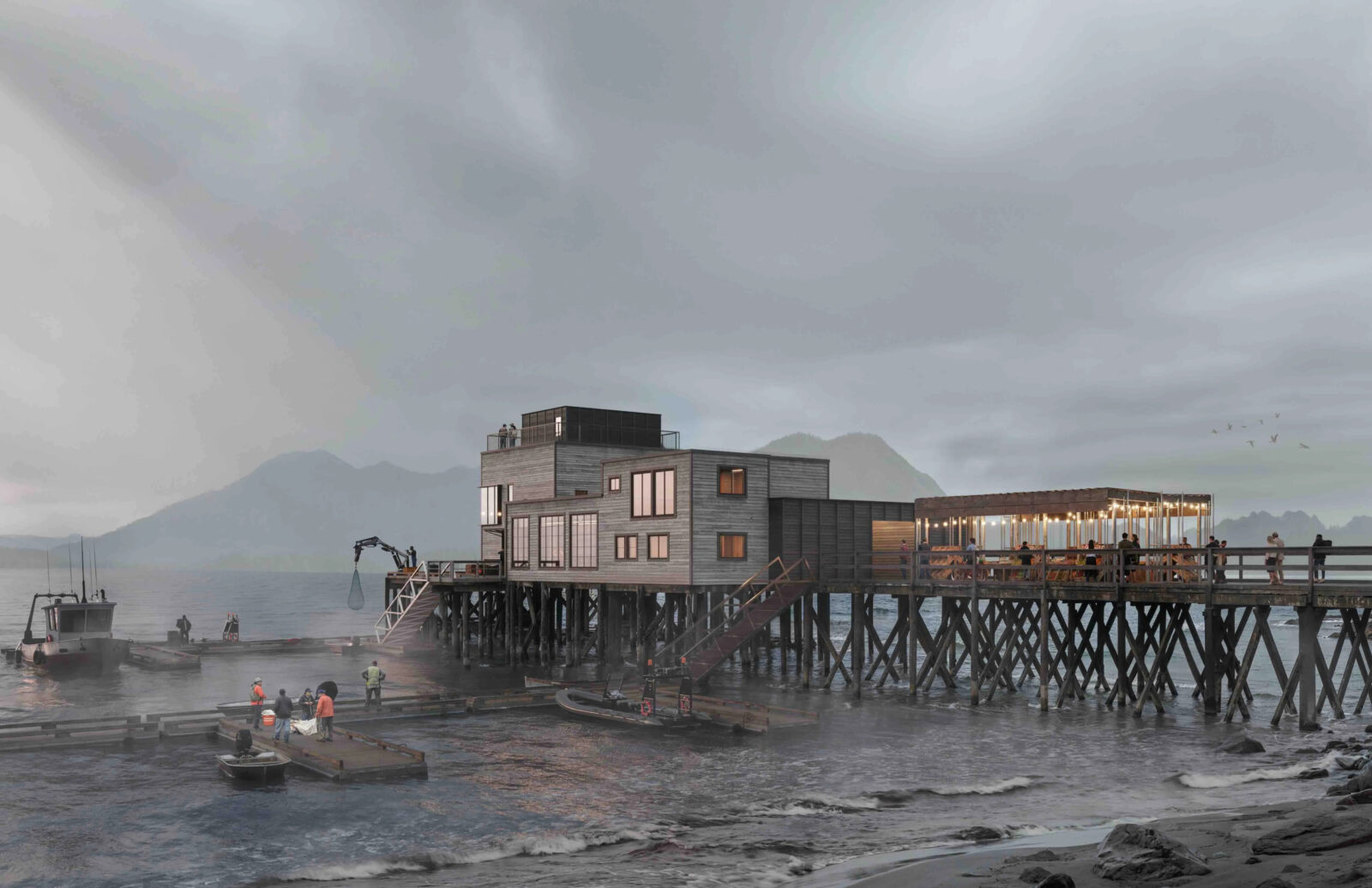
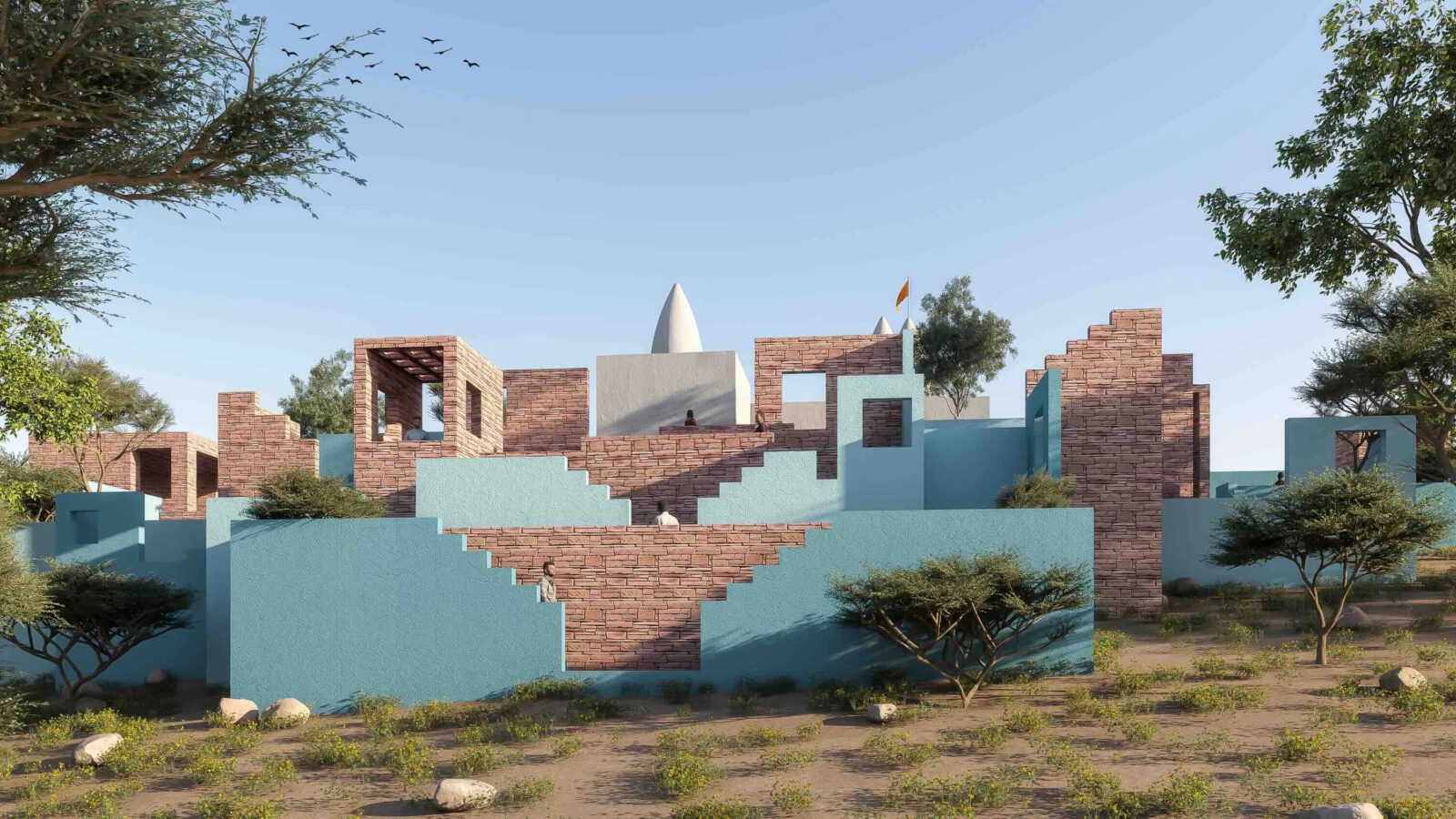
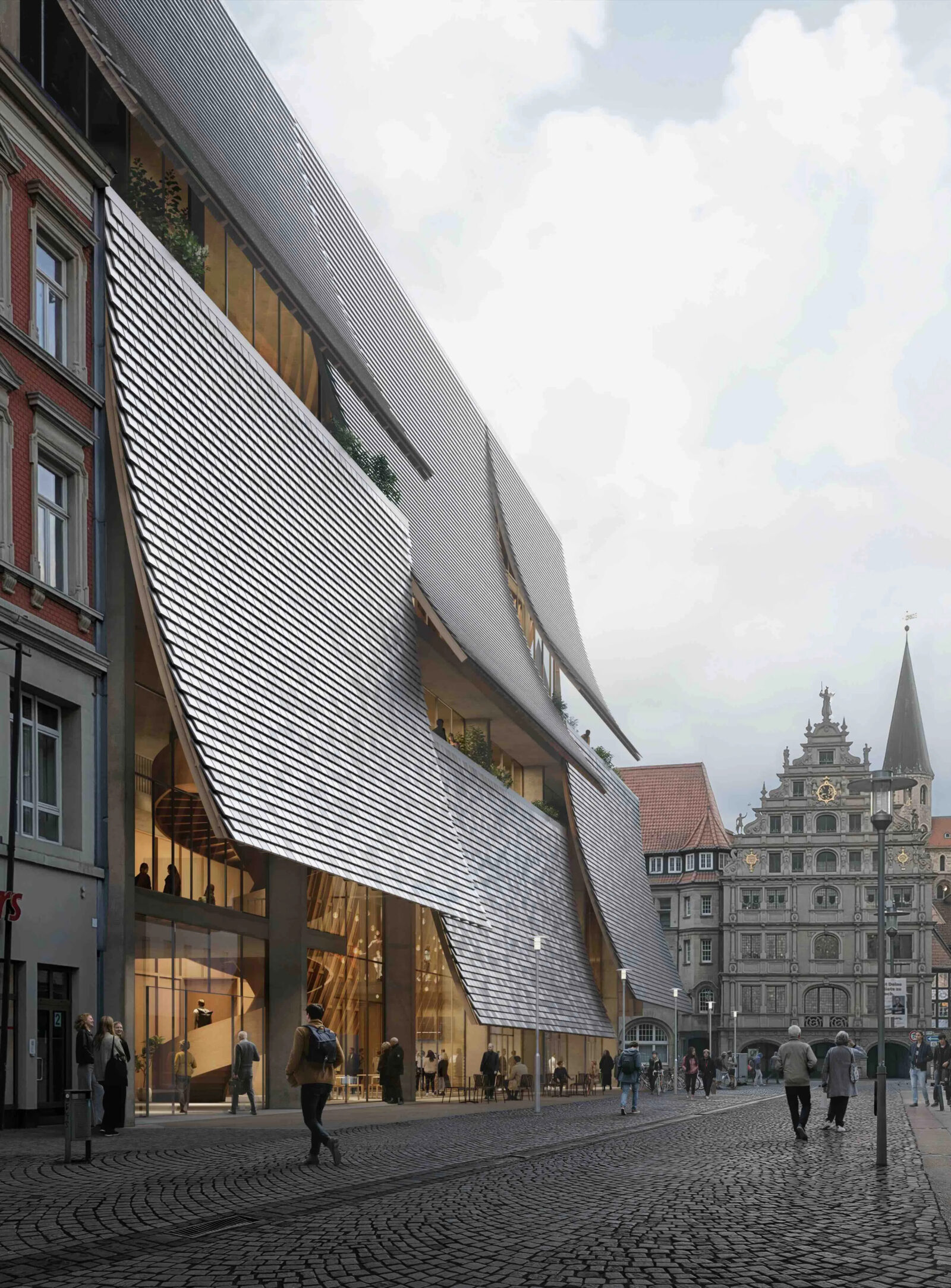
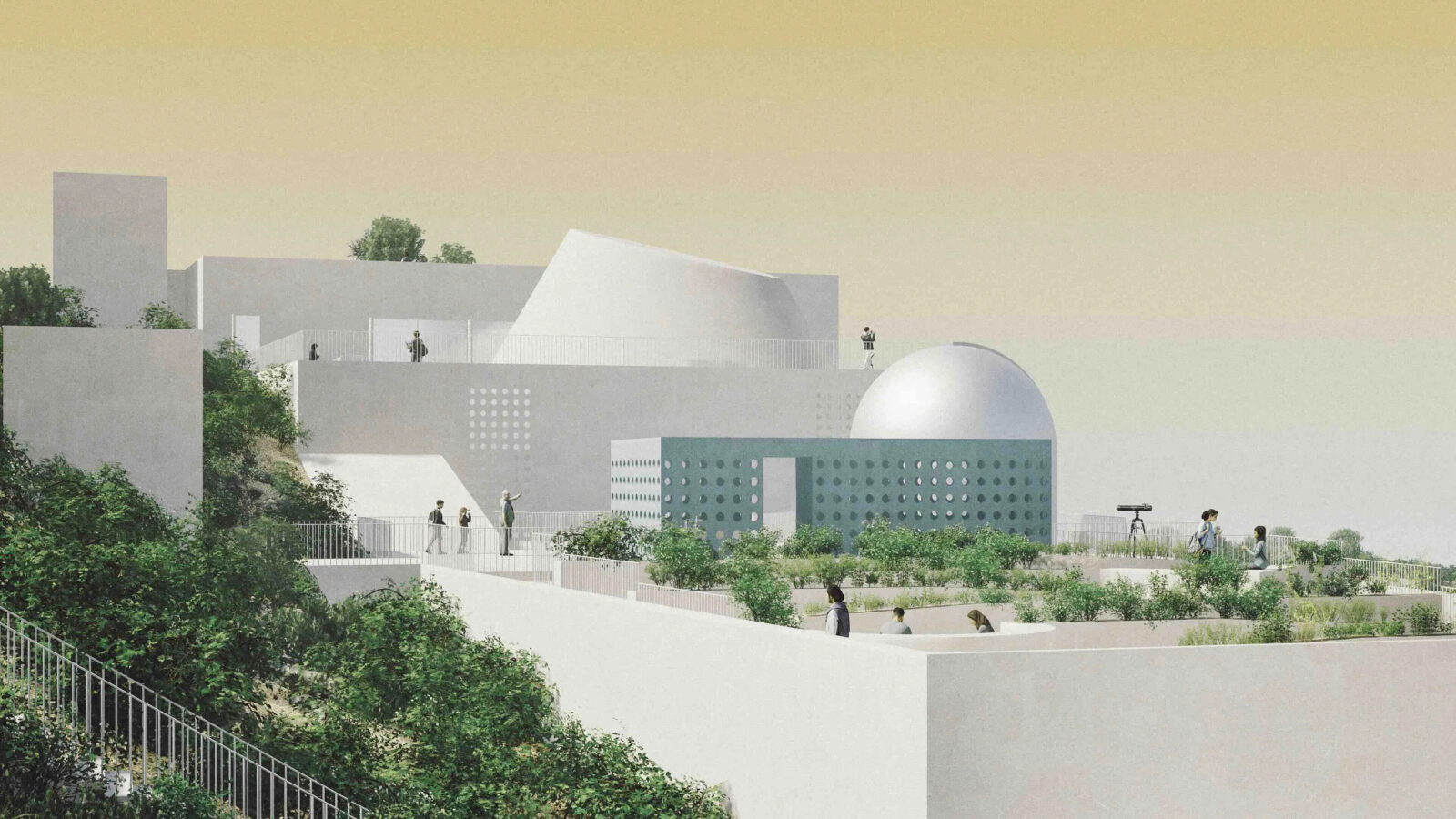
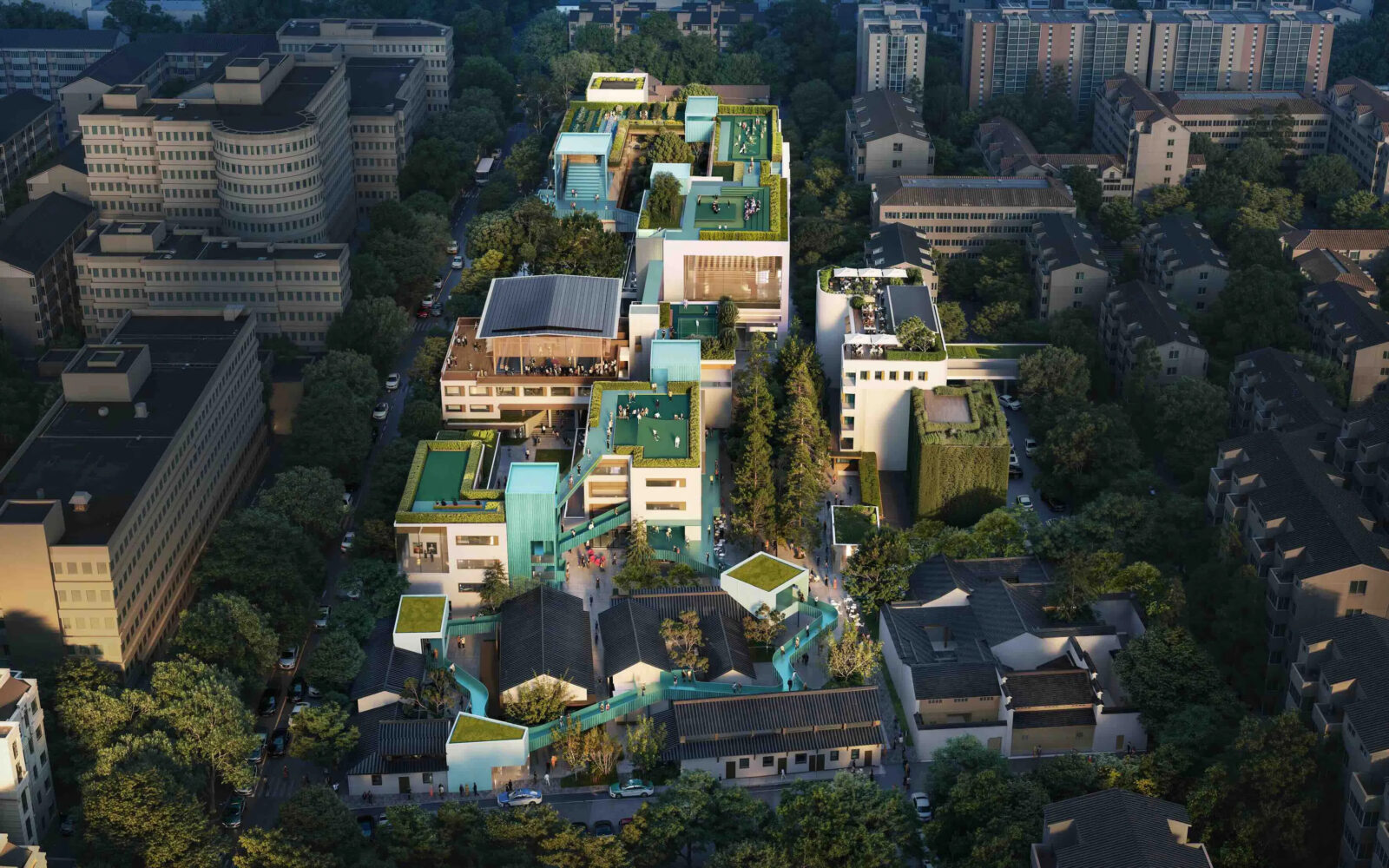
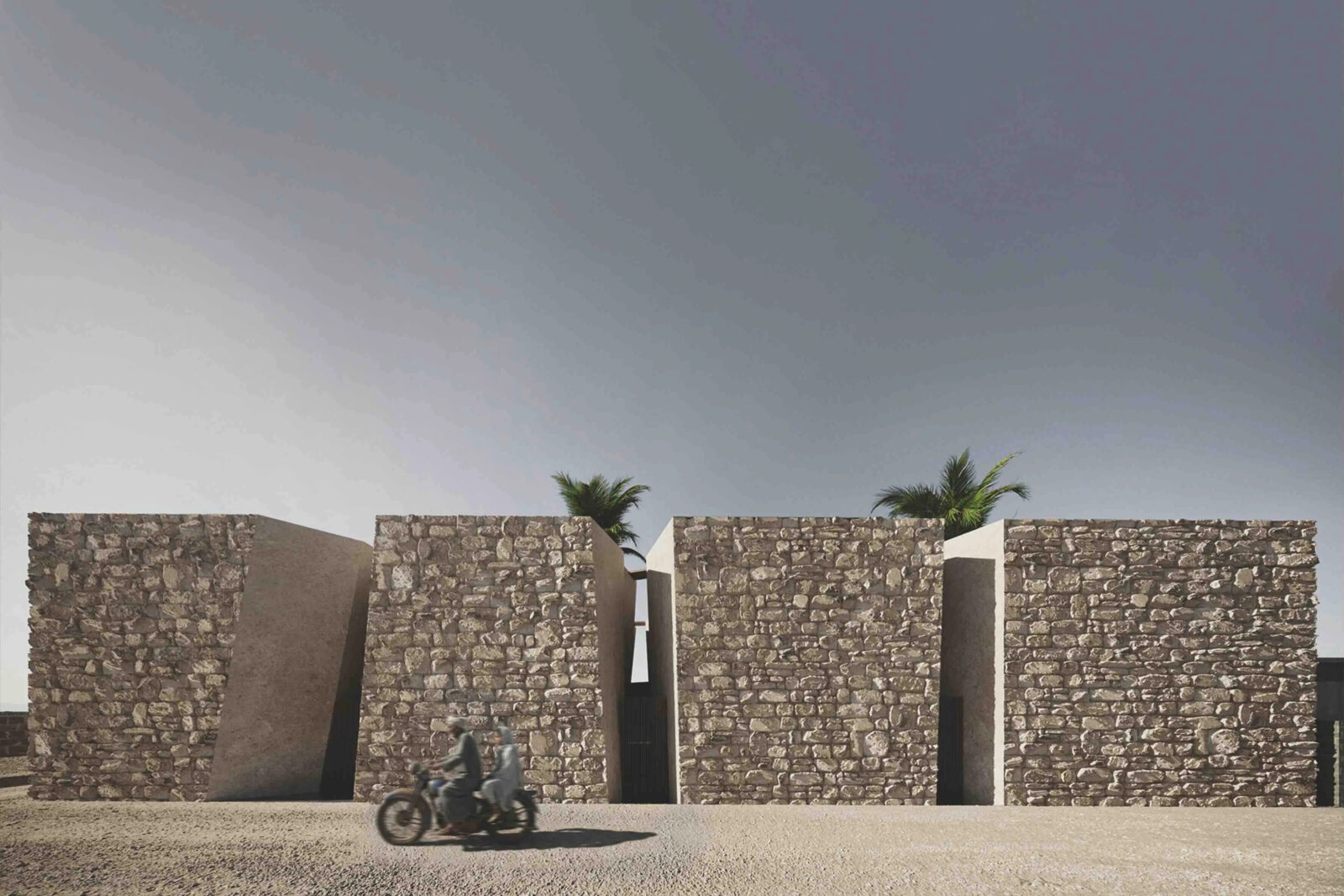
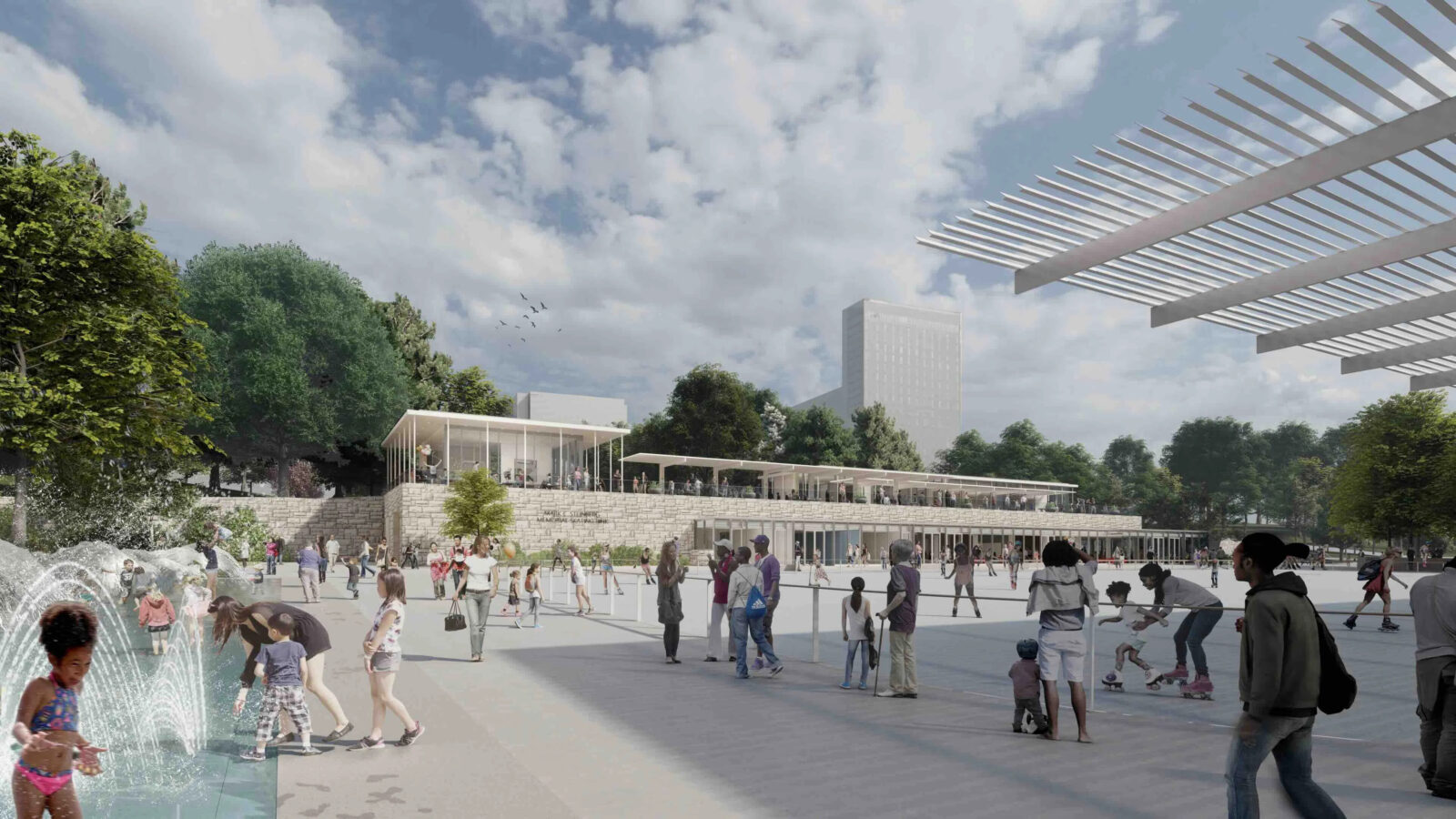
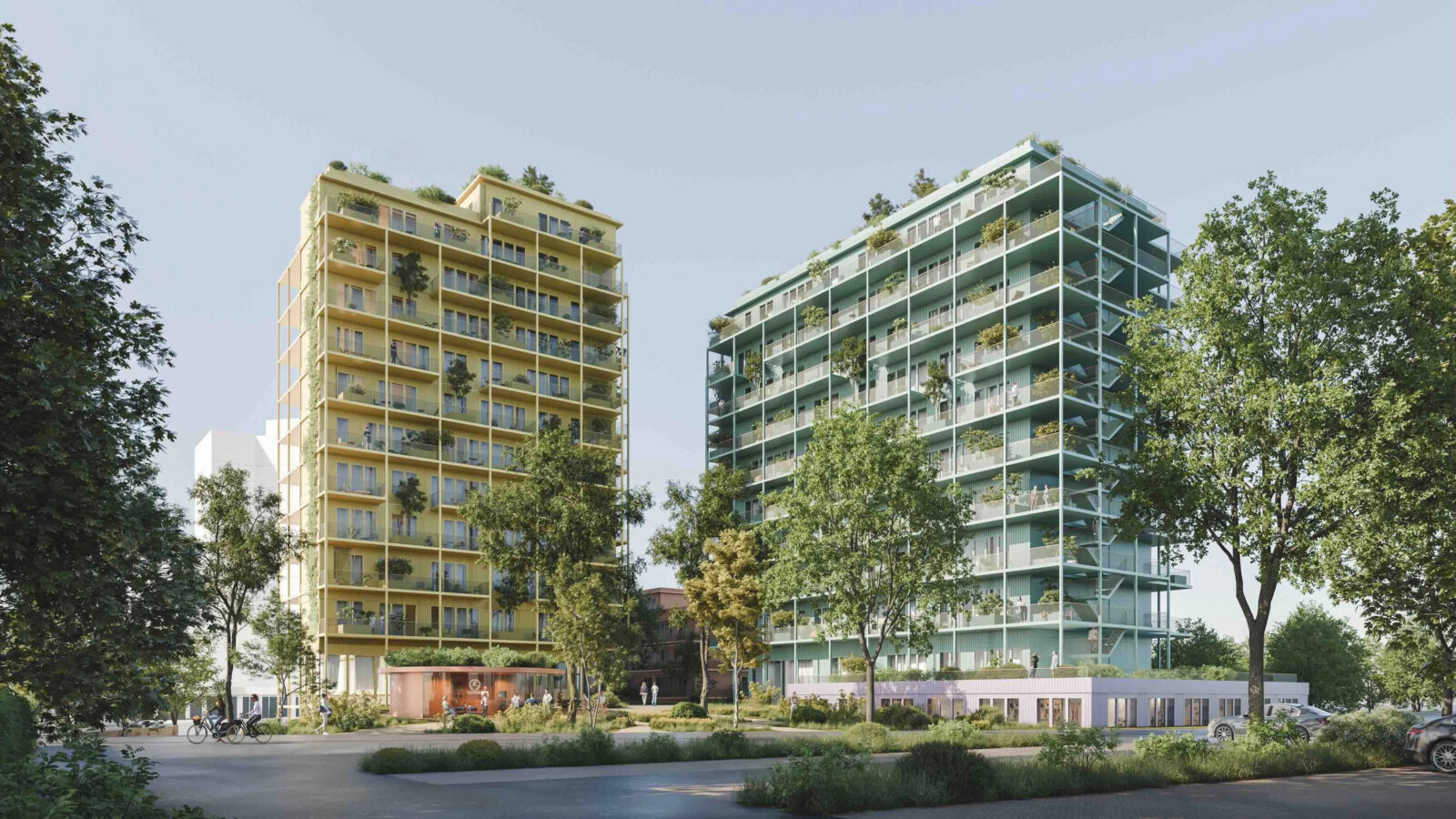
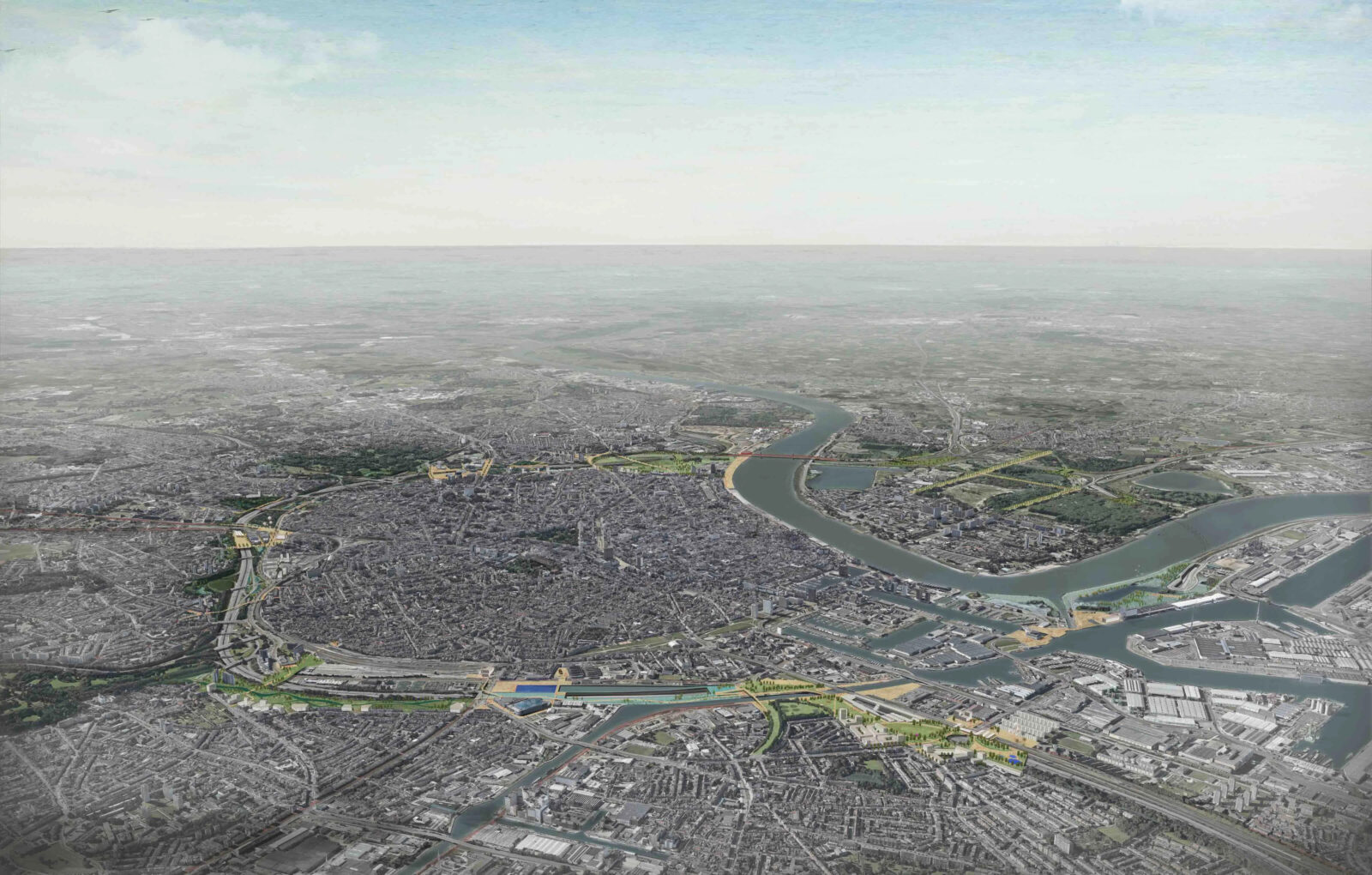
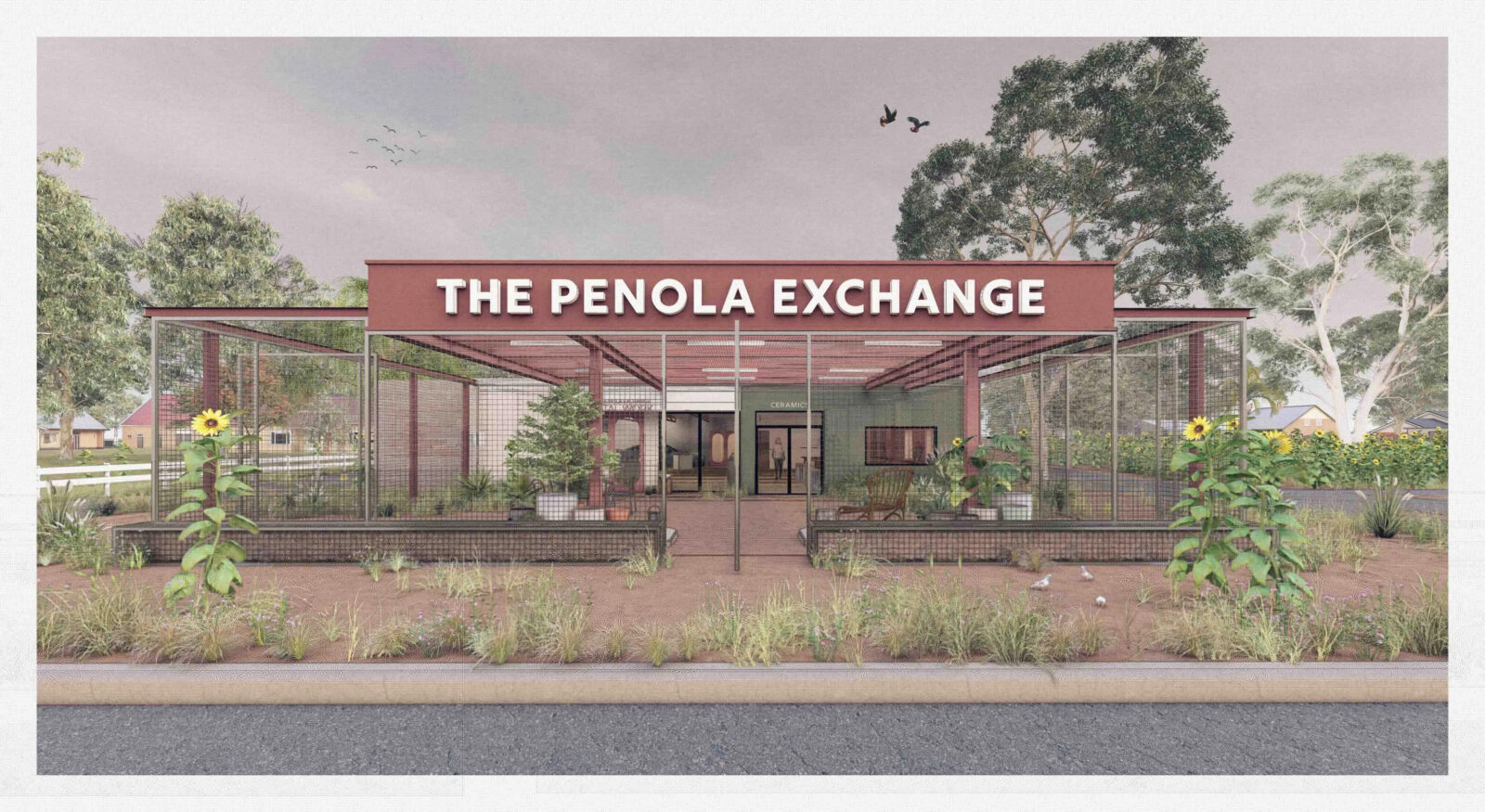
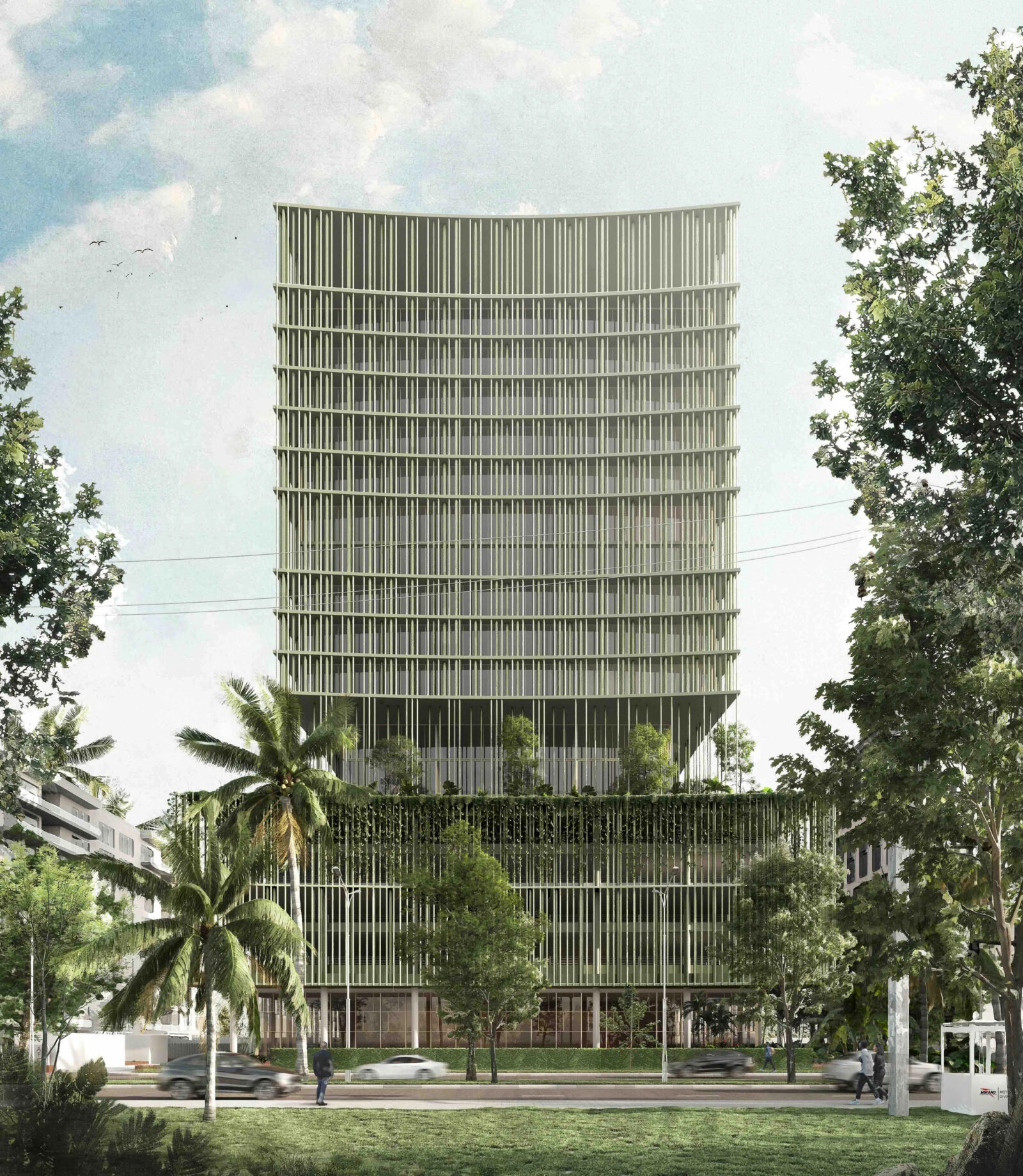
Table of Contents Show
The AR Future Projects Awards 2026, organized by The Architectural Review, recognized 13 outstanding unbuilt and incomplete projects from around the world. ADEPT’s Haus der Musik in Braunschweig, Germany took the overall prize for its bold conversion of a former Karstadt department store into an 18,000-square-meter cultural venue, while projects in Canada and India received highly commended status.
What Are the AR Future Projects Awards?
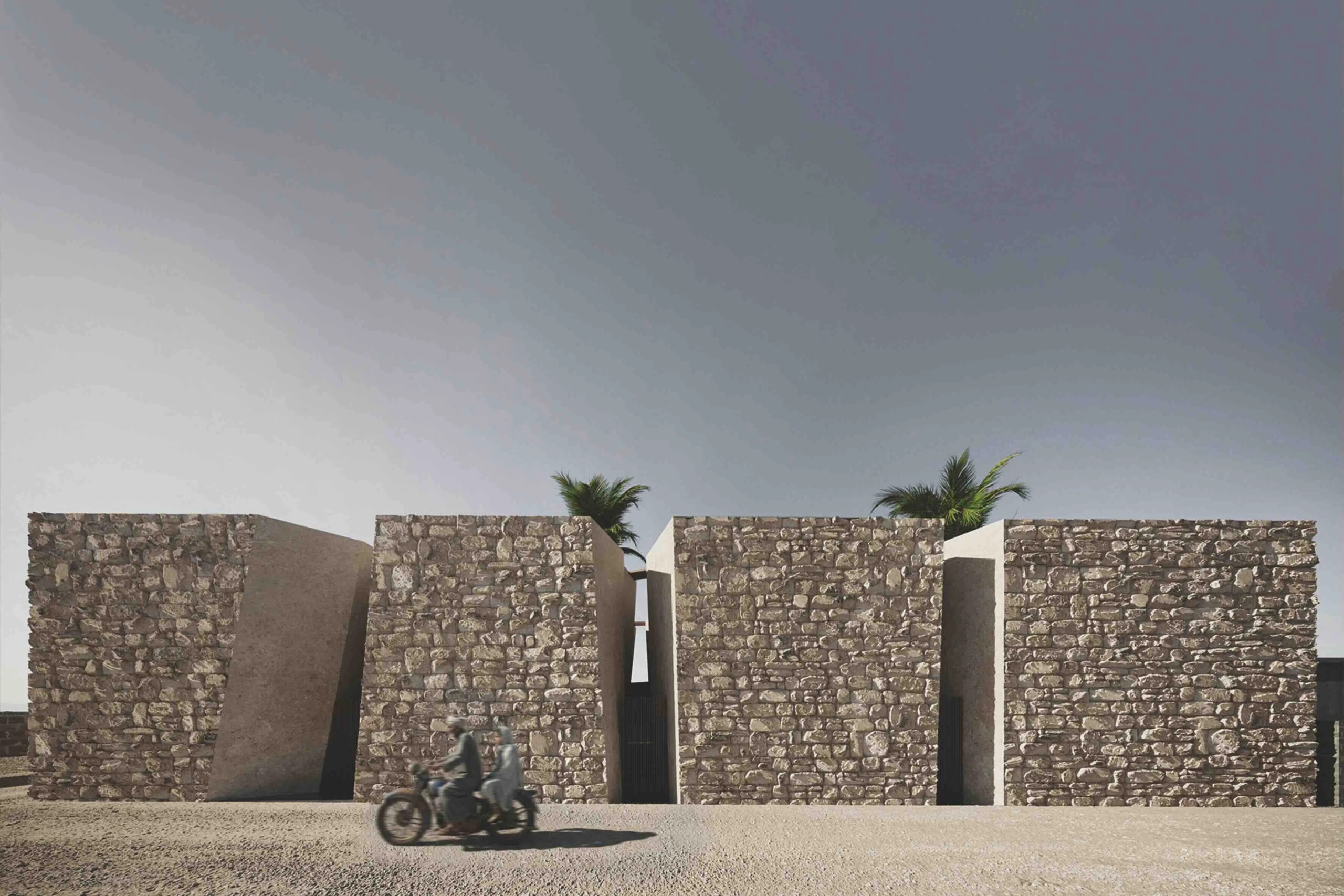
Since 2002, The Architectural Review has run the AR Future Projects Awards as a platform to celebrate excellence in unbuilt and incomplete architectural work. The program spans 13 categories, from civic and community buildings to tall buildings and regeneration masterplans. Each year, an international jury selects one winner per category and names an overall winner from among them. The 2026 edition was judged by Nina Bassoli (architect, educator, and curator at Triennale Milano), Dennis Pohl (director of the Flanders Architecture Institute), and Vishaan Chakrabarti (founder and creative director of Practice for Architecture and Urbanism).
Winners were announced in April 2026 and invited to AR Future Projects Live, a public event held during Milan’s Salone del Mobile. All entries, including non-winners, are published in the annual AR Future Projects catalogue, giving practices global exposure regardless of the final result.
🎓 Expert Insight
“This project deals with a challenge faced by cities all over the world: the dying shopping mall.”
Vishaan Chakrabarti, Founder of PAU and 2026 Jury Member
Chakrabarti’s comment highlights why ADEPT’s Haus der Musik resonated with the jury. The project addresses a global urban issue: what to do with large commercial buildings that have lost their original purpose, turning vacancy into civic opportunity.
Overall Winner: Haus der Musik by ADEPT (Braunschweig, Germany)
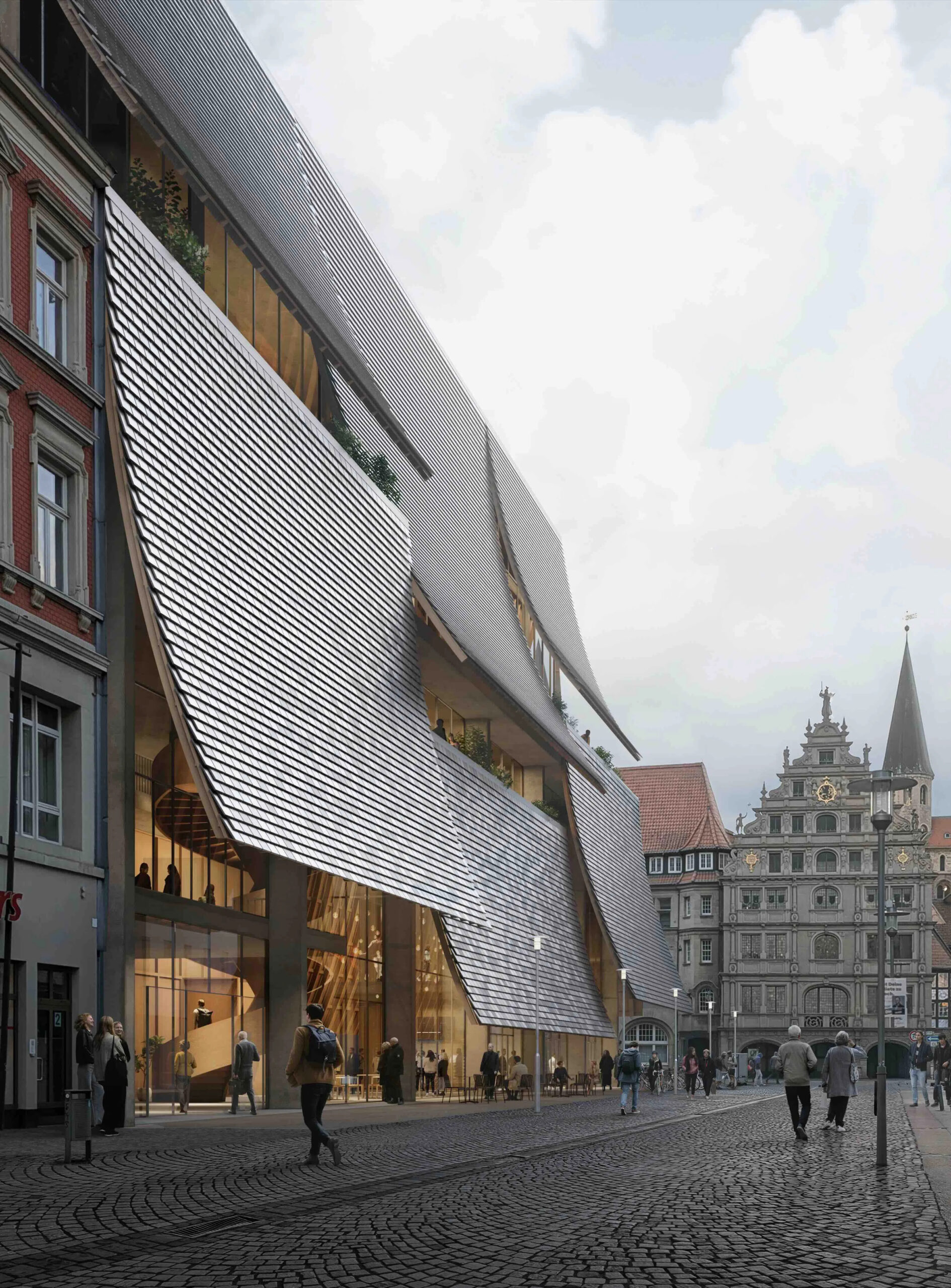
The overall winner of the AR Future Projects Awards 2026 and the cultural regeneration category winner is Haus der Musik, designed by Copenhagen and Hamburg-based office ADEPT. The project transforms a former Karstadt department store on Poststrasse in Braunschweig into a combined concert hall, public music school, and community gathering space.
Rather than demolishing the existing structure, ADEPT’s design retains the building’s load-bearing framework up to the third floor and adds two additional storeys above. The ground floor and first two levels house the city’s municipal music school, while a 1,200-seat concert hall occupies the upper levels. The existing 1978 facade, originally designed by Pritzker Prize laureate Gottfried Bohm, is reinterpreted as a sculptural, modular envelope that references the historic material palette of the surrounding old town.
The late Braunschweig entrepreneur Friedrich Knapp initiated the project with support from the city administration. Ten architecture firms were invited to submit designs, and ADEPT won first prize in the competition. The building is being financed through a joint foundation between the Knapp family and the City of Braunschweig. Martin Krogh, ADEPT’s founding partner, described the commission as a project that brings together everything the firm values: transformation, sustainability, and social and urban value.
A key concept in ADEPT’s design is what they call the “Third Place,” a largely unprogrammed zone between functions that encourages spontaneous interaction. This space runs through several levels and is intended to give the local community room to shape the building’s identity over time. The ground floor opens to the city with transparent facades and generous terraces, creating a new pedestrian link between Braunschweig’s Altstadtmarkt and Kohlmarkt squares.
💡 Pro Tip
When designing adaptive reuse projects for large retail structures, consider the existing column grid as an asset rather than a constraint. Department stores typically feature wide spans and generous floor-to-floor heights that translate well into performance venues, educational spaces, and public halls with minimal structural intervention.
Sustainability Strategy Behind Haus der Musik
ADEPT’s approach to sustainability starts with the decision to keep the existing structure. By reusing the Karstadt building’s concrete frame and foundations, the project avoids the significant embodied carbon cost of full demolition and new construction. Beyond the structural reuse, the design uses prefabricated cross-laminated timber (CLT) components for interior construction, allowing for low-emission assembly. Timber is also the primary interior finish material, replacing the commercial surfaces of the former store with warmer, acoustically responsive spaces.
The building connects to Braunschweig’s low-emission district heating network and incorporates rooftop photovoltaic panels, passive cooling strategies, smart ventilation systems, and water-saving fixtures. These measures collectively aim to keep operational energy demand well below conventional benchmarks for cultural buildings of this scale.
Highly Commended: Tofino Fish Pier by Leckie Studio Architecture + Design (Canada)
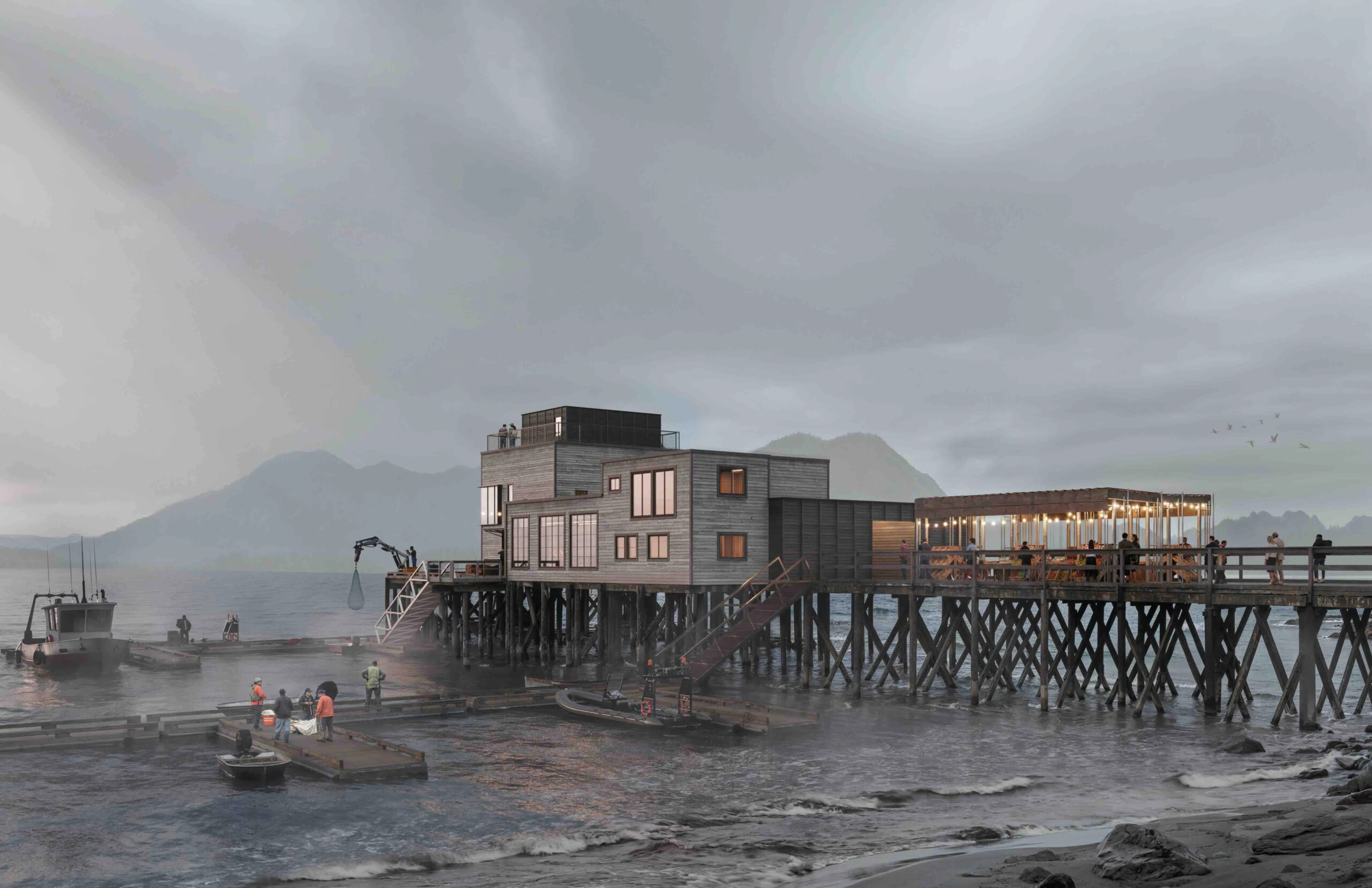
The civic and community category winner, and one of two highly commended projects, is the Tofino Fish Pier in Tofino, British Columbia, designed by Vancouver-based Leckie Studio Architecture + Design. The project is an adaptive reuse of a 1962 timber fish processing facility and ice plant, one of the last remaining structures of its type on Canada’s West Coast.
Located within the traditional territory (Ha-Hoothlee) of the Tla-o-qui-aht Nation, the project goes beyond architectural preservation. Guided by the Nuu-chah-nulth word kwislap, meaning “do things differently,” the pier is being transformed into a collaborative hub for Indigenous enterprise, cultural programming, and marine stewardship. The historic ice plant becomes an exhibition and event space for First Nations artists, while the former engine room converts into an artist residency studio. A fisheries office for T’aaq-wiihak organizations occupies the old cannery workers’ residence, and the cannery space itself will house Indigenous marine education programs and a seasonal seaside cafe.
Leckie Studio Architecture + Design, founded in 2015 by Michael Leckie, partnered with Austrian entrepreneur Wolfgang Rieder, who purchased the foreclosed property in 2019. Over $6 million in private investment has been spent on rehabilitating the pier’s substructure, including more than $3 million on foundation work alone. The 800-square-meter project has a total budget of approximately $4 million for the building phase, with Phase 1 completion anticipated in 2026.
🏗️ Real-World Example
Granville Island (Vancouver, 1979-present): Originally an industrial manufacturing zone, Granville Island’s adaptive reuse into a public market, arts hub, and mixed-use district became a model for waterfront regeneration worldwide. The Tofino Fish Pier project draws on a similar vision of community-driven transformation, applying it at a smaller scale to address Indigenous reconciliation alongside heritage preservation.
Highly Commended: Shiva 1800 by Sanjay Puri Architects (Silwa, India)
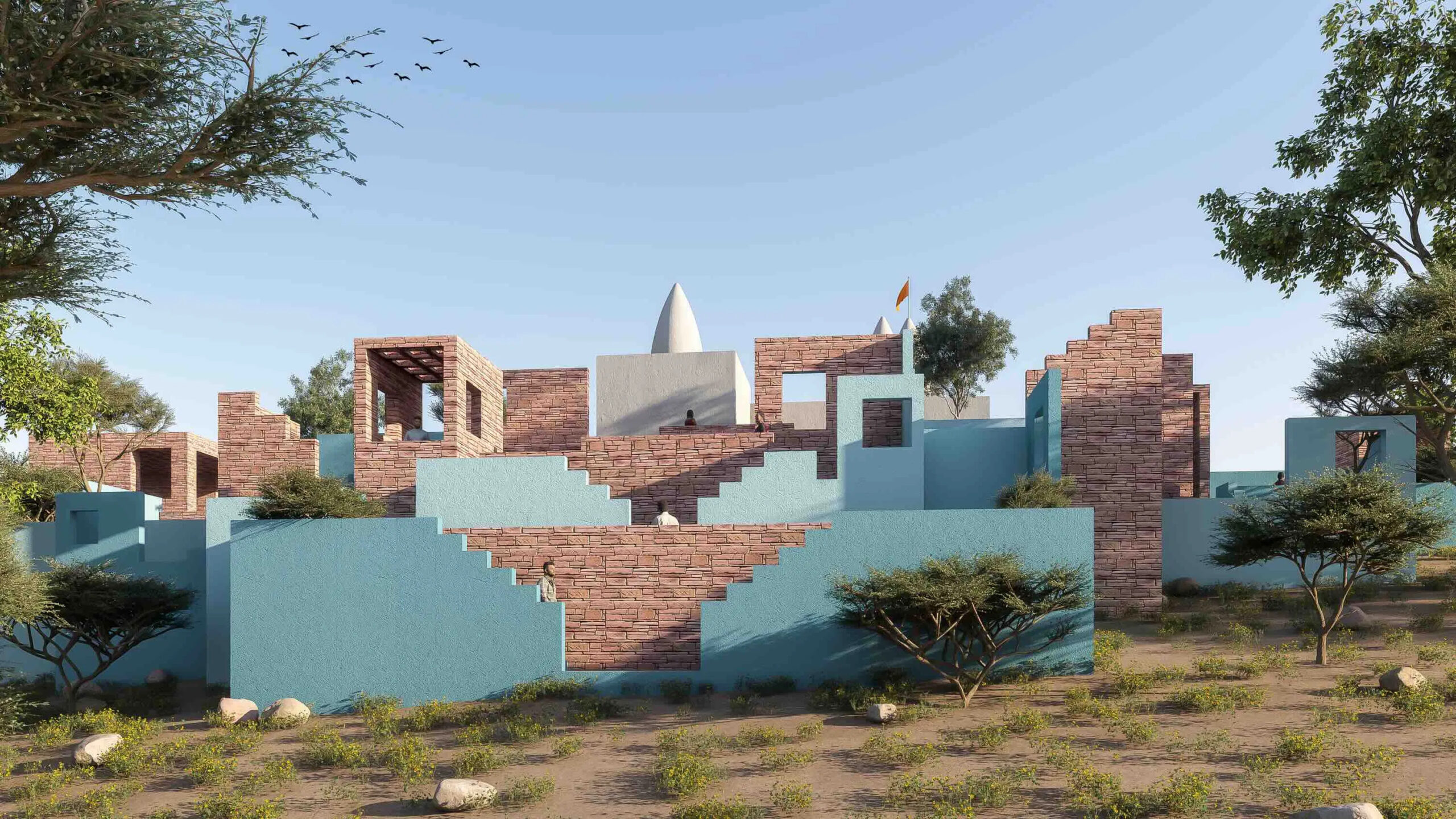
The new and old category winner and the second highly commended project is Shiva 1800 in Silwa, India, designed by Mumbai-based Sanjay Puri Architects. The firm, founded in 1992 by Sanjay Puri and Nina Puri, has won over 475 international design awards and is ranked among the top architecture firms in India by Architizer and ArchDaily.
Sanjay Puri Architects projects consistently draw on regional materials, climate-responsive planning, and the spatial traditions of Indian vernacular architecture. The firm’s portfolio includes work across 51 Indian cities and international commissions in Australia, Spain, Montenegro, the UAE, Oman, and the United States. Their approach to the Shiva 1800 project in Silwa aligns with the AR Future Projects Award’s new and old category, which specifically looks for designs that successfully negotiate the relationship between historic context and contemporary intervention.
How Does the AR Future Projects Award Recognize Unbuilt Work?
One of the defining features of the AR Future Projects Awards is its focus on work that has not yet been completed. Projects on the drawing board or in early construction stages (with expected completion after June 2026) are eligible for the 13 main categories. This makes the award distinct from most major architecture prizes, which typically require a finished building.
The rationale is straightforward: judging projects before completion encourages risk-taking and rewards design ambition rather than delivery logistics. For emerging practices, the AR Future Projects Award can provide crucial visibility and fundraising momentum at a stage when the project still needs support. As Gort Scott, the 2025 overall winner, noted, winning the award directly helped with fundraising efforts for their project.
Beyond the 13 future project categories, the awards include three additional prizes for work that will never be built: a student prize, a competition entry prize (for strong submissions to other competitions that were not selected), and a sustainable research and design prize. Each of these carries a £500 award, while the overall winner receives £1,500.
📌 Did You Know?
The AR Future Projects Awards have been running since 2002, making them one of the longest-established international programs dedicated exclusively to unbuilt architecture. Past winners include globally recognized firms such as Grafton Architects, OMA, SOM, Ateliers Jean Nouvel, and Neri & Hu, many of whom entered the awards before their projects gained wider public attention.
All 13 Category Winners of the AR Future Projects Awards 2026
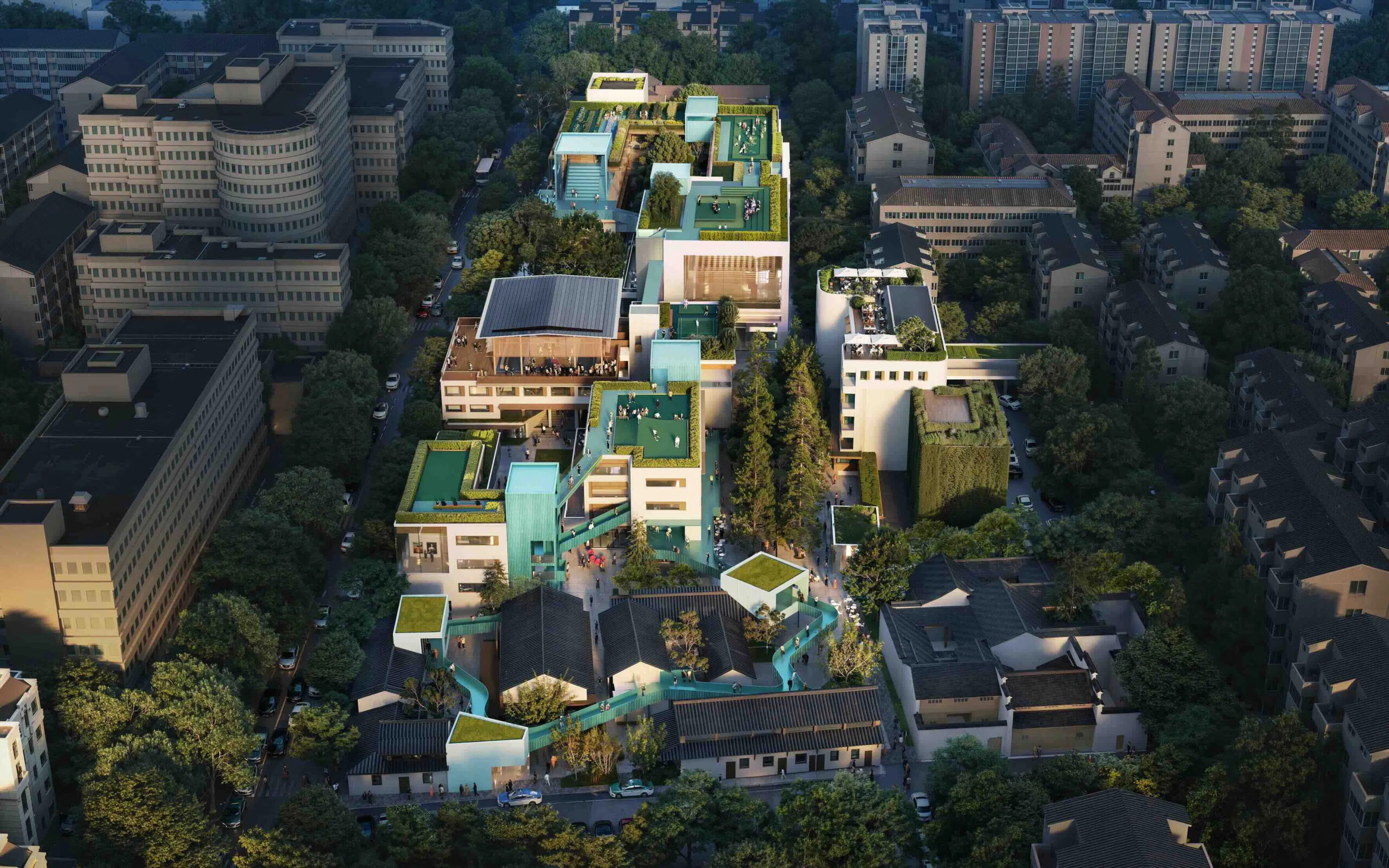
The 2026 edition recognized projects across a wide geographic and typological range. Below is the full list of category winners:
Complete Winners List
| Category | Project | Location | Architect |
|---|---|---|---|
| Overall Winner / Cultural Regeneration | Haus der Musik | Braunschweig, Germany | ADEPT |
| Civic and Community (Highly Commended) | Tofino Fish Pier | Tofino, Canada | Leckie Studio Architecture + Design |
| New and Old (Highly Commended) | Shiva 1800 | Silwa, India | Sanjay Puri Architects |
| Commercial Mixed Use | Hangzhou Shisanwan Alley Urban Renewal | Hangzhou, China | GOA (Group of Architects) |
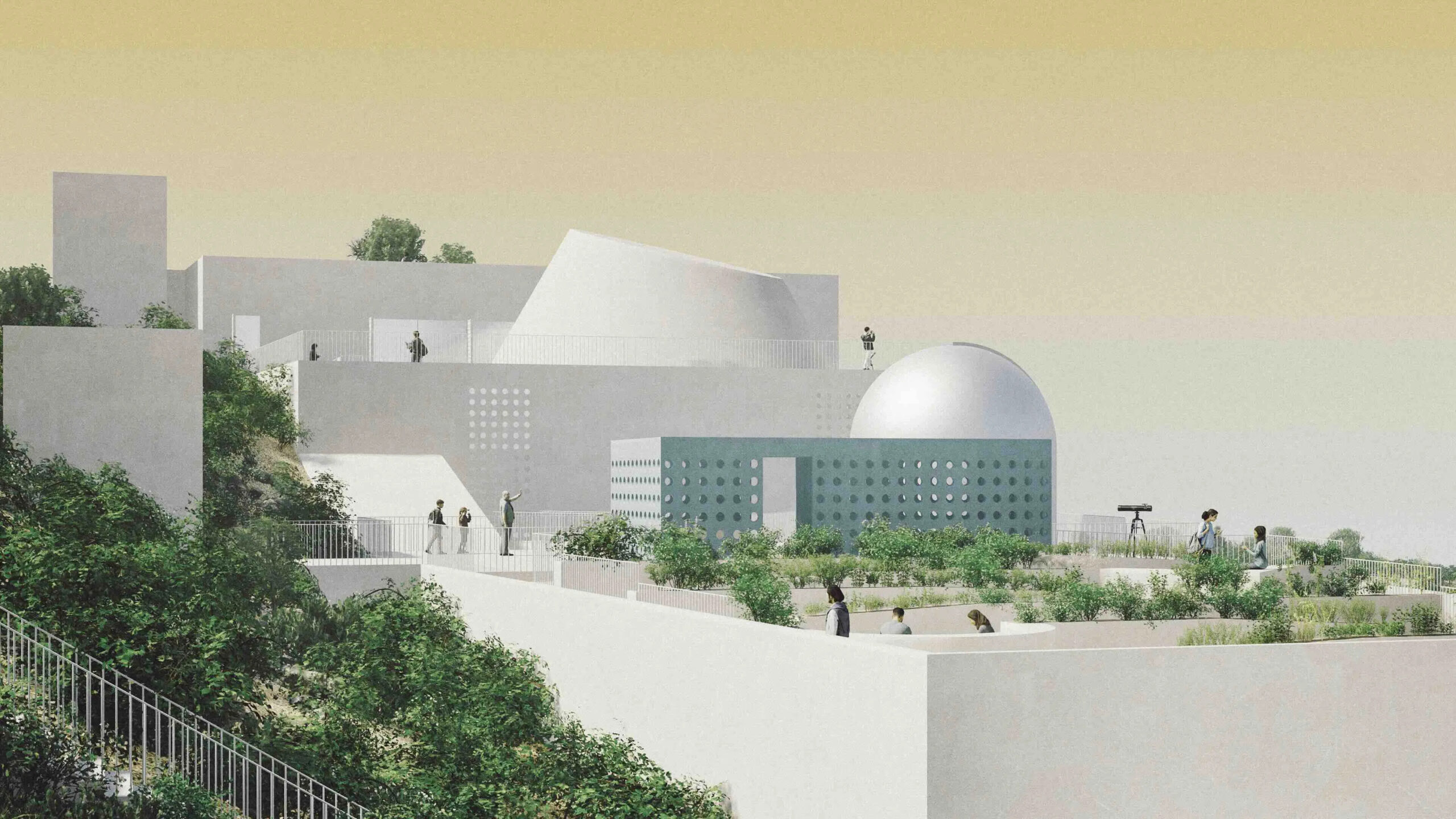
| Education | Ramallah Science and Technology City | Ramallah, Palestine | Atelier of Spatial Matters |
| Hotels and Leisure | Enbesat | Qeshm, Iran | RooyDaad Architects |
| Housing | Twins in the Park | Dusseldorf, Germany | caspar. |
| Regeneration and Masterplanning | Capping the Antwerp Ring | Antwerp, Belgium | ORG |
| Sports | The Glade Rink and Pavilions | St Louis, United States | Snow Kreilich Architects |
| Tall Buildings | EBI Tower | Lagos, Nigeria | Studio Contra |
Three additional prizes were also awarded. The competition entry prize went to Dierendonckblancke Architecten with Claeys/Haelvoet Architecten for Collectiecentrum in Antwerp, Belgium. The student prize was given to Eliza Innes from the Royal Melbourne Institute of Technology for The Penola Exchange, a design that repurposes a disused petrol station to support soil remediation and community programs. The sustainable research and design prize went to Garden of Community Stories by Kuo Jze Yi at the University of Hong Kong with the Zhoushan Architecture Team in China.
Why Adaptive Reuse Dominated the 2026 Awards
A clear pattern runs through the top results of the AR Future Projects Awards 2026: several of the most recognized projects involve the transformation of existing buildings rather than new construction from scratch. Haus der Musik repurposes a department store. The Tofino Fish Pier converts an industrial fishing facility. The Penola Exchange student prize winner rethinks a petrol station. This is not coincidental.
Cities worldwide are grappling with a growing stock of underused or abandoned commercial and industrial buildings. Retail closures, shifts in manufacturing, and changes in how people work and shop have left large structures vacant in prominent urban locations. For architects, these buildings represent both a challenge and an opportunity. The structural bones are often sound, the locations are central, and the embodied carbon already invested in the existing materials is significant. Tearing them down and building new would waste that investment while adding to construction emissions.
Adaptive reuse offers a different path. By keeping what works and adding what is needed, architects can deliver projects that carry forward the memory of a place while introducing entirely new civic, cultural, or community functions. The 2026 awards suggest that juries and the profession at large increasingly value this approach, not as a compromise, but as a design strategy in its own right.
💡 Pro Tip
If you are preparing an entry for a future edition of the AR Future Projects Awards (or similar unbuilt project competitions), study how the winning entries communicate design intent. Juries at this level respond to clearly articulated reasoning about context, community impact, and environmental strategy, not just striking renders. Show why the project matters to its place, not just how it looks.
How to Enter the AR Future Projects Awards
The AR Future Projects Awards are open to architects, developers, funders, contractors, and anyone who can demonstrate involvement in the submitted project. Entries for the 2026 edition are closed, but the organizers have opened a registration of interest for the 2027 cycle. Entry fees for the 13 main categories were £599 at early bird and £649 at the final deadline. Student, competition entry, and sustainable research prizes had lower fees ranging from £49 to £149.
Eligibility requires that the project be on the drawing board or in early construction with an expected completion date after June 2026. Importantly, the awards also welcome speculative and unbuilt work, including concepts being tested and investigated. Both the architect’s name and the client’s name must be provided at entry. The jury reserves the right to reassign projects to different categories without notifying the entrant.
For practices considering an entry, it is worth noting that even non-winning submissions gain exposure through the AR Future Projects catalogue, which is available to all readers of The Architectural Review. For a broader look at architecture competitions worth entering, see our guide to top architecture competitions in 2026.
⚠️ Common Mistake to Avoid
Many architects submit competition entries with spectacular visuals but weak narratives. For the AR Future Projects Awards specifically, the jury evaluates how well the project responds to its context, community needs, and environmental responsibilities. Spending time on a clear written explanation of design intent often matters more than investing in additional renderings.
Video: The Power of Adaptive Reuse in Architecture
This video covers 10 notable adaptive reuse projects with before-and-after documentation, illustrating the kind of building transformations that the AR Future Projects Awards increasingly recognize and celebrate.
What the 2026 Results Signal for Architecture
The AR Future Projects Awards 2026 results reflect several broader trends in contemporary architecture practice. The emphasis on adaptive reuse aligns with a growing industry consensus that the most responsible approach to carbon reduction in the built environment is to build less and reuse more. The geographic spread of winners, from Germany and Canada to India, Iran, China, Palestine, Belgium, Nigeria, and the United States, demonstrates that these concerns are not limited to wealthy Western markets.
The recognition of Indigenous-led programming in the Tofino Fish Pier, the civic ambition of the Haus der Musik, and the attention to historic context in Sanjay Puri Architects’ Shiva 1800 all point toward a profession that increasingly values social purpose alongside formal innovation. For students and emerging practitioners, the AR Future Projects Awards remain one of the most accessible and prestigious international platforms for gaining recognition for work that has not yet left the drawing board.
The Architectural Review has indicated that entries for the 2027 edition will open later this year. Practices interested in entering can register their interest through the AR Future Projects website to be notified when submissions open.
✅ Key Takeaways
- ADEPT’s Haus der Musik won the AR Future Projects Awards 2026 overall prize by converting a former Karstadt department store in Braunschweig into an 18,000 sqm cultural hub with a 1,200-seat concert hall and public music school.
- Leckie Studio Architecture + Design’s Tofino Fish Pier in Canada and Sanjay Puri Architects’ Shiva 1800 in India both received highly commended recognition alongside their category wins.
- Adaptive reuse was a dominant theme among the top-placed projects, reflecting a growing industry shift toward keeping and transforming existing structures rather than demolishing and rebuilding.
- The awards are open to unbuilt and incomplete projects, making them one of the few major international prizes that reward design ambition at the concept or early construction stage.
- Entries for the 2027 edition will open later in 2026, with registration of interest available now through The Architectural Review’s website.









MoMA’s Full Disclosure Exhibition Traces Information Design from Hand-Drawn Data to AI Memories
Full Disclosure: The Edge of Information Design, curated by Paola Antonelli, is...
 illustrarch Editoral Team2 Mins read
Zumthor’s Three New Buildings Open at Fondation Beyeler in Riehen
Peter Zumthor's Wyss Museum, Ammann Pavilion and Erlen Torhaus open at Fondation...
illustrarch Editoral Team4 Mins read

Benthem Crouwel Completes the Afsluitdijk Revamp with a Fish Passage and Domed Pumping Stations
The 32 km Afsluitdijk in the Netherlands has been raised, armoured and...
illustrarch Editoral Team2 Mins read
Luxembourg Pavilion Tackles the Overconsumption of Living Space at the 2027 Venice Biennale
Curated by Céline Zimmer and Exutoire, the Luxembourg Pavilion's Excess! will compare...
illustrarch Editoral Team2 Mins read


Leave a comment