

Architectural and Urban Design: How Architects Shape Cities
Architects play a crucial role in shaping cities through architectural and urban design. From designing buildings and public spaces to collaborating with urban designers, learn how community architecture creates sustainable, inclusive, and vibrant urban environments for local communities.
 Elif Ayse Sen21 December 20256 Mins read673
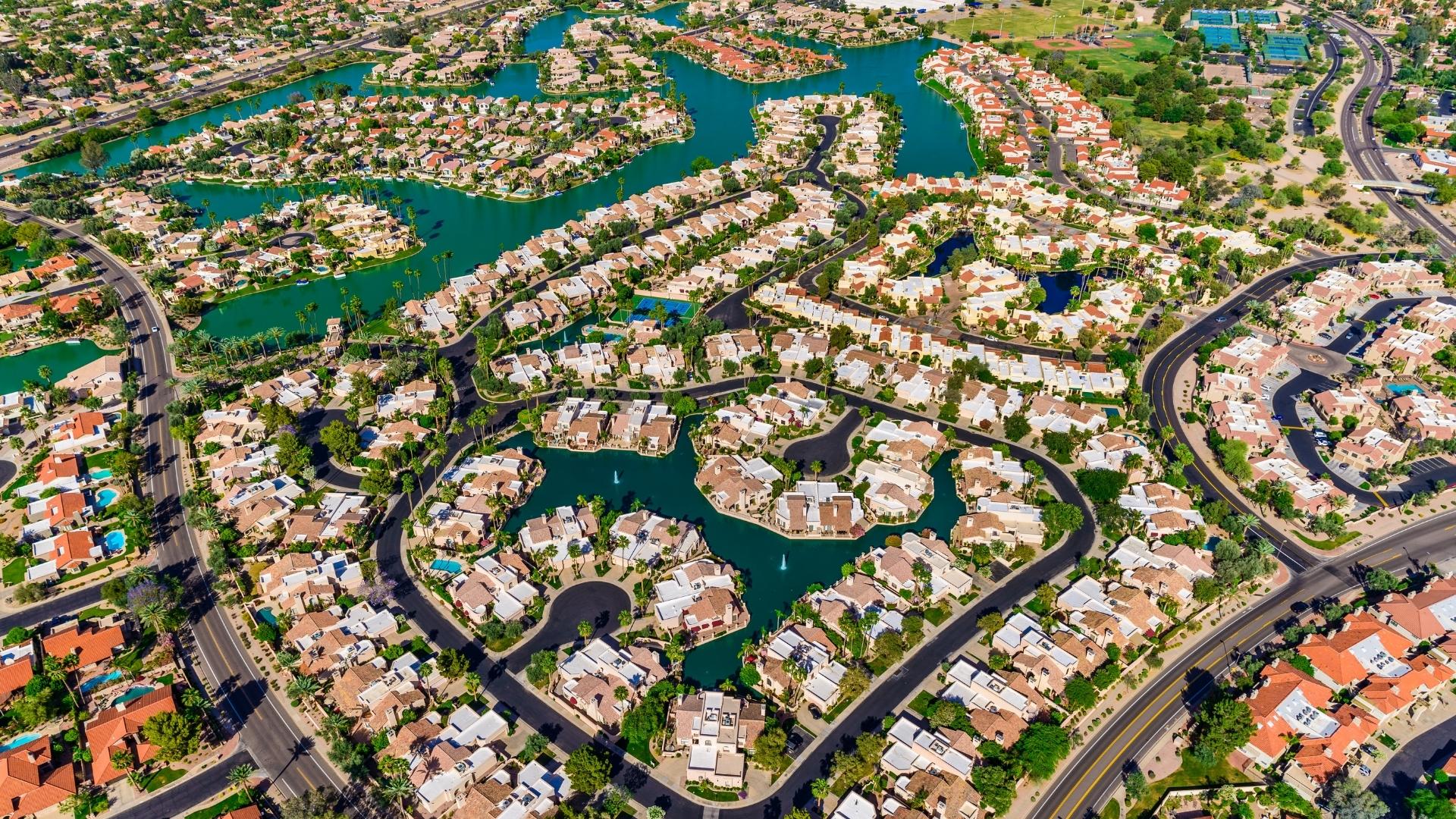
Table of Contents Show
Architects play a crucial role in shaping cities and communities through architectural and urban design. From designing buildings and public spaces to considering the social and environmental impacts of their work, architects have a significant impact on the built environment and the local communities that inhabit it. Understanding community architecture and urban design principles is essential for creating spaces that are inclusive, functional, and sustainable.
How Architects Shape Buildings and Local Communities
One of the most important ways in which architects shape cities and communities is through their work designing buildings. Whether it is a commercial development, a residential complex, or a cultural institution, the design of a building has a profound impact on the people who use it and the surrounding environment. Local communities architects serve must be at the center of every design decision. Architects must consider a wide range of factors when designing a building, including its function, aesthetics, accessibility, and sustainability. By designing buildings that are well-suited to their intended purpose and that are attractive, accessible, and sustainable, architects can contribute to the creation of thriving, healthy communities.

The Role of Public Spaces in Community Architecture and Urban Design
In addition to designing buildings, architects also play a key role in the design of public spaces. Public spaces, such as parks, plazas, and pedestrian zones, are vital components of any city or community. They provide places for people to gather, socialize, and engage with their environment. Architects must consider a range of factors when designing public spaces, including accessibility, safety, functionality, and aesthetic appeal. By designing public spaces that are welcoming, safe, and well-suited to their intended purpose, architects can help create vibrant, engaging communities.
Effective community architecture and urban design requires a deep understanding of how people interact with their surroundings. Well-designed public spaces can reduce crime, improve mental health, and strengthen social bonds among residents. According to the American Institute of Architects (AIA), thoughtful public space design is one of the most powerful tools architects have for enhancing quality of life in urban areas.
Why Are Architects Important for Social and Environmental Impact?
Another important role that architects play in shaping cities and communities is in the consideration of the social and environmental impacts of their work. Architects must consider the impact of their designs on the local community, including the social and economic impact of new developments. They must also consider the environmental impact of their work, including issues such as energy efficiency, sustainable materials, and the impact of construction on the local ecosystem. By considering these factors, architects can create buildings and public spaces that are not only functional and attractive, but that are also socially responsible and sustainable.
So, why are architects important? The answer extends far beyond aesthetics. Architects serve as mediators between human needs and the built environment. They translate community aspirations into physical spaces that support economic vitality, social equity, and environmental stewardship. The Royal Institute of British Architects (RIBA) emphasizes that architecture’s greatest contribution lies in improving quality of life for all members of society.
An architect transforms visions into reality, balancing aesthetics, functionality, and sustainability. A Gloucestershire based architecture company expertly designs spaces that inspire, ensuring projects meet client needs while harmonizing with the environment.
The Importance of Architects in Creating Resilient Communities
Architects have the power to create thriving, healthy communities that are well-suited to the needs of their residents. In 2025, the role of architects has become even more critical as cities face challenges such as climate change, rapid urbanization, and growing social inequality. Sustainable architecture is no longer optional, it is a necessity for building resilient communities that can adapt to changing conditions.
Local communities architects work with often have unique cultural, economic, and environmental needs. By engaging directly with residents and stakeholders, architects can design spaces that genuinely reflect and serve the people who use them. This community-centered approach to architectural and urban design ensures that new developments contribute positively to neighborhood character and social cohesion.
As such, architects must approach their work with a deep sense of responsibility and a commitment to creating buildings and public spaces that are socially responsible, sustainable, and well-suited to the needs of the local community.

Collaboration of Architects and Urban Designers
Architects and urban designers’ collaboration is essential for creating successful urban environments. The integration of architectural and urban design disciplines ensures that individual buildings and broader city plans work together harmoniously. Here are some ways in which architects and urban designers can work together.
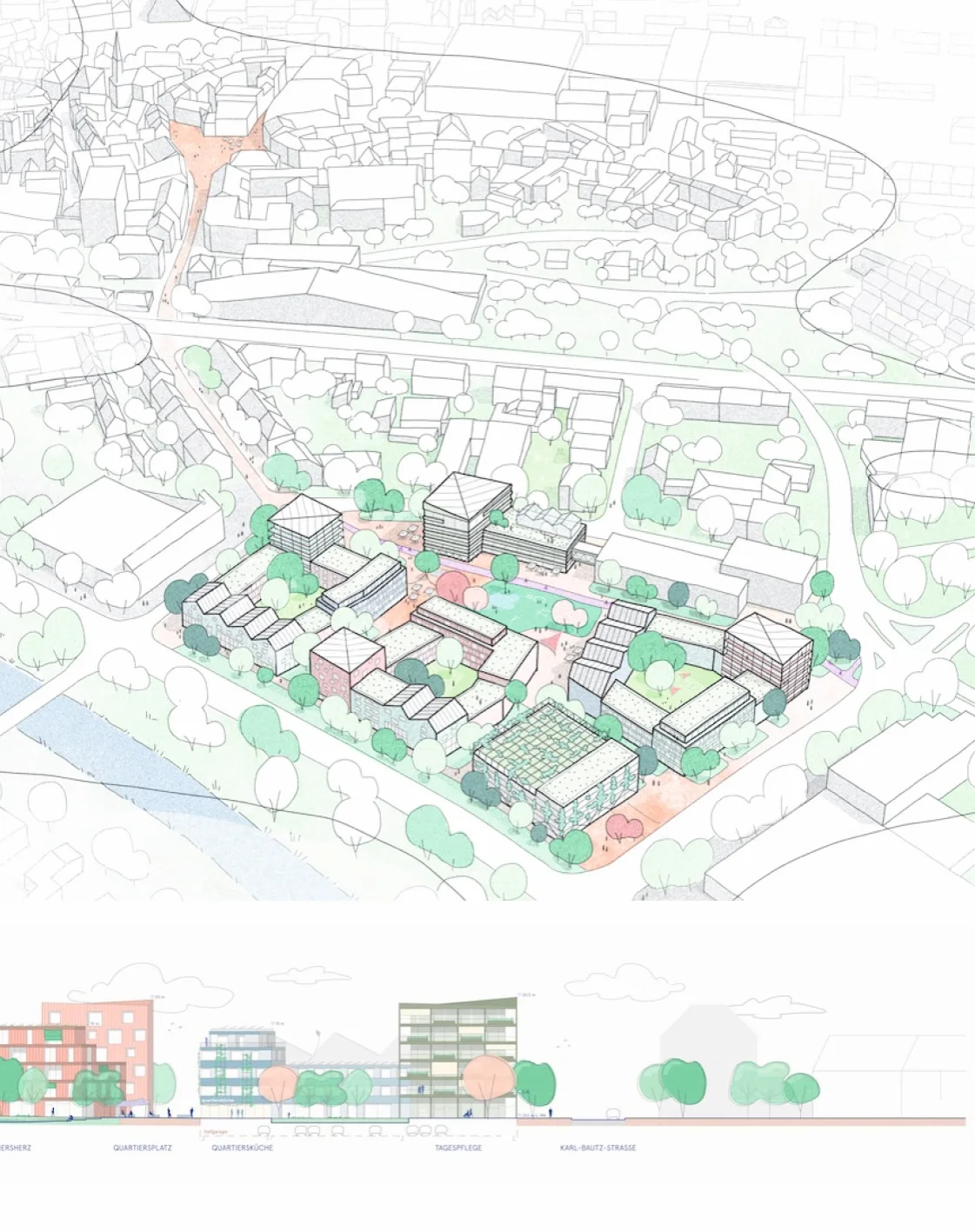
- Integrated design approach: Architects and urban designers can work together from the outset of a project to create an integrated design approach. This means that they collaborate closely to ensure that the building and its surrounding environment are designed in a cohesive and harmonious way, taking into account issues such as scale, massing, materials, and connectivity. Tools like architecture mapping techniques can support this collaborative process.
- Design guidelines: Architects and urban designers can collaborate to develop design guidelines that reflect the values, aspirations, and needs of the community. These guidelines can help ensure that new buildings and public spaces are well-suited to their context and are designed in a way that contributes to the overall character of the neighborhood or city.
- Community engagement: Architects and urban designers can work together to engage with local communities and stakeholders. This can help ensure that the design process is inclusive and participatory, and that the resulting buildings and public spaces reflect the needs and aspirations of the community. Understanding current trends in urban design helps architects stay responsive to evolving community expectations.
- Sustainability: Architects and urban designers can collaborate to create sustainable buildings and public spaces. This can involve designing buildings that are energy-efficient, use sustainable materials, and incorporate green spaces and infrastructure. Urban designers can also work with architects to create pedestrian-friendly environments that encourage walking, cycling, and public transport.
- Placemaking: Architects and urban designers can work together to create vibrant, engaging public spaces that contribute to the social and cultural life of the community. This can involve designing public spaces that are welcoming, safe, and well-suited to their intended purpose, and that encourage community engagement and participation.
In conclusion, architects and urban designers have complementary roles in shaping cities and communities, and their collaboration is essential for creating successful urban environments. By working together to develop an integrated design approach, engaging with local communities, creating sustainable buildings and public spaces, and fostering placemaking, architects and urban designers can help create vibrant, healthy, and sustainable cities and communities.
Architect collaboration with urban designers ensures balanced, functional, and aesthetic spaces that enhance community living. This architecture company is covering both Wiltshire & Oxfordshire, delivering visionary and sustainable design solutions.
How Architectural and Urban Design Supports Future Cities
As cities continue to grow in population and complexity, the intersection of architectural and urban design becomes increasingly vital. Modern architects are leveraging innovative urban design concepts such as smart city technologies, biophilic design, and mixed-use developments to create environments that are adaptable and future-proof.
The concept of nature-integrated architecture exemplifies how contemporary architectural and urban design can address both environmental concerns and human well-being. By incorporating green infrastructure, natural ventilation, and biodiversity-friendly design elements, architects create buildings that function as part of the larger urban ecosystem rather than in isolation.
Furthermore, urban mobility and design considerations are reshaping how architects think about connectivity within cities. Designing for walkability, cycling infrastructure, and public transit integration ensures that communities remain accessible and connected. This holistic approach to community architecture and urban design reflects a growing understanding that successful cities depend on the seamless integration of architecture, infrastructure, and public life.
Why Are Architects Important for Cultural Identity?
Beyond their practical contributions, architects play a fundamental role in shaping cultural identity through design. Buildings and public spaces serve as physical expressions of a community’s values, history, and aspirations. When local communities architects engage with are involved in the design process, the resulting architecture becomes a source of pride and collective identity.
Architects who prioritize social conscience in their practice understand that design decisions have lasting consequences on community cohesion and cultural preservation. This ethical dimension of architectural and urban design ensures that new developments respect existing heritage while embracing innovation and progress.

The way a city sorts land use into rings around its centre is set out in our guide to the concentric zone model, which remains the fastest way to start reading an unfamiliar city.


3 Comments


Concentric Zone Model: Burgess’s Five Rings Explained
Burgess drew 1925 Chicago as five rings spreading from the business district....
 illustrarch Editoral Team9 Mins read
The Third Place: Oldenburg’s Eight Characteristics Explained
Cafés, pubs, barber shops and libraries do social work that homes and...
illustrarch Editoral Team7 Mins read
andre kong studio and Wayward Turn Old Lampposts into Solar-Powered Waylamps in Barnet
Four Waylamps by andre kong studio and Wayward reuse old lampposts as...
illustrarch Editoral Team1 Mins read
Neom Stadium, the Elevated 2034 World Cup Venue, Reportedly Shelved by Saudi Arabia
Two sources told Reuters that Saudi Arabia has put the 46,000 seat...
illustrarch Editoral Team2 Mins read


Great read and nice to have
I think it’s interesting how architects help shape cities. They seem to think a lot about what people need.
The role of architects in public spaces is important. It’s nice to have places where people can gather and feel safe.