

SOM’s Supertall Manhattan Skyscraper: 175 Park Avenue and Its Steel Lattice Structure
Permits have been filed for SOM's supertall Manhattan skyscraper at 175 Park Avenue, a 95-story tower beside Grand Central Terminal. The project features an external steel lattice structural system, 3 million square feet of office and hotel space, and public terraces connecting to the historic station.
 Elif Ayse Sen18 May 202613 Mins read245
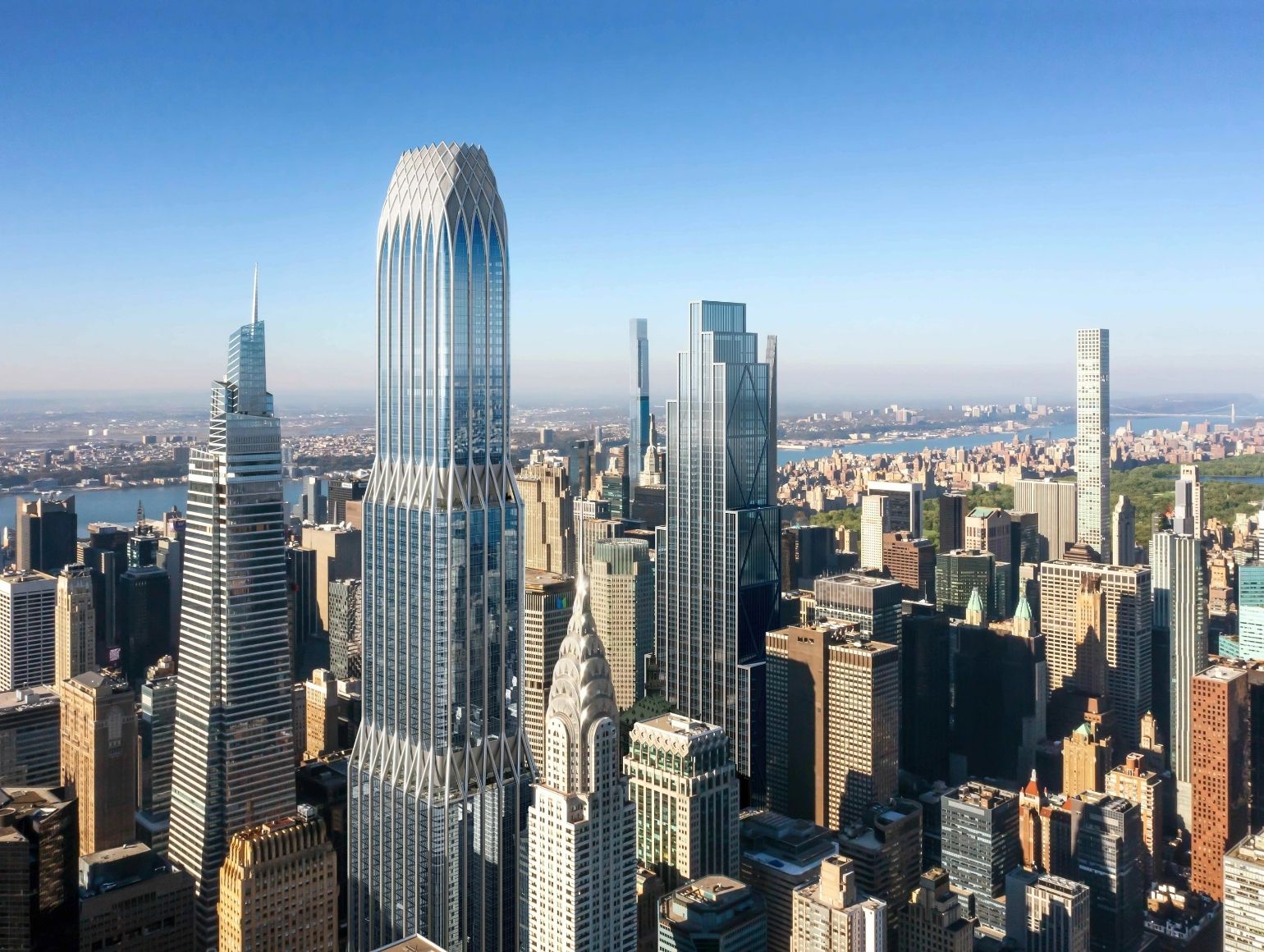


Table of Contents Show
SOM’s supertall Manhattan skyscraper at 175 Park Avenue is a proposed 95-story, 1,581-foot tower designed by Skidmore, Owings & Merrill for a site directly beside Grand Central Terminal in Midtown East. The project features an external steel lattice structural system, nearly 3 million square feet of office and hotel space, and public terraces that connect pedestrians to the historic station for the first time.
What Is 175 Park Avenue and Why Does It Matter?
SOM’s supertall Manhattan skyscraper at 175 Park Avenue, formerly known as Project Commodore, is one of the most closely watched developments in New York City right now. Developers RXR Realty and TF Cornerstone filed updated permits in April 2026 for the tower, which would replace the existing Grand Hyatt New York hotel at the northwest corner of Lexington Avenue and East 42nd Street. If built, 175 Park Avenue would stand as the third-tallest building in New York City and one of the tallest in the United States.
The project sits on a site with enormous symbolic weight. The Grand Hyatt was originally the Commodore Hotel, built in 1919 and later renovated in the late 1970s as a joint venture between Hyatt Hotels Corporation and the Trump Organization. That renovation wrapped the historic brick facade in dark reflective glass. RXR and TF Cornerstone acquired the site in 2019, and SOM released its initial design in 2021. Since then, the project has gone through several design iterations, and the most recent permit filing expanded the scope from 83 stories to 95 stories.
The estimated cost sits around $6.5 billion, reflecting both the complexity of building above an active rail corridor and the scale of the transit improvements bundled into the proposal. SOM lists 2032 as the target completion date on its website, though construction start depends on financing, tenant commitments, and the demolition of the existing hotel.
🔢 Quick Numbers
- 175 Park Avenue would rise to approximately 1,581 feet (482 m) across 95 stories (Wikipedia, 2026)
- Grand Central Terminal serves roughly 29.5 million riders per year (Metropolitan Transportation Authority)
- The project includes over $550 million in direct transit improvements to Grand Central (RXR Realty, 2026)
- The tower would contain nearly 3 million square feet of mixed-use space, including 2.4 million sq ft of office and a 200-room hotel (New York YIMBY, April 2026)
Skidmore, Owings & Merrill: The Firm Behind the Design
Skidmore, Owings & Merrill is one of the most prolific architecture and engineering firms in the world, with a portfolio that includes some of the tallest and most recognized skyscrapers ever built. Founded in 1936, the firm has shaped skylines from Chicago to Dubai. Their resume includes One World Trade Center (1,776 feet), the Burj Khalifa (2,717 feet, designed by Adrian Smith while at SOM), and the recently completed JPMorgan Chase headquarters at 270 Park Avenue, designed by Foster + Partners on a site that required demolishing an earlier SOM building.
What sets SOM apart is their integrated approach to architecture and structural engineering. The firm has an in-house engineering team, which allows architects and engineers to develop building forms and structural systems simultaneously rather than handing off a finished design for someone else to figure out how to build. This integration is visible in 175 Park Avenue, where the external steel lattice is not decoration applied to a conventional frame but the primary structural system itself.
The broader project team includes WSP Global as structural engineer, Beyer Blinder Belle as architectural and historical consultant, James Corner Field Operations (the firm behind the High Line) as landscape architect, and Stantec as engineering consultant.
🎓 Expert Insight
“The metal columns intertwine into two bundles on 42nd Street; below ground, they navigate a multistory tangle of underground rail tracks and anchor into the limited available bedrock.” — Skidmore, Owings & Merrill, official project description
This statement from SOM highlights the core engineering challenge at 175 Park Avenue. The site offers very few points for ground penetration due to the rail infrastructure beneath, which forced the design team to develop a structure that channels enormous loads through a small number of precisely placed foundation points.
The Steel Lattice Structural System Explained
The most distinctive feature of SOM’s supertall Manhattan skyscraper is its external steel lattice. Unlike a conventional skyscraper that hides its structural columns behind a glass curtain wall, 175 Park Avenue wears its structure on the outside. Interlaced steel columns wrap around the tower from base to crown, creating a pattern that shifts as the building rises.
At the base, the columns are tightly bundled into two points along 42nd Street. This condensed configuration is not an aesthetic choice alone. The site sits directly above Grand Central Terminal’s rail tracks, and there are very few locations where foundations can reach bedrock without interfering with the active rail infrastructure below. By concentrating the structural loads into narrow bundles, SOM solved a problem that would have been nearly impossible with a standard column grid spread evenly across the building’s footprint.
As the tower rises, the lattice columns fan outward, creating the building’s characteristic tapering silhouette. At three setback levels, the columns form V-shaped supports where they angle inward. Each setback creates space for outdoor terraces tucked beneath the slanting steel members. At the top, the lattice converges again into a crown element that gives the tower a finished, sculptural profile against the skyline.
SOM has noted that this system allows the interior floors to be mostly column-free, giving future tenants large, flexible floor plates for office layouts. The stone-clad core at the center handles vertical circulation (elevators, stairs, mechanical systems) while the external lattice handles lateral loads from wind and gravity.
💡 Pro Tip
When studying exoskeletal structural systems like the one at 175 Park Avenue, pay attention to how the lattice geometry changes at different heights. The angle and density of the diagonal members directly affect how the building transfers wind loads and gravity to its foundations. The V-shaped nodes at the setbacks are not just visual accents; they are load transfer points where forces converge before being redirected downward.
How Does the Lattice Compare to Other Exoskeletal Skyscrapers?
Exoskeletal structures are not new, but they remain relatively rare at supertall scale. The most famous precedent is SOM’s own John Hancock Center in Chicago (now 875 North Michigan Avenue), completed in 1969. That building used enormous X-braces on its exterior to achieve a tapered form and resist wind loads without interior bracing walls. The Hancock Center’s diagonal bracing became one of the most recognizable structural expressions in modern architecture.
More recently, the Hearst Tower in New York (also by Norman Foster, completed in 2006) used a diagrid structural system on its exterior. Diagrid structures use diagonal members in a triangulated pattern, eliminating the need for vertical columns on the facade. 175 Park Avenue takes a different approach: its lattice members are not arranged in a uniform diagrid pattern but instead change density and angle as they respond to the building’s massing and the unique foundation constraints below.
The Beijing CCTV Headquarters by OMA and Arup used an exposed structural grid to support its looping, cantilevered form. In each of these cases, the external structure is not just doing engineering work; it becomes the building’s primary visual identity. SOM’s design for 175 Park Avenue falls squarely into this tradition, but the specific challenge of building over an active rail corridor gives it a functional urgency that distinguishes it from purely formal exercises.
🏗️ Real-World Example
One Vanderbilt (New York, 2020): Located on the opposite side of Grand Central Terminal from the 175 Park Avenue site, One Vanderbilt by Kohn Pedersen Fox (KPF) faced similar challenges building above transit infrastructure. The 1,401-foot tower contributed $220 million in transit improvements and added a new subway entrance connecting directly to Grand Central. It serves as the closest precedent for what 175 Park Avenue aims to achieve at an even larger scale.
Manhattan Skyscrapers and the Midtown East Rezoning
175 Park Avenue exists because of zoning changes that reshaped what is possible in Midtown East. In 2017, New York City approved the Greater East Midtown Rezoning, building on earlier modifications from around 2010 that allowed buildings near Grand Central Terminal to purchase and use the station’s unused air rights. Grand Central, as a designated landmark, cannot be demolished or significantly altered, which means its potential development capacity goes unused. The rezoning allowed neighboring sites to absorb that capacity in exchange for contributing to transit infrastructure improvements.
This mechanism has already produced new skyscrapers in Manhattan, including One Vanderbilt and JPMorgan Chase’s new headquarters at 270 Park Avenue. The 175 Park Avenue project takes advantage of the same framework. By committing to over $550 million in transit upgrades, the developers secured the right to build at a density and height that would not have been possible under the previous zoning rules.
The rezoning reflects a broader strategy to keep Midtown East competitive as a global business district. Many of the area’s office buildings date from the 1950s through the 1970s, and they lack the floor plates, ceiling heights, and mechanical systems that today’s major corporate tenants demand. The new towers replacing older buildings bring Class A office space to a market that increasingly expects column-free layouts, raised floors for cable management, and high-performance mechanical systems.
Transit Integration: Expanding Grand Central Terminal
A major component of the 175 Park Avenue project is its direct integration with Grand Central Terminal, one of the busiest transit hubs in North America. The base of the tower will include a new transit hall that adds approximately 5,400 square feet to the station. This expansion addresses a long-standing problem: the subway turnstiles for the 4, 5, 6, 7, and S trains are currently squeezed into a cramped underground space. Under the new plan, these turnstiles would be relocated to a larger, street-level transit hall with new staircases, escalators, and an elevator.
The connection between 175 Park Avenue and Grand Central goes beyond the interior. At the base of the tower, the structural lattice columns fan outward and are set back from the property line. SOM has stated that this configuration widens the sidewalk along 42nd Street, improving pedestrian circulation outside the terminal’s main entrance. The tower’s base also includes a partially covered entry that connects directly to Grand Central’s facade.
One of the more notable public realm features is a terrace that aligns with the Pershing Square Viaduct, the elevated roadway that crosses 42nd Street east of Grand Central. This connection would create a pedestrian space that offers views of Grand Central’s eastern facade, a perspective that has been blocked by the existing Grand Hyatt since the 1970s.
Public Spaces and Terraces
The project includes approximately 24,000 to 25,000 square feet of publicly accessible elevated terraces on the lower levels of the tower. These terraces are divided into three zones named for their neighbors: the Chrysler terrace (facing the Chrysler Building), the Graybar terrace, and the Grand Central terrace. Plans show reflecting pools, cafes, seating areas, landscaping, and art installations spread across these spaces.
James Corner Field Operations, the landscape architecture firm that redesigned the High Line, is handling the design of these outdoor areas. The terraces occupy space created by the tower’s setbacks, where the steel lattice columns angle inward and provide a sheltering canopy overhead. This arrangement means the outdoor spaces are not fully exposed rooftop decks but partially covered areas tucked beneath the building’s structural frame.
💡 Pro Tip
When reviewing transit-oriented development proposals like 175 Park Avenue, look at the ratio of public infrastructure contribution to private development area. The $550 million in transit improvements here supports nearly 3 million square feet of private development. This ratio often becomes the central negotiation point in rezoning discussions and can determine whether a project moves forward or stalls.
How 175 Park Avenue Fits into the Manhattan Skyline
At 1,581 feet (based on the most recent Wikipedia and permit data showing 95 stories), 175 Park Avenue would be the third-tallest building in New York City, behind One World Trade Center (1,776 feet) and Central Park Tower (1,550 feet). Its location in Midtown East places it in direct visual dialogue with some of the city’s most iconic towers.
The Chrysler Building, standing at 1,046 feet just steps away, will be the most affected neighbor. Renderings show 175 Park Avenue rising well above the Chrysler’s famous stainless-steel crown. Some critics have expressed concern about dwarfing this beloved Art Deco landmark. SOM’s response has been to design the tower’s lattice to reference the vertical emphasis and craftsmanship of its Art Deco neighbors without directly imitating them. The lattice pattern draws a visual connection to the decorative structural expressions that define buildings like the Chrysler, but through a distinctly contemporary vocabulary.
On the other side of Grand Central, One Vanderbilt (1,401 feet) already established a precedent for a supertall tower adjacent to the terminal. The JPMorgan Chase headquarters at 270 Park Avenue, completed recently by Foster + Partners, adds another tall presence just one block west. Together, these towers are creating a cluster of supertalls around Grand Central that is quickly becoming one of the densest concentrations of tall buildings in the world.
📌 Did You Know?
Grand Central Terminal has 44 platforms serving 67 tracks, making it the train station with the most platforms in the world. The rail infrastructure beneath and around the station is so dense that engineers working on 175 Park Avenue had to find ways to anchor the building’s foundations through this underground maze to reach bedrock, a challenge that directly shaped the tower’s distinctive structural system.
Video: 175 Park Avenue Tower Overview
This video examines the design, engineering, and urban context behind SOM’s proposed supertall at 175 Park Avenue, including its relationship with Grand Central Terminal and the structural reasoning behind the steel lattice system.
Program and Mixed-Use Breakdown
175 Park Avenue is planned as a mixed-use tower with three primary functions. The majority of the building’s nearly 3 million square feet will be Class A office space, estimated at around 2.4 million square feet. A 200-room hotel will occupy the upper floors, offering elevated views across Manhattan. Retail space and food service will activate the ground level and the transit hall connecting to Grand Central.
The office floors are designed with the large, column-free floor plates that today’s corporate tenants expect. The external lattice system makes this possible by handling lateral loads on the perimeter, freeing the interior from the diagonal bracing or shear walls that would otherwise eat into usable floor area. This structural approach is similar in principle to what SOM achieved at the John Hancock Center decades ago, where the exterior X-bracing allowed open interiors at every level.
The hotel component sits at the top of the tower, a position that maximizes views and separates hotel guests from the higher-traffic office floors below. This vertical separation of uses is a common strategy in mixed-use supertalls, seen in buildings like the Lotte World Tower in Seoul and the Shanghai Tower.
Construction Challenges: Building Above a Live Rail Corridor
The single greatest engineering challenge for SOM’s supertall Manhattan skyscraper is the site itself. 175 Park Avenue sits directly above a portion of Grand Central Terminal’s track network. Below ground, multiple levels of active rail lines serve Metro-North Railroad, the Long Island Rail Road (via Grand Central Madison, completed in 2023), and New York City Subway connections. Construction cannot interrupt these services, which carry hundreds of thousands of passengers daily.
Before the new tower can rise, the existing Grand Hyatt New York must be demolished. This is itself a major undertaking. Dismantling a 34-story hotel above active rail lines, in one of Manhattan’s busiest pedestrian corridors, requires careful sequencing and specialized techniques. The hotel’s website has been accepting reservations through April 2027, suggesting that demolition may not begin until that booking window closes.
Foundation work presents another layer of difficulty. The limited number of points where piles or caissons can penetrate the underground rail infrastructure to reach bedrock determined the tower’s structural concept. SOM designed the lattice system specifically to channel the building’s loads into these few available anchor points. Any conventional structure with a regular column grid spread across the footprint would require far more foundation penetration points than the site allows.
📐 Technical Note
Supertall buildings (those exceeding 300 meters or approximately 984 feet) face wind loads that increase exponentially with height. At 1,581 feet, 175 Park Avenue will experience significant lateral forces that the steel lattice must resist. The lattice acts as a perimeter tube, a structural concept that distributes wind loads around the building’s exterior rather than concentrating them in a rigid core. This tube-in-tube approach (perimeter lattice plus central core) is one of the most efficient structural strategies for buildings above 1,000 feet, as described in structural engineering references from the Council on Tall Buildings and Urban Habitat (CTBUH).
Current Status and Timeline
As of early 2026, developers RXR Realty and TF Cornerstone have filed updated permits for the project. An RXR spokesperson told Newsweek in April 2026 that the filing represents “the next step in advancing a transformative project next to Grand Central” and that “construction is expected to start in the coming months.” The project received preliminary city approval under the Midtown East rezoning framework.
However, significant hurdles remain. The developers are still working to secure financing and anchor tenants for the office space. American Express, which had been mentioned as a potential tenant, signed elsewhere. The overall commercial real estate market in Manhattan, while recovering, remains uncertain for projects of this scale. If completed on the current timeline, 175 Park Avenue would open around 2032.
The Manhattan skyscraper market has seen a surge of activity driven by the Midtown East rezoning, but not every proposed tower has moved forward on schedule. The path from permits to groundbreaking can be long, especially for projects of this financial and logistical complexity.
⚠️ Common Mistake to Avoid
A common misunderstanding with supertall proposals is confusing permit filing with construction start. Filing permits is an administrative milestone that signals intent and secures planning approvals, but it does not mean shovels are in the ground. For 175 Park Avenue, the gap between permit filing and actual construction could span years, depending on financing, tenant pre-leasing, and the duration of hotel demolition. Always check for evidence of demolition or site preparation activity before assuming a project is underway.
Skidmore, Owings & Merrill Buildings: A Legacy of Structural Innovation
175 Park Avenue is the latest in a long line of Skidmore, Owings & Merrill buildings that have pushed the boundaries of structural engineering. The firm’s track record includes several towers that redefined how tall buildings are designed.
The John Hancock Center (1969, Chicago) introduced the diagrid-braced exterior that allowed a 100-story mixed-use tower to stand without interior structural walls. The Sears Tower, now Willis Tower (1973, Chicago), used a bundled-tube structural system that held the title of world’s tallest building for 25 years. The Burj Khalifa (2010, Dubai) applied a buttressed core system with a Y-shaped floor plan to reach 2,717 feet, a height record that still stands.
In each of these projects, SOM’s in-house structural engineers worked alongside the architects from the earliest design stages. 175 Park Avenue continues this tradition. The steel lattice is not an afterthought or a decorative gesture; it is the building’s fundamental structural idea, shaped by the specific constraints of building over Grand Central’s rail infrastructure.
The firm has also been active in New York recently. One World Trade Center (2014), designed by David Childs of SOM, stands as the tallest building in the Western Hemisphere. The Daniel Patrick Moynihan Train Hall, completed in 2021, transformed the old James A. Farley Post Office building into a light-filled transit hub for Amtrak and LIRR at Penn Station. And the Midtown Manhattan area continues to see SOM’s influence through both new construction and ongoing consultancy.
✅ Key Takeaways
- 175 Park Avenue is a proposed 95-story, 1,581-foot supertall designed by Skidmore, Owings & Merrill for a site beside Grand Central Terminal in Midtown East, Manhattan.
- The tower’s external steel lattice structure is not just a visual feature; it solves the specific problem of anchoring a supertall building above an active rail corridor with limited bedrock access points.
- The project includes over $550 million in transit improvements, including a new 5,400-square-foot transit hall and expanded subway access at Grand Central.
- Permits were filed in April 2026, but the project still needs financing, anchor tenants, and demolition of the existing Grand Hyatt before construction can begin.
- If completed as planned around 2032, 175 Park Avenue would become the third-tallest building in New York City and one of the tallest in the United States.
Final Thoughts
SOM’s supertall Manhattan skyscraper at 175 Park Avenue represents a specific kind of ambition: not just building tall, but building tall in one of the most constrained sites in the world. The steel lattice structure is a direct response to the impossibility of using conventional foundations above Grand Central’s rail maze. The transit integration reflects a city policy that ties private development to public infrastructure investment. And the tower’s relationship to its neighbors, including the Chrysler Building, One Vanderbilt, and the JPMorgan Chase headquarters, will define how a new generation of Midtown East Manhattan skyscrapers coexist with the Art Deco and Modernist towers that preceded them.
Whether 175 Park Avenue gets built on schedule, gets delayed, or gets redesigned again depends on financing and market conditions. But as a design proposal, it shows how Skidmore, Owings & Merrill architects continue to find structural solutions that are also architectural statements, a tradition that stretches back to the Hancock Center and the Sears Tower and finds its latest expression in the lattice wrapping this proposed tower beside Grand Central.
Height figures cited in this article are based on the most recent available project filings and may be subject to revision as the design is finalized. Construction timelines depend on financing, permitting, and demolition progress.




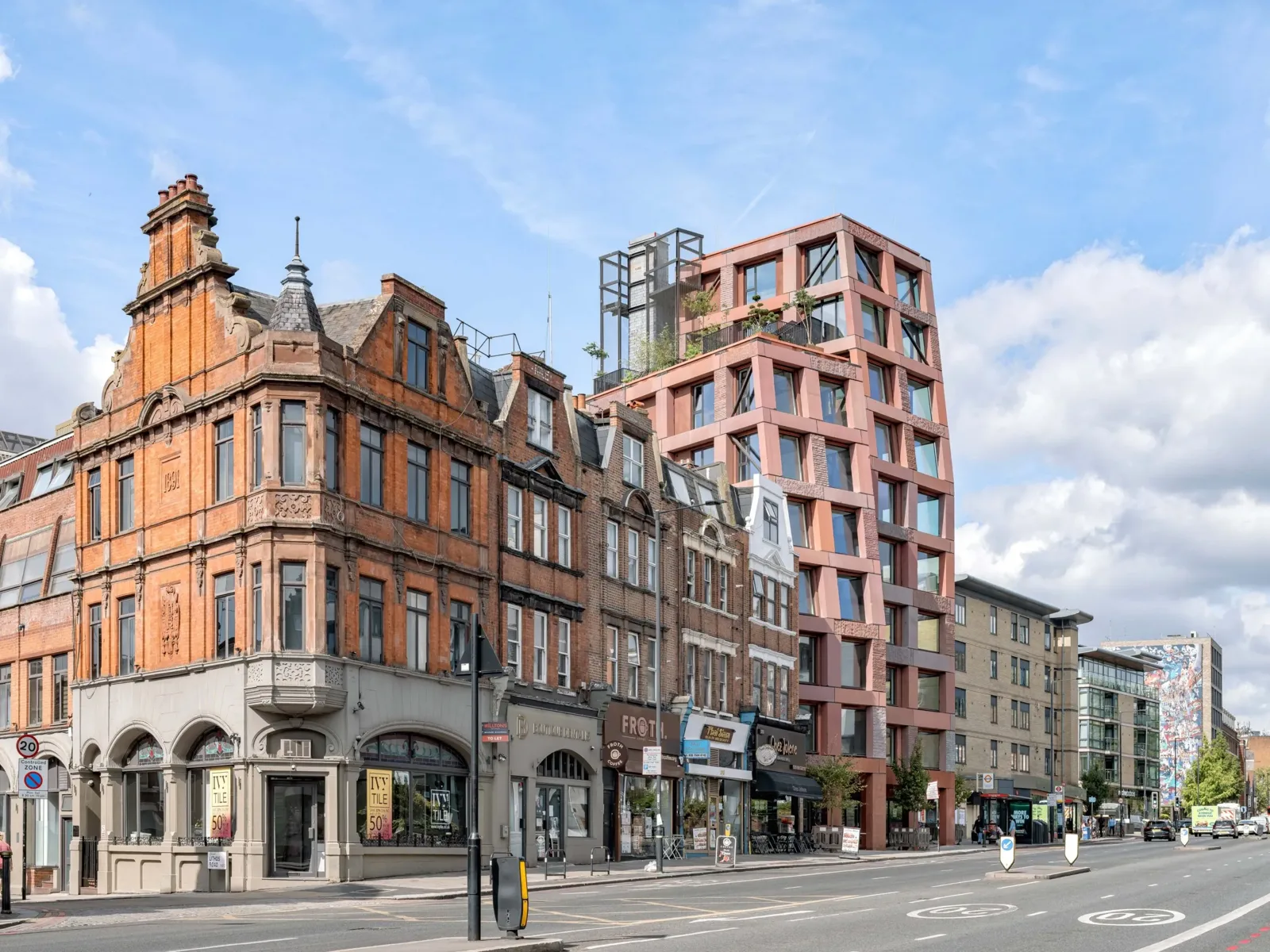
Groupwork Completes 10-Storey Loadbearing Granite Flats in London
Groupwork's Petra Heights on Finchley Road is a 10-storey block of 22...
 illustrarch Editoral Team2 Mins read
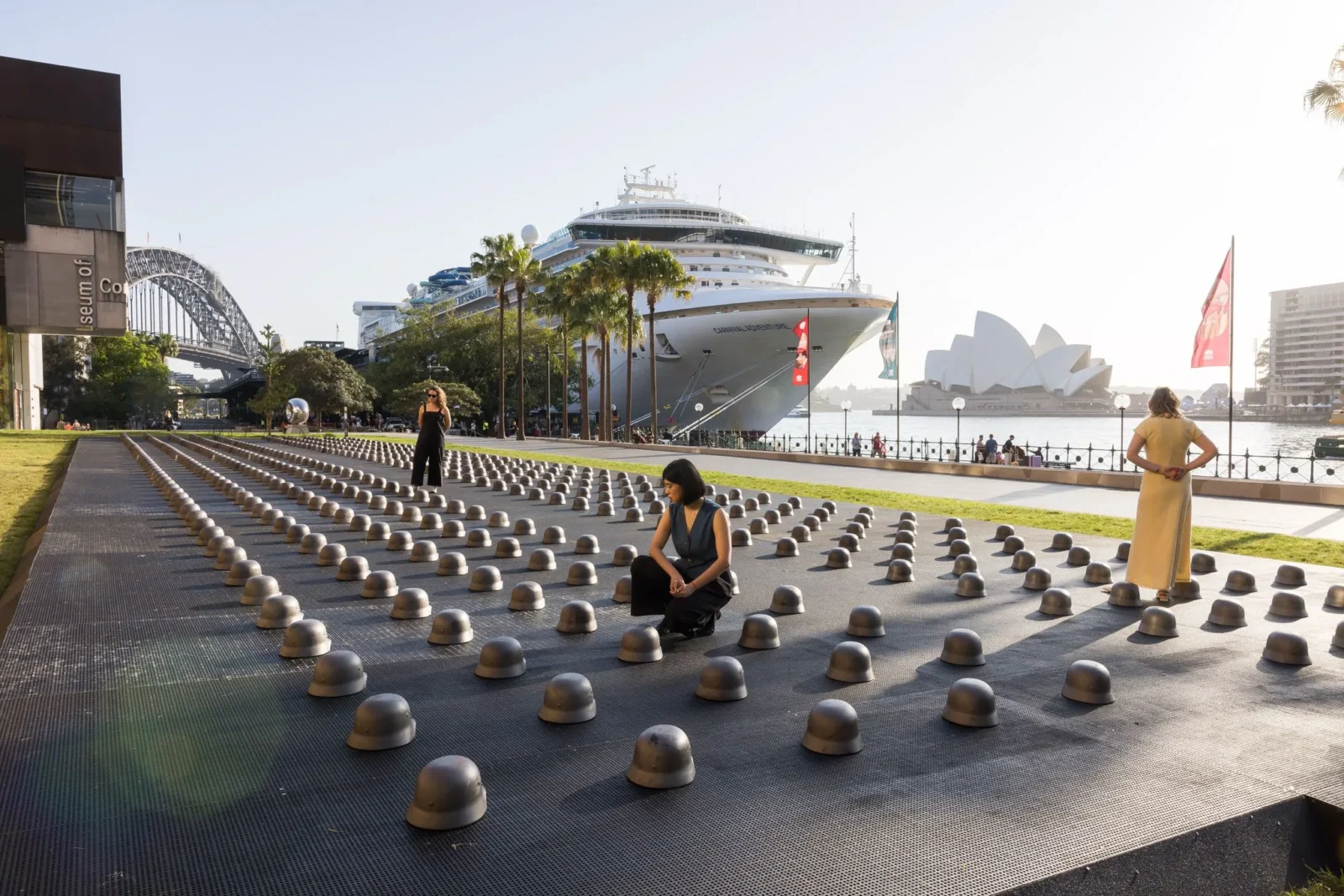
Ai Weiwei Installs 500 Cast-Iron Helmets Outside Sydney Museum
Ai Weiwei's 500 cast-iron helmets opened outside Sydney's MCA on 25 September,...
illustrarch Editoral Team2 Mins read
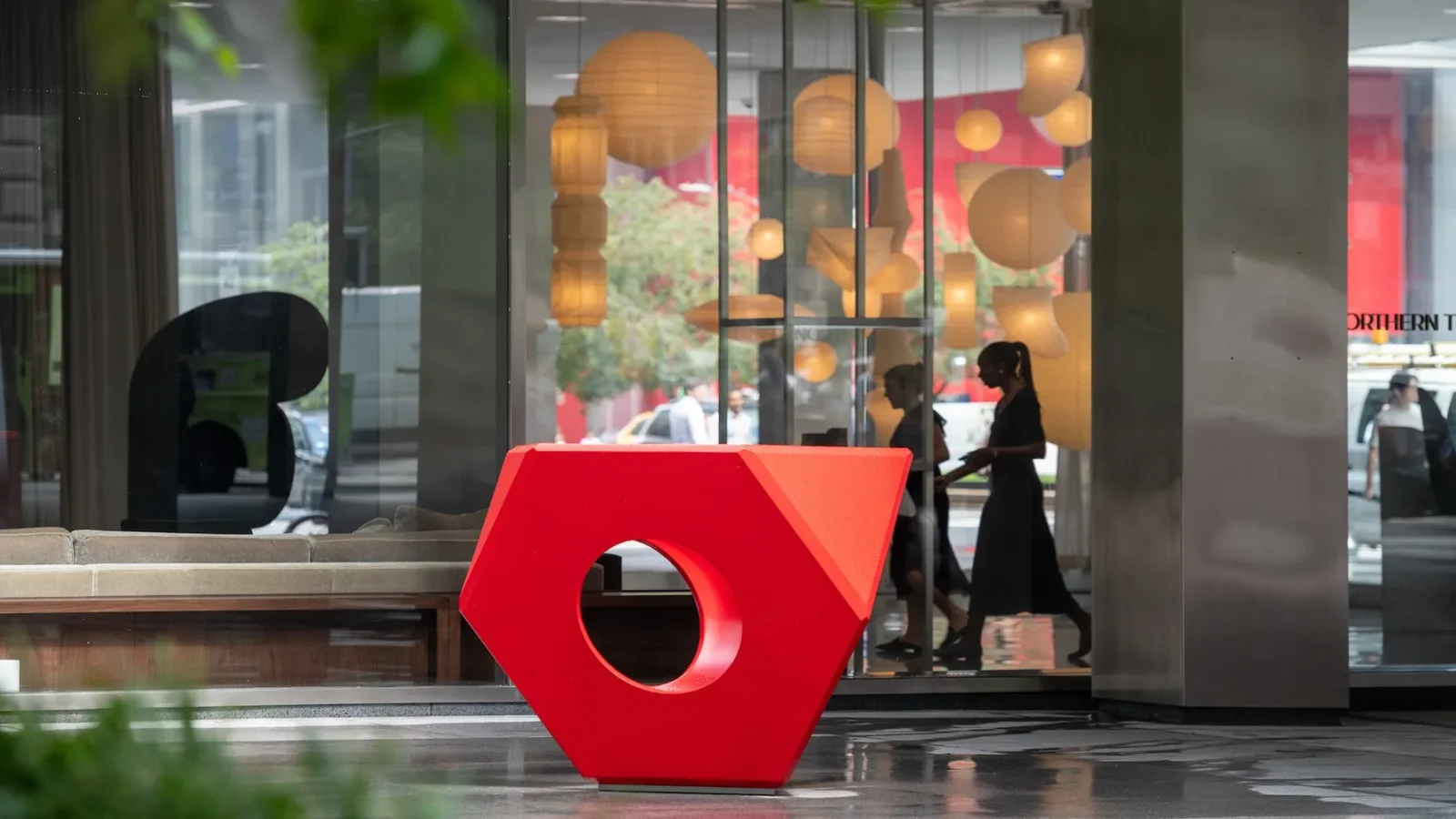
Isamu Noguchi at Lever House Traces Sculptor’s Decades-Long Collaboration with Bunshaft
Lever House's new exhibition pairs Noguchi sculptures with unbuilt garden designs made...
illustrarch Editoral Team2 Mins read
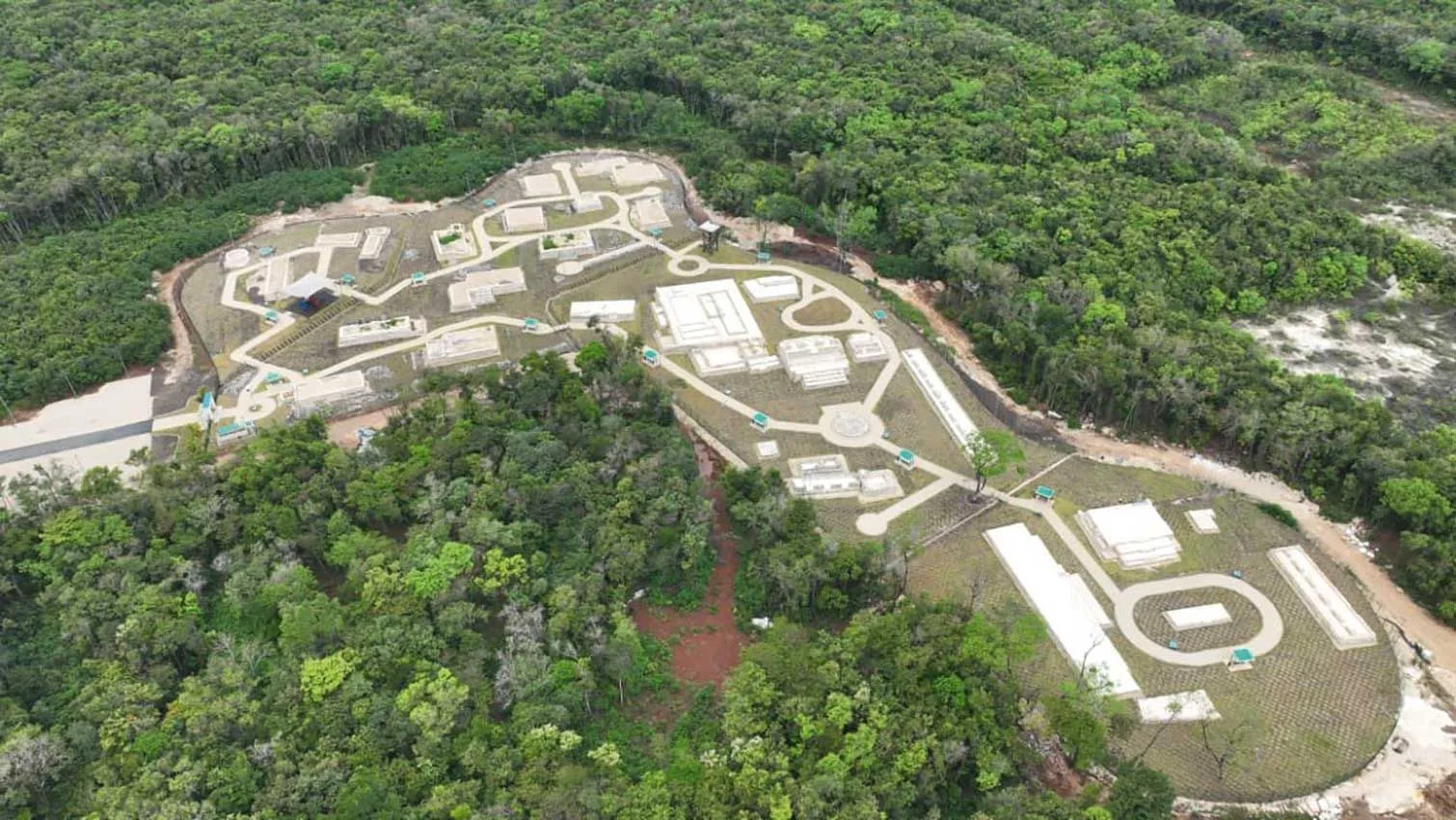
Relocated Maya Structures at Mexico’s Balam Tun Memory Park Face Legal Challenge
INAH archaeologists have filed a complaint against 26 officials over Balam Tun...
illustrarch Editoral Team2 Mins read


Leave a comment