

A Hundred Years of Art Deco Architecture
A century after its rise, Art Deco remains one of the most influential design movements in architecture and interiors. With its bold geometry, rich materials, and modern elegance, it continues to shape contemporary design. As the world marks 100 years since the 1925 exhibition in Paris, the legacy of Art Deco feels more relevant than ever.
 Elif Ayse Sen2 December 20253 Mins read201
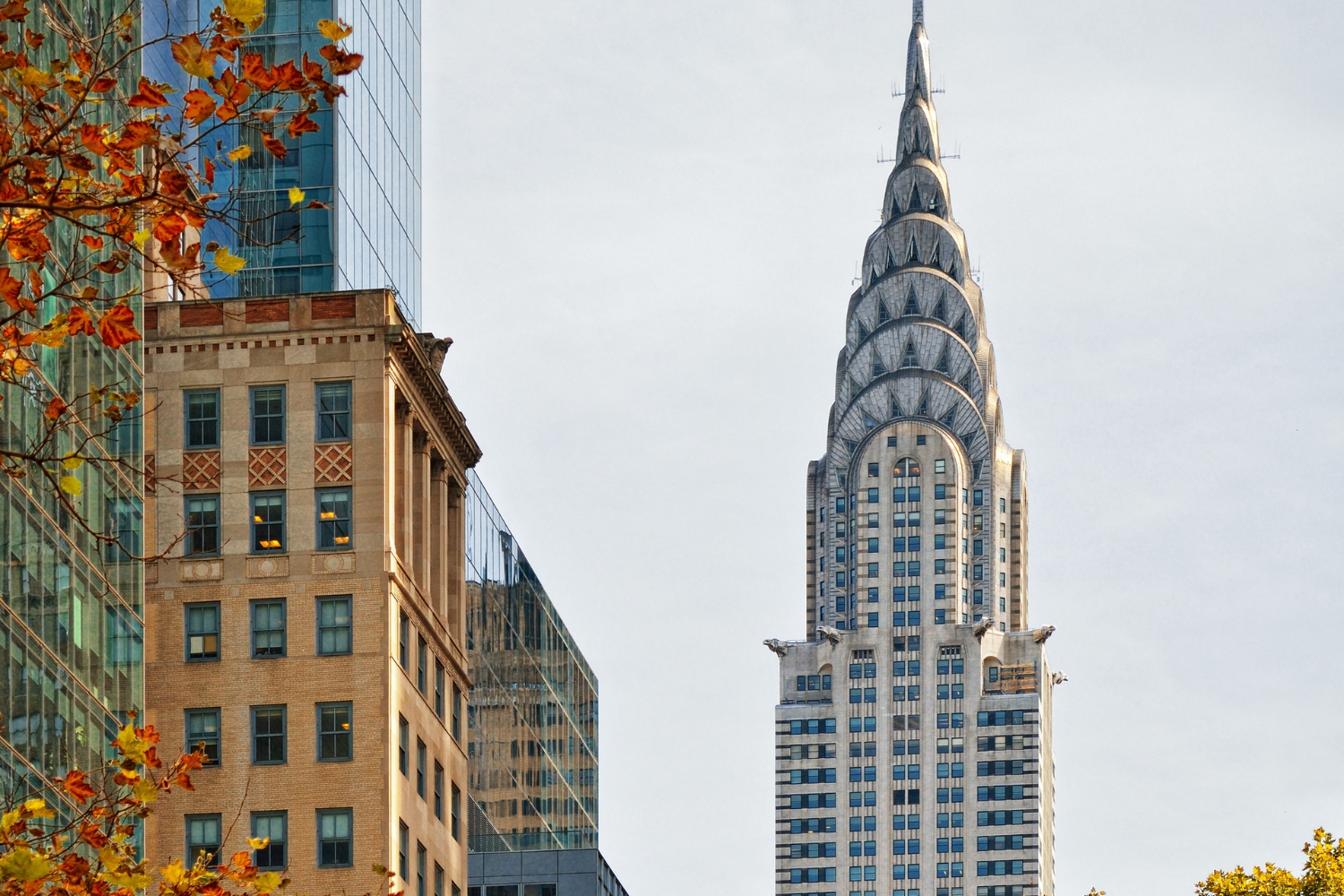
Table of Contents Show
A hundred years have passed since Art Deco burst onto the world stage, yet its influence on architecture and design remains unmistakably alive. As 2025 marks the centenary of the 1925 International Exhibition of Modern Decorative and Industrial Arts in Paris—the defining event that gave the movement its name—Art Deco continues to inspire architects, designers, and cultural institutions. The Musée des Arts Décoratifs’ commemorative exhibition, 1925–2025: One Hundred Years of Art Deco, stands as a symbolic reference point for this global celebration, reflecting how the style has evolved, endured, and been continually rediscovered.
The Birth of a Modern Aesthetic (1910s–1920s)
Emerging in the 1910s and reaching its full strength in the 1920s, Art Deco represented a dramatic shift toward modernity. It combined the organic fluidity of Art Nouveau with the cleaner lines of emerging industrial design. Early pioneers experimented with bold geometry, symmetry, and stylized ornamentation—visual tools that aligned with an age defined by speed, innovation, and a fascination with the new machine-driven world.
Art Deco became an international language. Whether in Parisian salons or American skyscraper districts, its vocabulary of zigzags, stepped forms, sunburst motifs, and metallic accents spoke of optimism and progress.
Art Deco’s Transformative Impact on Architecture
A New Architectural Identity
Art Deco introduced a structured and highly recognizable architectural language distinguished by:
-
Geometric composition
-
Streamlined forms
-
Vertical emphasis
-
Decorative motifs rooted in craftsmanship and technology
Buildings of this era blended artistry with engineering, resulting in structures that were both monumental and visually expressive. The style broke away from historical revivalism, pushing architecture into modernity while still valuing handcraft and ornament.

Iconic Architectural Symbols of the Era
The movement produced some of the most celebrated architectural works of the 20th century, including:
-
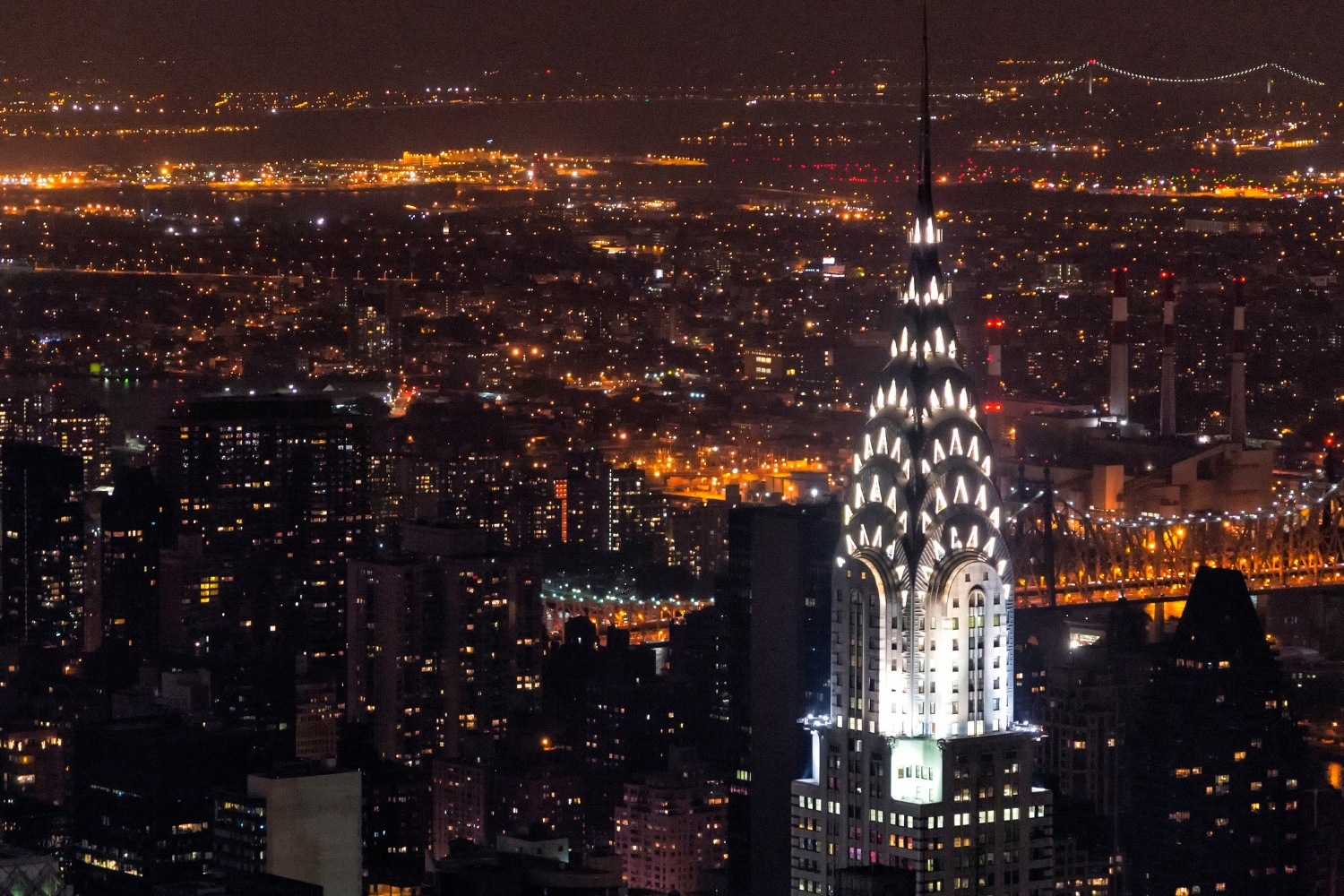
The Chrysler Building, New York
-
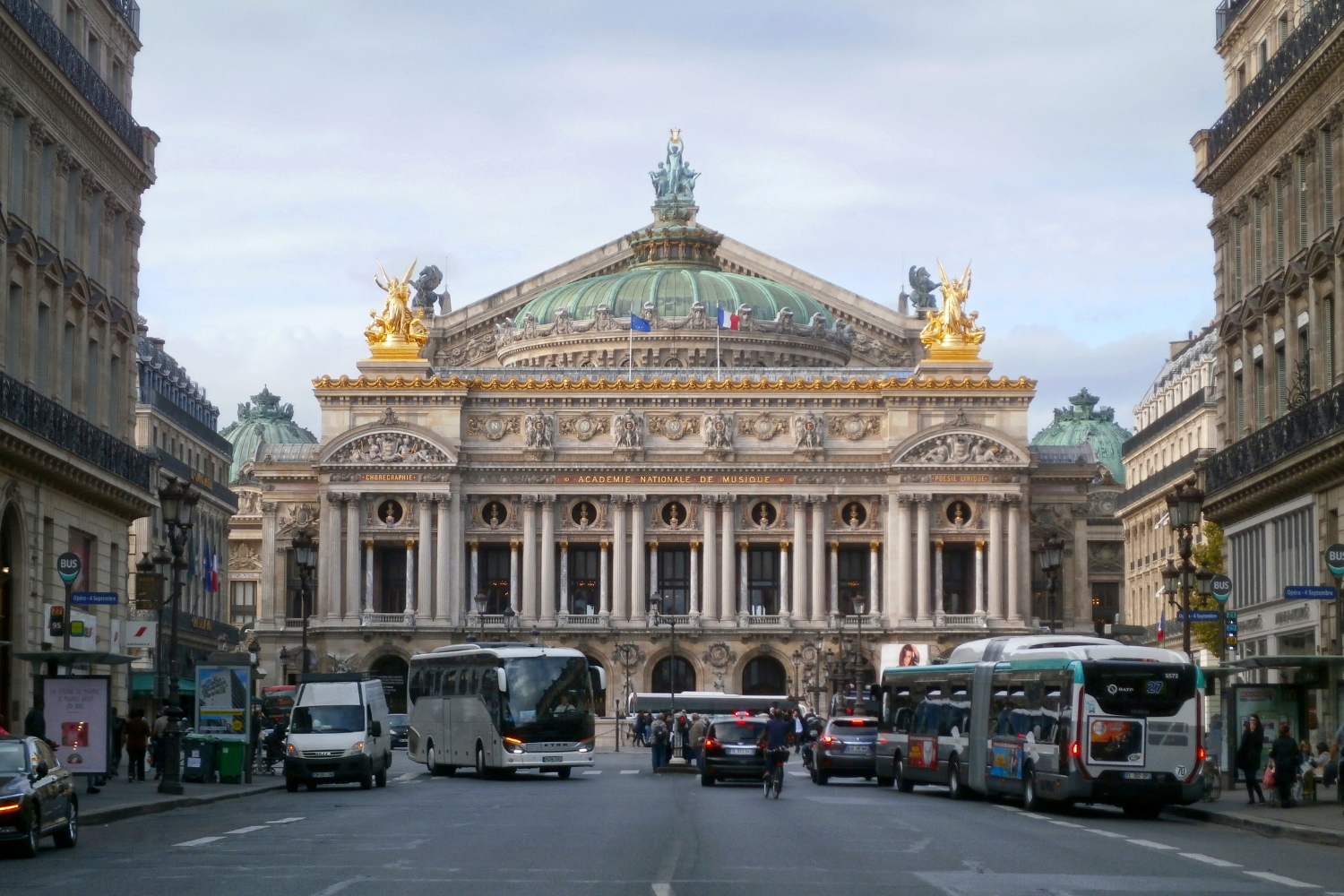
The Palais de Tokyo, Paris
-
Ocean liners, train stations, arcades, and cinemas around the world
These structures showcased a balance between bold engineering and elegant decoration. Facades often featured sculptural reliefs, stylized flora and fauna, and motifs inspired by industrial speed. The interior and exterior were conceived as a unified visual experience—one of the hallmarks of Art Deco design.
Urban Impact and Global Spread
From Miami’s pastel-colored South Beach district to Mumbai’s Art Deco residential buildings, the style spread rapidly. Its adaptability allowed cities across Asia, Europe, North America, and Africa to adopt local interpretations, blending global modernism with regional craftsmanship.

The Importance of Art Deco in Interior Design
Art Deco marked a turning point in interior design by introducing an unprecedented commitment to craftsmanship and luxury. Designers combined exotic woods, polished metals, and masterful lacquer work—notably perfected by Jean Dunand with refined techniques such as inlay, marquetry, and striking geometric textiles. Materials like shagreen, ivory, and innovative forms of glass further elevated the aesthetic, reflecting the era’s fascination with opulence and meticulous artistry. Rather than assembling rooms piece by piece, Art Deco designers approached interiors as complete compositions, where furniture, lighting, decorative objects, and textiles worked in harmony. Every element was carefully crafted to create spaces that felt both modern and luxurious, establishing a design language that continues to influence high-end interiors today.

Total Design Approach
Designers such as Jacques-Émile Ruhlmann, Eileen Gray, and Jean-Michel Frank embodied a “total design” philosophy where every detail mattered. Rooms were crafted as cohesive experiences, uniting architecture, furniture, and decoration. This holistic mindset continues to influence contemporary interior design, especially in luxury hospitality and residential projects.
Modern Resonance
Today, Art Deco’s unmistakable visual identity is enjoying a renewed popularity. Designers reinterpret its geometry, rich materials, and glamorous atmosphere in contemporary spaces. Its blend of refinement and boldness aligns naturally with current trends in boutique hotels, retail interiors, and high-end furniture design.
A Living Legacy: Why Art Deco Still Matters
A century later, Art Deco remains profoundly relevant because it:
-
Represents the first truly global design movement
-
Bridges handcraft and industrial modernity
-
Offers a timeless model of elegance and clarity
-
Shows how architecture and interiors can be both modern and richly expressive
Its ability to evolve—seen in everything from contemporary fashion to graphic design—has cemented its place as one of the most influential artistic movements of the last hundred years.
Celebrating 100 Years of Art Deco
The centenary celebrations, including the Musée des Arts Décoratifs’ 1925–2025: One Hundred Years of Art Deco exhibition, reaffirm the movement’s enduring cultural importance. By bringing historical masterpieces into dialogue with contemporary scenography, the event highlights not only the legacy of early visionaries but also the movement’s continuing impact across creative fields.
Art Deco is not just a historic style—it is a living source of inspiration. Its geometric elegance, refined materials, and forward-looking spirit still resonate with designers and architects who seek to merge beauty with innovation.



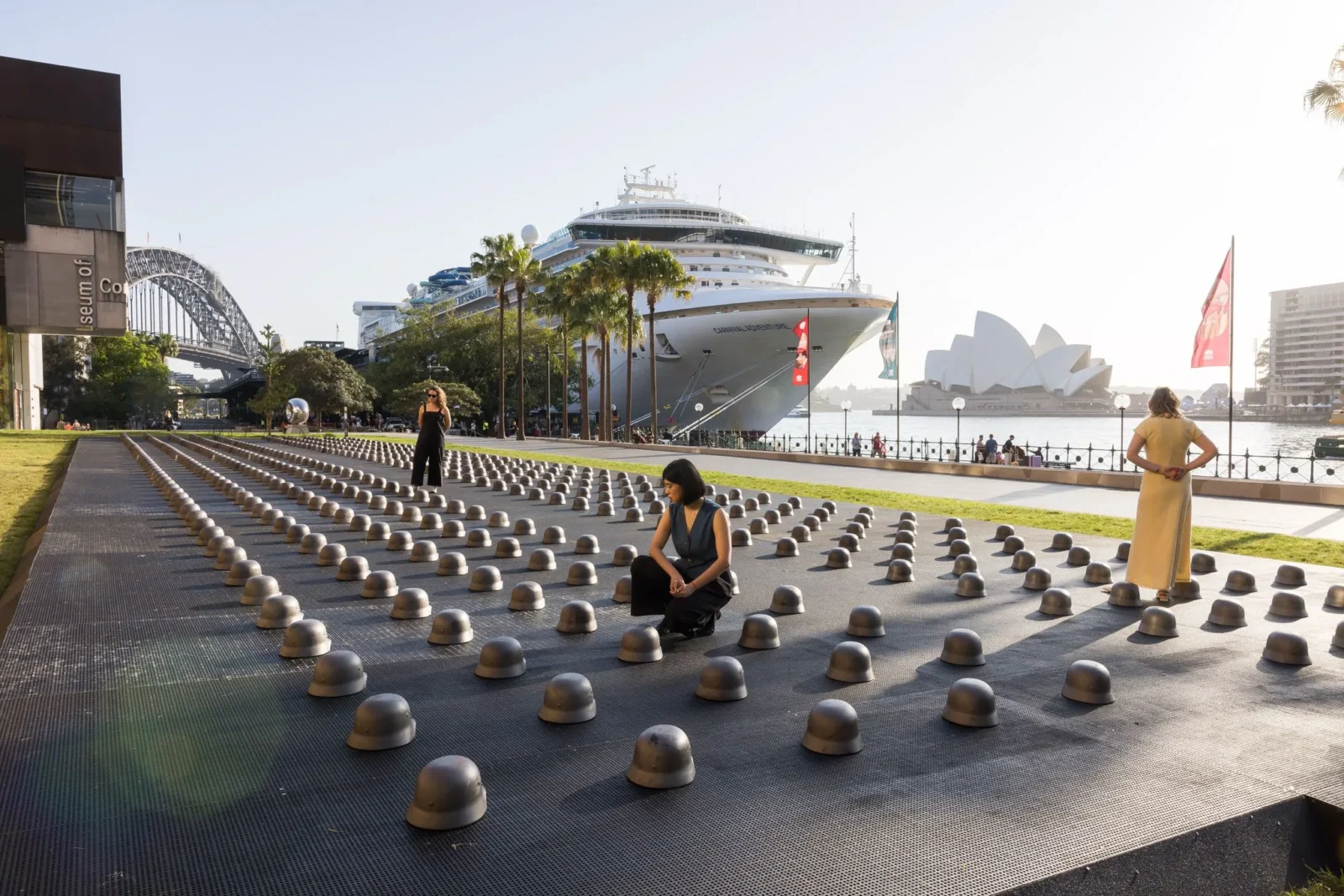
Ai Weiwei Installs 500 Cast-Iron Helmets Outside Sydney Museum
Ai Weiwei's 500 cast-iron helmets opened outside Sydney's MCA on 25 September,...
 illustrarch Editoral Team2 Mins read
Isamu Noguchi at Lever House Traces Sculptor’s Decades-Long Collaboration with Bunshaft
Lever House's new exhibition pairs Noguchi sculptures with unbuilt garden designs made...
illustrarch Editoral Team2 Mins read

The Frida Kahlo Apartment Building in San Francisco Is Listed for $8 Million
The San Francisco apartment building where Frida Kahlo and Diego Rivera lived...
Elif Ayse Sen9 Mins read
Museum Cafes: 7 of the World’s Most Stunning Places to Sit Down
7 museum cafes where the architecture does the work: Victorian refreshment rooms...
Elif Ayse Sen9 Mins read


Leave a comment