

Contemporary Architecture in Hong Kong: Density, Culture, and Design on the Edge
Contemporary Architecture in Hong Kong: a guide to transit-led density, view corridors, cultural anchors, and resilient, low‑carbon design shaping the skyline.
 Sinan Ozen31 December 20255 Mins read244
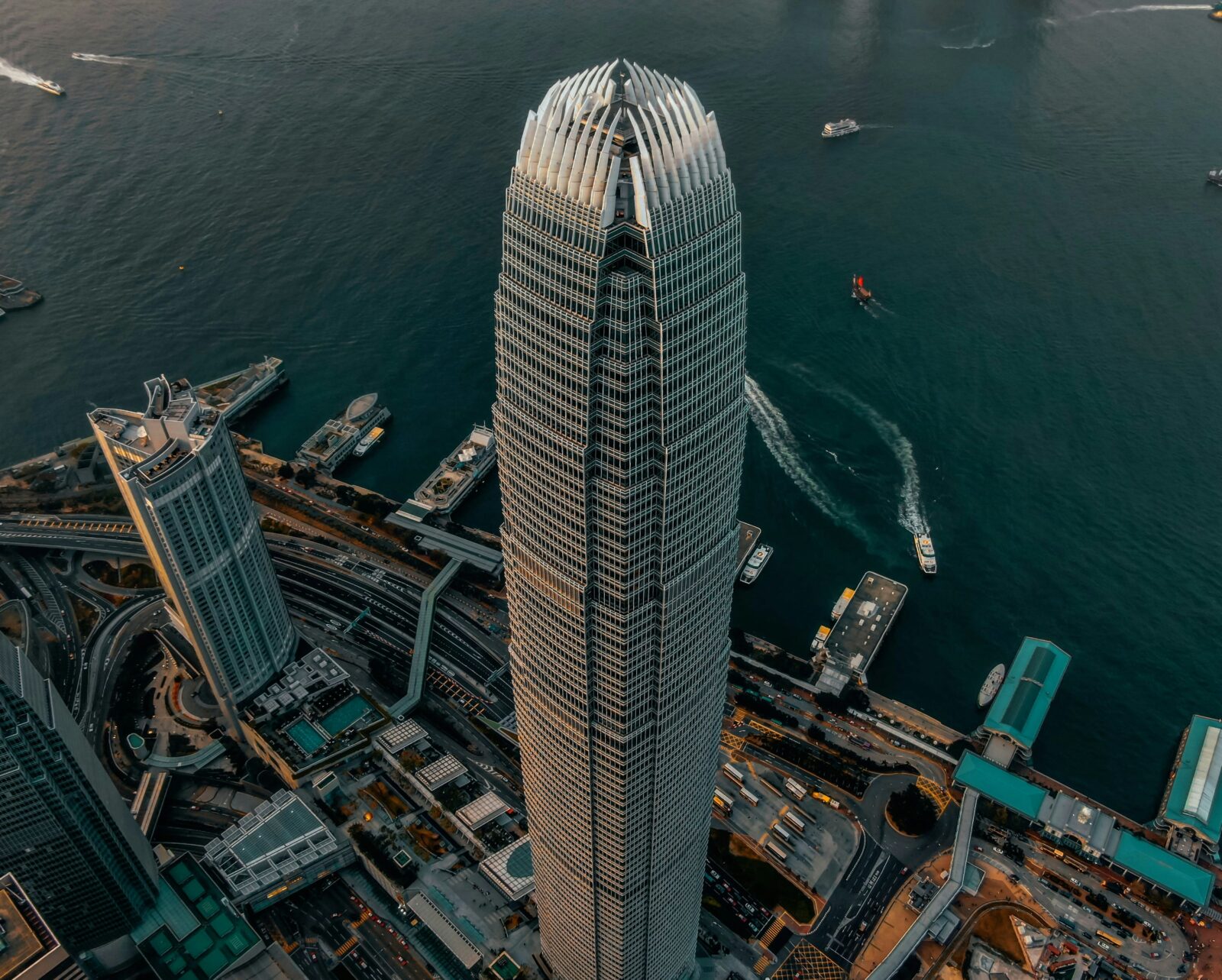
Table of Contents Show
Contemporary Architecture in Hong Kong isn’t just about tall towers, it’s a choreography of density, transit, topography, and culture squeezed onto a coastal archipelago. We design in vertical neighborhoods, thread skywalks between blocks, and hold sightlines to the harbor as if they’re a civic right. In this piece, we unpack the forces shaping the skyline, the cultural anchors redefining identity, and the resilient, low‑carbon strategies pushing the city’s next chapter.
Forces Shaping The Contemporary Skyline
Vertical Mixed-Use And Skywalks
We build cities on top of cities. Podium-and-tower stacks layer retail, offices, hotels, and homes, with plant rooms and amenities stitched in. Elevated footbridges and air-conditioned skywalks turn the second level into a weather‑proof main street, linking stations to malls and Grade-A offices. This fine-grained verticality keeps streets lively while moving huge flows of people without overwhelming ground-level crossings.

Transit-Oriented Development And The Rail-Property Model
Hong Kong’s rail‑property model remains a global case study. MTR develops land above and around stations, aligning ridership, land value, and public funding. We see compact blocks, slender towers, and podiums that plug into concourses, think Kowloon Station’s mix culminating in the International Commerce Centre (ICC). The result is walkable catchments, minimal car dependence, and a steady pipeline for high-density, mixed-use projects.
Topography, Reclamation, And View Corridors
Hills, ridgelines, and historic reclamations frame what we can build and where. Plot massing often terraces to respect view corridors to Victoria Harbour and the Peak. Reclaimed edges, West Kowloon to Kai Tak, create new urban canvases but demand careful wind, daylight, and microclimate studies so towers don’t form heat traps. We’re designing for skyline legibility as much as for net floor area.
Landmark Projects And Cultural Anchors
M+ And The West Kowloon Cultural District
M+ anchors a cultural waterfront with a pixelated façade and a horizontal podium that behaves like a landscaped plaza. We love how its galleries engage the ground plane, more campus than icon, and how the district’s promenades stitch art into daily life. It signals that Contemporary Architecture in Hong Kong isn’t purely commercial.

International Commerce Centre, K11 Musea, And Victoria Dockside
ICC’s supertall profile is the West Kowloon exclamation mark, but across the water, K11 Musea and Victoria Dockside lean into craft and curated public spaces. Stair terraces, waterfront steps, and art-filled atria invite lingering, rare in a retail-led program. These projects show how commercial imperatives can coexist with civic generosity.
Xiqu Centre And Jockey Club Innovation Tower
Xiqu Centre’s sweeping void welcomes Cantonese opera with a permeable ground level that acts as an urban living room. Zaha Hadid’s Jockey Club Innovation Tower bends circulation into exhibition: its fluid interior suits a design school’s porous culture. Both are expressive yet functional, performance first, spectacle second.
Adaptive Reuse: Tai Kwun And PMQ
Tai Kwun turns a former police compound into a layered arts precinct, mixing conservation with crisp new insertions. PMQ recasts mid-century quarters as studios and pop-ups. We take away a lesson: reuse delivers carbon savings and memory, and in Hong Kong, it also delivers sorely needed character.
Climate, Codes, And Resilient Design
Typhoon-Grade Façades And Structural Systems
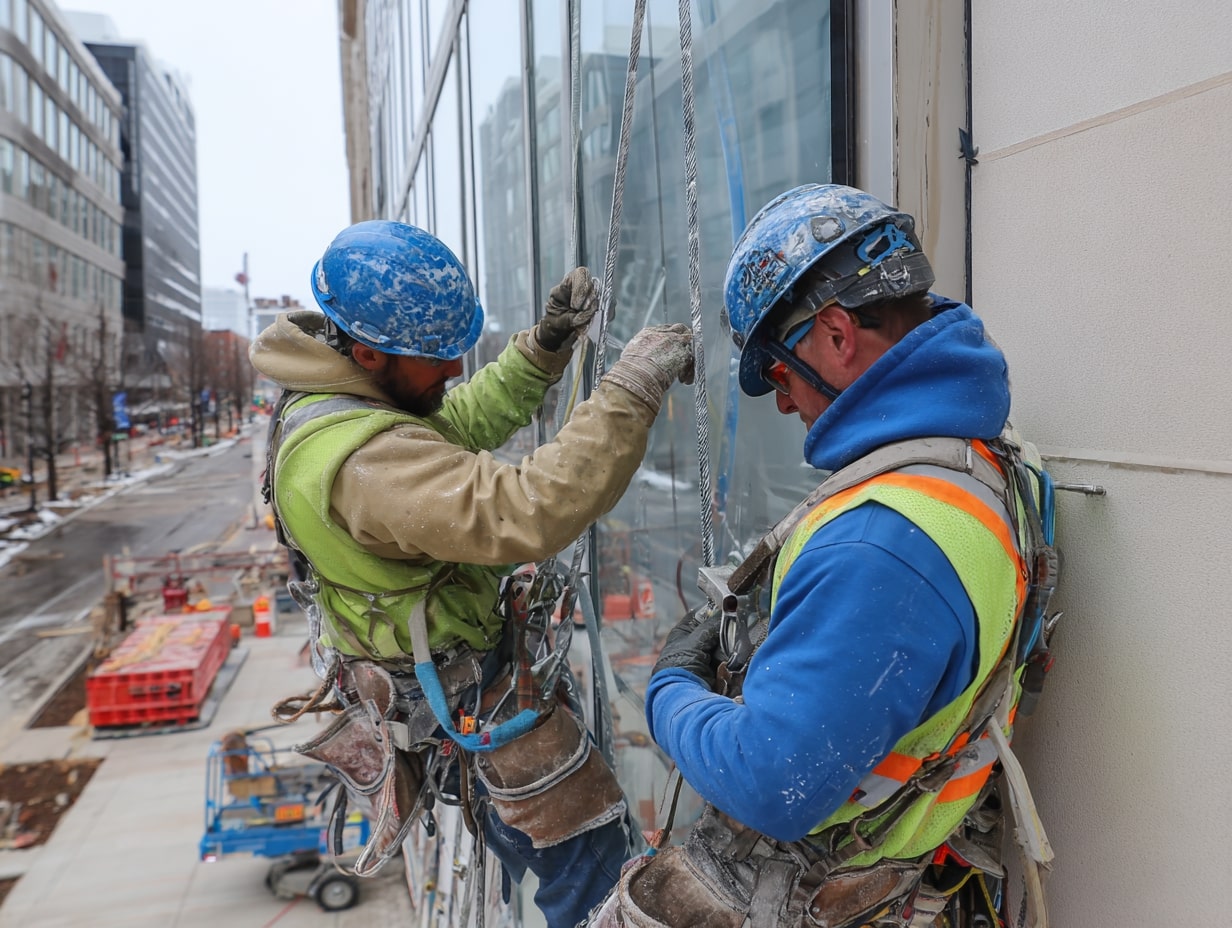
Design starts with wind. Façades carry typhoon-rated glazing, pressure-equalized systems, and robust anchorage: towers rely on stiff cores, outriggers, and tuned massing to limit acceleration. Maintenance access, impact resistance, and drain-down detailing aren’t afterthoughts, they’re survival tactics.
Subtropical Comfort: Shading, Ventilation, And MEP Strategy
We chase comfort with external fins, deep overhangs, and frit patterns that cut solar gain without killing views. High-efficiency chillers, heat-recovery wheels, and demand-controlled ventilation are standard. Increasingly, we’re opening atria to stack-effect breezes and pairing smart BMS analytics with IAQ sensors to trim energy while keeping humidity in check.
Coastal Flooding, Sea-Level Rise, And Waterfront Design
With sea levels rising and storm surges intensifying, we design set-backs, raised plant rooms, deployable flood gates, and sacrificial ground floors. Waterfront parks double as sponge landscapes: permeable paving, bioswales, and tidal edges that hold water rather than fight it.
Sustainability Standards And Construction Innovation
BEAM Plus, Retrofits, And Net-Zero Pathways
BEAM Plus drives local benchmarking alongside LEED and WELL. We’re retro‑commissioning existing towers, LEDs, VSDs, chiller upgrades, because most 2050 stock already stands. For net‑zero pathways, we pair deep envelope refurbishments with on‑site PV where possible and long-term green power agreements where rooftop area is scarce.
Modular Integrated Construction And Prefabrication
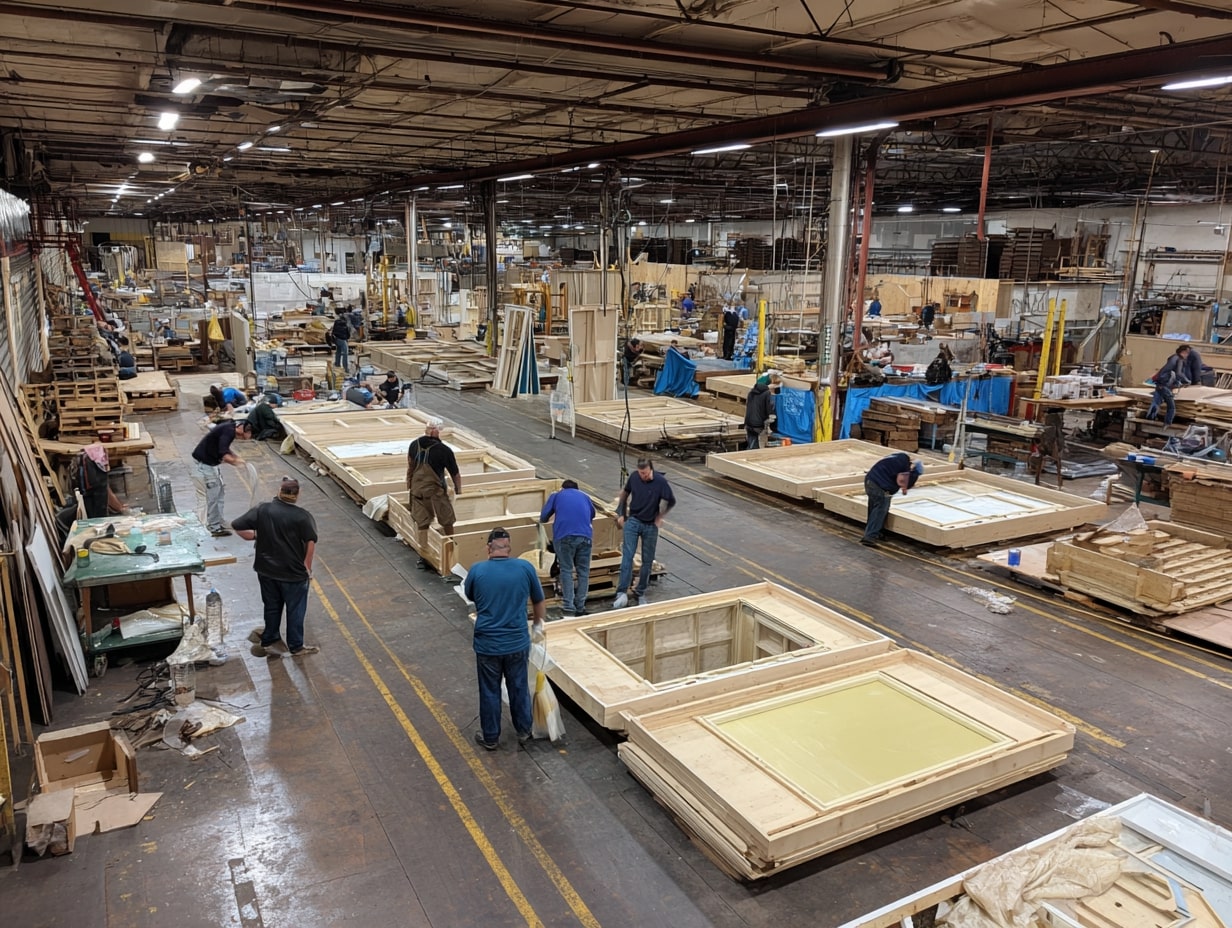
MiC (Modular Integrated Construction) accelerates housing and hotels by shifting work off-site. It lifts quality, compresses programs, and cuts neighborhood disruption. Success hinges on early coordination, structure, MEP, and façade tolerances locked before factory molds start. When done right, it’s faster, safer, and less wasteful.
Materials, Waste Reduction, And Circularity
We’re specifying low‑carbon concrete blends, recycled steel, and regionally sourced finishes. Design-for-disassembly, standardized grids, and take-back schemes help materials loop back into supply chains. Construction waste sorting and digital tracking are becoming table stakes across major sites.
Housing And The Everyday City
Public Housing Typologies And Community Amenities
From slab blocks to newer “hybrid” and “non-standard” types, public housing is where urban design meets daily life. Podium gardens, elderly centers, clinics, and kindergartens keep services within a five‑minute walk. Good lifts, daylighted corridors, and clear wayfinding matter as much as GFA.
Micro-Units, Co-Living, And Design Ethics
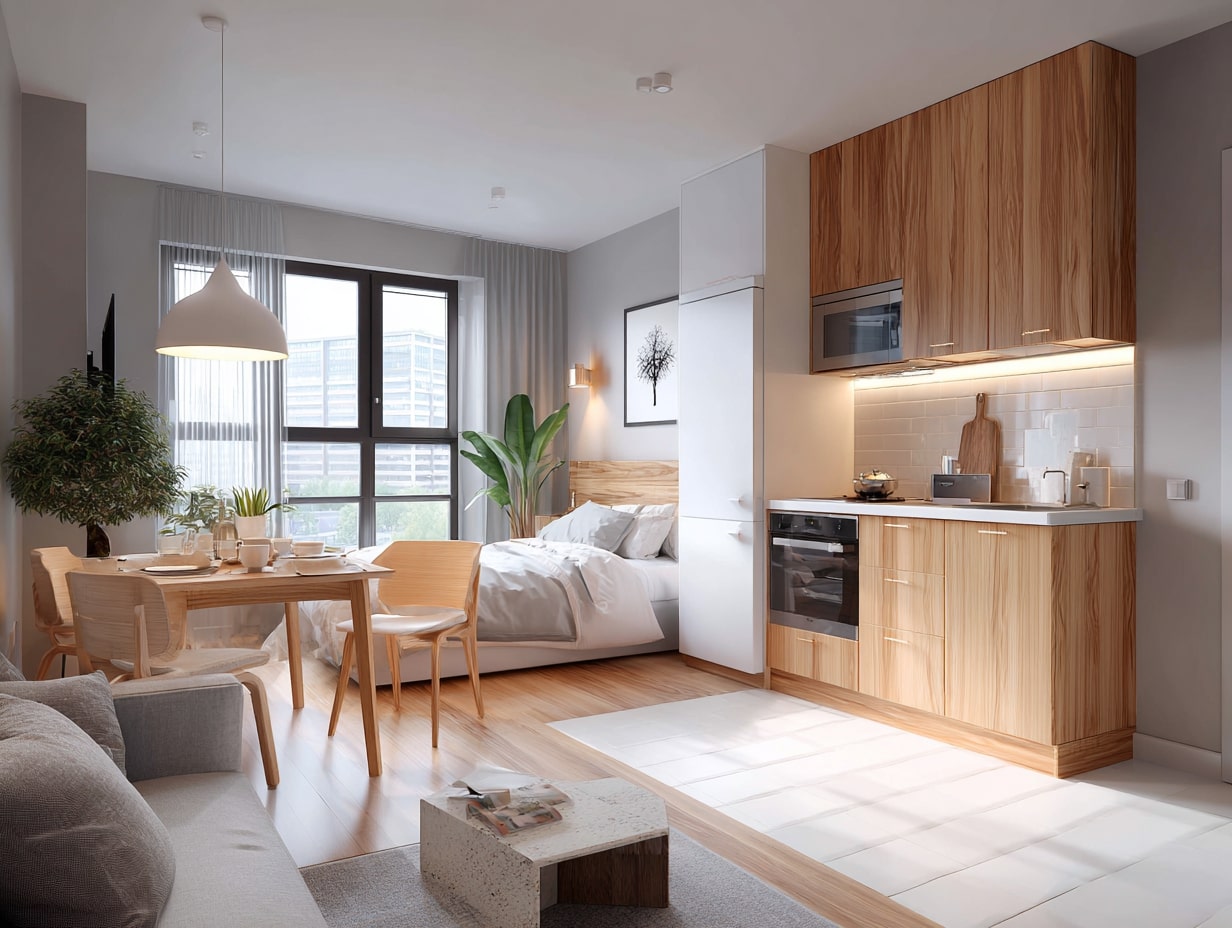
Space is precious, but dignity isn’t optional. Micro-units and co-living can work when we prioritize storage, acoustic privacy, flexible furniture, and shared kitchens that actually welcome use. We advocate for daylight, cross‑ventilation, and communal terraces so small spaces live larger.
Public Realm: Streets, Footbridges, And Harborfronts
At grade, active frontages and shade make or break walkability. Elevated links keep capacity high, but we still fight for generous sidewalks, street trees, and permeable edges to parks. Along the harbor, continuous promenades, floating pontoons, and event decks anchor civic life beyond the shopping mall.
Practice, Policy, And The Development Machine
Land Tenure, Plot Ratios, And Feasibility
Lease terms, premia, and plot ratios are the invisible hand shaping form. We navigate site coverage, setback rules, and amenity bonuses to unlock daylight and wind while keeping pro formas in the black. Massing options live or die on feasibility spreadsheets as much as on renderings.
Procurement, Cross-Border Teams, And Local Codes
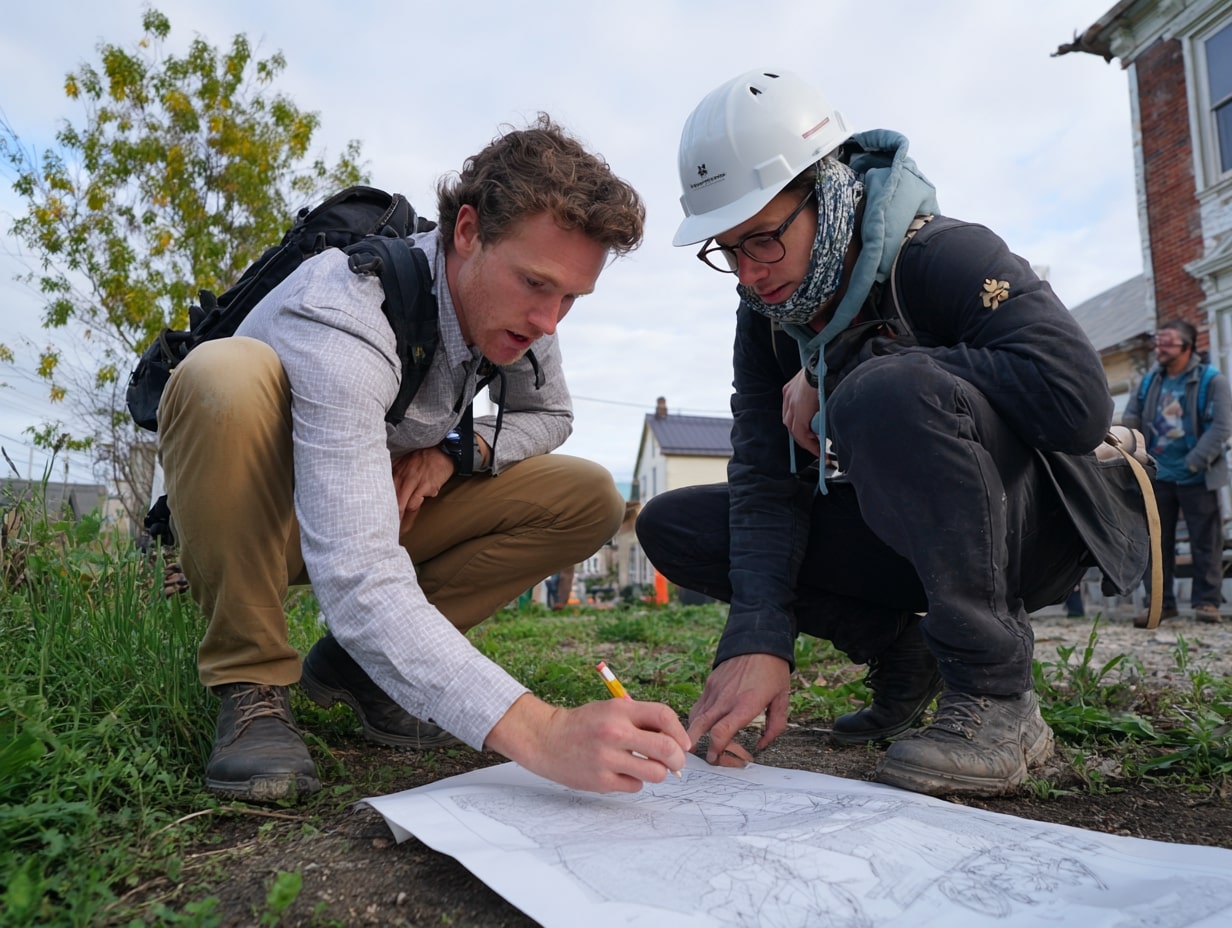
Complex briefs bring joint ventures that span Hong Kong, the Mainland, and overseas studios. Early alignment on BD and FSD requirements saves pain later, egress widths, refuge floors, fire shutters, and smoke control are coordinated upfront. Procurement routes, from design-and-build to NEC, shift risk and collaboration dynamics.
Decarbonization Finance And The Retrofit Market
Green loans, sustainability-linked bonds, and emerging carbon disclosure rules are funneling capital to upgrades. We see owners bundling quick-win retrofits with deeper works timed to lease cycles. The retrofit market is where Hong Kong can decarbonize fastest while boosting asset value.
Conclusion
Contemporary Architecture in Hong Kong thrives on constraints, tight sites, ferocious weather, and a public that expects efficiency and spectacle in the same breath. If we align transit, climate resilience, and cultural identity, we can keep building vertical neighborhoods that feel human, not just tall. That’s the city we want to pass on: dense, walkable, and defiantly alive by the water.





Vitra Museum Stages First Major Geoffrey Bawa Retrospective in Decades
Vitra Design Museum opens the first major Geoffrey Bawa retrospective in 20...
 illustrarch Editoral Team2 Mins read
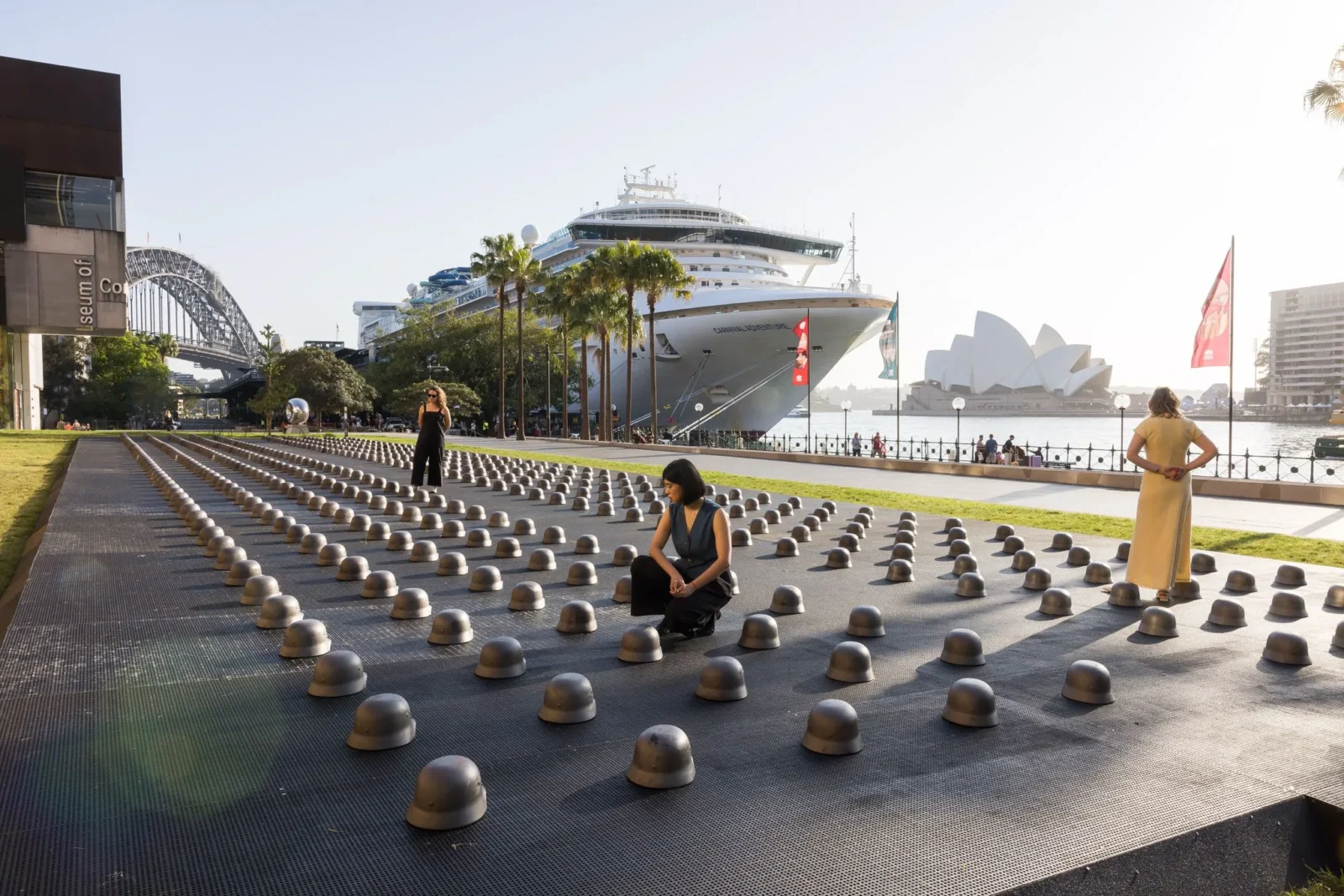
Ai Weiwei Installs 500 Cast-Iron Helmets Outside Sydney Museum
Ai Weiwei's 500 cast-iron helmets opened outside Sydney's MCA on 25 September,...
illustrarch Editoral Team2 Mins read
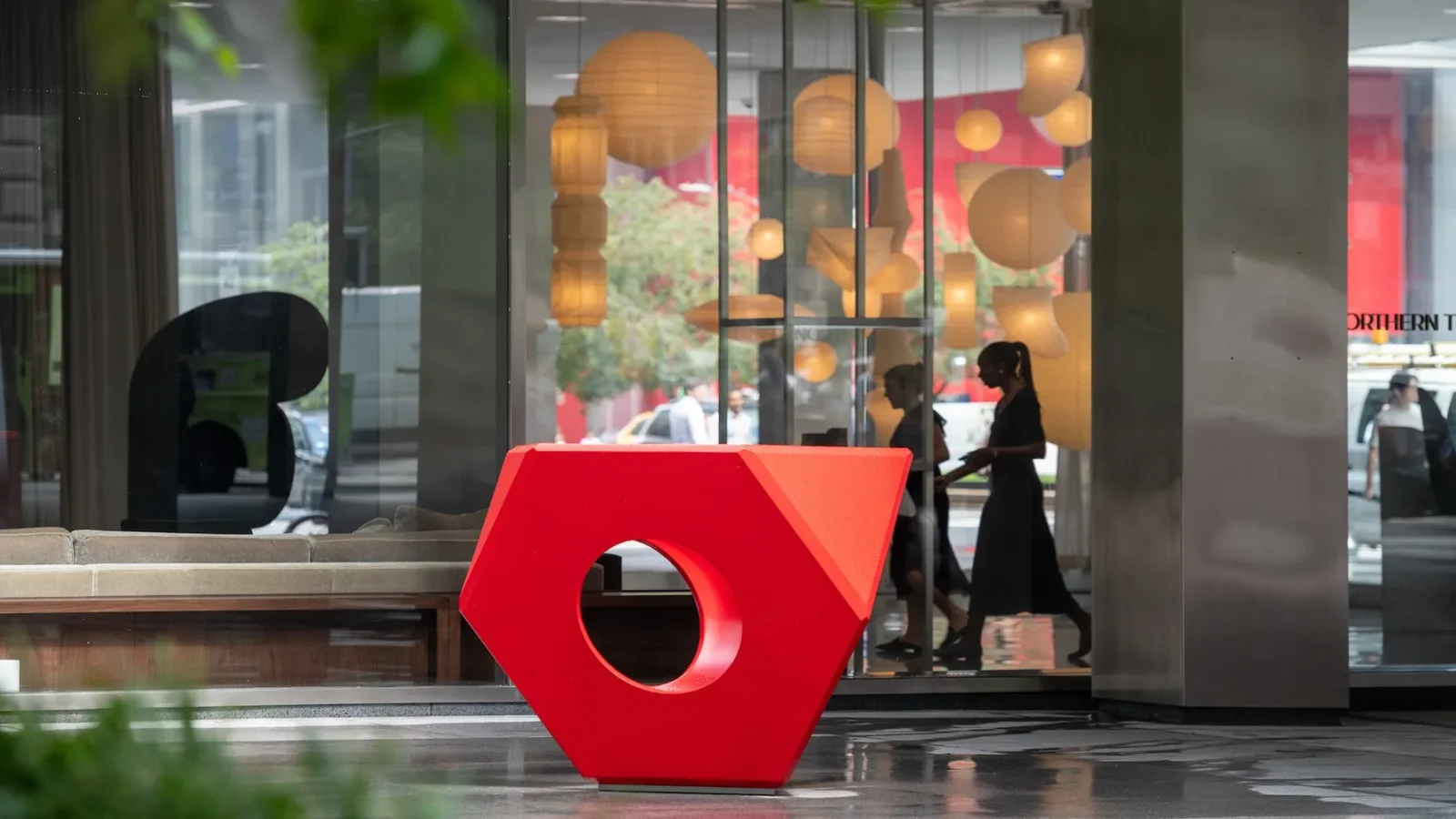
Isamu Noguchi at Lever House Traces Sculptor’s Decades-Long Collaboration with Bunshaft
Lever House's new exhibition pairs Noguchi sculptures with unbuilt garden designs made...
illustrarch Editoral Team2 Mins read

The Frida Kahlo Apartment Building in San Francisco Is Listed for $8 Million
The San Francisco apartment building where Frida Kahlo and Diego Rivera lived...
 Elif Ayse Sen9 Mins read


Leave a comment