

Architecture, Culture, and Community: Public Space Trends for 2026
Public spaces are evolving rapidly in 2026 as cities focus on people-centered design, adaptability, walkability, smart technologies, public art, and wellbeing. This article explores the key trends redefining parks, plazas, and civic spaces, showing how architects are creating more inclusive, flexible, and meaningful environments that support daily life, social connection, and urban identity.
 Elif Ayse Sen25 December 20255 Mins read400
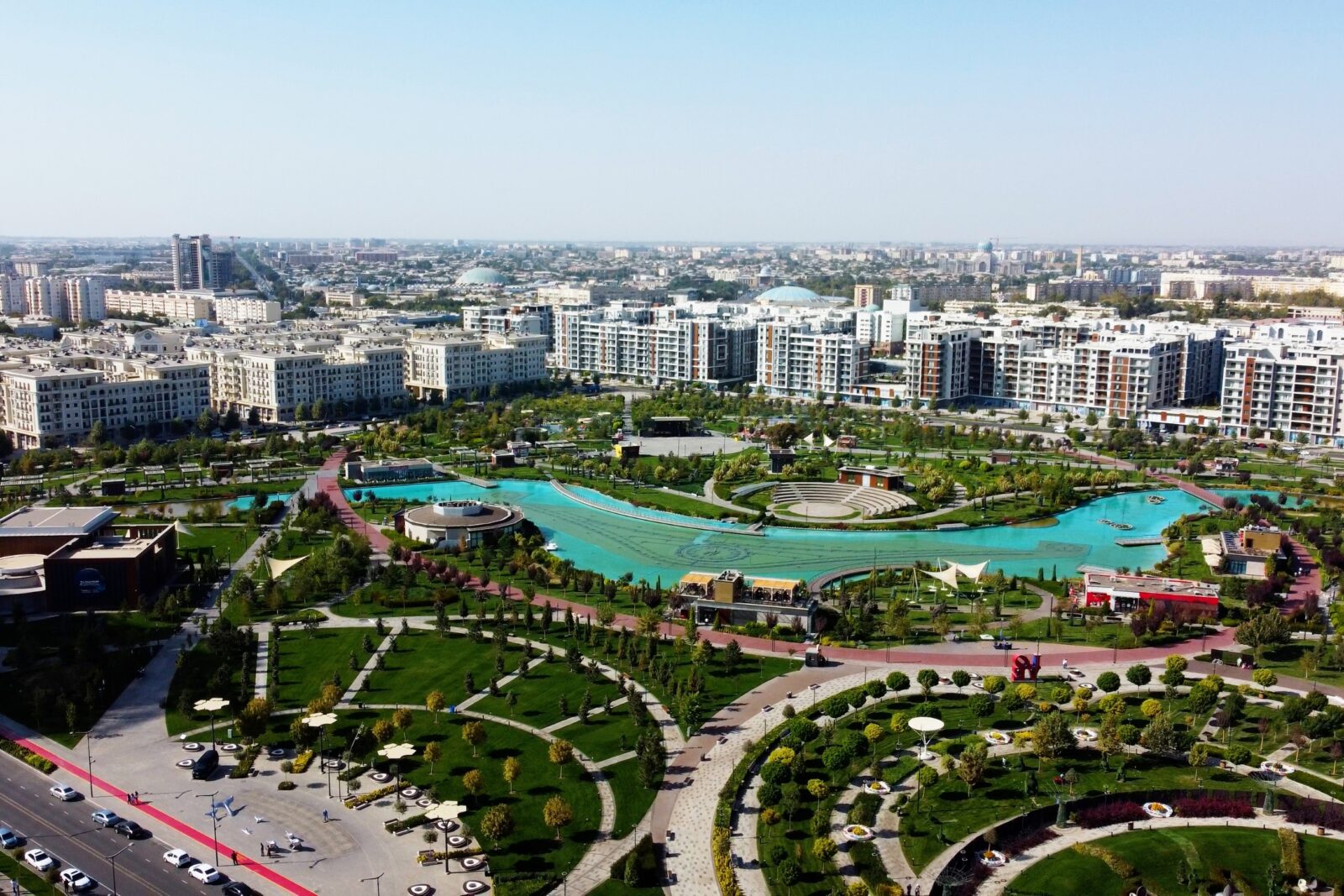
Table of Contents Show
Public spaces are changing fast in 2026. Cities are no longer designing parks, plazas, waterfronts, and civic streets only to “look good” in photos. The new goal is to create places that work better for daily life—spaces that feel welcoming, flexible, safe, and meaningful for many different people at once. This shift is happening because public life has changed: hybrid work affects how we move through cities, climate pressure demands smarter outdoor comfort, and communities expect public areas to support culture, health, and connection not just circulation. The strongest public-space projects in 2026 share one idea: design should respond to real human behavior while also building a strong identity for the city. Below are the clearest trends shaping how architects and urban designers are rethinking public space right now.
People-Centered Social Hubs
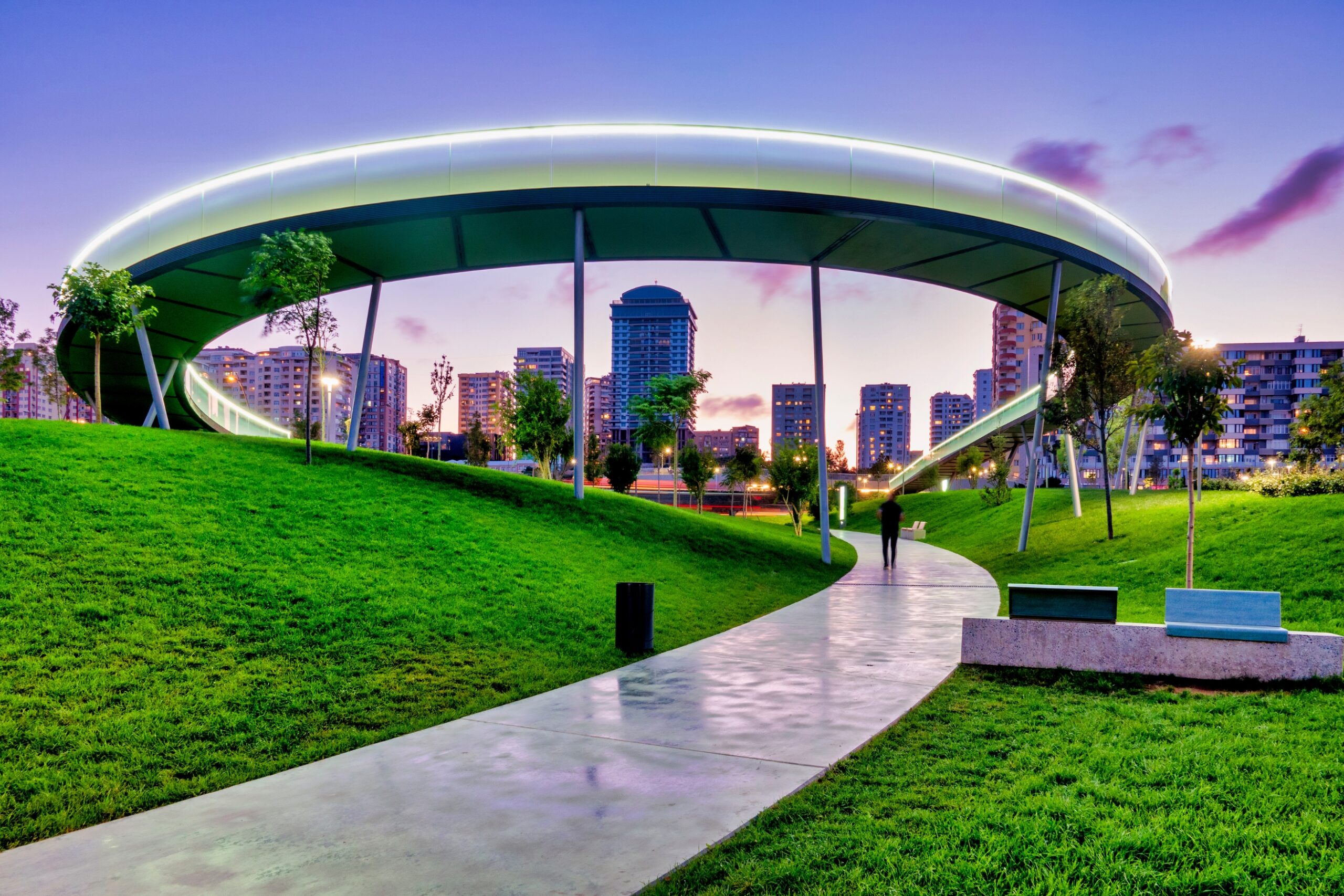
In 2026, the best public spaces are planned as social ecosystems, not empty open areas with a few benches. People-centered hubs focus on how different users actually spend time outdoors: meeting friends, resting between errands, working on a laptop, watching performances, playing with kids, or simply people-watching. Designers are shaping spaces with “micro-zones” that support different levels of privacy and energy—quiet corners with shaded seating, active edges with cafés or kiosks, and central gathering areas for events. Comfort becomes a real design tool: more backrests, better lighting, wind protection, and materials that feel warm rather than harsh. Importantly, people-centered design also means inclusive planning spaces that work for all ages, abilities, and cultural habits, with accessible routes, readable wayfinding, and furniture that welcomes different bodies and needs. In short, public spaces in 2026 are becoming more like living rooms for the city, open to everyone, but designed with care and intention.
Modular, Reconfigurable & Adaptive Spaces
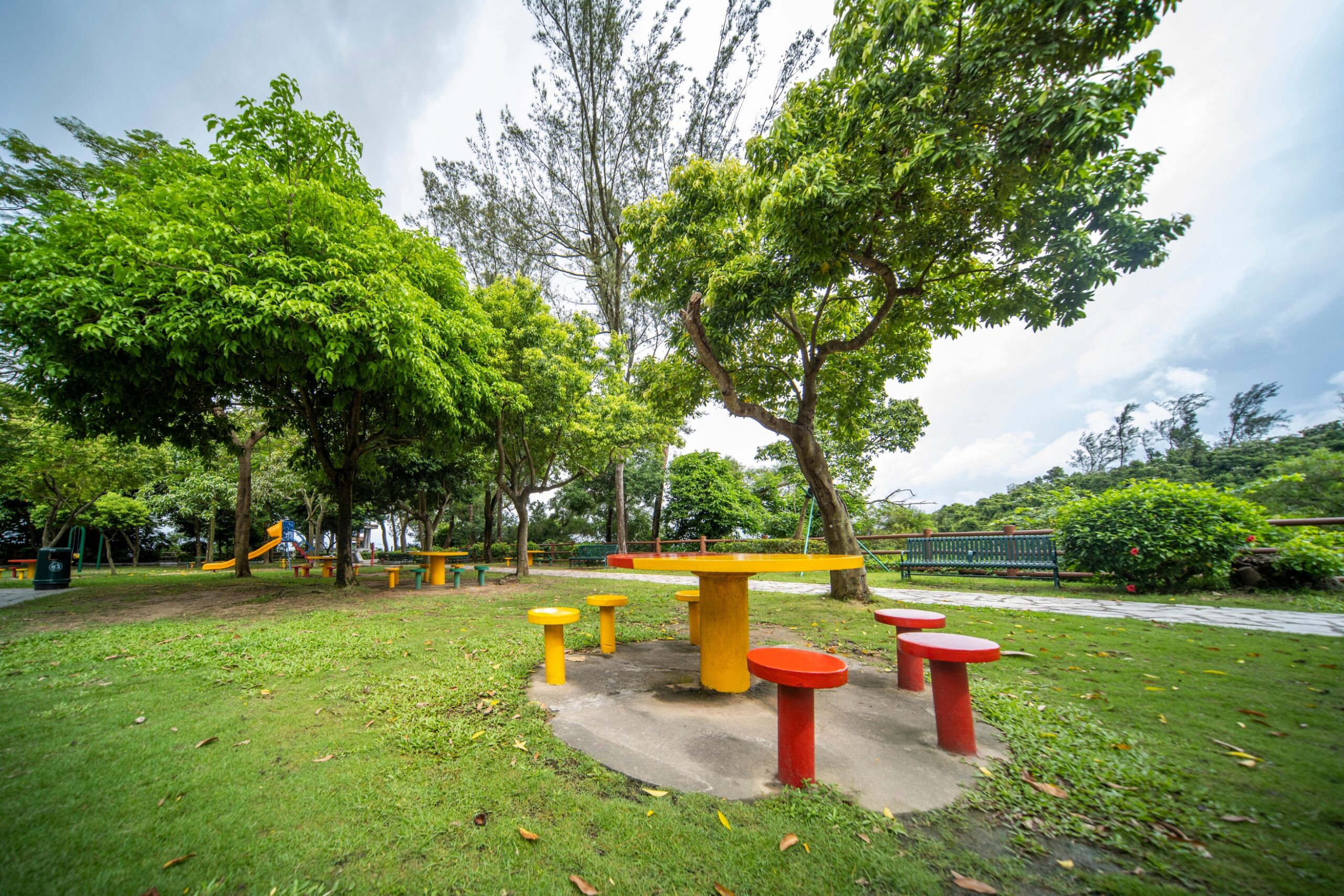
Public space design in 2026 is moving toward flexibility by default. Cities want places that can change quickly: a plaza that hosts a market on weekends, a performance at night, and a calm lunchtime space on weekdays. Modular and adaptive design makes this possible using movable seating, plug-and-play kiosks, retractable shading, and lightweight structures that can be relocated or reassembled. Some projects treat the ground plane like an “urban stage,” using power points, water access, and anchor zones so temporary programs can appear without heavy construction. This approach also helps cities respond to uncertain futures—construction phases, budget shifts, seasonal climate conditions, or new community needs. Instead of building one fixed “final” solution, architects plan for growth and change, which makes public investments stronger over time. The most successful adaptive spaces don’t feel temporary or cheap—they feel smart, because they can evolve without losing their identity.

Walkability & the 15-Minute City
The 15-minute city idea continues to shape public space in 2026, but it’s less about slogans and more about street-level experience. Walkability now means designing comfortable, safe, and attractive routes that connect daily life, homes, transit, schools, parks, shops, healthcare, and culture—without forcing people into cars. Public spaces are being treated as a network, not separate islands. Designers focus on wider sidewalks, protected bike lanes, traffic calming, shaded corridors, and better street crossings that reduce stress and increase safety. The most important upgrade is often simple: turning leftover infrastructure into human space—small pocket parks, corner plazas, community gardens, and safer intersections that encourage stopping, not just passing through. Walkability is also about dignity: seating at regular intervals, accessible ramps, clean surfaces, and lighting that makes nighttime travel feel safe. In 2026, walkable public space is seen as a form of public health and social equality, because it directly changes who can move comfortably through the city.

Digital & Smart Public Space Features
Technology in public spaces is becoming more useful and less “showy” in 2026. Smart features are being integrated to improve comfort, safety, and operations. That can include responsive lighting that brightens when people approach, sensors that help cities understand foot traffic, digital kiosks that share local information, and smart shading systems that react to sun and temperature. Some public spaces use technology quietly—monitoring heat, air quality, and noise to guide future design decisions. Others use digital layers to create new experiences, such as interactive installations, projection mapping, or location-based storytelling. The key trend is that digital tools are now expected to support human needs rather than distract from them. The best projects keep privacy and inclusivity in mind, avoiding systems that feel invasive or exclusive. When done well, smart features make public space feel more responsive—like the city is paying attention and adapting in real time.

Public Art & Visual Identity
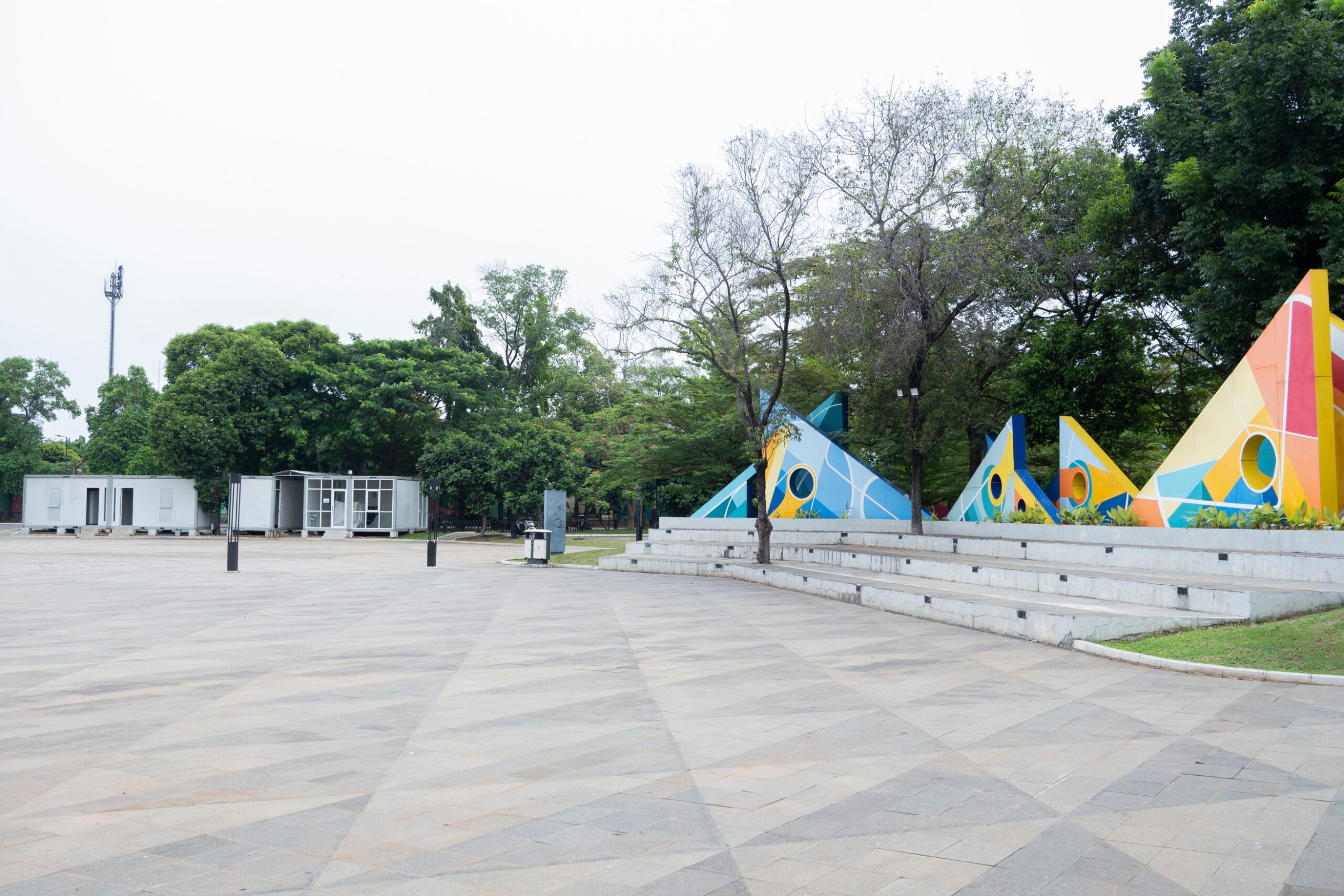
In 2026, public art is no longer treated as a “final decoration.” It’s becoming a central strategy for placemaking and identity. Cities want public spaces that feel unique and emotionally memorable, and art is one of the fastest ways to create that connection. But the trend is bigger than sculptures. We’re seeing murals, supergraphics, light art, sound-based installations, interactive pieces, and community-built works that reflect local stories. Architects and artists are also collaborating earlier, shaping the space itself—walls, ground patterns, seating, and shading structures become part of a visual narrative. Public art increasingly aims to create participation, not just observation: spaces where people take photos, gather for festivals, or contribute to evolving installations. This matters because public art can make a space feel safer, more loved, and more “owned” by the community. In 2026, visual identity is a serious urban tool: it helps people recognize a place, remember it, and return to it.
Health & Wellbeing Orientation
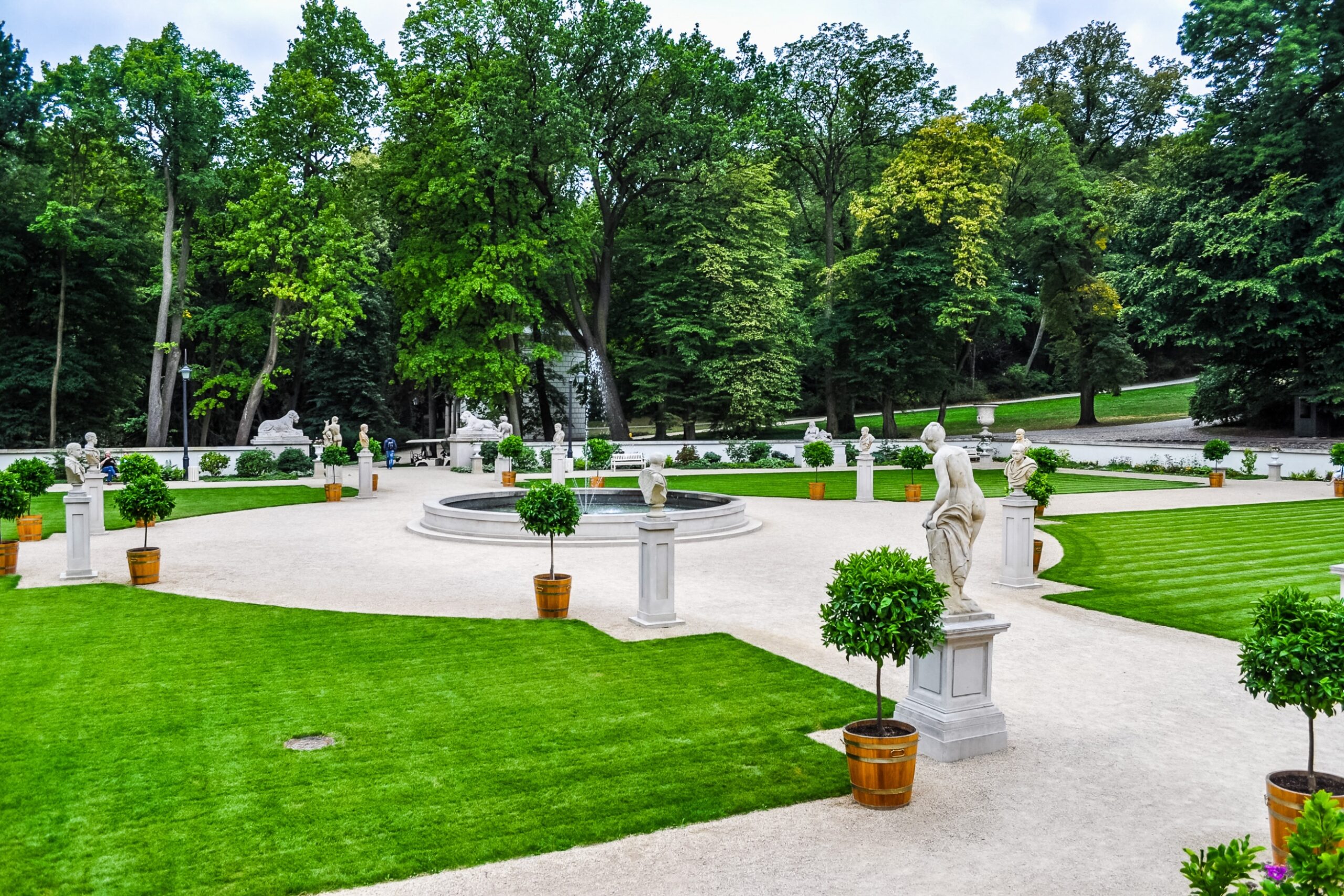
Public spaces are becoming part of a city’s wellbeing infrastructure in 2026. This goes beyond adding greenery—it’s about designing outdoor environments that actively support physical and mental health. Architects are focusing on comfort in all seasons: shade for heat, wind breaks for cold, water elements for cooling, and surfaces that reduce glare and stress. There’s also more attention to movement: walking loops, outdoor gyms, stair landscapes, bike-friendly routes, and playful elements that encourage activity for different ages. Mental well being is a major part of this trend—quiet zones, calming materials, softer lighting, and biophilic features that reduce anxiety and fatigue. Importantly, health-focused public space is also social health: spaces that reduce loneliness, support casual community interaction, and create a sense of belonging. In 2026, designers understand that wellbeing is not a luxury layer, it’s a core function of public space.
Conclusion
The top public space trends of 2026 point to one clear direction: cities are designing places that feel more human, more flexible, and more meaningful. People-centered hubs make public life easier and warmer. Modular planning helps spaces evolve as communities change. Walkability and the 15-minute city turn streets into social networks rather than traffic machines. Smart features add comfort and safety when used responsibly. Public art strengthens identity and participation, while cultural connectivity makes learning and creativity part of daily urban life. Finally, well being-focused design reminds us that the best public spaces don’t just look good—they help people live better. In 2026, great public architecture is not only about form; it’s about creating public life that lasts.




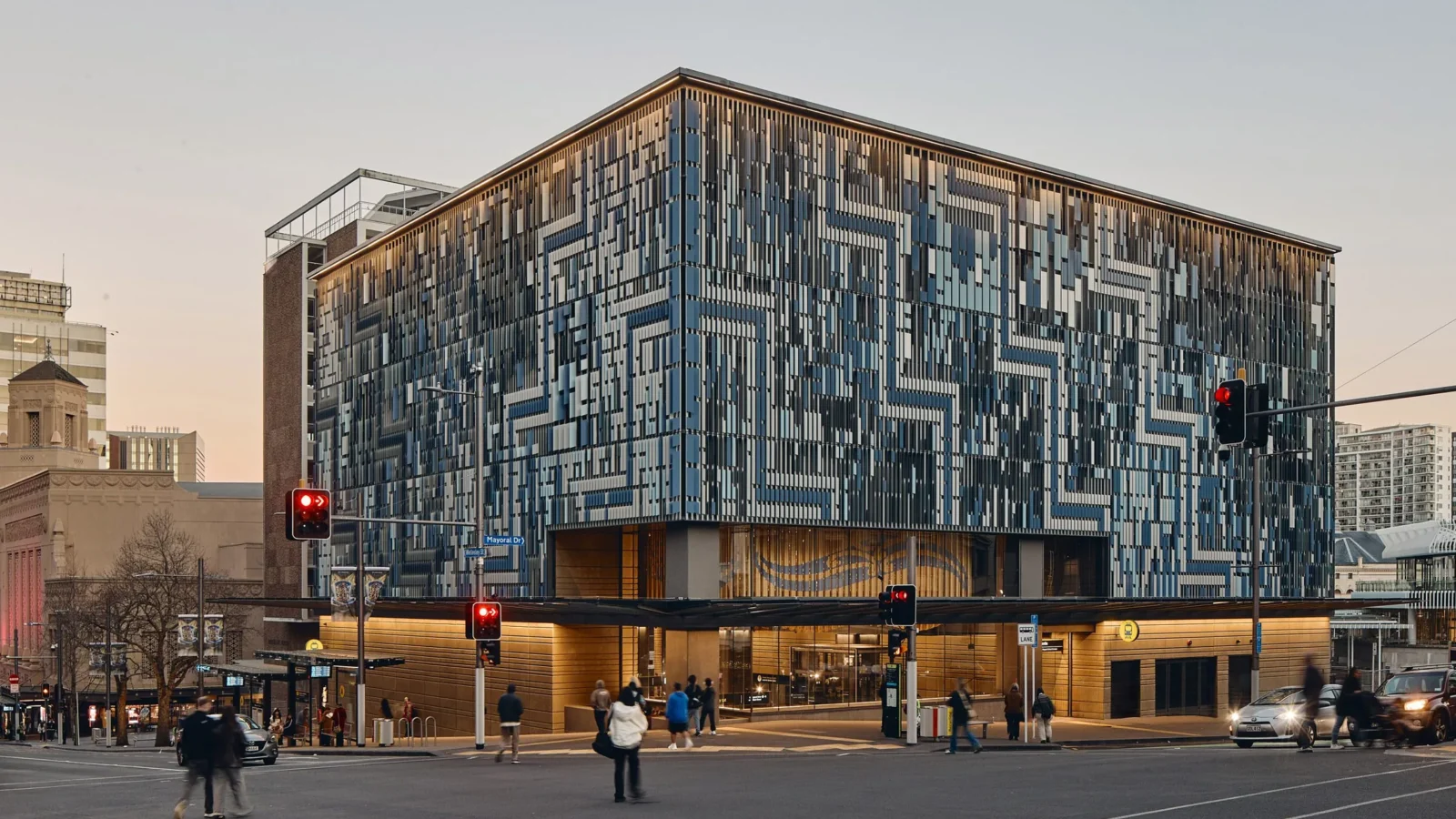
Grimshaw’s Auckland City Rail Link Stations Open Weaving in Māori Design Language
Grimshaw's three City Rail Link stations open in Auckland, built with Mana...
 illustrarch Editoral Team3 Mins read

The United States’s Most Beautiful Parks and Gardens: Our Essential Guide
Discover the United States’s Most Beautiful Parks and Gardens with expert picks,...
 Sinan Ozen4 Mins read
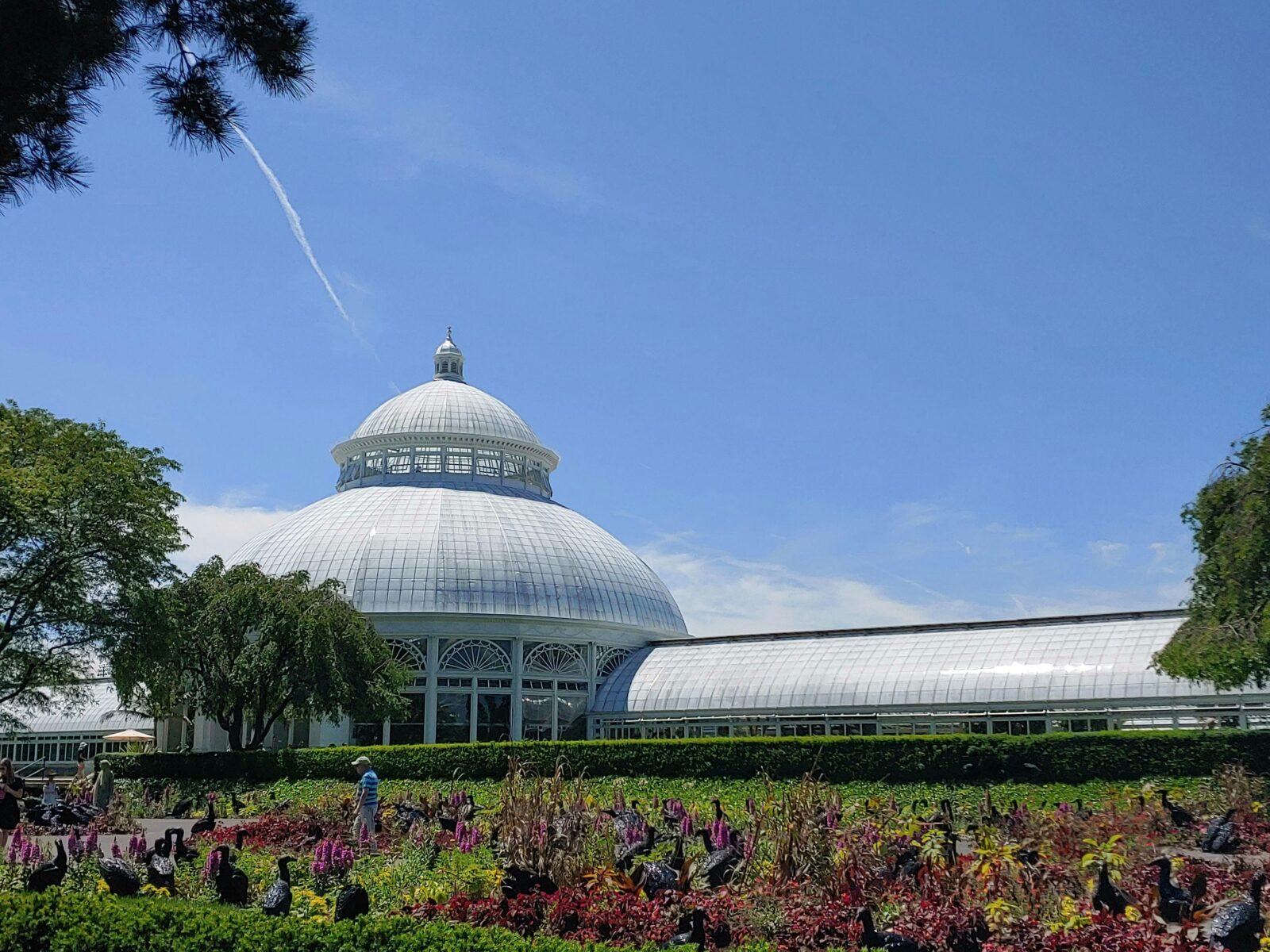
Top Botanic Gardens in the United States: Where We Go For Living Collections And Calm
Top Botanic Gardens in the United States: our expert-vetted list with when...
Sinan Ozen4 Mins read
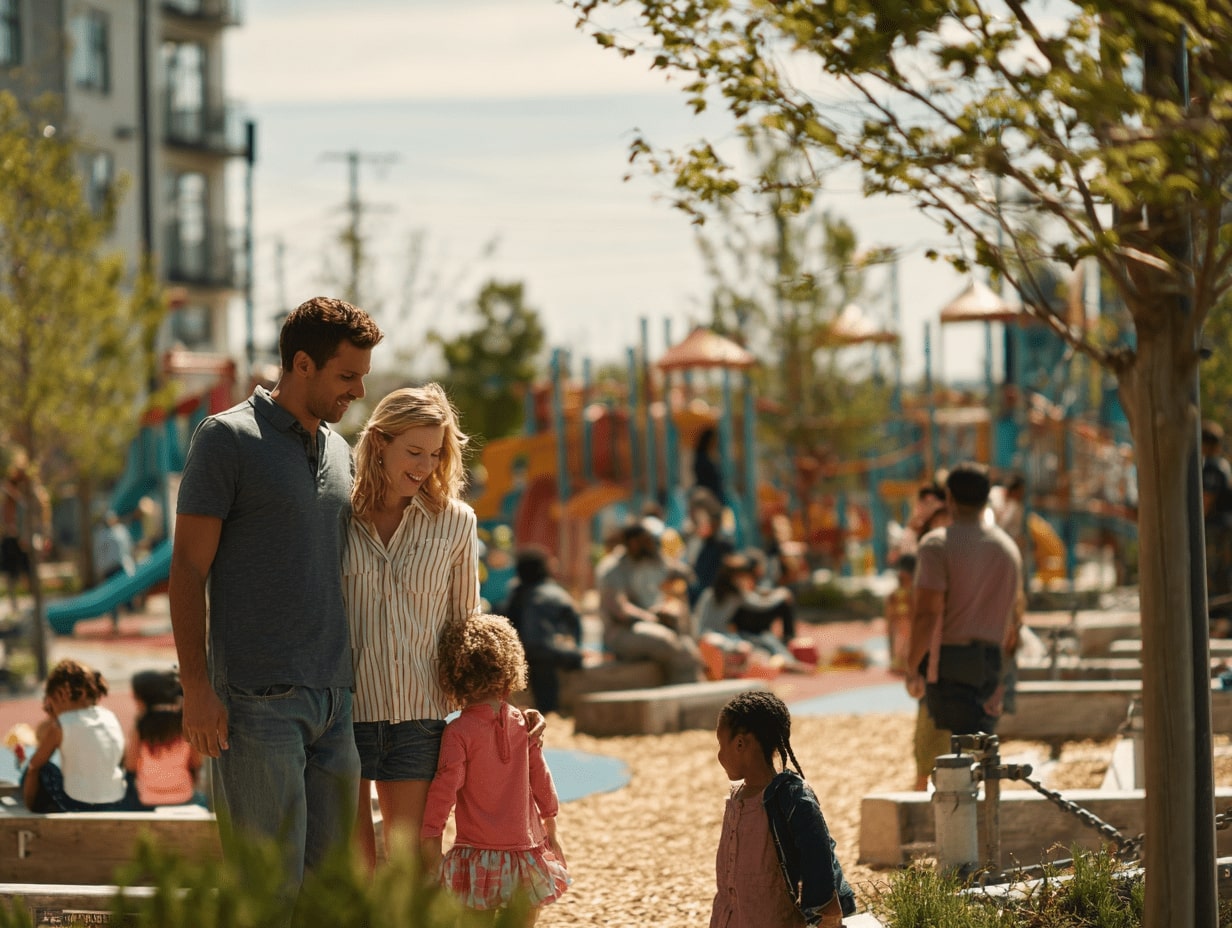
Playgrounds for the Future: Designing Through Childrens Eyes
Design future-ready playgrounds through children’s eyes. Learn what kids value—curiosity, exploration, autonomy,...
Sinan Ozen4 Mins read


Leave a comment