

Unveiling the Design Secrets of Renzo Piano
Discover the design secrets behind the Renzo Piano architecture style. This article explores the Italian architect's iconic buildings, from the Centre Georges Pompidou to The Shard and Whitney Museum, his sustainable design philosophy, and how RPBW (Renzo Piano Building Workshop) continues to shape global architecture through transparency, lightness, and human-centered design.
 Elif Ayse Sen30 November 20256 Mins read1.1k

Table of Contents Show
Quick answer: Renzo Piano is an Italian architect and a pioneer of high tech architecture, known for light, transparent buildings that express their structure. His style balances engineering and craft, seen in the Centre Pompidou, The Shard, the Whitney Museum, and Kansai International Airport.
Renzo Piano, an Italian architect of international acclaim, is celebrated for his innovative and visionary designs that seamlessly merge art, functionality, and sustainability. With a career spanning several decades, the Renzo Piano architecture style has left an indelible mark on the architectural landscape, creating masterpieces that reflect his design philosophy and his commitment to creating spaces that inspire and uplift. This article explores the design secrets of architect Piano Renzo, his notable buildings, and the underlying theories that shape his architectural approach through RPBW (Renzo Piano Building Workshop).
Renzo Piano is an Italian architect renowned for his innovative and sustainable designs. Born on September 14, 1937, in Genoa, Italy, Piano has left a lasting impact on the field of architecture. His notable works include the Centre Georges Pompidou, The Shard, and the Whitney Museum of American Art. Piano’s designs prioritize functionality, sustainability, and human-centered spaces, reflecting his commitment to creating buildings that uplift and inspire. His contributions have earned him numerous accolades, including the prestigious Pritzker Architecture Prize in 1998.

Renzo Piano Architecture Style: Core Design Philosophy
At the core of Renzo Piano’s design philosophy lies the belief in architecture as a social and environmental endeavor. The Renzo Piano style is defined by a deep commitment to transparency, lightness, and technological innovation, an approach that has earned RPBW international recognition. He emphasizes the importance of creating buildings that not only serve their intended purpose but also contribute positively to their surroundings and the well-being of their users. Piano’s works are driven by principles of sustainability, adaptability, and human-centered design. His designs often integrate natural light, ventilation, and green spaces, fostering a harmonious connection between the built environment and nature.
The architecture Piano approach is often described as high-tech architecture with a humanist sensibility. Unlike purely technical expressions, Piano infuses warmth and cultural sensitivity into every project. His long-standing collaboration with engineer Peter Rice was instrumental in developing structural systems that appear effortless yet perform at the highest level.
What Defines the Renzo Piano Style?
Several recurring elements define the Renzo Piano style across his vast portfolio of buildings by Renzo Piano. First, there is an emphasis on craft and material honesty: Piano treats each material with respect, whether it is glass, steel, terracotta, or timber. Second, his designs consistently pursue lightness, both visual and structural, often employing slender profiles and translucent facades. Third, the design piano methodology prioritizes context: every building responds to its specific site, climate, and cultural setting. Finally, sustainability is not an afterthought but a core principle woven into the earliest stages of each design.
Iconic Buildings by Renzo Piano
- The Centre Georges Pompidou, France: One of Piano’s most iconic creations, the Centre Georges Pompidou in Paris, exemplifies his innovative and unconventional approach to design. Co-designed with Richard Rogers and completed in 1977, the building’s distinctive exterior, with its exposed steel framework and colorful pipes, challenges traditional notions of architectural aesthetics. Piano’s vision was to create a building that embraced transparency and openness, where people could engage with art, culture, and each other. The Centre Georges Pompidou stands as a testament to Piano’s commitment to pushing the boundaries of design and creating dynamic, interactive spaces. This project launched both architects into the global spotlight and became a defining example of high-tech architecture.

Credit: 10 Renzo Piano buildings you must visit (telegraph.co.uk) - The Shard, United Kingdom: Rising majestically above London’s skyline, The Shard is a testament to Piano’s mastery of structural engineering and his ability to blend functionality with elegance. As one of the tallest buildings in Western Europe at 310 meters, The Shard stands as an iconic symbol of modernity and progress. Piano’s design prioritizes energy efficiency, with the building incorporating various sustainable features such as rainwater harvesting and advanced insulation systems. The Shard serves as a beacon of sustainable urban architecture, demonstrating Piano’s commitment to creating environmentally conscious structures. Its spire-like form, inspired by the masts of sailing ships and London church steeples, demonstrates how the Renzo Piano architecture style responds to local context even at a monumental scale.
- The Whitney Museum of American Art, United States: Located in New York City’s Meatpacking District, the Whitney Museum of American Art showcases Piano’s talent for seamlessly integrating contemporary architecture within a historic urban context. The museum’s design embraces a sense of openness and transparency, with expansive windows and terraces offering breathtaking views of the surrounding cityscape. Piano’s use of natural light and flexible exhibition spaces creates an environment that both honors the artwork and engages visitors in a dynamic visual experience. The Whitney Museum embodies Piano’s philosophy of architecture as a medium for cultural expression and human interaction. The building’s asymmetric, stepped form creates a series of outdoor terraces that extend gallery space into the city, a hallmark of the design piano approach to museum architecture.

Credit: Weekend Early Admission for Members | Whitney Museum of American Art - The New York Times Building, NYC, United States: Completed in 2007, this skyscraper stands as a striking symbol of modern architecture and urban sustainability. Piano’s design for the building incorporates innovative features, such as a curtain wall made of ceramic rods that adjust to optimize natural light and reduce heat gain. The tower’s transparent and open design promotes collaboration and interaction among employees, fostering a sense of community within the workplace. The New York Times Building showcases Piano’s ability to combine functionality, aesthetics, and sustainable practices to create a dynamic and environmentally conscious architectural masterpiece.

Credit: New York Times Building: Wikipedia, wolna encyklopedia
RPBW: Renzo Piano Building Workshop and Its Global Impact
Renzo Piano Building Workshop (RPBW) is the international architectural practice founded by Piano, with studios in Paris and Genoa. The firm operates with a collaborative, workshop-based model that reflects Piano’s belief in architecture as a collective craft rather than the work of a solo genius. RPBW has completed over 140 major projects worldwide, spanning cultural institutions, commercial towers, residential complexes, and urban masterplans.
The practice’s recent projects continue to demonstrate the evolving Renzo Piano architecture style. In 2026, RPBW unveiled plans to transform Paris’s Montparnasse Commercial Centre into a pedestrian-oriented district, reconnecting three arrondissements through new public plazas and sustainable timber construction. Meanwhile, the KYKLOS Cultural Center in Piraeus, Greece, currently under construction and expected to complete by 2028, exemplifies how architect Piano Renzo continues to create open, light-filled spaces that balance art, landscape, and public life.
Other Notable Buildings by Renzo Piano
Beyond the projects discussed above, the buildings by Renzo Piano span an extraordinary range of typologies and geographies. The Kansai International Airport in Osaka (1994) features a 1.7-kilometer-long terminal building whose aerodynamic roof channels wind currents for natural ventilation, a landmark in sustainable airport design. The Jean-Marie Tjibaou Cultural Centre in New Caledonia (1998) uses woven wooden structures inspired by traditional Kanak architecture, proving that the Renzo Piano style can adapt to any cultural context. The Centro Botín in Santander, Spain (2017) hovers above the waterfront on slender columns, reconnecting the city center to the sea through a public park beneath the building.
Other important works include the Academy Museum of Motion Pictures in Los Angeles (2021), where Piano designed a spectacular glass-and-concrete sphere housing a 1,000-seat theater, and the Stavros Niarchos Foundation Cultural Center in Athens (2016), which integrates a national library, opera house, and public park into a single green architecture complex topped by a vast solar canopy.
Renzo Piano’s Approach to Sustainable Architecture
Sustainability has been central to the Renzo Piano architecture style long before it became an industry standard. Piano views sustainable design not as a set of technical requirements but as an ethical responsibility. His buildings consistently employ passive strategies, natural ventilation, daylighting, thermal mass, and green roofs, before turning to active mechanical systems.
The California Academy of Sciences in San Francisco (2008) exemplifies this philosophy with its living roof, planted with native species that provide insulation and manage stormwater. The design piano strategy here achieved LEED Platinum certification while creating one of the most visited sustainable buildings in the world. As the architecture industry moves toward net-zero targets, Piano’s decades-long commitment to sustainable architecture positions RPBW as a model for future practice.
Legacy and Influence of Architect Piano Renzo
Renzo Piano’s design secrets lie in his unwavering commitment to sustainable, adaptable, and human-centered architecture. Through his masterpieces, such as the Centre Georges Pompidou, The Shard, and the Whitney Museum of American Art, Piano showcases his ability to push boundaries, challenge conventions, and create buildings that harmonize with their surroundings. His visionary approach to design, coupled with his deep respect for the environment and the human experience, has cemented his legacy as one of the most influential architects of our time.
The Renzo Piano style continues to influence a new generation of architects who see buildings not as isolated objects but as contributors to urban life and ecological balance. Alongside other celebrated architects such as Peter Zumthor and Zaha Hadid, Piano has demonstrated that great architecture balances innovation with responsibility. His works continue to inspire architects and shape the future of architectural design, inviting us to reimagine the possibilities of the built environment.
Frequently Asked Questions
What is Renzo Piano’s architecture style?
Renzo Piano works in the high tech tradition, designing light, transparent buildings that reveal their structure. His work blends engineering precision with careful craft and a sensitivity to place.
What buildings did Renzo Piano design?
His famous works include the Centre Pompidou in Paris, The Shard in London, the Whitney Museum in New York, Kansai International Airport in Japan, and the New York Times Building.
Has Renzo Piano won the Pritzker Prize?
Yes. Renzo Piano received the Pritzker Prize in 1998, honoring his inventive and humane approach to modern architecture.





Interior Design for Commercial Spaces: Enhancing Functionality and Brand Identity
Commercial interior design has to serve brand, function and regulation at once....
 Begum Gumusel4 Mins read
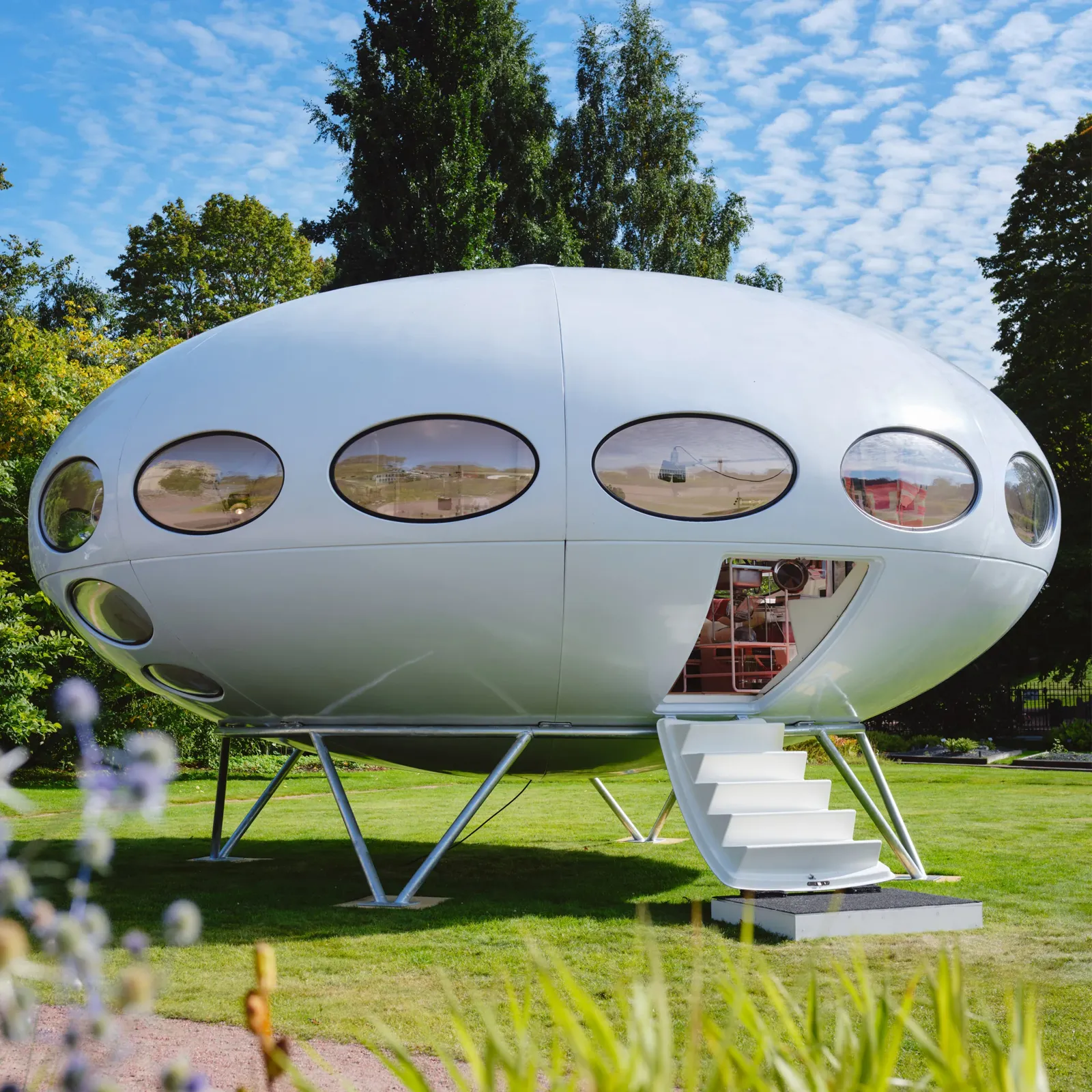
Futuro House Production Revived in Finland After Decades-Long Hiatus
A Facebook listing for abandoned moulds led to the first new Futuro...
 illustrarch Editoral Team3 Mins read
Building Your Dream Home in NSW: What You Should Know About Montgomery Homes
Montgomery Homes has been building across Sydney, Newcastle, the Hunter, Wollongong and...
illustrarch Editoral Team4 Mins read
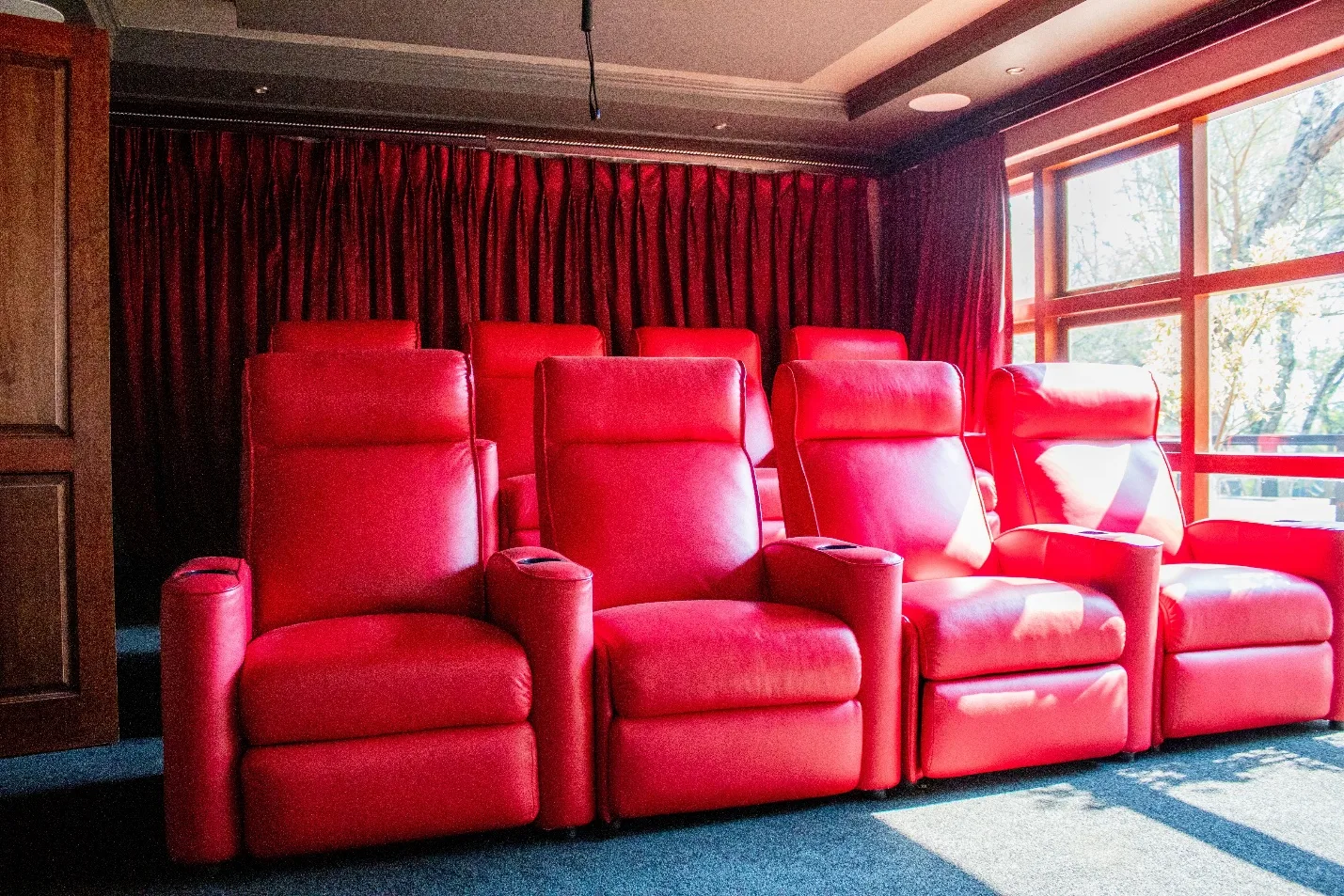
Designing a Home Theater: Where Drapery Fits Into the Plan
In a media room the curtains are a performance layer, not decoration....
illustrarch Editoral Team3 Mins read


Leave a comment