

The Growing Demand for Accessible Home Features
The demand for accessible home features is rising as families prioritize comfort, safety, and independence through thoughtful renovations and design upgrades.
 Bahattin Duran19 December 20253 Mins read181

Table of Contents Show
Home should be the easiest place to move, cook, rest, and connect. Yet, many homes were built before accessibility was a priority. Today, families are rethinking layouts, fixtures, and mobility solutions so people of all ages can live well. This shift is all about comfort, safety, and independence for everyone in the household.
What Accessibility Looks Like Today
Accessible design is a collection of small details that go beyond ramps and grab bars and reduce effort and increase confidence. Wide passages, lever handles, and zero-step entries remove friction from daily routines.
Homeowners start with pain points: they might upgrade a cramped powder room, choose a curbless shower, or add a through-floor lift to connect living spaces on different levels. Thoughtful changes can be nearly invisible, and when a home is both safe and stylish, suppliers like StiltzHealthcare can offer accessible home lifts and be a part of a discreet solution that blends into the architecture. The best results keep the focus on comfort, flow, and light.
Aging in Place Is the New Default
Most older adults want to stay in their homes and neighborhoods as long as possible. A recent national survey from AARP reported strong preferences for both home and community continuity. This desire influences how families plan renovations, pick finishes, and choose equipment.
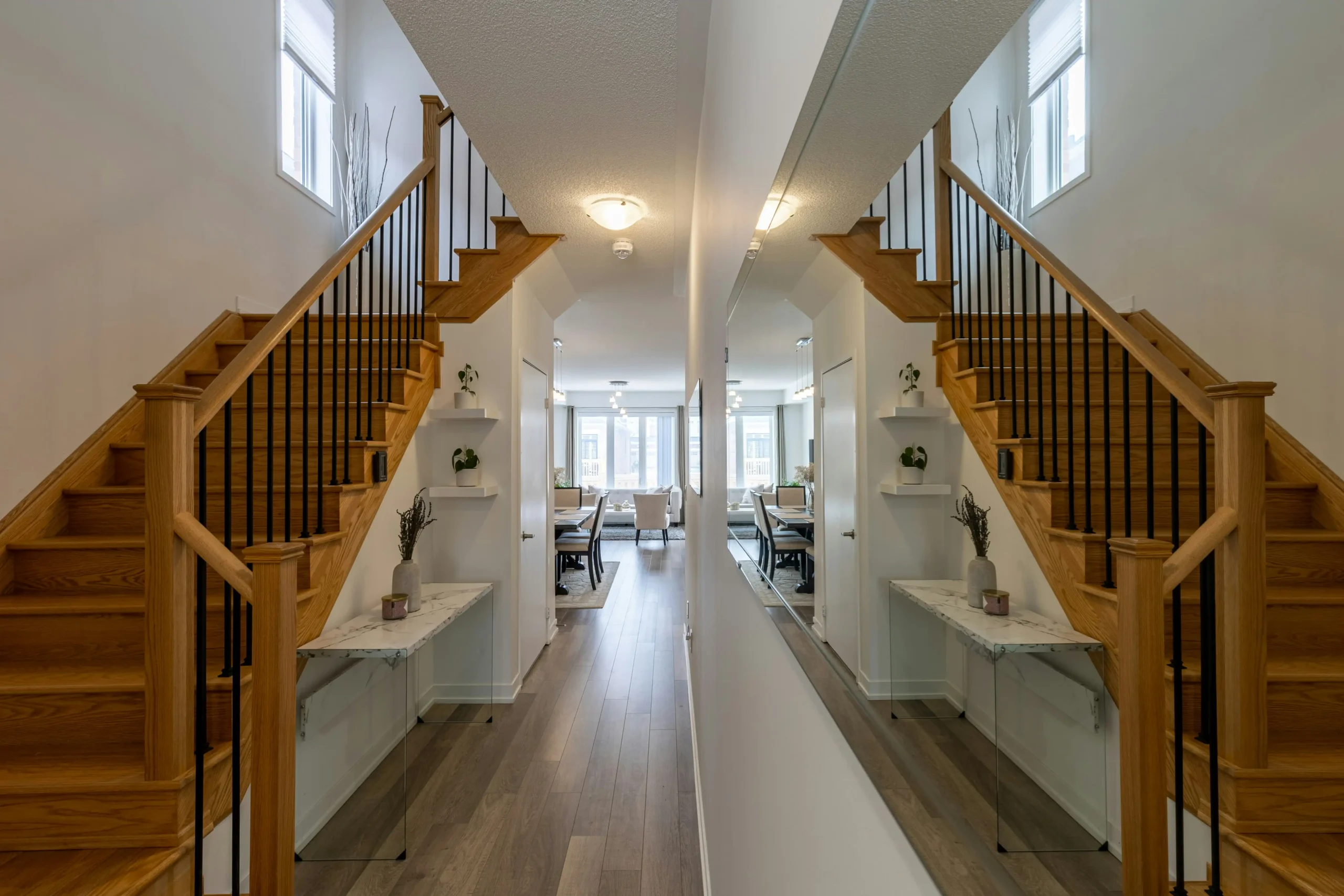
If the goal is to stay put, homes need clear paths, safe bathrooms, and simple controls. Here are upgrades that support that goal without making spaces feel clinical:
- No-step entries that meet the main living level
- Showers with curbless floors and hand-held sprays
- Non-slip, matte flooring across rooms
- Rocker or touch light switches at reachable heights
- Bright, glare-free lighting layered by task and area
These features let people keep routines without relying on others for everyday tasks. They reduce worry for adult children who may live across town.
The Cost Equation and How to Plan Budgets
Accessible features range from low cost to major investment. Some updates are as simple as swapping knob handles for levers or raising outlets to reachable heights. Others, like reworking entries or adding a lift, require permits and specialist installers. View spending through the lens of risk reduction and independence.
Remove hazards that cause falls, such as loose rugs, slippery floors, and poor lighting. Invest in daily-use rooms like bathrooms and kitchens. This staged plan spreads cost and delivers benefits right away, and helps you avoid expensive rework later.
What Buyers Now Expect from Homes
Buyer preferences are shifting toward spaces that are easy to navigate and maintain. Strong interest in practical features like generous kitchens, connected tech, and outdoor areas. That same spirit applies to accessibility, where thoughtful circulation and smart devices remove friction from daily tasks.
Buyers want a flow that feels natural. That means fewer tight turns and more rooms on a single level. Consider this short list when planning:
- Wide clearances in kitchens so two people can move at once
- Wall ovens and drawer dishwashers at safer heights
- Smart locks and thermostats with large, readable interfaces
- Shade and window controls that do not require reaching or twisting
These choices blend function with comfort, and they make the home more welcoming when friends or relatives visit with different needs.
Retrofits vs New Builds
Retrofits work best when you target bottlenecks and combine small wins. Pocket or barn doors can free up floor space. A simple ramp at a rear or garage entry may blend better with the exterior. If plumbing is hard to move, convert a tub to a shower within the same footprint.
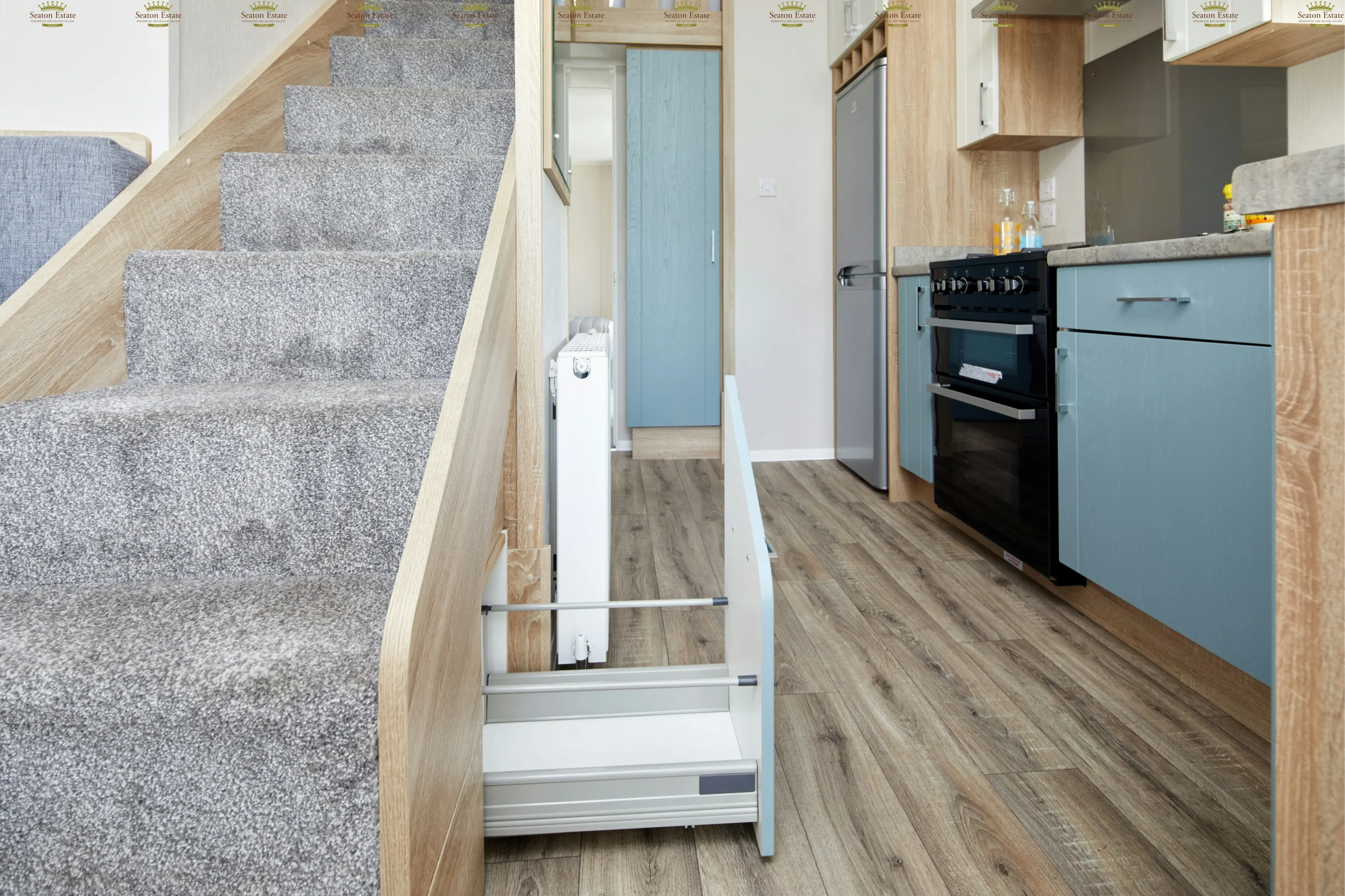
New builds offer the most freedom. A no-step path from the driveway to the front door should be part of the site plan. Frame for wider doors and include blocking in walls during construction. Stack closets to create a future shaft if you think a lift might be helpful later. These choices cost little upfront and open options down the road.
Technology That Supports Independence
Simple tech can boost accessibility without adding clutter. Video doorbells let you see who is there from a seat, and voice assistants can switch on lights, unlock doors, or call for help. Smart blinds remove the need to reach across furniture. Choose devices with large fonts, clear icons, and tactile controls.
Keep systems consistent across rooms so the interface feels familiar. Provide manual overrides on all critical functions. Plan for power outages with battery backups on essential devices. These steps keep technology as a helper rather than a hurdle.
Accessible homes honor how people actually live. They reduce friction, support dignity, and keep routines stable during change. When families plan with accessibility in mind, they create houses that welcome everyone without calling attention to special features.
Trends will come and go, but comfort and safety remain. Start with the features that matter most to your daily life, and add layers as needs change. With thoughtful design and the right tools, your home can keep up with you for years.







Interior Design for Commercial Spaces: Enhancing Functionality and Brand Identity
Commercial interior design has to serve brand, function and regulation at once....
 Begum Gumusel4 Mins read

Futuro House Production Revived in Finland After Decades-Long Hiatus
A Facebook listing for abandoned moulds led to the first new Futuro...
 illustrarch Editoral Team3 Mins read
Electrical planning as part of better home design
Table of Contents Show Good rooms need electrical thinking from the sketch...
illustrarch Editoral Team4 Mins read

Why Open Floor Plans Still Have Hot and Cold Spots
You knock down the partition walls, open up sightlines from the kitchen...
illustrarch Editoral Team4 Mins read


Leave a comment