

How Awesome PVC Supplies Improve Building Efficiency Today
PVC supplies significantly enhance building efficiency by improving insulation, reducing energy loss through windows and doors, and providing durable.
 Muhammad Abdullatef - Tifa Studio18 December 20253 Mins read187
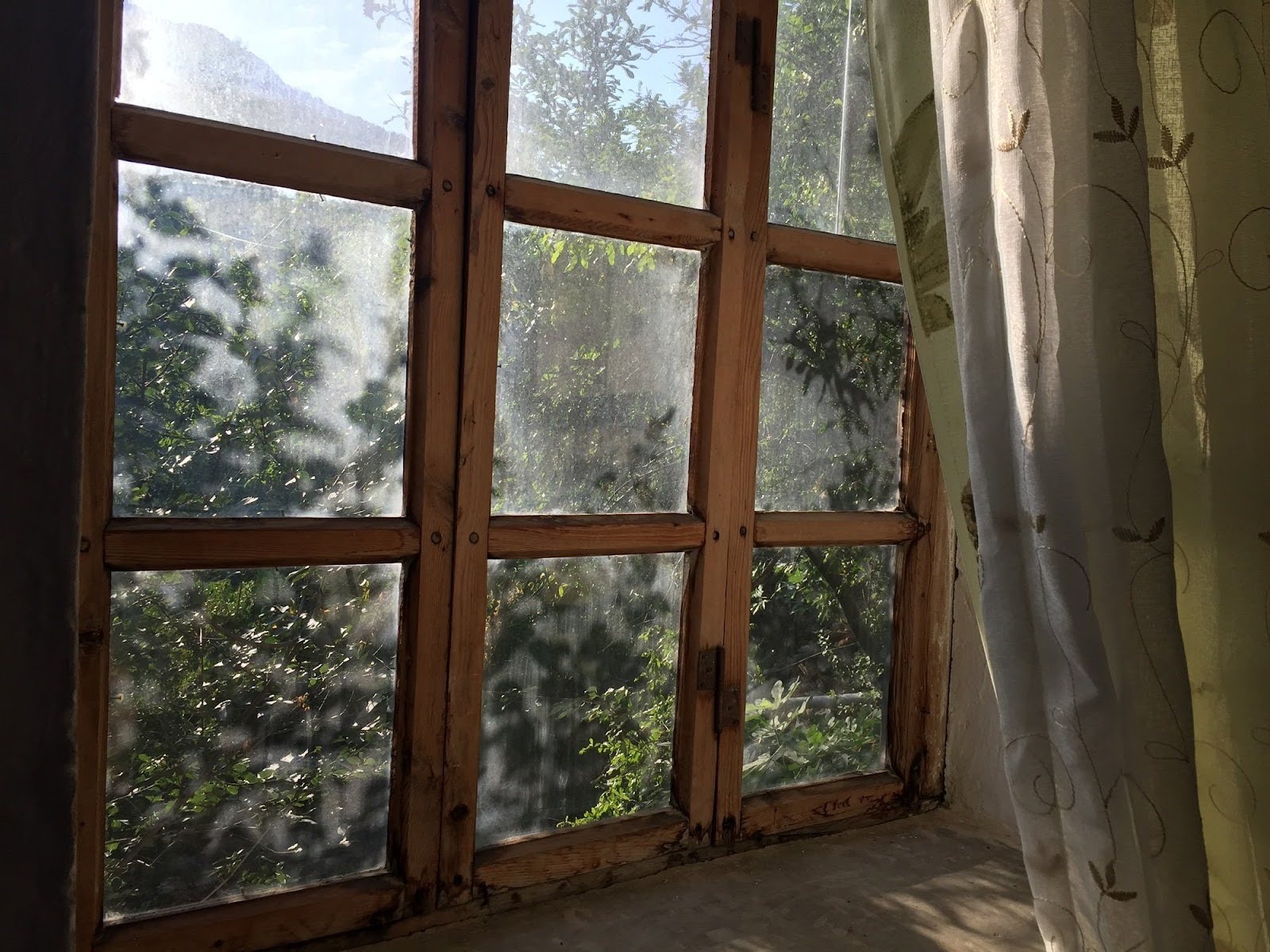
Table of Contents Show
PVC products have changed how homes and small buildings save energy. The right windows, doors, and trims cut drafts, control moisture, and reduce noise. When combined with smart installation, these supplies deliver fast comfort gains and lower bills.
Insulated Windows With PVC Frames
Windows are the weak spot in a building. Old frames warp, and the seals fail. Fresh PVC frames hold their shape and keep the glass clamped tight, which helps the whole wall perform.
Pick frames with thermal breaks and quality gaskets. Start with rooms that feel drafty or get strong sun. Many homeowners can hire a professional for double glazing installation to achieve the biggest step up in comfort, and finish with careful sealing around the frame. The payoff is quieter rooms, steadier temperatures, and cleaner lines.
A large share of heating energy can escape through windows, and most unwanted heat can enter there. This helps explain why upgraded glazing and solid PVC frames do so much heavy lifting early in a retrofit.
- Target leaky or west-facing windows first
- Use low-e glass to reflect heat
- Choose argon-filled units when possible
- Add shading where the sun is harsh
A national home design resource reports that up to 40% of a home’s heating energy can be lost, and up to 87% of heat gained through windows. This highlights the value of high-performance glazing paired with tight PVC frames in mixed climates.

Double Glazing or Secondary Glazing
Not every project needs a full window replacement. Secondary glazing adds a fixed inner layer, creating an insulating gap with the existing window. It can cut noise and heat transfer and may avoid the major framework.
Permanent secondary glazing can be more energy efficient than a full window swap in some cases. This route can suit heritage facades or tight budgets, and still uses PVC trims and tracks to seal the extra layer well.
If the timber is rotten, the frame is twisted, or security is poor, a full unit change makes sense. Modern double-glazed units with PVC frames handle expansion and movement better and resist water ingress. They bring multi-point locks and easy-care surfaces.
- Check the frame plumb and square before ordering
- Confirm spacers, gas fill, and glass coatings
- Specify trickle vents only if needed
- Insulate the reveal and use backer rod
Sealing the Envelope With PVC Doors and Trims
Doors see heavy use and need rugged materials. PVC doors with insulated cores maintain their fit and resist moisture. Tight thresholds and compressible seals reduce air leaks, which adds to comfort.
PVC architraves, corner beads, and skirting help close gaps around openings. They trim neatly, tolerate humidity, and keep paint from cracking. With simple tools and care, these parts deliver a clean, airtight finish that lasts.
Moisture Control and Indoor Comfort
Air leaks do more than waste energy: they move moist air into cavities where it can condense. PVC components resist water and help maintain the air barrier. That limits mold risk and preserves insulation R-values.
Inside, better glazing and seals reduce cold glass and drafts. Rooms feel warmer at the same thermostat setting. Lower radiant heat loss means fewer hot or cold spots, which is why people report better sleep and fewer allergens after upgrades.
Acoustics, Durability, and Maintenance
Thicker glass, wider gaps, and tight PVC frames quiet traffic and wind. Many people notice calmer rooms as soon as upgrades go in. That acoustic benefit is a side effect of the same features that save energy.
PVC surfaces are simple to clean with mild soap. They never need repainting and shrug off salty air. Fewer repairs and less upkeep will protect your investment and cut the total cost of ownership.
Smarter Upgrades and Budget Planning
Costs vary by size, access, and the level of repair. A recent reporting project showed how quotes for a small set of windows ranged from a few thousand dollars to several times that amount when full rebuilds were needed. The lesson is to compare like-for-like, including glass type, gas fill, spacer quality, and install scope.
Break the project into stages to match cash flow. Start with drafty bedrooms or hot living rooms. Add shading and weather stripping, upgrade doors, and finish with trims and air sealing to lock in gains.
- Ask for itemized quotes and glass specs
- Verify warranties for frames and seals
- Check install details, not just product labels
- Balance performance with payback
Upgrading with PVC frames, better glazing, and tight seals is a simple way to lift a building’s baseline performance. These materials keep heat flow and drafts in check, which steadies indoor temperatures and reduces noise.
With careful installation, small details like trims and thresholds lock in long-term gains. The result is a home that feels calmer, uses less energy, and asks for little upkeep. Start where the envelope is weakest and build from there for steady, durable improvements.








Interior Design for Commercial Spaces: Enhancing Functionality and Brand Identity
Commercial interior design has to serve brand, function and regulation at once....
 Begum Gumusel4 Mins read

Designing Exterior Concrete That Survives Freeze-Thaw Winters
Freeze-thaw cycles, not one long cold spell, are what break exterior concrete....
 illustrarch Editoral Team9 Mins read

Groupwork Completes 10-Storey Loadbearing Granite Flats in London
Groupwork's Petra Heights on Finchley Road is a 10-storey block of 22...
illustrarch Editoral Team2 Mins read

What Architecture Students Should Know About Structural Glass and Guardrail Code
Glass guards look minimal, but structural behavior, safety glazing, connections and guardrail...
illustrarch Editoral Team6 Mins read


Leave a comment