

Tips for Selecting the Perfect Pool Pump for a Clean, Healthy Pool
Choosing the right pool pump involves considering pool size, pump type, durability, energy efficiency, and maintenance to ensure optimal performance and cost savings.
 illustrarch Editoral Team6 March 20262 Mins read141

Table of Contents Show
Choosing the right swimming pool pump is crucial for keeping your pool clean, safe, and enjoyable. A pump ensures proper water circulation, helps your filtration system work efficiently, and supports chemical distribution for balanced water. Selecting a poorly sized or low-quality pump can lead to higher energy bills, uneven water flow, and extra maintenance. By understanding the key factors in choosing a pool pump, you can make a smart decision that keeps your pool sparkling all year round.
Understand Your Pool Size and Requirements
The first thing to think about when choosing a pool pump is the size and type of your pool. Bigger pools need stronger pumps to move the water properly, while smaller pools can work well with less powerful pumps. You should also consider any extra features your pool has, like waterfalls, spa jets, or special filters, as these may need a more powerful pump. Picking a pump that matches your pool size and features helps keep the water clean and prevents your system from being overworked.

Choose the Right Pump Type
There are different types of pool pumps available, including single-speed, dual-speed, and variable-speed pumps. Single-speed pumps are simple and reliable, but can consume more electricity. Dual-speed pumps offer flexibility and cost savings when run on low speed for circulation. Variable-speed pumps are highly energy-efficient, quieter, and provide precise control over water flow. Selecting the right pump type helps balance performance, energy usage, and long-term savings.
Prioritise Durability and Energy Efficiency
Choose a pool pump made from strong, high-quality materials so it lasts longer and needs fewer repairs. Select a pump built to handle regular use and varying weather conditions. Energy-efficient pumps also help reduce electricity costs and make your pool more sustainable. Investing in a reliable, efficient pump protects your pool system and saves money over time.
Maintenance and Accessibility
Regular maintenance is essential to keep your pump functioning smoothly. Check the pump basket for debris, ensure seals and connections are intact, and clean the filter regularly. Low-maintenance pumps help you save time and avoid expensive repairs. Additionally, sourcing replacement parts ensures your system stays reliable and continues to operate efficiently.

While routine maintenance can usually be managed at home, certain pool pump issues are best handled by professionals. Engaging experienced pool builders in Albury helps ensure maintenance work is carried out safely, efficiently, and in accordance with manufacturer guidelines.
Consider Convenient Features
Modern pool pumps often include useful features such as timers, easy-to-read control panels, and variable speed settings. These options simplify operation, allow automated schedules, and reduce manual effort. A pump with convenient features not only improves your pool’s performance but also makes day-to-day maintenance simpler and more efficient.
Conclusion
Selecting the right pool pump is essential for maintaining a clean, healthy, and enjoyable swimming pool. By considering factors like pool size, pump type, durability, energy efficiency, and maintenance ease, pool owners can make informed choices that save time, reduce costs, and improve water quality. A well-chosen pool pump ensures smooth circulation, supports filtration, and keeps your pool sparkling, allowing you to relax and enjoy a worry-free swimming experience.





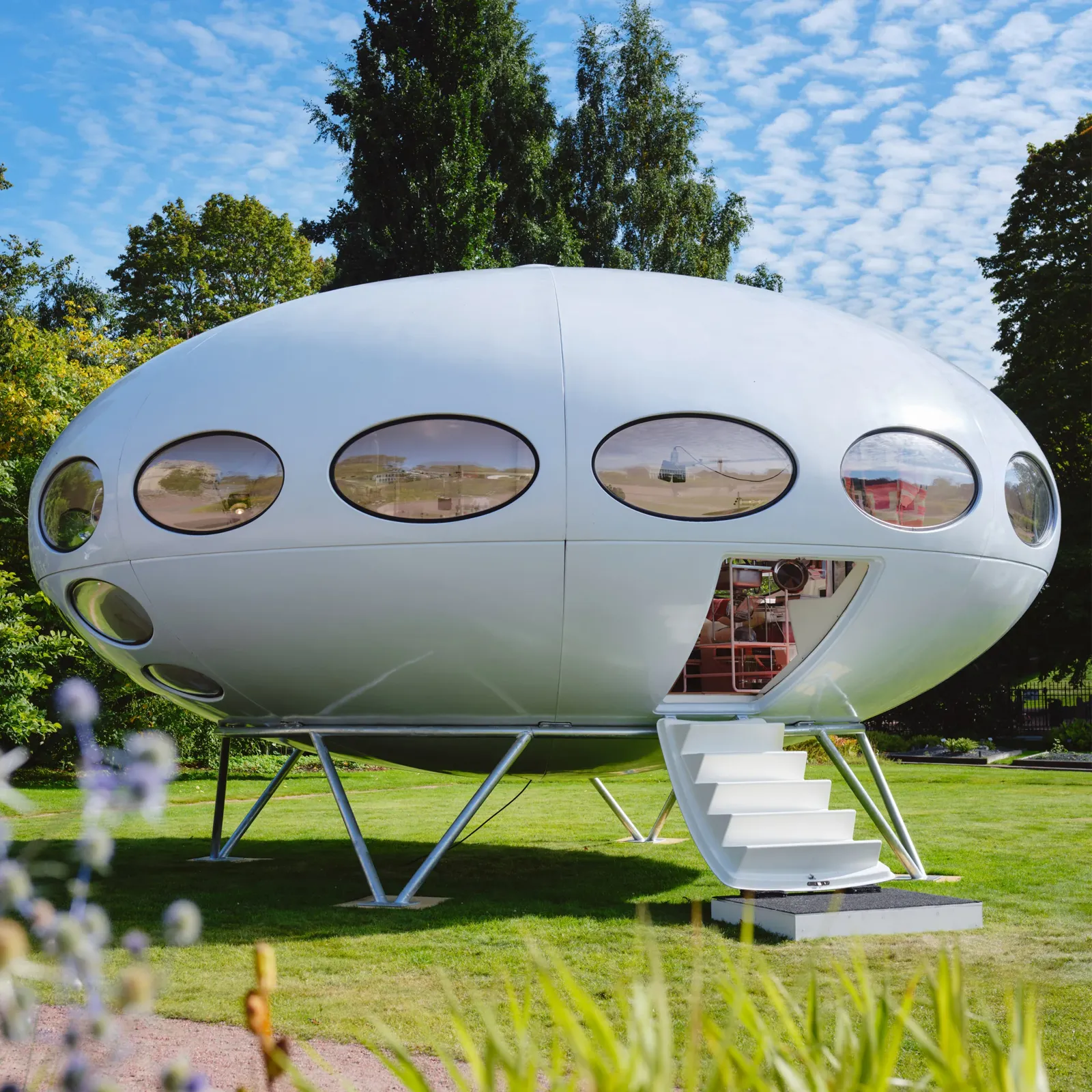
Futuro House Production Revived in Finland After Decades-Long Hiatus
A Facebook listing for abandoned moulds led to the first new Futuro...
illustrarch Editoral Team3 Mins read

Building Your Dream Home in NSW: What You Should Know About Montgomery Homes
Montgomery Homes has been building across Sydney, Newcastle, the Hunter, Wollongong and...
illustrarch Editoral Team4 Mins read

Designing a Home Theater: Where Drapery Fits Into the Plan
In a media room the curtains are a performance layer, not decoration....
illustrarch Editoral Team3 Mins read

Oscar Niemeyer’s Cathedral of Brasília: The Hyperboloid Concrete Hymn
The Cathedral of Brasília reads as a single gesture, yet it stood...
 Furkan Sen7 Mins read


Leave a comment