

Biophilic Bliss: How to Merge Your Next Bathroom Renovation with a Modern Garden Sanctuary
Biophilic design principles can transform bathroom renovations into serene garden sanctuaries by integrating natural elements and enhancing the connection to the outdoors.
 Bahattin Duran30 January 20263 Mins read167

Table of Contents Show
We tend to treat our homes like sealed Tupperware containers. We lock the climate control in and keep nature firmly on the other side of the glass. This is especially true when planning a bathroom renovation, where the focus usually lands on sterile white tiles and chrome fixtures that scream “sanitation” rather than “relaxation.” However, a shift is happening. Homeowners are realizing that scrubbing the soul requires more than just soap; it requires a connection to the living world. By integrating biophilic design principles into your next luxury bathroom renovation project, you stop building a washroom and start cultivating a personal ecosystem. It is the difference between bathing in a chemistry lab and bathing in a rainforest.
The Glass Wall Effect
The most aggressive move one can make is to physically erase the wall between the tub and the garden. Standard privacy logic dictates high, tiny windows that let in a sliver of light but zero views. This is a mistake. If you have a private backyard or a secluded patio, install floor-to-ceiling glazing.

Treat the garden immediately outside the glass as part of the room’s square footage. Visually, the bathroom expands all the way to the fence line. It creates a “borrowed landscape” effect. You aren’t just paying for the tiles under your feet; you are claiming the maple tree outside as a piece of decor. It is actionable and bold: swap the frosted glass for clear, install a privacy fence in the garden instead, and let the morning light flood in.
Humidity is a Resource, Not a Problem
Bathrooms are naturally humid environments. Instead of fighting this with aggressive exhaust fans that sound like jet engines, use it. Many tropical plants thrive in exactly the conditions a hot shower creates. A “living wall” or a dedicated planter built directly into the shower area transforms waste steam into plant fuel.
This approach aligns with recent trends where bathroom renovations can boost property value and create personal retreats by offering something standard homes lack: a sensory experience. The air quality improves, the acoustics soften, and the harsh echo of tile is absorbed by lush foliage.
Material Continuity
To truly trick the brain into thinking it is outside, the floor needs to tell a consistent story. Using a slate or stone tile that continues from the shower floor out onto a private patio creates a visual bridge. When the sliding door is open, the threshold disappears.
Leading design authorities at Architectural Digest explore how biophilic design reduces stress, noting that natural textures like raw wood (teak or cedar) and unpolished stone trigger a biological relaxation response. Avoid glossy, synthetic surfaces that feel cold to the touch. Opt for river rock flooring in the shower. It provides a foot massage that mimics standing in a stream, grounding you before the coffee has even finished brewing.
Lighting the Sanctuary
Nature rarely provides harsh, overhead lighting. The sun moves, shadows play, and light filters through leaves. Mimic this. Avoid the standard “interrogation room” recessed lighting grid. Instead, layer the lighting. Use waterproof sconces that cast a glow specifically on the plants in the room.
When the sun goes down, the bathroom shouldn’t feel like a hospital. It should feel like a twilight garden. Install dimmers on everything. The goal is to shower by “moonlight” (even if it is artificial) rather than a spotlight.
The “Outdoor” Shower, Indoors
Finally, reconsider the hardware. Rain showerheads are popular for a reason, but they are often installed too low or with too much pressure. A true biophilic shower mimics a gentle deluge. Position the fixture directly above the center of the standing area, not on the wall. It changes the posture of the bather from hunching away from the wall to standing tall, face up, welcoming the water.
Stop designing bathrooms for efficiency and start designing them for decompression. When the line between the garden and the bath dissolves, the daily routine stops being a chore and becomes a ritual.





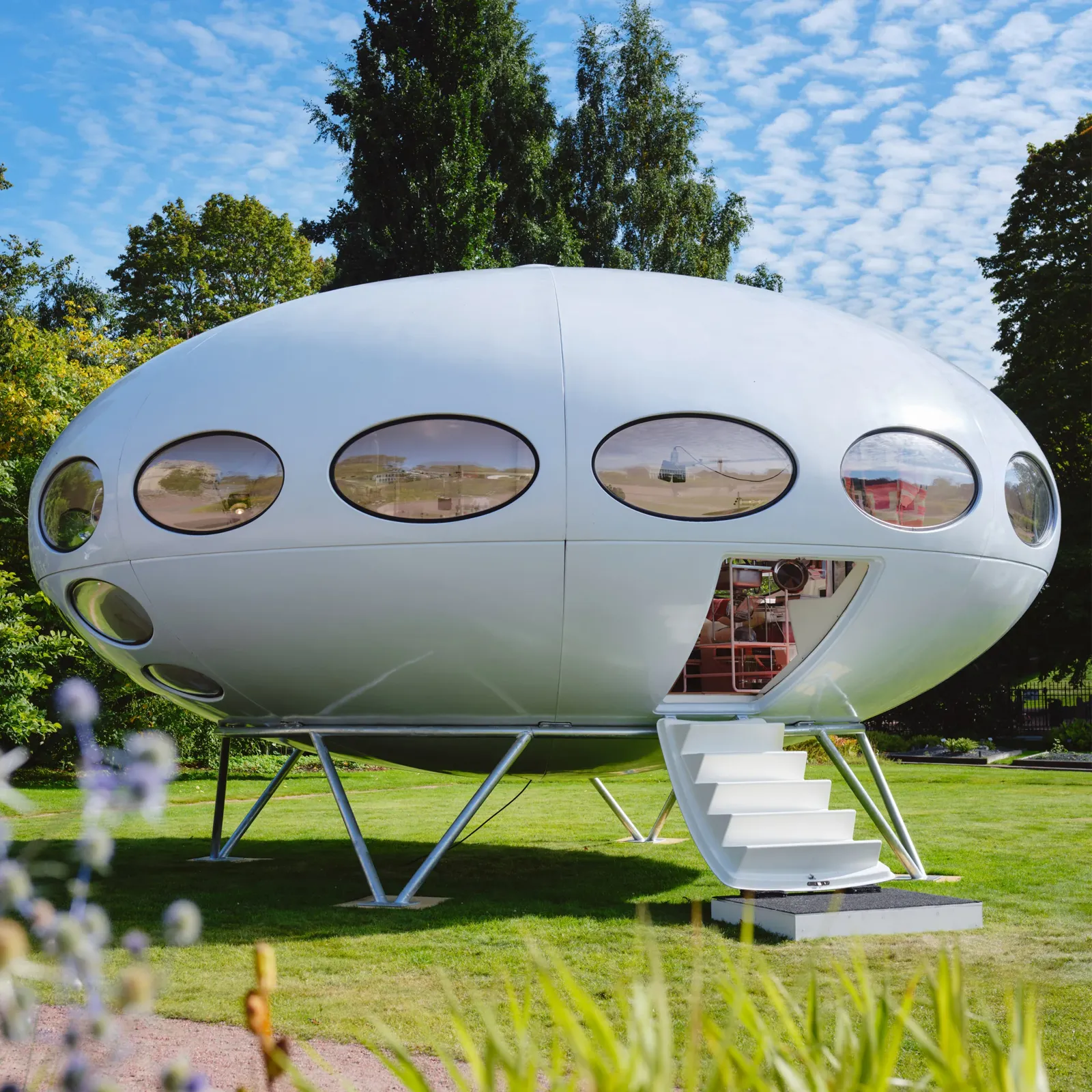
Futuro House Production Revived in Finland After Decades-Long Hiatus
A Facebook listing for abandoned moulds led to the first new Futuro...
 illustrarch Editoral Team3 Mins read

Building Your Dream Home in NSW: What You Should Know About Montgomery Homes
Montgomery Homes has been building across Sydney, Newcastle, the Hunter, Wollongong and...
illustrarch Editoral Team4 Mins read
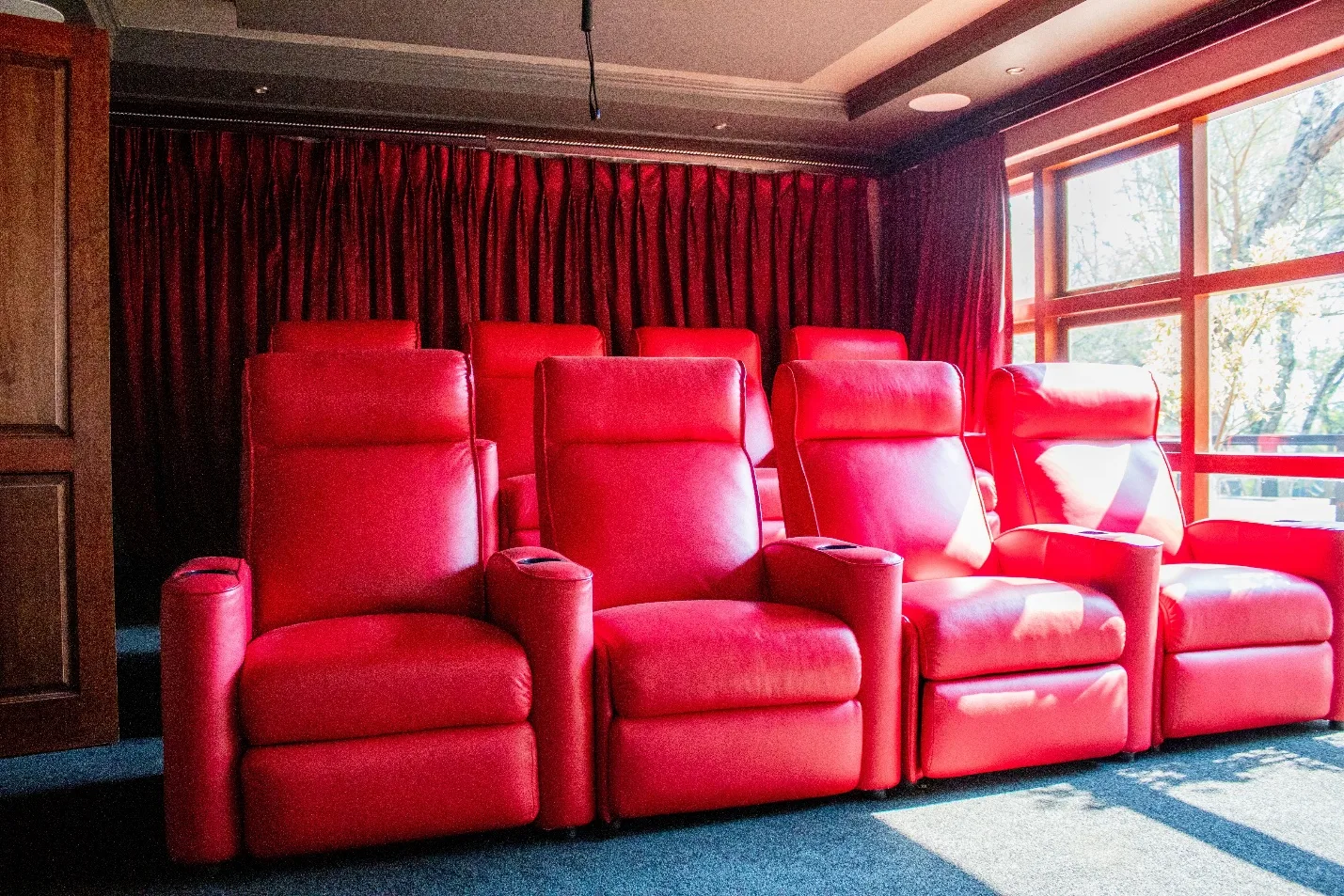
Designing a Home Theater: Where Drapery Fits Into the Plan
In a media room the curtains are a performance layer, not decoration....
illustrarch Editoral Team3 Mins read

Oscar Niemeyer’s Cathedral of Brasília: The Hyperboloid Concrete Hymn
The Cathedral of Brasília reads as a single gesture, yet it stood...
 Furkan Sen7 Mins read


Leave a comment