

The Role of Shades and Blinds in Clean Architectural Interiors
Shades and blinds are essential in clean architectural interiors as they influence light control, mood, and the overall visual harmony of the space.
 Muhammad Abdullatef - Tifa Studio30 April 20264 Mins read119
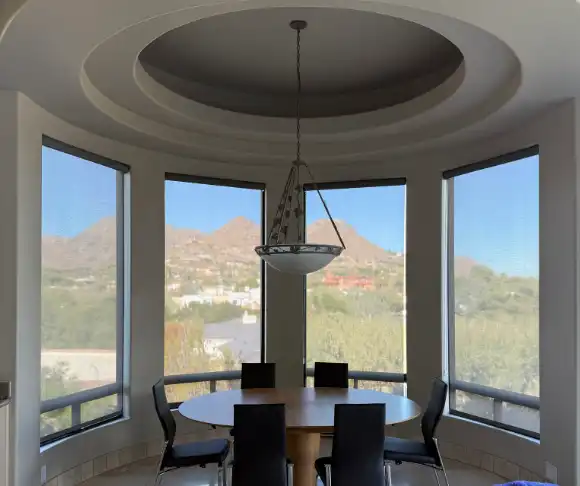
A clean interior can start to feel less clean once the windows are left unresolved. The walls may be right. The furniture may sit well. The materials may feel calm. Then glare hits the room in the afternoon, privacy drops at night, and the windows start pulling attention for the wrong reason.
That is why shades and blinds matter more than people get credit for. In simple interiors, they are not background pieces. They shape the light, the mood, and how finished the space feels.
Clean Rooms Show Every Wrong Choice
Minimal interiors do not hide much. That is part of their appeal, but it also makes window decisions more obvious.
A bulky blind in a quiet room feels heavier than it would in a busier space. A bright white shade can look too sharp against warm plaster or oak flooring. A dark blind can cut across the room if the rest of the palette stays soft. When the space is pared back, small mismatches get noticed fast.
The Best Ones Do Not Fight the Architecture
A lot of clean interiors rely on line, proportion, and rhythm. Window treatments need to respect that.
In some rooms, that means staying very quiet. A close-fitting roller shade can do that well because it sits near the glass and does not add much volume. In other rooms, a slimmer blind works better because the vertical or horizontal pattern already fits the geometry of the space.
The point is not that one product is always best. Shading choices usually work better when they are integrated into the overall architecture instead of being added at the end. It is that the window treatment should feel like it belongs to the room. If the architecture is crisp, the treatment should not suddenly become decorative. If the room is warm and restrained, the window should not feel cold and technical.
This is where a lot of interiors go off track. The treatment solves one problem, but creates a visual one.
Light Control Is Part of the Design
Good interiors are not only about what the room looks like at noon. They need to work through the day.
Morning light can feel soft and generous. Late sun can make the same room hard to sit in. Screens catch glare. Dining tables get a hot patch of light. Pale floors start bouncing brightness back into the room.
A clean interior can feel harsh very quickly when the window has no way to control that shift. View windows should also include blinds or shades for privacy and glare control, especially in interiors that rely on daylight through most of the day.
Soft Control Usually Works Better Than Full Shutdown
A room can stay bright and still feel calmer if the light gets filtered instead of blocked. That is where light-filtering shades tend to work well. They take the edge off strong sun, but they do not flatten the whole room. The space keeps its daylight, just without the strain.
This matters in homes with large glazing, pale finishes, or reflective surfaces. The cleaner the room, the more every lighting shift gets felt. Harsh contrast can make a minimal room feel less restful than it looked on paper.
A soft layer often does more than people expect. It keeps the architecture visible while making the room easier to use.
Material Choice Changes the Mood
Two window treatments can solve the same practical problem and still create very different rooms.
A flat synthetic roller can feel right in a very sharp interior with stone, steel, and clean white walls. A woven shade may suit a calmer room with oak, limewash, or natural textiles. A slim blind may work when the room already has strong linear detail. A softer fabric shade may help when the architecture feels too hard.
This is where material matters more than people think. In simple interiors, there are fewer elements doing the visual work. That makes the texture more noticeable.
If the room already has enough grain, joints, and texture, the window treatment may need to stay simple. If the room feels too bare, the window can help soften it.
Privacy Should Not Undo the Room
Night is when a lot of clean interiors stop working the way people hoped.
During the day, the glazing feels open and generous. At night, the glass turns reflective in one direction and transparent in the other. A room that felt calm at noon can feel exposed after sunset. Then the answer becomes heavy curtains, fully dropped blinds, or something darker than the space really wanted.
That shift is why window treatments need to be thought about early. Privacy is not separate from the interior. It affects how much of the room still feels open once the lights come on.
In practice, that often means choosing something that has a middle setting. Not fully open. Not fully closed. Just enough control to keep the room comfortable without shutting it down.
The Details Around the Window Matter Too
A good treatment can still look wrong if the fit is off.
If the blind is too narrow, the side gaps show immediately. If the mount is awkward, the top line looks clumsy. If the stack is too heavy, it starts pulling attention away from the opening itself. In very clean interiors, these things stand out much more than they would in a layered room.
That is also why local context matters. In bright climates, strong sun can make poor choices feel worse very quickly. Looking at examples of blinds in Phoenix can help when the room needs something clean that can still handle glare and heat without feeling heavy.
One Rule Rarely Works in Every Room
A living room with broad glazing may need filtered light for most of the day. A bedroom may need more control and more privacy. A kitchen may need something easy to wipe down. A study may need better glare control because of screens.
Trying to force one treatment through all of those spaces often makes the house feel less resolved, not more. The better move is usually to keep one thread running through the choices. That thread might be tone, material, or how visible the treatment feels when open.
When It Feels Right, You Stop Noticing It
That is usually the clearest test. The shades or blinds stop feeling like a separate layer that was added later. The room still gets the light it needs. Privacy feels handled. The architecture stays readable. Nothing looks busy, forced, or overdone.
That is the real role of shades and blinds in clean interiors. They are not there to decorate the room after the design is done. They help the room keep working once real light, real privacy, and real daily use enter the picture. When they are chosen well, they do not interrupt the architecture. They let it hold together.






Futuro House Production Revived in Finland After Decades-Long Hiatus
A Facebook listing for abandoned moulds led to the first new Futuro...
 illustrarch Editoral Team3 Mins read

Building Your Dream Home in NSW: What You Should Know About Montgomery Homes
Montgomery Homes has been building across Sydney, Newcastle, the Hunter, Wollongong and...
illustrarch Editoral Team4 Mins read

Designing a Home Theater: Where Drapery Fits Into the Plan
In a media room the curtains are a performance layer, not decoration....
illustrarch Editoral Team3 Mins read

Oscar Niemeyer’s Cathedral of Brasília: The Hyperboloid Concrete Hymn
The Cathedral of Brasília reads as a single gesture, yet it stood...
 Furkan Sen7 Mins read


Leave a comment