

Architecture Portfolio Tips: 10+ Expert Strategies
Creating a standout architecture portfolio requires more than compiling your best work. These expert architecture portfolio tips cover everything from layout design and project selection to storytelling, software choices, and presentation strategies for students and professionals at every career stage.
 Elif Ayse Sen17 January 20268 Mins read673
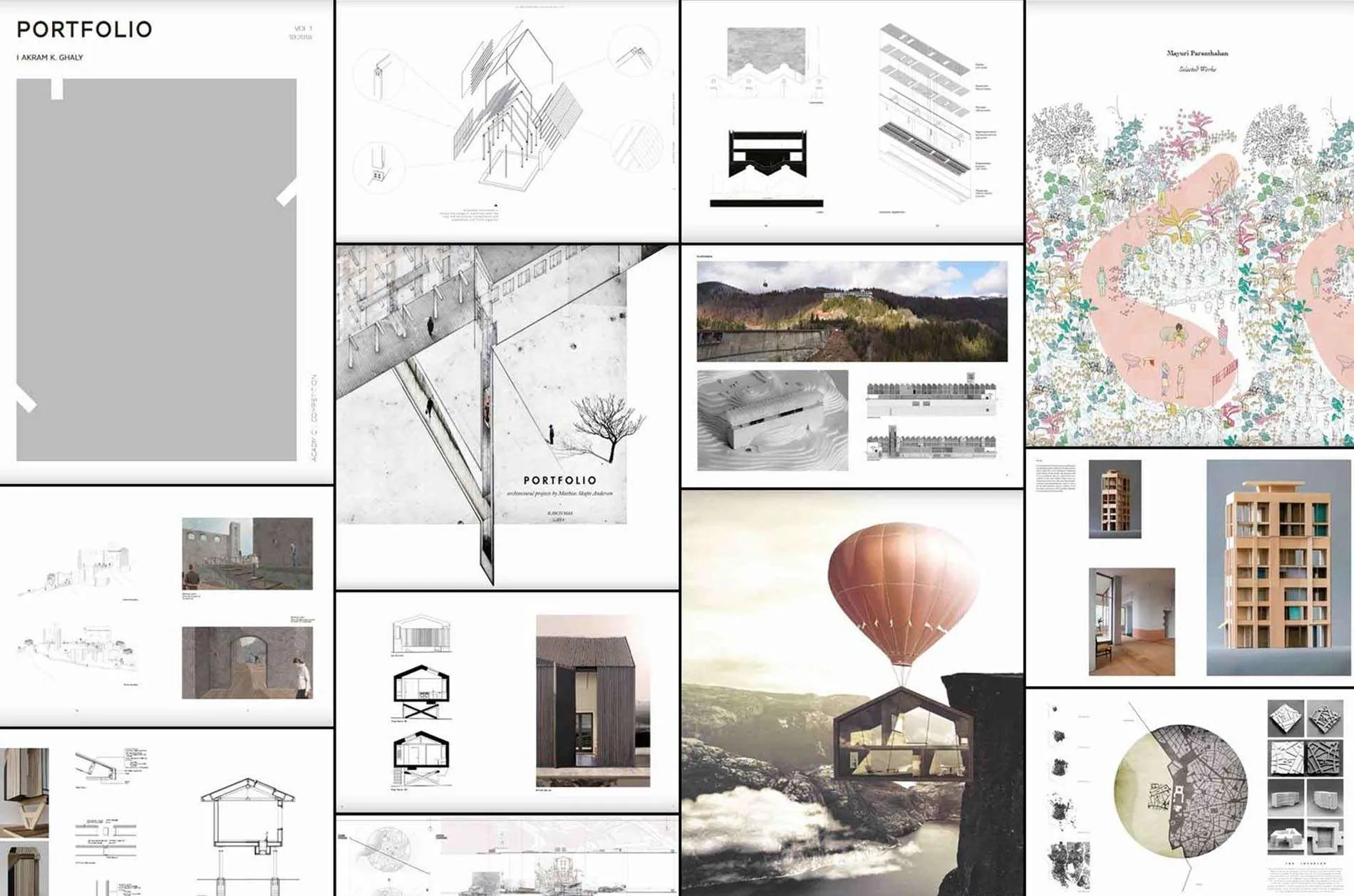
Table of Contents Show
Creating a portfolio that showcases your architectural talent is one of the most important steps in building a successful career. In the world of architecture, a well-crafted portfolio is more than just a collection of your work, it’s a profound storytelling tool, showcasing your unique style, innovative ideas, and technical expertise. Whether you are preparing for a job interview, applying to graduate school, or pitching to a client, these architecture portfolio tips will help you stand out in a competitive industry.
Whether you are a student or an experienced professional, these essential tips will help you build an architectural portfolio that can make a significant impact. From undergraduate architecture portfolio tips to advanced professional strategies, the principles below apply at every career stage.
1. Understand Your Audience
Before you start curating your portfolio, it’s crucial to understand who your audience is and what they are seeking. Are you applying for a job at a cutting-edge architectural firm, submitting a proposal for a design competition, or pitching a project to a potential client? Each audience has different needs and expectations that you should address with your portfolio’s content and presentation.
For instance, architecture grad school portfolio tips often emphasize conceptual thinking and research-driven projects, while architecture interview portfolio tips focus more on showcasing professional experience and technical execution. Understanding these nuances can make the difference between a portfolio that gets skimmed and one that gets you hired. The American Institute of Architects (AIA) recommends tailoring your portfolio to the specific position and firm culture every time you apply.
2. Select Your Best Works
A common misconception is that portfolios should include everything you’ve ever done. However, it’s essential to prioritize quality over quantity. Choose projects that highlight your skills, creativity, and versatility as an architect. Remember, your portfolio should leave a lasting impression, and each project should contribute to it.
One of the best architecture portfolio tips is to limit your selection to 3-5 strong projects rather than including ten mediocre ones. Curate a diverse mix of work that demonstrates your range, residential, commercial, conceptual, and landscape architecture portfolio projects all add depth. For more guidance on project selection, see our guide on building a strong architecture portfolio.
3. Tell a Story
Your portfolio should not merely showcase your work; it should narrate your journey, growth, and thought process as an architect. Each project can be presented as a story that explains the concept, design challenges, how you approached them, and the final outcome. A well-told story captivates the audience and gives them a better understanding of your working style and methodology.
Strong architectural portfolio design tips always emphasize narrative. Include site analysis, conceptual sketches, design iterations, and the final result for each project. This approach shows employers not just what you designed, but how you think, an essential quality in any architecture design portfolio. Learn more about effective storytelling in our article on the process behind a successful architecture portfolio.
4. Display a Variety of Skills
Architecture involves various skills, from conceptual thinking and design development to technical detailing and project management. Show your proficiency in these areas by selecting projects that demonstrate a range of your capabilities. Don’t forget to include examples of your software skills, like CAD drawings, 3D models, and BIM projects.

In 2025 and beyond, proficiency in tools like Revit, Rhino, Grasshopper, and real-time rendering software such as Enscape or Twinmotion is increasingly expected. Architecture student portfolio tips often recommend showing your full workflow, from hand sketches to digital models. For a deeper look at the right tools, explore our article on which software to use when creating an architectural portfolio.
5. Presentation and Layout Matter
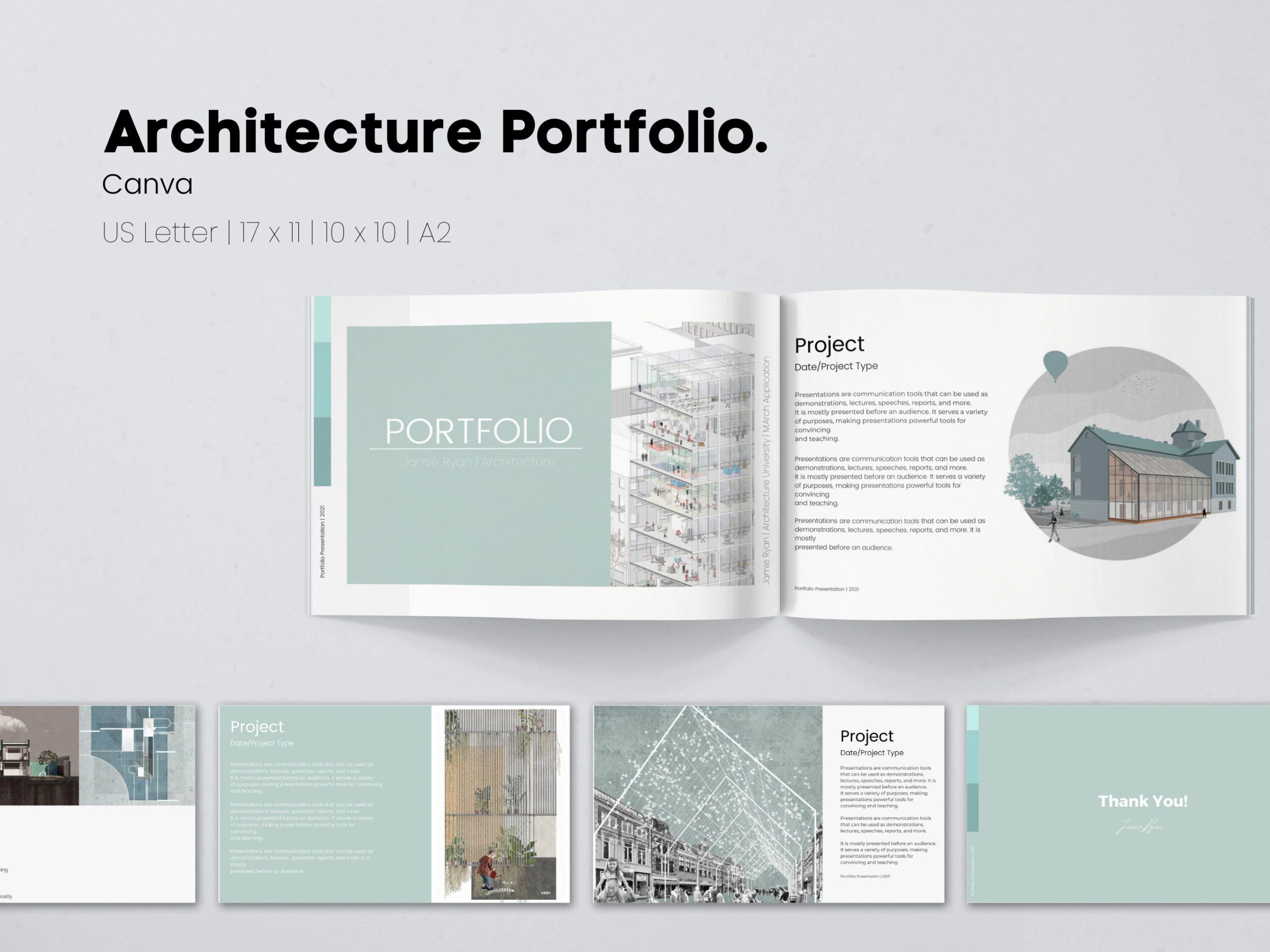
Aesthetic presentation is essential for an architect’s portfolio. Pay attention to layout, color scheme, typography, and visual hierarchy. Each page should be designed to guide the viewer’s attention through your work effectively. Keep it clean, organized, and professional.
Architecture portfolio layout tips include using a consistent grid system, limiting your color palette to 2-3 tones, and choosing clean sans-serif fonts for readability. Your architecture portfolio cover is the first thing reviewers see, so invest time in a strong, memorable cover design. According to ArchDaily’s portfolio guide, cluttered pages hide content, let your images breathe with ample white space. For expert portfolio design tips for UK architecture studios and international firms alike, consistency is the golden rule.
6. Use High-Quality Visuals
Visuals are the heart of an architecture portfolio. Utilize high-quality images, drawings, renders, and diagrams. If possible, invest in professional photography of your completed projects. Clear, well-lit images that highlight the architectural features of your projects can significantly enhance your portfolio.
You should also convert project visuals from JPEG to PNG for better quality and transparency in your portfolio. Such small details can make a big impact on the overall presentation.
When presenting portfolio tips architecture floor plan drawings, ensure they are clean, properly annotated, and at an appropriate scale. High-resolution renders and professional photographs of built work are non-negotiable for a professional architecture portfolio. For inspiration on visual quality, check out our collection of 10 successful portfolio examples by young architects.
7. Include Personal Projects
Including personal projects, like competitions, pro-bono work, or even theoretical designs, adds depth to your portfolio. It offers a glimpse into your interests and passions outside of professional work and highlights your creativity and initiative.
Competition entries, self-initiated research, and speculative designs demonstrate passion and independent thinking. These are especially valuable undergraduate architecture portfolio tips, admissions committees and entry-level employers want to see how you think beyond assigned coursework. Include landscape architecture, urban design, or furniture design projects if they reflect your broader interests.
8. Keep it Updated
Your portfolio is a living document that should grow with you. Regularly update it to include new projects, skills, and experiences. This not only keeps your portfolio relevant but also shows that you’re an active professional who’s continually evolving.
A good rule of thumb is to review and refresh your portfolio every six months. Remove older, weaker projects and replace them with newer, stronger work. This is one of the most overlooked tips for a good architecture portfolio, keeping it current signals professionalism and growth. For a complete framework on portfolio management, read our article on building an effective portfolio.
9. Create Both Digital and Print Versions
In today’s digital age, having an online portfolio is a must. It allows you to reach a broader audience and makes your work accessible at all times. However, a printed portfolio is equally important, especially for face-to-face meetings and interviews. Ensure both versions are equally captivating and updated.
Digital portfolios offer the advantage of multimedia, embed walkthrough videos, animated diagrams, or interactive 3D models. Platforms like Issuu and Behance make sharing easy. For print, invest in high-quality paper stock and professional binding. Architecture school portfolio tips suggest preparing both a full portfolio and a condensed “teaser” version for quick review during interviews. Learn more about the evolution of digital portfolios in our article on the evolution of an architecture student portfolio.
10. Seek Feedback and Revise
Before finalizing your portfolio, seek feedback from peers, mentors, or professionals in the field. Use their insights to refine your work. Your portfolio can always be improved, and constructive criticism can help identify areas for enhancement.
Share your draft with professors, colleagues, or online communities like r/architecture on Reddit for honest reviews. Architecture portfolio design tips from experienced professionals can help you spot issues with flow, hierarchy, or content gaps you might have missed. For more on what reviewers expect, explore our detailed guide on what is expected in an architecture portfolio.
Bonus: Portfolio Building Tips for Architecture Students and Professionals
Beyond the core ten tips above, here are additional portfolio building tips architecture professionals and students should consider in 2025:
Tailor every application: Customize your portfolio for each firm or school. Research their project types, design philosophy, and values. A portfolio sent to a firm specializing in sustainable design should emphasize your green building projects. This is one of the most impactful tips to create an architecture portfolio that resonates with reviewers.
Add a personal statement: A brief introduction that articulates your design philosophy helps reviewers connect with you as a person, not just a designer. This is especially relevant for architecture grad school portfolio applications where schools want to understand your motivations.
Show process, not just product: Include sketches, diagrams, site analysis, and iterative design development. Firms like those featured on Dezeen value architects who demonstrate strong design thinking and problem-solving skills.
Consider accessibility: Ensure your digital portfolio is optimized for different devices and screen sizes. A PDF that looks great on a desktop may be difficult to read on a tablet or phone.
For ready-to-use design resources, explore our 250+ architectural portfolio templates that can serve as a professional starting point.
Crafting an architectural portfolio that gets you noticed requires time, effort, and a lot of introspection. It’s about showcasing not just your work, but also your identity as an architect. These architecture portfolio tips should provide a framework for creating a portfolio that stands out from the crowd and leaves a lasting impression. Always remember that your portfolio is a reflection of your architectural journey, so ensure it accurately represents your skills, experiences, and ambitions.

Frequently Asked Questions About Architecture Portfolio Tips
What should an architecture portfolio include?
A strong architecture portfolio should include 3-5 of your best projects with high-quality visuals, a brief personal statement, project descriptions explaining your design process, and your contact information. Include a mix of completed work, conceptual designs, and technical drawings such as plans, sections, and 3D models to demonstrate the full range of your skills.
How long should an architecture portfolio be?
Most architecture portfolios range from 20 to 40 pages for professionals and 15-25 pages for students. The key is quality over quantity, reviewers often spend less than two minutes on an initial review, so every page must earn its place. Keep it concise while ensuring each project is presented with enough context and visual depth.
What is the best software for creating an architecture portfolio?
Adobe InDesign is the industry standard for architecture portfolio layout and design, offering precise control over typography and grid systems. Adobe Photoshop and Illustrator are essential for image editing and diagram creation. For students on a budget, free alternatives like Canva or Google Slides can also produce professional results.
How do I make my architecture portfolio stand out?
Focus on storytelling and strong visual presentation. Tailor your portfolio to each application, show your design process alongside finished work, use a clean and consistent layout, and seek feedback from mentors and peers. A memorable cover page, a clear personal statement, and high-quality visuals all contribute to a portfolio that captures attention and leaves a lasting impression.
Should I have a digital or printed architecture portfolio?
Ideally, you should have both. A digital portfolio in PDF format is essential for online applications and easy sharing, while a printed portfolio creates a tactile, memorable experience during in-person interviews. Ensure both versions maintain the same level of quality, consistency, and visual impact.
- Architectural Portfolio
- architecture interview portfolio tips
- architecture portfolio covver tips
- Architecture Portfolio Design
- architecture portfolio layout tips
- architecture school portfolio tips
- architecture student portfolio tips
- landscape architecture portfolio tips
- portfolio building tips architecture
- undergraduate architecture portfolio tips


2 Comments





Futuro House Production Revived in Finland After Decades-Long Hiatus
A Facebook listing for abandoned moulds led to the first new Futuro...
 illustrarch Editoral Team3 Mins read
Building Your Dream Home in NSW: What You Should Know About Montgomery Homes
Montgomery Homes has been building across Sydney, Newcastle, the Hunter, Wollongong and...
illustrarch Editoral Team4 Mins read

Designing a Home Theater: Where Drapery Fits Into the Plan
In a media room the curtains are a performance layer, not decoration....
illustrarch Editoral Team3 Mins read

Oscar Niemeyer’s Cathedral of Brasília: The Hyperboloid Concrete Hymn
The Cathedral of Brasília reads as a single gesture, yet it stood...
 Furkan Sen7 Mins read


This article has some useful tips about making an architecture portfolio. I like the part about understanding your audience.
I think the advice on selecting the best works is important. It makes sense to show quality over quantity.