

The Rise of Contemporary Vernacular Architecture
Modern vernacular architecture merges traditional building techniques with contemporary design, creating sustainable structures rooted in local culture, climate, and materials. Explore key examples from Hassan Fathy to Vo Trong Nghia and learn how this approach is reshaping the future of architecture.
 Elif Ayse Sen2 December 202511 Mins read1.4k

Table of Contents Show
Modern vernacular architecture is an approach to building that draws on the materials, climate logic, and cultural practices of a specific place, reinterpreted through the lens of contemporary design. It bridges centuries of local building knowledge with today’s performance standards, producing structures that feel genuinely rooted in their landscape rather than imported from a generic global catalogue. This article explores the principles, global examples, and growing relevance of this approach in 2025.
In the past few decades, modern vernacular architecture has experienced a remarkable resurgence, reshaping the way we think about design, sustainability, and cultural identity. Rooted in cultural and environmental context, vernacular architecture employs local building techniques and vernacular construction methods, responding to the surrounding climate and landscape with an intimate understanding. This architectural vernacular approach has recently been reinterpreted through the lens of contemporary design, offering new ways to consider the symbiotic relationship between culture, environment, and building. Updated for 2025, this article explores how vernacular buildings and traditions continue to shape the future of sustainable design worldwide.
As we move further into the 21st century, architecture faces the dual challenge of reducing environmental impact while creating buildings that resonate with their local contexts. This is where the concept of contemporary vernacular architecture comes into play. Originating from the Latin term ‘vernaculus,’ meaning domestic, native, or indigenous, the meaning of vernacular architecture can be understood as the embodiment of local resources, cultural traditions, and climate considerations. Put simply, the vernacular architecture definition refers to buildings made by the people, for the people. This approach, which bridges modern and traditional architecture, is currently experiencing a significant resurgence, with architects worldwide incorporating its principles to create structures that are both modern and deeply rooted in place and culture.
What Is Vernacular Architecture?
Vernacular architecture is building practice developed by local communities without the involvement of formally trained architects. These structures arise organically from the needs and resources of a specific place, shaped by climate, geography, available materials, and cultural practices passed down through generations. For those searching for the vernacular architecture definition, it is fundamentally about place-based, community-driven vernacular building practice.
The vernacular style of architecture is not a single aesthetic but a diverse family of regional building traditions, from the adobe dwellings of the American Southwest to the stilt houses of Southeast Asia, from the stone cottages of the British Isles to the courtyard houses of the Middle East. What unites them is a deep, intuitive understanding of what is vernacular design: building in direct response to the land, the weather, and the way people live. Each vernacular house reflects the wisdom of its region, whether it’s a thick-walled desert dwelling or a raised tropical shelter.
Vernacularism in architecture goes beyond mere aesthetics. It encompasses passive cooling and heating strategies, natural ventilation, rainwater harvesting, and the use of renewable local materials, principles that modern sustainable architecture is now eagerly rediscovering. As the American Institute of Architects (AIA) has noted, returning to climate-responsive vernacular design principles is one of the most effective strategies for reducing the built environment’s carbon footprint.
📌 Did You Know?
According to architectural historian Amos Rapoport, vernacular buildings account for an estimated 95% of the world’s total built environment. Despite this, the approach has historically received far less academic attention than the small fraction of buildings designed by professional architects. That gap is now closing rapidly as researchers recognize vernacular strategies as a primary source for sustainable design thinking.
Vernacular Meets Modernity: The Rise of Modern Vernacular Architecture
Vernacular architecture often appears as an antidote to the increasing uniformity of global architecture, resulting from mass-produced building materials and a dominant western architectural aesthetic. Contemporary style architecture that draws on vernacular roots, sometimes called neo-vernacular or vernacular modern architecture, merges this traditional knowledge with modern design principles, technology, and sustainable practices, leading to structures that respect their environment and reflect local traditions.
The contemporary architecture meaning most designers use today emphasizes innovation, new materials, and a break from historical styles. Yet the most compelling contemporary architecture examples of recent years are those that bridge this innovation with place-based wisdom. A modern vernacular house, for instance, might use advanced glazing systems alongside rammed earth walls, or combine CNC-fabricated timber joints with age-old carpentry logic. The contemporary building meaning is evolving to include this dialogue between past and present, where modern and traditional architecture coexist in a single structure.
This approach is gaining momentum across the globe. As ArchDaily notes, vernacular elements are increasingly being applied in contemporary housing to create vernacular buildings that are both climate-responsive and culturally meaningful. In 2025, the trend toward modern traditional architecture continues to accelerate, driven by urgent climate targets and a renewed appreciation for regional identity.
💡 Pro Tip
When studying vernacular architecture examples for a design project, start with passive climate strategies before aesthetics: roof pitch, wall thickness, window placement, and courtyard orientation. These functional decisions, not the decorative finishes, are what make vernacular buildings perform so well in their local climates. Copying the visual style without the underlying logic produces buildings that look regional but perform poorly.
How Does Vernacular Architecture Differ from Contemporary Design?
The core distinction comes down to how a building begins. Contemporary design, particularly in the International Style tradition, typically starts with a visual or programmatic brief and then adapts the structure to the site. Modern vernacular architecture inverts this: the site, the climate, and the available materials come first, and form follows from those constraints.
This does not mean vernacular buildings are unsophisticated. The passive ventilation of a Yemeni wind tower, the thermal mass of a Moroccan rammed earth wall, or the flood-adaptive logic of a Thai stilt house each represent centuries of applied environmental knowledge. What contemporary design often achieves through mechanical systems, vernacular architecture achieves through geometry, material, and orientation.
For a detailed analysis of how these two approaches differ across materials, sustainability, and cultural identity, see our article on vernacular architecture vs. the International Style.
⚠️ Common Mistake to Avoid
Many architects and students confuse vernacular style with vernacular architecture. Applying traditional decorative motifs or surface materials to an otherwise standard building is not modern vernacular architecture. Genuine vernacular practice means adopting the underlying logic: local sourcing, passive climate response, and community-driven spatial organization. Surface-level borrowing produces pastiche, not authentic vernacular design.
Examples of Vernacular Architecture in a Contemporary Context
The following vernacular architecture examples demonstrate how architects around the world are reinterpreting tradition for the modern era. Each project is a powerful example of vernacular architecture translated through contemporary design thinking.
- Hassan Fathy’s New Gourna Village, Egypt: Hassan Fathy is widely recognized for his efforts to integrate traditional Nubian building techniques with modern architectural design. The New Gourna Village in Luxor, Egypt, uses traditional mud brick vernacular construction, an indigenous technique that helps to keep the interiors cool in the harsh desert climate. Fathy’s work at New Gourna is foundational to the global movement of modern vernacular architecture and remains one of the most cited examples of vernacular architecture in academic literature. The project demonstrated that vernacular building methods could deliver modern performance at a fraction of the cost of industrialized construction. For full conservation history and documentation, see the World Monuments Fund project page and the UNESCO safeguarding initiative.
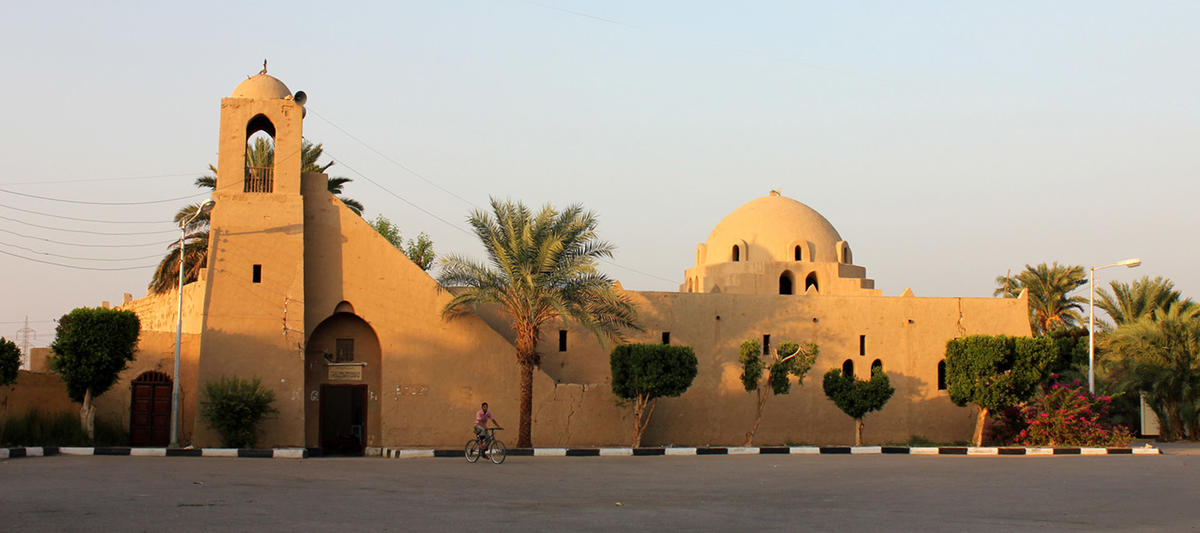
Credit: New Gourna Village | World Monuments Fund (wmf.org) - B.V. Doshi’s Sangath Architect’s Studio, India: Reflecting the traditions of his home country, India, Doshi’s architecture combines a modern vernacular aesthetic with indigenous building techniques. His studio, Sangath, uses vaulted roofs and sunken spaces that mimic the traditional Indian baoli (stepwells), contributing to natural cooling and presenting a remarkable example of bioclimatic design. Doshi, who studied under Le Corbusier, became one of the foremost practitioners of the vernacular style architecture merged with modernism, an approach that earned him the Pritzker Architecture Prize in 2018.

Credit: Sangath Architect’s Studio | Architect Magazine - Rick Joy’s Desert Nomad House, USA: Located in Tucson, Arizona, this modern vernacular house takes inspiration from the simple cube forms of indigenous desert architecture. Constructed from rusted steel, the vernacular house consists of several cubes scattered in the desert landscape, mirroring the isolation and self-sufficiency of the vernacular buildings found in desert shelters. The Desert Nomad House illustrates how contemporary design can honor the spirit of a landscape without replicating historical forms.

Credit: Desert Nomad House in Tucson, Arizona by|Houses (amazingarchitecture.com) - Vo Trong Nghia’s Wind and Water Cafe, Vietnam, A testament to the versatility of bamboo, an abundant local material in Vietnam, this open-air cafe uses bamboo in its most natural form. Designed as a self-supporting dome-shaped structure, it employs passive vernacular design strategies to keep the space naturally ventilated, highlighting the harmony between local resources, traditional building techniques, and modern vernacular design. VTN Architects have become global leaders in demonstrating how vernacular modern architecture can produce innovative, award-winning structures.

Credit:wNw Cafe / VTN Architects | ArchDaily
🏗️ Real-World Example
Gando Primary School, Burkina Faso (Francis Kere, 2001): Built with locally made compressed earth bricks and a raised metal roof designed to draw hot air up and away from the classrooms below, this project delivered a school that was cooler, better lit, and more durable than conventional concrete structures in the region. Kere financed it through a self-organized community fundraising effort in Germany. The project has since influenced an entire generation of African architects working with local materials and community participation.
More Contemporary Vernacular Architecture Examples Around the World
Beyond the foundational projects listed above, many recent works demonstrate the breadth and vitality of this movement. For a deeper exploration, see our article on the top 10 examples of modern vernacular architecture around the world.
Notable additional examples of vernacular architecture in contemporary practice include Francis Kere’s Gando Primary School in Burkina Faso, which uses locally made compressed earth bricks and raised roofing for passive cooling; Anna Heringer’s METI Handmade School in Bangladesh, built almost entirely by local craftsmen with mud and bamboo; and Peter Zumthor’s Therme Vals in Switzerland, which draws from Alpine stone-building traditions to create a building that feels carved from the mountain itself. Each project shows how vernacular style architecture can meet contemporary performance standards while preserving deep cultural connections.
A more recent addition to this canon is the DDAR house near Essaouira, Morocco, a rammed earth and handcrafted timber residence that reinterprets the traditional douar form while serving as a bioclimatic and cultural platform. Read the full project coverage in our article on DDAR: A Contemporary Vernacular Home near Essaouira.
The Vernacular House: From Traditional Dwellings to Modern Homes
The concept of the vernacular house has evolved significantly in recent years. Traditionally, a vernacular house was a dwelling built entirely from local materials using regional construction methods: thatched-roof cottages, sustainable rammed earth homes, or timber-frame longhouses. Today, the modern vernacular house reinterprets these traditions with contemporary comfort and energy standards. Architects designing vernacular buildings in 2025 often combine locally sourced stone or timber with high-performance insulation, photovoltaic systems, and smart home technology, proving that modern and traditional architecture can coexist in residential design.
Key Principles of Vernacular Building and Design
Understanding the core principles behind the vernacular style of architecture helps explain why this approach is so relevant today:
Local Material Use: Vernacular buildings rely on materials found within or near the building site: stone, earth, timber, bamboo, thatch, or reed. This reduces transportation energy, supports local economies, and ensures the building harmonizes visually with its landscape. In a modern vernacular house, these materials are often combined with engineered products for improved durability and performance.
Climate-Responsive Design: Passive strategies such as thick thermal-mass walls, cross-ventilation, shading devices, and orientation toward prevailing breezes are central to vernacular building logic. These same principles underpin today’s climate-responsive architecture.
Cultural Continuity: The vernacular meaning in architecture always includes a cultural dimension. Building forms, spatial layouts, and decorative motifs carry stories, social hierarchies, and spiritual beliefs from one generation to the next. This is why understanding vernacularism in architecture requires studying both construction techniques and cultural context.
Community Participation: Historically, vernacular structures were built collectively. Contemporary architects like Francis Kere continue this tradition by involving communities in the vernacular construction process, strengthening social bonds alongside physical structures.
Adaptability and Evolution: Vernacular traditions are not static. They evolve over centuries in response to changing needs, new trade routes, and contact with other cultures. Modern vernacular architecture continues this evolutionary process by integrating digital fabrication, sustainable engineering, and new composite materials.
🎓 Expert Insight
“The vernacular is not a style. It is a process. It is the way communities build in direct response to where they are and what they have. That process is exactly what contemporary architecture needs to relearn.”
Paul Oliver, Editor, Encyclopedia of Vernacular Architecture of the World (1997)
Oliver’s three-volume encyclopedia remains the definitive academic reference on the subject and is cited by practitioners from Francis Kere to Diebedo. His framing of vernacular as process rather than style is a critical distinction for architects who want to apply these principles without producing imitation or pastiche.
Why Modern Vernacular Architecture Matters in 2025
These examples show that contemporary vernacular architecture is not a revivalist movement, seeking to preserve past traditions in their original form. It is a forward-looking approach that seeks to redefine architecture’s relationship with culture and nature. It takes cues from the past, but with the understanding that this knowledge can be updated and improved using modern technologies and design principles.
By incorporating local materials and traditional vernacular construction techniques, these designs provide sustainable solutions, promote local economies, and contribute to preserving cultural identities. In a world grappling with the environmental crisis and cultural homogenization, modern vernacular architecture offers a potential path towards a more sustainable and culturally diverse architectural future.
The Environmental Case
The environmental case is compelling. According to the Architecture 2030 initiative, the building sector accounts for nearly 40% of global carbon emissions. Vernacular building strategies, local sourcing, passive conditioning, low-energy vernacular construction, directly address this footprint. When combined with modern performance standards, they offer a viable model for climate-adaptive building at scale.
🔢 Quick Numbers
- 40% of global CO2 emissions come from the building sector (Architecture 2030, 2024)
- 95% of the world’s built environment consists of vernacular or non-architect-designed buildings (Amos Rapoport, 1995 estimate, widely cited)
- 75%+ of the world’s existing buildings are vernacular in origin, yet remain understudied relative to their share of the built stock (MDPI Buildings journal, 2023)
Recent Dezeen coverage highlights a growing number of projects achieving net-zero targets through vernacular-inspired strategies. Peer-reviewed research published in MDPI’s Buildings journal confirms that scholarly interest in vernacular architecture has surged over the past decade, particularly across Asia and Europe, as researchers validate the energy performance of traditional building techniques.
The Cultural Case
As globalization accelerates, many regions risk losing centuries of architectural vernacular heritage to a homogeneous glass-and-steel aesthetic. Vernacularism in architecture offers a counterpoint: buildings that celebrate local identity while meeting global standards of comfort and efficiency. This is especially important in rapidly urbanizing regions of Africa, South Asia, and Southeast Asia, where vernacular traditions like those explored in our articles on Japanese vernacular architecture and Indonesian vernacular architecture hold rich lessons for contemporary practice.
💡 Pro Tip
If you are designing in an unfamiliar cultural context, begin your research with traditional dwelling types rather than landmark buildings. Vernacular houses reveal far more about how a community actually uses space, manages climate, and organizes daily life than monumental structures do. Local ethnographic surveys, municipal archives, and university anthropology departments are often better sources for this material than architectural databases.
The Future of Modern and Traditional Architecture Combined
As we continue to face global challenges, from climate change to rapid urbanization, the principles of vernacular architecture, local material use, passive vernacular design techniques, and a focus on cultural relevance, provide valuable insights for building in harmony with our environment and preserving our cultural heritage. The rise of modern vernacular architecture is not just a trend; it is a necessary evolution in the practice of architecture.
Looking ahead, several developments are shaping the future of vernacular modern architecture. Digital tools like parametric design and 3D earth printing are making it possible to reinterpret traditional vernacular building forms with unprecedented precision. Cross-disciplinary research, combining anthropology, environmental science, and engineering, is deepening our understanding of why certain architectural vernacular strategies work so well. And a growing network of architects, educators, and community organizations is ensuring that traditional building knowledge is documented and transmitted before it is lost.
For architects, students, and design enthusiasts seeking to understand how modern and traditional architecture can coexist, modern vernacular architecture offers one of the most inspiring and practical frameworks available. It reminds us that the best buildings are not those that impose a universal vision, but those that listen to the land, the climate, the materials, and the people who will call them home.
✅ Key Takeaways
- Modern vernacular architecture combines centuries of place-based building wisdom with contemporary design tools and performance standards.
- Its core principles, local materials, passive climate strategies, and community participation, directly address the environmental and cultural challenges of 2025.
- Genuine vernacular practice is about logic and process, not surface aesthetics. Copying traditional motifs without the underlying climate reasoning produces pastiche, not vernacular architecture.
- The building sector accounts for nearly 40% of global carbon emissions; vernacular strategies offer a proven, low-carbon alternative to energy-intensive construction.
- Key projects from Hassan Fathy’s New Gourna to Francis Kere’s Gando School demonstrate that this approach works across climates, budgets, and scales.
To explore related topics, see our articles on bio-inspired architecture, biomimicry in architecture, and sustainable architecture in the modern world.



2 Comments



Interior Design for Commercial Spaces: Enhancing Functionality and Brand Identity
Commercial interior design has to serve brand, function and regulation at once....
 Begum Gumusel4 Mins read

Georgian Architecture: Features, History & Examples
Georgian architecture (1714-1830) is defined by strict symmetry, classical proportion, sash windows...
 illustrarch Editoral Team9 Mins read
Neoclassical Architecture: Features, History & Examples
Neoclassical architecture emerged in the mid-18th century, reviving Greek and Roman forms...
illustrarch Editoral Team8 Mins read

Craftsman Architecture: Features, History & Examples
Craftsman architecture emerged in early 1900s America as a response to Victorian...
illustrarch Editoral Team10 Mins read


This article talks about a type of architecture that seems interesting. It’s nice to see how old ideas can mix with new ones. I guess it’s good for the environment too.
This article talks about vernacular architecture. It seems like an interesting way to think about building things in a local way. I guess it’s good for the environment too.