

In Plena Avenida, New perspectives for Av. Bolivar
In Plena Avenida reimagines Av. Bolívar in Caracas as a vibrant cultural-commercial corridor, enhancing urban life through diverse building typologies and mixed-use.
 illustrarch Editoral Team12 August 20191 Mins read312



In Plena Avenida reimagines Av. Bolívar in Caracas, Venezuela as a continuous cultural-commercial edge rather than a simple traffic corridor. Designed by Andrea De Sousa together with Stefano Cannone, Jose Santana, and Gildre Aquino, the project generates new perspectives along the avenue through a series of building typologies that shape its entire longitudinal axis. By treating the street as a sequence of related volumes, the scheme proposes a coherent urban frontage where commerce, culture, and public movement meet.
An urban avenue is one of the most demanding sites in architecture because it must serve several scales at once. Vehicles read it at speed, pedestrians read it at the pace of a shop window, and the city reads it as a piece of its larger structure. The decision to organize In Plena Avenida around a longitudinal axis responds directly to this condition, allowing each building to contribute to a legible rhythm while keeping its own program. This approach echoes long-standing ideas about the street as public space, where the ground floor and its relationship to the sidewalk carry much of the social weight of urban design.
A cultural-commercial edge
Mixing cultural and commercial uses along a single avenue is a deliberate strategy for keeping streets active across the day and into the evening. Retail draws foot traffic during business hours, while cultural functions extend life beyond them, reducing the dead periods that leave avenues empty and unsafe. The varied typologies proposed here let the design respond to different plot sizes and uses without losing the continuity of the overall frontage. Concentrating activity in this way reflects principles of mixed-use development, which many cities now favor as a path toward denser, more walkable centers.
For Caracas, a city set within a mountain-ringed valley, the avenue is also a structuring element in the wider fabric. Av. Bolívar has long served as a central spine, and proposals that strengthen its public character speak to the broader history of Caracas as a capital shaped by ambitious civic axes. By framing new perspectives along this route, the team positions architecture as a tool for repairing and enriching the experience of the street. In Plena Avenida ultimately reads as an argument that an avenue can be more than infrastructure, becoming a place that invites people to stay.




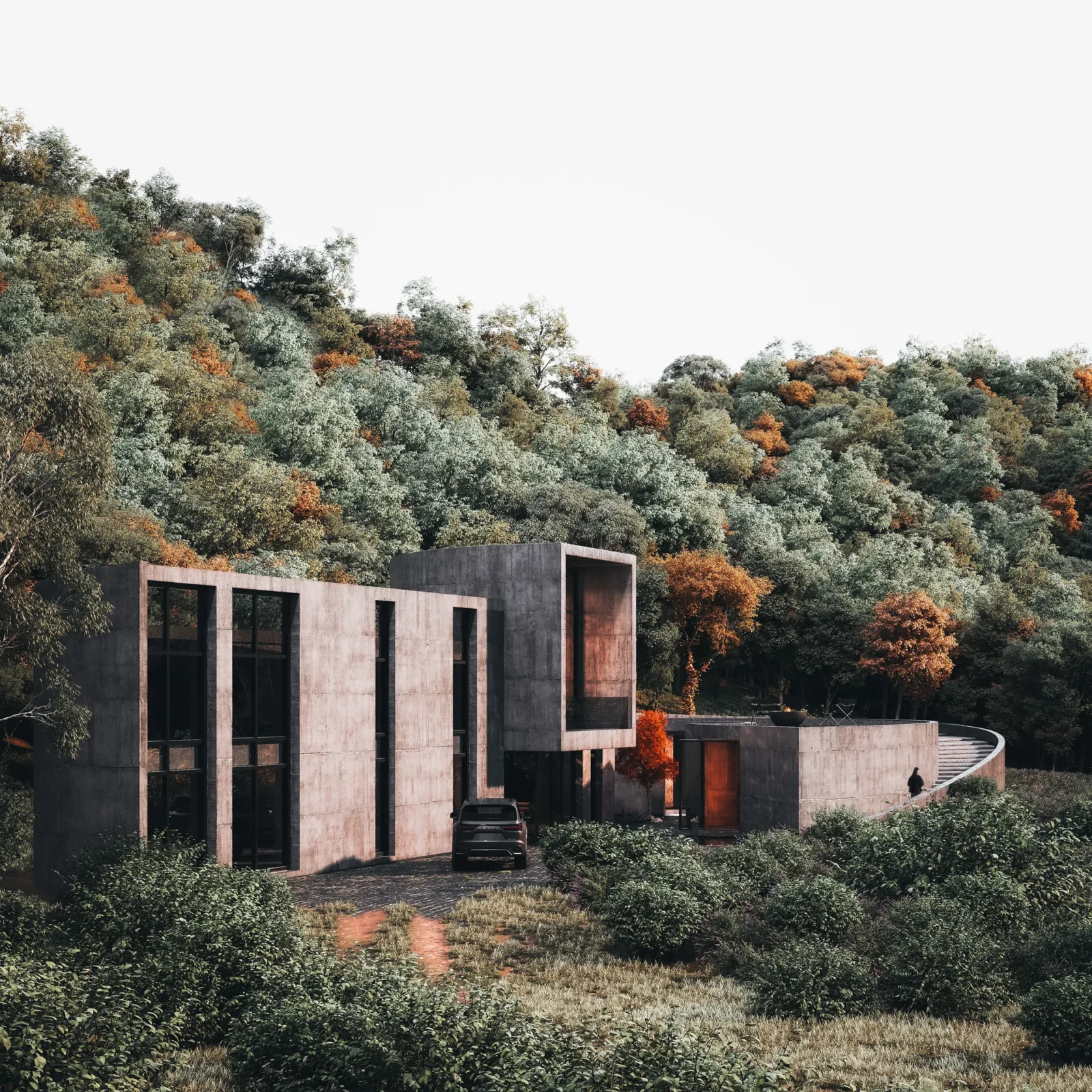
Savan House by Nobico Studio
Savan House is Nobico Studio's unbuilt concept for a forested hillside in...
illustrarch Editoral Team3 Mins read

Renaatus Irumathi
Renaatus Irumathi Residence features 69 spacious apartments designed with contemporary aesthetics, maximizing...
illustrarch Editoral Team2 Mins read
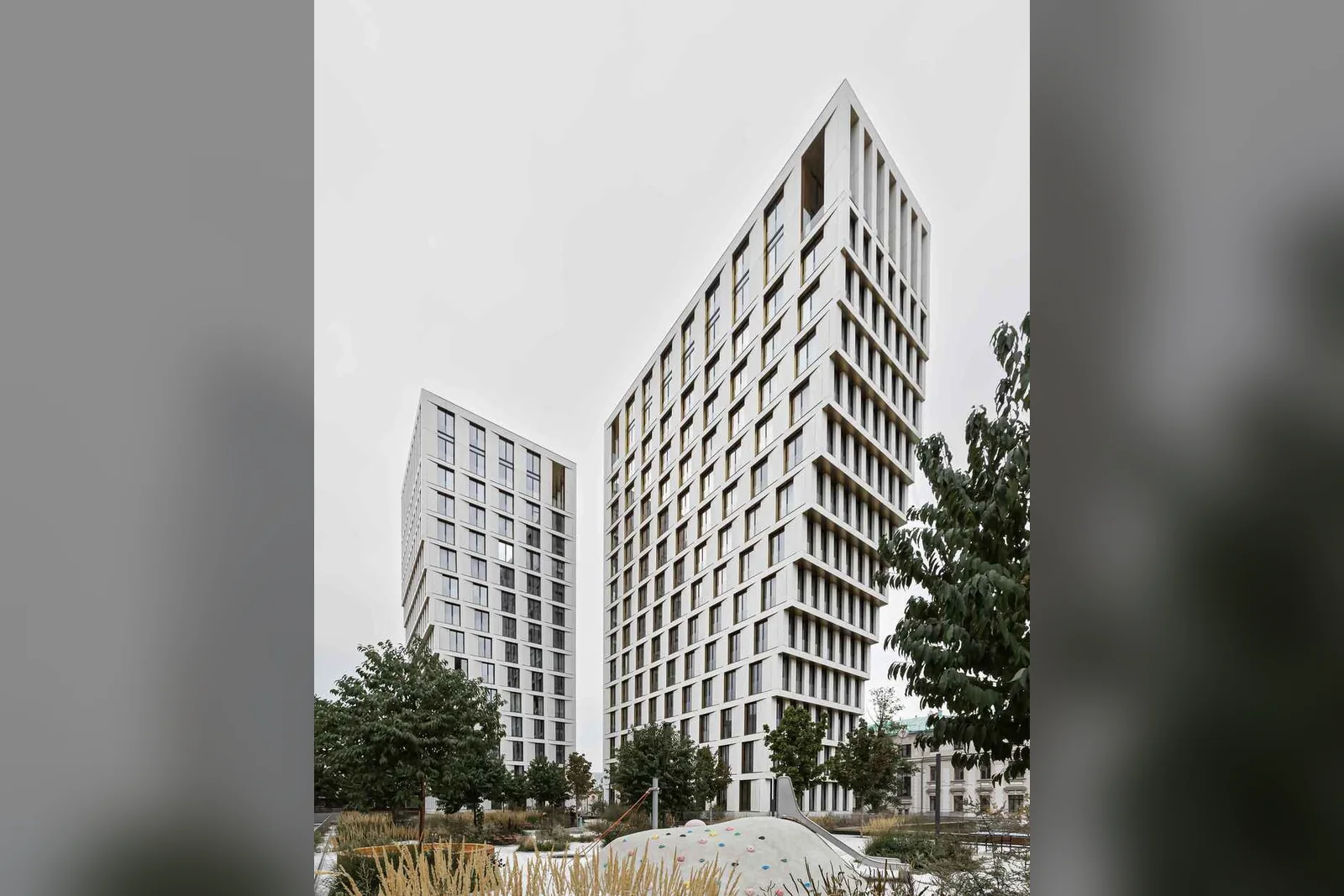
White Khamovniki
White Khamovniki is a residential tower project in Moscow that combines urban...
illustrarch Editoral Team1 Mins read
Millennium Horizon
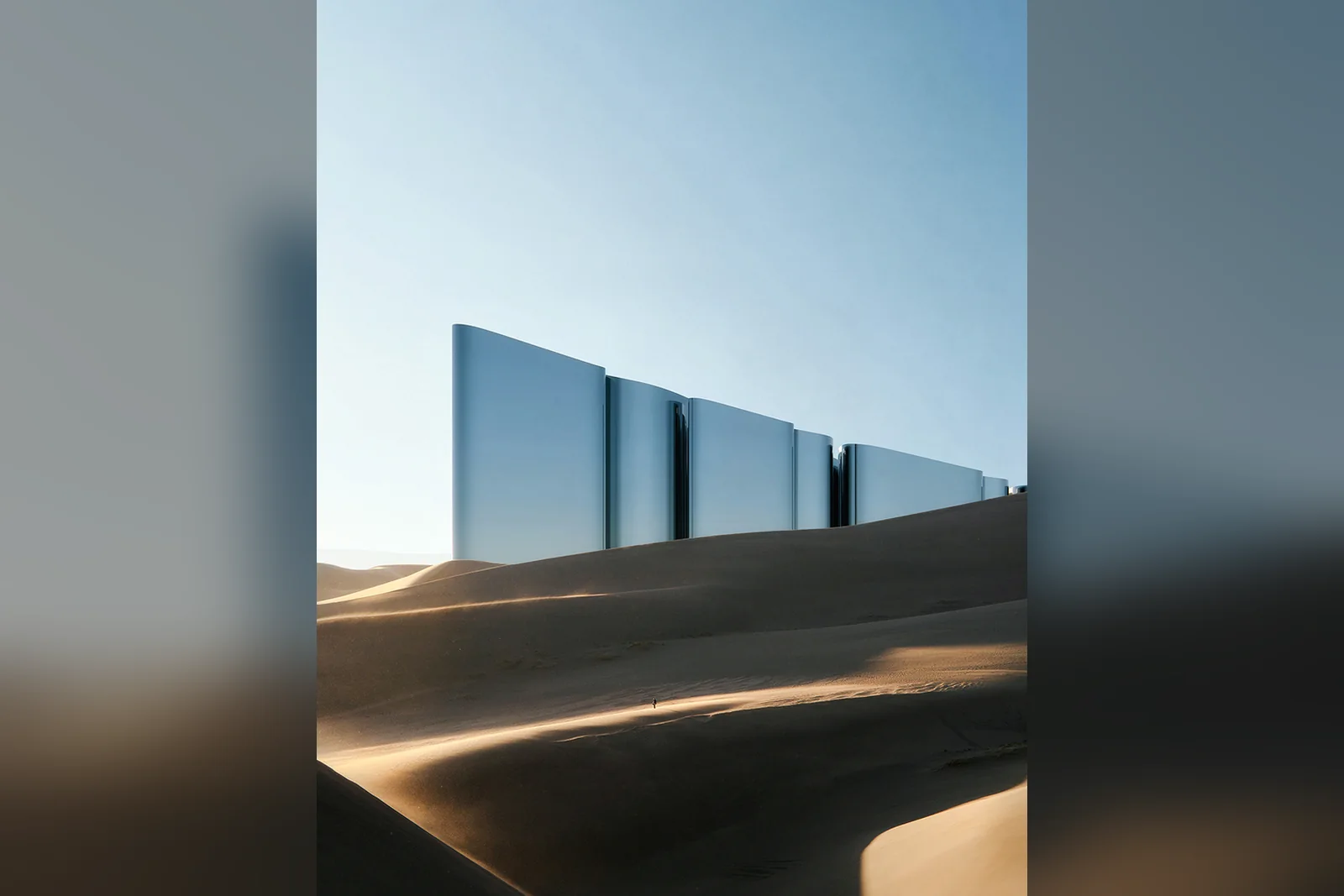
Millennium Horizon is an innovative architectural project in the UAE that uses...
illustrarch Editoral Team2 Mins read


Leave a comment