

RATLJÓST | A New Cultural Center for Oslo
RATLJÓST is a proposed cultural center in Oslo designed to foster artistic activity and community engagement through adaptable spaces and a focus on natural light.
 Furkan Sen4 May 20192 Mins read416


RATLJÓST is a proposed cultural center for Oslo, Norway, conceived by Veronica, Antonino Caridi, Davide Casaletto and Sissi Cocorda as a place that fits within a colorful urban scenery that already sets art and culture on the first level. The project takes its name from an Icelandic word that literally means “enough light to sail,” a phrase that frames the building as a guide rather than a monument. On this waveline, the design suggests the right way to follow consciously, pointing visitors toward a direction they can choose with intention.
Rather than only proposing new architectural hints, RATLJÓST imagines itself as an initiator and incubator of artistic forms. The ambition is to contribute in a personal way to the cultural development of this remarkable city, treating the building less as a finished object and more as an open framework where creative activity can take root and grow over time. That idea of light as orientation runs through the whole concept, tying the name to the social purpose the architects set for themselves.
Designing a Cultural Center for a Northern City
A cultural center works hardest when it stays flexible. These buildings host exhibitions, performances, workshops and informal gatherings, so their interiors usually favor open, adaptable rooms over fixed single-use halls. Generous public space, clear circulation and visible entrances help a center read as an invitation to the whole community, which matches RATLJÓST’s aim to point the way and welcome new artistic forms.
Light carries particular weight at the latitude of Oslo, where winter days are short and daylight becomes a scarce resource to be shaped and shared. The Icelandic notion of having just enough light to sail speaks directly to this northern condition, where architecture often gathers, filters and extends natural light to keep interiors active through dark months. A cultural building that treats daylight as both a practical tool and a guiding metaphor responds thoughtfully to its setting.
Architecture that frames itself as an incubator also tends to prize connection to the street and the surrounding public realm, so that culture spills outward and draws people in. By naming itself after a guiding light, RATLJÓST sets out a clear intention for how a cultural center can serve a city: not by dominating its surroundings, but by helping people find their way toward shared artistic life. You can read more about the broader role these spaces play in the wider field of public space.


1 Comment


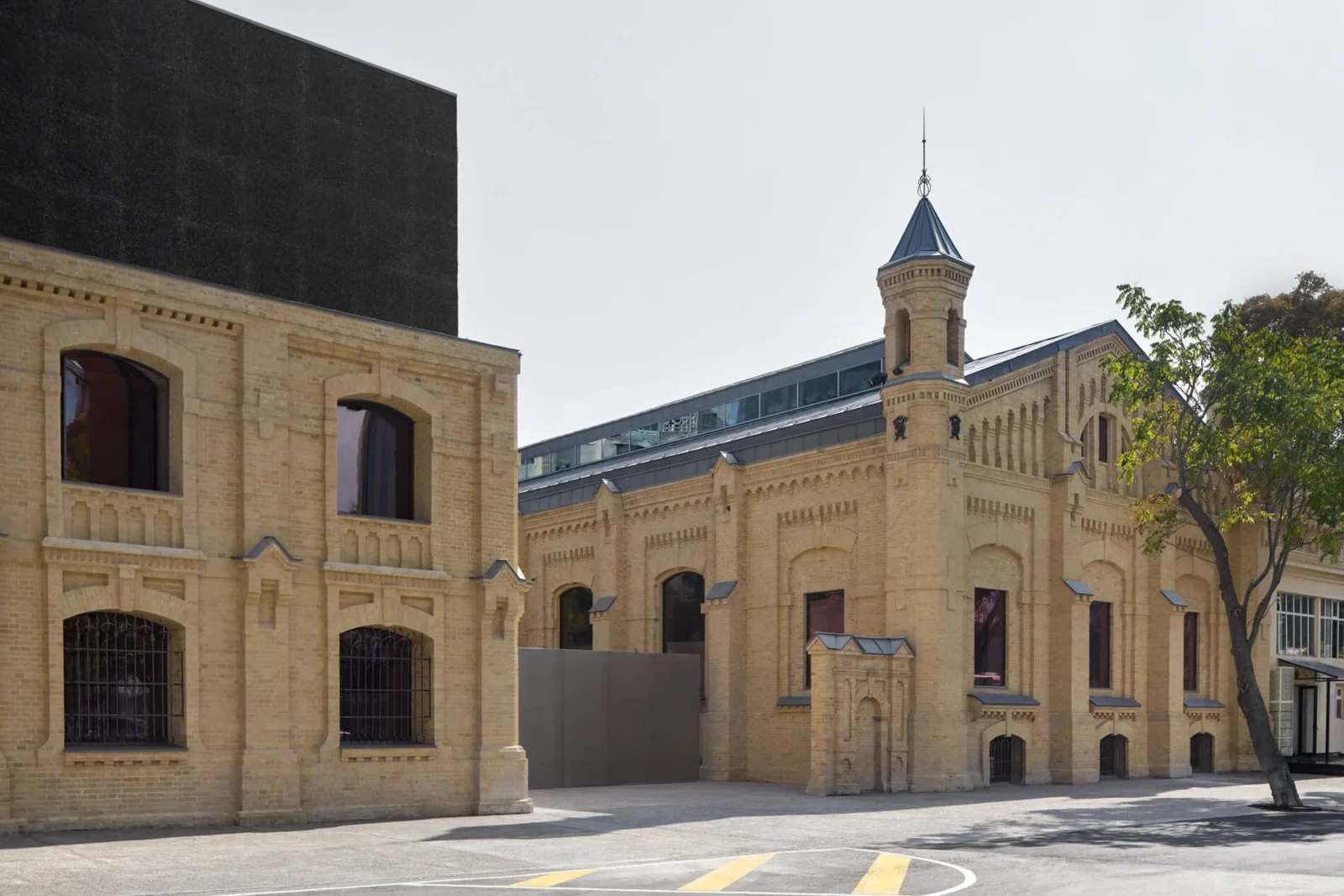
CCA Tashkent Opens in Studio KO’s Revamped 1912 Tram Depot
Studio KO has converted a 1912 Tashkent tram depot into CCA Tashkent,...
 illustrarch Editoral Team2 Mins read

Tidsmaskinen After-School Center by BBP Arkitekter
BBP Arkitekter add a heptagonal tower and a greenhouse to a 1918...
illustrarch Editoral Team2 Mins read

People’s Theatre Opens Permanent Inwood Home After 18 Years
WORKac's ramp-driven design gives Mino Lora's People's Theatre its first permanent home...
illustrarch Editoral Team2 Mins read

KAFD Metro Station by Zaha Hadid Architects
Zaha Hadid Architects' KAFD Metro Station ties three Riyadh Metro lines together...
illustrarch Editoral Team4 Mins read


The word actually does not exist in Icelandic