

Polyfunction Building
The Polyfunction Building by DOXA Architects is a mixed-use structure in Nitra, Slovakia, designed to enhance public space while integrating modernist architectural elements.
 illustrarch Editoral Team18 March 20211 Mins read421
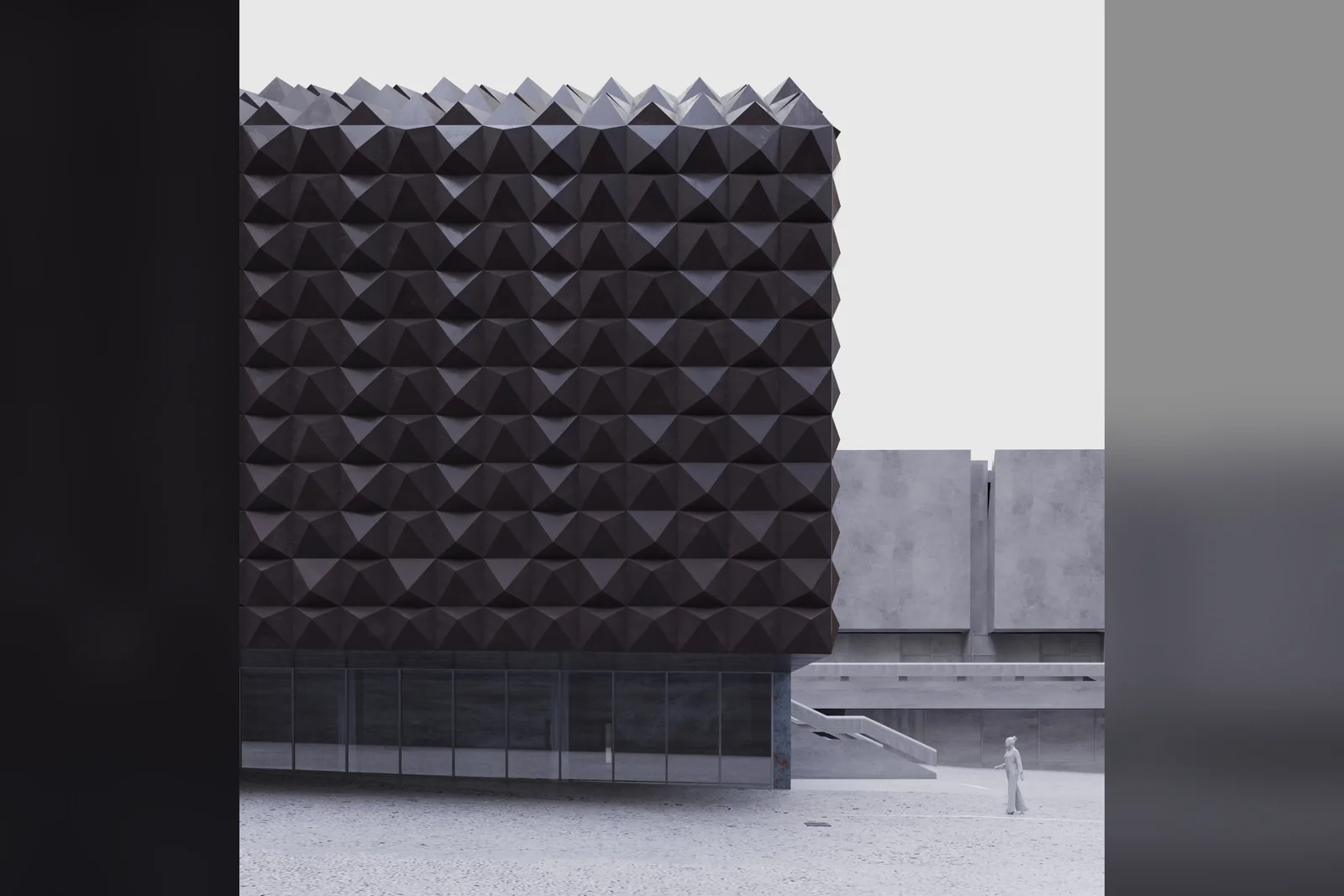

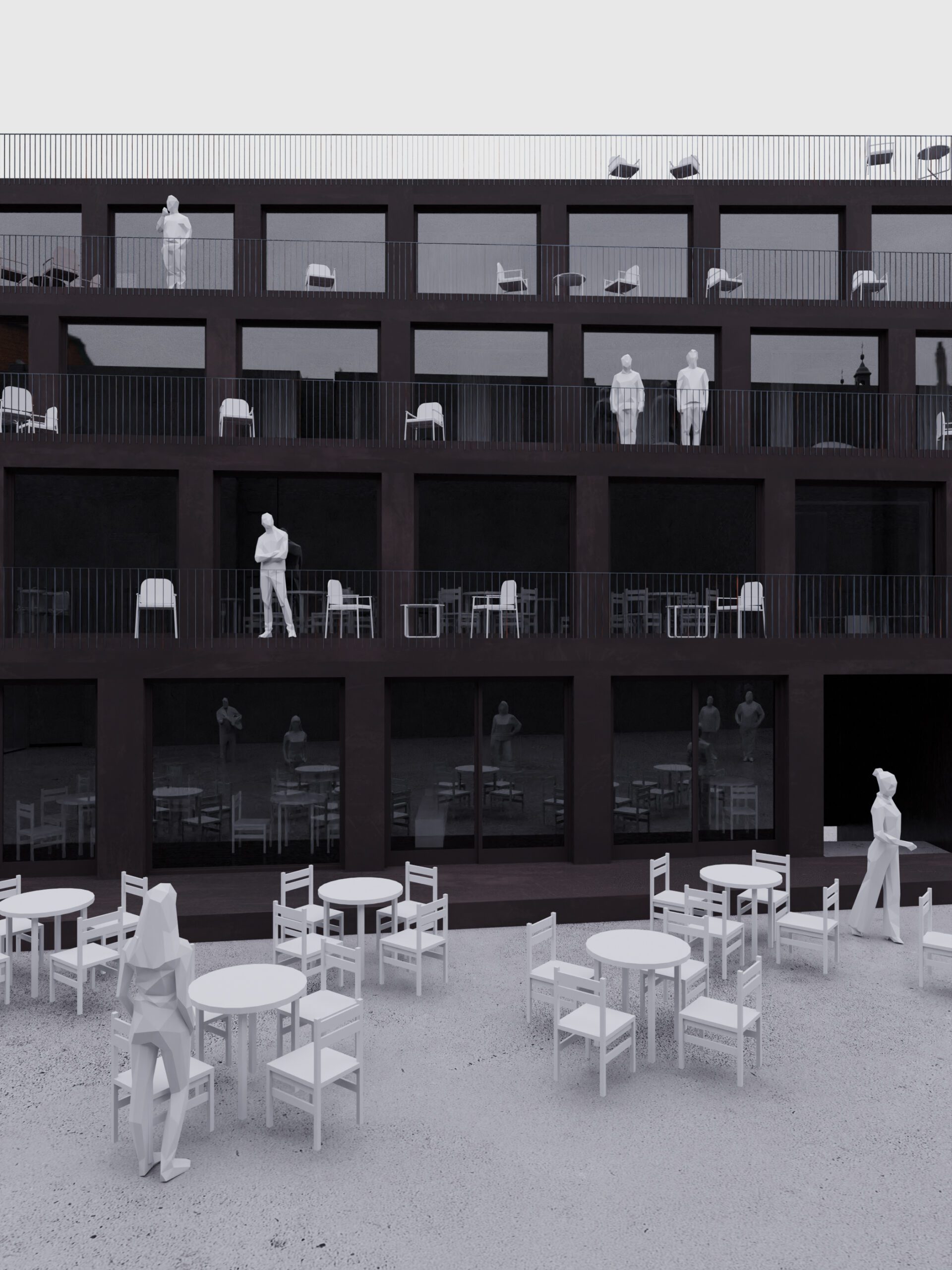
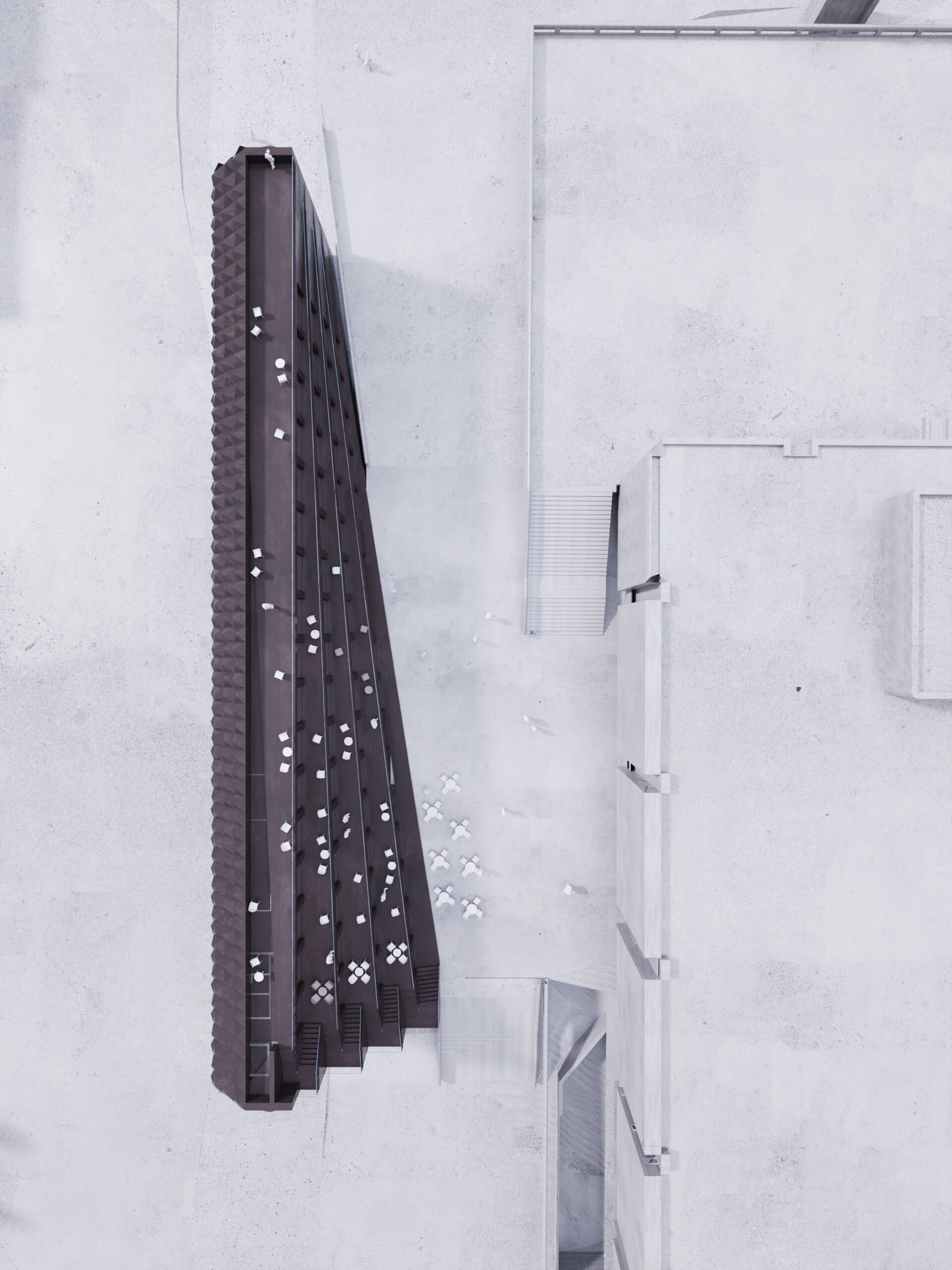

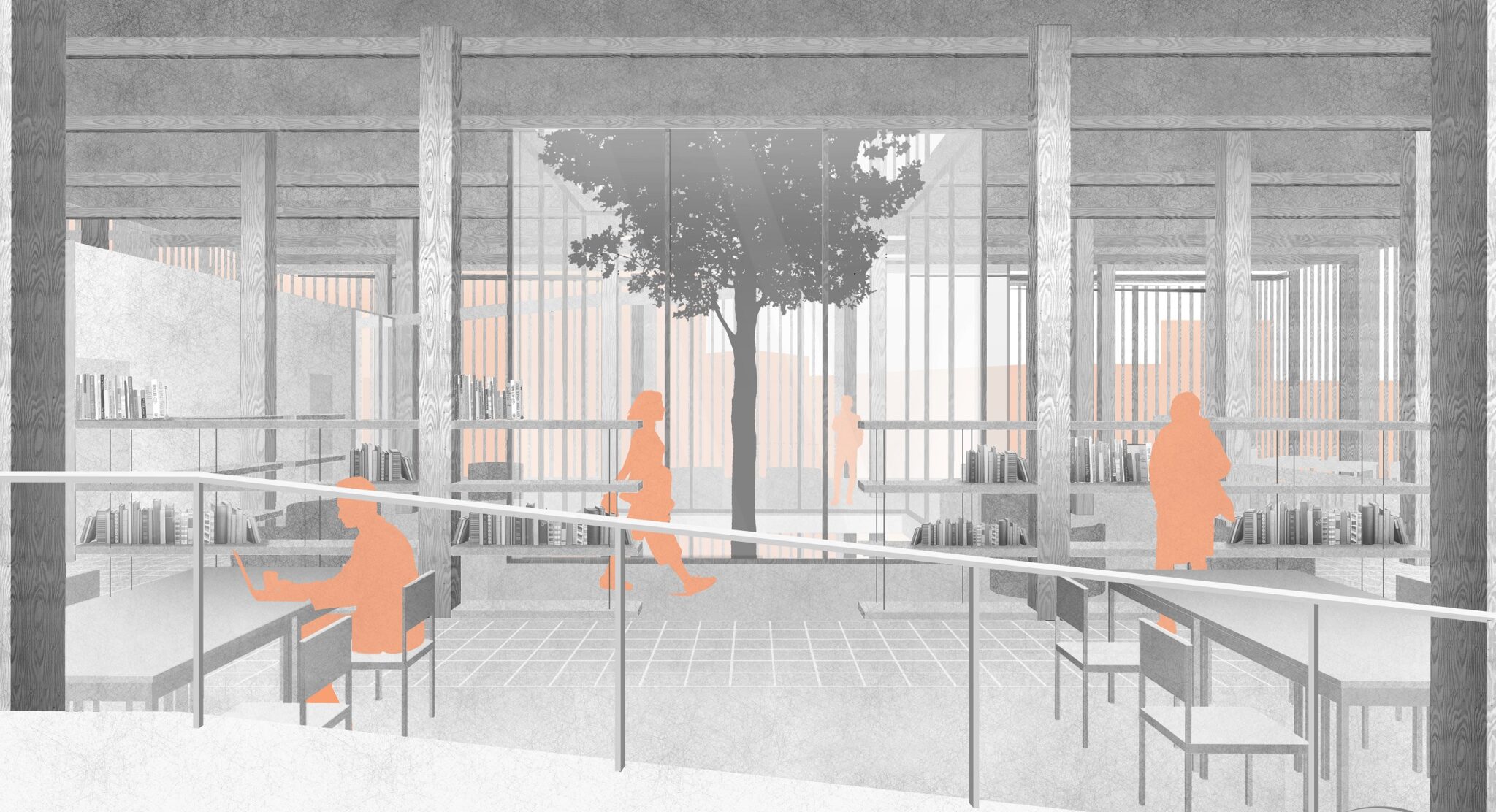
The Polyfunction Building is DOXA Architects’ competition answer for a mixed-use structure combining offices and services at the entrance to the old center of Nitra, Slovakia. The site sits along a boulevard and beside the modernist shopping center Prior, a context that shaped almost every decision in the scheme. The most demanding constraint was the tight site, only 6 meters wide at its narrowest point, which forced DOXA Architects to think about how a slender building could still hold its own in the city fabric while respecting its modernist neighbor.
Rather than filling the plot, the architects chose to reduce the proposed mass and let public space flow upward through the building. The result is a slender cantilevered volume that rotates toward its neighbor and encloses the plaza with stacked office terraces. By pulling the building back, DOXA Architects preserved the feeling of a wide, open public realm and created a larger plaza with better views. Orienting the terraces toward that space keeps the offices in steady visual contact with the people below, a quiet form of interaction between work and street life.
Designing for a Mixed-Use Civic Edge
Buildings that mix offices with ground-level services carry a particular set of challenges. They must keep workspaces quiet and well lit while inviting the public to pass through and linger, and they have to read as a good neighbor on a street defined by older architecture. Stepping the upper floors back and threading public space into the section is a recognized way to soften the bulk of an office building and give something back to the city at street level.
The facade draws directly on modernist geometry, a fitting reference since modernism is woven into Nitra and into the boulevard, which is framed by significant buildings from that period. Beyond its visual link to the surroundings, the facade is designed to filter daylight into a soft, diffused glow across the workspaces, and its upper surface is shaped to accept solar cells. That combination ties the project to the broader sustainable architecture conversation, where daylight control and on-site energy are treated as part of the architecture rather than added on later. The Polyfunction Building shows how a narrow, awkward plot can become an opportunity to widen the public realm instead of crowding it.




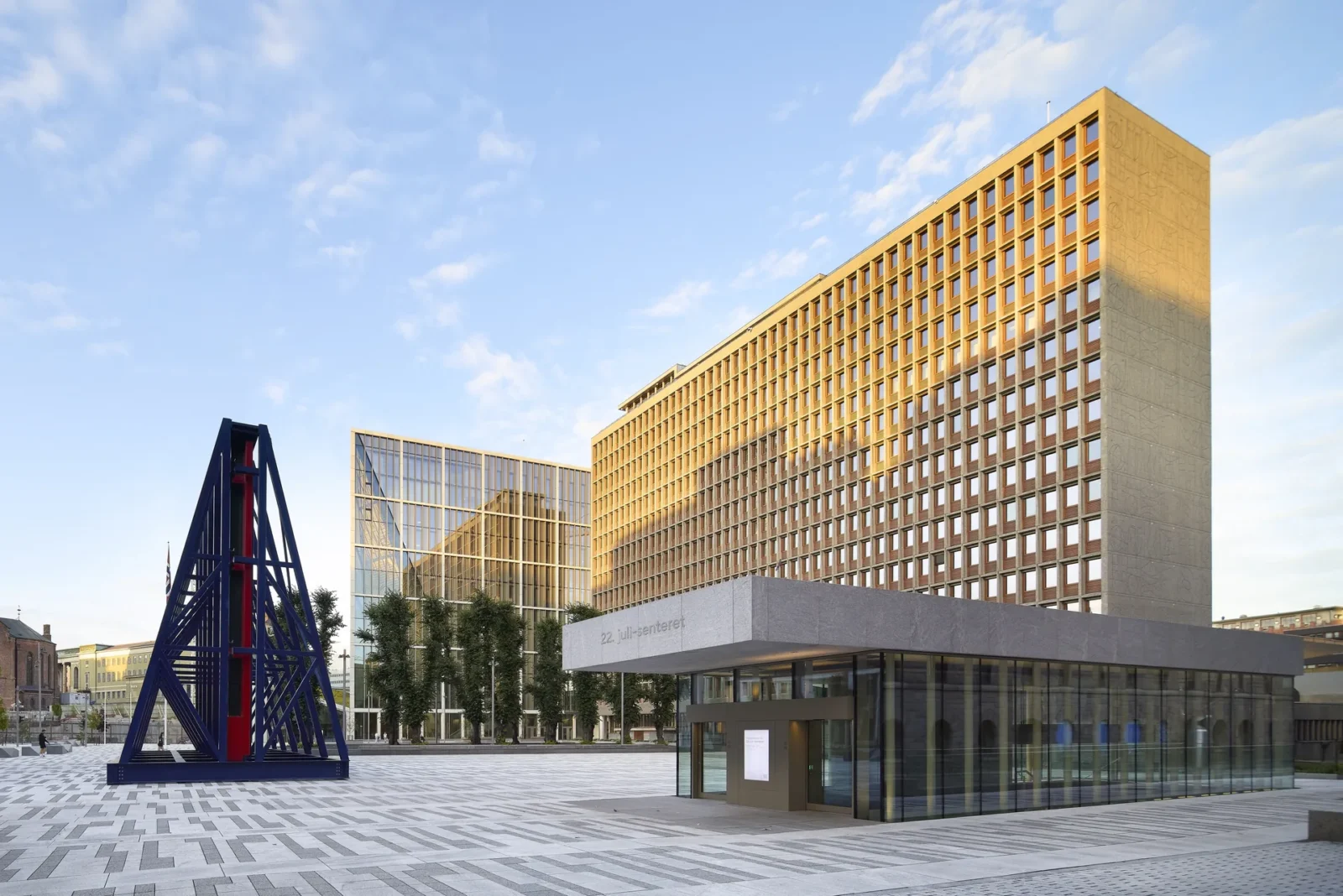
New Government Quarter by Nordic Office of Architecture
The first phase of Oslo's New Government Quarter rebuilds the site of...
illustrarch Editoral Team4 Mins read
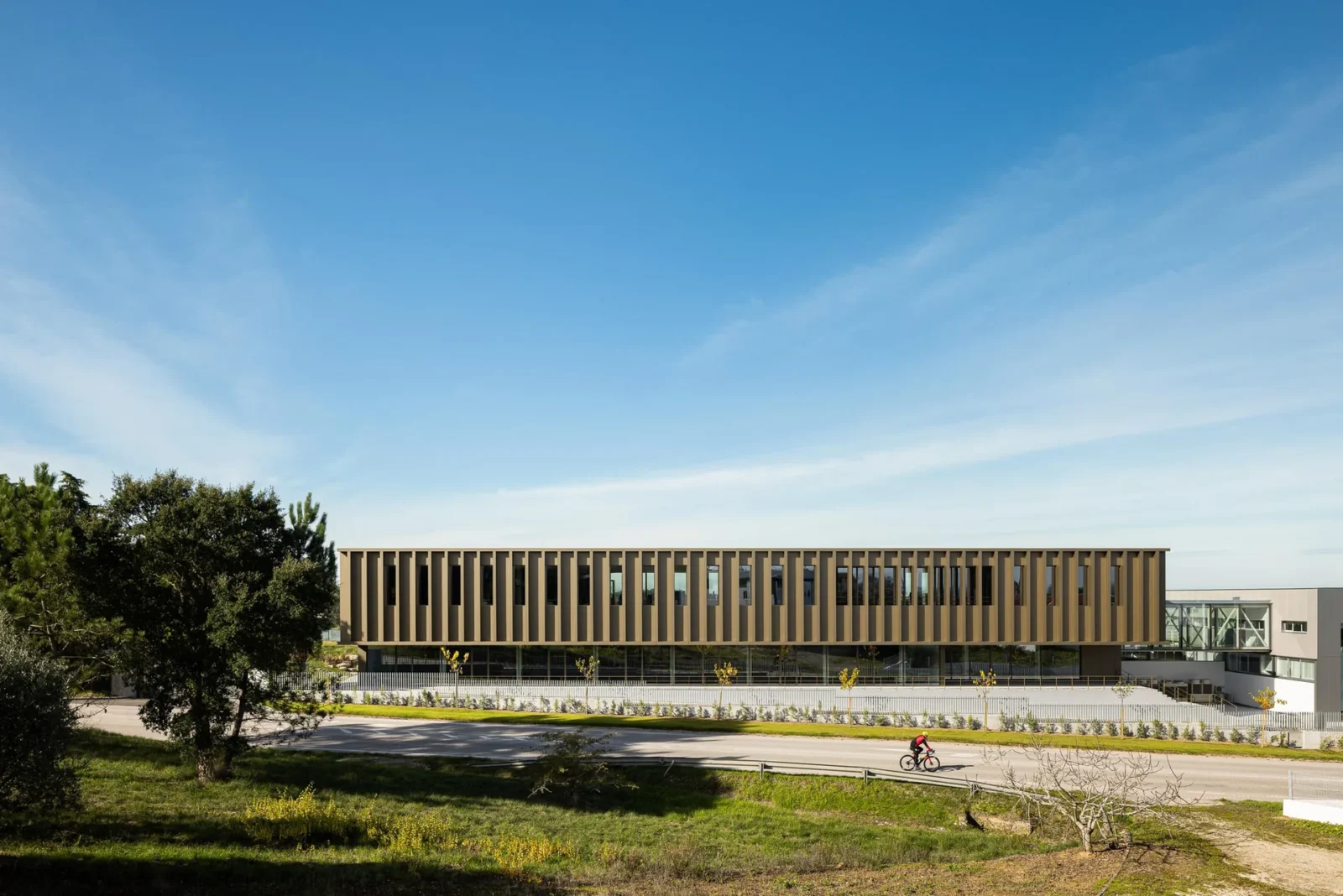
New PRF Headquarters Building by Impare Arquitectura
Impare Arquitectura extend a Leiria gas-solutions company with a volume aligned to...
illustrarch Editoral Team2 Mins read

Mokuzai by IT’S Architecture
Mokuzai by IT'S Architecture is a 7,500 square metre office and health...
illustrarch Editoral Team2 Mins read

Four Design and Architecture Contests Open for Entries This Fall
Four separate design contests, in California, Vancouver, Canada's new RIBA chapter and...
illustrarch Editoral Team2 Mins read


Leave a comment