

Exploring the Tiny House Movement in the USA: A Growing Trend for Simplicity and Sustainability
The tiny house movement in the USA has evolved from a niche concept into a mainstream housing trend. With homes typically under 400 square feet, tiny living offers financial freedom, environmental benefits, and a simpler lifestyle. Discover regional trends, cost comparisons, building innovations, and the future of small home living across America.
 Begum Gumusel25 November 202512 Mins read1.1k

Table of Contents Show
The tiny house movement in the USA has grown from a niche curiosity into a nationwide housing trend. More Americans than ever are choosing to downsize into compact, efficient homes, often under 400 square feet. These micro homes offer a practical answer to rising housing costs, environmental concerns, and the desire for a simpler way of life. But what exactly is driving this small home movement, and why are so many people willing to trade square footage for freedom?
From financial freedom to environmental impact, the benefits of tiny living are wide-ranging and real. Whether you call them tiny homes, micro homes, or small houses, these dwellings are reshaping how Americans think about their living spaces. In this guide, we explore the roots of the tiny home movement, its regional variations, practical challenges, and where the trend is headed next.
Discover the Top Tiny House Communities to Consider in the USA

What Is the Tiny House Movement?
The tiny house movement is a social and architectural trend that encourages living in small, efficiently designed homes. It draws people who value simplicity, sustainability, and intentional living over the pursuit of ever-larger properties. At its core, the tiny house concept challenges conventional ideas about how much space a person truly needs to live well. Sometimes called the small house movement, it encompasses everything from DIY builds on trailers to professionally constructed tiny house projects on permanent foundations.
Typical Tiny House Size
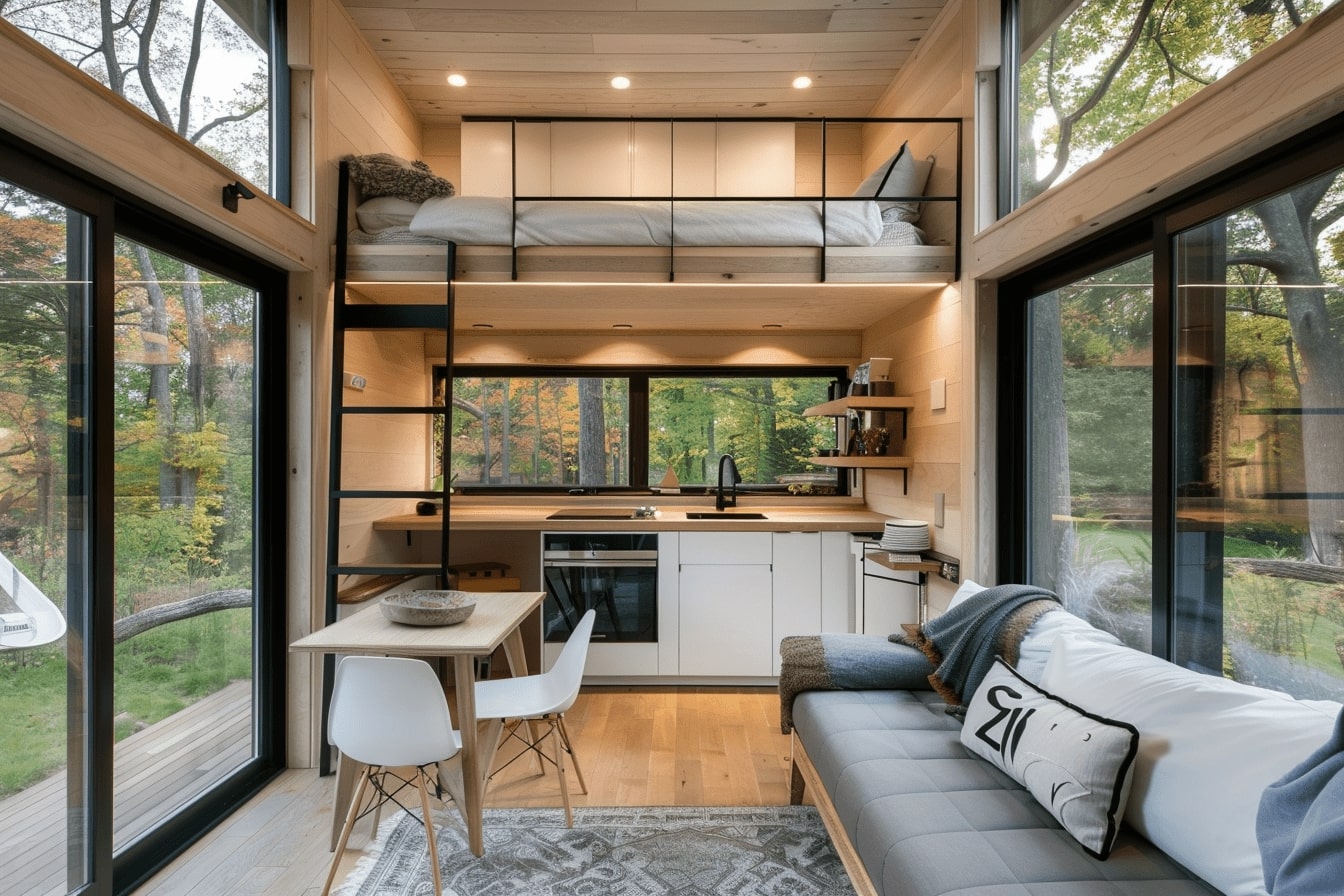
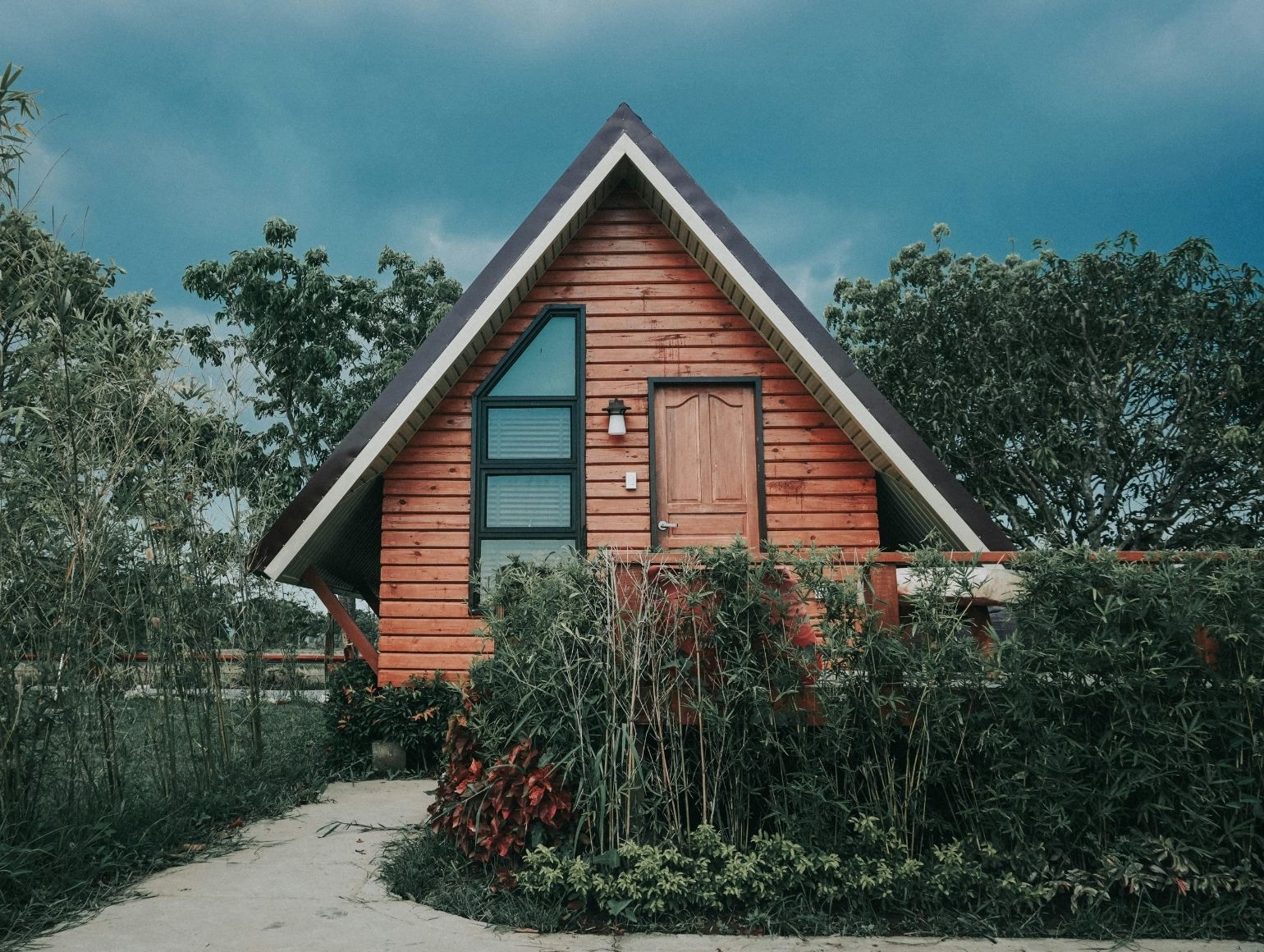
A tiny house is generally defined as a dwelling under 400 square feet, though many fall in the 100 to 300 square foot range. The typical tiny house size makes creative design essential: multi-functional furniture, lofted sleeping areas, and clever storage solutions maximize every inch of available space. Some tiny houses sit on trailers for mobility, while others are stationary tiny houses built on permanent foundations. Many also incorporate off-grid features like solar panels, composting toilets, and rainwater collection systems, reducing dependence on municipal utilities. For comparison, a standard American home averages around 2,300 square feet, making a tiny home roughly one-sixth of that size.
Step-by-Step Guide on How to Build Your Own Tiny House in the USA
Why People Choose Tiny Living
Tiny living appeals to a wide range of people for different reasons. Financial savings top the list: the average cost of a tiny house ranges from $30,000 to $60,000, while the median price of a traditional home in the USA sits above $400,000 as of Q2 2026. That price gap allows tiny homeowners to avoid large mortgage debts or even own their home outright. Beyond money, living in small homes encourages a minimalist lifestyle. With less room for clutter, residents focus on keeping items that truly matter to them.
The environmental appeal is equally strong. Tiny houses consume fewer building materials, use less energy, and produce a smaller carbon footprint compared to conventional homes. Socially, the tiny home trend has fostered tight-knit communities where neighbors share resources, tools, and common spaces. For people seeking adventure, mobile tiny houses offer the tiny house freedom to relocate without the headaches of selling property or breaking a lease.
The Growth of the Tiny Home Trend in the USA
Tiny houses have gained significant traction across the United States over the past decade. What started as a fringe lifestyle choice is now a recognized housing option, backed by growing public interest and evolving municipal policies. The small home movement reflects broader shifts in how Americans view homeownership, debt, and environmental responsibility.
Factors Driving the Popularity
Several forces fuel the continued rise of the tiny house movement in the USA:
- Affordability: Construction and maintenance costs remain far below those of traditional homes. A tiny house typically costs between $30,000 and $60,000, while the median price of a conventional home hovers around $410,700 as of Q2 2026. This gap makes tiny homes accessible to first-time buyers, retirees, and anyone looking to reduce housing expenses.
- Environmental Impact: Tiny houses consume fewer resources in both construction and daily operation. Many feature solar panels, composting toilets, and energy-efficient appliances. According to the Environmental Protection Agency (EPA), smaller homes can reduce energy consumption by up to 45% compared to standard residences.
- Lifestyle Changes: A growing desire for simpler, clutter-free living motivates people to downsize. Tiny homes force you to evaluate what you truly need, promoting mindful consumption and intentional daily habits.
- Community Focus: Owners of tiny houses often find community through shared resources, communal gardens, and close-knit living environments. This sense of belonging is a major draw for people who feel isolated in sprawling suburban developments.
- Addressing Homelessness: Some cities and nonprofits are exploring the tiny home homeless housing model, building small communities of micro homes to provide stable shelter for individuals experiencing homelessness. Programs in cities like Austin, Los Angeles, and Detroit have gained attention for this approach.

Regional Trends and Examples
The tiny house movement shows distinct regional patterns across the tiny house United States landscape:
- West Coast: California and Oregon lead in tiny house adoption. The small house movement California is especially strong, driven by extreme real estate prices and a culture that values environmental sustainability. Cities like San Francisco and Los Angeles have become hotspots, with several pilot programs testing zoning flexibility for accessory dwelling units (ADUs) and tiny house communities.
- Southern States: In Texas and North Carolina, tiny homes appeal to residents who want to avoid large mortgages while taking advantage of open land and lower building costs. Texas, in particular, has some of the most permissive local regulations for tiny houses on wheels.
- Urban Areas: Cities like Portland, Seattle, and Austin have established tiny house communities in the United States, fostering shared living philosophies and environment-friendly initiatives. Portland’s Kenton neighborhood, for example, hosts one of the oldest and most recognized tiny house villages in the country.
- Mountain and Rural Regions: States like Colorado, Montana, and Vermont attract tiny house enthusiasts drawn to off-grid living and proximity to nature. These areas offer fewer zoning restrictions and more affordable land for placing a stationary tiny house or a mobile unit.
These regional examples show how tiny houses USA adapt to different climates, regulations, and lifestyles, making the movement flexible enough to suit a variety of needs.
Tiny House vs. Traditional Home: A Cost Comparison
One of the most compelling reasons people consider a tiny house in the USA is the dramatic difference in cost compared to a traditional home. The table below breaks down typical expenses across several key categories.
Cost Breakdown: Tiny House vs. Traditional Home
| Category | Tiny House | Traditional Home |
|---|---|---|
| Average Purchase Price | $30,000 to $60,000 | $400,000+ |
| Monthly Utilities | $50 to $150 | $200 to $400+ |
| Annual Property Taxes | $100 to $500 | $2,000 to $8,000+ |
| Annual Maintenance | $500 to $1,500 | $3,000 to $10,000+ |
| Insurance (Annual) | $500 to $1,200 | $1,500 to $3,500+ |
| Typical Size | 100 to 400 sq ft | 1,500 to 2,500 sq ft |
This cost difference is a key factor in the tiny house movement’s appeal. You can also use a moving cost tool to budget every aspect of your transition to tiny living.
Benefits of Tiny House Living
Tiny house living offers a range of advantages that attract diverse groups across the United States, from young professionals paying off student loans to retirees looking to simplify.
Environmental and Economic Benefits
Tiny houses significantly reduce your carbon footprint. Their small size means fewer building materials during construction and lower energy consumption over the home’s lifetime. Many incorporate eco-friendly features like solar panels, composting toilets, and rainwater collection systems. According to the Environmental Protection Agency (EPA), tiny homes can cut energy use by up to 45% compared to traditionally sized houses.
Financially, a tiny house presents a much more affordable housing option. With average costs between $30,000 and $60,000, owners avoid the burden of six-figure mortgages. Property taxes stay minimal because of the smaller footprint, and monthly utility bills often drop to a fraction of what you would pay in a standard home. For people looking to relocate into a tiny house, budgeting carefully matters. To keep the whole process low-cost, you can also use a moving cost tool to make sure every aspect of your move is budget-friendly. The tiny house movement cost advantage extends beyond purchase price and into everyday expenses.
Lifestyle and Freedom
Living in a tiny house promotes a simplified lifestyle. With less space to fill, you naturally adopt minimalism, keeping only possessions that serve a purpose or bring genuine satisfaction. This shift often leads to a more organized and less stressful daily routine.
Tiny houses also provide remarkable mobility. Homes built on trailers allow you to relocate without the burdens of selling property, and this flexibility fosters a sense of tiny house freedom and adventure. You can explore different regions, live closer to nature, or follow seasonal work opportunities. If you are planning to simplify your lifestyle in Arkansas by moving into a tiny house, you might be wondering how to handle your current home. Many people choose to sell my house fast Arkansas to free up time and money for their next chapter.
Tiny house communities often have strong social bonds. Resource sharing and proximity foster a sense of community that is harder to find in conventional suburban neighborhoods. Shared gardens, communal workspaces, and group events bring residents together regularly, creating a support network that enriches daily life.
Tiny Home Innovations: Building Materials and Technology
The materials and technology used in tiny house construction have evolved rapidly, producing some of the most exciting tiny home innovations in residential architecture. Early tiny homes relied on standard wood framing, but today’s builders use a broader range of options to improve durability, sustainability, and weight efficiency. Tiny house building materials now commonly include recycled steel framing, structural insulated panels (SIPs), reclaimed wood, and cross-laminated timber (CLT). These materials reduce waste and often outperform traditional framing in terms of insulation and structural strength.
On the technology side, 3D-printed construction is beginning to enter the tiny house space, with companies experimenting with printed wall systems that cut build times dramatically. Smart home integration is also on the rise. Many tiny houses now feature automated lighting, climate control, and security systems that can be managed from a smartphone. Solar roof panels, lithium battery storage, and greywater recycling systems allow tiny homeowners to live comfortably off-grid without sacrificing modern conveniences. These developments place tiny houses of America at the forefront of residential innovation.
Multi-functional furniture remains central to tiny house design. Foldable beds, retractable tables, and convertible seating allow a single room to serve as a bedroom, office, and living area throughout the day. These tiny house innovations reflect a design philosophy that values creativity and efficiency above raw square footage.
What Is a Mini House? Understanding Extreme Small Houses
While most tiny homes range from 100 to 400 square feet, a growing subset pushes even further. Extreme small houses — sometimes called mini houses — typically measure under 100 square feet. So what is a mini house exactly? It is an ultra-compact dwelling that strips living to the bare essentials: a sleeping platform, a compact wet bath, and a small cooking area. Designers often use vertical space aggressively, with lofted beds and wall-mounted storage to keep the floor plan open. These micro structures appeal to solo dwellers, seasonal travelers, and those who view the tiny movement as a philosophy rather than just a housing option. While extreme small houses are not for everyone, they demonstrate the creative limits of compact design and continue to push the boundaries of the tiny home trend.
Challenges and Considerations
Understanding the challenges of the tiny house movement is just as important as knowing its benefits. Prospective tiny homeowners should be aware of legal, practical, and financial hurdles before committing to this lifestyle.
Legal and Zoning Issues
Zoning and building code restrictions remain the most significant barriers for tiny house USA owners. Local regulations often dictate minimum dwelling sizes, and many areas classify tiny houses on wheels as recreational vehicles (RVs), which limits where they can be parked or occupied full-time. These rules can effectively exclude tiny houses from residential neighborhoods. Some municipalities, particularly in Oregon, Texas, and parts of California, have started adapting codes to accommodate the tiny house trend. However, progress is inconsistent across states and counties. Owners must research local laws thoroughly before committing to a location, and consulting with a local planning office is strongly recommended.
Navigating the Legal Landscape of Tiny Houses in the USA: Key Challenges and Progress
Practical Living Challenges
Day-to-day life in a tiny house requires adjustment. Efficiently using limited space calls for innovative storage solutions and multi-functional furniture. Beds with built-in drawers, fold-down desks, and wall-mounted shelves become necessities rather than luxuries. Weather conditions can also pose challenges; a small, lightweight structure needs proper insulation and reliable heating and cooling systems to remain comfortable year-round, particularly in extreme climates.
Water and waste management require extra thought, especially for off-grid homes. Composting toilets, greywater systems, and rainwater collection all demand regular maintenance and may be subject to local regulations. Hosting guests can feel cramped, and couples or families may find the space limiting over time. These practical realities mean that tiny house living works best for people who genuinely embrace the philosophy of owning less and living more intentionally.
Are Tiny Houses Still Popular in 2025?
Yes, tiny houses remain popular and the market continues to expand. According to industry reports, the global tiny homes market is projected to reach over $6 billion by 2026, with the United States representing the largest share. Interest from millennials and Gen Z buyers is especially strong, as these groups face higher housing costs relative to income compared to previous generations. Retirees also represent a growing segment, drawn to the low-maintenance lifestyle and the ability to free up retirement savings for travel and experiences rather than mortgage payments. The enduring appeal of tiny homes America shows that this is far more than a passing fad.
Media coverage and television shows like “Tiny House Nation” and “Tiny House Hunters” have kept public awareness high, while social media platforms such as Instagram and YouTube are filled with tiny home tours and build diaries that inspire new adopters. The tiny home trend shows no signs of slowing down, and with rising housing costs across major US markets, interest is likely to continue growing.
Future of the Tiny House Movement
The tiny house movement in the USA is evolving in several promising directions. Regulatory changes, design advances, and shifting demographics are all shaping what comes next for this housing trend.
Evolving Regulations and Zoning Reform
Cities across the country are beginning to update zoning codes to accommodate tiny houses. California passed legislation supporting accessory dwelling units (ADUs), which shares overlapping principles with the tiny house concept. Oregon allows tiny houses on wheels as legal dwellings in certain jurisdictions. As housing affordability remains a pressing national issue, more municipalities are expected to follow suit, creating clearer legal pathways for tiny homeowners. The American Tiny House Association continues to advocate for consistent, nationwide standards.
Design and Technology Advancements
Builders continue to push the boundaries of what a tiny home can offer. Advanced materials like recycled steel and low-VOC paints are becoming standard. Solar roofs paired with home battery systems are making off-grid tiny living more reliable. Smart home technology, including voice-controlled lighting and app-managed climate systems, adds comfort without adding square footage. Building a tiny house today involves choices that would have been unimaginable just a decade ago.
How to Build a Tiny House: A Detailed Step-by-Step Guide
Growth Projections and Demographics
Millennials and retirees show the highest interest in tiny homes, driven by a mix of affordability, mobility, and environmental consciousness. The tiny house market in the United States is expected to grow steadily through 2030 as housing costs continue to outpace wage growth. Tiny house communities are likely to expand in number, supporting a shared economy model where residents pool resources for common areas, gardens, and utilities. This model aligns with a broader cultural shift toward collaborative and sustainable living.
How to Get Started with Tiny House Living
If the tiny home concept appeals to you, here are some practical steps to begin your journey. Start by defining your priorities: do you want a mobile tiny house on a trailer, or a stationary tiny house on a permanent foundation? Your answer will affect your budget, building codes, and location options. Research local zoning regulations in your target area, as these vary widely and will determine what type of tiny house you can legally occupy.
Next, set a realistic budget. The small house movement cost ranges from under $15,000 for a DIY build to over $100,000 for a custom, professionally built tiny home with premium finishes. Visit our guide on building your own tiny house for a detailed walkthrough. Consider visiting tiny house communities or attending tiny house festivals to see different designs firsthand and talk to current owners about their experiences. Organizations like the American Tiny House Association provide educational resources and advocacy support for prospective tiny homeowners.
Finally, think about what you are willing to give up and what you are not. Living in small homes means making trade-offs on space, storage, and entertaining capacity. For many people, those trade-offs are well worth the gains in financial freedom, environmental responsibility, and personal fulfillment. The key is honest self-assessment before you commit.
Conclusion
The tiny house movement in the USA continues gaining momentum, fueled by rising housing costs, environmental awareness, and a genuine desire for simpler living. These compact homes, typically under 400 square feet, represent a practical and creative response to some of the most pressing challenges facing American homeowners today. From the West Coast’s sustainability-driven tiny house communities to Southern states where affordability and open land draw new builders, the movement adapts to fit diverse lifestyles and regions.
Challenges like zoning restrictions and limited space are real, but innovations in design, materials, and technology keep pushing the boundaries of what tiny homes can offer. Whether you are a millennial seeking your first home, a retiree looking to downsize, or simply someone curious about living with less, the tiny house trend offers a viable and rewarding path forward.
As regulations evolve and tiny house communities expand across the United States, this movement is positioned to influence housing trends for years to come. It is not just about living small. It is about living with greater purpose, lower costs, and a lighter footprint on the planet. Explore the benefits of buying a tiny house and consider whether this lifestyle could be the right fit for you.
Last updated:



24 Comments

Tiny House Water Systems: Your Complete Guide to Plumbing, Rainwater Harvesting and Off-Grid Solutions
A practical guide to designing a tiny house water system, covering PEX...
 Bahattin Duran14 Mins read
Off-Grid Tiny House Living: Complete Setup Guide for Beginners
This guide walks you through every stage of setting up an off-grid...
Bahattin Duran15 Mins read
Tiny House with Loft: Design Ideas, Plans and Building Tips for Vertical Living
A complete guide to designing and building a tiny house with loft,...
Bahattin Duran15 Mins read
8+ Best Tiny Home Communities in Michigan: Great Lakes Tiny Living Guide
Explore tiny home communities in Michigan. Great Lakes lifestyle, affordable land, and...
Bahattin Duran18 Mins read


Sleek and sharp looking! Great job
I’m thinking I’d love a tiny house as my second home away from home as it would be more affordable & upkeep could be kept to a minimum.
Yes, the concept of a “weekend” house would be great for a start, and over time the tiny house will become livable full time.
This is very good article, thank you so much for publishing it.
Thank you so much!
Good article. Just bought a tiny house on wheels. Will be living in the largest tiny house community in the US. Only paying $200 a month in lot fees.
Where is the community? I’ve not heard of that low of a lot fee
Where is the largest tiny house community?
Where is that?
Here is: https://illustrarch.com/tiny-house/33682-the-top-tiny-house-communities-to-consider-in-the-usa.html
What is the best method when anchoring a tiny home? How does a tiny home fair during strong winds and heavy rain?
The roof is already small, so the rain will run off and it is possible to protect from the wind by keeping the overhangs on the sides small. So, you may need to make your veranda retractable. But it is recommended to have a wind-blocking element around it, such as trees and forests.
Who wants to climb down the ladder if they need to use the bathroom in the middle of the night.
Totally true but lets imagine, you’re woking up in nature and bird sounds 🙂
I think tiny houses are interesting. They seem to save money and space.
Yes in long term tiny houses very cheap and sustainable for nature.
Tiny houses sound good for some people. I wonder if they would work for me.
The tiny house idea is okay. It might help with less clutter and costs.
Small cabins starting $5000, but if you can buy plan and try to build your own tiny house that will be cheap.
I have low cost monthly fees, in Texas, on my private ranch, and you can purchase a basic real cabin kit from me for under $6,000.
$6000 is really good price for real cabin kit. Can you publish your experience about this tiny house build process?
I love the idea of tiny houses! They seem so cozy and perfect for living simply. It’s great that they are good for the environment too!
Tiny houses sound amazing! I really like how they help save money and make life easier. I want to learn more about this movement!
I found the article interesting. Tiny houses seem like a good way to live simpler. It’s nice that they can help save money too.