

Inspiring Tiny House Designs for Your USA Living Space: Maximize Style and Comfort
Discover the best tiny house designs for USA living spaces. Compare build costs, explore modern and rustic styles, get interior design tips, and learn how to plan your own micro home with our updated guide covering 2026 trends and data.
 Muhammad Abdullatef - Tifa Studio30 November 202524 Mins read1.1k

Table of Contents Show
Living in a tiny house doesn’t mean sacrificing style or comfort. As more of us embrace minimalist living, the demand for innovative and inspiring tiny house designs has skyrocketed. These compact homes offer a unique blend of efficiency and charm, making them perfect for anyone looking to downsize without compromising on quality. Whether you want to explore cool tiny house designs for urban lots or rustic micro house ideas for a rural retreat, there is a style to match every preference.
Whether we’re nestled in a bustling city or surrounded by nature’s tranquility, the right tiny house design can transform our living experience. From clever storage solutions to multifunctional furniture, the possibilities are endless. Let’s explore some of the most inspiring tiny house designs that can make our USA living space both cozy and functional. You’ll find tiny house inspiration for families, solo dwellers, and everyone in between.
Overview Of Tiny House Living
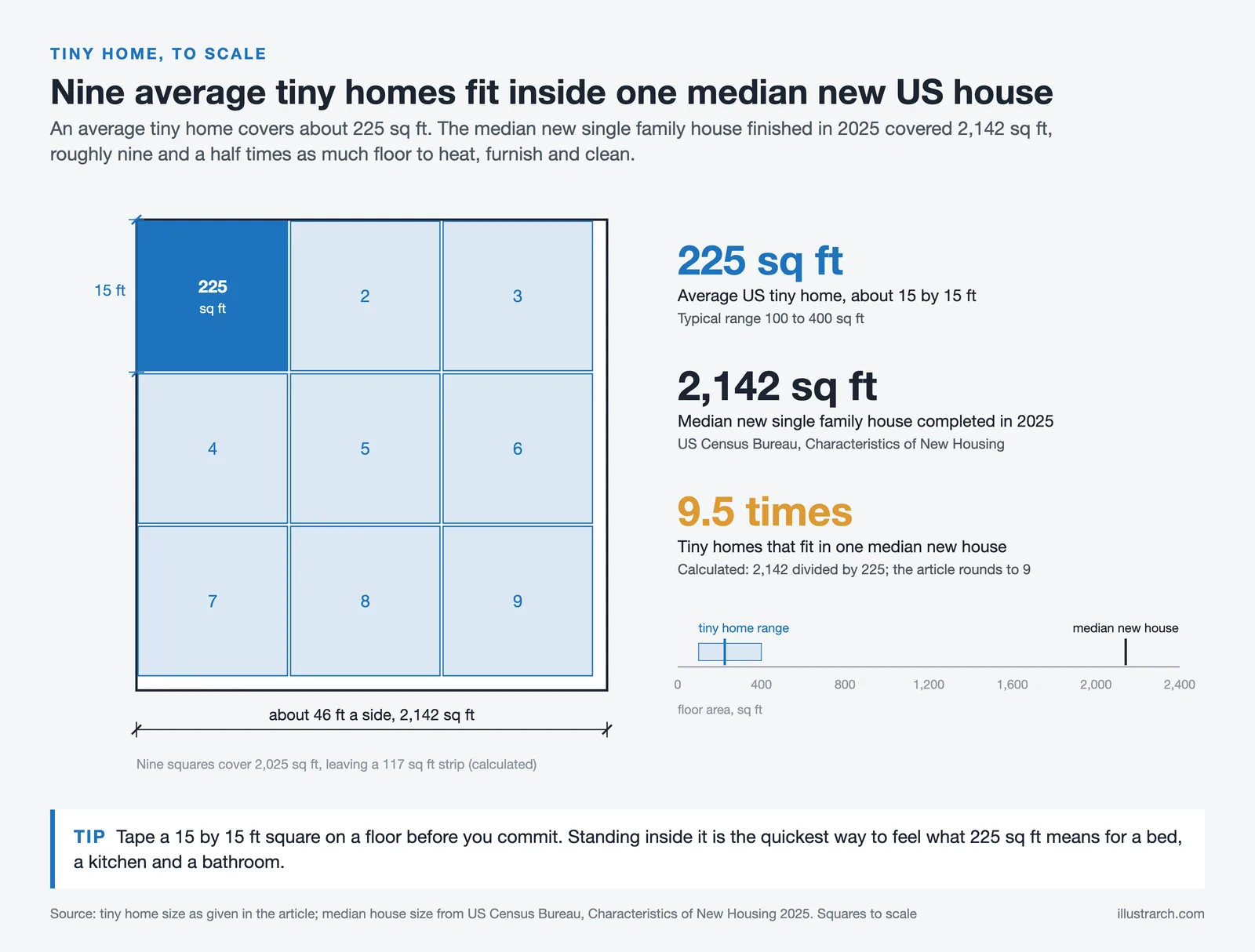
Tiny house living has gained traction in the USA, with more people embracing the minimalist lifestyle. These homes typically measure between 100 and 400 square feet, providing a compact and efficient space for all essential activities. Despite their size, they offer significant benefits. The average size of a tiny home in the United States is around 225 square feet, and roughly 10,000 tiny homes currently exist across the country, according to recent market research.

Tiny House Living at a Glance: Key Statistics
Before diving into design trends, it helps to understand the scale of the tiny house movement. The table below summarizes the most important data points that define the current tiny home landscape in the United States.
| Metric | Data |
|---|---|
| Average tiny home size | 225 sq ft (9x smaller than a typical US home) |
| Average build cost | $30,000-$70,000 (national avg ~$52,000-$67,000) |
| Average traditional home price (2025) | ~$512,800 |
| Savings vs. traditional home | ~87% cheaper overall |
| Owners with no mortgage | ~68% |
| CO₂ emissions (tiny home vs. standard) | ~2,000 lbs/year vs. ~28,000 lbs/year |
| US tiny home market size (2025) | ~$4.72 billion (projected $8+ billion by 2033) |
| Primary buyer demographic | ~70% millennials; 55% women |
| Americans who would consider a tiny home | 73% |
| Top motivation for buying | Affordability (65%), efficiency (57%), eco-friendliness (48%) |
Cost-Effective Living
Tiny houses generally cost less than traditional homes. Construction expenses range from $30,000 to $70,000 on average, depending on customization and materials used. Compare that to the median U.S. home price of roughly $512,000, and the savings become clear. This affordability allows for reduced mortgage payments, freeing up financial resources for travel, investments, or early retirement. In fact, about 68% of tiny house owners own their homes outright, compared to just 29% of traditional homeowners.
💡 Pro Tip: While tiny homes are 87% cheaper overall than traditional houses, keep in mind they cost roughly two to nearly three times as much per square foot ($280-$400/sq ft vs. ~$150/sq ft for standard homes). This is because compact spaces require more creative engineering, custom solutions, and premium use of every inch. Budget accordingly and don’t assume that “smaller” automatically means “proportionally cheaper.”
Eco-Friendly Benefits
Due to their smaller footprint, tiny houses have a lower environmental impact. They consume less energy, produce less waste, and often feature sustainable materials. The average tiny home uses around 80% less energy than a standard U.S. house. Many tiny house owners incorporate renewable energy sources, such as solar panels, to further reduce their carbon footprint. If designing eco-friendly tiny homes interests you, the range of green building options has never been broader.
To put the environmental impact in perspective, a typical tiny home produces only about 2,000 pounds of CO₂ emissions annually, compared to roughly 28,000 pounds for a standard-sized American house. A 2025 Green Building Report found that 78% of tiny house buyers in North America now specifically seek eco-certified builds, up from just 45% in 2020. This shift reflects growing consumer awareness about the connection between housing choices and environmental impact.
Simplified Lifestyle
Living in a tiny house promotes a simplified lifestyle. With limited space, inhabitants focus on high-quality, multifunctional items. This shift reduces clutter and encourages mindfulness about possessions. Research suggests that residents of tiny homes report higher levels of well-being, largely because less financial stress and more purposeful living tend to go hand in hand.
Mobility And Flexibility
Many tiny houses are built on wheels, offering mobility. The vast majority of tiny houses in the USA are constructed on trailers, giving owners the freedom to relocate easily for a job change, a new adventure, or a change of scenery. This flexibility makes tiny house living an attractive option for those who value freedom and adaptability. A mobile tiny home costs between $50,000 and $77,000 on average, while the trailer alone runs roughly $4,500 to $11,000.
Sense Of Community
Tiny house living fosters a sense of community. Many tiny house owners join communities or parks where they share resources and experiences. Places like The Village at Flat Rock in North Carolina and Escalante Village in Colorado showcase how popular tiny house communities can create supportive environments with shared amenities like gardens, co-working spaces, and recreational areas.
Legal Considerations
Zoning laws vary by state and city, affecting tiny house placement. Before building or buying, it’s crucial to research local regulations. Some areas are more tiny-house-friendly, providing designated spaces and fewer restrictions. Portland, Oregon, for example, allows Tiny Homes on Wheels (THOWs) on private land, while other cities require specific permits. For a deeper look at the legal landscape, check out this guide on getting started with the tiny house movement in the USA.
Without compromising comfort or style, tiny house living in the USA offers numerous advantages. By understanding the intricacies of cost, environmental impact, lifestyle, mobility, community, and legalities, we can better appreciate this innovative housing solution.

Benefits Of Tiny House Designs
Tiny house designs offer a range of advantages that make them an appealing choice for many. Whether you’re drawn to tiny modern living or a rustic cabin retreat, the benefits remain consistent across styles.
Cost Efficiency
Tiny houses reduce expenses significantly. Construction and maintenance costs are lower due to smaller size. The average tiny house costs between $30,000 and $70,000 to build, compared to over $500,000 for a typical home in the USA as of 2025. Utility bills are also lower, with less space to heat, cool, and illuminate. Combined monthly utility costs for a tiny house average about $50, a fraction of what traditional homeowners pay. This cost-saving potential allows for financial flexibility and increased savings.
Tiny Home vs. Traditional Home: Financial Comparison
The table below breaks down the key financial differences between tiny home ownership and traditional homeownership to help you understand the long-term economic advantages of going small.
| Financial Factor | Tiny Home | Traditional Home |
|---|---|---|
| Average Purchase/Build Cost | $30,000-$70,000 | $400,000-$512,800+ |
| Cost per Square Foot | $280-$400 | $150-$215 |
| Monthly Utilities | ~$50-$125 | $200-$400+ |
| Annual Maintenance | ~$775 | $3,000-$5,000+ |
| Mortgage-Free Ownership | 68% of owners | 29% of owners |
| Annual CO₂ Emissions | ~2,000 lbs | ~28,000 lbs |
| Typical Build Time | 3-6 months | 7-12+ months |
| Insurance | $500-$1,500/year (specialty or RV policy) | $1,500-$3,500+/year |
Minimal Environmental Impact
Tiny houses promote sustainability. These homes use fewer materials and less energy. Many incorporate eco-friendly features such as solar panels, rainwater collection systems, and composting toilets. By minimizing resource use, tiny houses contribute to a smaller carbon footprint and support environmental conservation efforts. A typical tiny home uses a small fraction of the energy consumed by a full-size house, making it one of the most efficient housing forms available.
💡 Pro Tip: If sustainability is a priority, look for builders who offer eco-certified builds using LEED or Passive House standards. According to the International Energy Agency, off-grid solar installations grew 32% globally in 2025, and tiny house owners are among the top adopters. A 5-10 kW solar system ($15,000-$25,000 installed) can make your tiny home nearly energy-independent, and federal tax credits can offset a significant portion of the cost.
Simplified Lifestyle
Tiny houses support a minimalist lifestyle. Limited space encourages us to prioritize essentials and reduce clutter. This shift simplifies daily living, reduces cleaning time, and fosters organization. The focus on functionality over excess promotes mental well-being and encourages mindful consumption. Over half of tiny house buyers cite the desire to simplify life and reduce possessions as their primary motivation.
Popular Tiny House Design Trends In The USA
Tiny house designs in the USA showcase versatility and creativity, blending functionality with aesthetics. From contemporary tiny house design to traditional cabin styles, here are some popular trends shaping the movement:
Modern Minimalist
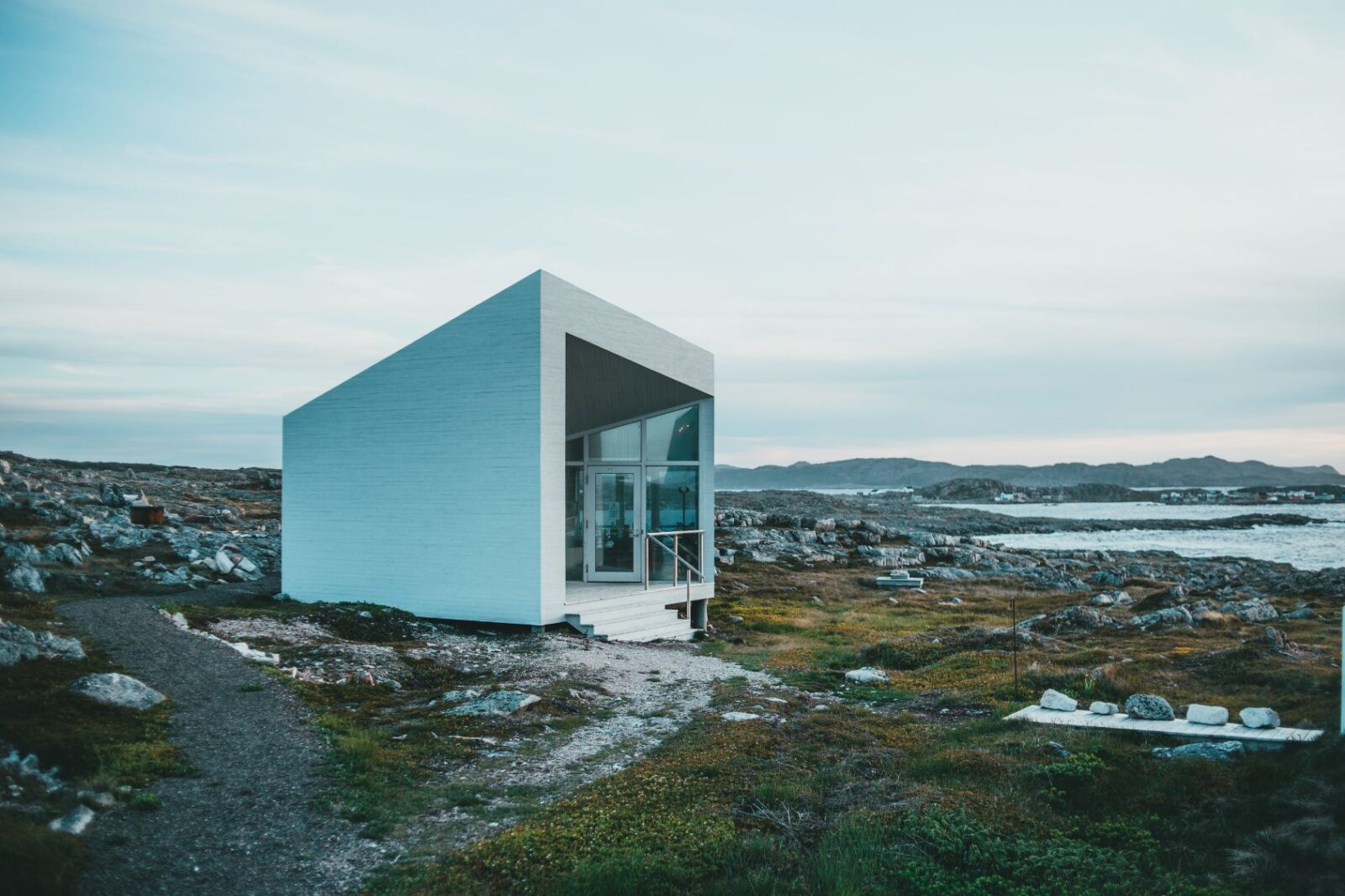
Modern minimalist designs focus on clean lines, neutral colors, and open spaces. Using multifunctional furniture, they maximize each square foot’s efficiency. Built-in storage solutions keep clutter hidden while large windows enhance natural light. A tiny house modern interior design often features smart home technology for added convenience, including app-controlled lighting, climate systems, and voice-activated assistants. These modern design tiny homes appeal to anyone who values simplicity paired with cutting-edge technology.
Rustic Charm
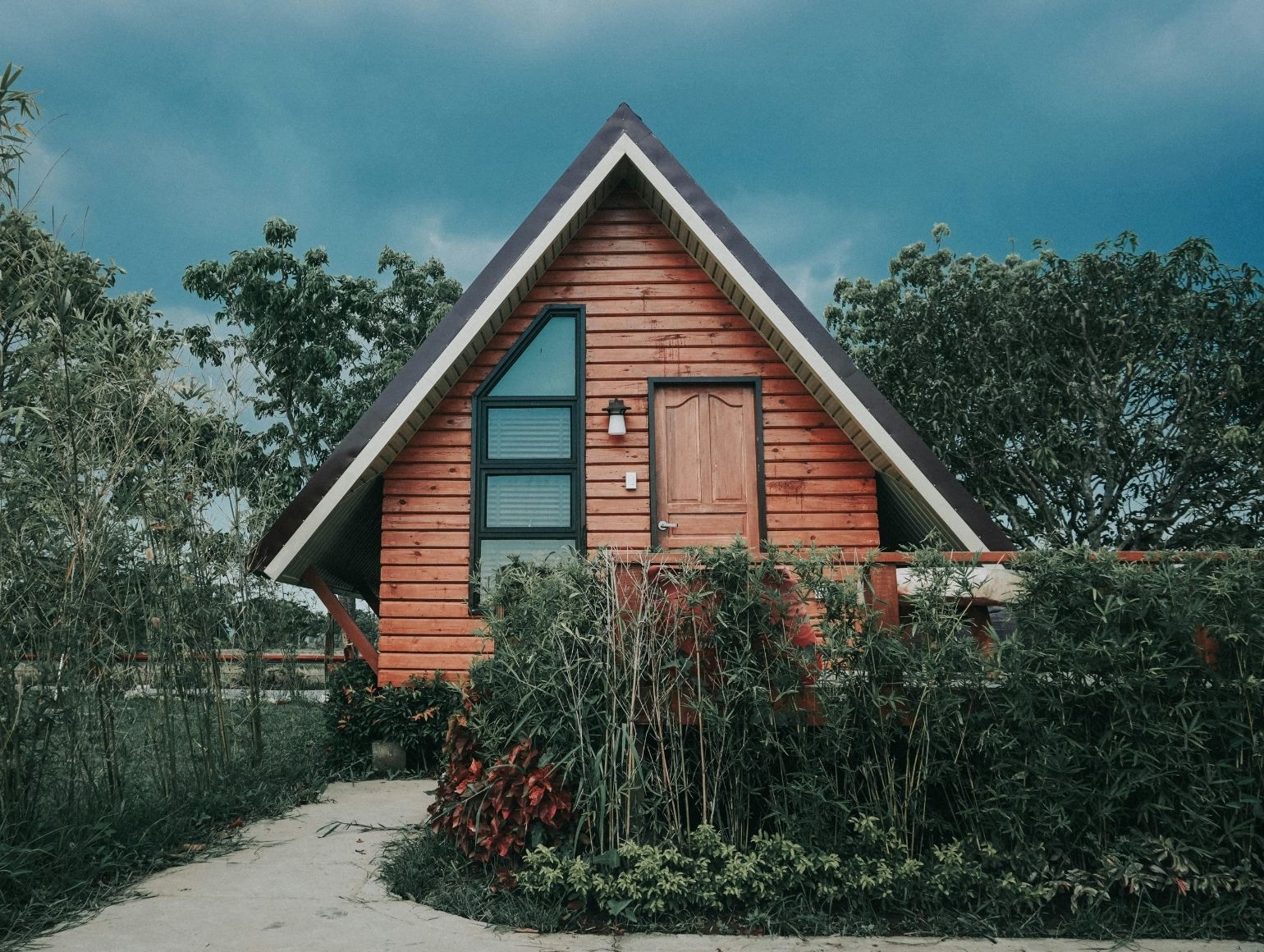
Rustic charm designs create a cozy, welcoming atmosphere with natural materials like wood and stone. Exposed beams, reclaimed wood, and vintage decor elements are common. Kitchens often have farmhouse sinks and butcher block countertops. These homes combine traditional aesthetics with modern amenities, bridging the gap between old-world charm and contemporary living. The tiny cabin design trend continues to grow, especially in regions like the Pacific Northwest and New England, where natural surroundings complement the style perfectly.
Eco-Friendly Builds
Eco-friendly builds prioritize sustainability and environmental responsibility. These designs use renewable materials, solar panels, and energy-efficient appliances. Water-saving fixtures and composting toilets help reduce the ecological footprint. Many eco-friendly tiny homes also incorporate green roofs or walls for added insulation and natural beauty. Organizations like the American Institute of Architects (AIA) have recognized the role of small-footprint homes in advancing sustainable design practices.
Contemporary and Unique Tiny House Styles
Beyond the three core trends above, several unique tiny house designs have emerged. Shipping container homes repurpose industrial materials into sleek, modern dwellings. A-frame cabins remain popular for their striking roof profiles and efficient use of vertical space. Converted school buses (known as “skoolies”) and renovated vans offer a nomadic twist on tiny living. Each of these styles of tiny houses reflects a different set of priorities, from budget-consciousness to full-time travel, and each brings its own design challenges and rewards.
2025-2026 Tiny House Design Trends to Watch
The tiny house industry evolves rapidly. The table below highlights the most significant design trends emerging in 2025 and heading into 2026, based on industry reports and builder surveys.
| Trend | Description | Why It Matters |
|---|---|---|
| Smart Home Integration | AI-controlled lighting, climate, and security systems designed for compact spaces | Automates daily tasks; reduces energy use; adds convenience in limited space |
| Japandi Style | Fusion of Japanese minimalism and Scandinavian simplicity; natural tones, clean lines | Creates calm, clutter-free environments perfect for micro living |
| Biophilic Design | Indoor gardens, living walls, large windows connecting interior to nature | Improves air quality and mental well-being; enhances sense of space |
| Modular / Prefab Construction | Factory-built components assembled on-site in 2-4 weeks | 65% of new tiny builds use prefab elements (up from 38% in 2020); faster, more consistent quality |
| Remote Work Layouts | Dedicated desk nooks, fold-down workstations, dual-purpose kitchen/office spaces | Remote work demand drives need for functional work zones in 300-400 sq ft homes |
| Off-Grid Self-Sufficiency | Solar + wind hybrid systems, LiFePO4 battery storage, smart rainwater harvesting | ~40% of new models come with solar and battery systems by 2026-2027 |
| 3D-Printed Construction | Cement-based 3D printing for walls and structural shells | Reduces build time and material waste; emerging but growing fast |
| Dual-Bedroom Floor Plans | Two-loft or split-level layouts for families or guest accommodation | Growing demand from families and Airbnb hosts needing flexible sleeping arrangements |
💡 Pro Tip: The Japandi design trend (Japanese + Scandinavian fusion) is one of the most effective aesthetics for tiny homes because it inherently prioritizes functionality, natural materials, and minimal visual clutter. If you’re designing your first tiny house, start with a Japandi-inspired palette of light wood, white walls, and simple geometric forms. This approach makes compact spaces feel open and calm without requiring expensive materials or complex construction details.
These tiny house design trends reflect the diverse preferences and values of homeowners, providing options for various lifestyles and environmental goals.

Tiny House Designs for Families
Can a family really thrive in a tiny house? The answer is yes, with the right design approach. Tiny house designs for families focus on creating separate zones for sleeping, working, and playing. Dual loft bedrooms give children their own space, while a fold-out bed or Murphy bed on the ground floor serves as the parents’ room. Full-sized appliances, a properly equipped kitchen, and a bathroom with a tub or shower stall are all achievable within 300 to 400 square feet.
Families living in tiny homes often extend their usable space with outdoor decks, screened porches, or a detached workshop. Kids benefit from spending more time outdoors, and parents appreciate reduced household chores. Several tiny house communities across the USA cater specifically to families, offering shared playgrounds and social activities that make the lifestyle sustainable for households with children.
💡 Pro Tip: Families with children make up only about 12% of tiny house owners, but that number is growing as dual-bedroom floor plans and family-oriented tiny communities expand. The key to family tiny living is designing “zones” use rugs, ceiling height changes, or furniture placement to separate children’s areas from adults’ spaces. An outdoor deck effectively doubles your livable area in warmer months, and many families report that the lifestyle encourages more quality time together.
Space-Saving Solutions
Optimizing space is essential in making tiny houses functional and comfortable. Let’s explore effective methods for maximizing your living space.
Multifunctional Furniture
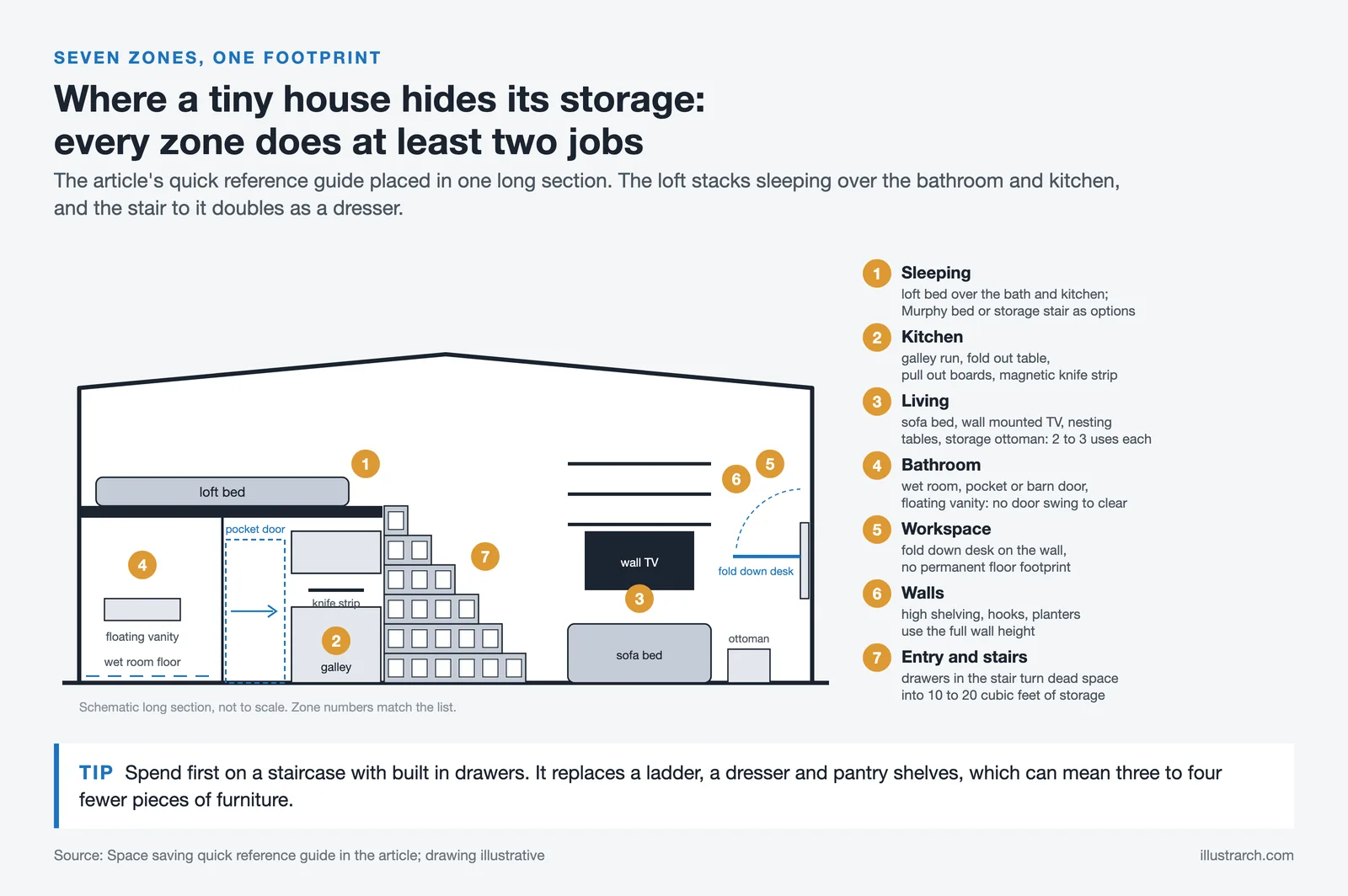
Use multifunctional furniture to enhance efficiency in tiny houses. Convertible sofas, for example, transform into beds, offering seating and sleeping options. Murphy beds fold into walls, freeing up floor space during the day. Tables with extendable leaves or nested designs provide extra surface area while remaining compact when not in use. Furniture for tiny house living should serve at least two purposes. A storage ottoman doubles as a coffee table, a staircase with drawers replaces a standalone dresser, and a dining bench conceals blankets or kitchen supplies.
Innovative Storage Ideas
Integrate innovative storage solutions to keep tiny houses organized. Under-stair storage transforms usually wasted space into useful compartments for shoes, books, or pantry items. Built-in shelves utilize wall space effectively, reducing clutter on floors and countertops. Utilize storage ottomans for seating and hidden storage, perfect for keeping blankets or toys out of sight. Pocket doors and sliding panels save the swing-space that traditional doors require, a simple change that makes a noticeable difference in tiny living spaces.
Vertical Space Utilization
Maximize vertical spaces to increase usable area in tiny houses. Install loft beds to create a sleeping area above a functional space, like an office or lounge. Use high shelves for storing items seldom used, keeping frequently accessed items within easy reach. Hanging planters add greenery without taking up precious floor space. Wall-mounted fold-down desks and magnetic knife strips in the kitchen are other smart ways to keep your tiny house interior designs feeling open and organized.
Space-Saving Solutions: Quick Reference Guide
The table below organizes the most effective space-saving strategies by area of the home, helping you plan which solutions to implement in each zone of your tiny house.
| Zone | Top Space-Saving Solutions | Space Gained |
|---|---|---|
| Bedroom / Sleeping | Murphy bed, loft bed with under-storage, storage-integrated staircase | Frees entire floor area during daytime; staircase doubles as dresser |
| Kitchen | Pull-out cutting boards, magnetic knife strips, fold-out dining table, galley or L-shaped layout | Maximizes counter space; eliminates need for standalone dining table |
| Living Area | Convertible sofa-bed, nesting tables, wall-mounted TV, storage ottoman | One piece serves 2-3 functions; floor stays clear |
| Bathroom | Wet room design, pocket/barn door, floating vanity, corner shelving | Eliminates door swing clearance; visible floor makes room feel larger |
| Workspace | Wall-mounted fold-down desk, desk-behind-headboard, kitchen counter dual-use | Dedicated work zone without permanent floor footprint |
| Walls & Vertical | High shelving, hanging planters, wall-mounted hooks, vertical garden panels | Utilizes 100% of wall height; keeps floor clear for movement |
| Entryway / Stairs | Under-stair drawers, shoe compartments built into stair risers, coat hooks | Converts dead space into 10-20 cubic feet of usable storage |
💡 Pro Tip: The single most impactful space-saving investment in a tiny home is a storage-integrated staircase to the loft. Unlike ladders (which can be unsafe and impractical for daily use), a well-designed staircase with built-in drawers replaces a dresser, pantry shelves, or even a closet, while also providing safe, comfortable access to your sleeping area. This one feature can eliminate the need for 3-4 separate furniture pieces.
Tiny House Design and Cost Comparison
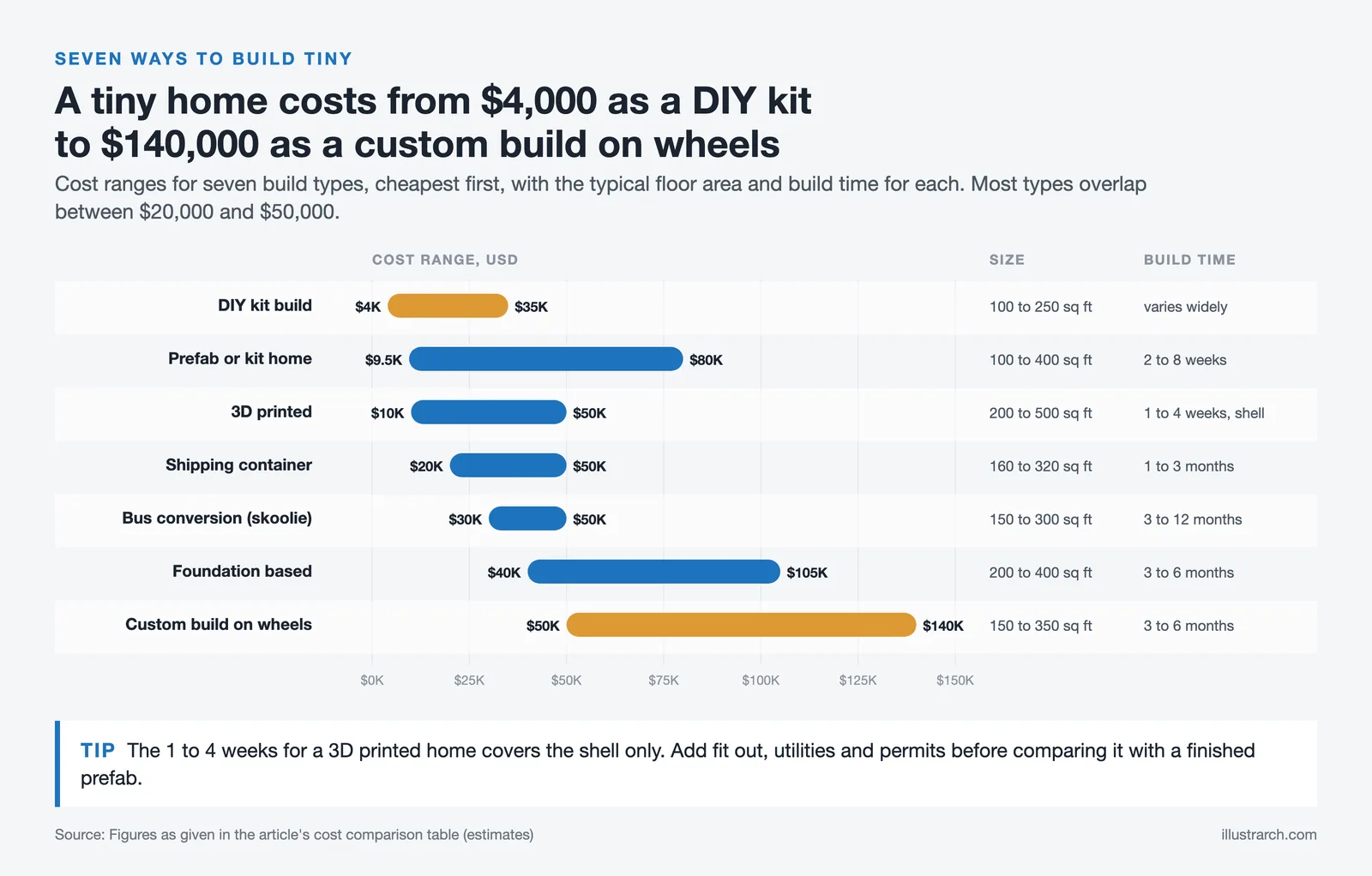
Choosing a tiny house style involves weighing cost, build time, and features. The table below compares some of the most popular small efficient house designs to help you decide which approach fits your budget and goals.
| Tiny House Type | Average Cost | Typical Size | Build Time | Best For |
|---|---|---|---|---|
| Custom Build on Wheels | $50,000-$140,000 | 150-350 sq ft | 3-6 months | Owners seeking full customization and mobility |
| Prefab / Kit Home | $9,500-$80,000 | 100-400 sq ft | 2-8 weeks | Budget-conscious buyers who want speed |
| Shipping Container Home | $20,000-$50,000 | 160-320 sq ft | 1-3 months | Industrial aesthetic fans, eco-minded builders |
| Foundation-Based Tiny Home | $40,000-$105,000 | 200-400 sq ft | 3-6 months | Permanent placement, families |
| DIY Kit Build | $4,000-$35,000 | 100-250 sq ft | Varies widely | Hands-on builders, ultra-tight budgets |
| Bus Conversion (Skoolie) | $30,000-$50,000 | 150-300 sq ft | 3-12 months | Nomadic travelers, creative DIY enthusiasts |
| 3D-Printed Tiny Home | $10,000-$50,000 | 200-500 sq ft | 1-4 weeks (shell) | Tech-forward buyers; emerging option with limited availability |
Inspiring Tiny House Design Examples
Exploring various tiny house designs helps us appreciate the creativity and efficiency behind these compact homes. Let’s look at some inspiring examples that cater to different lifestyles and needs.
Urban Tiny Homes
Urban tiny homes are perfect for city living. These homes often feature sleek, modern designs. For instance, many urban tiny homes incorporate large windows to maximize natural light and make small spaces feel larger. Clever use of glass partitions instead of walls can create an open-plan layout without sacrificing privacy. An example is the “Kithaus K4” seen in various urban settings, known for its minimalist style and functional kitchen design. Rooftop gardens and green walls can also integrate greenery, adding a touch of nature to urban settings. Channels like Never Too Small on YouTube showcase how architects worldwide solve the puzzle of tiny urban living with award-winning small modern architecture homes.

Tiny Cabin Retreats
Tiny cabin retreats offer an escape from busy city life. These designs often highlight rustic charm and coziness. Many cabin retreats use wood extensively for a warm, inviting feel, both inside and out. Classic examples are A-frame tiny cabins, which provide a picturesque, steeply-angled roof that’s perfect for snowy regions. The “Getaway Cabin” series demonstrates this well, offering simplicity and relaxation. Incorporating a wood-burning stove can add both warmth and a focal point for gatherings. Wrap-around decks provide additional outdoor space, enhancing the connection with nature. If you enjoy the tiny cabin design aesthetic, consider pairing it with off-grid systems for a fully self-sufficient retreat.
Tiny House On Wheels
Tiny houses on wheels combine mobility with comfort. These homes let owners easily relocate without leaving behind their cozy, well-designed space. Many of these homes are built on RV platforms. A notable example is the “Escape Traveler” series, featuring full-sized appliances and even solar panels. Space-saving elements like fold-down desks and convertible furniture remain essential. Skylights and panoramic windows can make these moving homes feel more spacious and connected to their surroundings, even when parked in the wilderness. For a detailed look at how to build a tiny house step by step, our guide covers everything from trailer selection to final finishes.

Inside Modern Tiny Houses: Interior Design Ideas
What does the inside of a modern tiny house actually look like? The best tiny house interior designs create an illusion of space through thoughtful layout, color choices, and lighting. Here are some of the most effective decorating ideas for tiny homes:
Light colors on walls and ceilings make rooms feel taller and wider. White, soft gray, and light wood tones are popular choices for inside modern tiny houses. Mirrors placed strategically across from windows reflect natural light and double the visual depth of a room. Open shelving, rather than upper cabinets, prevents the kitchen from feeling closed in.
For the living room in a tiny house, a compact sectional or loveseat with built-in storage saves space. A wall-mounted TV keeps the floor area clear. Rugs help define zones within an open-plan layout, separating the seating area from the kitchen or workspace. Choosing furniture scaled for small rooms rather than simply shrinking standard pieces is key to achieving comfort in compact quarters.
Bathrooms in tiny homes benefit from wet-room designs where the shower, sink, and toilet share one waterproofed space. Pocket doors or barn-style sliding doors save the clearance required by a swinging door. Floating vanities keep the floor visible, which helps the room look larger than it is. These tiny house interior designs demonstrate that function and style can coexist beautifully in under 400 square feet.
💡 Pro Tip: The most common interior design mistake in tiny homes is choosing standard-sized furniture and trying to make it fit. Instead, measure every inch of your space first, then source or commission furniture specifically scaled for your dimensions. A sofa that’s 6 inches too deep, or a dining table that’s 4 inches too wide, can make the difference between a comfortable layout and a cramped one. Many tiny home builders now offer integrated, custom-built furniture as part of the package, this is almost always worth the extra investment.
Watch: Inspiring Tiny House Designs in Action
Seeing tiny house designs in photos is helpful, but watching them in action gives you a much better sense of how these compact spaces actually function day-to-day. The video below showcases a range of innovative tiny home designs, highlighting how thoughtful layouts, multifunctional furniture, and creative storage solutions come together in real builds. Pay attention to how designers use vertical space, natural light, and dual-purpose elements to make every square foot count.
Tips For Designing Your Own Tiny House
Designing a tiny house takes careful planning. Every square foot counts, so optimizing the design for functionality and comfort is essential. If you want to design your own tiny house, the tips below will help you get started on the right foot.
Setting Priorities And Goals
Identify the key features you need. Consider what will make your living space practical and enjoyable. For example, prioritize a comfortable sleeping area if a good night’s sleep is crucial. Note any lifestyle needs like a workspace or sufficient kitchen area. Define your primary goals to keep the design process focused. Are you building a full-time residence, a vacation retreat, or a rental property? Each goal shapes the tiny house designs and plans you should consider.
Effective Space Planning
Plan your layout meticulously. Use graph paper or digital tools like SketchUp to map out your space. Include furniture and storage. Visualize how each area will function. Multifunctional furniture like sofa beds and fold-out tables save space. Create zones for sleep, work, and leisure to maximize utility. Rooms with multiple uses alleviate the need for excess square footage. A professional tiny home designer can help translate your vision into buildable plans, though many owners successfully design their own layouts with free online tools.
Choosing The Right Materials
Select materials that balance durability, weight, and aesthetics. Lightweight yet sturdy options like plywood or reclaimed wood work well. Use materials that withstand wear, especially in high-traffic areas like the kitchen and bathroom. Incorporate eco-friendly materials such as bamboo or recycled steel to enhance sustainability. Quality materials ensure that your tiny house remains cozy and functional for years. For an in-depth look at sustainable building choices, LearnArchitecture.net offers resources on green construction techniques relevant to tiny home architecture.
Tiny House Material Selection Guide
Choosing the right materials is especially critical in tiny homes, where every component must balance weight, durability, cost, and aesthetics. The table below compares popular material options for key areas of a tiny house build.
| Material | Best Use | Pros | Cons |
|---|---|---|---|
| Reclaimed Wood | Siding, interior walls, accent features | Eco-friendly, unique character, cost-effective | Requires inspection for pests/rot; variable quality |
| Bamboo | Flooring, countertops, cabinetry | Highly renewable, lightweight, durable | Can be moisture-sensitive; limited design options |
| Recycled Steel | Framing, roofing, structural elements | Extremely strong, lightweight, 100% recyclable | Higher upfront cost; requires specialized tools |
| SIPs (Structural Insulated Panels) | Walls, roofing, floors | Excellent insulation, fast assembly, energy-efficient | More expensive than standard framing; limited on-site modification |
| Spray Foam Insulation | Wall cavities, roof, underfloor | Superior R-value per inch; seals air gaps | Professional application needed; off-gassing concerns with some types |
| Corrugated Metal | Exterior siding, roofing | Lightweight, low maintenance, modern aesthetic | Can dent; noise during rain without proper insulation |
💡 Pro Tip: For tiny houses on wheels, weight is a critical factor that many first-time builders underestimate. Every material choice directly affects your total trailer weight and towing requirements. As a general rule, keep your finished THOW under 10,000 lbs to remain towable by most full-size trucks. Using lightweight materials like SIPs (Structural Insulated Panels) for walls and spray foam for insulation helps you maintain a safe towing weight while achieving excellent energy efficiency. Weigh your home during the build process, not just at the end.
Hiring a Tiny Home Designer vs. DIY
One of the first decisions you’ll face is whether to hire a professional tiny home designer or tackle the project yourself. A professional brings expertise in structural engineering, local code compliance, and space optimization. They can also help you avoid costly mistakes during the build. On the other hand, a DIY approach gives you complete creative control and can save thousands of dollars in design fees. Many successful tiny house owners started with a kit or a set of pre-drawn plans and modified them to suit their needs. Whichever path you choose, focus on creating small efficient house designs that serve your daily routine without wasted space.
How to Design Tiny Houses: A Quick Checklist
Before you break ground or place an order for a prefab kit, run through this checklist. It covers the essentials that every tiny house builder, whether a first-timer or an experienced owner, should address early in the process:
- Research local zoning laws and building codes for tiny homes in your area.
- Set a realistic budget that includes land, materials, labor, permits, and utility hookups.
- Decide between a mobile (on wheels) or stationary (on foundation) build.
- Sketch your floor plan with zones for sleeping, cooking, working, and relaxing.
- Choose materials that balance weight, durability, cost, and environmental impact.
- Plan for off-grid systems (solar, rainwater, composting) if applicable.
- Visit a tiny house community or showroom to see designs in person before committing.
Tiny House Owner Demographics: Who Lives Tiny?
Understanding who is actually choosing the tiny house lifestyle can help you determine whether it’s the right fit for your situation. The table below breaks down the key demographics of tiny home owners in the United States based on multiple surveys and market studies.
| Demographic Factor | Data Point |
|---|---|
| Gender | ~55% women, ~45% men |
| Age: Under 30 | ~21% |
| Age: 30-50 | ~39% |
| Age: Over 50 | ~39% |
| Education (Bachelor’s degree or higher) | ~72% |
| Household type: Single individuals | ~55% |
| Household type: Couples | ~38% |
| Families with children | ~12% |
| Mortgage-free ownership | ~68% |
| Less credit card debt than average American | ~89% |
| Prefer to build their own tiny home | ~81% |
| Most desired amenity | Heating & AC (60%), kitchen space (58%), designated bedroom (48%) |
Tiny House Designs: Key Takeaways
Tiny house designs continue to evolve as more Americans explore compact, efficient living. The movement offers real financial advantages, with average build costs far below traditional home prices. Environmental benefits are equally compelling, since a well-designed tiny home can cut energy use by up to 80%. Styles range from sleek modern minimalism to rustic cabin retreats, and every approach rewards careful planning and creative problem-solving.
Whether you’re a first-time builder, a family looking to downsize, or simply gathering tiny house inspiration for a future project, the resources available today make it easier than ever to bring your vision to life. Explore our other guides on the tiny house movement and building your own tiny house for even more practical advice and design ideas.
Frequently Asked Questions About Tiny House Designs
How much does it cost to design and build a tiny house in 2025?
The average cost to build a tiny house in 2025 ranges from $30,000 to $70,000, with a national average around $45,000-$67,000 depending on the source. DIY kit builds can start as low as $4,000, while custom luxury builds can exceed $150,000. Key factors affecting cost include size, materials, foundation vs. wheels, labor (professional vs. DIY), and location. Permits typically add $1,000-$5,000 depending on your municipality. The cost per square foot ($280-$400) is higher than traditional homes, but the total cost remains dramatically lower.
What is the best tiny house design style for beginners?
For first-time builders, a prefab or kit tiny home offers the best balance of cost, speed, and simplicity. These homes come with pre-cut materials and detailed instructions, reducing the complexity of the build process. If you’re designing from scratch, the modern minimalist or Japandi (Japanese-Scandinavian fusion) style works well because both emphasize clean lines, open layouts, and functional simplicity, requiring fewer complex design decisions while still creating a beautiful, livable space.
What are the most important space-saving features for a tiny house?
The three most impactful space-saving features are: (1) a loft sleeping area (which frees the entire ground floor for living), (2) a storage-integrated staircase (which replaces dressers, pantry, and closet), and (3) multifunctional furniture like Murphy beds, convertible sofa-beds, and fold-out dining tables. Beyond these, pocket doors, wall-mounted desks, and vertical storage systems make the biggest difference in making a tiny house feel open and functional rather than cramped.
Can I use a tiny house as an Airbnb rental?
Yes, and it’s an increasingly popular strategy. There are approximately 60,000 tiny home listings on Airbnb, and hosts collectively earned over $195 million from tiny home rentals. Tiny homes are listed as a “unique stay” category and tend to attract high booking rates due to traveler curiosity. However, you’ll need to check local short-term rental regulations, obtain any required permits, and ensure your tiny home meets safety codes for guest occupancy. About 81% of Americans are considering adding a tiny home or ADU to their property specifically to generate rental income.
How long does a tiny house last?
A well-built tiny house can last 30 to 50 years with proper maintenance. Foundation-based tiny homes tend to have longer lifespans because they are less exposed to road vibration and weather extremes. Tiny houses on wheels may require more frequent maintenance due to road wear and exposure during travel. Key longevity factors include material quality, build method (professional vs. DIY), climate exposure, and regular upkeep of roofing, siding, plumbing, and electrical systems.
What tiny house design trends should I watch for in 2026?
The most significant trends heading into 2026 include: smart home integration with AI-controlled systems, Japandi and biophilic design aesthetics, modular/prefab construction (now used in 65% of new builds), dedicated remote work layouts, off-grid self-sufficiency packages (solar + wind + battery), and 3D-printed construction methods. Dual-bedroom floor plans are also gaining popularity among families and Airbnb hosts. Sustainability is no longer optional, 78% of buyers now actively seek eco-certified builds.
Is a tiny house on wheels or a foundation better?
It depends on your priorities. A foundation-based tiny home is better for full-time permanent living, access to traditional financing and insurance, and long-term property value. A tiny house on wheels (THOW) is better for mobility, flexibility, and situations where local zoning doesn’t allow permanent small structures. Foundation homes cost $40,000-$105,000, while THOWs cost $50,000-$80,000 on average. Keep in mind that THOWs depreciate like vehicles, while foundation-based homes may appreciate with the property.
What are the biggest challenges of living in a tiny house?
The most commonly cited challenges include limited storage (requiring constant decluttering), privacy concerns (especially for couples and families), zoning and legal complications (many municipalities still restrict tiny homes), and limited resale market. Financing can also be difficult since traditional mortgages often don’t apply to homes under 400 sq ft. However, over 80% of tiny home owners report having less debt than the average American, and many cite improved well-being as the trade-off for the space constraints.
Tiny house costs, design trends, and regulations vary by location and change frequently. The statistics cited in this article are based on publicly available market research and industry reports. Always verify current pricing, zoning rules, and building codes with local authorities before starting your project.
Last updated:


14 Comments



Tiny House Water Systems: Your Complete Guide to Plumbing, Rainwater Harvesting and Off-Grid Solutions
A practical guide to designing a tiny house water system, covering PEX...
 Bahattin Duran14 Mins read
Off-Grid Tiny House Living: Complete Setup Guide for Beginners
This guide walks you through every stage of setting up an off-grid...
Bahattin Duran15 Mins read
Tiny House with Loft: Design Ideas, Plans and Building Tips for Vertical Living
A complete guide to designing and building a tiny house with loft,...
Bahattin Duran15 Mins read
8+ Best Tiny Home Communities in Michigan: Great Lakes Tiny Living Guide
Explore tiny home communities in Michigan. Great Lakes lifestyle, affordable land, and...
Bahattin Duran18 Mins read


I think tiny houses are interesting. They seem to save money and space.
Totally true.
The designs mentioned are nice. It’s good that they focus on being eco-friendly.
Eco friendly and sustainable for good and nice future.
Living in a tiny house could be okay. It might make life simpler for some people.
Is there any where around Phoenix where I can see a tiny house fully finished?
In Phoenix, there are too many communities for Tiny houses. Did you check it?
I think tiny houses are interesting. They look nice and can save money, but I’m not sure if I could live in such a small space.
You can rent a little tiny house and experience 🙂
The article has some good points about tiny houses. They seem practical for some people, but I wonder if they would be comfortable for everyone.
Thank you so much!
Nice post. I learn something totally new and challenging on websites
I think tiny houses are interesting. They look nice and can save money.
Tiny houses seem to be a good idea for some people. They have a lot of benefits.