

French Culture Ministry Says Lutetia Wall May Mark Paris’s Birthplace
A charred wall found beneath Paris's Île de la Cité may confirm the city's origins as Gallic Lutetia, France's culture ministry says.
 illustrarch Editoral Team3 November 20262 Mins read1
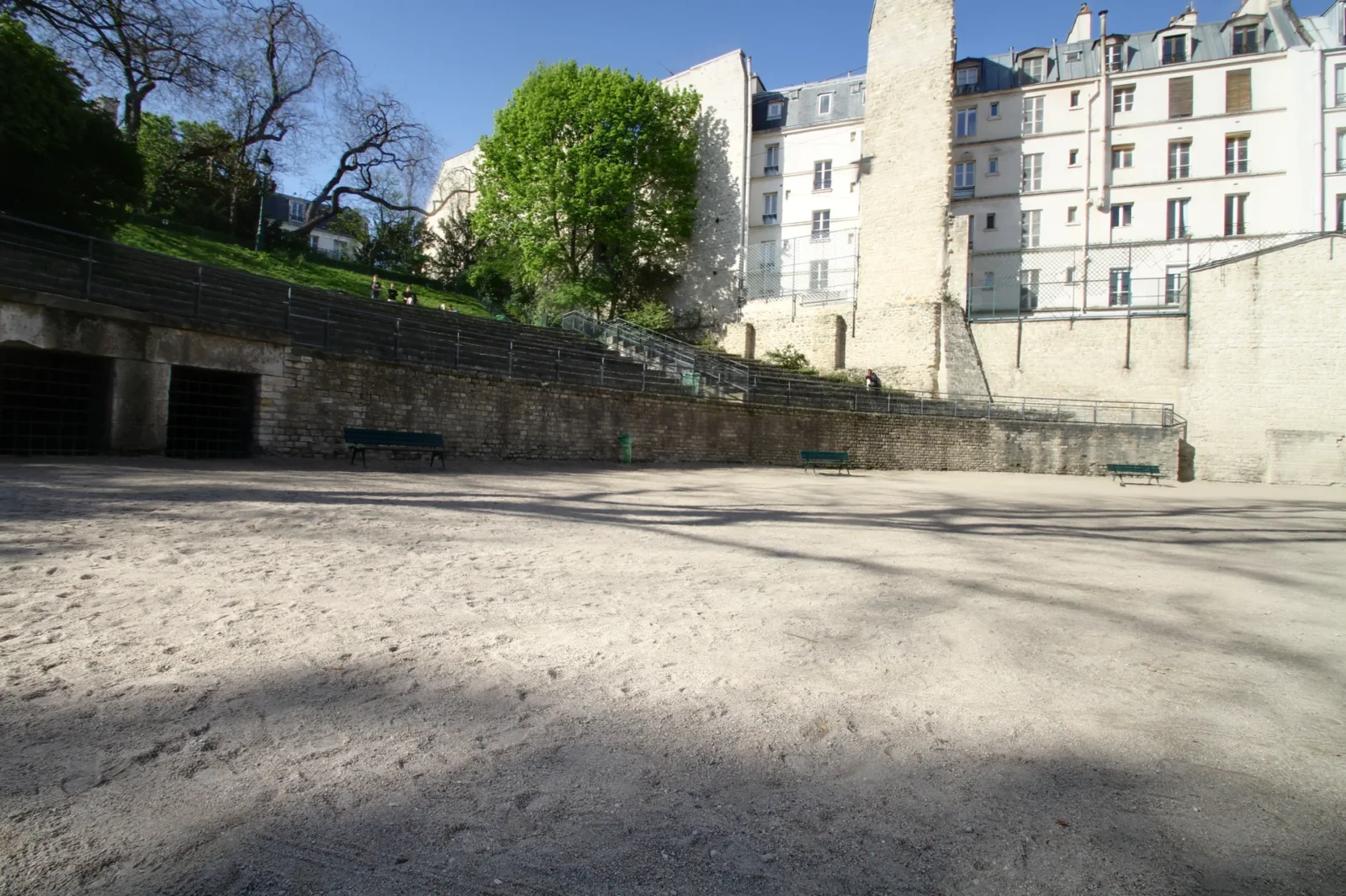
France’s culture ministry announced on Wednesday that archaeologists have uncovered a roughly 20 metre stretch of an ancient Lutetia wall beneath the Île de la Cité in central Paris, a find officials say could finally pin down the location of the city’s earliest settlement.
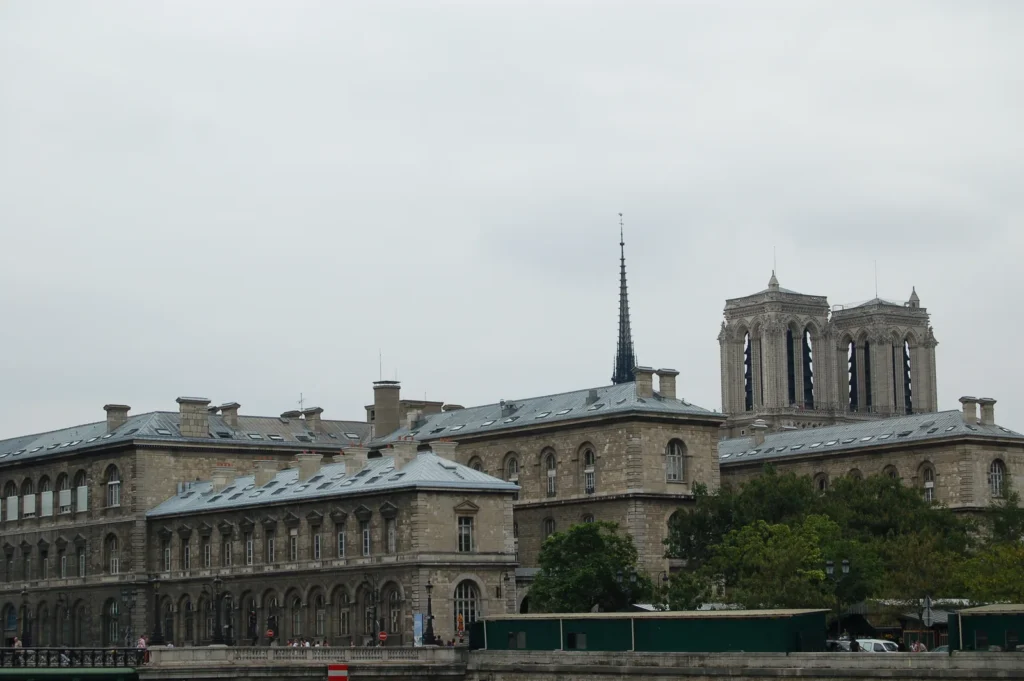
The stone and timber structure, dated to the Gallo-Roman period, was found during excavation work at the Hôtel-Dieu site near Notre Dame Cathedral. Researchers believe it may be a surviving piece of the fortifications that once encircled Lutetia, the settlement built along the Seine by the Gallic Parisii tribe during the Iron Age.
What the Lutetia wall tells archaeologists
Traces of burning on the stone and wood have caught researchers’ attention because they echo an episode recorded by Julius Caesar in his account of the Gallic Wars: before facing Roman forces at the Battle of Lutetia in 52BC, the Gauls reportedly set their own town alight rather than surrender it intact.
Carbon dating carried out on the charred material placed its origin somewhere between 200BC and 10BC, a window that comfortably brackets the year of that battle. The ministry called the overlap between the physical evidence and Caesar’s centuries-old narrative especially striking.
Culture Minister Catherine Pégard described the discovery in a statement as potentially one of the field’s landmark moments. “We may be looking at one of the most important remains ever discovered for understanding Gallic Lutetia,” she said, adding a note of restraint: “Scientific caution still requires that we verify its function and its chronology, but the convergence of evidence is particularly remarkable at this stage.”
A long-running debate over Paris’s origins
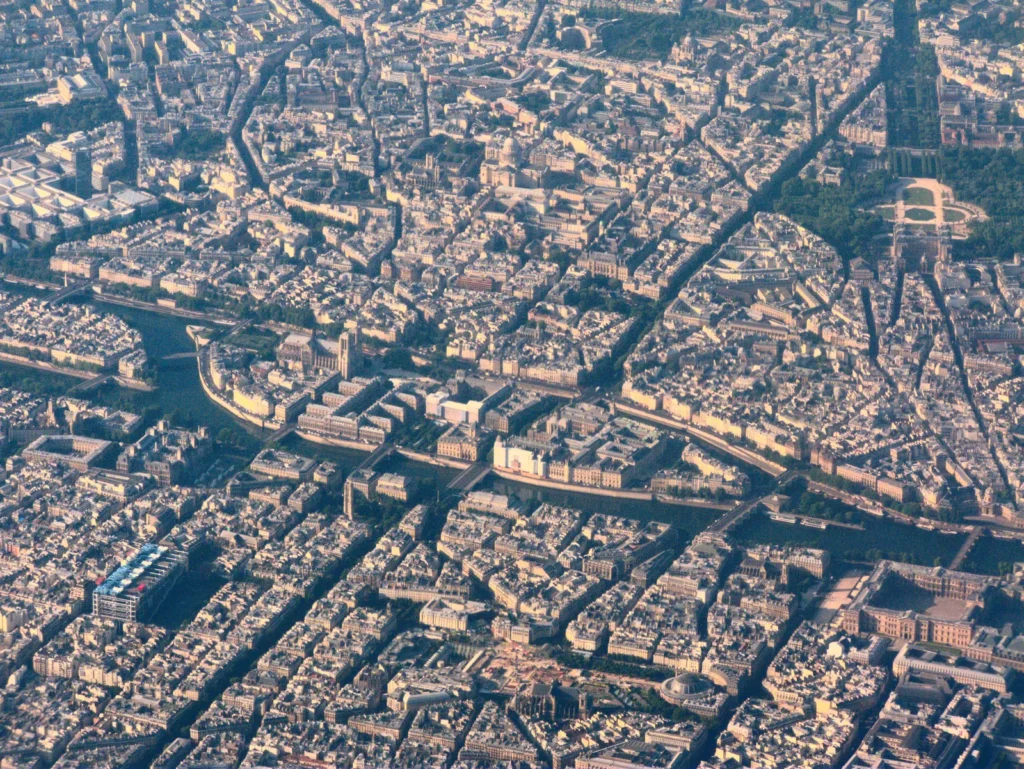
Where exactly Lutetia stood has been contested for years. Caesar’s own writing offers only a loose clue, placing the settlement on an island in the Seine without further detail, which has allowed rival theories to persist. The Île de la Cité, now home to Notre Dame and long treated as the historic heart of the city, is the traditional favorite. But some archaeological work has instead pointed to Nanterre, a district west of central Paris, as the true site of the original settlement.
The newly dated wall gives fresh weight to the island theory, though officials stopped short of declaring the debate over. The ministry’s language, emphasizing convergence of evidence rather than proof, suggests the find is being treated as a strong indicator rather than a final answer.
Further study of the wall’s construction and precise dating is expected to continue, with researchers aiming to confirm both its original purpose and its exact place in the timeline of Lutetia’s history before the Roman conquest reshaped the settlement into a provincial Roman town.




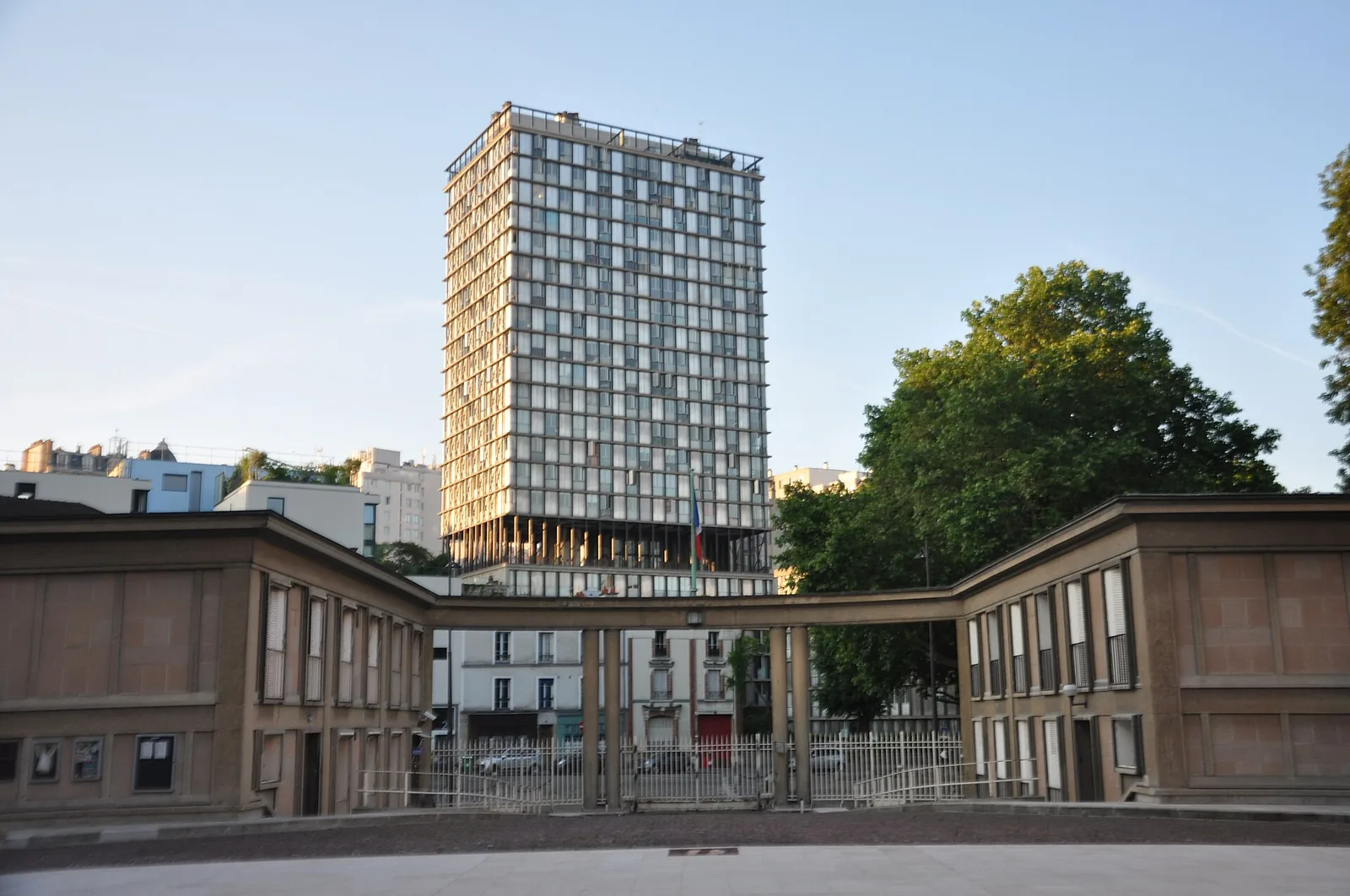
Charlotte Perriand’s Built-In Interiors Survive in Édouard Albert’s 1960 Paris Tower
A high-floor apartment in Édouard Albert's listed 1960 tower in Paris's 13th...
illustrarch Editoral Team1 Mins read

Johnston Marklee Lifts the Bass Museum Expansion Above a Shaded Courtyard in Miami Beach
Johnston Marklee has released designs for The Bass in Miami Beach: two...
illustrarch Editoral Team2 Mins read

KieranTimberlake Completes Stuart Weitzman Hall for Penn’s School of Design
Stuart Weitzman Hall joins an 1892 brick building to a four-storey steel-framed...
illustrarch Editoral Team2 Mins read

World Monuments Fund to Restore Diego Rivera Stadium Mural at UNAM
WMF and UNAM begin a multiyear project restoring Diego Rivera's unfinished stone...
illustrarch Editoral Team2 Mins read


Leave a comment