

MoMA’s Full Disclosure Exhibition Traces Information Design from Hand-Drawn Data to AI Memories
Full Disclosure: The Edge of Information Design, curated by Paola Antonelli, is on at MoMA in New York from 27 September 2026 to 13 June 2027.
 illustrarch Editoral Team14 October 20262 Mins read12
The Museum of Modern Art in New York has opened Full Disclosure: The Edge of Information Design, an exhibition curated by Paola Antonelli that stretches the idea of information design from classic infographics to investigative research and images generated by artificial intelligence. The show occupies a windowed gallery on MoMA’s ground floor and runs from 27 September 2026 until 13 June 2027, Dezeen reports.
Many of the works come from MoMA’s own collection, and a number of them appeared in Antonelli’s 2008 exhibition Design and the Elastic Mind. Her aim this time is broader. She told Dezeen that the field does not only deal with data handed over by scientific or statistical institutions, and that she is particularly drawn to designers who build their own data, which she sees as a complete design process.
From synthetic memories to land-use maps
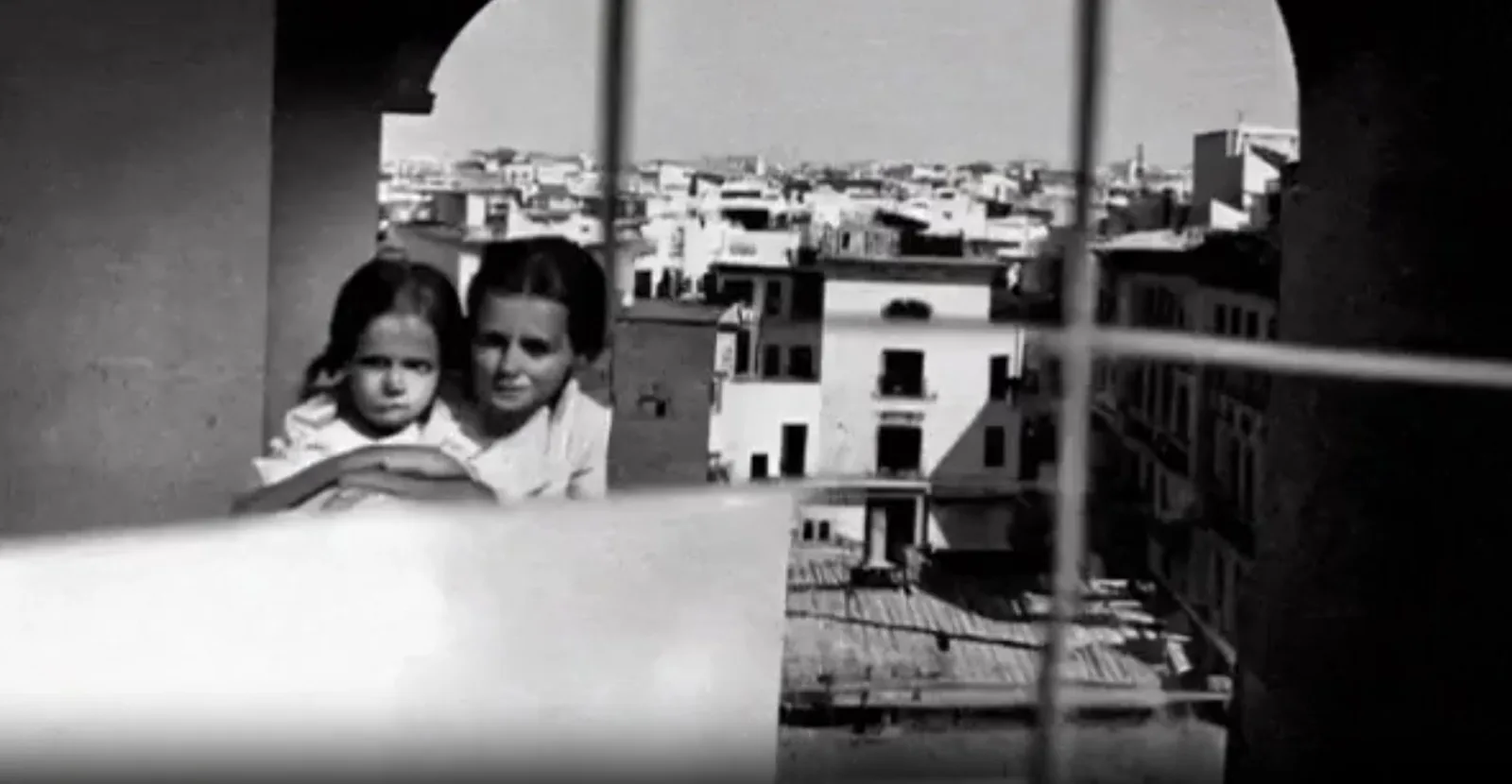
One of the most striking pieces comes from Domestic Data Streamers, a research and design studio based in Spain, whose Synthetic Memories Archive is shown on the walls. The wall-hung works are AI-generated images produced from people’s reconstructed personal memories, with the prompt text shown underneath each picture. Beyond building an archive, the studio uses the technique therapeutically with people living with trauma or dementia.

Statistics have their place too. Two Sides of the Same Coin, by Laura Kurgan and Dan Miller, is a two-faced model: one face charts where microbes linked to humans are found, the other charts how people have used land over 12,000 years, together making biodiversity loss visible. Kate Crawford and Vladan Joler’s Calculating Empires covers three walls of a side room, tracing institutions and ideas across human culture and communication since 1500.
Information design as investigation
The curator wanted to bring out the investigative side of the discipline at a moment of deep distrust in institutions. Her argument is that while scepticism is justified, a well-designed piece lets viewers follow the path taken by a designer, a journalist or a politician and decide for themselves whether they accept the result.
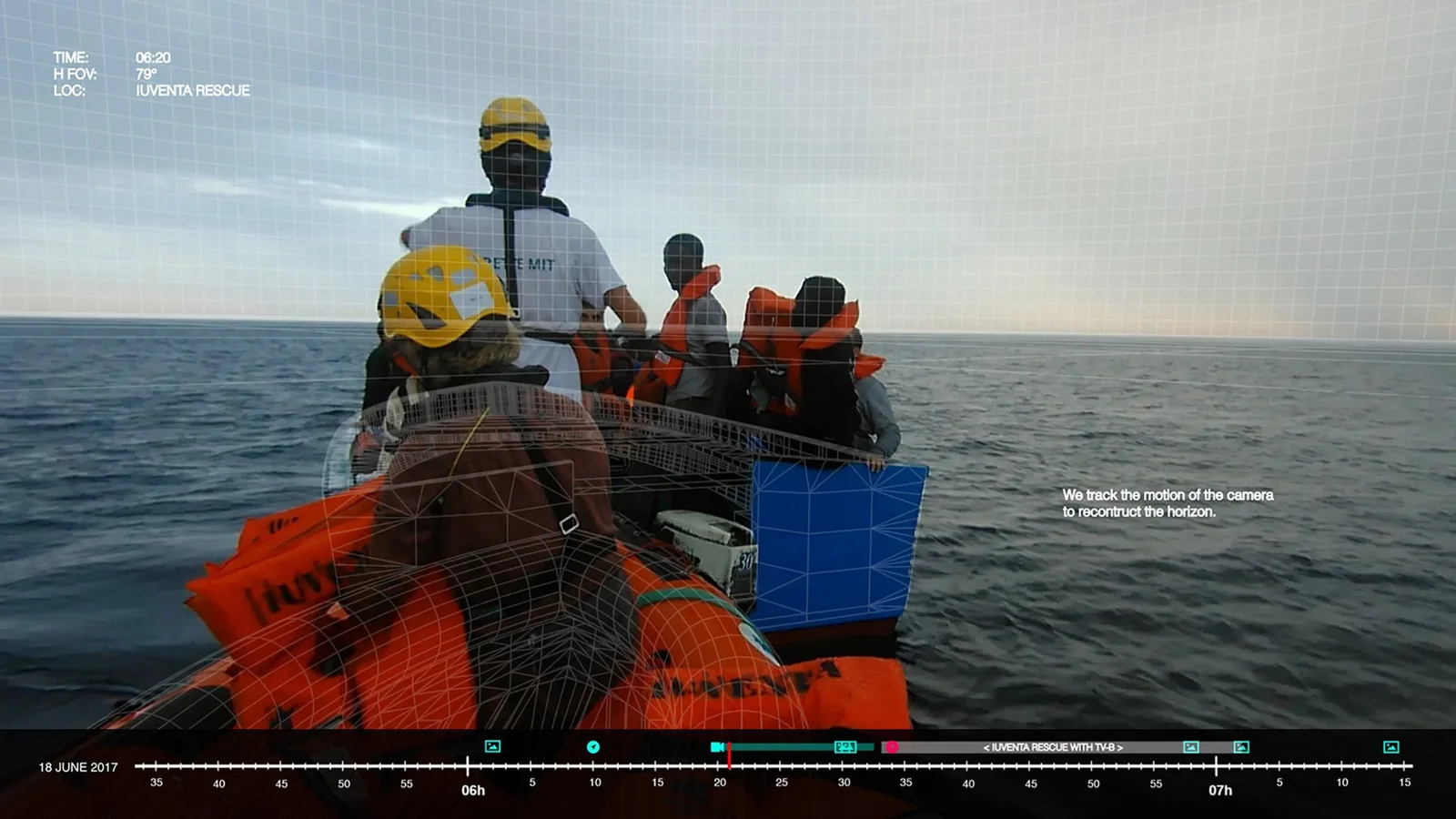
That approach is clearest in The Seizure of the Iuventa by London-based Forensic Architecture and Forensic Oceanography, a film that uses reconstructions and modelling, including remote sensing, to support a rescue NGO whose boat was accused by the Italian government of smuggling. William Villalongo and Shraddha Raman extend the data WEB Du Bois gathered on the African diaspora and African American employment into the 21st century, while New York Times interactives on the Notre-Dame fire and the Tulsa Race Massacre represent information design in digital journalism.
Most works are digital, but not all. Giorgia Lupi and Stefanie Posavec’s Dear Data, a hand-drawn exchange of postcards recording details of their daily lives, sits among them. For Antonelli, the medium matters less than the effort to make complex information truly understandable.


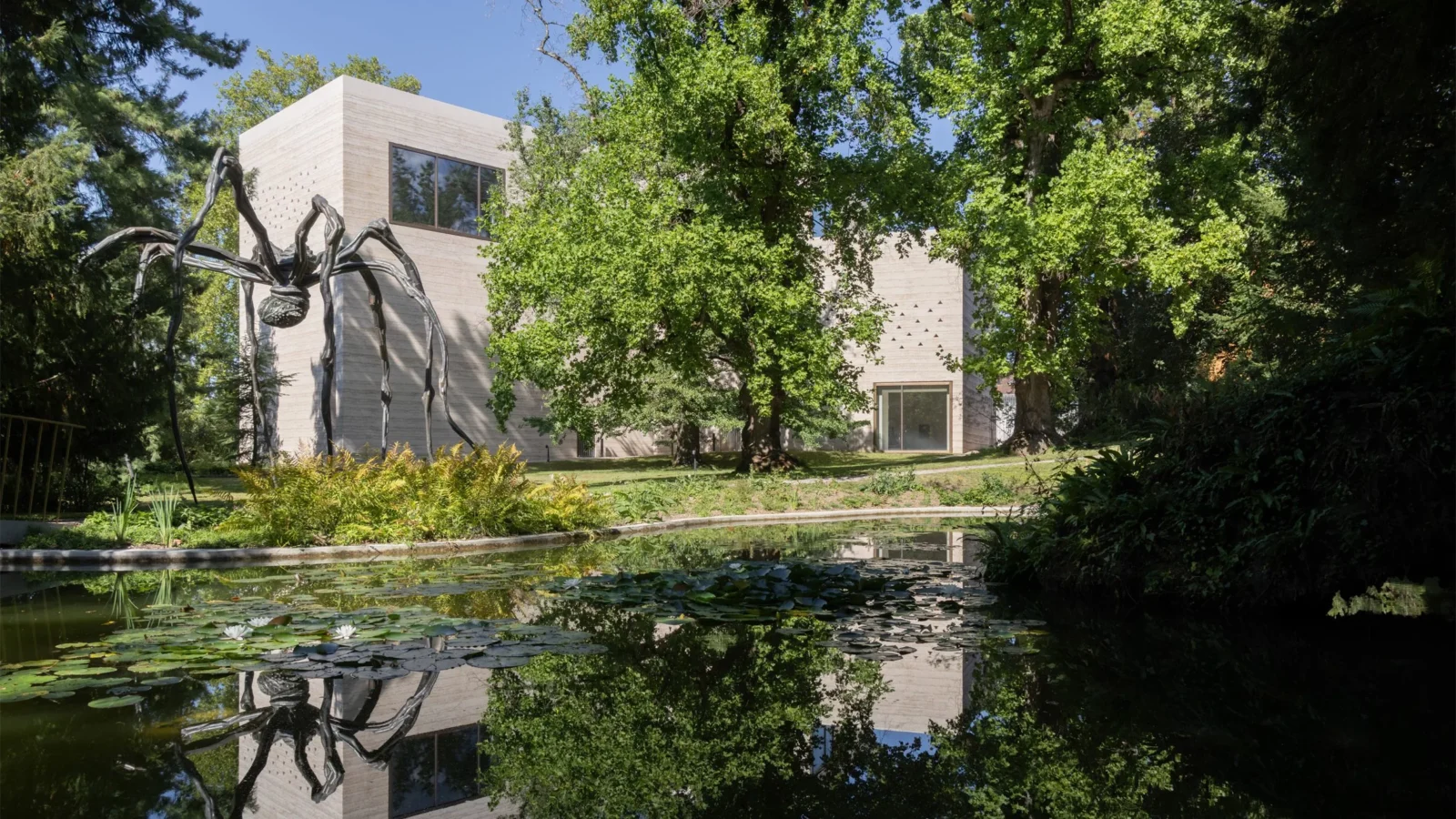
Zumthor’s Three New Buildings Open at Fondation Beyeler in Riehen
Peter Zumthor's Wyss Museum, Ammann Pavilion and Erlen Torhaus open at Fondation...
illustrarch Editoral Team4 Mins read

Benthem Crouwel Completes the Afsluitdijk Revamp with a Fish Passage and Domed Pumping Stations
The 32 km Afsluitdijk in the Netherlands has been raised, armoured and...
illustrarch Editoral Team2 Mins read
Luxembourg Pavilion Tackles the Overconsumption of Living Space at the 2027 Venice Biennale
Curated by Céline Zimmer and Exutoire, the Luxembourg Pavilion's Excess! will compare...
illustrarch Editoral Team2 Mins read
Frida Escobedo Studio to Design MALBA Underground Wing in Buenos Aires
MALBA has tapped Frida Escobedo Studio to build a subterranean expansion beneath...
illustrarch Editoral Team2 Mins read


Leave a comment