

Danish Architecture Center Marks Jan Gehl’s 90th Birthday with Cities for People Exhibition
DAC in Copenhagen celebrates Jan Gehl's 90th birthday with Cities for People, an interactive exhibition built around his 12 quality criteria for public space.
 illustrarch Editoral Team3 October 20262 Mins read28
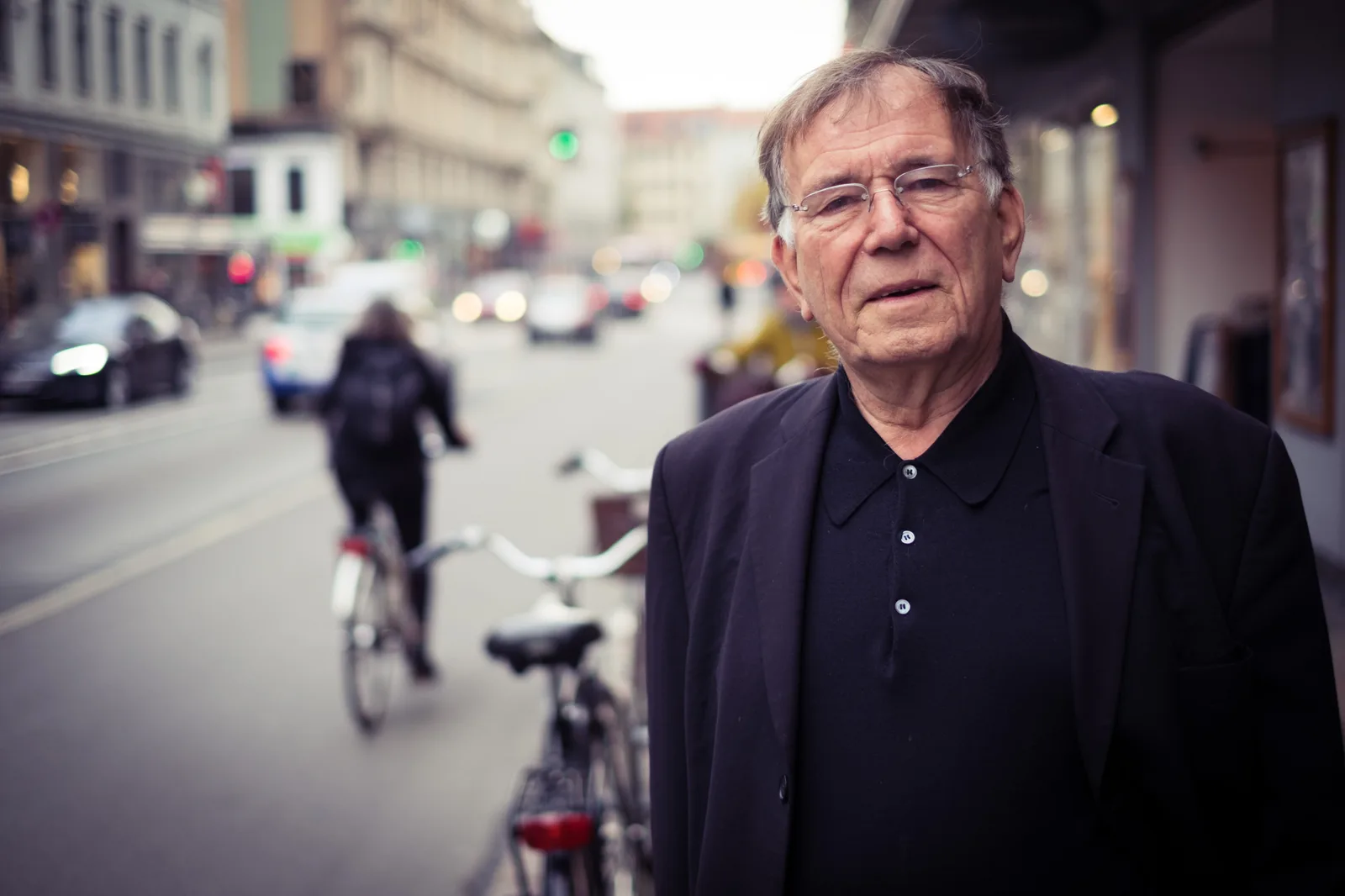
The Danish Architecture Center (DAC) in Copenhagen is marking the 90th birthday of Jan Gehl, the architect and urban planner whose research placed people at the centre of city design, with a new main exhibition and a programme of talks and events. Titled Cities for People, the exhibition was developed together with Gehl and Gehl Studio and opens on World Architecture Day, 5 October 2026.
The timing carries a local note. Copenhagen has just been ranked the world’s most liveable city for a second year running in the Economist Intelligence Unit’s Global Liveability Index, and DAC credits part of that urban quality to the ideas Gehl has argued for over six decades.
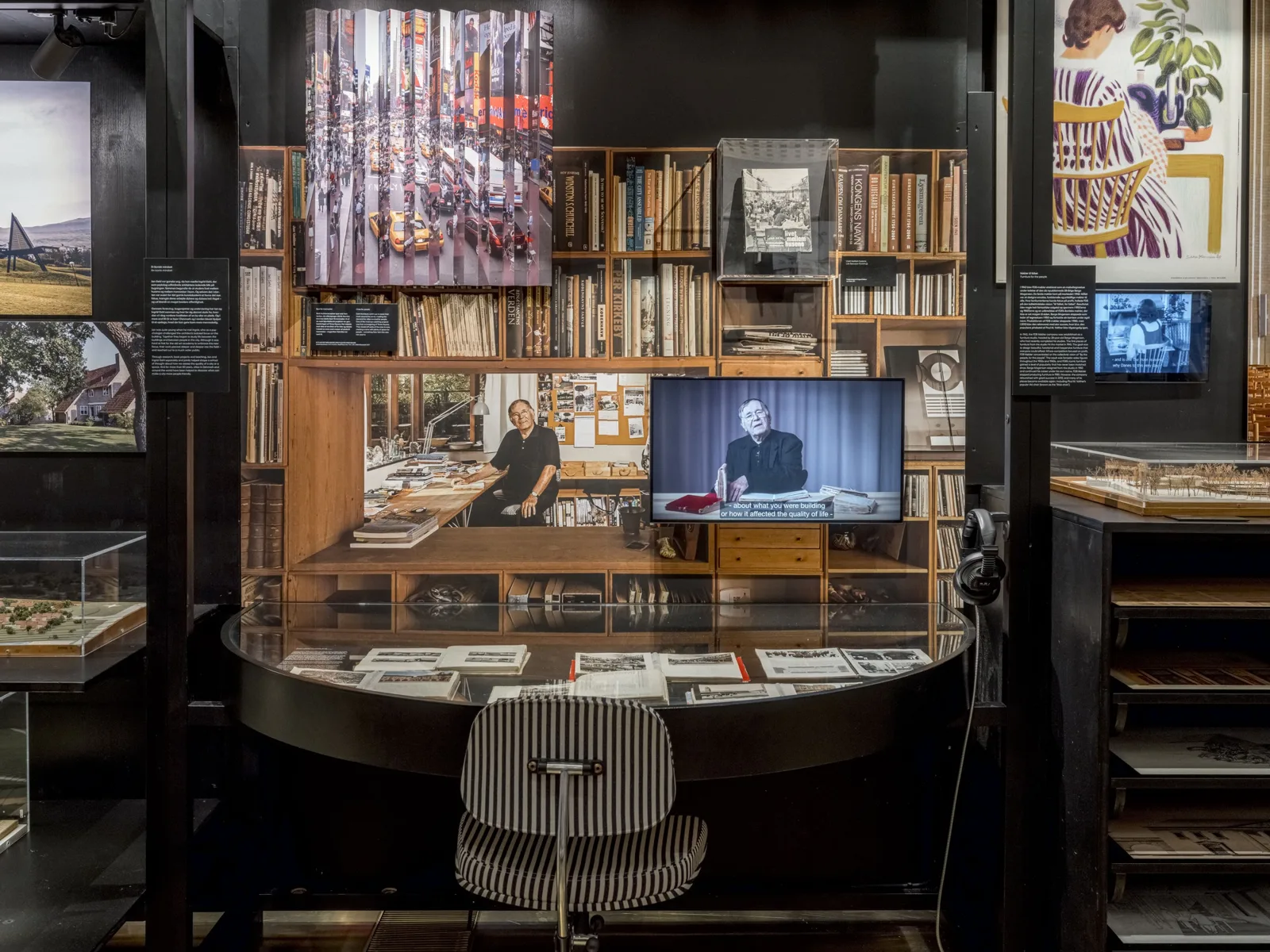
Twelve criteria for good public space
Cities for People is built around Gehl’s twelve quality criteria for public urban space and asks how design that starts from people can support health, wellbeing and community life. Rather than drawings on walls, DAC describes an immersive, participatory show. Visitors are invited to sense for themselves when a place feels safe or unsafe, and to notice how the same square or street can be experienced very differently depending on age, gender and circumstances. They are also asked to picture public spaces that balance community with freedom and energy with calm, and to add their own ideas.
Alongside the exhibition, DAC is running an AfterDAC series of conversations and debates on the same themes, including a talk between Gehl and architect Ane Cortzen. The institution frames the project against the expectation that around 70 percent of the world’s population will live in cities.
From Life Between Buildings to Gehl Studio
Gehl’s influence rests largely on Life Between Buildings, first published in 1971 and since translated into 30 languages. Following Jane Jacobs’ critique of car-centred planning, the book questioned wide traffic arteries, isolated buildings and the empty spaces between them at a time when planners focused mainly on buildings, cars and traffic. DAC traces this change of perspective to a challenge from his wife, the psychologist Ingrid Gehl, who drew his attention to how people actually move, meet and spend time in cities.
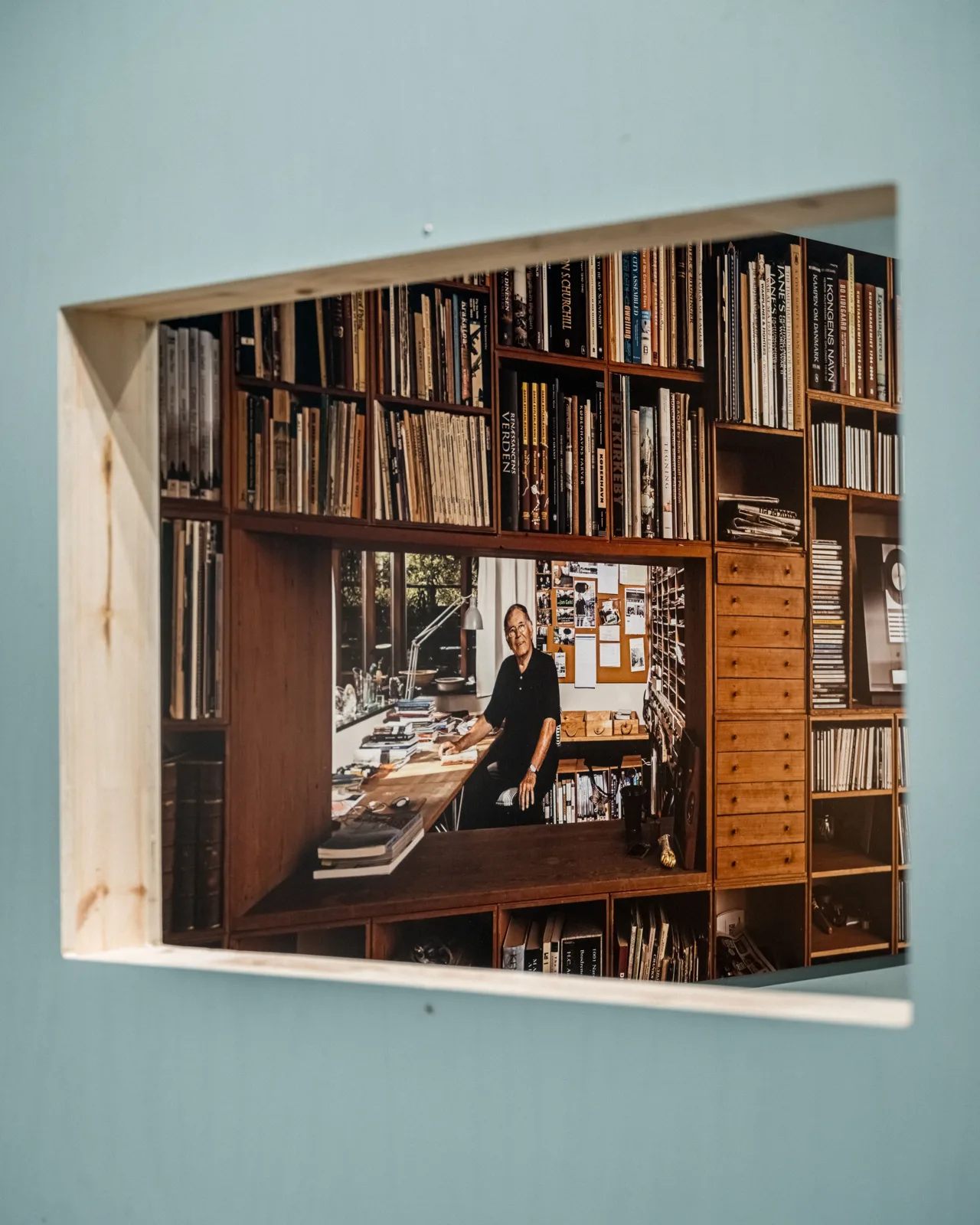
In 2000 Gehl founded Gehl Architects, now Gehl Studio, which has advised cities around the world on public life and street design. His most recent book, A Good City: The Short Story, was written with Camilla van Deurs, Copenhagen’s former city architect. In Copenhagen itself, the harbour baths, cycle lanes, parks and squares are often cited as the everyday result of that thinking. Kent Martinussen of DAC said Gehl and his studio had changed the basic understanding of what a good city is and how to design one, calling it “a huge achievement”.




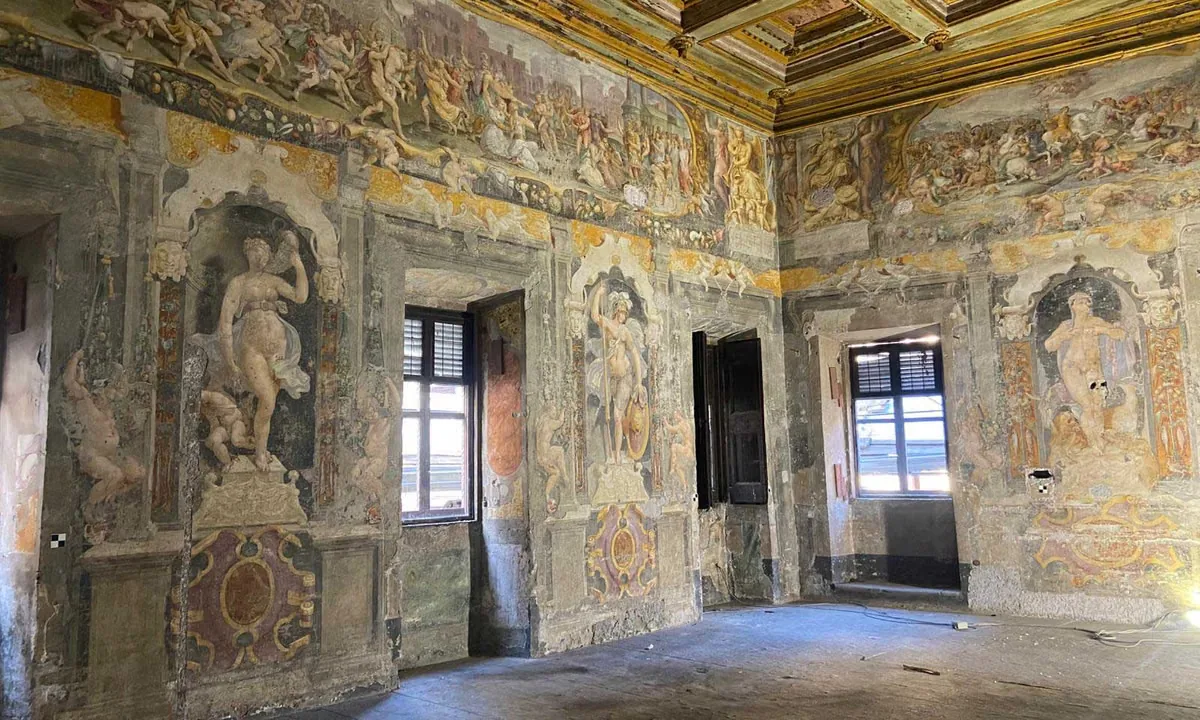
Restorers Uncover 16th-Century Murals Hidden by Nuns in Villa Silvestri Rivaldi
Conservators in Rome are uncovering 16th-century murals hidden for 300 years inside...
illustrarch Editoral Team3 Mins read

A New Book Records the 1970s Interiors of Ebony and Jet’s Chicago Headquarters
820 Ebony/Jet collects Barbara Karant's photographs of the empty Johnson Publishing Company...
illustrarch Editoral Team2 Mins read

A 2,500-Year-Old Solar Observatory in Puebla Is the First Group E Complex Found Outside the Maya Area
Archaeologists working for Mexico's INAH have confirmed that two platforms at Teteles...
illustrarch Editoral Team2 Mins read

India Art, Architecture & Design Biennale 2026: Ministry of Culture Opens Delhi Monuments
Delhi's monuments, including Purana Quila and the Red Fort, will host the...
illustrarch Editoral Team2 Mins read


Leave a comment