

A Record El Niño Threatens More Than 10,000 Adobe Heritage Sites on Peru’s Coast
With a possibly record-breaking El Niño under way, Peru's coastal adobe heritage faces heavy rain and floods, and experts warn that preparation came too late.
 illustrarch Editoral Team9 October 20262 Mins read1
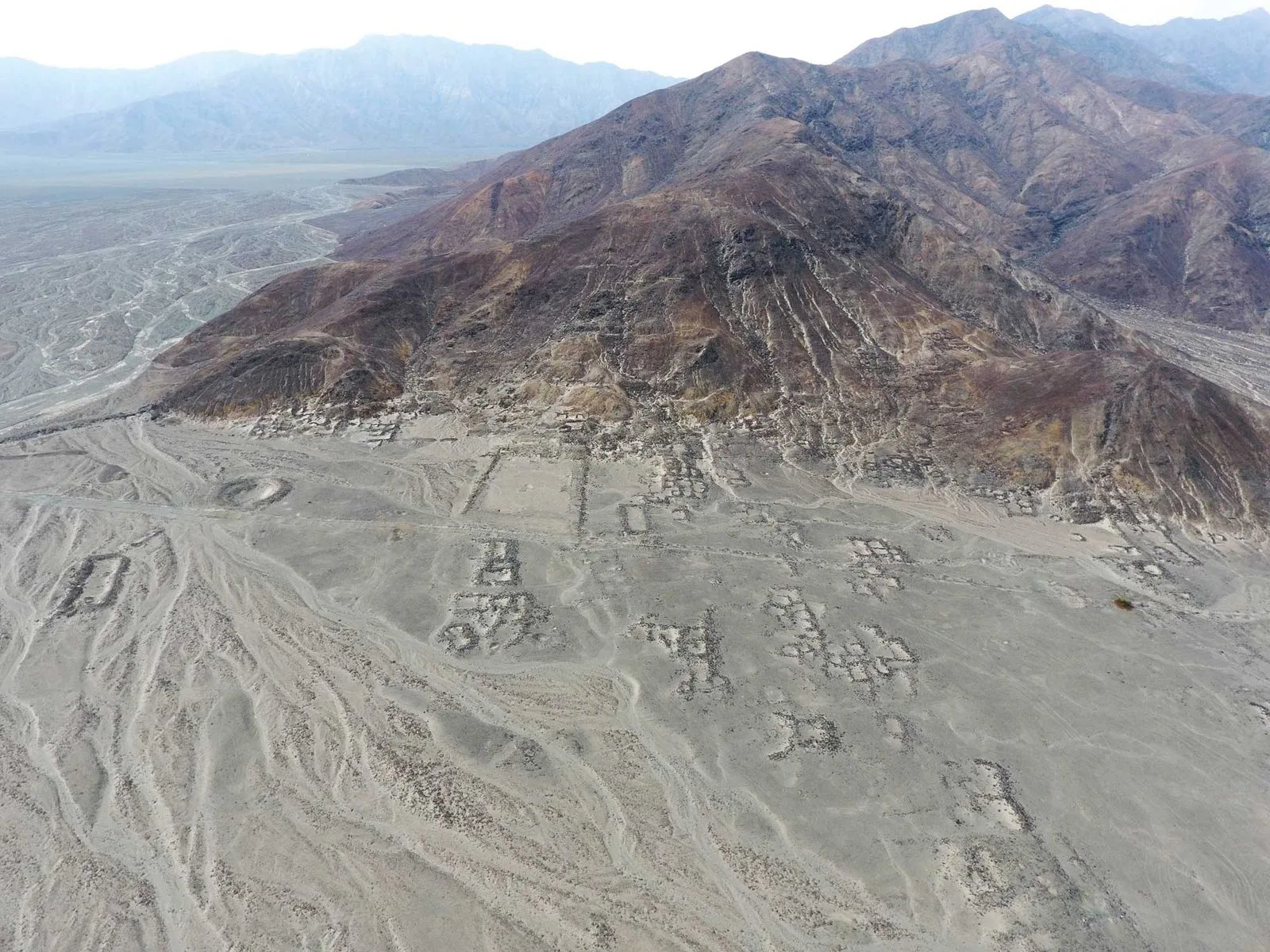
Peru’s adobe heritage is facing a severe test. More than 10,000 archaeological sites along the country’s coast, spanning some 12,000 years of history, are exposed to what could become the strongest El Niño on record. Most of these sites are built from adobe, the sun-dried clay that is especially vulnerable to heavy rain and flooding, and experts say the authorities started preparing too late, The Art Newspaper reports.
El Niño, a periodic rise in sea surface temperatures across the eastern and central Pacific, brings torrential rain to Peru’s normally arid coastal lowlands. The World Meteorological Organization confirmed on 3 September that an exceptional, very strong event was firmly established, and Daniel Sandweiss of the University of Maine says models suggest it may be the most powerful yet, outdoing the super El Niños of the 1980s, 1990s and 2010s.
An old partner of adobe building
The phenomenon is far older than coastal settlement. Geoarchaeologist Ana Cecilia Mauricio of the Pontificia Universidad Católica del Perú says it has been recorded on the coast for at least 17,000 years and was part of life in every pre-Hispanic society. She argues it may even have prompted the invention of adobe, as clay deposited by El Niño rains on the dry coast became a building material, and notes that no pre-Hispanic society is known to have collapsed because of it.
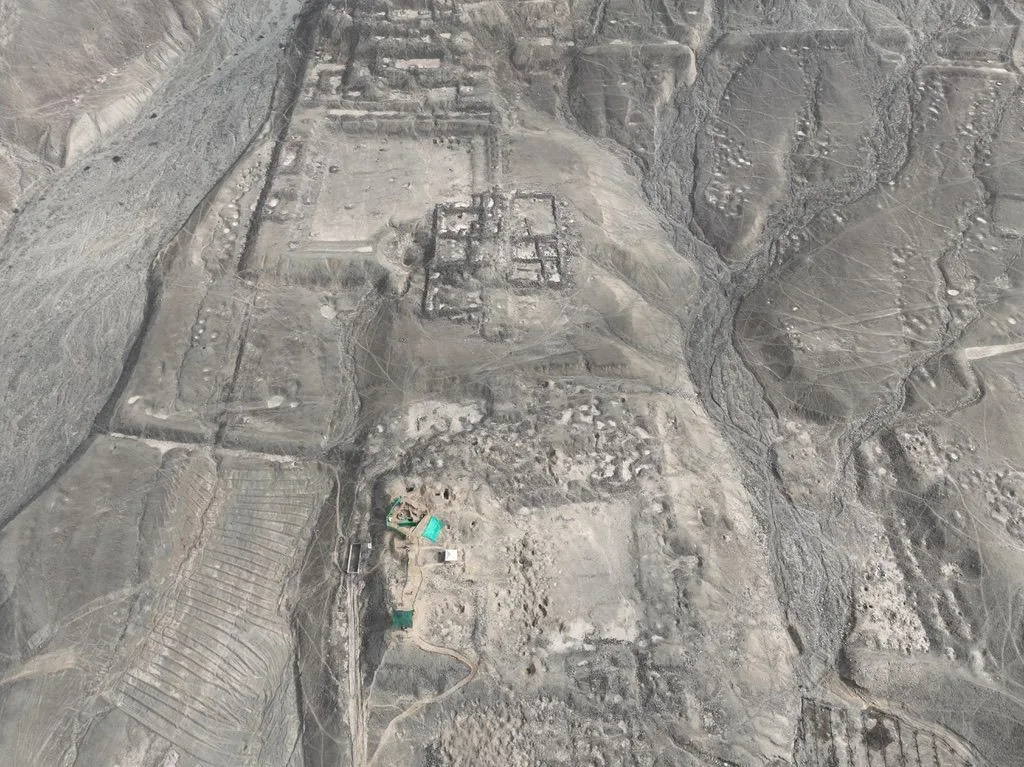
Today’s risk is acute. The northern coast is expected to be hit hardest until May 2027. Erosion from rain and flooding can bring down ancient walls and wash away wall paintings in hours, particularly at sites on cliffs or near waterways.
Planning that came late
Before the strong events of the late 1990s and mid-2010s, protective work started well in advance. This time a special commission was set up only on 26 August, followed by about $1.2m for emergency measures at 536 priority sites, among them Chan Chan, Sicán and Túcume, and a 60-day emergency across 893 districts from 1 September. Culture minister Alberto Beingolea has admitted that prevention is no longer possible and only emergency work remains.
Conservator Ricardo Morales Gamarra says lessons from earlier events, such as halting excavations, improving drainage, shoring up vulnerable walls and covering exposed surfaces, should have been applied rather than starting from scratch. Low-cost, real-time monitoring methods developed by Mauricio and archaeologist Francesca Fernandini were shared with the authorities in 2023 but not adopted.
Mauricio also wants attention to go beyond famous sites. A new UNESCO-backed climate risk guide covers only Peru’s 13 World Heritage Sites, while most smaller adobe sites have no protection at all. As she puts it, if civilisations had safeguards 4,000 years ago, there is little excuse for not having them now.






Es Devlin: Other Worlds Opens at London’s Design Museum with a 2,000-Book Kinetic Library
Es Devlin: Other Worlds, the multidisciplinary artist and designer's first European retrospective,...
illustrarch Editoral Team1 Mins read
Aspendos Excavation Uncovers 6,000-Year-Old Settlement Traces Near Antalya
Digs beneath Aspendos shop floors turned up Chalcolithic pottery and tools, pushing...
illustrarch Editoral Team2 Mins read
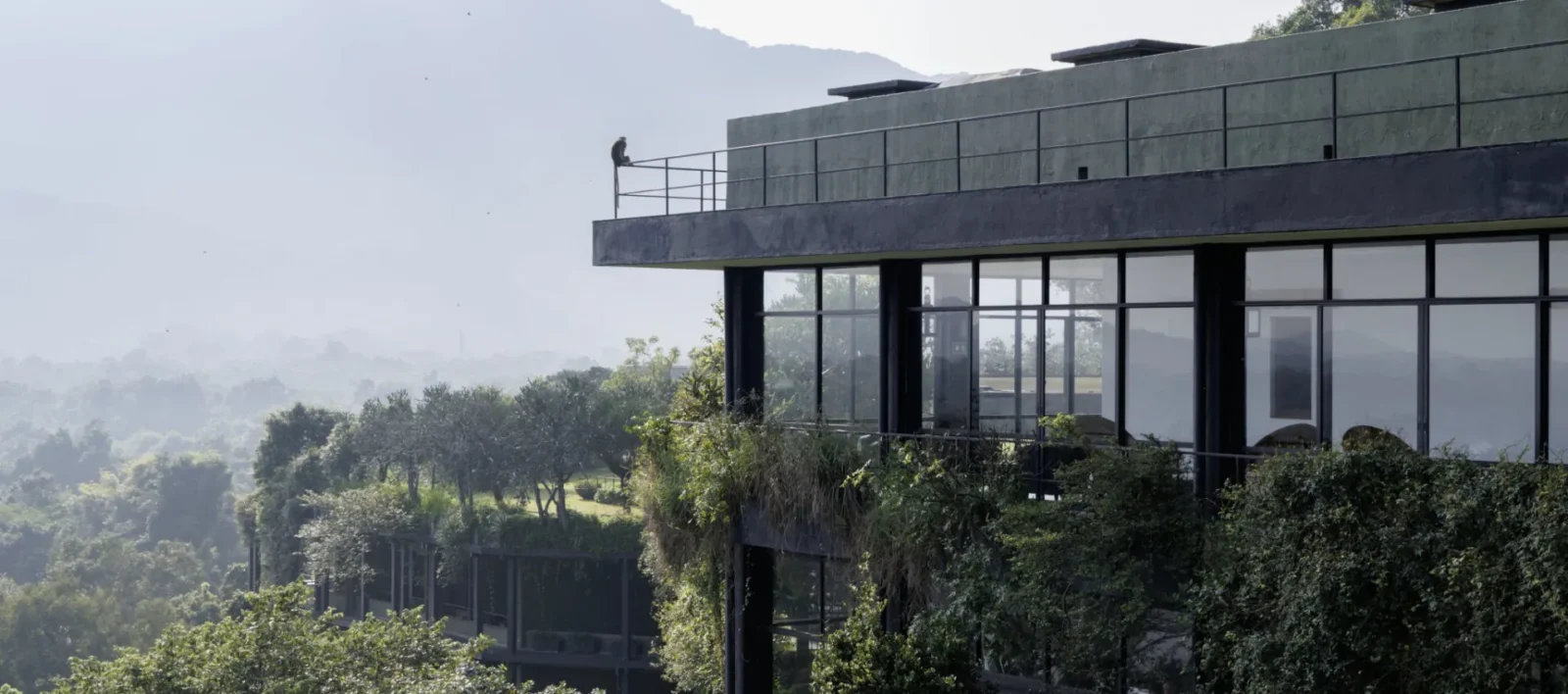
Vitra Museum Stages First Major Geoffrey Bawa Retrospective in Decades
Vitra Design Museum opens the first major Geoffrey Bawa retrospective in 20...
illustrarch Editoral Team2 Mins read

Neom Stadium, the Elevated 2034 World Cup Venue, Reportedly Shelved by Saudi Arabia
Two sources told Reuters that Saudi Arabia has put the 46,000 seat...
illustrarch Editoral Team2 Mins read


Leave a comment