

Aspendos Excavation Uncovers 6,000-Year-Old Settlement Traces Near Antalya
Digs beneath Aspendos shop floors turned up Chalcolithic pottery and tools, pushing the site's known history back roughly 6,000 years.
 illustrarch Editoral Team8 October 20262 Mins read1
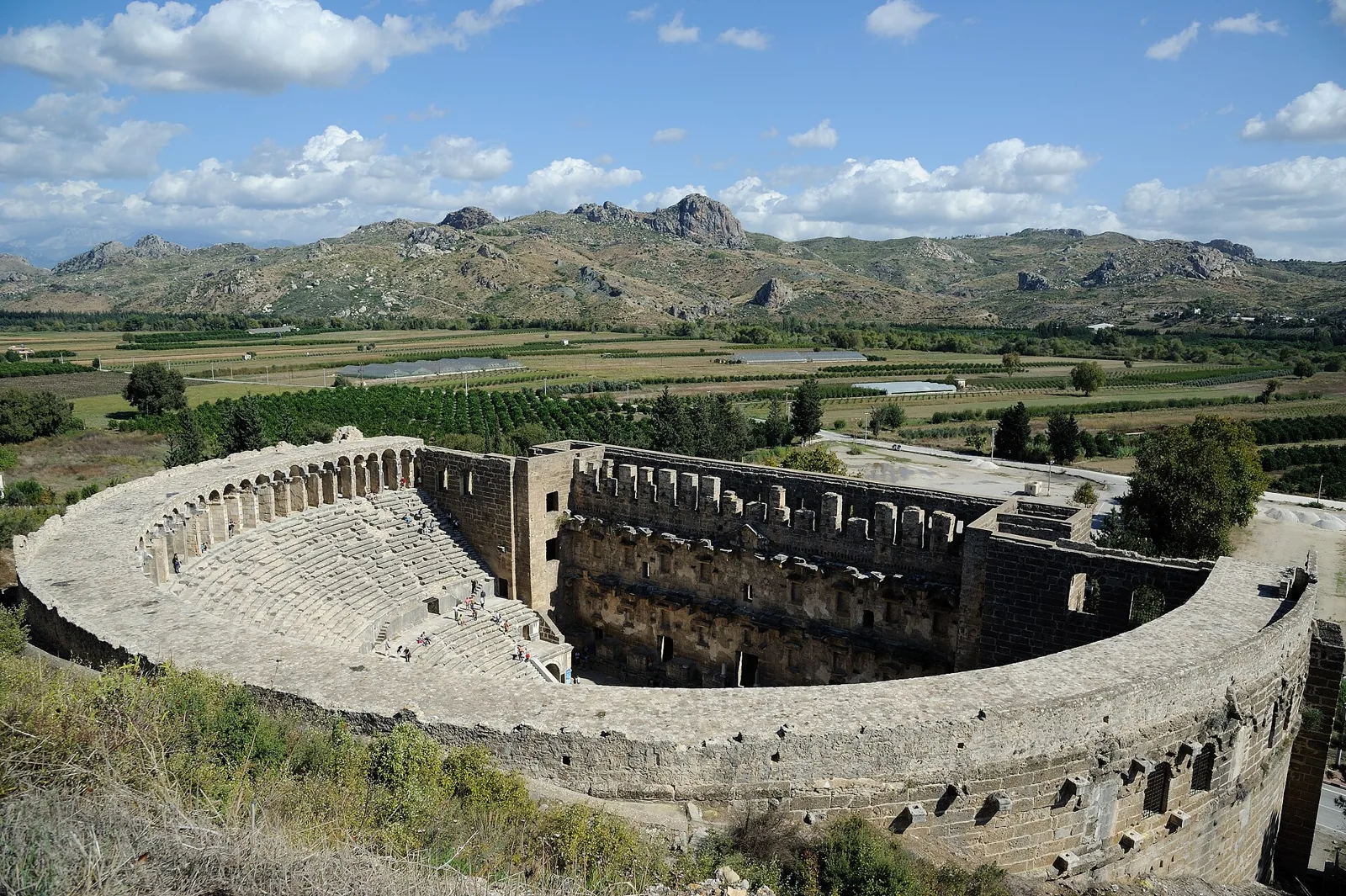
Archaeologists conducting the Aspendos excavation, in the Belkis neighborhood of Antalya’s Serik district, say they have found evidence that people lived on the site roughly 6,000 years ago, thousands of years before the Roman-era monuments that made the location famous were constructed.
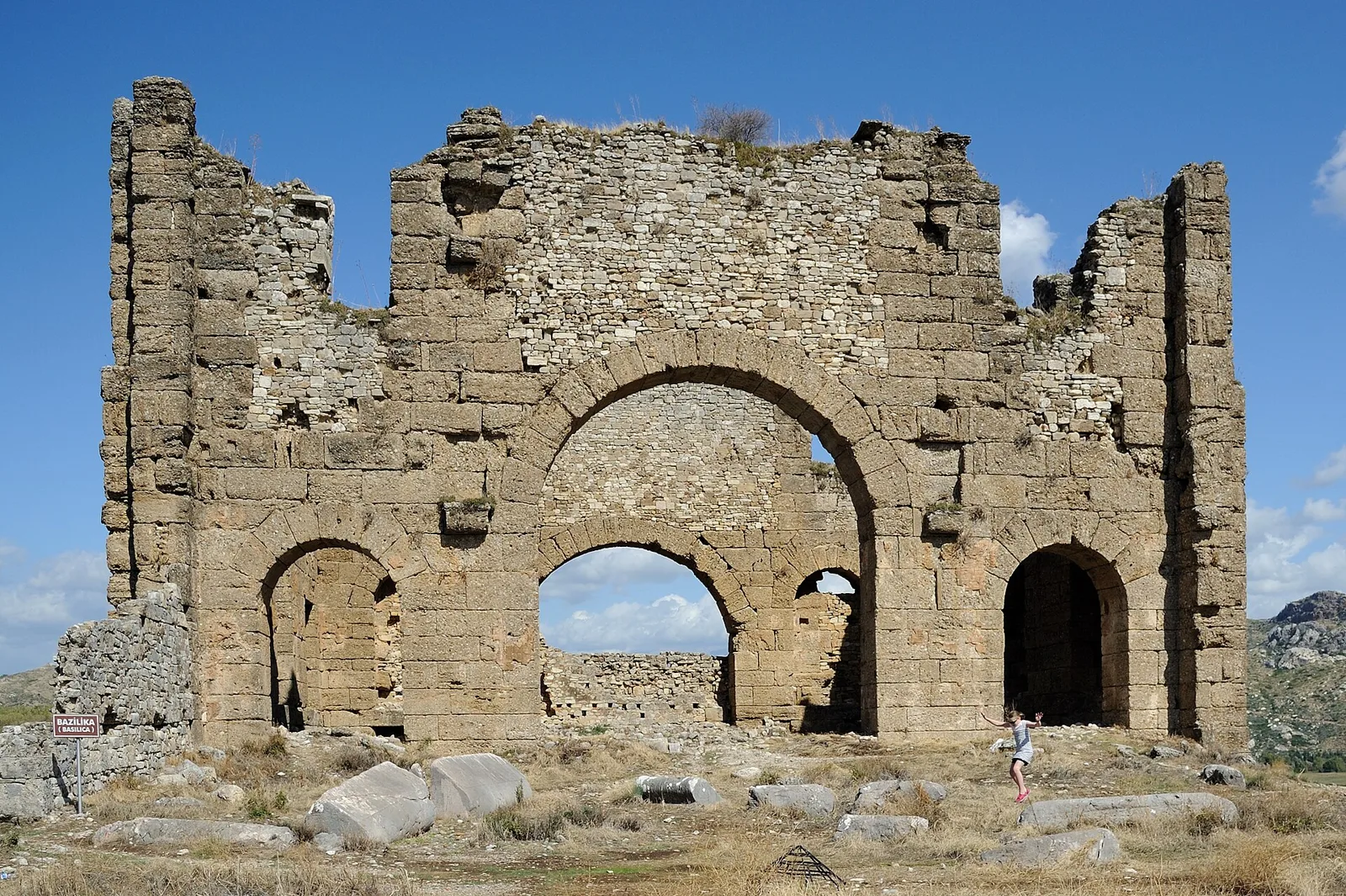
The discovery came from soundings dug beneath the floors of two-story shop structures on the Aspendos acropolis, where excavators recovered pottery, bowls and tools belonging to the Late Chalcolithic period, also called the Late Copper Age. The material points to activity at the site somewhere between roughly 4000 and 3500 B.C., according to the dig’s director, Associate Professor Mustafa Bilgin of Afyon Kocatepe University.
What the Aspendos excavation found
Bilgin said the discovery overturns assumptions that Aspendos was only settled starting in the Iron Age, adding thousands of years to the site’s known human history.
“With the excavations we have carried out recently, we understood that the history of the ancient city goes back 6,000 years from the present day. This fertile geography was not an area that had only been settled since the Iron Age. We understood this, and it became an important archaeological conclusion for us,” Bilgin said.
He said the objects pulled from the layers beneath the shop floors, plates, bowls and various implements, were what allowed the team to place the acropolis’s earliest occupation in that 4000-3500 B.C. window.
The work is being carried out under the Culture and Tourism Ministry’s Heritage for the Future Project, a national initiative funding long-term excavation and conservation campaigns at historic sites across Türkiye.
A layered city best known for its Roman theater
Aspendos was one of the principal cities of ancient Pamphylia and today draws visitors chiefly for its Roman-period theater, which is close to 2,000 years old and remains one of the most intact ancient theaters anywhere in the Mediterranean or Anatolia. Bilgin called it a rare case where the architectural fabric of the building has survived almost completely intact.
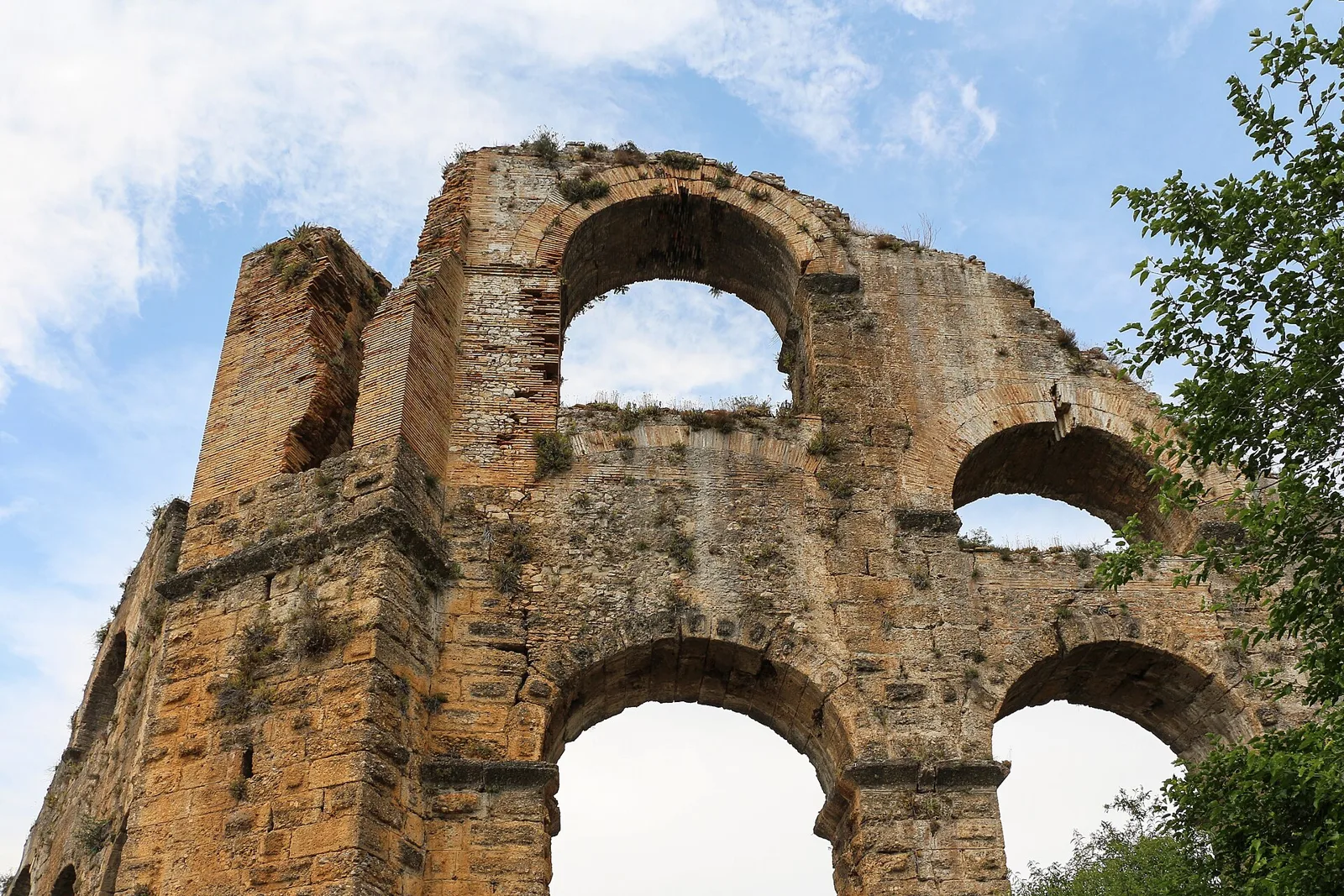
Beyond the theater, the city preserves an aqueduct system, an agora, a large fountain building, a temple, a stadium, a council chamber and a street lined with theater-related structures. Bilgin noted that many of these buildings still stand nearly to roof height, letting visitors read the layout of the ancient city much as it would have looked in antiquity.
Recent digging has also turned up a third-century depiction of the river god known locally as Eurymedon, adding another layer to a site Bilgin describes as archaeologically stacked across many eras.
“This makes Aspendos an important destination in terms of tourism and archaeology,” Bilgin said.
The city already features in the ministry’s night museum program, which opens the theater and other monuments to visitors after dark. Bilgin said the experience of walking through the ruins at night adds to their appeal for tourists.





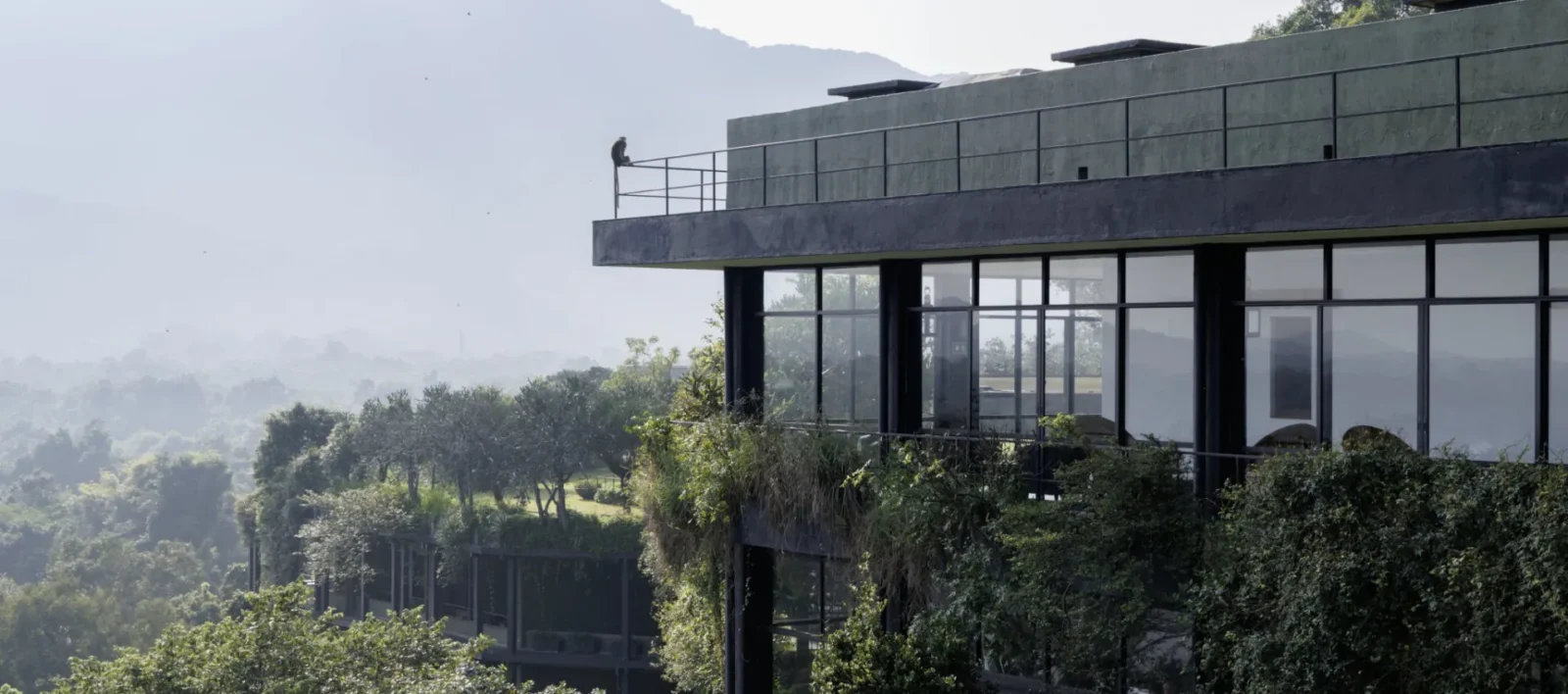
Vitra Museum Stages First Major Geoffrey Bawa Retrospective in Decades
Vitra Design Museum opens the first major Geoffrey Bawa retrospective in 20...
illustrarch Editoral Team2 Mins read

Neom Stadium, the Elevated 2034 World Cup Venue, Reportedly Shelved by Saudi Arabia
Two sources told Reuters that Saudi Arabia has put the 46,000 seat...
illustrarch Editoral Team2 Mins read
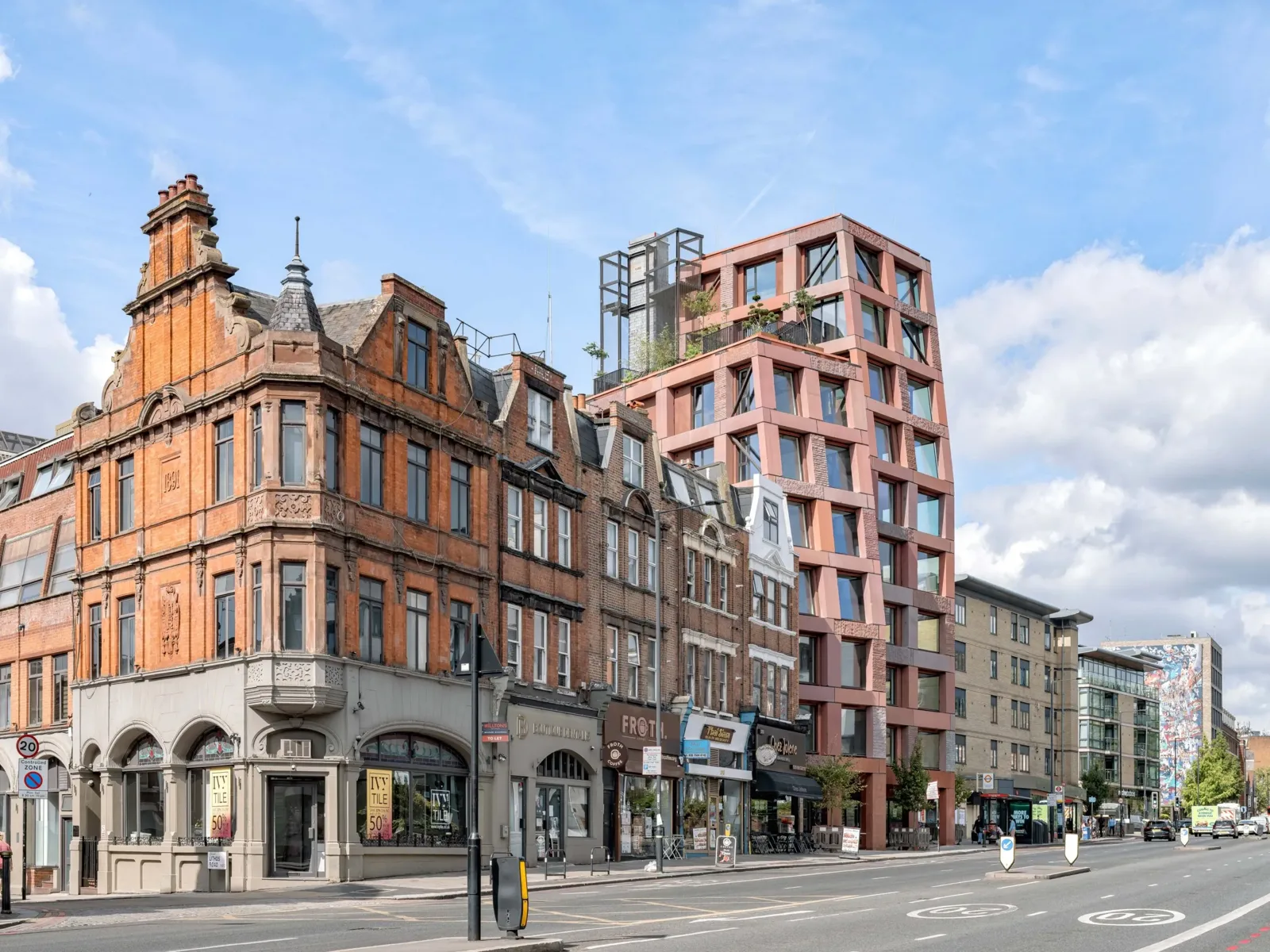
Groupwork Completes 10-Storey Loadbearing Granite Flats in London
Groupwork's Petra Heights on Finchley Road is a 10-storey block of 22...
illustrarch Editoral Team2 Mins read
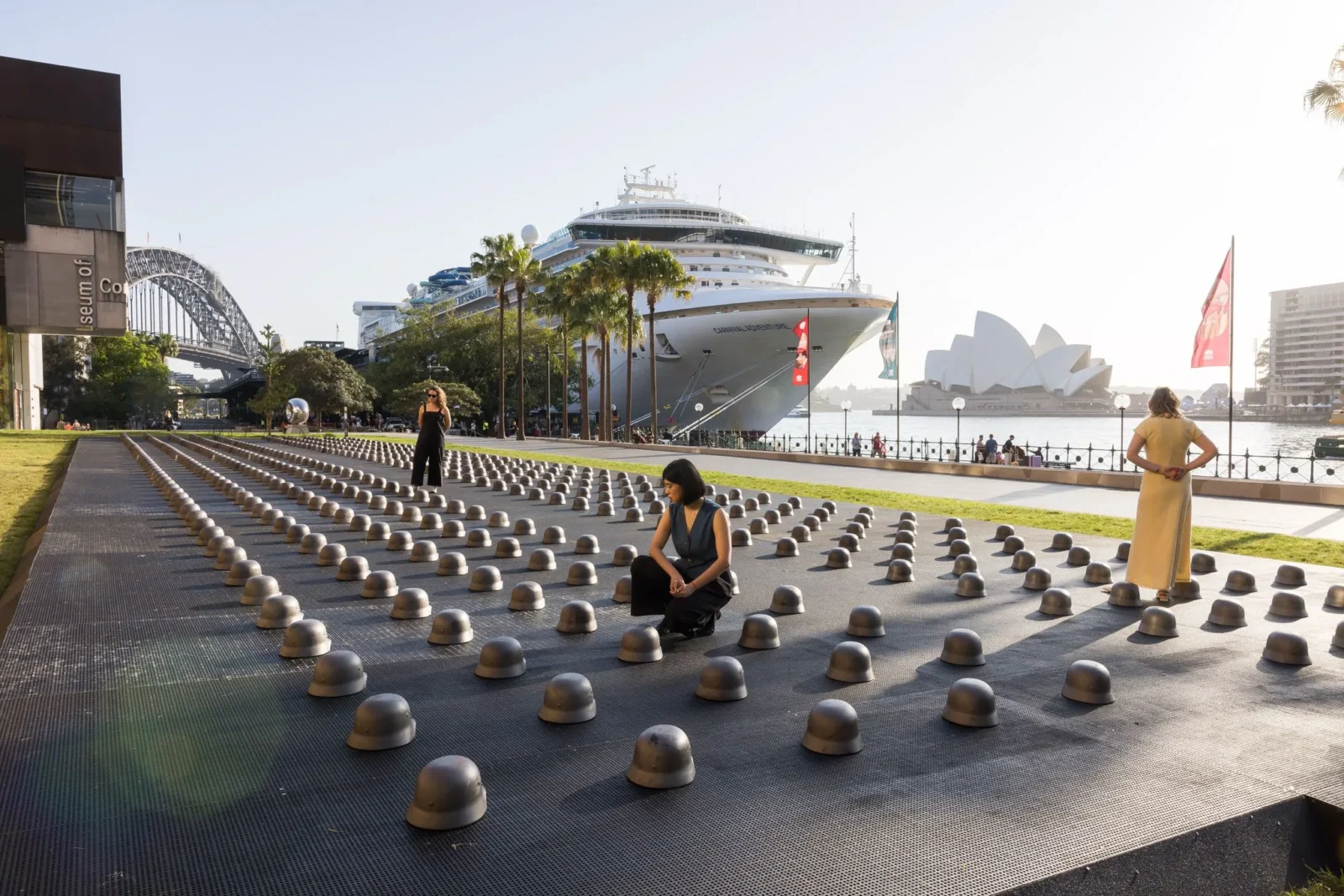
Ai Weiwei Installs 500 Cast-Iron Helmets Outside Sydney Museum
Ai Weiwei's 500 cast-iron helmets opened outside Sydney's MCA on 25 September,...
illustrarch Editoral Team2 Mins read


Leave a comment