

Revitalizing Home Design: The Intersection of Nature, Technology, and Well-Being
Biophilic home design integrates nature, technology, and well-being by prioritizing natural elements and smart solutions to create healthier living environments.
 Bahattin Duran24 July 20235 Mins read534

Table of Contents Show
Biophilic home design connects living spaces to nature through plants, natural light, organic materials, and smart technology that supports daily well-being. By treating greenery and natural systems as core design choices rather than decoration, homeowners create rooms that feel calmer, healthier, and more personal.
The way people think about their homes has shifted. Instead of picking finishes and furniture in isolation, more homeowners now ask how a space makes them feel and how it ties them to the natural world. That question sits at the heart of biophilic home design, where nature, technology, and well-being meet inside the rooms we use every day.
Why Nature Belongs at the Center of Home Design
The pull toward natural surroundings is not a passing style. Biologist Edward O. Wilson described it as biophilia, the deep human tendency to seek connection with living things. Designers now treat that instinct as a starting point, shaping layouts around daylight, views, airflow, and living materials instead of adding a plant or two at the end.
This thinking draws directly from the principles of organic architecture, where buildings respond to their environment rather than fight it. At home, that can mean orienting a reading nook toward a garden window, using timber and stone that age gracefully, or planning a kitchen around morning light. The goal is a room that feels grounded in something larger than its four walls.
🎓 Expert Insight
“Biophilia is the innately emotional affiliation of human beings to other living organisms,” wrote Edward O. Wilson, the biologist who popularized the term in his 1984 book Biophilia.
Wilson’s idea explains why a home filled with daylight and greenery often feels restful before anyone can say why. Designers use it to justify nature as a structural decision, not a finishing touch.
Terrapin Bright Green turned this research into a working method with its 14 Patterns of Biophilic Design, which groups strategies into nature in the space, natural analogues, and the nature of the space. Homeowners can borrow the same patterns at a small scale, from a water feature on a balcony to materials that echo natural textures.
🏗️ Real-World Example
Bosco Verticale (Milan, 2014): Stefano Boeri’s residential towers carry 800 trees, 4,500 shrubs, and 20,000 plants across their balconies, proving that homes can host a living facade. The greenery shades interiors in summer, filters dust, and gives every apartment a direct view into a vertical forest.
How Does Technology Bring Nature Indoors?
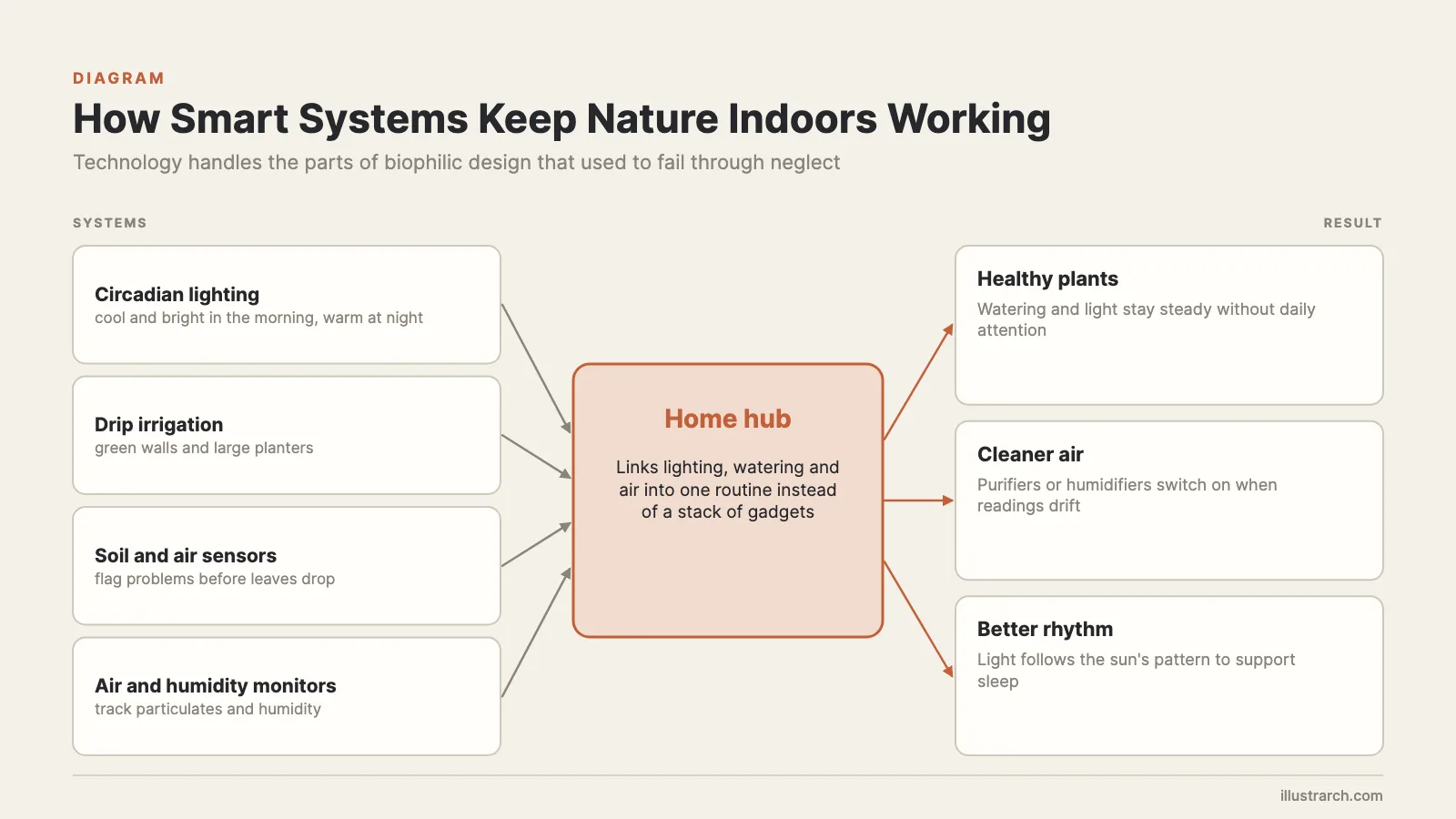
Technology brings nature indoors by managing light, water, and air so that living elements thrive with less effort. Smart systems handle the parts of biophilic design that used to fail through neglect, which keeps plants alive and natural light working in your favor throughout the day.
Circadian lighting is one clear example. Tunable fixtures shift from cool, bright tones in the morning to warmer light at night, echoing the rhythm of the sun and supporting better sleep. Automated drip irrigation keeps green walls and large planters healthy without daily attention, while soil and air sensors flag problems before leaves start to drop.
Air and humidity control round out the picture. Connected monitors track particulate levels and humidity in real time, then trigger purifiers or humidifiers when readings drift, which protects both the plants and the people in the room. When these devices link through a single home hub, the lighting, watering, and air systems work as one routine rather than a stack of gadgets you have to remember to run.
Planning tools also lower the risk of guesswork. Interactive platforms such as Houzz let you test how plants, materials, and finishes read together before buying anything. Paired with the ideas in this guide to modern interior design, these apps make it easier to keep color and texture consistent across a whole home.
Designing Interiors That Support Well-Being
Bringing nature inside does more than look good. Indoor air quality has a direct effect on comfort and health, and the U.S. Environmental Protection Agency notes that indoor pollutant levels can be higher than those outdoors, which matters because most people spend the majority of their time inside. You can read the agency’s own primer on indoor air quality for the full picture.
Plants play a part here. NASA’s 1989 Clean Air Study found that several common houseplants can absorb indoor pollutants such as benzene and formaldehyde, which is one reason greenery keeps showing up in wellness-focused interiors. Natural light, quiet zones, and tactile materials add to the effect, lowering stress and helping rooms feel restorative rather than merely decorated.
This connection between buildings and health is now a recognized field of study, as shown in our look at how architecture supports health and well-being. The same logic scales down to a single apartment: a well-lit corner with a few plants and soft, natural textures can become the most used spot in the home.
Views matter as much as air. A sightline to a tree, a sky, or even a planted balcony gives the eye a place to rest and breaks up long stretches of screen time. Where outdoor views are limited, a small indoor garden or a framed cluster of plants can stand in for the real thing. Sound deserves attention too, since soft furnishings, rugs, and acoustic panels cut the harsh echo that makes open-plan rooms feel tense.
Material choice carries a similar weight. Timber, stone, clay plaster, wool, and rattan bring texture and a sense of age that synthetic finishes rarely match. These surfaces respond to touch and light in ways that keep a room feeling alive across the day, and many of them age into something better rather than wearing out.
Bringing Plants and Flowers Into Daily Spaces
Flowers and plants remain the fastest way to refresh a room. They add color, movement, and a sense of life, and online sourcing has widened the choices well beyond the usual roses and tulips. Shoppers can now order air-purifying species, resilient succulents, and culinary herbs, or browse seasonal stems through services that ship flowers for sale online from local growers.
Buying through nearby florists also keeps transport short and supports area businesses. DuPage County residents, for instance, can view this Oakbrook florist for locally sourced arrangements that suit a specific palette. The same instinct drives the wider trend of bringing the outdoors in, where greenery becomes part of the everyday backdrop rather than an occasional gift.
💡 Pro Tip
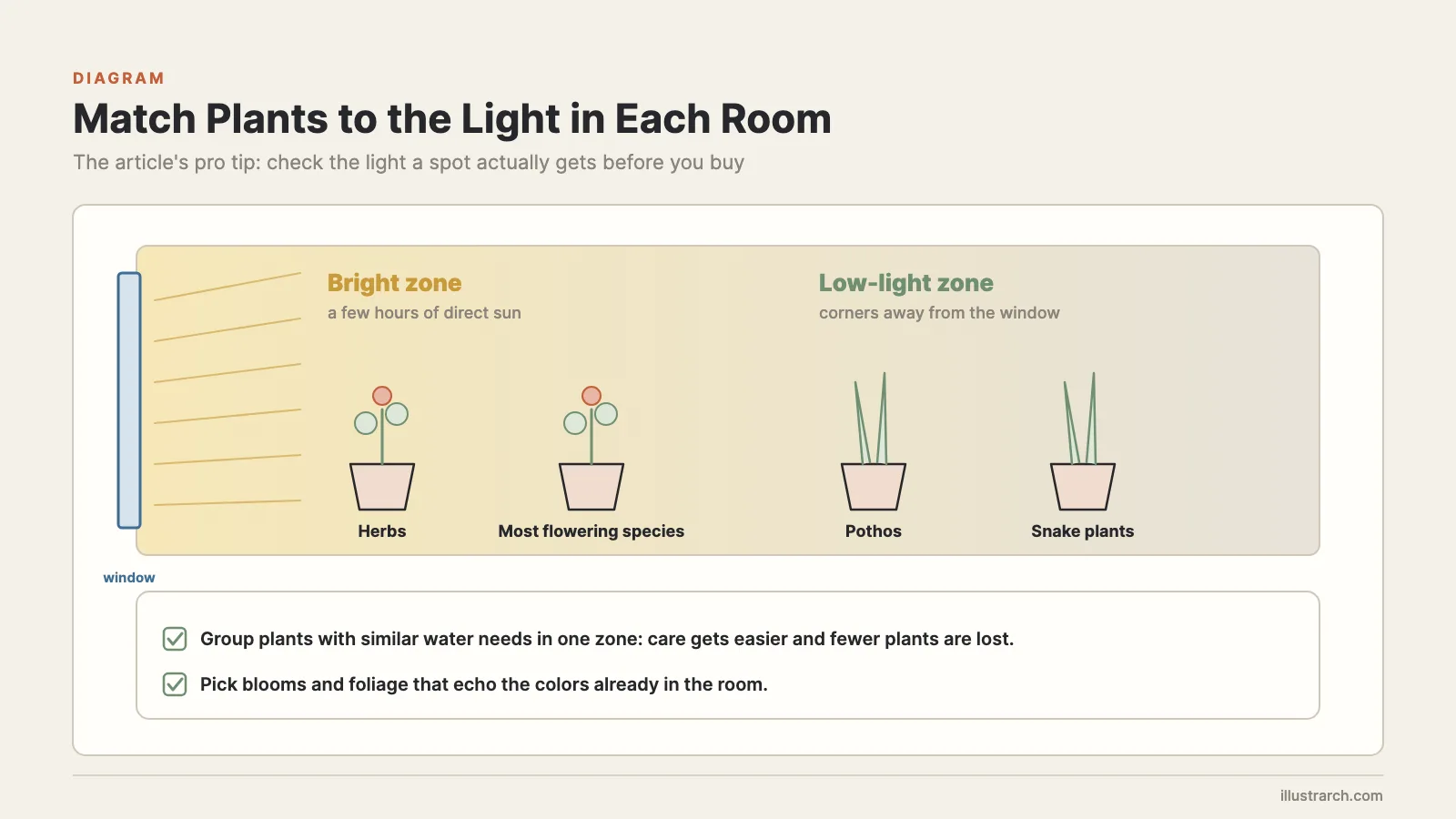
Match plants to the actual light each room gets before you buy. Pothos and snake plants tolerate low-light corners, while herbs and most flowering species need a few hours of direct sun. Grouping plants with similar water needs in one zone also makes care far easier and cuts the loss rate.
Color coordination has become its own design layer. Picking blooms and foliage that echo the shades already in a room keeps the scheme calm instead of chaotic, and subscription deliveries let you rotate stems with the seasons so a space never feels static.
The Bigger Picture
The richest homes in this style rarely look like showrooms. They feel lived in, shaped by the light that moves across a wall, the plants that grow over a season, and the quiet ways technology keeps it all working. Seen this way, a home is less a finished product and more a small ecosystem you tend over time, and the most natural-feeling rooms are usually the ones that keep changing.



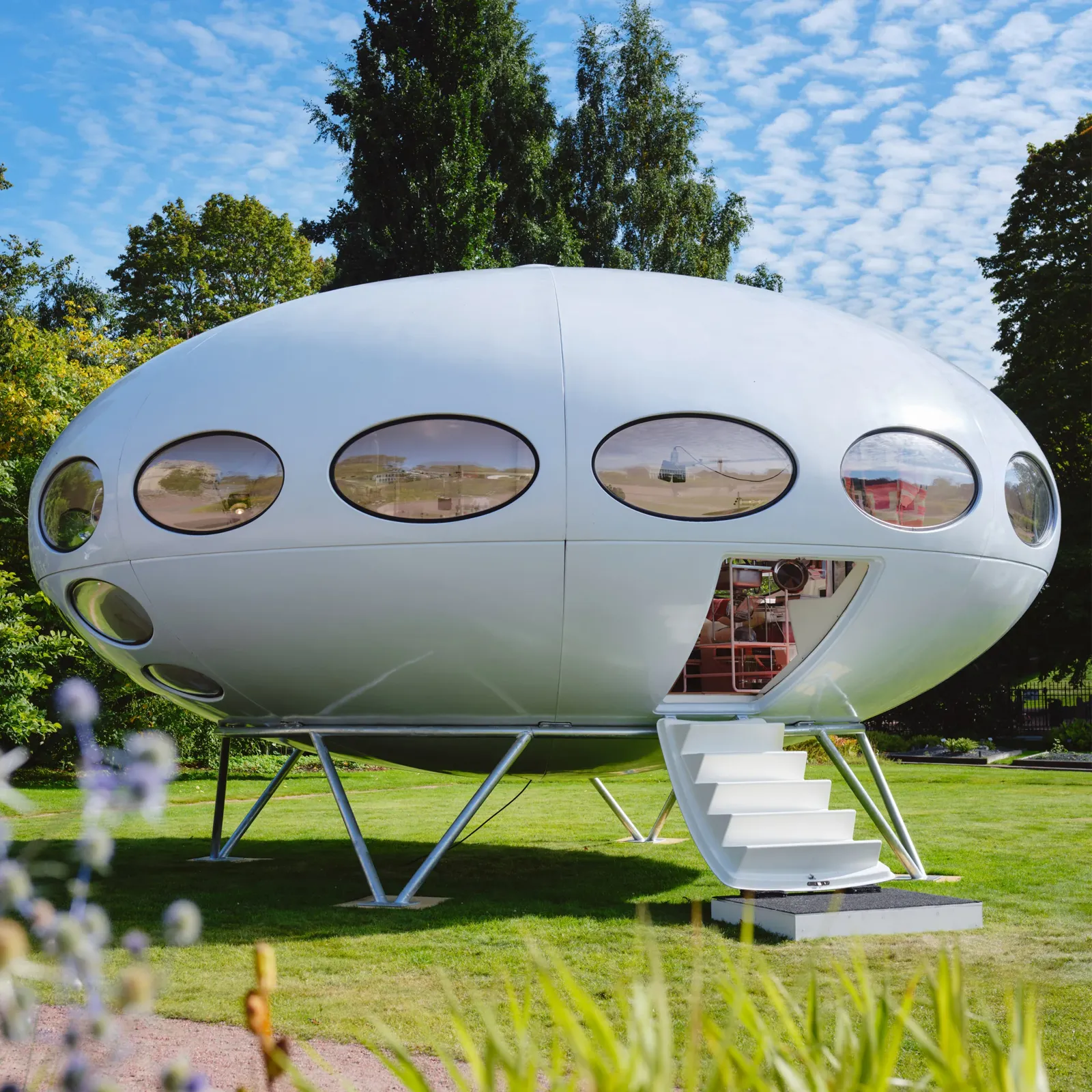
Futuro House Production Revived in Finland After Decades-Long Hiatus
A Facebook listing for abandoned moulds led to the first new Futuro...
 illustrarch Editoral Team3 Mins read

Building Your Dream Home in NSW: What You Should Know About Montgomery Homes
Montgomery Homes has been building across Sydney, Newcastle, the Hunter, Wollongong and...
illustrarch Editoral Team4 Mins read
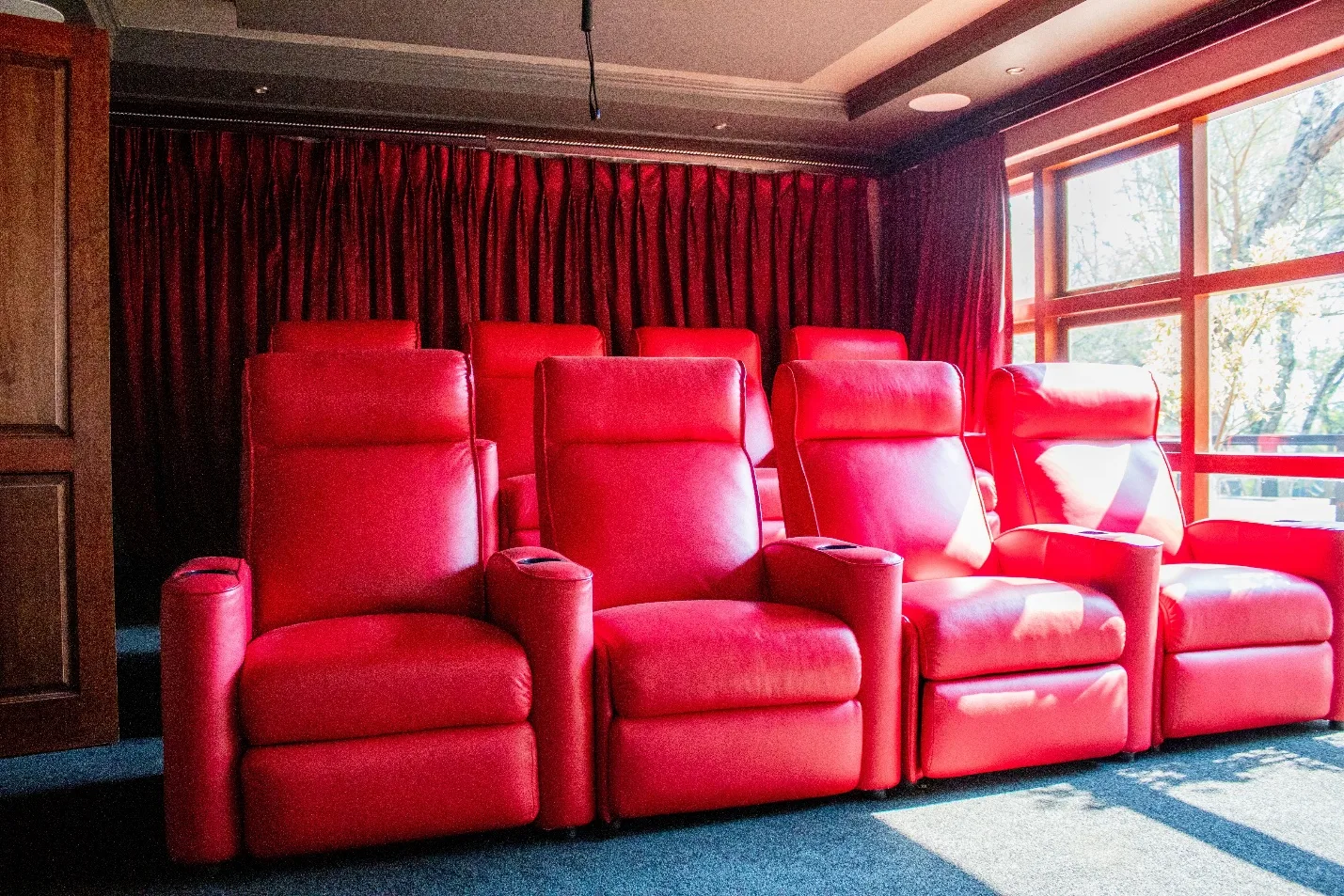
Designing a Home Theater: Where Drapery Fits Into the Plan
In a media room the curtains are a performance layer, not decoration....
illustrarch Editoral Team3 Mins read

Oscar Niemeyer’s Cathedral of Brasília: The Hyperboloid Concrete Hymn
The Cathedral of Brasília reads as a single gesture, yet it stood...
 Furkan Sen7 Mins read


Leave a comment