

Antoni Gaudí’s Last Original Residence at Casa Batlló: Inside the 2026 Restoration
Casa Batlló has opened its restored Third Floor to the public for the first time, recovering the last original Gaudí residence preserved since 1906. Led by architect Xavier Villanueva, the three-year archaeological-style restoration uncovered hidden floral stuccoes and a previously unknown Gaudí-designed handle, while Paola Navone added contemporary interiors that respect the heritage.
 Elif Ayse Sen23 May 202612 Mins read1

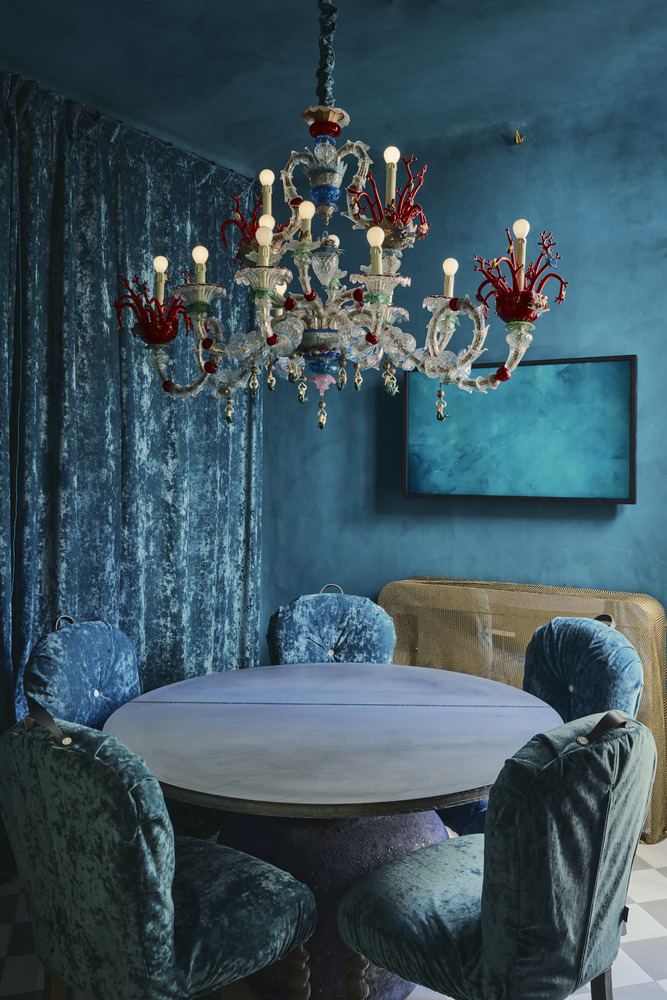
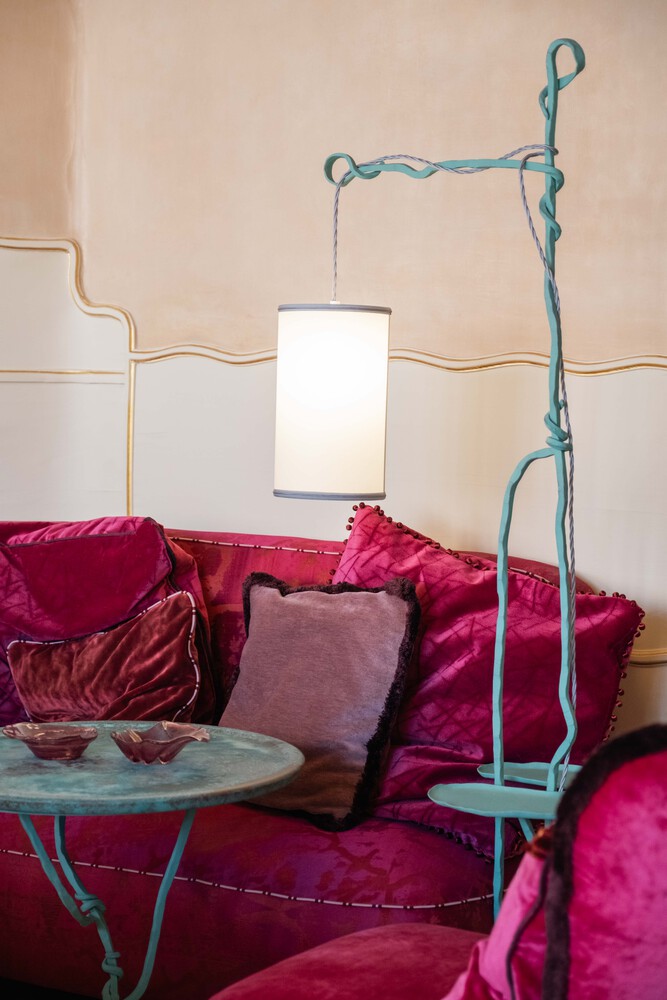
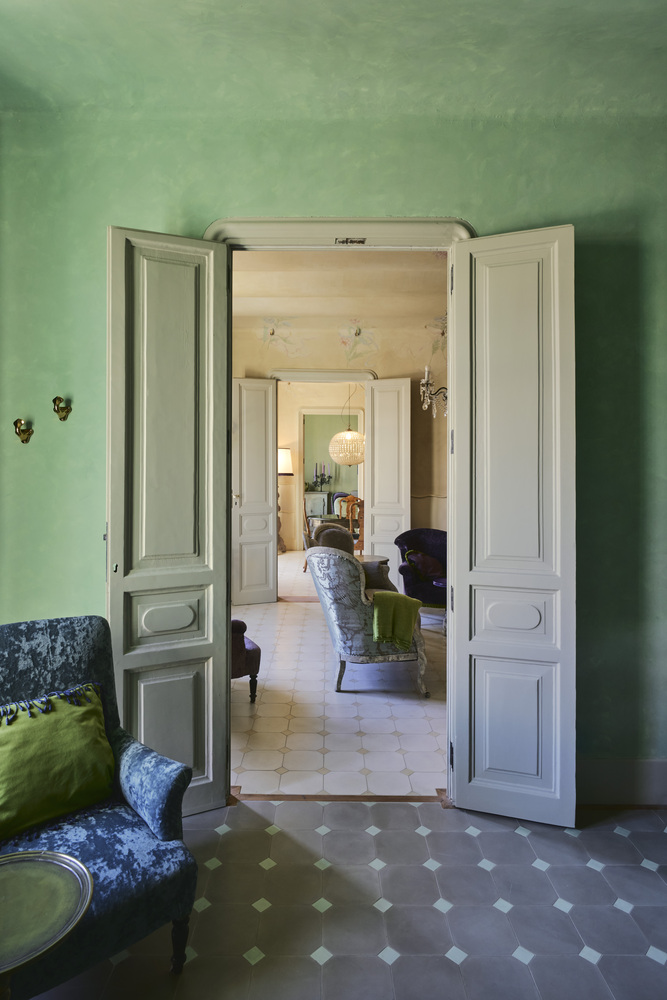
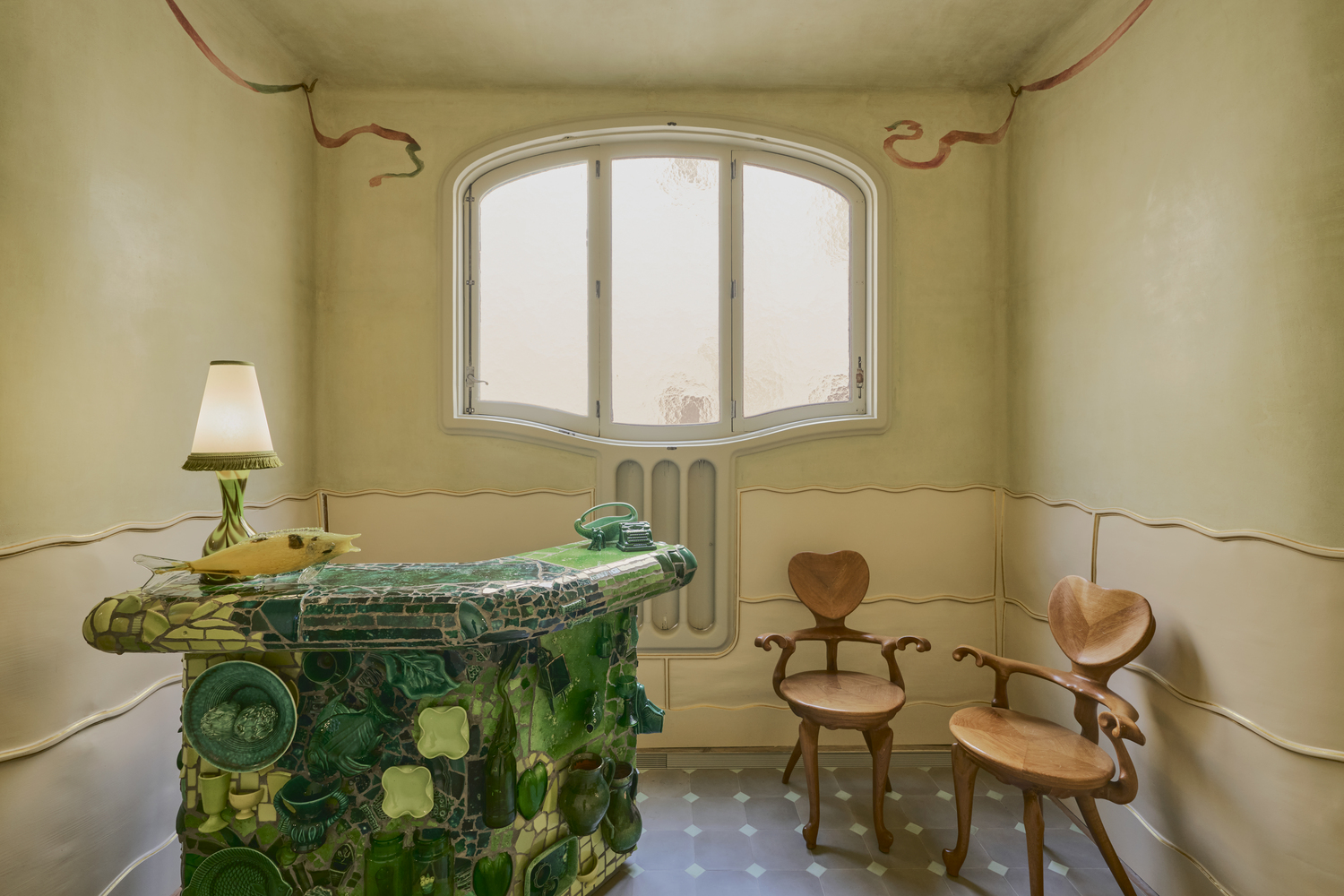
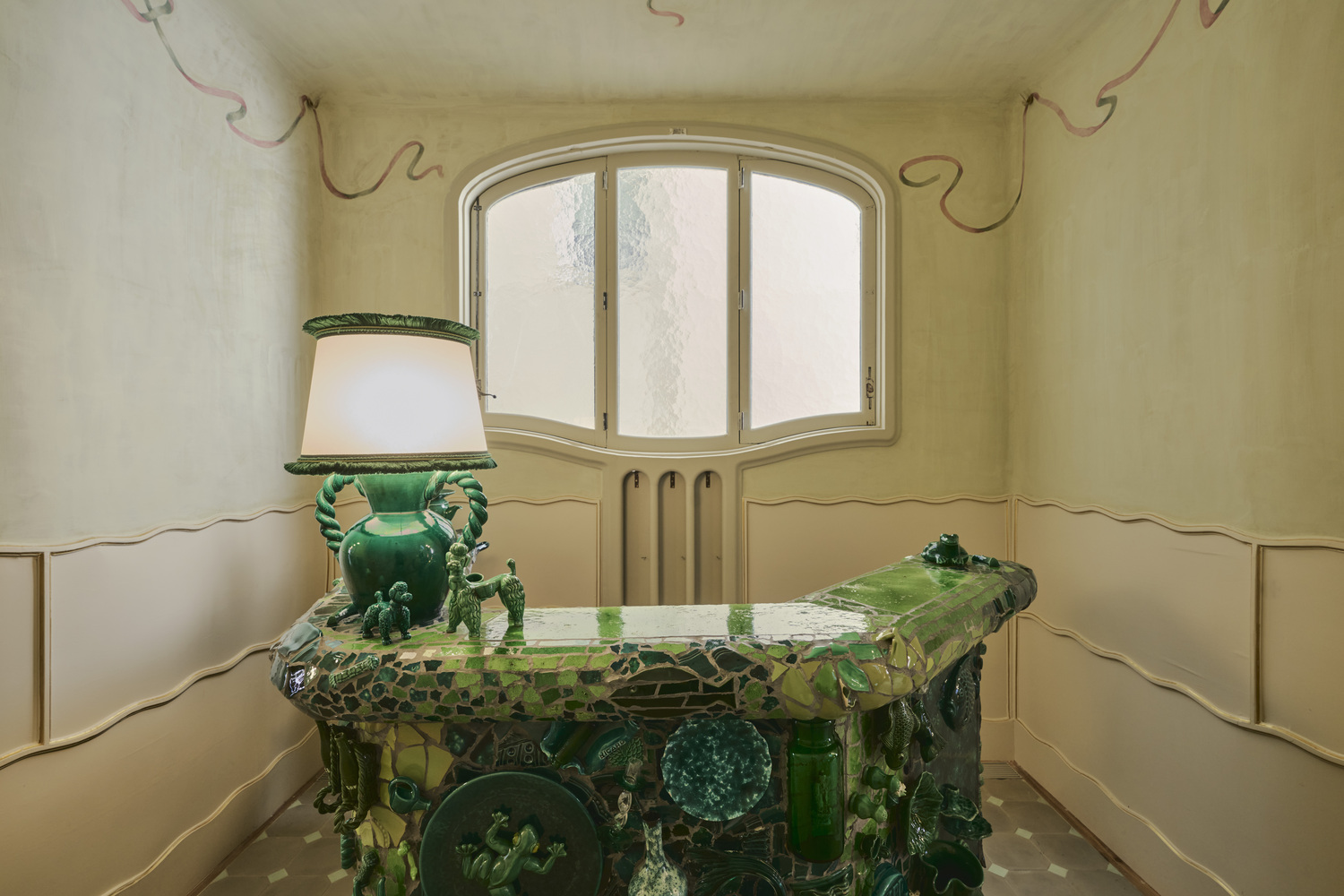
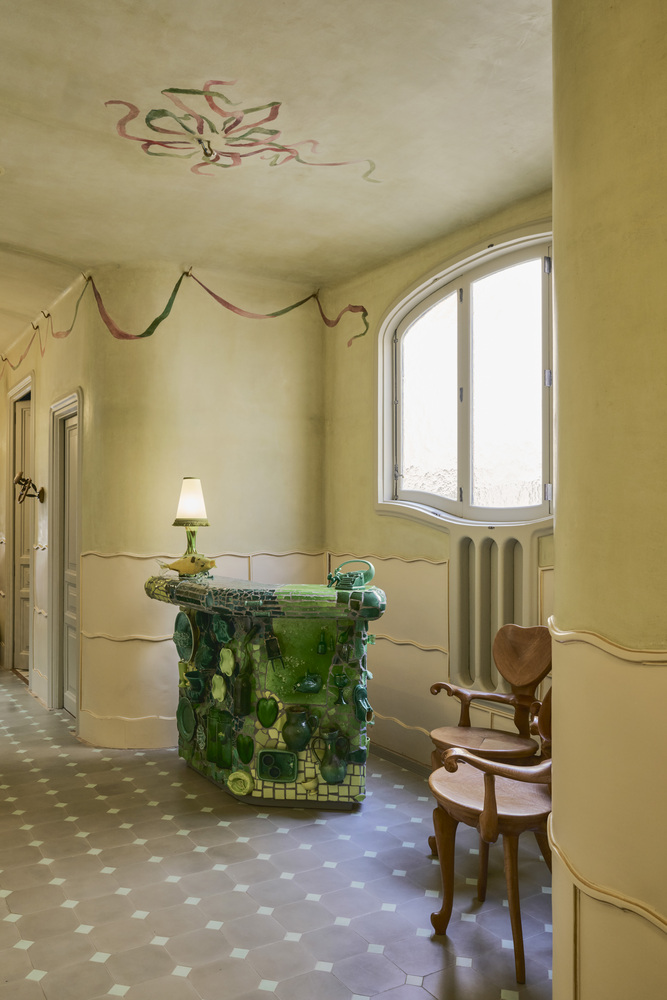
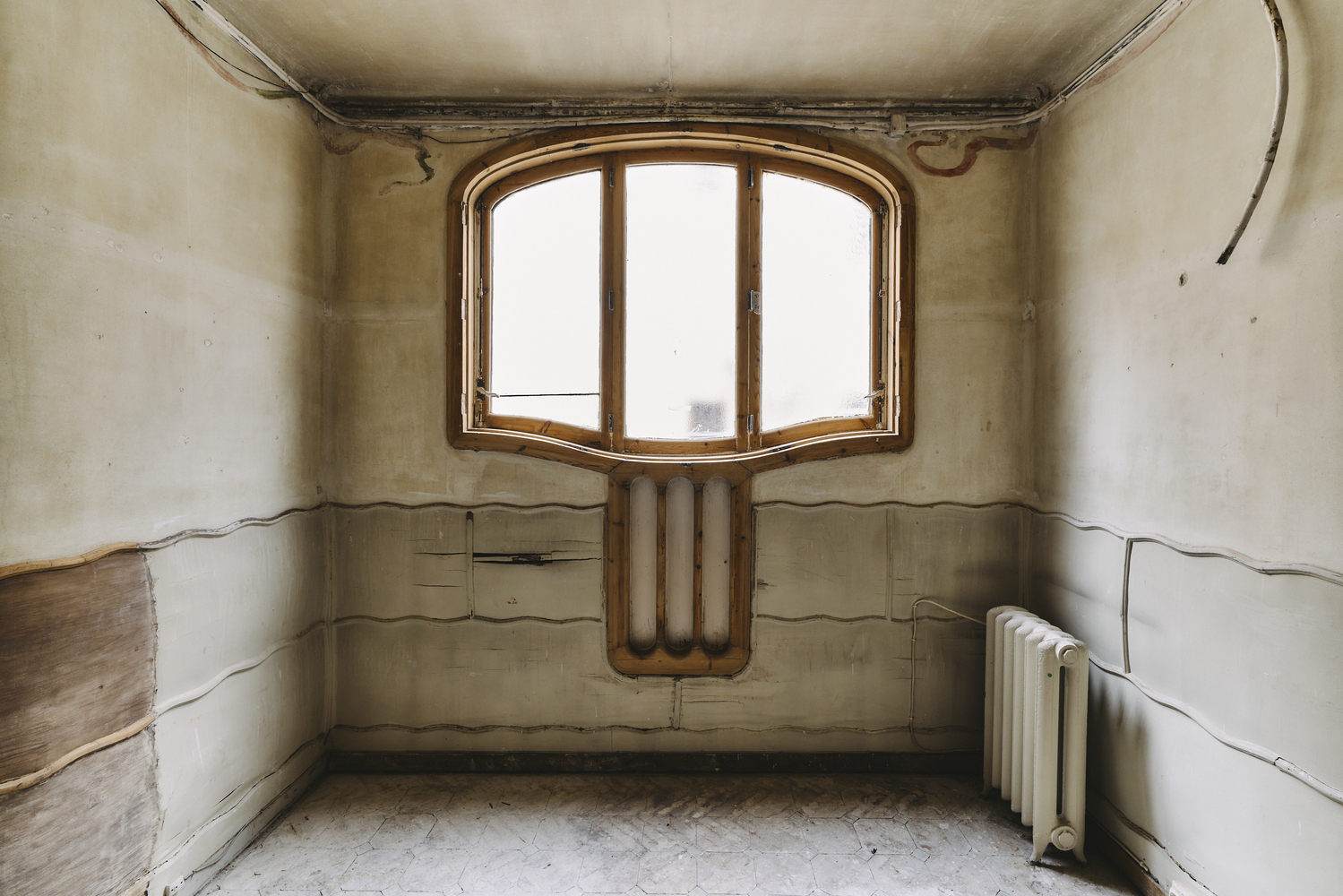
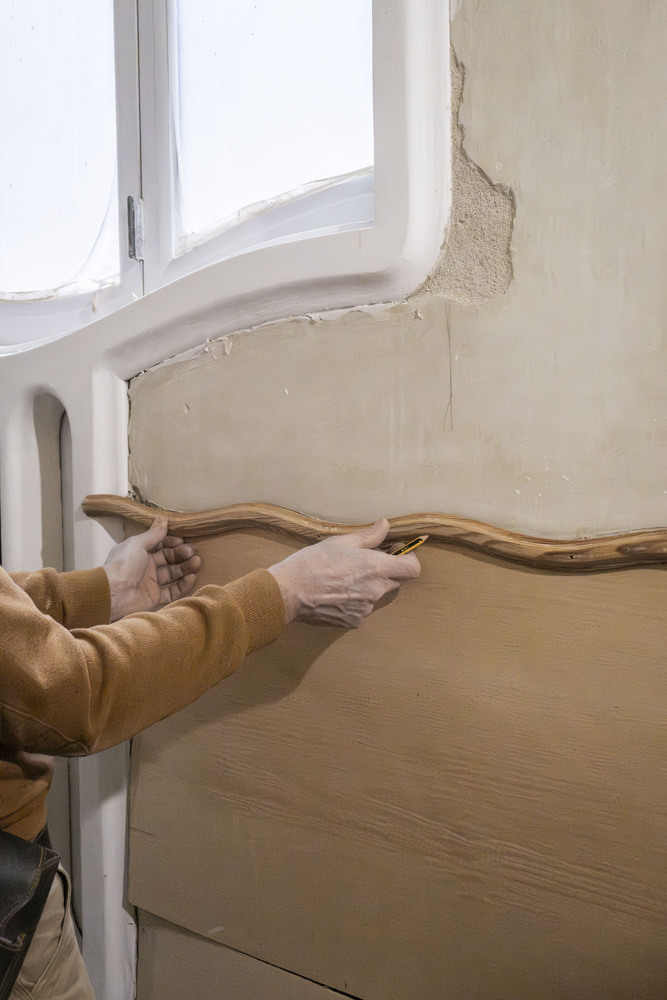
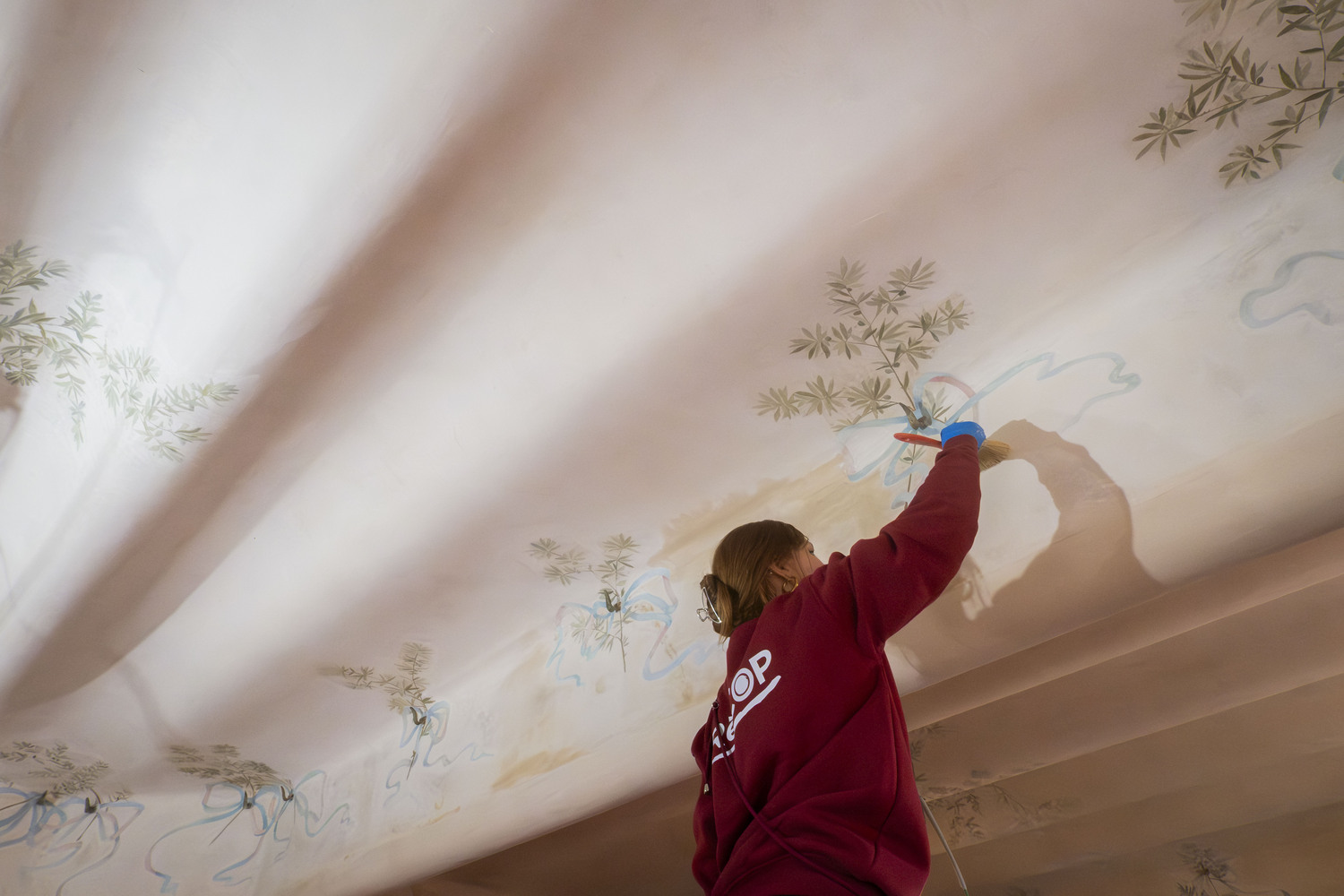
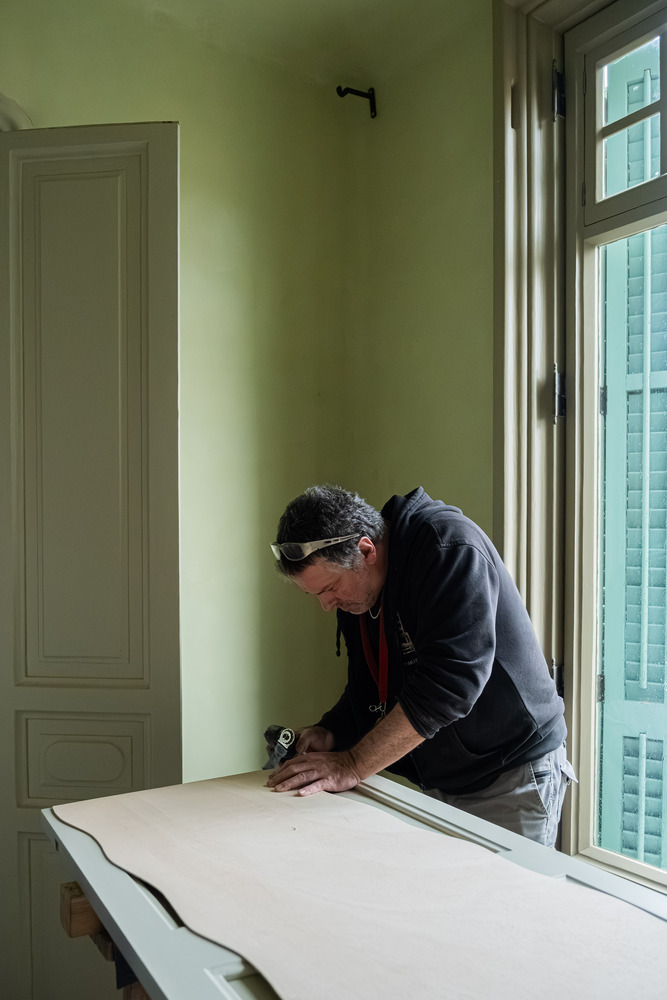
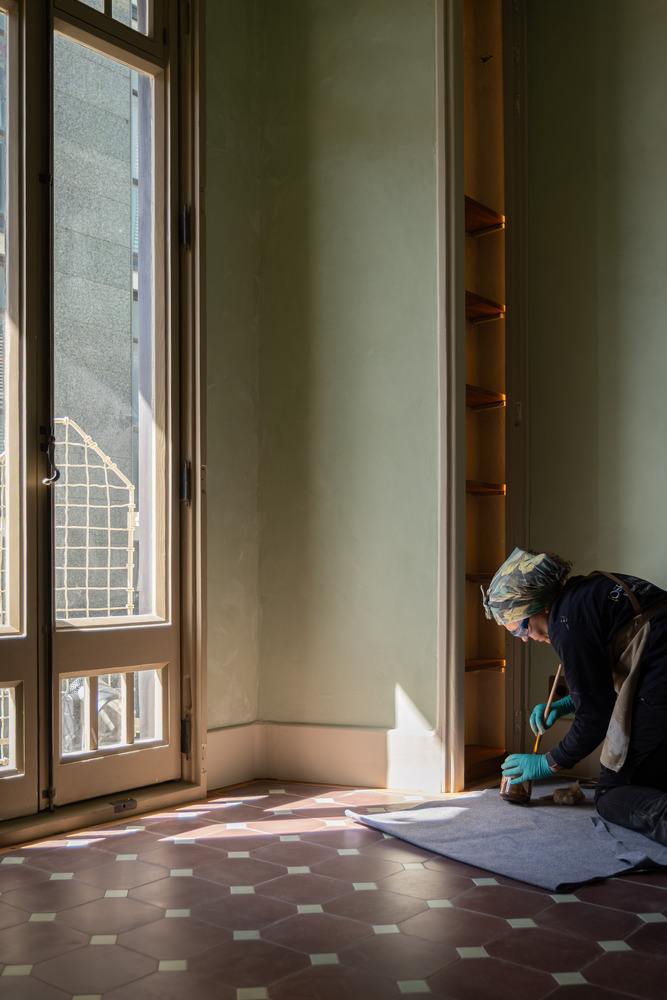
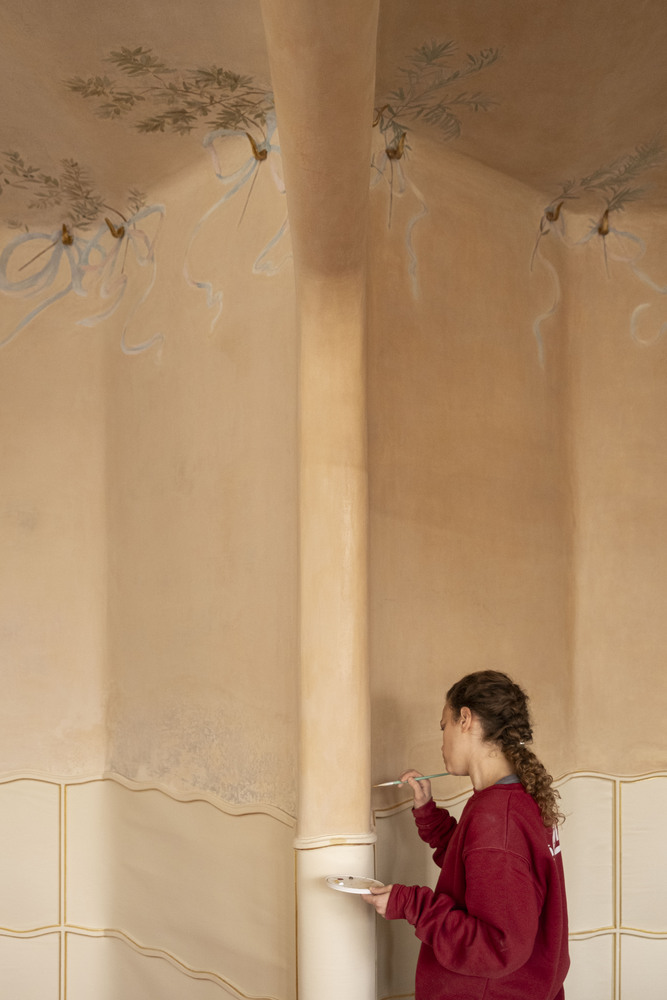
Table of Contents Show
Antoni Gaudí designed Casa Batlló Barcelona between 1904 and 1906, transforming an ordinary apartment building into one of Catalan Modernisme’s defining works. In May 2026, the building’s Third Floor opened to the public for the first time, revealing the last original Gaudí residence preserved in the structure after a three-year archaeological restoration led by architect Xavier Villanueva.
What Makes the Casa Batlló Third Floor Restoration Significant?
Unlike every other floor in Casa Batlló, the Third Floor survived the twentieth century with almost no alterations. Descendants of the Batlló family lived in the apartment continuously for more than a hundred years, from shortly after Antoni Gaudí completed his renovation until 2019, when the last family member passed away. That unbroken domestic use accidentally preserved original woodwork, flooring, stuccoes, ceiling geometries, and hardware that were lost or modified elsewhere in the building. The restoration, which cost approximately €4 million, treated the apartment as an archaeological site rather than a standard renovation project.
💡 Pro Tip
When visiting Casa Batlló’s Third Floor, pay close attention to the ceiling geometries in the main rooms. The undulating plaster surfaces are not decorative appliqués; they are structural stucco forms that Gaudí integrated directly into the building’s shell. Viewing them from different angles reveals how he manipulated light reflection across curved planes, a technique that drawings and photographs cannot fully capture.
Antoni Gaudí Architecture: The Domestic Side of a Public Genius
Most people encounter Antoni Gaudí’s architecture through public landmarks: the Sagrada Família, Park Güell, Casa Milà, and the exterior of Casa Batlló itself. The Third Floor restoration shifts attention toward a less visible but equally important dimension of his work. Gaudí treated domestic interiors as complete environments where walls, ceilings, floors, doors, and hardware all participated in a single spatial system. Nothing was left to chance or delegated to a separate decorator.
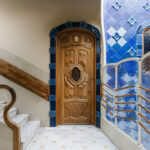
The apartment’s original doors, for example, were not ordered from a catalog. Gaudí recycled doors from earlier interventions and adapted them to fit the new spatial layout, reshaping profiles and adjusting proportions by hand. This hands-on approach to reuse, carried out more than a century ago, reflects principles that contemporary architects now frame as circular design or material efficiency. Works of Antoni Gaudí consistently show this willingness to work with existing materials rather than demanding everything be fabricated from scratch.
The restored apartment also reveals Gaudí’s approach to spatial flow. Rooms connect through wide openings and gradual transitions rather than abrupt doorways. Ceiling heights shift subtly from one space to the next, guiding movement without the need for corridor walls. Light enters from both the Passeig de Gràcia facade and the interior courtyard, creating conditions that change throughout the day. These strategies made the apartment feel larger and more connected than its floor plan would suggest.
🎓 Expert Insight
“At first, I felt that intervening in Casa Batlló was almost impossible. Everything changed when I stopped thinking about designing over Gaudí and started imagining that this residence was my own home in Barcelona.” — Paola Navone, OTTO Studio
Navone’s comment reflects a broader challenge in heritage architecture: how to add contemporary elements without turning a living space into a museum exhibit. Her approach prioritized inhabitation over preservation theater, introducing furniture and textiles that create domestic warmth rather than visual distance.
The Archaeological Restoration Process
Xavier Villanueva, Casa Batlló’s chief architect, led a team that approached the Third Floor not as a renovation but as a dig. They removed accumulated layers of paint, plaster, and modifications added during the twentieth century to uncover original surfaces beneath. The methodology borrowed directly from archaeological fieldwork: each layer was documented before removal, and decisions about what to keep, restore, or reproduce were made based on physical evidence rather than speculation.
Several discoveries emerged from this process. Floral stuccoes, hidden for decades under coats of paint, reappeared in the main rooms and hallways. These decorative plaster elements reveal different tones and textures that Gaudí specified for each area, suggesting he controlled the color palette of the interior with the same precision he applied to the building’s famous facade. The ceilings, with their organic undulating forms, were restored to their 1906 profiles, showing how Gaudí blurred the boundary between wall and ceiling through continuous curved surfaces.
One of the most notable finds was a previously undocumented door handle designed by Gaudí. Antonio Gaudí typically designed every piece of hardware in his buildings, from door knobs to window latches, as part of a unified material language. The newly discovered handle adds to the growing catalog of his custom architectural elements and confirms his reputation for total design control, extending to the smallest components of a room.
Flooring Restoration: Piece by Piece
The original flooring on the Third Floor had deteriorated significantly after more than a century of daily use. Rather than replacing it with modern alternatives, the restoration team reproduced the floors piece by piece from the surviving originals. Local artisans used traditional fabrication methods, matching the dimensions, color, and surface texture of each tile to the 1906 specifications. This kind of detail-level restoration is expensive and slow, but it preserves the tactile quality that mass-produced replacements would lack.
📌 Did You Know?
Casa Batlló has invested over €25 million in restoration work since 2019, covering the front facade, rear facade, private courtyard, and now the Third Floor apartment. The rear facade restoration alone required 85,000 ceramic tiles to replicate the original Nolla mosaic flooring in the courtyard, and a blacksmith workshop in Alpens hand-restored all the original ironwork using traditional techniques (Architecture Today, 2025).
Paola Navone’s Contemporary Interior Layer
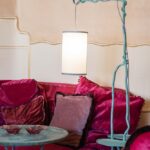
On top of the restored historical framework, Italian designer Paola Navone and her studio OTTO added a second design layer. The goal was not to create a museum-quality preservation behind velvet ropes, but to make the apartment feel inhabited again. Navone introduced furniture, textiles, rugs, chandeliers, and decorative objects that coexist with Gaudí’s original architecture through contrast rather than imitation.
Her approach was openly eclectic. Pieces from different periods, styles, and geographies share the rooms, creating visual tension that prevents the space from feeling like a period reconstruction. Colors and material textures vary from room to room, giving each one a distinct character while maintaining a coherent narrative across the entire apartment. Some objects were specifically designed or reinterpreted for this project, while others were sourced from existing collections.
The design strategy kept Gaudí’s essential elements untouched. No original stucco, ceiling form, woodwork, or hardware was altered to accommodate the new furnishings. The contemporary pieces sit within the historical shell, adding layers of domestic life without competing with the architecture. This “inhabitation” approach contrasts with the more conventional restoration methods where spaces are frozen in time and treated as exhibits.
Casa Batlló Barcelona: From Private Residence to Public Heritage
Located on Passeig de Gràcia, Barcelona’s most architecturally significant boulevard, Casa Batlló has been a UNESCO World Heritage Site since 2005, recognized as part of the broader “Works of Antoni Gaudí” inscription. The building receives approximately two million visitors each year, making it one of Spain’s most visited cultural sites. The Third Floor, however, operates outside the standard museum circuit, functioning instead as a set of private rooms available for hire at €200 per hour per space.
This decision to use the restored apartment for private gatherings, cultural events, and gastronomic experiences rather than adding it to the general admission tour reflects a growing trend in heritage management. Buildings that remain actively used tend to survive in better condition than those that sit empty or serve only as static displays. The gaudi residence on the Third Floor now hosts meetings, celebrations, presentations, and intimate dining experiences, keeping the domestic character that Gaudí originally intended.
💡 Pro Tip
If you are planning a visit to Casa Batlló in 2026, consider timing your trip to coincide with Gaudí Year activities. Barcelona has designated 2026 as the centenary of Gaudí’s death, and the city’s ten districts are hosting exhibitions, talks, and architectural tours throughout the year. The UIA 2026 World Congress of Architects will also take place in Barcelona, making it a particularly rich period for architecture-focused travel.
How Does This Restoration Compare to Other Heritage Projects?
The Casa Batlló Third Floor project sits within a broader wave of heritage restoration initiatives across Europe and North America. Recent examples include the reopening of Frank Lloyd Wright’s Fallingwater after a major preservation effort, STARTT’s upgrades to the archaeological areas behind the Pantheon in Rome, and Stefano Boeri Interiors’ restoration of the Colosseum’s southern ambulatory. Each project grapples with the same fundamental question: how do you keep a historical building alive without destroying the qualities that made it worth preserving?
The Casa Batlló approach stands out for combining strict material conservation with a bold contemporary design intervention. Many restoration projects choose one path or the other. They either reconstruct an interior exactly as it appeared at a specific historical moment, or they gut the space and insert a modern program with minimal reference to the original design. Villanueva and Navone found a middle path: restoring every recoverable original element to its 1906 condition while layering in contemporary furnishings that allow the space to function as a living room rather than a gallery.
This dual strategy aligns with principles advocated by organizations like ICOMOS (International Council on Monuments and Sites) and the broader conservation movement, which increasingly recognizes that heritage spaces need ongoing use to justify ongoing care. Antoni Gaudí buildings, with their high visitor demand and cultural significance, are well positioned for this kind of active preservation because the economic incentive to maintain them remains strong.
🏗️ Real-World Example
Casa Batlló Rear Facade Restoration (Barcelona, 2025): Before tackling the Third Floor, the Casa Batlló team completed a $4 million restoration of the building’s rear facade and private courtyard, areas that had been hidden from public view for over a century. The project recovered Gaudí’s original color palette using stratigraphic analysis, replaced 85,000 ceramic tiles in the courtyard’s Nolla mosaic floor, and rebuilt a lost parabolic pergola from archival photographs. The rear facade restoration set the conservation standards and artisanal techniques later applied to the Third Floor interior.
Antoni Gaud’s Design Philosophy in the Domestic Interior
The restored Third Floor offers a window into how Antoni Gaud approached residential architecture differently from his public and religious commissions. While the Sagrada Família expresses spiritual ambition through soaring towers and sacred geometry, the Casa Batlló apartment reveals a quieter, more personal register. Here, the same formal vocabulary of curves, organic surfaces, and custom-designed elements serves comfort and daily life rather than symbolic expression.
The recycled doors found during restoration are particularly revealing. Gaudí took doors from elsewhere in the building, possibly from the pre-renovation structure, and reworked them to fit the Third Floor’s new openings. This was not a cost-saving measure for a wealthy client like Josep Batlló. It was a design decision rooted in Gaudí’s belief that existing materials carried a history worth preserving and integrating. The architect treated reuse as creative opportunity rather than compromise, a perspective that contemporary adaptive reuse practitioners have only recently begun to articulate as formal methodology.
The locksmithing elements, including knobs, handles, and original mechanisms, were all restored during the project. Every piece of hardware in the apartment contributed to what Gaudí conceived as a unified spatial language, where the feel of a door handle was as considered as the shape of a room. This total-design philosophy, applied to a private home, shows that Antoni Gaudí architecture operated at every scale simultaneously, from urban presence to fingertip contact.
Video: Gaudí’s Casa Batlló Restoration Reveals Hidden Features
This Reuters report documents the recent restoration work at Casa Batlló, showing how the restoration team uncovered original features that had been hidden for decades beneath later modifications.
Barcelona 2026: Gaudí Year and the World Congress of Architects
The Third Floor opening carries extra significance in 2026 because Barcelona has designated this year as the centenary of Gaudí’s death. The architect was struck by a tram on June 7, 1926, and died three days later. He was buried in the crypt of the Sagrada Família, the building he had devoted the final decades of his life to completing. A full century later, Barcelona is using the anniversary to reexamine his contributions through exhibitions, restorations, and public programs across the city’s ten districts.
The city also holds the title of World Capital of Architecture for 2026, awarded by UNESCO in conjunction with the UIA (International Union of Architects). The UIA World Congress of Architects will take place in Barcelona this year, drawing thousands of professionals from around the world. The combination of Gaudí Year and the Congress creates an unusually concentrated period of architectural activity in the city, with Antoni Gaudí’s work serving as both historical anchor and contemporary reference point.
🔢 Quick Numbers
- Casa Batlló has invested over €25 million in restoration since 2019 (Architecture Today, 2025)
- The Third Floor restoration cost approximately €4 million and took three years to complete (Catalan News, 2026)
- Casa Batlló receives approximately 2 million visitors annually (Casa Batlló official data, 2024)
- Seven of Gaudí’s works hold UNESCO World Heritage status, inscribed collectively in 2005 (UNESCO World Heritage Centre)
What Visitors Can Expect at the Restored Third Floor
The Third Floor is not part of Casa Batlló’s standard museum ticket. It operates as a separate venue for private bookings, available for meetings, celebrations, presentations, and gastronomic experiences. Each room has been designed with distinct character, and the spaces offer natural light and ventilation from both the street-facing facade and the interior courtyard. The layout follows Gaudí’s original floor plan, with interconnected rooms flowing into each other without the rigid separation typical of nineteenth-century apartment design.
Navone’s contemporary furnishings give the rooms a lived-in warmth that distinguishes the experience from a standard museum visit. Custom chandeliers, handcrafted tables, and carefully selected rugs and ornamental objects fill the spaces, creating an atmosphere closer to a private residence than a cultural institution. The combination of restored Gaudí surfaces underfoot and overhead with contemporary design at eye level produces an unusual layered experience that reflects both periods without favoring either one.
For those who visit Casa Batlló through the regular museum tour, the Noble Floor (second floor), attic, and rooftop remain the primary highlights. The Noble Floor preserves the grand entertaining spaces that Gaudí designed for the Batlló family, with their famous undulating ceilings, mushroom-shaped fireplace, and stained glass windows overlooking Passeig de Gràcia. The attic features a corridor of 60 catenary arches built without a single straight line, and the rooftop provides close-up views of the building’s dragon-scale ceramic crest and the four-armed cross tower.
⚠️ Common Mistake to Avoid
Many visitors assume that “Casa Batlló” was built from scratch by Gaudí. It was not. The building already existed as a conventional apartment block when textile industrialist Josep Batlló commissioned Gaudí to renovate it in 1904. Gaudí initially considered demolishing the structure but instead chose to transform it through renovation, adding the famous facade, reorganizing internal spaces, and redesigning every interior surface. This distinction matters because it frames Gaudí’s work here as adaptive reuse rather than new construction.
The Broader Significance for Heritage Architecture
The Casa Batlló Third Floor restoration arrives at a moment when cities across Europe are rethinking how they manage their architectural heritage. The traditional museum model, where historical interiors are roped off and observed from a distance, is increasingly seen as insufficient. Buildings need revenue to fund maintenance, and static displays struggle to generate the kind of engagement that justifies ongoing investment. The private-rooms model adopted for the Third Floor creates a revenue stream directly tied to the building’s continued use, closing the gap between preservation cost and operating income.
Nina Bernat, CEO of Casa Batlló, framed the opening as a statement about institutional philosophy. The restored apartment, she explained, represents both respect for the past and the ability to open new ways of experiencing heritage. This perspective aligns with a broader shift among cultural institutions toward active programming within historical spaces, moving beyond passive observation toward direct physical engagement with architecture.
For the architecture profession, the project reinforces a lesson that Gaudí’s own career demonstrated repeatedly: the most enduring buildings are those designed with enough flexibility to accommodate changing uses over time. The Third Floor was a private home, then a century-long family residence, and now a venue for public and private events. Its survival through each transition owes much to the quality of Gaudí’s original design, which created spaces generous enough in proportion and sophisticated enough in detail to serve multiple purposes without losing their essential character.
✅ Key Takeaways
- Casa Batlló’s Third Floor is the last original Gaudí residence preserved in the building, opened to the public in May 2026 after a three-year, €4 million archaeological-style restoration.
- The restoration uncovered hidden floral stuccoes, original undulating ceilings, recycled doors adapted by Gaudí, and a previously unknown door handle design.
- Designer Paola Navone (OTTO Studio) added contemporary furnishings that coexist with the original architecture through contrast rather than imitation, keeping the space’s domestic character alive.
- The Third Floor operates as private event rooms rather than part of the museum circuit, reflecting a growing trend toward active use as a heritage preservation strategy.
- The opening coincides with Barcelona’s designation as 2026 World Capital of Architecture and the centenary of Gaudí’s death, making it a significant moment for architectural heritage globally.
Final Thoughts
Casa Batlló’s Third Floor restoration is more than a preservation project. It is a statement about how historical architecture can remain relevant through continued occupation rather than static display. By recovering every original element and then layering in contemporary design, the project demonstrates that heritage and modernity are not competing values. They are complementary conditions that, when handled with care and knowledge, produce spaces richer than either could achieve alone. For anyone interested in Gaudí’s approach to architecture, the restored Third Floor offers something no photograph or documentary can replace: the chance to stand inside a space that Antoni Gaudí designed for daily life, preserved with the same care he applied to every handle, hinge, and curve.
Project data and restoration details referenced in this article are based on official information released by Casa Batlló and reporting by ArchDaily, Catalan News, and Architecture Today. Pricing and availability for Third Floor bookings may vary.








MVRDV and OODA’s Marvila Masterplan: Reconnecting Lisbon to the Tagus River
MVRDV and OODA's Marvila Masterplan transforms 28 hectares of fragmented industrial land...
Elif Ayse Sen10 Mins read
Studio Gang Architecture: Curved Timber Theater for Hudson Valley Shakespeare
Studio Gang's Samuel H. Scripps Theater Center gives Hudson Valley Shakespeare its...
Elif Ayse Sen12 Mins read
Most Beautiful Museums in the World 2026: The Prix Versailles Selection
The Prix Versailles has announced its 2026 list of the world's most...
Elif Ayse Sen11 Mins read
Venice Biennale 2026: A Guide to In Minor Keys, National Pavilions & Collateral Events
The 61st Venice Biennale opened on May 9, 2026, with In Minor...
Elif Ayse Sen12 Mins read


Leave a comment