

Zaha Hadid Architects Rebrand to ZHA: A New Name and a New Chapter
Zaha Hadid Architects has officially become ZHA, ten years after its founder's death. Here is what changed, why the studio dropped her name after a court ruling, and which major projects the practice is building across six continents right now.
 Elif Ayse Sen20 June 20268 Mins read2
Table of Contents Show
The Zaha Hadid Architects rebrand to ZHA, announced in June 2026, changed the studio’s name, logo, and website ten years after founder Zaha Hadid’s death. The practice now operates as ZHA Architects Limited, an employee-owned firm running more than 100 projects across six continents under principal Patrik Schumacher.
For one of the most recognized names in modern design, dropping the word “Hadid” is a striking move. The decision closes a legal dispute that ran for years and reframes how the studio presents itself: less as the practice of a single founder, more as a global collective. The work of architect Zaha Hadid still anchors the studio’s identity, but the brand now carries a different name. Here is what actually changed, why it happened, and what the firm is building today.
What Is the Zaha Hadid Architects Rebrand to ZHA?
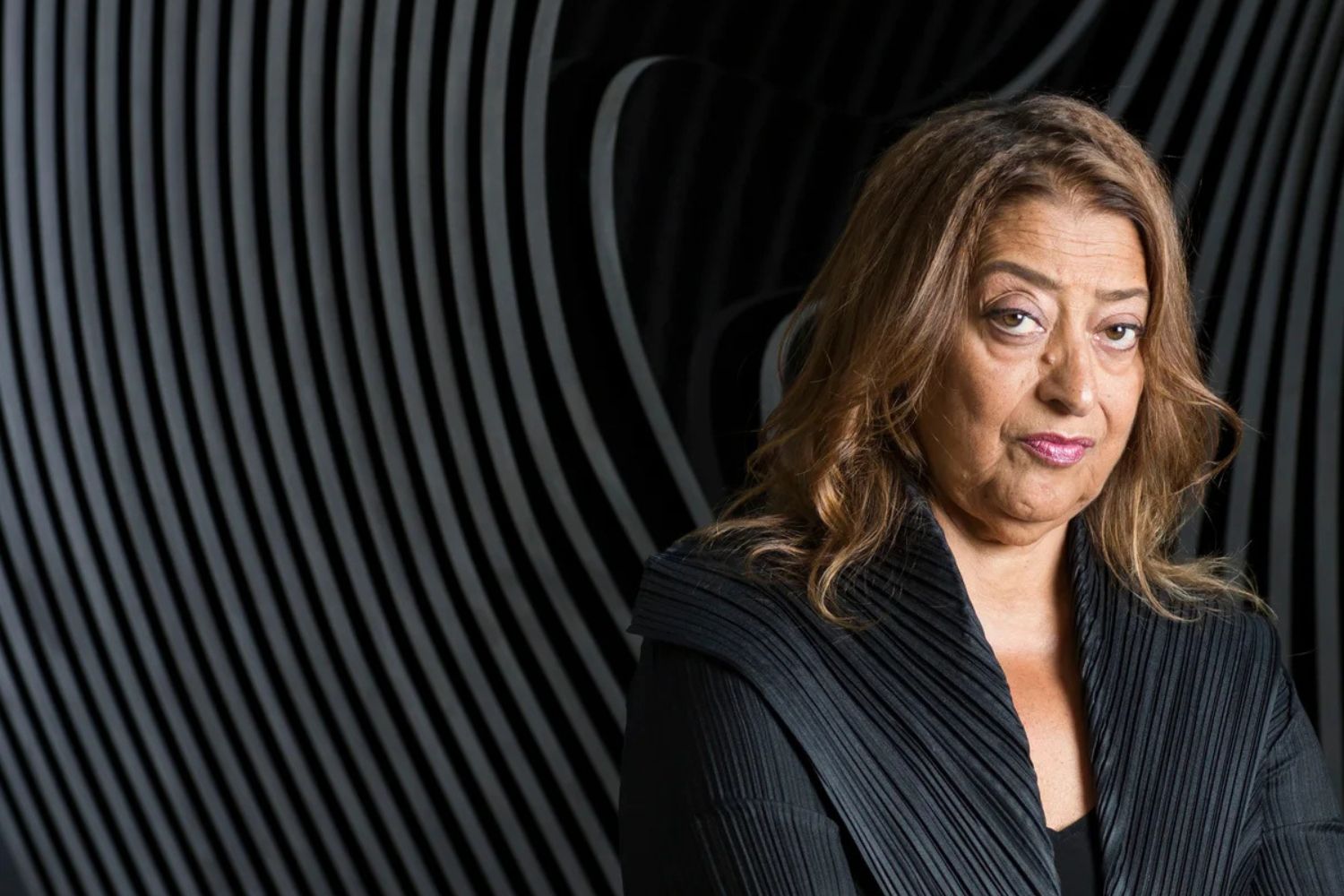
The Zaha Hadid Architects rebrand to ZHA is a full change of name and visual identity for the London practice, confirmed in mid June 2026. Going forward, the studio trades as ZHA and is registered as a new company, ZHA Architects Limited. Schumacher announced the change in an Instagram post and a short video, describing it as a natural step for a practice that has grown well beyond a founder-led office.
The numbers behind the studio explain the framing. ZHA is now an employee-owned collective of roughly 500 architects, designers, engineers, and specialists working across its global studios. Schumacher has said the firm is operating on six continents with more than 100 projects in development and construction. Several reports, including Domus, put the active workload even higher, at over 120 projects in more than 55 countries. The Zaha Hadid Architects ZHA name change reflects that scale, presenting the office as an international practice rather than a single architect’s studio.
🎓 Expert Insight
“ZHA means a new stage, a new chapter.”
Patrik Schumacher, Principal, ZHA
Schumacher framed the change as a natural move for a practice that has become an employee-owned collective of around 500 people, while stressing that Zaha Hadid’s design thinking still guides the studio’s culture.
Why Did Zaha Hadid Architects Rebrand?

The rebrand followed the end of a long court battle over the use of the founder’s name. After Hadid died in 2016, her practice kept her name under a licensing agreement with the Zaha Hadid Foundation (ZHF), the charity she set up before her death. That agreement required the firm to pay the Foundation 6 percent of its annual revenue for the right to keep trading as Zaha Hadid Architects.
The arrangement became expensive, and it ended up in court. In 2024, the High Court ruled that the practice had to keep honoring the licence. The firm appealed, and in February 2026 the Court of Appeal, in a ruling by Justice Colin Birss, overturned that decision. The court found the agreement could not have been intended to last forever, which cleared the way for the studio to either renegotiate the licence or change its name. Schumacher chose to rename. As part of the rebrand, ZHA has ended its relationship with the Foundation and now states that it disclaims any connection with it.
Timing mattered too. The studio has said the change comes as the final projects led directly by its founder near completion, a decade after her passing. With those projects wrapping up, the office positioned the new name as the start of its next phase.
📌 Did You Know?
Between 2018 and 2024, the practice paid the Zaha Hadid Foundation around £21.4 million (over $27 million) in royalties for the right to keep using the founder’s name, equal to 6 percent of its annual revenue each year (as reported by Building and The Architect’s Newspaper, June 2026).
The Court Battle Behind the Name Change
The dispute stretched across a full decade and overlapped with a separate fight over Hadid’s estate. The table below sets out the key moments that led to the new name.
| Year | Event | Why It Mattered |
|---|---|---|
| 2016 | Zaha Hadid dies; disputes over her estate begin | Schumacher takes over leadership of the practice |
| 2018 to 2024 | Firm pays the Foundation 6% of revenue under the licence | Royalties total around £21.4 million over the period |
| 2024 | High Court rules the firm must keep honoring the licence | Name and payments locked in for the time being |
| Feb 2026 | Court of Appeal overturns the ruling | Studio can now rename or renegotiate the licence |
| Jun 2026 | Practice officially rebrands as ZHA | Founder’s name leaves the identity for the first time since 1979 |
What Happens to the Zaha Hadid Foundation?
The Zaha Hadid Foundation continues as a separate organization, but its financial link to the practice is now cut. Under the old licence, the charity received 6 percent of the firm’s revenue every year, money it used to support its own work in design, education, and research. With the rebrand, that income stream ends. ZHA no longer pays to use the founder’s name, and the studio states that it has ended all use of the previous trademark and disclaims any ongoing connection with the Foundation.
For the studio, the change removes a significant recurring cost. Reports put the total paid to the Foundation between 2018 and 2024 at more than £21 million, so dropping the licence has a real effect on the practice’s finances. For the Foundation, the loss of that revenue is a major shift, and how it adjusts its activities going forward will be worth watching. What is clear is that the two entities, once tied together by the founder’s name, now operate fully apart.
The New ZHA Identity: Name, Logo, and Website

The rebrand is not only a legal name change. ZHA launched a new visual identity and a new website to go with it. The fresh Zaha Hadid Architects logo drops the full name in favor of the three-letter mark, and the studio’s online archive of built and unbuilt work has moved to a new home. The practice has also published a clear statement on trademark ownership, noting that ZHA and ZHA Architects are trademarks of ZHA Architects Limited, a London company owned by its employees.
Anyone looking for the Zaha Hadid Architects official website will now land on the rebranded ZHA site at zha.com, where the old zaha-hadid.com address redirects. The new Zaha Hadid Architects website keeps the deep project archive that the studio is known for, alongside news, careers, and reports sections under the updated branding. For a practice with this much built history, keeping that archive intact while changing the name was a careful balance.
💡 Pro Tip
If you reference the firm in a portfolio, dissertation, or project credit, write it as “ZHA (formerly Zaha Hadid Architects)” so older and newer sources line up cleanly. Existing citations to Zaha Hadid Architects still point to the same body of work, and the studio’s project archive now sits at zha.com rather than the old zaha-hadid.com address.
ZHA’s Latest Projects and Ongoing Works
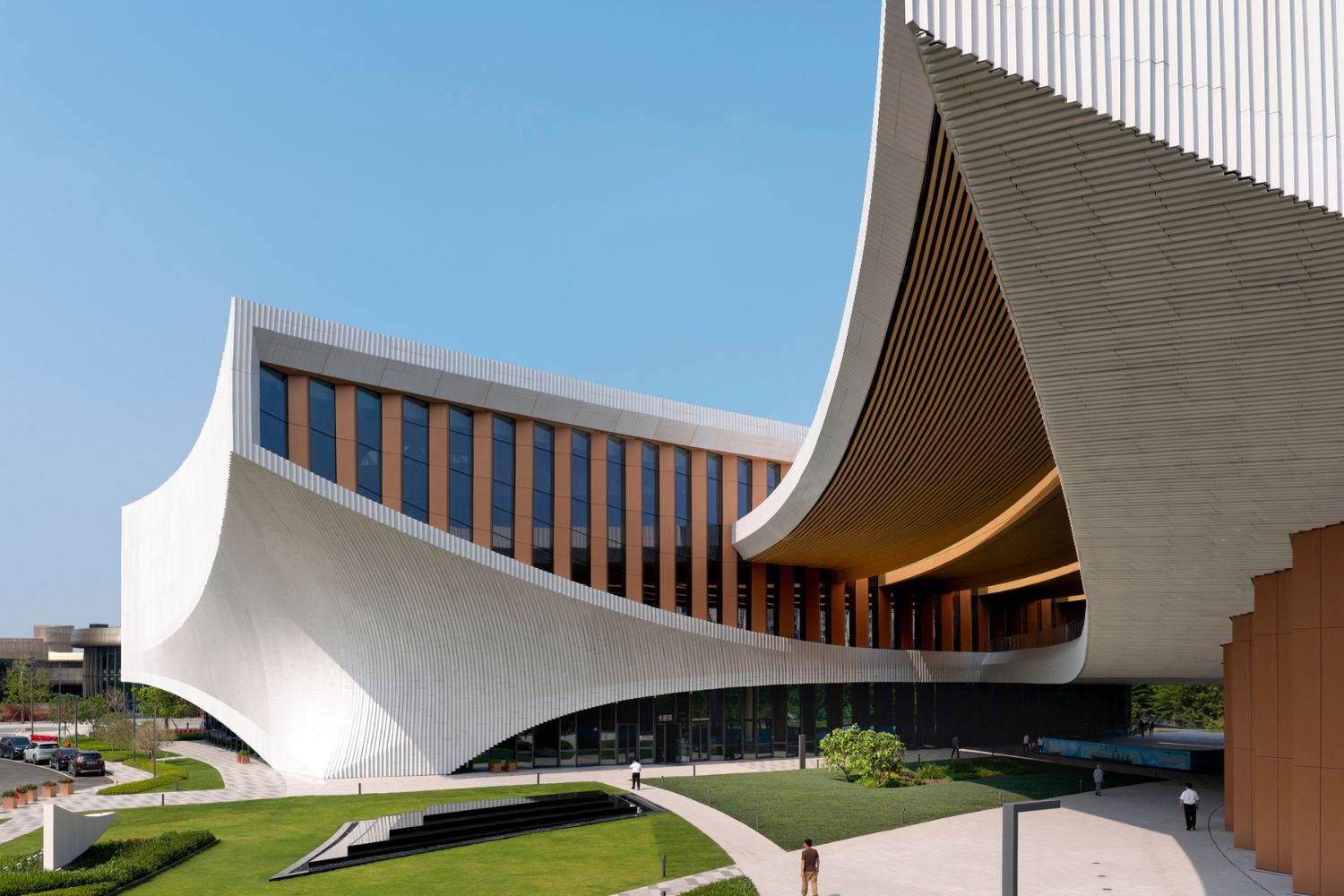
The rebrand arrives while the studio is unusually busy. The current slate of architect Zaha Hadid works, now carried forward under ZHA, spans bridges, airports, cultural venues, housing, and healthcare across several continents. Recent announcements from the practice include the Songshan Lake Exhibition and Performance Centre in China, which has just hosted its first events, and a pair of new towers in Tirana known as the Nest and Cascades. In Taipei, ZHA is working with C.Y. Lee on a new financial center, and the studio recently picked up a hospital project near Milan. Earlier this year the firm also saw two of its stadiums nominated for Stadium of the Year 2026, a sign of how much of its output now sits in the sports and public sectors. You can read more about the studio’s recent hospital competition win in Italy for a closer look at one of these healthcare projects.
The table below gathers a selection of ZHA projects currently in design or construction, drawn from the studio’s own news updates.
| Project | Location | Type | Status |
|---|---|---|---|
| Danjiang Bridge | Taipei, Taiwan | Bridge / infrastructure | Opening 2026 |
| Bishoftu International Airport | Ethiopia | Airport | Under construction |
| Songshan Lake Exhibition and Performance Centre | Dongguan, China | Cultural venue | Recently opened |
| The Nest and Cascades | Tirana, Albania | Mixed-use towers | Announced 2026 |
| NICFC (with C.Y. Lee) | Taipei, Taiwan | Cultural and civic | In design |
| Malpensa Hospital | Milan region, Italy | Healthcare | In design |
🏗️ Real-World Example
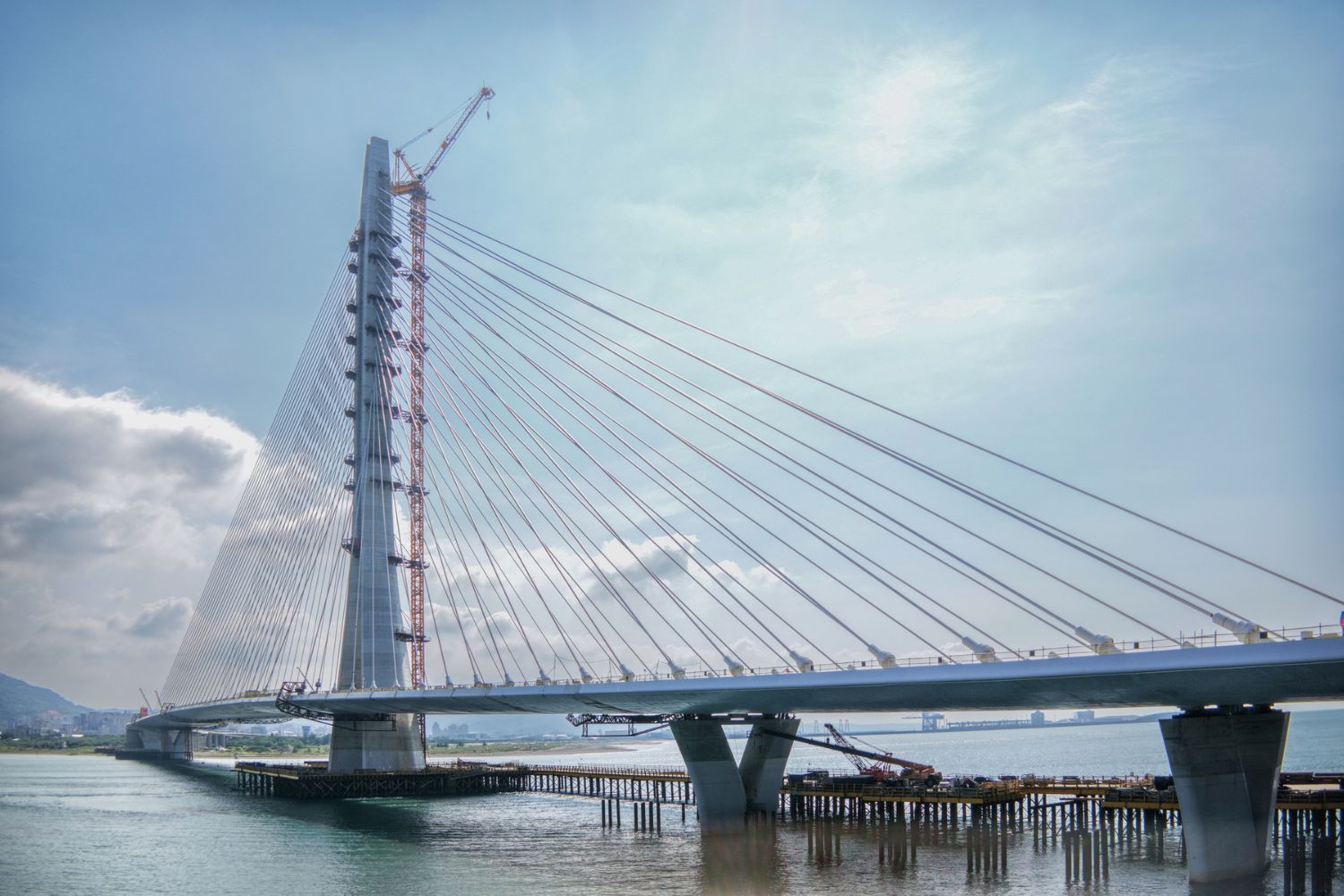
Danjiang Bridge (Taipei, Taiwan): Set to open in 2026, this is the world’s longest single-mast, asymmetric cable-stayed bridge, carried on one concrete mast across a span of 920 meters. Construction began in 2019, and the final steel deck segment was installed in October 2025, joining the two banks of the Tamsui River estuary for the first time. The single-mast design was chosen to keep the bridge’s visual impact on the estuary as light as possible.
The depth of this pipeline is part of why the studio felt able to drop its founder’s name. These projects show a body of Zaha Hadid architect buildings being designed and built by a large team rather than a single hand, which is the exact point the rebrand is trying to make.
What the Rebrand Means for Hadid’s Legacy
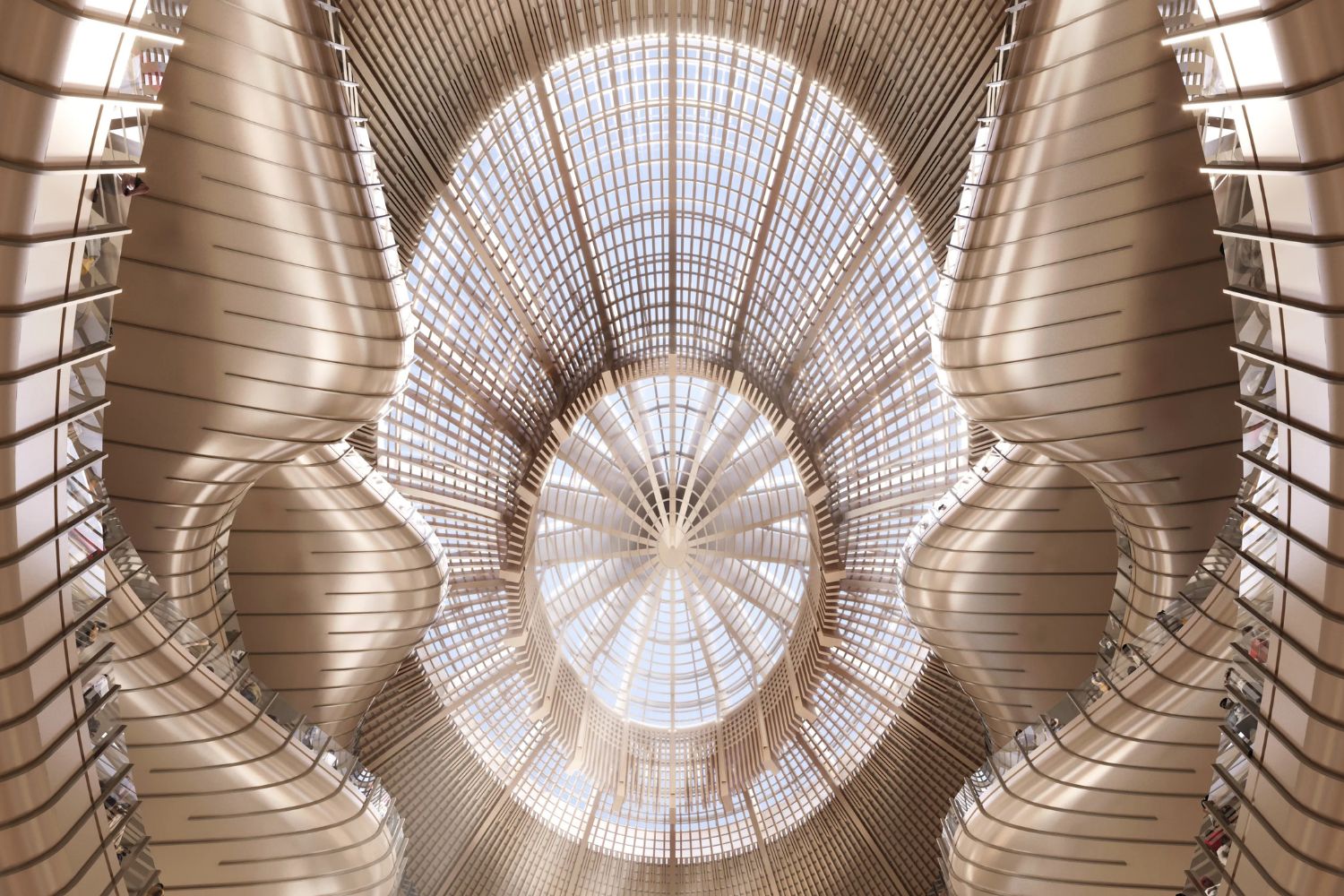
For the first time since the practice was founded in 1979, Zaha Hadid’s name is no longer part of the firm’s identity. That is a real shift for a studio whose reputation grew around one of the most influential architects of the past half century. Hadid was the first woman to win the Pritzker Architecture Prize, in 2004, and she earned the nickname the Queen of the Curve for a body of work that rejected right angles in favor of flowing, sculptural form.
Her finished buildings remain some of the most recognized in the world. The Heydar Aliyev Center in Baku, the Guangzhou Opera House, the MAXXI museum in Rome, and the London Aquatics Centre built for the 2012 Olympics all sit among the most famous Zaha Hadid architects buildings, and you can see a wider selection in this guide to her most iconic buildings. Much of that work was made possible by the studio’s early use of parametric design, a method ZHA continues to push.
The open question is how the public, and the wider profession, will treat the name change. Some see it as a clean reflection of where the practice is today, a 500-person collective spread across the globe. Others read it as a loss, since the founder’s name carried meaning far beyond the legal value of a trademark. Either way, the studio has been clear that it intends to carry her design approach forward. The full sweep of architect Zaha Hadid works, from the completed landmarks to the projects still on site, gives ZHA a foundation few practices can match. For more on the figure behind the firm, this set of facts about Zaha Hadid fills in the personal story.
✅ Key Takeaways
- Zaha Hadid Architects now trades as ZHA, legally registered as ZHA Architects Limited, an employee-owned London practice.
- The change followed a Court of Appeal ruling in February 2026 that ended a decade-long dispute over the use of the founder’s name.
- ZHA has dropped its licensing agreement with the Zaha Hadid Foundation, which had taken 6 percent of the firm’s annual revenue.
- The new identity includes a fresh name, logo, and website at zha.com, launched as Hadid’s final projects near completion.
- The studio continues with more than 100 projects across six continents, from the Danjiang Bridge to a new airport in Ethiopia.
The shift from Zaha Hadid Architects to ZHA marks a clear line between the studio’s founding era and whatever comes next. The name on the door has changed, but the design language, the global reach, and the long list of projects on site all carry forward. The next few years of completed buildings will show whether the wider world keeps watching ZHA as closely as it watched the practice that bore its founder’s name.





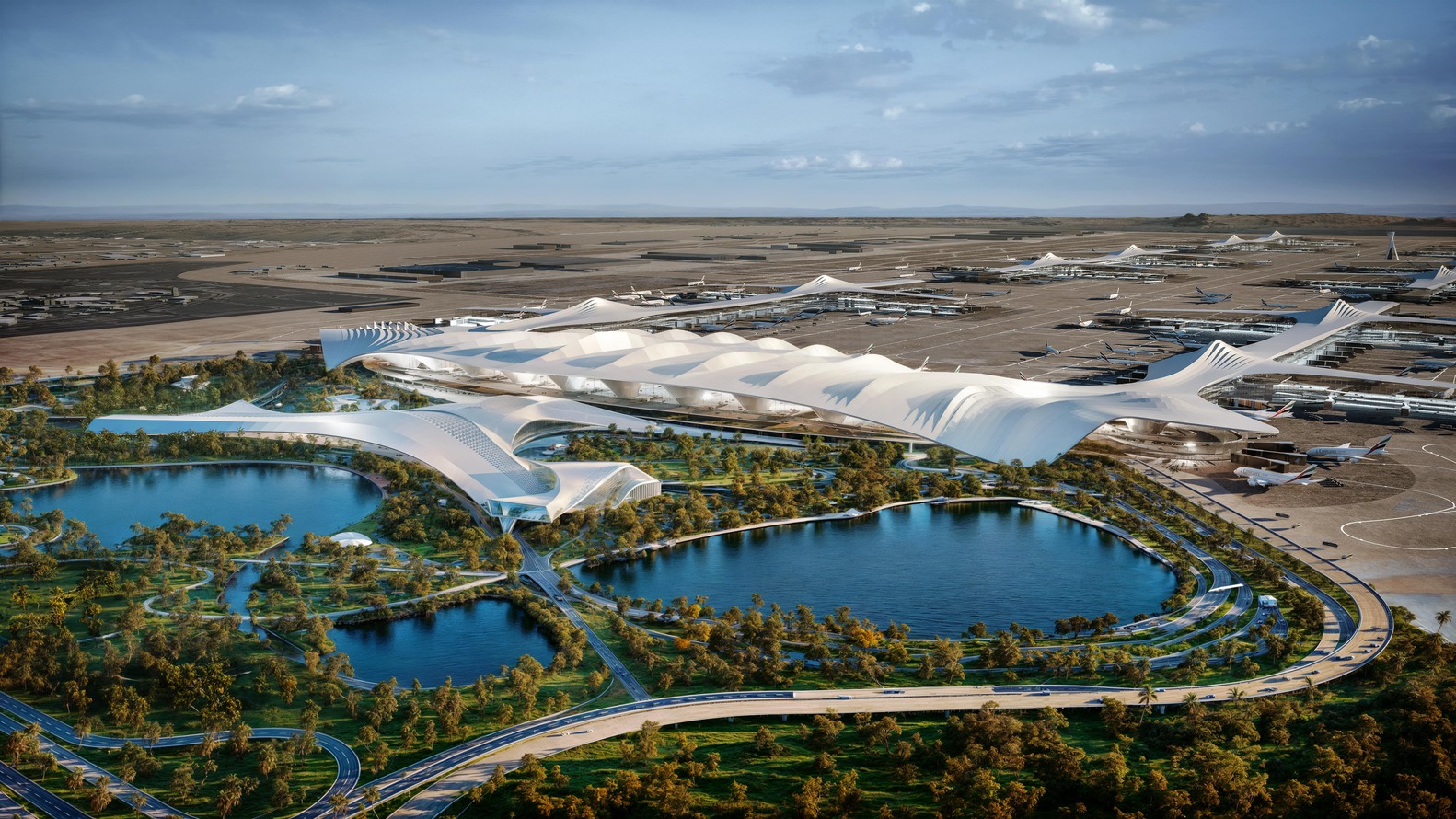
Al Maktoum International Airport: Dubai’s 2032 Aviation Megaproject
Dubai's Al Maktoum International Airport has entered large-scale construction, with Phase 1...
Elif Ayse Sen9 Mins read

LOHA Founder Architect Lorcan O’Herlihy Dies at 66
Irish-born architect Lorcan O'Herlihy, founder of Los Angeles firm LOHA, has died...
Elif Ayse Sen8 Mins read

FIFA World Cup 2026 Stadiums: Best-Designed Venues Hosting the Tournament
From the Pantheon-inspired retractable roof in Atlanta to the sunken bowl of...
Elif Ayse Sen14 Mins read
Sagrada Família Becomes the World’s Tallest Church After 144 Years
On June 10, 2026, Pope Leo XIV blessed the Tower of Jesus...
Elif Ayse Sen10 Mins read


Leave a comment