

FIFA World Cup 2026 Stadiums: Best-Designed Venues Hosting the Tournament
From the Pantheon-inspired retractable roof in Atlanta to the sunken bowl of SoFi Stadium in Los Angeles, the FIFA World Cup 2026 stadiums represent some of the boldest sports architecture built in the last two decades. This breakdown covers the design stories, structural innovations, and sustainability features behind seven standout venues hosting the biggest World Cup in history.
 Elif Ayse Sen13 June 202614 Mins read467

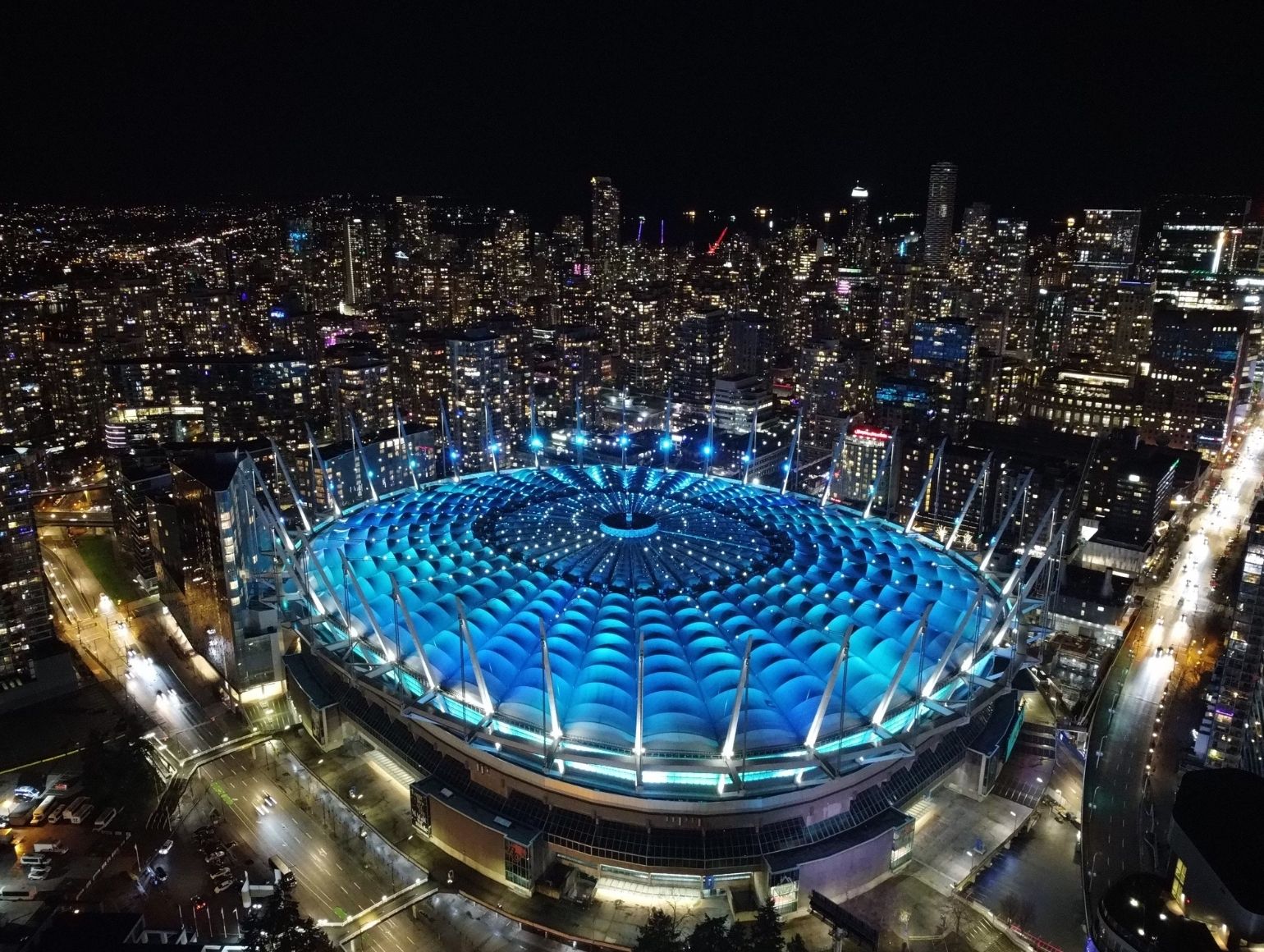
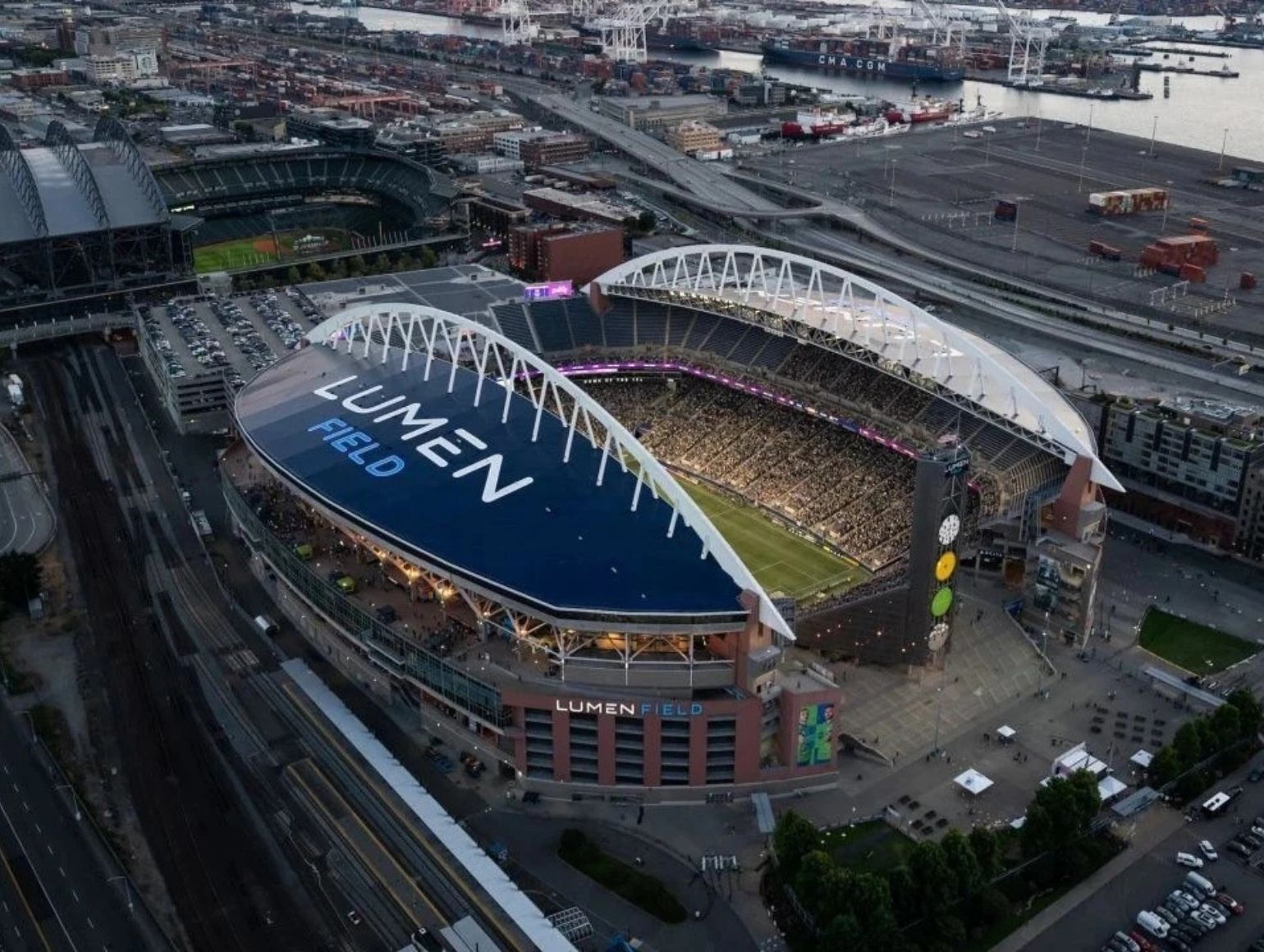
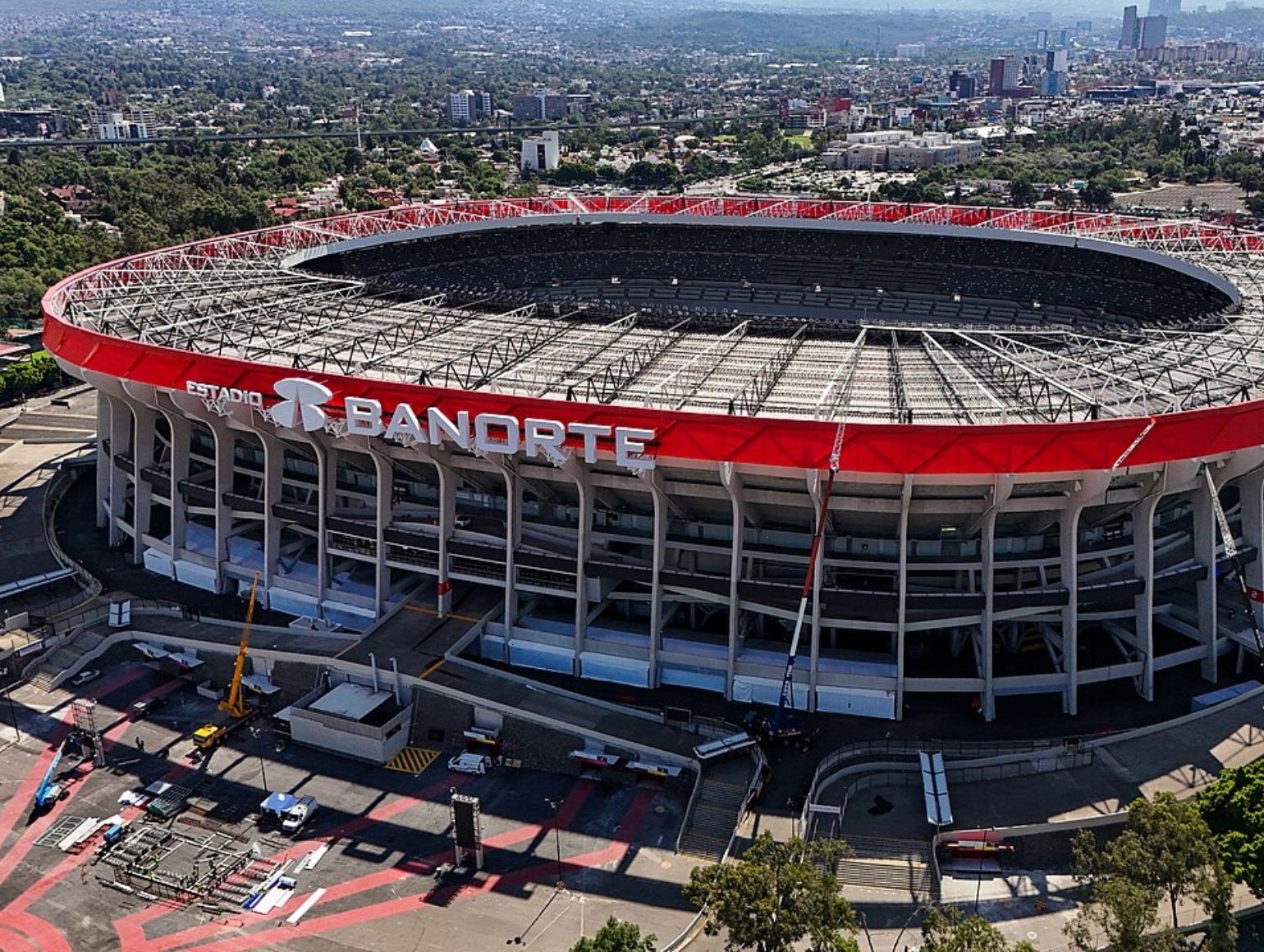
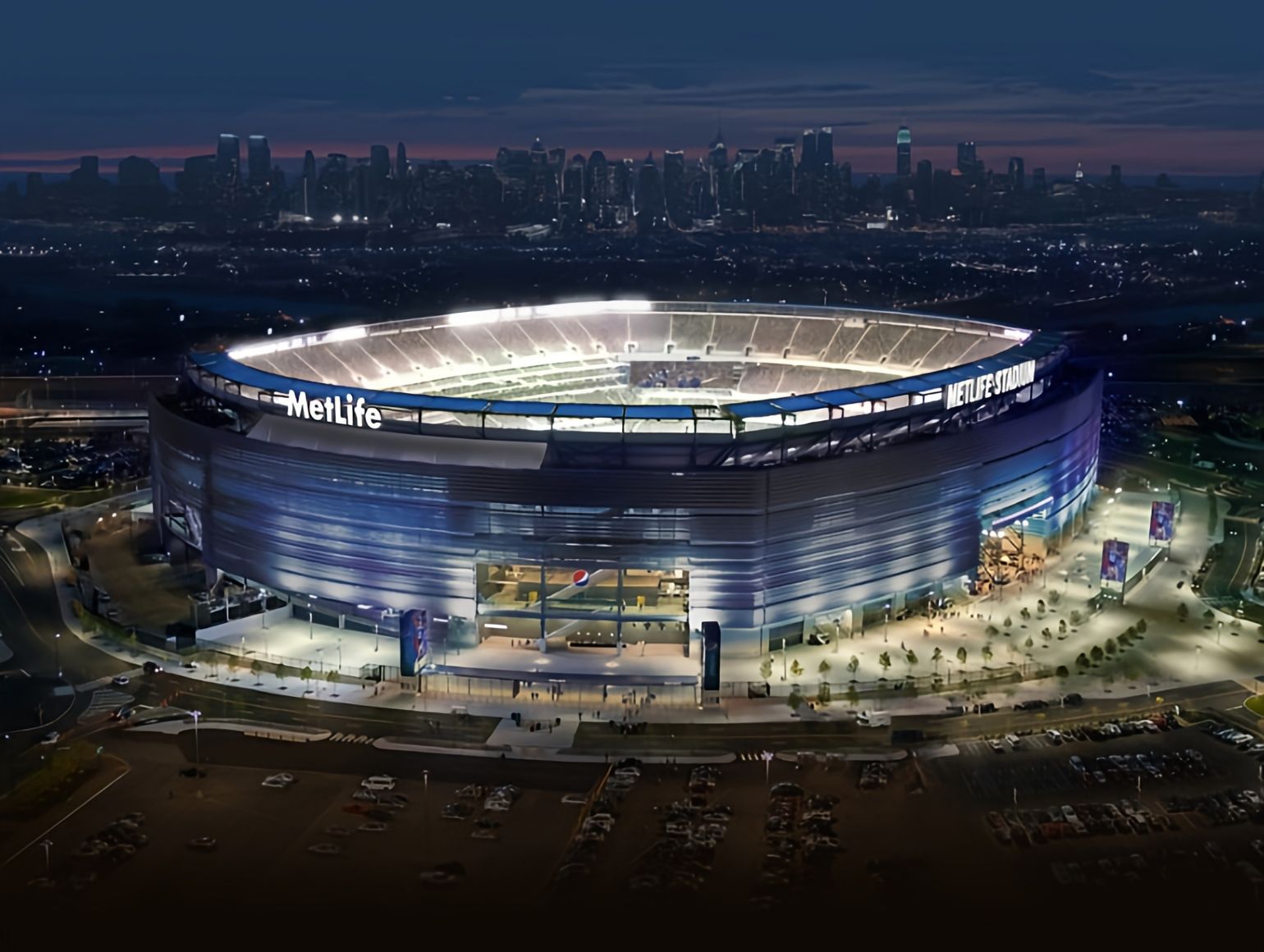
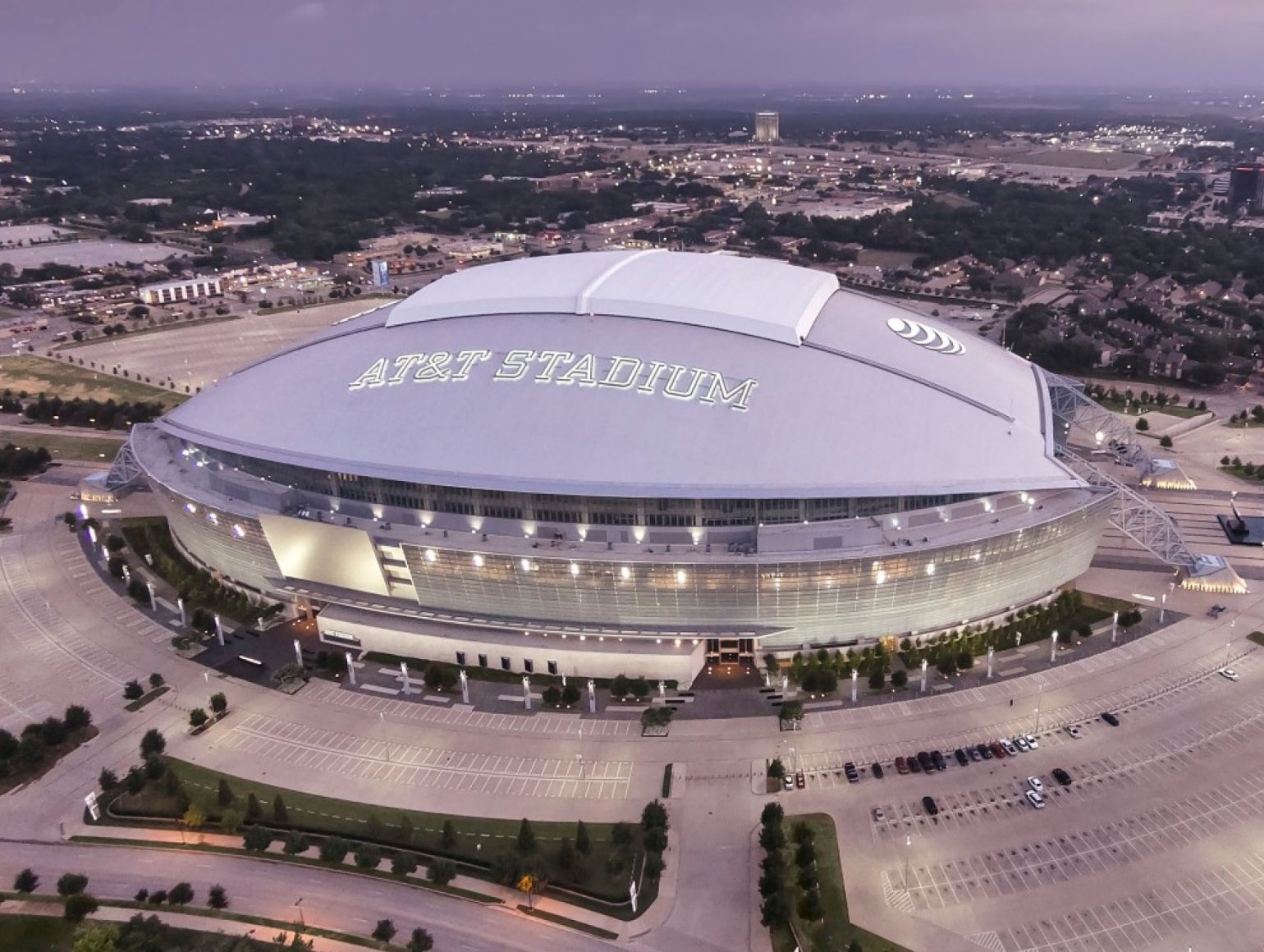
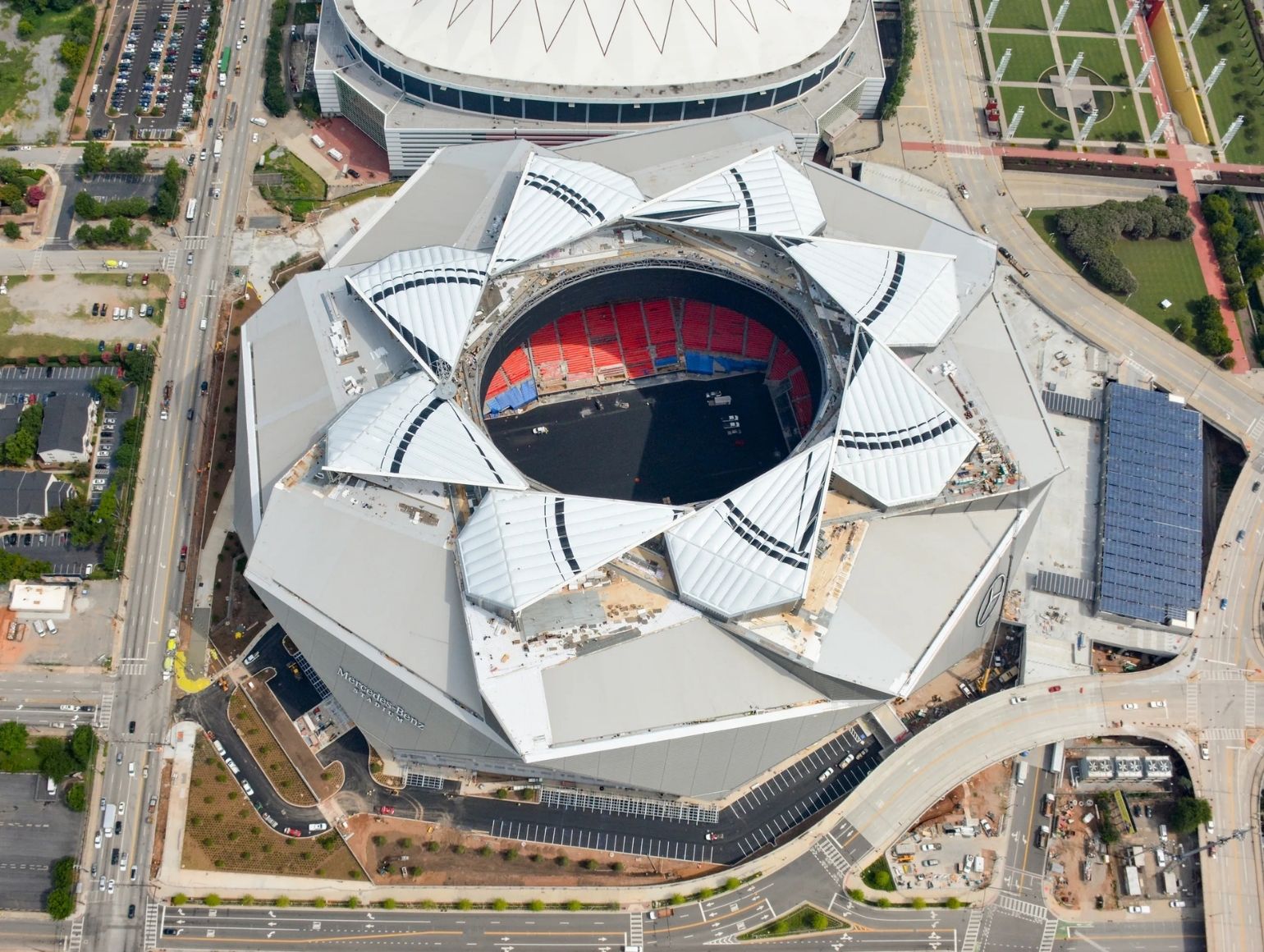
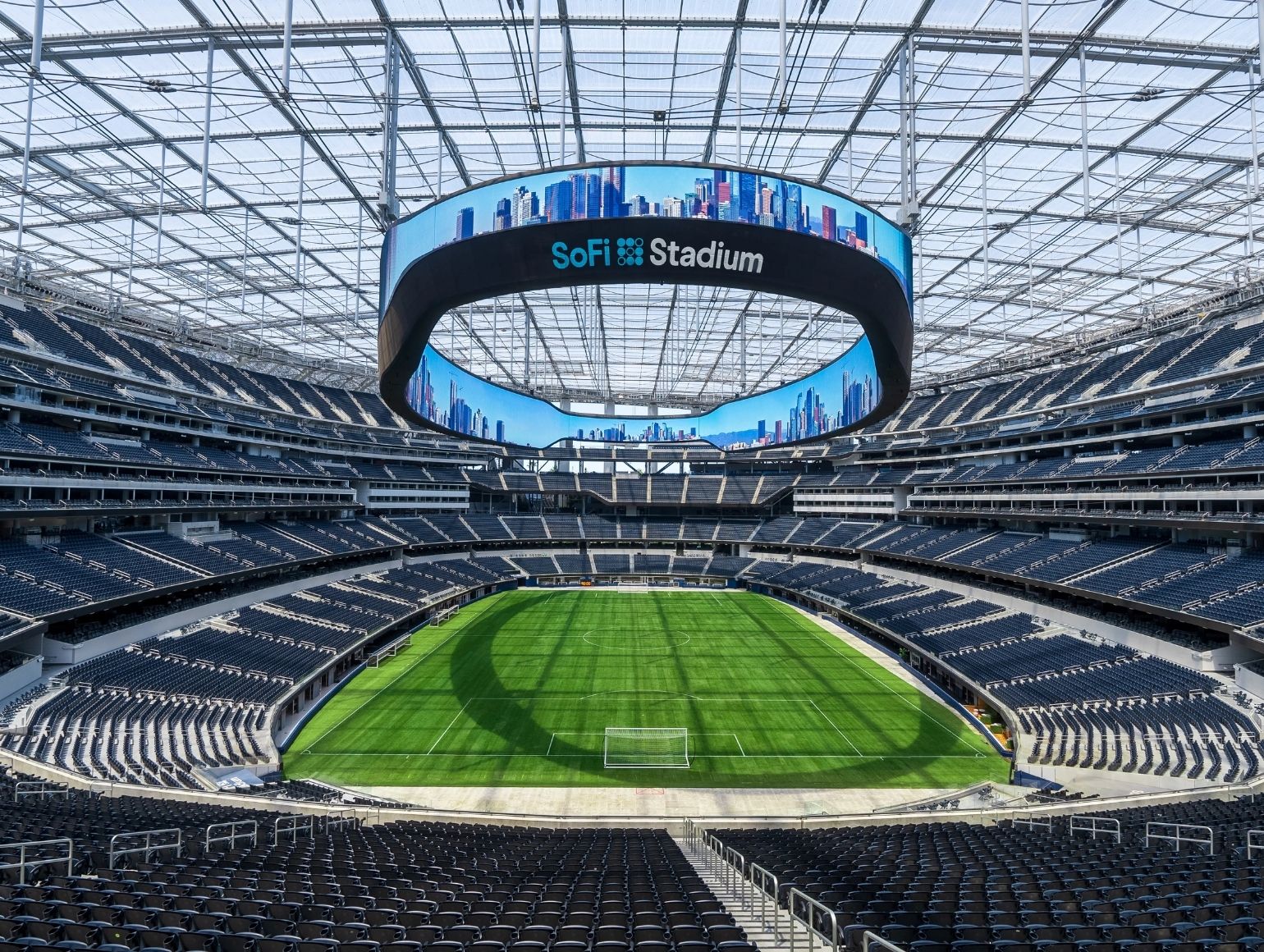

Table of Contents Show
The FIFA World Cup 2026 is being played across 16 stadiums in the United States, Mexico, and Canada, making it the largest tournament in the event’s history with 48 teams and 104 matches. The venues range from a 1960s concrete bowl in Mexico City that has hosted two previous World Cup finals to a $5 billion indoor-outdoor arena in Los Angeles that sits 100 feet underground.
The 2026 FIFA World Cup marks the first time three nations have co-hosted the tournament, and the stadiums selected reflect decades of evolution in sports architecture. Eleven venues are in the United States, three in Mexico, and two in Canada. While not every host stadium breaks new ground architecturally, several stand out for bold structural decisions, material innovation, or how they respond to their local climate and geography. This article focuses on seven of those venues and what makes each one worth studying from a design perspective.
SoFi Stadium, Los Angeles: A Sunken Arena Under an ETFE Canopy
SoFi Stadium in Inglewood, California, is the NFL’s largest venue and one of the most expensive stadiums ever built, with a total project cost exceeding $5 billion. Designed by HKS Architects, the stadium opened in 2020 as the centerpiece of the 298-acre Hollywood Park development. It will host eight world cup 2026 matches, including key knockout-round fixtures.
The defining design move was digging the seating bowl 100 feet below existing grade. This decision was driven by Federal Aviation Administration (FAA) height restrictions, since the site sits just three miles from Los Angeles International Airport. Rather than treating this constraint as a limitation, HKS turned it into the stadium’s signature feature. Spectators enter through concourses two to three levels above the playing field, and the below-grade bowl creates a sense of descending into the event rather than climbing up to it.
The roof structure is equally notable. A 19.5-acre canopy made from more than 35,000 uniquely shaped anodized aluminum panels covers the stadium, plaza, and a separate 6,000-seat performance venue. Over 300 semi-translucent ETFE (ethylene tetrafluoroethylene) panels sit directly above the seating bowl, reducing solar heat gain while allowing natural daylight to flood the interior. The result is an arena that feels simultaneously indoors and outdoors, a quality that directly reflects Southern California’s mild climate.
The American Institute of Architects (AIA) recognized SoFi Stadium with a 2025 Architecture Award, citing its innovative response to site constraints and its role as a civic landmark. Lead architect Lance Evans and a team of over 80 designers at HKS drew on research into Southern California’s industry, lifestyle, and geography to shape the building’s identity.
💡 Pro Tip
If you are studying stadium design, pay close attention to how SoFi handles the transition between indoors and outdoors. The open concourse edges, the translucent roof panels, and the lack of a fully enclosed envelope create airflow patterns that reduce the need for mechanical cooling. This approach only works in specific climate zones, so always evaluate local weather data before applying a similar strategy to your own projects.
For the 2026 FIFA World Cup, SoFi Stadium is undergoing additional modifications, including the installation of a natural grass pitch to replace its synthetic surface. The venue’s lighting system, designed by Lam Partners, uses over 1,000 architectural fixtures that minimize glare and wash color across the canopy’s spaceframe structure, giving the stadium a lantern-like glow at night.
Mercedes-Benz Stadium, Atlanta: A Roman Pantheon for the NFL
Mercedes-Benz Stadium in Atlanta, Georgia, opened in 2017 at a cost of approximately $1.5 billion. Designed by HOK (which had acquired 360 Architecture, the original design firm, in 2015) with TVS Design as a collaborating architect, the stadium seats 71,000 and will host nine 2026 world cup matches, including a semifinal.
The building’s most discussed architectural element is its eight-panel retractable roof. Inspired by the oculus of the Roman Pantheon, the ETFE-clad “petals” slide along tracks to open or close in approximately eight minutes, creating a visual effect that resembles a camera aperture. Each petal cantilevers roughly 200 feet over the playing field. When fully closed, the petals interlock at a central point; when open, they rest on the fixed roof deck and disappear from view below.
Structurally, the roof is supported by more than 200 trusses spanning up to 735 feet across the stadium’s length. The three-layered ETFE pillow system totals approximately 135,000 square feet, while an additional 165,000 square feet of single-layer ETFE film covers the facade via a cable net system. A 58-foot-tall, 1,100-foot-circumference LED “Halo Board” rings the roof opening, providing 360-degree high-definition video.
📌 Did You Know?
Mercedes-Benz Stadium became the first professional sports venue in North America to earn LEED Platinum certification. Its sustainability features include over 4,000 photovoltaic panels that generate enough solar energy to power ten Atlanta Falcons home games per year, along with a water capture and reuse system that significantly reduces the building’s potable water consumption.
The facade breaks away from the rectangular box shape common in American stadiums. Triangular metal panels create an iridescent, angular exterior that shifts in color depending on the angle of sunlight and the viewer’s position. The western side features a transparent glass wall that opens views to the Atlanta skyline, while eight wing-like facade panels echo the geometry of the retractable roof petals above.
For architects interested in sustainable facade design, Mercedes-Benz Stadium provides a strong case study in how high-performance building envelopes and renewable energy systems can be integrated into large-scale sports venues without compromising the spectator experience.
AT&T Stadium, Dallas: Engineering Scale at Its Most Extreme
AT&T Stadium in Arlington, Texas, opened in 2009 and cost $1.15 billion to build. Designed by HKS Architects with structural engineering by Walter P Moore, the stadium is home to the Dallas Cowboys and will host nine world cup 2026 stadiums matches during the tournament, the joint-most of any venue along with Mercedes-Benz Stadium. It is also the site of one semifinal.
The building’s scale is its most striking characteristic. The standard seating capacity is 80,000, but the stadium can expand to over 100,000 with standing room. Two retractable roof panels, each measuring 256 feet by 410 feet and weighing approximately 1.2 million pounds, open or close in about 12 minutes via a precision rack-and-pinion drive system. The playing field sits 50 feet below street level, which allows spectators entering at grade to look down across the entire bowl.
The end zones are enclosed by five-panel glass retractable doors, each 180 feet wide and 120 feet tall. When open, these doors connect the interior to outdoor plaza areas and allow natural ventilation. The combination of the retractable roof and operable glass walls gives the venue unusual flexibility for a building of this size.
Bryan Trubey, the lead architect at HKS for the project, designed the stadium’s arched steel trusses as both structural elements and visual statements. The arches span the full width of the building and support the retractable roof panels, creating a column-free interior that maximizes sightlines. AT&T Stadium also housed the world’s largest high-definition video display at the time of its opening, a center-hung Mitsubishi screen that has since been surpassed but remains a reference point in stadium technology.
📐 Technical Note
AT&T Stadium’s retractable roof panels are covered in translucent tensile fabric membrane and operated by a rack-and-pinion drive system designed by Uni-Systems. The two-panel configuration differs from the multi-petal approach used in Atlanta. Each panel travels along fixed rails, and the translucent membrane allows diffused daylight into the bowl even when the roof is closed. Walter P Moore, the structural engineer, has designed five retractable roof stadiums in the United States.
The stadium recently completed a $180 million interior refresh led by HKS, upgrading premium clubs, suites, and back-of-house technology ahead of the 2026 World Cup. This kind of mid-life renovation is increasingly common among major sports venues. Nashville’s new Nissan Stadium, currently under construction, represents the next generation of enclosed NFL stadiums with its cable-stayed ETFE roof system.
MetLife Stadium, New York/New Jersey: The World Cup Final Stage
MetLife Stadium in East Rutherford, New Jersey, will host the 2026 World Cup final on July 19, along with seven other matches. Built between 2008 and 2010 as a replacement for the original Giants Stadium, the $1.6 billion venue seats 82,500 and is home to both the New York Giants and New York Jets of the NFL.
Architecturally, MetLife Stadium is a more conventional open-air bowl compared to the enclosed or retractable designs in Atlanta, Dallas, and Los Angeles. Its strength lies in its sheer capacity and operational infrastructure. The aluminum louvre facade system changes appearance on game days, illuminated from inside to indicate which team is hosting, borrowing a concept from Allianz Arena in Munich.
For the FIFA World Cup 2026, MetLife Stadium has undergone a two-phase renovation of its lower bowl. Permanent seating has been replaced with a modular system that allows the playing field to be enlarged to meet FIFA pitch-size requirements. A natural grass surface is being installed over the existing synthetic turf, and broadcasting infrastructure has been upgraded to support a global audience expected to exceed one billion viewers for the final.
🎓 Expert Insight
“This stadium and master plan seem to be establishing a bold new direction in sports stadium design. The architecture creates a distinct sense of place to the activities all around the stadium.”
Joey Shimoda, FAIA, Juror for ARCHITECT Magazine’s Architecture Awards
While this comment was directed at SoFi Stadium, it captures a broader shift in how architects approach sports venues in the 2020s: the stadium is no longer just a container for events but a place-making element within a larger urban or suburban context. MetLife, SoFi, and Mercedes-Benz each respond to this challenge differently based on their sites and regional cultures.
MetLife Stadium also hosted the 2025 FIFA Club World Cup final and both semifinals, serving as a rehearsal for the logistics of the World Cup itself. The venue’s proximity to New York City, combined with NJ Transit rail connections from Penn Station and shuttle buses from Midtown Manhattan, makes it one of the most accessible stadiums in the tournament, despite being located in New Jersey rather than New York proper.
Estadio Azteca, Mexico City: Six Decades of Football Architecture
Estadio Azteca stands apart from every other venue in this tournament. Designed by Mexican architects Pedro Ramírez Vázquez and Rafael Mijares, the stadium was inaugurated on May 29, 1966, ahead of the 1968 Summer Olympics. In 2026, it becomes the first stadium in history to host matches at three FIFA World Cups (1970, 1986, and 2026), and it will stage the tournament’s opening match and ceremony.
The original design decisions made in the early 1960s still define the building’s character. Vázquez and Mijares chose a steep, single-purpose football bowl rather than the multi-use oval configuration common in that era. This meant sacrificing athletics-track compatibility in favor of steeper rake angles that brought every seat closer to the pitch. The upper deck achieves sightlines that many modern stadiums still struggle to match. Built as a continuous elliptical form with no internal columns, the stadium eliminated blind spots entirely.
Construction required more than 800 workers, seven million hours of labor, 100,000 tonnes of concrete, and 8,000 tonnes of steel reinforcement. The dramatic cantilevered roof, an engineering achievement for the 1960s, provides shade and weather protection for the majority of seats while maintaining the open-air atmosphere that defines Latin American football culture.
The Azteca has witnessed some of football’s most iconic moments: Pelé’s third World Cup victory in 1970, Maradona’s “Hand of God” goal and “Goal of the Century” in 1986, and the legendary 1970 semifinal between Italy and West Germany, often called the “Game of the Century.” That history is inseparable from the architecture. The steep stands and enclosed bowl geometry amplify crowd noise, contributing to the atmosphere that has made the venue one of the most intimidating in world football.
⚠️ Common Mistake to Avoid
It is easy to dismiss older stadiums as architecturally outdated, but Estadio Azteca’s steep bowl design anticipated the defining stadium design philosophy of the 21st century by more than 30 years. Modern “cauldron” stadiums prioritize fan proximity and tight pitch-to-seat distances. The Azteca achieved this in 1966 by committing to a single sport rather than trying to serve multiple uses, a trade-off that many newer venues are now making deliberately.
For the 2026 tournament, the stadium (now officially named Estadio Banorte after a naming rights deal, though widely still called Estadio Azteca) has undergone renovations to meet current FIFA standards. The capacity has been adjusted to approximately 83,000. The renovation work has drawn some criticism regarding unfinished elements and organizational concerns, but the venue’s architectural bones remain sound after six decades of continuous operation.
Other Notable World Cup 2026 Stadiums
Beyond the five venues above, several other 2026 world cup stadiums deserve attention from a design perspective.
Lumen Field in Seattle, designed by Ellerbe Becket (now AECOM), opened in 2002 and is known as one of the loudest stadiums in the NFL. Its partially open roof structure and steep, cantilevered upper deck create an acoustic environment that amplifies crowd noise. The venue will host U.S. national team group-stage matches and knockout fixtures.
Hard Rock Stadium in Miami Gardens has been through multiple renovations since opening in 1987. The most significant was a $500 million upgrade completed in 2016 that added a canopy roof, four video boards, and new premium seating levels. The stadium will host the third-place match during the 2026 tournament.
BC Place in Vancouver brings a different architectural language to the tournament. Originally built for Expo 86 with an air-supported roof, the stadium was retrofitted in 2011 with a cable-supported retractable roof. It is one of only two Canadian venues in the tournament and hosted the 2015 Women’s World Cup final.
Levi’s Stadium in Santa Clara, designed by HNTB, opened in 2014 and hosted Super Bowl 50. Its design emphasizes sustainability with a green roof on the suite tower, reclaimed water systems, and a solar panel installation that generates approximately 375,000 kilowatt-hours annually. For architects studying how sports venues handle green building strategies, Levi’s Stadium is a relevant reference alongside the LEED Platinum Mercedes-Benz Stadium.
Video: Inside Every Stadium of the 2026 FIFA World Cup
This video by TFC Stadiums offers a visual tour of all 16 host venues, covering their design features, histories, and roles in the 2026 tournament.
How Are World Cup Stadiums Being Prepared for 2026?
Converting NFL stadiums to FIFA-compliant football venues involves more than just swapping the playing surface. FIFA requires a natural grass pitch of specific dimensions, typically larger than an NFL field, which has forced several venues to modify their lower-bowl seating configurations. MetLife Stadium’s modular seating replacement is the most visible example of this kind of adaptation.
Turf conversion has been a major operational challenge. Stadiums like SoFi, AT&T, and MetLife have had to install natural grass over existing synthetic surfaces or concrete substrates. The grass must be grown, conditioned, and maintained in environments that were never designed for it. In Los Angeles, SoFi Stadium’s partially enclosed structure complicates airflow and sunlight exposure for grass growth, requiring supplemental grow lights and ventilation systems.
💡 Pro Tip
Stadium conversion projects for international football are increasingly common. If you are working on a multi-use venue design, consider specifying floor-level structural loads and drainage systems that can accommodate future natural grass installations, even if synthetic turf is the initial surface. The cost of retrofitting these systems later is significantly higher than planning for them from the start.
Security and broadcast infrastructure upgrades are also substantial. The World Cup final at MetLife Stadium is expected to draw a global television audience exceeding one billion people, and the broadcast setup requires camera positions, cabling routes, and power supply capacities that go beyond standard NFL configurations. Transportation is another design challenge: MetLife has introduced a car-free access model for match days, routing all spectators through rail and shuttle services, a logistical experiment that could influence how future mega-events approach venue access.
These preparations reflect a broader trend in sports architecture: the expectation that major venues must be adaptable. The stadiums hosting the 2026 FIFA World Cup were all originally built for American or Mexican professional sports leagues. Their ability to transform for an international football tournament speaks to the flexibility (or limitations) embedded in their original designs. Architects working on the top architecture firms in the USA are increasingly designing multi-purpose venues that anticipate these kinds of conversions from the outset.
Comparing the World Cup 2026 Stadiums
The table below summarizes the key architectural features and tournament roles of the seven highlighted venues.
| Stadium | City | Architect | Year Opened | Capacity | Key Design Feature |
|---|---|---|---|---|---|
| SoFi Stadium | Los Angeles | HKS Architects | 2020 | 70,000 (up to 100,000) | 100-ft sunken bowl, 19.5-acre ETFE canopy |
| Mercedes-Benz Stadium | Atlanta | HOK / TVS Design | 2017 | 71,000 | 8-petal retractable roof, LEED Platinum |
| AT&T Stadium | Dallas (Arlington) | HKS Architects | 2009 | 80,000 (up to 100,000+) | Twin retractable panels, 180-ft glass doors |
| MetLife Stadium | New York/New Jersey | 360 Architecture (HOK) | 2010 | 82,500 | Open-air bowl, illuminated louvre facade |
| Estadio Azteca | Mexico City | Ramírez Vázquez / Mijares | 1966 | ~83,000 | Steep elliptical bowl, cantilevered roof |
| Lumen Field | Seattle | Ellerbe Becket (AECOM) | 2002 | 68,740 | Acoustic-amplifying partial roof, steep upper deck |
| BC Place | Vancouver | Phillips Barratt (original) | 1983 (roof 2011) | 54,000 | Cable-supported retractable roof retrofit |
What the 2026 Venues Tell Us About Stadium Design Trends
Several patterns emerge when you look at the 2026 world cup stadiums together. The most obvious is the move toward climate-responsive enclosures. SoFi, Mercedes-Benz, AT&T, and BC Place all feature some form of retractable or semi-open roof system. These designs acknowledge that spectators expect weather protection without sacrificing the outdoor atmosphere that defines live sports. The engineering behind these systems has advanced rapidly since the first retractable roof stadiums of the 1990s, with ETFE membranes replacing heavier glass and metal panel systems.
Sustainability is another thread. Mercedes-Benz Stadium’s LEED Platinum certification was a first for North American professional sports, and Levi’s Stadium’s solar and reclaimed water systems pushed the conversation further. The U.S. Green Building Council (USGBC) has seen growing interest from sports venue developers in pursuing LEED certification, driven partly by the visibility these buildings receive during global events like the World Cup.
The tournament also highlights the tension between preserving historic venues and building new ones. Estadio Azteca’s inclusion alongside venues like SoFi Stadium creates a direct comparison between 1960s concrete modernism and 2020s parametric engineering. Both approaches produce effective stadiums, but they reflect very different assumptions about materiality, adaptability, and the role of technology in architecture. For a deeper look at how computational design is shaping modern sports and cultural venues, see this breakdown of top parametric architecture projects around the world.
The future of stadium architecture is already taking shape beyond 2026. Saudi Arabia’s NEOM Sky Stadium concept for the 2034 World Cup, and BIG’s recent multi-use stadium design for Shakira in Madrid, suggest that the boundary between sports venues, cultural landmarks, and urban infrastructure will continue to blur.
🏗️ Real-World Example
Allianz Arena (Munich, 2005): When FIFA selected venues for the 2006 World Cup, Allianz Arena’s inflated ETFE panel facade set a new benchmark for stadium identity. The 2,874 air-filled ETFE cushions can be independently lit in different colors, allowing the building to visually transform depending on which team is playing. This approach directly influenced the illuminated louvre facades at MetLife Stadium and the color-changing canopy lighting at SoFi Stadium, demonstrating how a single venue’s design innovation can ripple through the next generation of sports architecture.
✅ Key Takeaways
- The 2026 FIFA World Cup uses 16 stadiums across three countries, with the strongest architectural interest concentrated in SoFi Stadium (sunken ETFE bowl), Mercedes-Benz Stadium (Pantheon-inspired retractable roof), AT&T Stadium (twin retractable panels and glass walls), and Estadio Azteca (60-year-old steep football bowl).
- ETFE has become the dominant roofing material for modern sports venues, replacing heavier glass systems while allowing natural light and reducing structural loads.
- Mercedes-Benz Stadium is the only LEED Platinum certified professional sports venue in North America, setting a benchmark for sustainability in stadium design.
- Converting NFL stadiums for FIFA use requires significant modifications including natural grass installation, pitch-size expansion through modular seating, and upgraded broadcast infrastructure.
- Estadio Azteca’s 1966 steep-bowl design anticipated the “cauldron” stadium philosophy that dominates 21st-century sports architecture by more than three decades.
Final Thoughts
The stadiums of the FIFA World Cup 2026 are not a uniform collection. They span six decades of construction, from a 1960s concrete bowl built for Mexico’s first World Cup to a 2020s ETFE-wrapped arena designed for the entertainment capital of the world. What connects them is a shared role: each one must function as a temporary stage for the biggest sporting event on the planet, and each one reveals something about how its architects thought about climate, crowd experience, structure, and place.
For design professionals, these venues offer practical lessons in ETFE roof systems, retractable structures, below-grade construction, sustainable certification, and the long-term adaptability of single-purpose bowls. For football fans, they offer something simpler: sixteen buildings that, for one summer, will hold the attention of billions. The best-designed among them will still be worth visiting long after the final whistle.
Explore more architecture analysis and project breakdowns at illustrarch.com, or check out how the Tampa Bay Rays’ proposed baseball stadium by Populous applies similar design strategies in a different sport.
Stadium specifications, capacities, and match assignments are based on information published by FIFA and verified as of June 2026. Venue details may be subject to change during the tournament.













MoMA’s Full Disclosure Exhibition Traces Information Design from Hand-Drawn Data to AI Memories
Full Disclosure: The Edge of Information Design, curated by Paola Antonelli, is...
 illustrarch Editoral Team2 Mins read
Zumthor’s Three New Buildings Open at Fondation Beyeler in Riehen
Peter Zumthor's Wyss Museum, Ammann Pavilion and Erlen Torhaus open at Fondation...
illustrarch Editoral Team4 Mins read

Benthem Crouwel Completes the Afsluitdijk Revamp with a Fish Passage and Domed Pumping Stations
The 32 km Afsluitdijk in the Netherlands has been raised, armoured and...
illustrarch Editoral Team2 Mins read
Luxembourg Pavilion Tackles the Overconsumption of Living Space at the 2027 Venice Biennale
Curated by Céline Zimmer and Exutoire, the Luxembourg Pavilion's Excess! will compare...
illustrarch Editoral Team2 Mins read


Leave a comment