

Donald Insall, the Conservation Architect Who Led Windsor Castle’s Restoration, Dies at 100
Donald Insall, the British architect who turned conservation into a planning discipline and led the restoration of Windsor Castle after its 1992 fire, has died at 100.
 illustrarch Editoral Team18 October 20262 Mins read1

Donald Insall, the British architect whose name became shorthand for building conservation, has died at the age of 100. His studio, Donald Insall Associates, announced his death and described him as a “pioneering conservationist”. Over almost seven decades he worked on some of the country’s best known historic buildings, from William Morris’s Kelmscott Manor to Windsor Castle, and helped write conservation into the everyday work of local planning.
Insall was born in Bristol on 7 February 1926. Watching the wartime bombing destroy the city’s old churches and historic streets pushed him towards architecture and, in particular, towards looking after what survived. In 1942 he enrolled at the architecture school of the Royal West of England Academy, then went to London, where he took civic design at the Royal Academy Schools and later at the School of Planning.
How Donald Insall Separated Conservation From Preservation
Insall drew a sharp line between keeping a building frozen and keeping it alive. His studio recalled his favourite way of putting it: “Preservation he said is ‘what you do for marmalade’.” Conservation, by contrast, meant “working with old buildings, streets and towns in ways that allow them to live on usefully and delightfully for new uses when and where appropriate and for future generations,” the practice said.
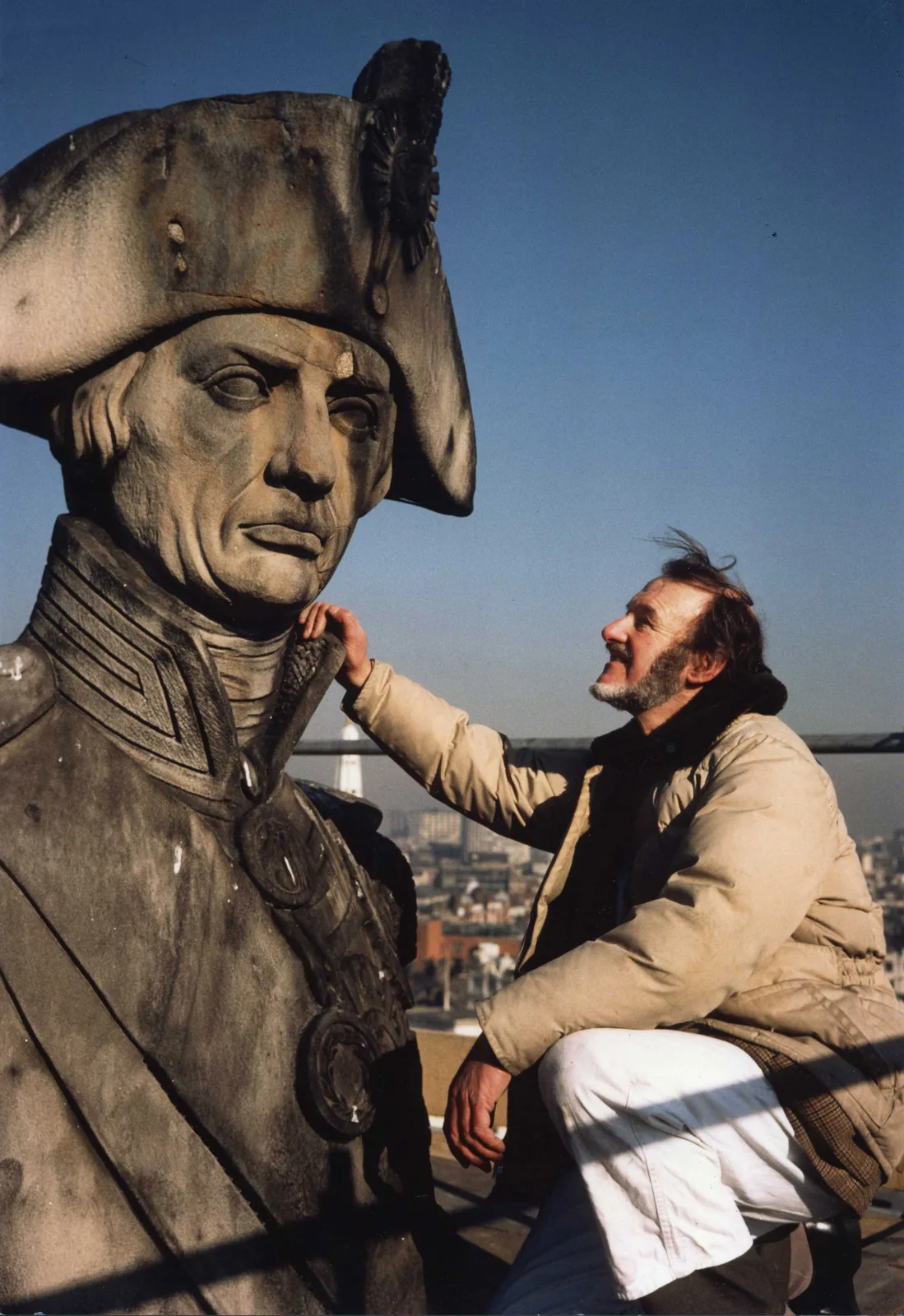
In 1950 the Society for the Protection of Ancient Buildings (SPAB) made him a Lethaby scholar, a post that put him to work next to traditional craftspeople. He then joined Phillimore and Jenkins, a London office known for designing and restoring country houses. Paying tribute this week, the SPAB said he had made “an enormous contribution as an expert volunteer”.
From a kitchen table to Windsor Castle
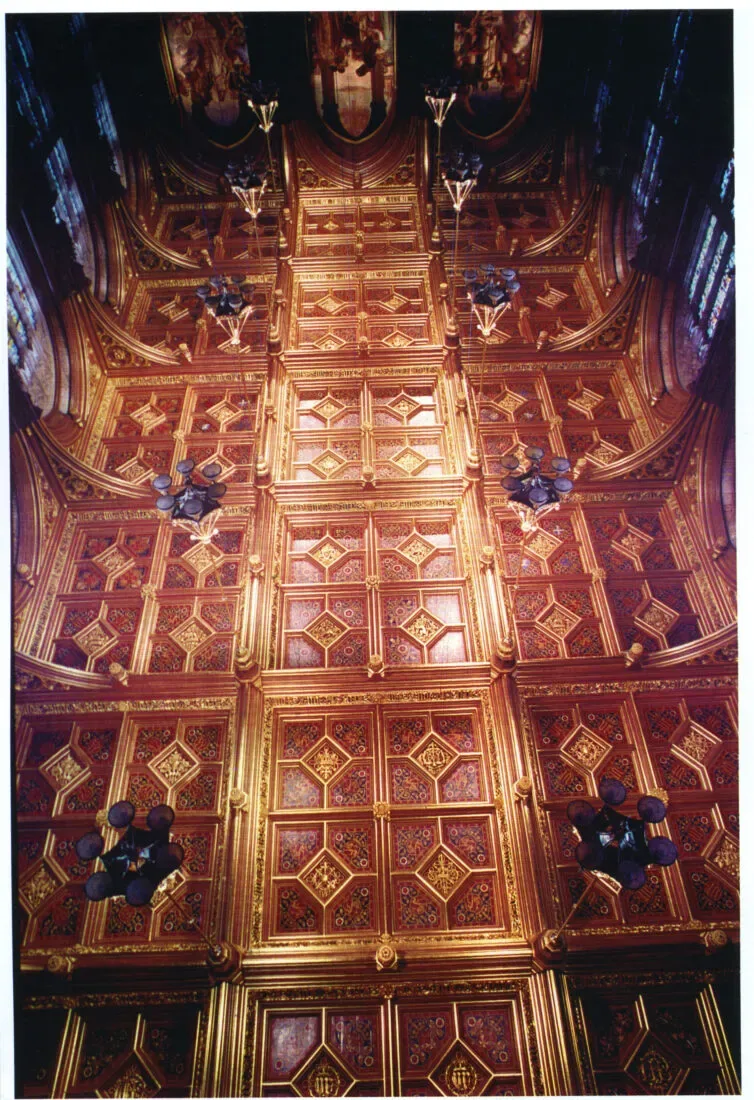
Donald Insall Associates began in 1958 at the kitchen table of his small flat near Belgrave Square, and Insall chaired the firm until 1998. The office grew into one of the leading conservation practices in the UK. Early work included Wotton House in Buckinghamshire, an 18th century baroque house that had been saved from demolition in 1957, and the repair of Kelmscott Manor in Oxfordshire in 1961. In 1980 the practice carried out conservation of the House of Lords ceiling.
His best known commission came after fire swept through Windsor Castle in 1992: it was Insall who headed the teams that brought the royal residence back. Collaborators speak warmly of the practice, too. Squire & Partners, which worked with it on 30 Warwick Street, Haggerston Baths and Space House among others, called those projects “some of the best architectural journeys that we have been on”.
The Chester study and the conservation officer
Insall’s influence reached well beyond individual buildings. His 1968 study of Chester set out principles of conservation management that are still in use and led to his appointment as conservation consultant to the city. That work also helped create the role of the conservation officer inside local planning departments, a post that councils across the country now rely on.

He set his thinking down in the book Living Buildings, first published in 2008 and republished in 2018 with an introduction by the then Prince of Wales, now King Charles, who wrote that Insall had been “deeply involved, not just as a tireless practitioner, but in mentoring and inspiring others”. Insall received an OBE in 1981 and a CBE in 1995 and was knighted in 2010. Until his death he kept advising the practice he had started and sat as a trustee on its Employee Ownership Trust.






Kent Monkman’s First Public Sculpture Is a Bronze Condominium for Beavers on Toronto’s Waterfront
Cree artist Kent Monkman's The Colony, a permanent bronze and steel work...
illustrarch Editoral Team2 Mins read
andre kong studio and Wayward Turn Old Lampposts into Solar-Powered Waylamps in Barnet
Four Waylamps by andre kong studio and Wayward reuse old lampposts as...
illustrarch Editoral Team1 Mins read
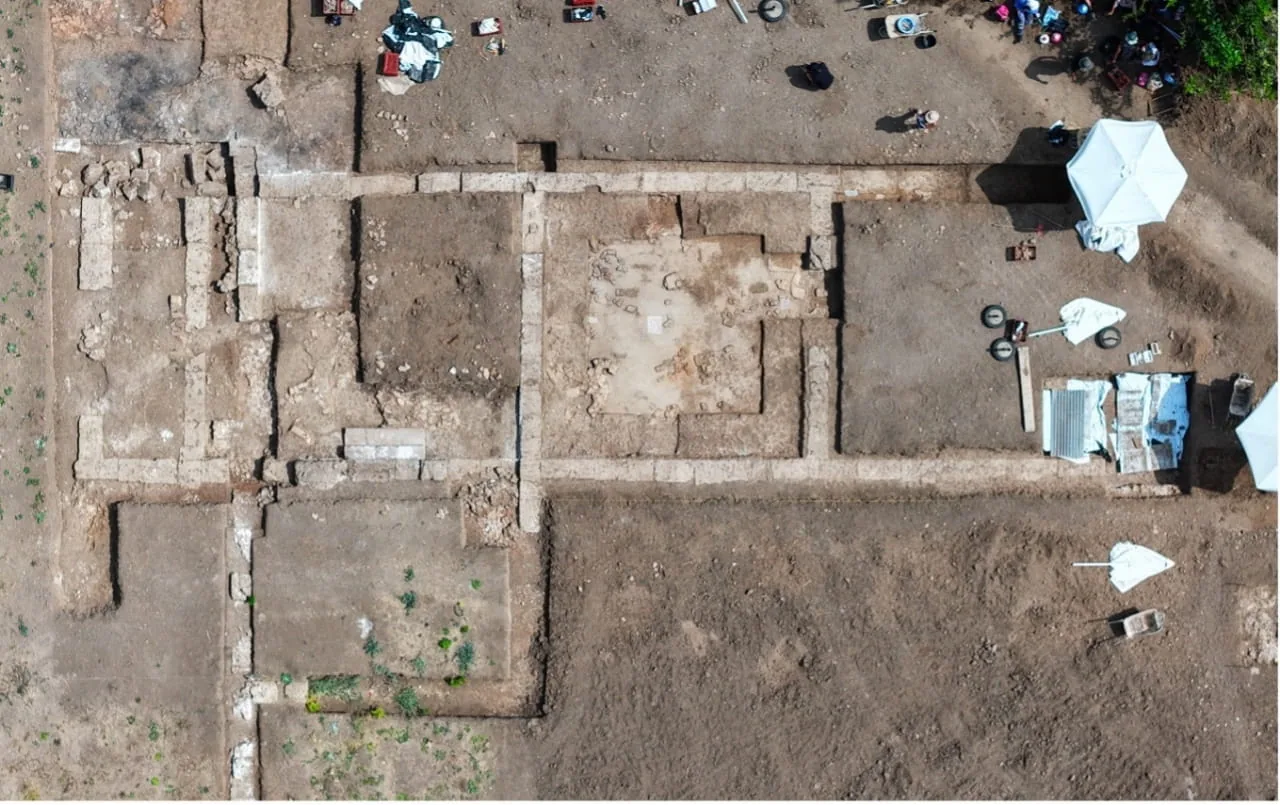
New Digging Season at the Mieza Gymnasium Uncovers Alexander’s School Complex
New digs at Mieza uncover teaching halls and mosaic banquet rooms at...
illustrarch Editoral Team2 Mins read
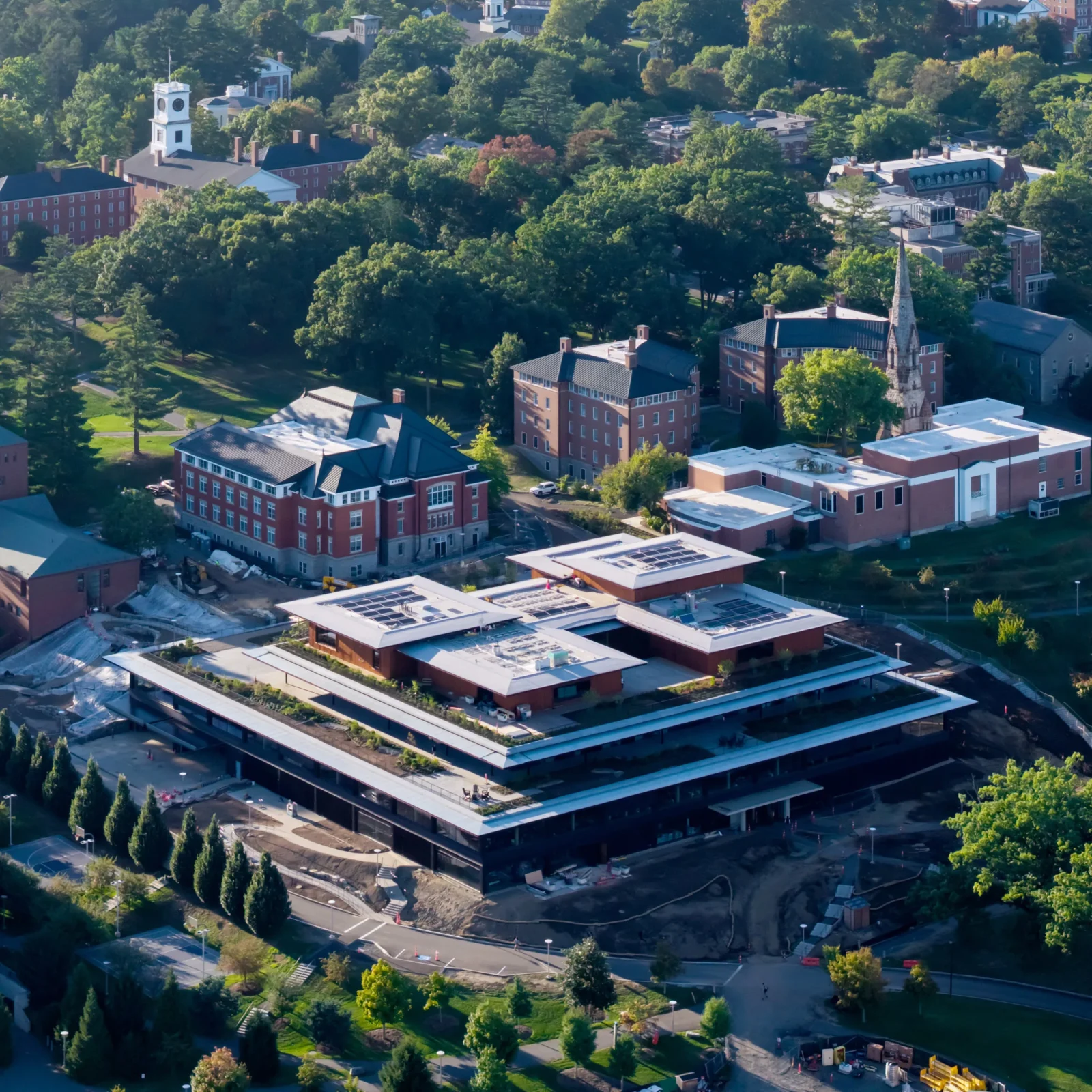
Herzog & de Meuron Builds Amherst College Student Center Atop Old Foundations
Herzog & de Meuron built a mass-timber student center at Amherst College...
illustrarch Editoral Team2 Mins read


Leave a comment