

Designing Renovation Projects Around Debris Flow and Site Logistics
 illustrarch Editoral Team8 September 20264 Mins read10
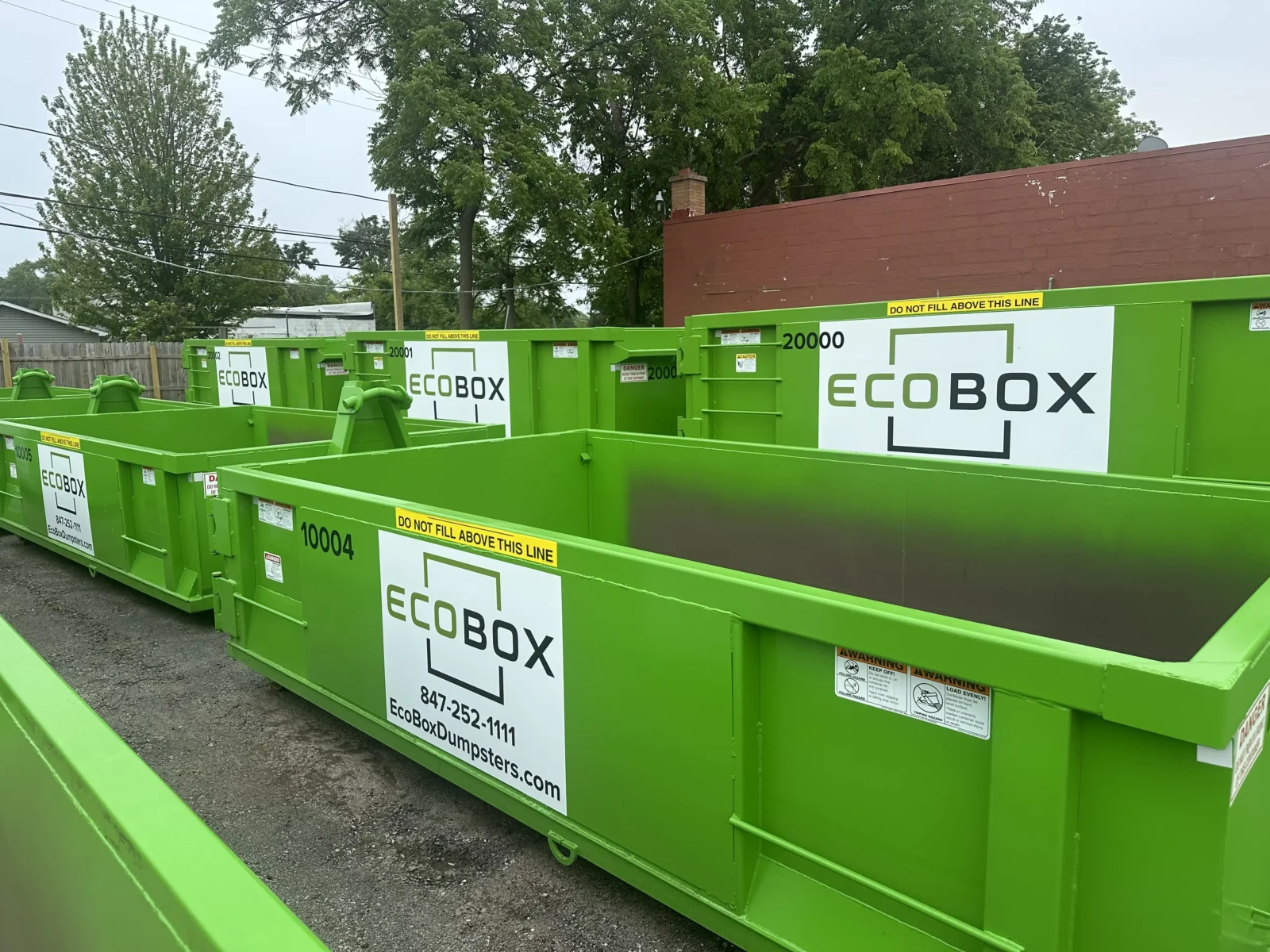
Table of Contents Show
Renovation planning usually begins with drawings, finishes, budgets, and trade sequencing. One element is often treated as an afterthought: the debris flow through the property once demolition and construction begin.
That omission can create avoidable problems. Waste containers can block access, demolition material can pile up in work areas, crews may spend more time carrying debris than building, and driveways or landscaping can be exposed to unnecessary risk. For architects, designers, builders, and homeowners, debris flow belongs in the project plan for the same reason material deliveries and staging do. It affects how the site functions.
Treat Debris Flow as Part of the Site Plan
A renovation site has several overlapping flows: workers entering and leaving, materials arriving, tools being staged, existing household access, and waste moving out. When these flows compete for the same space, even a modest project can become inefficient.
The best time to address that conflict is before demolition starts. The project team should identify where debris will originate, how it will travel through the property, and where a container can be placed without interfering with critical access.
On a residential project, that might mean preserving garage access, keeping a walkway clear, or maintaining room for material deliveries. On a tighter urban or suburban site, the right location may be dictated by driveway width, overhead obstructions, street restrictions, or the turning radius needed by the delivery vehicle.
Plan the Container Around the Work, Not After It
Container size should reflect the type and sequence of work rather than simply the total square footage of the renovation.
A kitchen renovation, roofing project, basement cleanout, bathroom demolition, or whole-house remodel can generate very different waste streams. Dense materials such as plaster, tile, concrete, and masonry behave differently from framing lumber, cabinetry, drywall, packaging, and household contents.

The project schedule matters too. One larger container may be efficient for a short demolition phase, while a longer project may benefit from a smaller footprint with planned swaps. The right choice depends on available space, expected debris volume, material weight, and how quickly the waste will accumulate.
For projects in northern Illinois and southeastern Wisconsin, EcoBox Dumpsters provides compact roll-off dumpster options that can fit residential renovation and construction settings where site access and property protection are important considerations.
Protect the Property as Part of Logistics Planning
The placement decision is not only about finding an open rectangle of pavement. Designers and contractors should also consider what lies beneath and around the container.
Driveway condition, pavers, curbs, drainage features, landscaping, low branches, utility lines, and garage doors can all affect the safest placement. A heavy container placed without adequate planning can create problems that have nothing to do with the renovation itself.
Property protection should therefore be discussed before delivery. The project team should establish the preferred placement area, identify surfaces that need protection, and make sure the delivery route is clear. These details are especially important on finished residential properties where preserving the condition of the site is part of the overall project expectation.
Create a Direct Debris Route
Every extra turn, stair, doorway, or obstacle between the work area and the waste container adds labor.
During design and preconstruction, teams often think carefully about how new materials will enter the building. The same attention should be given to how old materials will leave it.
For example, a renovation may benefit from temporarily designating a side entrance for debris, protecting a specific hallway, positioning a chute where appropriate, or scheduling demolition so waste can move directly out of the work zone. The shortest safe path is usually the most efficient.
This also helps keep debris from spreading across finished or occupied areas of the property. A defined route supports cleaner work zones and can reduce conflicts between demolition activity and other trades.
Coordinate Waste Removal With Trade Sequencing
Debris accumulation is often a scheduling issue disguised as a housekeeping issue.
If demolition fills the container just as framing materials arrive, the site can become congested. If the container is removed too early, crews may start creating temporary waste piles. If it remains too long after a major phase ends, it can occupy valuable staging space.
Waste removal should therefore appear on the construction schedule alongside deliveries, inspections, and major trade transitions. The team should anticipate when the heaviest debris-producing phases will occur and plan container delivery, swaps, and pickup around those milestones.
This is particularly useful on renovations where work progresses in stages. A container serving demolition may need to be exchanged before finish materials arrive, freeing space and resetting the site for the next phase.
Separate Materials When the Project Calls for It
Not every renovation requires formal material separation, but some projects benefit from deciding in advance whether certain materials should be handled separately.
Metal, clean wood, concrete, cardboard, fixtures, reusable architectural elements, and other materials may have different disposal, recycling, or reuse options depending on the project and local facilities.

The important design principle is to make that decision before the material becomes mixed debris. If reuse or recycling is part of the project objective, the site needs enough space and organization to support it.
That can mean identifying a small staging area, labeling materials, coordinating separate hauling, or sequencing demolition so salvageable elements are removed before general debris work begins.
Account for Neighborhood and Access Constraints
Residential renovation projects do not operate in isolation. Container placement and construction traffic affect neighbors, sidewalks, shared drives, streets, and daily household routines.
Project teams should consider local placement rules, permit requirements, homeowners association restrictions where applicable, and whether a container can remain entirely on private property. If street placement may be necessary, those requirements should be understood before delivery is scheduled.
Access should also be checked from the perspective of the delivery truck, not only the container itself. A location that looks open on a drawing may still be impractical if the approach is too narrow or obstructed.
Make Waste Planning a Preconstruction Decision
Good renovation design is not limited to what the finished space will look like. It also considers how the project will be built.
Debris management sits at the intersection of design, construction sequencing, site protection, and logistics. Addressing it early can help preserve working space, reduce unnecessary material handling, protect the property, and make transitions between trades more orderly.
For architects, builders, and homeowners, the practical question is simple: if the project has a plan for how materials arrive, it should also have a plan for how demolition debris leaves.
Featured image caption: Photo courtesy of EcoBox Dumpsters.







Oscar Niemeyer’s Cathedral of Brasília: The Hyperboloid Concrete Hymn
The Cathedral of Brasília reads as a single gesture, yet it stood...
 Furkan Sen7 Mins read

What Technology Does a Modern Workplace Need?
A modern workplace needs more than fast computers. A framework covering network,...
illustrarch Editoral Team8 Mins read

How Do You Choose Durable Shutters That Suit Your Budget?
Shutters can look identical in a showroom and perform very differently after...
illustrarch Editoral Team8 Mins read
How Can Window Coverings Improve Indoor and Outdoor Comfort?
Window coverings work as a home’s adjustable climate layer. A practical guide...
illustrarch Editoral Team9 Mins read




Leave a comment