

Planning Large Residential and Commercial Projects with Lowboy Dumpster Rentals, 6 Yard Dumpsters, and Dumpster Rentals for Less
A lowboy dumpster rental can make a surprisingly big difference when a project involves concrete, brick, asphalt, soil, or other dense materials that quickly become difficult to manage.
 illustrarch Editoral Team22 August 20266 Mins read71
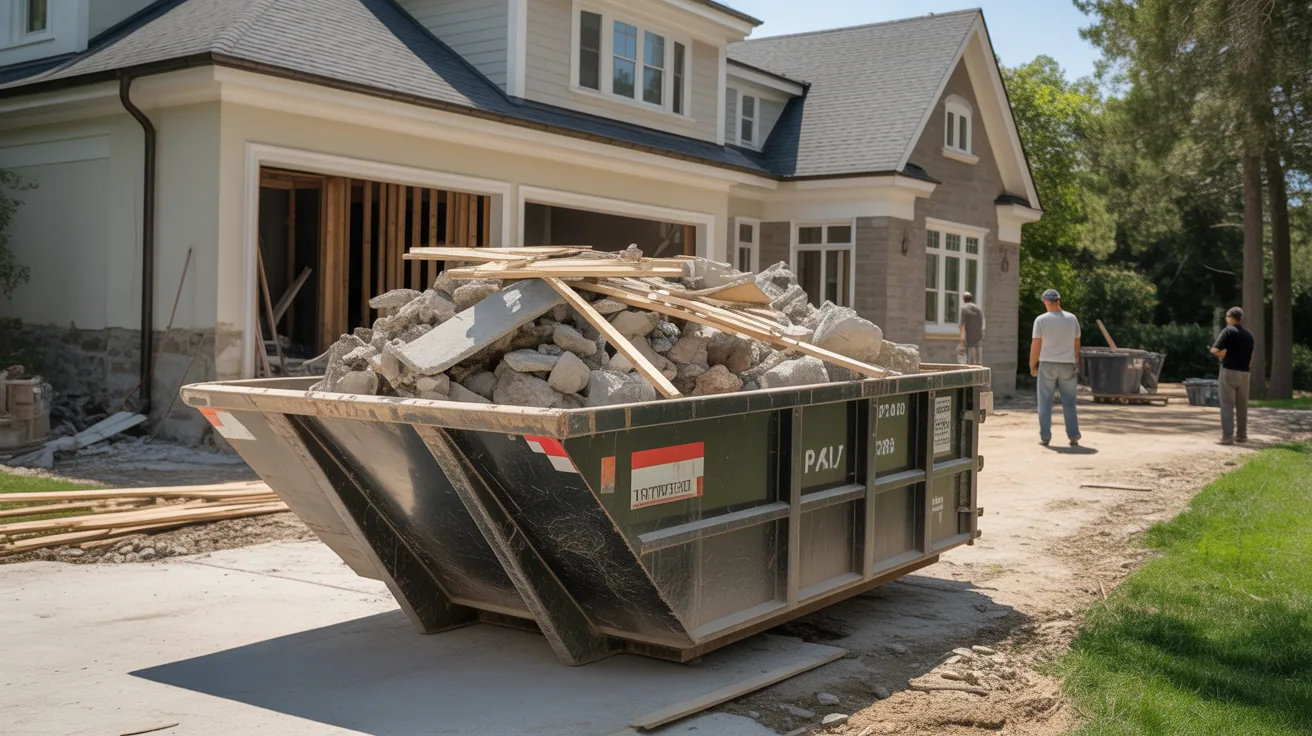
Table of Contents Show
A lowboy dumpster rental can make a surprisingly big difference when a project involves concrete, brick, asphalt, soil, or other dense materials that quickly become difficult to manage.
Whether the job is a residential driveway replacement or a commercial renovation, choosing the right container helps keep debris organized, hauling manageable, and the worksite safer.
The challenge is that dumpster size alone does not tell the whole story, especially when heavy construction debris is involved.
A compact container designed for dense material may be far more practical than a larger roll-off bin that reaches its weight limit before it reaches its capacity.
For projects involving concrete and similarly heavy debris, understanding how a lowboy dumpster rental works can help contractors and property owners plan disposal around the actual material being removed rather than simply choosing the biggest container available.
Why Heavy Debris Changes Dumpster Planning
A kitchen remodel and a concrete patio demolition might produce similar-looking piles of debris, but they create completely different hauling requirements.
Cabinets, drywall, packaging, lumber, and old fixtures take up considerable space without necessarily becoming extremely heavy.
Concrete is different.
A relatively small volume of broken concrete can weigh thousands of pounds, which means weight capacity becomes a bigger concern than physical container space.
The same issue applies to bricks, pavers, asphalt, stone, tile, dirt, and other dense construction materials.
This is why experienced project planning starts with the debris type before moving on to dumpster dimensions.
If a crew is breaking up a 300-square-foot concrete patio, for example, ordering an oversized general-purpose container may create unnecessary complications.
A shorter container built for heavy material can provide easier loading while keeping the hauling weight within practical limits.

What Makes a Lowboy Dumpster Different?
The most noticeable feature of a lowboy container is its low profile.
Instead of having tall walls like many conventional roll-off dumpsters, it has shorter sides that make it easier to load dense debris.
That difference becomes important when workers are carrying broken concrete, bricks, or chunks of masonry by hand.
Lifting a 40-pound piece of concrete an extra couple of feet might not sound significant until a crew has to repeat the movement hundreds of times.

Lower walls can reduce awkward lifting and make it easier to toss or place material directly into the container.
The design also makes sense from a transportation standpoint because dense debris reaches weight limits quickly.
Rather than encouraging users to fill a large-volume container with extremely heavy material, the compact bin provides enough room for the debris while helping keep the load manageable.
Common Materials Suited to Low-Profile Containers
Concrete is one of the most obvious applications, but these containers can be useful for several types of demolition and construction waste.
Typical materials may include broken sidewalks, driveway concrete, masonry, bricks, roofing tile, asphalt, stone, dirt, and similar dense debris, depending on the rental provider’s disposal rules.
Material restrictions should always be confirmed before loading begins.
Some providers allow certain clean materials to be combined, while others require concrete, dirt, asphalt, or masonry to remain separate.
Mixing prohibited materials can lead to additional sorting, disposal charges, or rejection at the processing facility.
Where a 6 Yard Dumpster Fits into a Project
A 6 yard dumpster offers a useful balance between compact dimensions and meaningful debris capacity.
It can work particularly well for smaller demolition jobs where the material is heavy but the total project footprint is relatively contained.
Imagine a homeowner replacing an aging backyard patio that has started cracking and sinking near the house.
The demolition may generate a substantial amount of concrete, yet the property might have only a narrow driveway or limited space near the work area.
A compact bin can be positioned closer to the demolition zone without occupying as much room as a large roll-off container.
That shorter travel distance matters more than it initially seems.
If workers are moving debris with wheelbarrows, reducing every trip by even 30 or 40 feet can save considerable time over the course of the project.
The same principle applies to contractors removing concrete steps, sections of sidewalk, small retaining walls, masonry features, or portions of a driveway.
Residential Projects That Benefit from Compact Dumpsters

Residential renovation projects often involve tighter working conditions than commercial construction sites.
There may be parked vehicles, landscaping, gates, neighboring properties, utility access points, and limited driveway space to consider before a container can even be delivered.
A smaller roll-off dumpster can simplify those logistics.
For example, suppose a homeowner is removing an old concrete walkway running from the driveway to the backyard.
Placing a compact container near the front of the property allows the demolition crew to move debris directly toward one disposal point rather than creating temporary piles around the yard.
That keeps the site cleaner and reduces the amount of material that must be handled twice.
Similar planning can help with bathroom tile demolition, hardscape removal, landscaping renovations, and smaller structural projects involving masonry.
Using Dumpsters on Commercial Job Sites
Commercial projects may operate at a larger scale, but the basic disposal challenge remains the same: debris needs to leave the work area efficiently without disrupting everything happening around it.
A retail renovation, for instance, might involve removing masonry or concrete while neighboring businesses remain open.
A massive dumpster occupying valuable parking or loading space may not be practical.
Using strategically sized containers allows crews to create designated disposal zones while preserving access for workers, customers, equipment, and deliveries.
On larger construction sites, contractors may also use different containers for different waste streams.
Heavy concrete could go into a low-profile bin while wood, packaging, drywall, and lighter construction debris are placed in a larger container.
Separating waste this way can make hauling more predictable and may support recycling or material recovery requirements where applicable.
Dumpster Rentals for Less Start with Smarter Sizing
Finding dumpster rentals for less is not simply about locating the lowest advertised rental rate.
The better approach is to look at the total disposal cost, including container size, included weight, rental duration, delivery, pickup, disposal rules, and potential overage charges.
Ordering a container that is much larger than necessary can mean paying for unused capacity.
Choosing one that is too small can create the opposite problem, requiring an additional haul or second container.
Heavy debris makes accurate sizing even more important because the weight limit may be reached while considerable physical space remains inside the dumpster.
Before ordering, estimate the amount and type of material as realistically as possible.
Measurements such as the length, width, and thickness of a concrete slab can give the rental provider useful information for recommending an appropriate container.
Think About Placement Before Delivery Day
Dumpster placement should be decided before the truck arrives.
A level, accessible location with enough clearance for delivery and pickup is generally preferable, but every property has different constraints.
Look for overhead wires, tree branches, narrow gates, parked vehicles, steep slopes, and surfaces that may not tolerate the weight of a loaded container.
Remember that the delivery truck also needs room to maneuver.
A spot that appears large enough for the dumpster itself may still be unsuitable if the truck cannot safely approach, position, and retrieve the container.
For residential jobs, driveway protection may also be worth discussing with the provider, particularly when a loaded container will hold several tons of material.
Avoid the Temptation to Overfill
Once demolition starts, crews naturally want to get as much material as possible into each container.
With heavy debris, however, maximizing physical volume is not always the goal.
A dumpster can look only partially full and still be approaching its allowable hauling weight.
That is especially true with concrete, dirt, brick, and stone.
Debris should also remain within the permitted fill line rather than extending above the container walls.
Overfilled or overweight dumpsters can create transportation hazards and may require material to be removed before pickup.
Clear loading instructions at the beginning of the project can prevent an unpleasant cleanup when the truck arrives.
Match the Container to the Work, Not the Other Way Around
Good debris management should support the project rather than becoming another problem the crew has to solve.
Start by identifying exactly what will be removed, estimate how much material the job will generate, and determine where the container can be placed without interfering with daily work.
For dense demolition debris, a lowboy dumpster rental can offer a practical combination of manageable capacity, easier loading, and a footprint suited to many residential and commercial sites.
Pairing the right dumpster type with realistic weight estimates and thoughtful placement can reduce unnecessary hauling, prevent overloading, and keep debris moving steadily off the job site.
The result is straightforward: less time wrestling with waste and more time focused on finishing the actual project.








Futuro House Production Revived in Finland After Decades-Long Hiatus
A Facebook listing for abandoned moulds led to the first new Futuro...
illustrarch Editoral Team3 Mins read
Building Your Dream Home in NSW: What You Should Know About Montgomery Homes
Montgomery Homes has been building across Sydney, Newcastle, the Hunter, Wollongong and...
illustrarch Editoral Team4 Mins read

Designing a Home Theater: Where Drapery Fits Into the Plan
In a media room the curtains are a performance layer, not decoration....
illustrarch Editoral Team3 Mins read

Oscar Niemeyer’s Cathedral of Brasília: The Hyperboloid Concrete Hymn
The Cathedral of Brasília reads as a single gesture, yet it stood...
 Furkan Sen7 Mins read


Leave a comment