

Steps For Building A Deck That Stands Out And Adds Home Value
Building a deck involves careful planning of layout, material selection, and adherence to safety codes to enhance both functionality and home value.
 Begum Gumusel30 September 20253 Mins read222
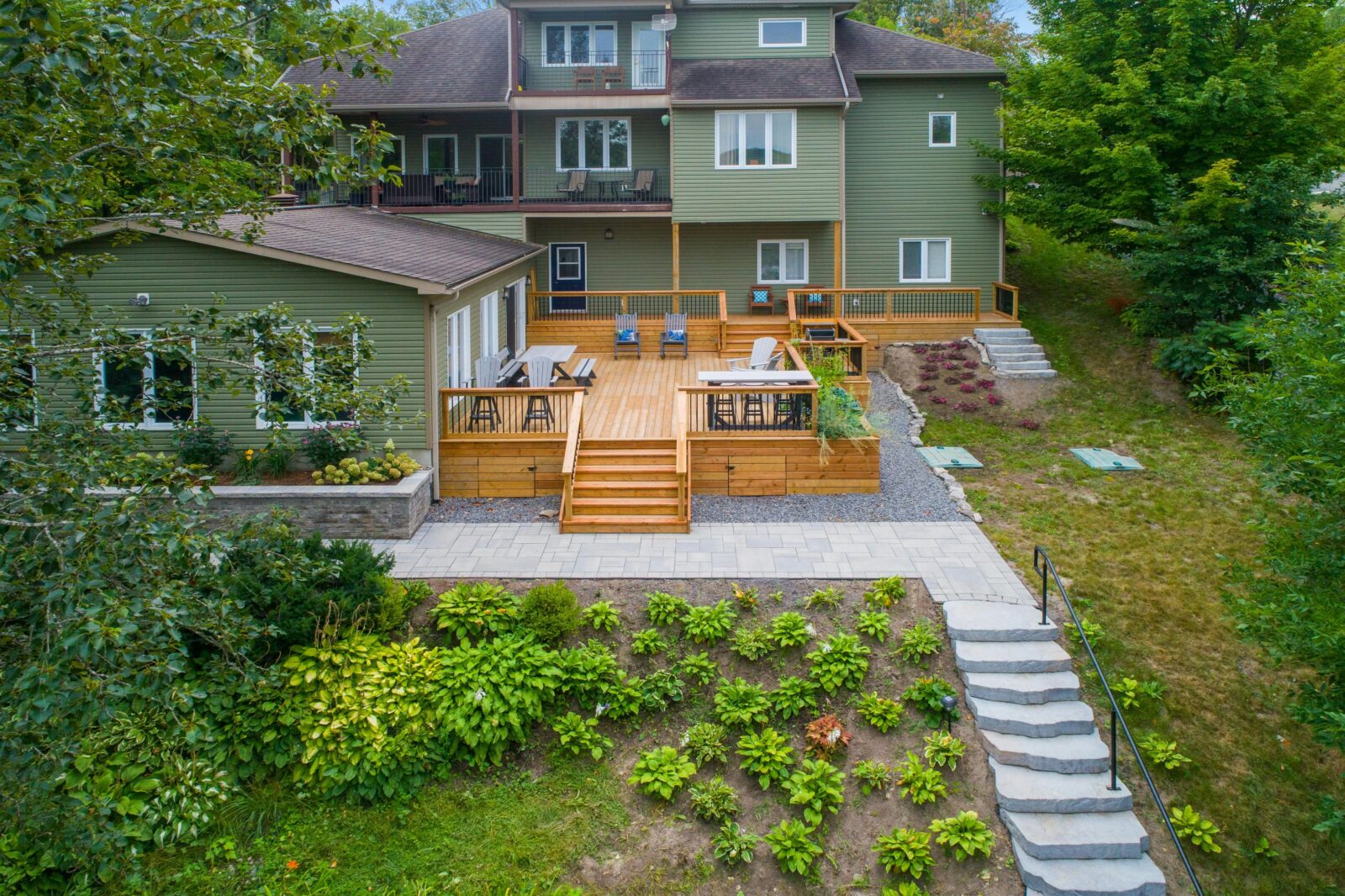
Table of Contents Show
A deck can transform a property by creating an inviting space that blends comfort with function. Homeowners appreciate the flexibility of outdoor living areas for entertaining, relaxing, and adding style to their homes. The process of building a deck requires careful consideration of design, materials, and finishing touches. With the right planning, the result can elevate both the look and the value of a home.
Choose a Functional Layout
The layout of a deck determines how it integrates with the property and supports daily use. A small, square deck may serve as a cozy sitting area, while a multi-level design can create zones for dining, cooking, and lounging. The first step involves analyzing the available space and deciding how the deck should complement existing architecture. Considering the flow from indoor to outdoor spaces makes the deck feel like a natural extension of the home.
Homeowners should also factor in traffic patterns, access points, and how the deck will interact with the yard. A thoughtful layout not only enhances function but also ensures the deck feels proportionate to the home. Once a clear plan is in place, the design can be tailored to match the homeowner’s lifestyle and personal style preferences.

Select the Right Materials
Materials define the deck’s appearance and longevity. Options range from natural wood, such as cedar or redwood, to composite boards designed to withstand weather without frequent maintenance. Each material has unique benefits, making the decision one of the most important in the building process. Wood provides warmth and character but requires staining or sealing, while composites offer durability with minimal upkeep.
Budget also plays a role in material selection. While premium woods and high-end composites carry higher initial costs, they often save money in maintenance and repairs over time. As explained by the SpaceStars deck builders, durability, aesthetics, and cost should all be weighed carefully when deciding what to use. Guidance and recommendations from experienced professionals can simplify the process and help homeowners make choices that align with both vision and budget.
Incorporate Safety and Compliance
Safety and building codes are essential considerations when constructing a deck. Local regulations may specify railing heights, load limits, and other standards that must be met. Ignoring these requirements can lead to costly adjustments or even fines. Beyond compliance, safety features contribute to the usability of the deck. Sturdy railings, slip-resistant surfaces, and secure staircases create a comfortable space for all ages.
Working with professionals who understand local building codes ensures the deck is not only beautiful but also structurally sound. Clear attention to safety increases confidence in the investment and prevents problems down the line. Homeowners benefit from combining style with secure design features that support long-term enjoyment.
Add Custom Features
Customization allows a deck to stand out from others in the neighborhood. Built-in seating, planters, or lighting can elevate the look and create a unique outdoor retreat. Features such as pergolas or shade sails add comfort during warm months, while fire pits or heaters extend usability into cooler evenings. These details make the space more than just a platform, they turn it into a destination.
Homeowners should prioritize upgrades that align with their lifestyle. For those who entertain frequently, an outdoor kitchen or bar may provide the perfect touch. Others may prefer integrated garden boxes for a greener environment. Small enhancements can have a big impact on the atmosphere, making the deck feel tailored and personal.

Focus on Finishing Touches
The finishing touches define the deck’s character. Stains, paints, and finishes protect the materials while bringing out their natural beauty. Choosing a color that complements the home’s exterior creates a cohesive look. Decorative accents like rail caps, balusters, and post lighting can add charm without overwhelming the overall design.
Finishing touches should balance practicality with style. A durable sealant protects the deck from moisture and sun damage, ensuring the investment lasts longer. By carefully selecting finishes, homeowners can achieve a polished look that reflects their personal taste and enhances the home’s curb appeal.
Maintain for Long-Term Value
Proper maintenance preserves both the beauty and the value of a deck. Regular cleaning, inspections, and upkeep keep surfaces safe and attractive. Wood decks may require staining every few years, while composite decks benefit from simple washing to remove debris. Addressing small issues like loose boards or worn finishes quickly prevents larger, more expensive repairs.
A well-maintained deck remains a selling point for future buyers. It signals to potential owners that the property has been cared for, making it more attractive on the market. Consistent maintenance ensures that the time and money invested in building the deck continues to provide returns well into the future.
A deck that blends smart planning, quality materials, and personalized details can significantly enhance a home. With thoughtful design choices and ongoing care, the space becomes both a practical retreat and an investment that adds value. Homeowners who prioritize layout, compliance, customization, and upkeep create outdoor spaces that stand out and remain appealing for years to come.






Interior Design for Commercial Spaces: Enhancing Functionality and Brand Identity
Commercial interior design has to serve brand, function and regulation at once....
Begum Gumusel4 Mins read

Futuro House Production Revived in Finland After Decades-Long Hiatus
A Facebook listing for abandoned moulds led to the first new Futuro...
 illustrarch Editoral Team3 Mins read

Building Your Dream Home in NSW: What You Should Know About Montgomery Homes
Montgomery Homes has been building across Sydney, Newcastle, the Hunter, Wollongong and...
illustrarch Editoral Team4 Mins read
Designing a Home Theater: Where Drapery Fits Into the Plan
In a media room the curtains are a performance layer, not decoration....
illustrarch Editoral Team3 Mins read


Leave a comment