

The Ultimate Home Maintenance Checklist for Every Season
A seasonal maintenance strategy for home upkeep helps address weather-related challenges and extends the life of your property while preventing costly repairs.
 Elif Ayse Sen2 December 20253 Mins read177
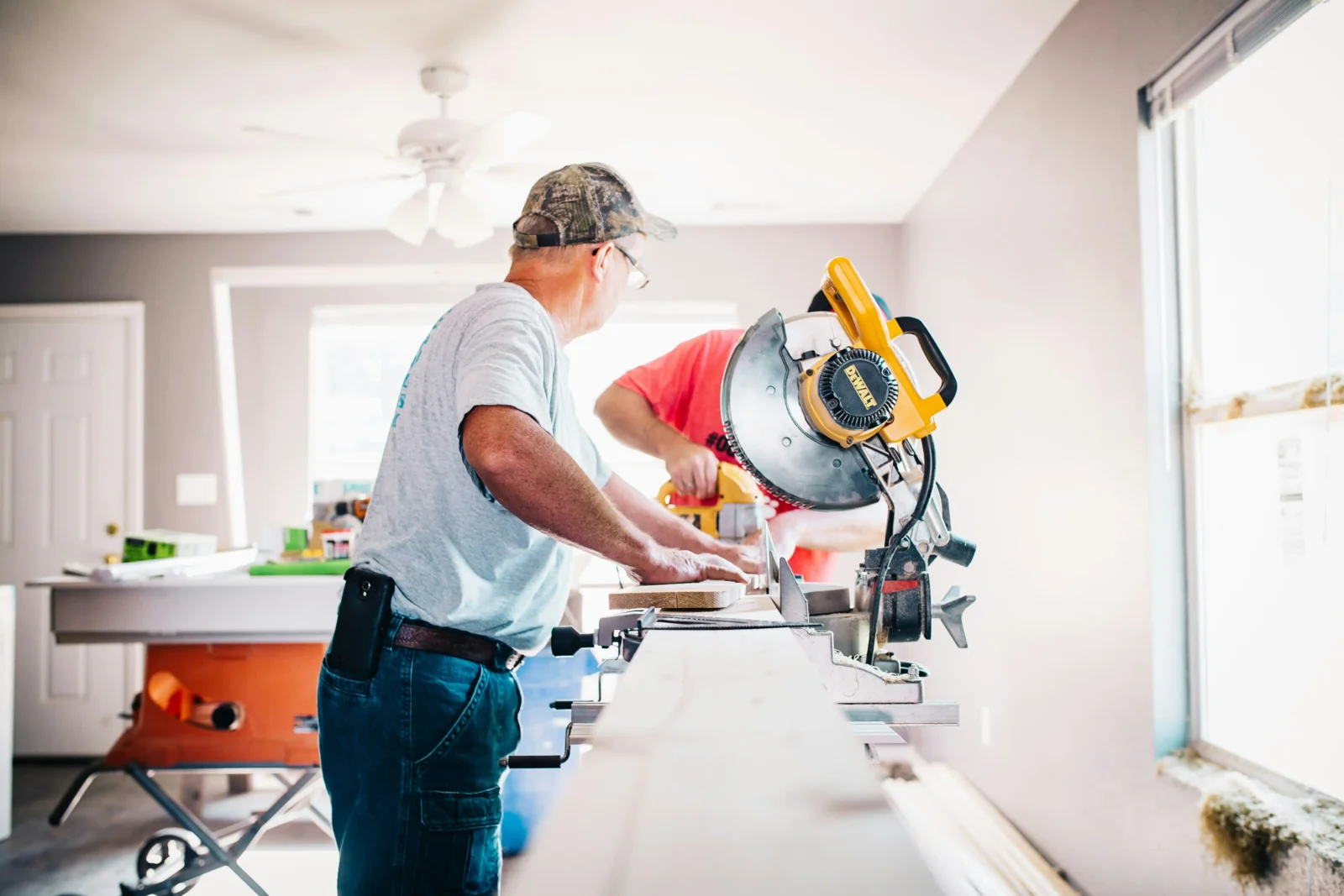
Table of Contents Show
Keeping your home in good condition throughout the year is much easier when you follow a seasonal maintenance strategy rather than trying to tackle everything at once.
Each part of the year brings its own set of weather conditions, temperature shifts, and wear-and-tear challenges, all of which affect how your home performs.
By organizing your upkeep into seasonal priorities, you extend the life of your property and reduce the likelihood of expensive future repairs. A structured approach keeps you prepared, efficient, and confident as you care for your home throughout all four seasons.
Start the Year With a Thorough Reset
When winter finally fades, spring brings the perfect opportunity to examine your home after months of cold weather.
The freeze-thaw cycle can cause hidden issues with exterior materials and structural components. If you notice loose shingles, sagging gutters, or unexplained water marks, local roofers can assess whether the winter caused damage that needs early repairs. Spring is the ideal time to freshen your yard, prune vegetation, and prepare outdoor systems for the warmer days ahead.
Since temperatures tend to rise steadily, it’s a good season for painting exterior trim, washing windows, and clearing away any leftover debris from winter storms. Many homeowners use this time to tune up air conditioning systems so they function reliably in summer.
Focus on Efficiency, Cooling, and Outdoor Maintenance
Summer typically brings longer days and hotter temperatures, which can quickly strain your home’s cooling system.
Guaranteeing your air conditioner is clean, serviced, and able to run efficiently can make a noticeable difference to your energy bills.
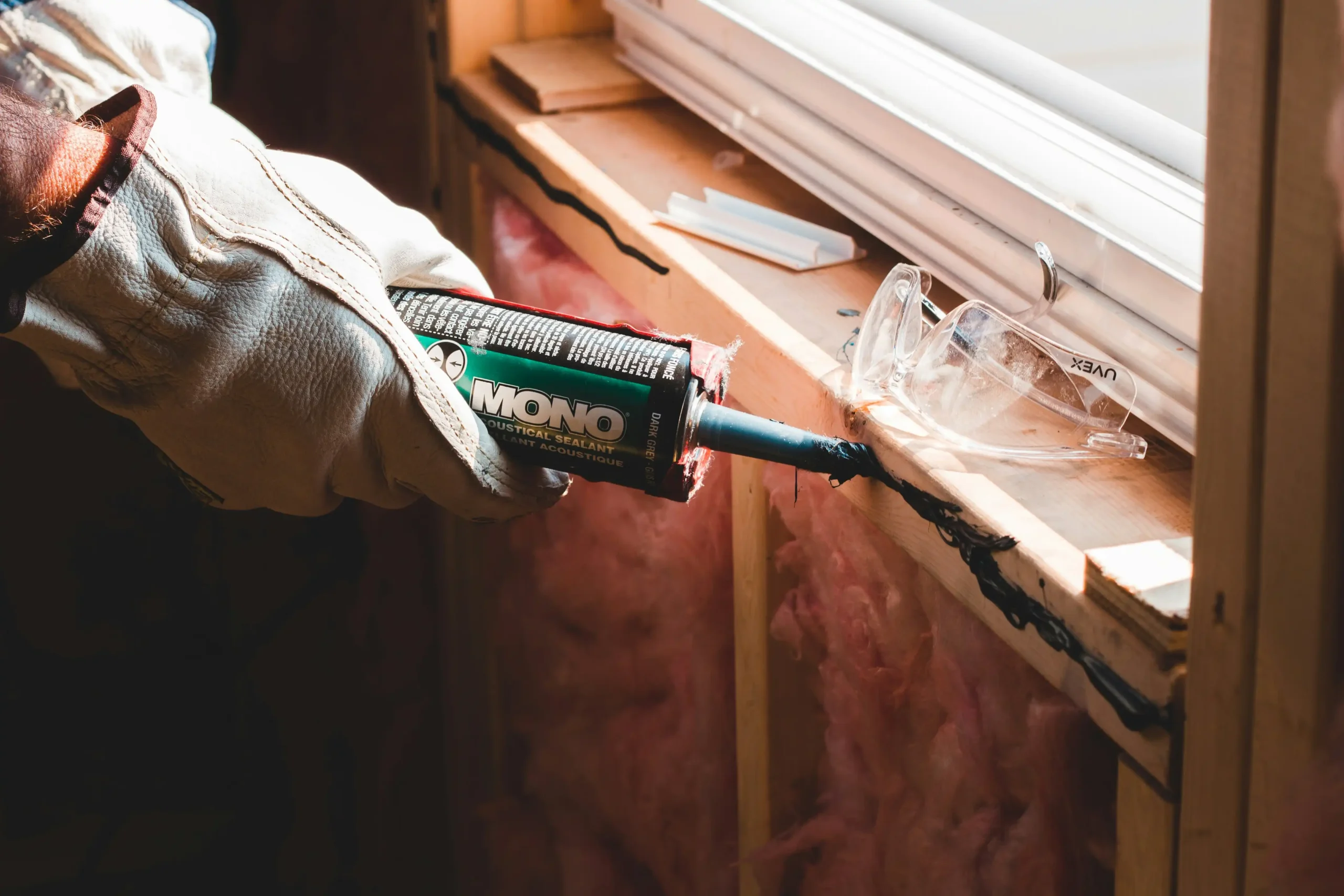
Summer is a good season for inspecting your home’s exterior for cracking paint, warping boards, or deteriorating caulk, all of which tend to worsen under direct sunlight.

Many outdoor projects, such as fencing, deck refinishing, driveway sealing, and siding repairs, perform best in warm weather.
You should monitor areas of the home that receive prolonged sunlight, since UV exposure can fade materials and weaken seals around windows and doors. Staying ahead on these tasks prevents damage that becomes more expensive once temperatures drop again.
Prepare Your Home for Colder Temperatures
Fall is often thought of as the most important season for home maintenance since it sets the stage for winter. As leaves fall, gutters and downspouts can clog quickly, so they need consistent cleaning to guarantee proper drainage.
This season is the time to check window seals, replace worn weather stripping, and examine your heating system before you rely on it regularly.
Attics, basements, and crawl spaces should be inspected for drafts or insulation gaps, as these small issues can lead to higher heating costs.
Fall is the last chance to address minor exterior repairs before ice and snow make outdoor work more difficult. Even simple steps like storing hoses, shutting off exterior water valves, and trimming branches away from the roof help protect your home during winter.
Protect, Monitor, and Maintain Key Systems
Winter maintenance focuses on monitoring your home rather than starting major projects. Cold temperatures put pressure on plumbing, heating, and insulation, so regular checks help avoid emergencies.
Pipes located in unheated or partially sheltered areas may need additional insulation to prevent freezing. Snow and ice buildup along rooflines can lead to ice dams, which cause water to back up under shingles and leak into the home.
It’s useful to pay attention to indoor humidity levels since overly dry air can damage wood, and excessive water may encourage mold growth.
If your heating system seems to cycle more frequently or unevenly, it’s worth having it evaluated before small problems turn into winter breakdowns. Winter tests the work you completed earlier in the year.
Maintenance Tasks Every Homeowner Should Prioritize
- Regularly inspect gutters
- roofing materials
- HVAC systems
- plumbing lines
- exterior seals
- smoke or carbon monoxide detectors
Why Seasonal Maintenance Protects Your Investment
A well-maintained home retains value, stays more energy efficient, and experiences fewer major repairs. Seasonal upkeep allows you to find issues early, before they spread into larger, more expensive problems.
Homeowners who follow a consistent maintenance routine tend to enjoy more comfortable living conditions.
Heating and cooling systems run more efficiently, roofs last longer, drainage remains reliable, and structural components stay in better shape.
Real estate professionals frequently point out that homes with documented maintenance often sell faster and attract stronger offers.
By treating home care as an organized, year-round effort instead of a reactive one, you protect both the comfort of your household and the long-term value of your investment.
Building a Seasonal Plan That Works for You
Creating a simple, repeatable seasonal maintenance plan keeps everything manageable. Some homeowners prefer digital checklists that send reminders, and others rely on calendar notes or written worksheets. The important part is consistency.
Breaking tasks into small steps prevents any one task from becoming overwhelming. When you encounter a situation that’s beyond your skill level, contacting trained service providers guarantees the issue is handled safely and correctly.
Your routine becomes second nature, helping your home stay durable, efficient, and well-prepared for whatever each season brings.








Standby or Portable Generator? A Practical Framework Based on Loads, Outages, and Logistics
Choosing between a standby and a portable generator gets easier once you...
 illustrarch Editoral Team5 Mins read

Futuro House Production Revived in Finland After Decades-Long Hiatus
A Facebook listing for abandoned moulds led to the first new Futuro...
illustrarch Editoral Team3 Mins read

Building Your Dream Home in NSW: What You Should Know About Montgomery Homes
Montgomery Homes has been building across Sydney, Newcastle, the Hunter, Wollongong and...
illustrarch Editoral Team4 Mins read

Designing a Home Theater: Where Drapery Fits Into the Plan
In a media room the curtains are a performance layer, not decoration....
illustrarch Editoral Team3 Mins read


Leave a comment