

Architecture Mapping & GIS Tools and Resources in 2025
A comprehensive guide to the best architecture mapping tools and GIS platforms in 2025, shaping site analysis, urban planning, and spatial design workflows.
 Bahattin Duran19 December 20253 Mins read351

Table of Contents Show
Geospatial technology is evolving rapidly, and in 2025, architects and urban designers rely on GIS tools more than ever to analyze sites, plan resilient cities, and visualize complex spatial relationships. The next generation of mapping solutions is more integrated, cloud-powered, and design-friendly, bridging the gap between technical GIS workflows and architectural creativity. Below is a comprehensive guide to the top architecture mapping tools and resources that are shaping design workflows in 2025.

ArcGIS Pro
ArcGIS Pro remains the industry-standard GIS environment for advanced mapping and spatial analytics. Its robust suite of tools supports everything from zoning and land-use studies to environmental modeling, transportation analysis, and 3D city planning. The platform’s integration with ArcGIS Online allows teams to collaborate via the cloud, while native BIM and CAD data compatibility helps architects connect mapping data to real design models. ArcGIS Pro demands a learning curve, but for professionals working with large datasets, regulatory requirements, or multi-disciplinary infrastructure projects, it continues to provide unmatched analytical power and accuracy.
QGIS
QGIS is the most powerful open-source alternative in the GIS ecosystem and has become a widely adopted tool across academia, design studios, and government planning departments. It supports a wide range of geospatial formats, offers extensive plugin flexibility, and integrates smoothly with PostGIS, geodatabases, and open data repositories. In 2025, QGIS is especially valued for being completely free while still enabling high-level workflows like terrain modeling, spatial analytics, hydrology mapping, and vector styling. For architects or students who want full GIS capabilities without subscription fees, QGIS is a practical and scalable choice that grows with project complexity.
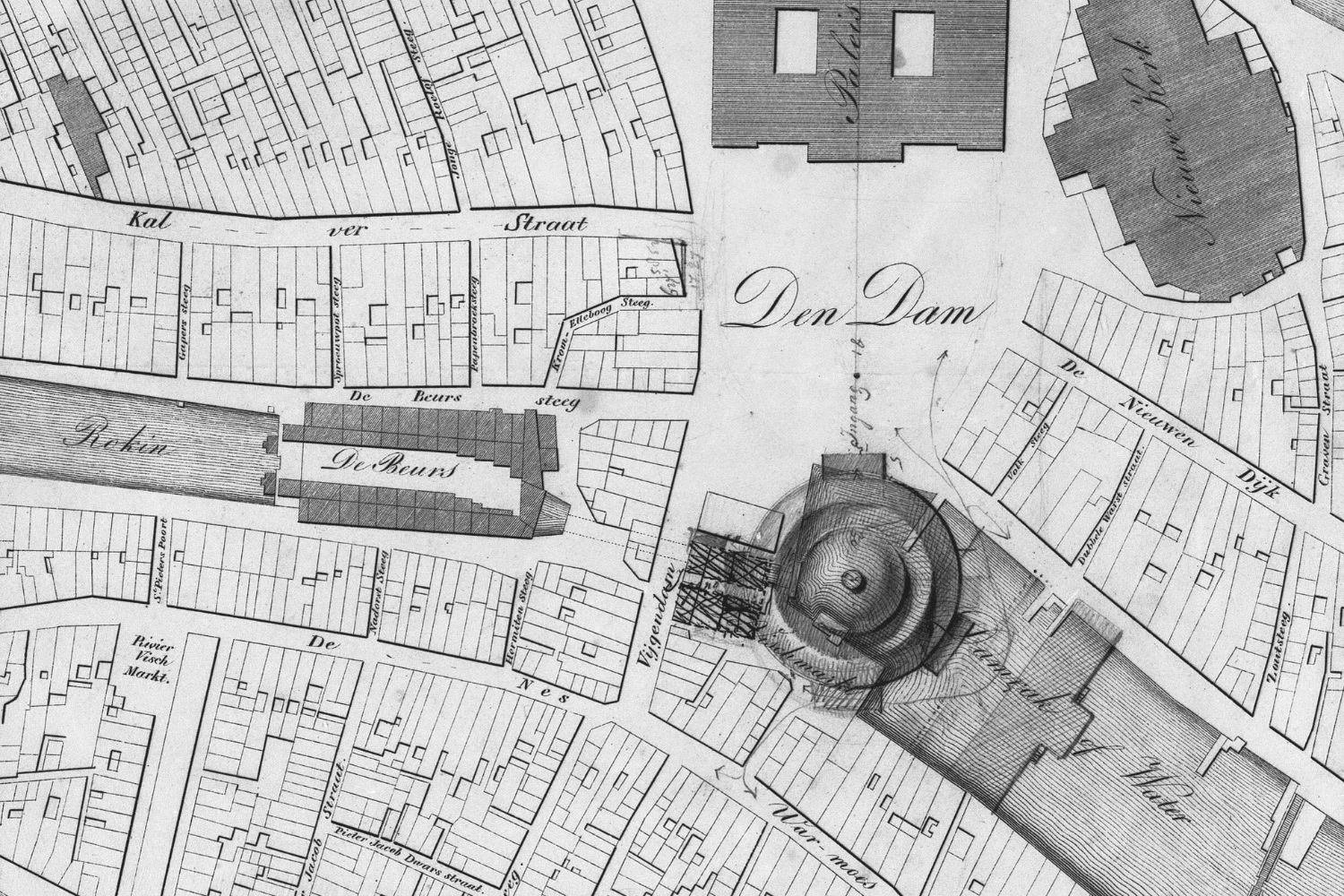
Mapbox
Mapbox is the most prominent platform for creating interactive, web-based mapping experiences. In architecture and planning contexts, it allows designers to turn spatial data into compelling visual layers for public presentations, stakeholder engagement, and web/mobile apps. Its real-time data streams, vector tile customization, and support for geolocated 3D geometry make it a favorite for mapping future city prototypes and infrastructure displays. With a strong design focus and front-end development integration, Mapbox is ideal for architecture teams that need maps not only to inform decisions but also to communicate them with clarity and style.
Felt
Felt is a rising cloud-native mapping platform built for collaboration and accessibility. Unlike traditional GIS software that requires technical expertise, Felt makes it simple for architecture teams, clients, and municipalities to comment, mark up locations, and work together in the same real-time environment. Its growing library of data import tools and ready geographic layers reduces the barrier to geospatial adoption for small firms or early master planning studies. Felt is particularly valuable during initial site research, stakeholder consultations, and rapid design sprint workflows where speed and simplicity are essential.
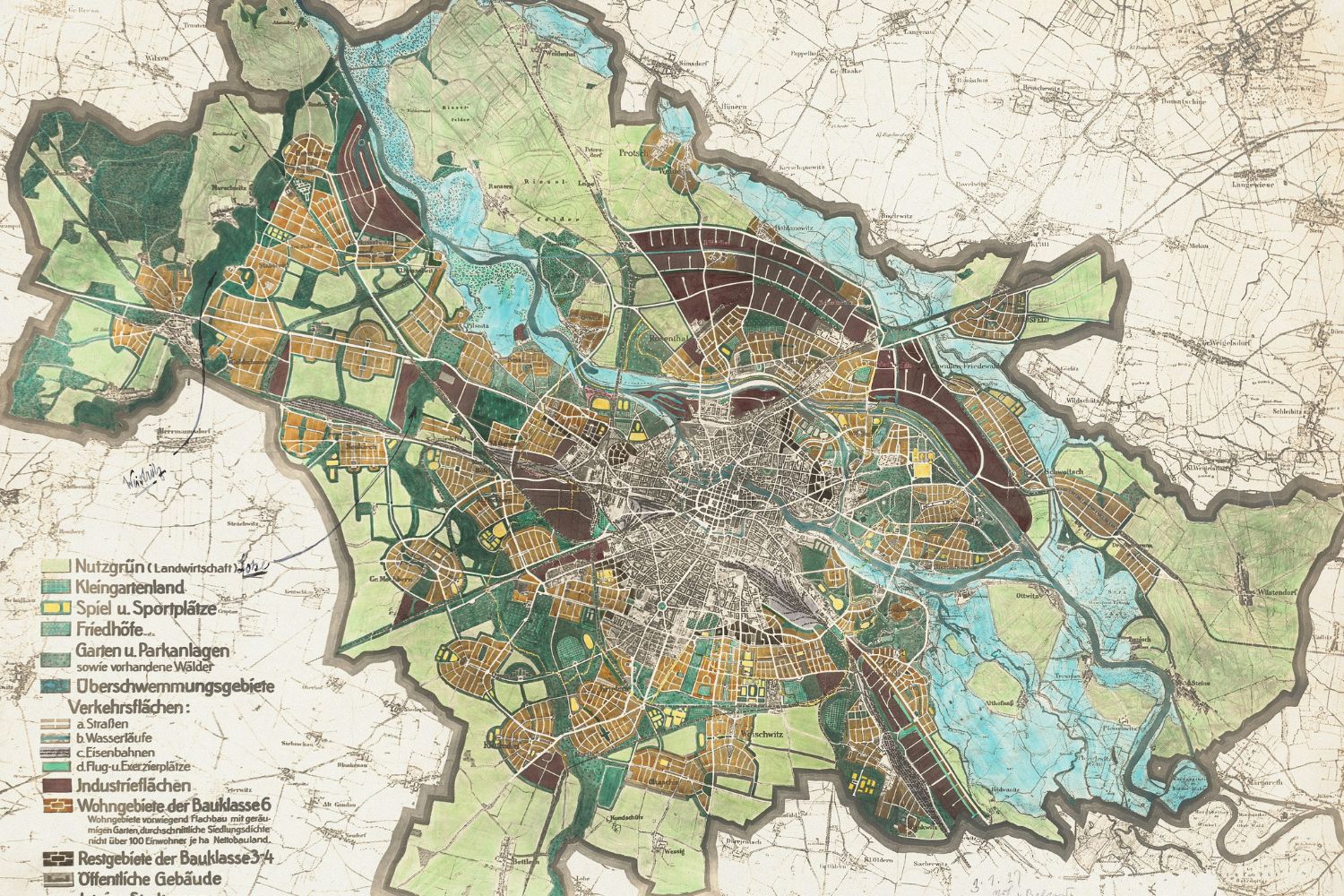
SAGA GIS
SAGA GIS excels in scientific geoprocessing: especially terrain analytics, water flow modeling, erosion simulations, and environmental morphology. For landscape architects and resilience-focused planners, the software enables detailed geographic studies that support climate-aware design decisions. While its user interface remains more technical than design-oriented, SAGA integrates well into analytical workflows where geographic conditions shape architectural outcomes. It is a strong complementary tool to QGIS for projects dealing with hydrology, slope analysis, or landform classification.
MapInfo Pro
MapInfo Pro continues to serve as a traditional, business-friendly GIS tool used particularly in municipal planning, utilities management, and land parcel analysis. It provides straightforward spatial analysis features and database connectivity, making it a reliable option for firms that work closely with local government mapping systems. Its clean workflow and familiar interface appeal to users who need efficient professional mapping but do not require the advanced modeling features found in ArcGIS or cloud-native tools like Mapbox. For boundary studies, land records visualization, and regulatory mapping, MapInfo Pro remains dependable in 2025.

The Future of GIS for Architecture: 3D, Real-Time Data & AI Integration
One of the biggest shifts in 2025 is the transition from static 2D maps to dynamic 3D geospatial environments. Architects increasingly use GIS to build digital twins, simulate heat islands, optimize transportation flow, and evaluate environmental performance, long before physical construction begins. AI-enhanced analytics are speeding up zoning verification, flood risk assessment, and land suitability scoring. Cloud-powered dashboards enable teams to visualize housing density or ecological sensitivity through interactive spatial datasets. GIS is becoming less of a background tool and more of a core design decision engine, supporting the creation of smarter, healthier, more future-ready cities.
Final Thoughts
GIS tools are now essential throughout the architectural design process, from initial site selection to advanced urban simulations. Whether a team needs the advanced analytical depth of ArcGIS Pro, the open-source flexibility of QGIS, or the real-time collaboration of Felt and Mapbox, the landscape of spatial technology in 2025 empowers architects to design with contextual intelligence. By integrating geospatial tools into daily workflows, designers unlock new possibilities for innovation and shape environments that respond to the social, ecological, and infrastructural challenges of our time.








Interior Design for Commercial Spaces: Enhancing Functionality and Brand Identity
Commercial interior design has to serve brand, function and regulation at once....
 Begum Gumusel4 Mins read

Futuro House Production Revived in Finland After Decades-Long Hiatus
A Facebook listing for abandoned moulds led to the first new Futuro...
 illustrarch Editoral Team3 Mins read
Building Your Dream Home in NSW: What You Should Know About Montgomery Homes
Montgomery Homes has been building across Sydney, Newcastle, the Hunter, Wollongong and...
illustrarch Editoral Team4 Mins read

Designing a Home Theater: Where Drapery Fits Into the Plan
In a media room the curtains are a performance layer, not decoration....
illustrarch Editoral Team3 Mins read


Leave a comment