

Solar Generators and Off-Grid Inverters in Resilient Architecture
 Bahattin Duran13 January 20264 Mins read67
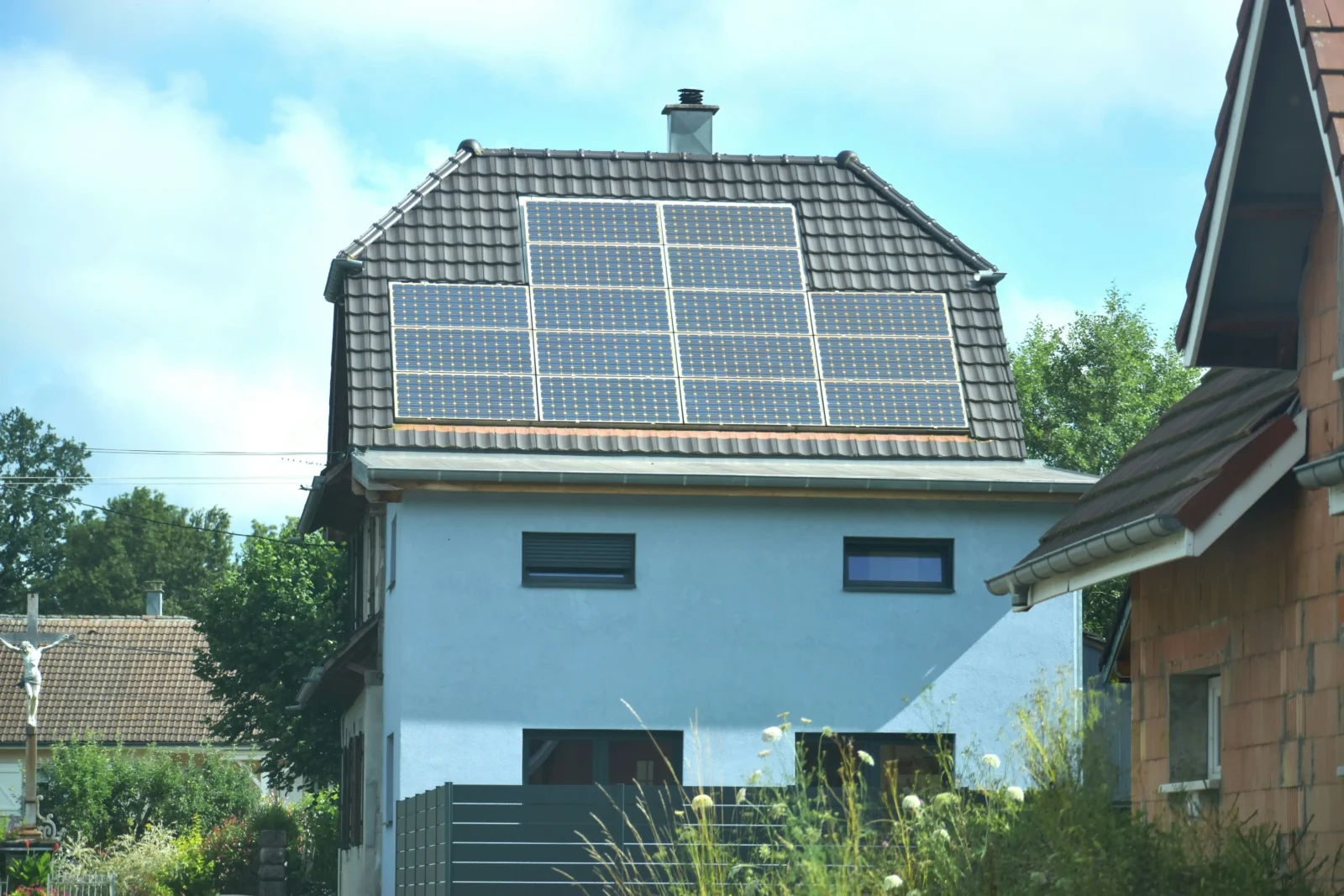
Table of Contents Show
One of the most pressing challenges in contemporary architecture is ensuring that energy remains available when it is needed most. Resilient architecture addresses this challenge by designing buildings that continue to function even when external systems fail. Among the various resilience strategies, energy independence has become a defining principle rather than a technical add-on. In many recent architectural projects, power reliability has shifted from a background assumption to a central design concern.
In this context, solar generators and off-grid solar inverters play an increasingly important role. They enable homes, commercial buildings, and critical facilities to generate, store, and manage electricity independently of the central grid. More importantly, they shift energy from a hidden background service to an active design consideration that influences how buildings are planned, organised, and used.
Energy Independence as a Design Principle
Resilient architecture treats energy as a locally sourced resource rather than a guaranteed external service. Instead of assuming uninterrupted grid availability, buildings are designed to maintain essential functions autonomously during disruptions.
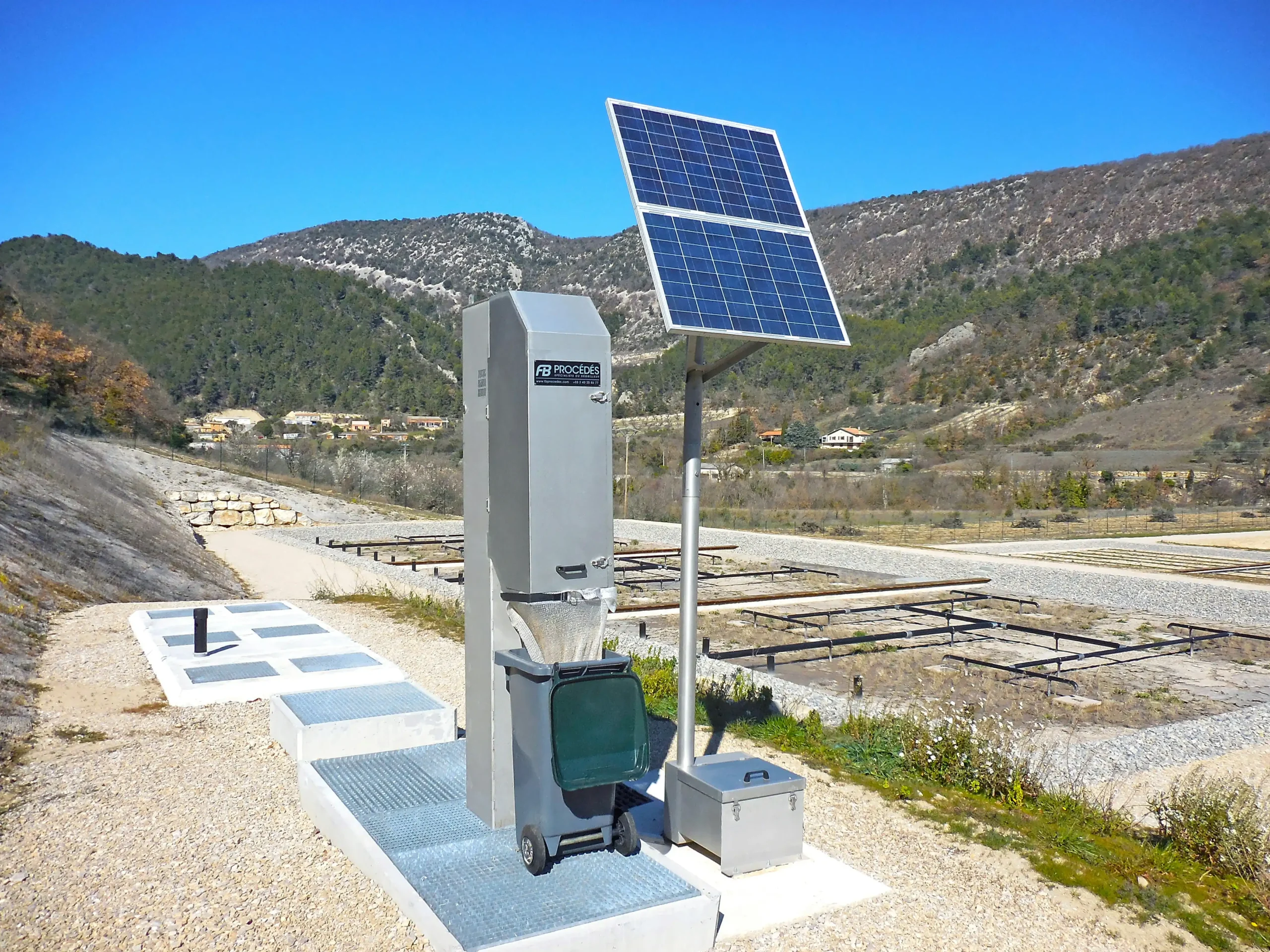
Solar-powered systems align naturally with this approach. Unlike fuel-based generators, they do not depend on continuous supply chains that are often compromised during emergencies. Their quiet operation, lack of emissions, and compatibility with long-term energy strategies make them particularly suitable for integration into architectural environments where comfort, safety, and usability must be preserved under stress.
Off-Grid Energy Systems as Early-Stage Design Variables
In resilient architecture, off-grid energy systems cannot be treated as late-stage technical add-ons. Their spatial, operational, and functional implications require consideration from the earliest design phases.
At the conceptual stage, architects must evaluate whether dedicated space is required for battery storage, inverter rooms, or hybrid energy hubs. These spaces influence core planning decisions, including service zoning, circulation logic, and relationships between technical and occupiable areas. What we see across resilient building strategies is a growing recognition that energy systems must be considered earlier, not later, in the design process.
Rather than being concealed after design completion, energy infrastructure increasingly shapes building layouts, section strategies, and long-term adaptability. In this sense, off-grid inverters and solar generators become design variables—elements that inform architectural form, program distribution, and resilience planning from the outset.
How Solar Generators and Off-Grid Inverters Work Together
Solar panels alone are not sufficient to deliver meaningful energy resilience. Effective energy independence requires reliable conversion, control, storage, and distribution. These functions are coordinated through off-grid solar inverters, which act as the central intelligence of resilient energy systems.
In resilient buildings, off-grid inverters manage energy flow, regulate battery charging, and maintain stable power delivery even during prolonged grid failures. Solar generators complement this system by providing portable backup power, temporary support during extended outages, and additional redundancy when demand exceeds planned capacity. Together, they form a layered energy strategy that prioritises continuity, flexibility, and fault tolerance.
In practice, this layered approach is increasingly reflected in integrated energy systems offered by manufacturers such as PowerHome, where off-grid inverters manage continuous power delivery while solar generators provide portable backup and system redundancy. Rather than replacing fixed infrastructure, these components are designed to operate as complementary layers within a broader resilience strategy.
Off-Grid Inverters During Power Outages
When utility grids fail, grid-connected inverters are legally required to shut down to protect maintenance workers. Off-grid solar inverters operate under different principles. They continue supplying power independently, allowing buildings to remain functional when surrounding infrastructure is compromised.
This distinction transforms solar energy from a sustainability feature into a resilience strategy. Buildings equipped with off-grid inverters are not merely reducing emissions; they are redefining reliability by maintaining control over their own energy systems during uncertain conditions.
Practical Uses of Solar Generators in Resilient Buildings
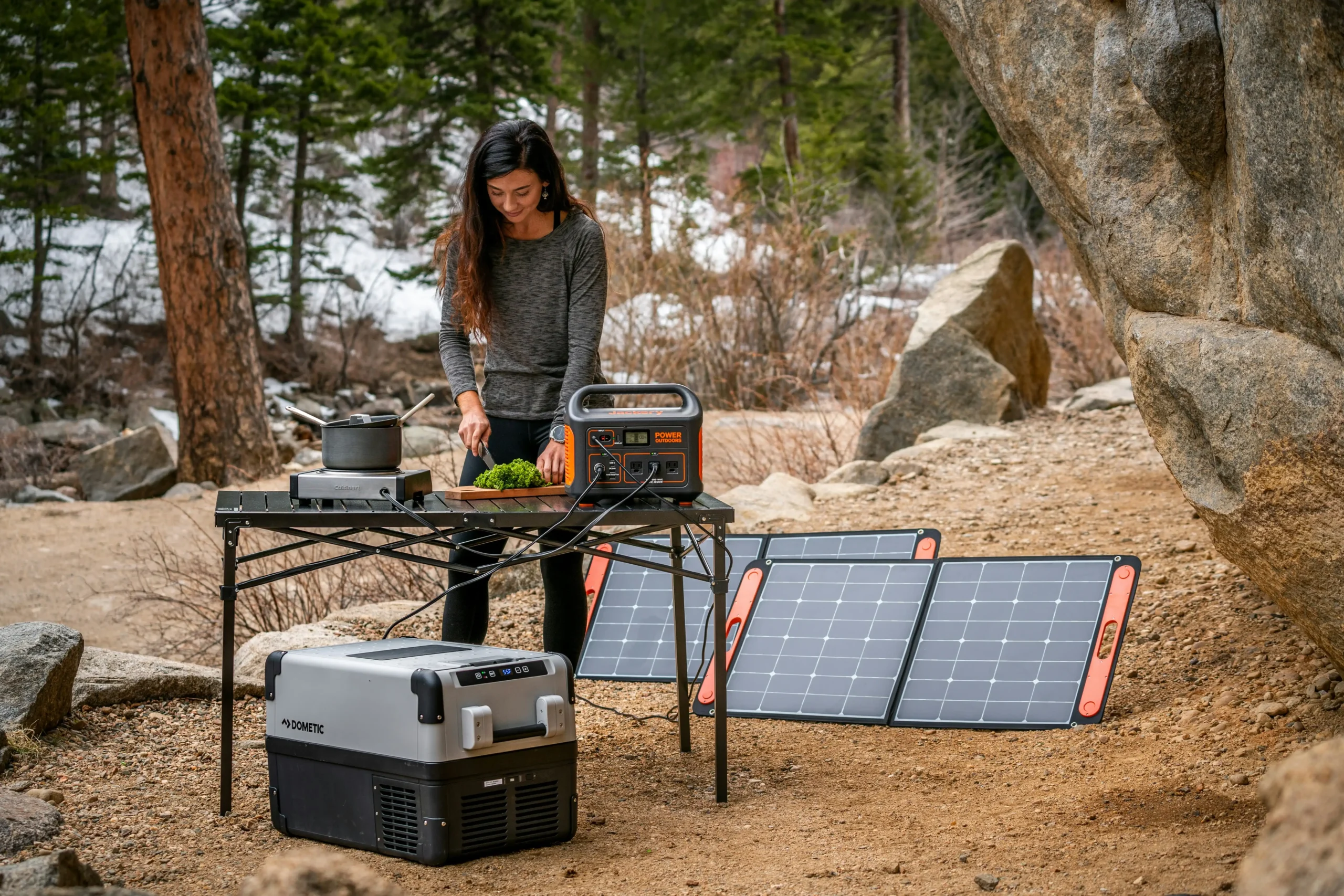
Within resilient architectural systems, solar generators serve a clearly defined and complementary role. Their value lies less in replacing permanent infrastructure and more in providing flexibility under unpredictable conditions.
Typical applications include:
- Providing temporary power during prolonged outages, ensuring basic functions remain operational
- Supporting mobile workstations or field operations, particularly in remote or transitional environments
- Supplying backup power for essential equipment, where continuity is critical
- Delivering additional energy during peak demand periods, reducing strain on fixed systems
Because solar generators operate quietly and without emissions, they can be deployed in situations where fuel-powered generators are impractical or unsafe. From an architectural perspective, they function as mobile infrastructure—enhancing resilience without permanently altering spatial or building systems.
Layered Energy Systems: Strength Through Redundancy
Resilient architecture avoids single points of failure by employing layered systems. Combining off-grid inverters, battery storage, and solar generators creates multiple pathways for energy delivery. If one component underperforms or fails, others can maintain essential functions.
This redundancy improves overall system reliability while allowing buildings to adapt dynamically to changing conditions. Rather than relying on a single solution, layered energy systems support architectural resilience through diversity and flexibility.
When to Choose Off-Grid Inverters and Solar Generators
Off-grid inverters and solar generators address different resilience needs within architectural projects, and their roles are most effective when clearly distinguished.
In general:
- Off-grid solar inverters are best suited for buildings that require continuous, building-wide power during grid outages, such as residential developments in outage-prone areas, healthcare facilities, emergency shelters, and remote infrastructure.
- Solar generators are most effective where portability, short-term backup, or added redundancy is required, particularly during extended outages or periods of unusually high energy demand.
Rather than competing solutions, these systems often work best together—one providing stable, integrated power, the other offering flexibility and adaptability when conditions change.
Limitations of Solar Generators and Off-Grid Inverters
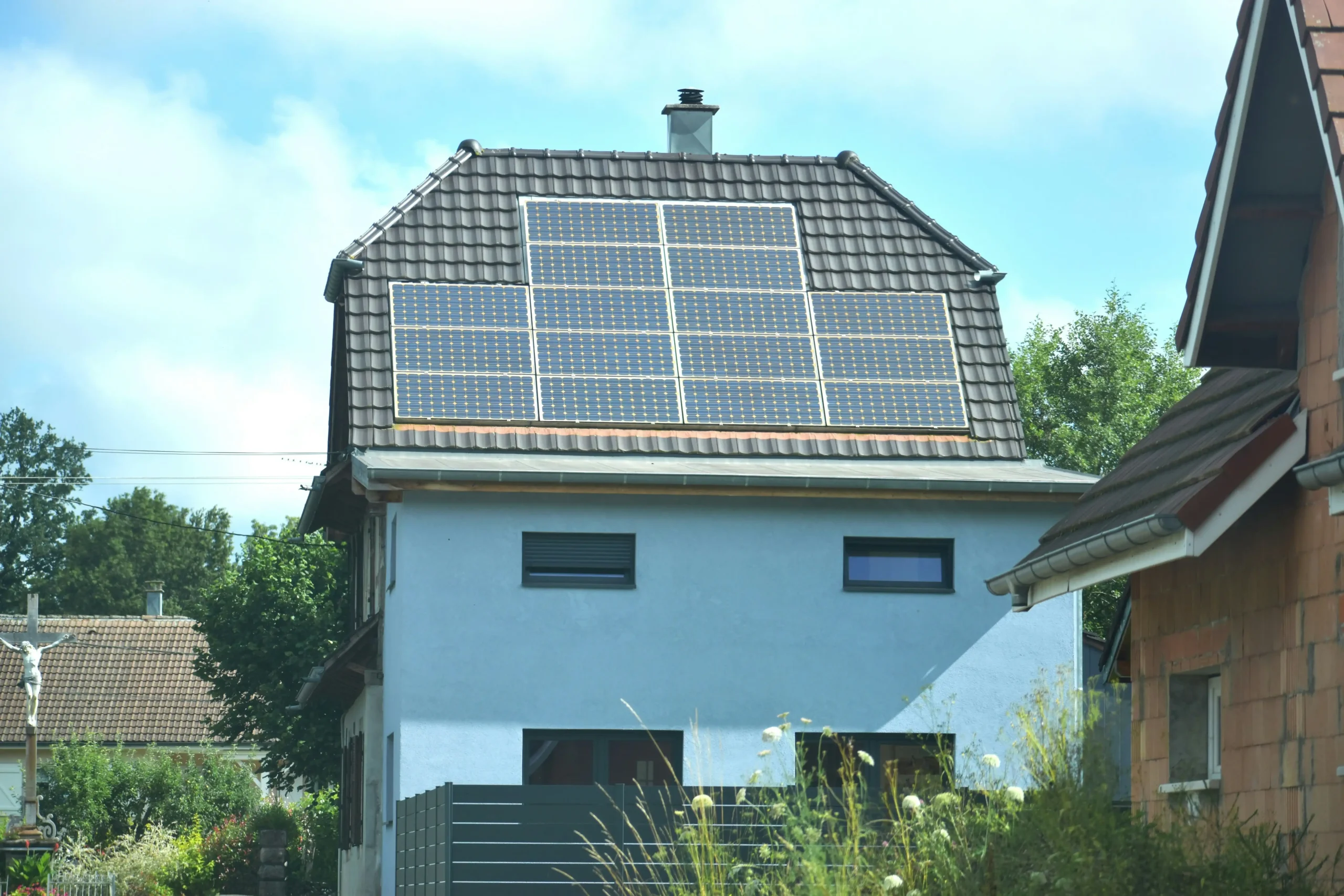
While solar-based energy systems offer significant resilience benefits, their performance depends on thoughtful planning and realistic expectations. Several limitations must be considered during the design process:
- Dependence on adequately sized battery storage to maintain power availability during outages
- Reduced performance during extended low-sunlight periods, particularly in certain climates or seasons
- The need for early-stage system integration, as late design changes can limit effectiveness and increase costs
Although upfront investment may be higher, these constraints are best addressed during initial planning rather than after construction. In resilient architecture, the cost of system failure or downtime often exceeds the cost of proper preparation.
Final Thoughts
As power disruptions become more frequent, buildings can no longer rely exclusively on centralised energy infrastructure. Resilient architecture responds by integrating systems that allow structures to sustain essential operations independently.
Solar generators and off-grid solar inverters provide a practical path toward energy independence. They enable buildings to generate, manage, and protect their own electricity while supporting long-term efficiency and adaptability. Beyond technical performance, these systems influence architectural decisions about space, function, and resilience.
In this sense, energy independence is no longer solely an engineering concern—it is a design responsibility. Buildings that incorporate resilient energy strategies from the outset are better prepared to serve occupants safely, reliably, and continuously in an increasingly uncertain environment.





Residential Architecture Face-Off: Co-Living vs Traditional Apartment for Urban Housing
Co-living and traditional apartments represent two distinct approaches to residential architecture in...
 Furkan Sen8 Mins read

Fibonacci Sequence in Architecture: 10 Iconic Examples and How They Work
From the spiral columns of ancient temples to the proportional grids of...
 Elif Ayse Sen14 Mins read

What Makes a Bathroom Truly High-End? The Decisions You Don’t See
Table of Contents Show Circulation That Survives Real UseMaterials Chosen for Behaviour,...
 illustrarch Editoral Team3 Mins read

Summer Insulation Tips for Metal Garages, Shops, and Barns
Table of Contents Show Signs Your Building Needs Better InsulationBest Insulation Options...
illustrarch Editoral Team2 Mins read


Leave a comment