


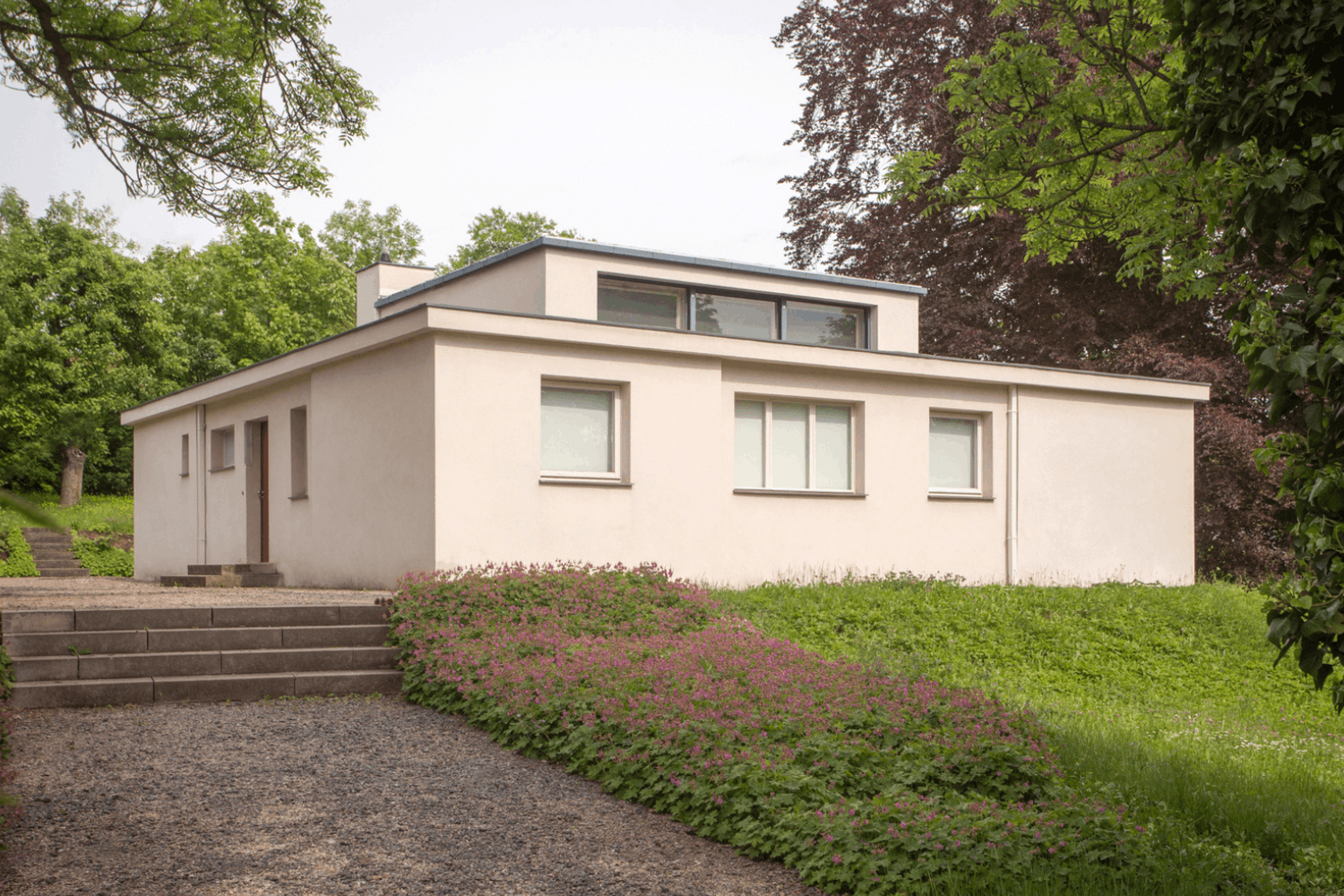
The Bauhaus movement marked one of the most radical turning points in the history of architecture and design. Emerging in early 20th-century Europe, it challenged historical styles and ornamental traditions, proposing instead a new architectural language grounded in function, rational construction, and social responsibility. Bauhaus buildings were never intended as monuments in the traditional sense; they functioned as living laboratories where architecture, art, craft, and industry could merge into a unified vision of modern life. Visiting Bauhaus architecture today offers more than visual appreciation—it provides insight into the origins of modern spatial thinking that continues to shape contemporary cities. The following five iconic Bauhaus buildings are not only historically significant, but also deeply experiential places that reveal how modern architecture was imagined, tested, and lived.
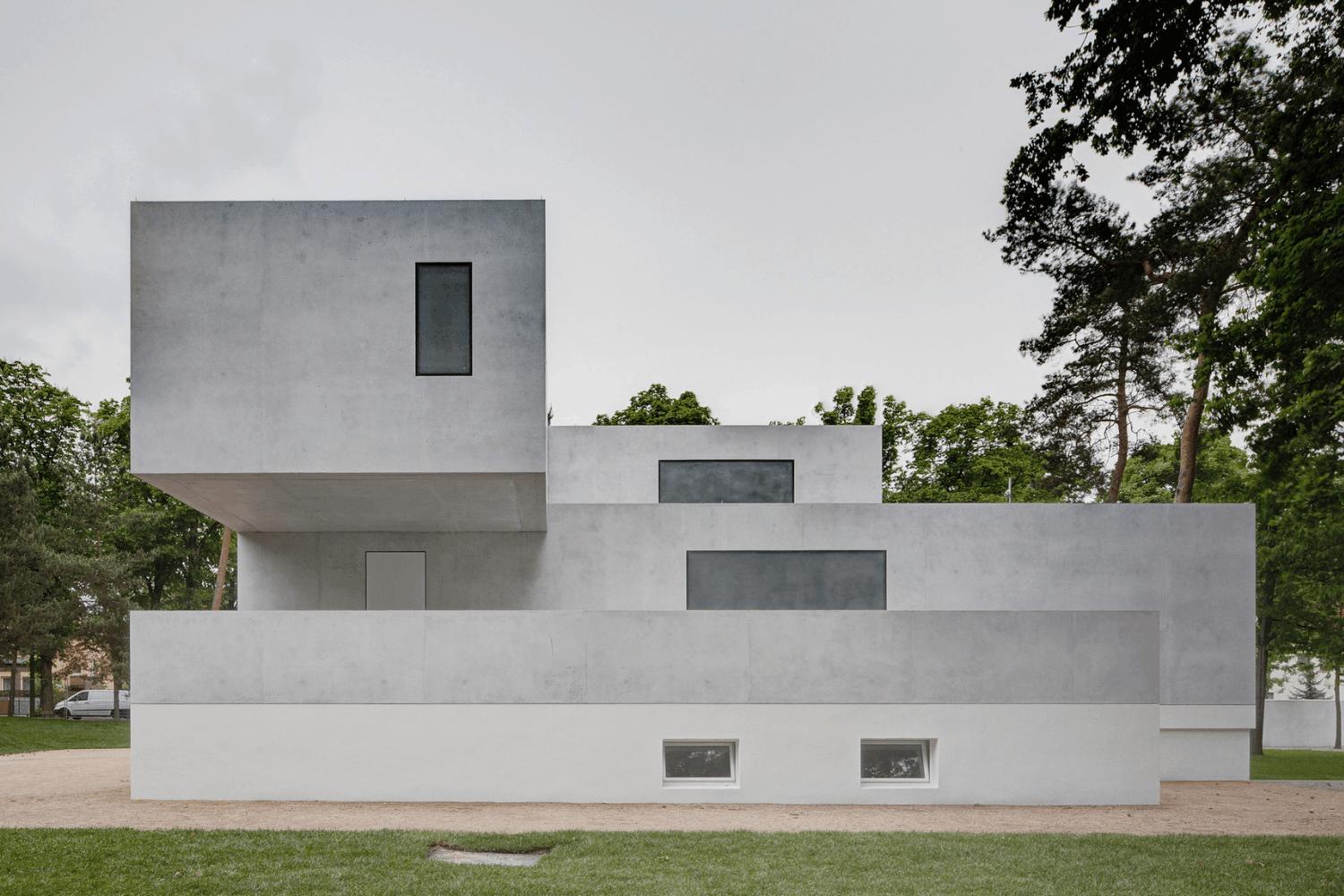
1. Bauhaus Building Dessau
Designed by Walter Gropius and completed in 1926, the Bauhaus Building in Dessau stands as the clearest and most complete architectural expression of Bauhaus ideology. The design abandons classical symmetry in favor of functional clarity, with each wing directly reflecting its internal program—workshops, studios, administrative areas, and student residences articulated as distinct yet interconnected volumes. The iconic glass curtain wall, revolutionary for its time, dissolves the boundary between interior workspaces and the city, symbolizing transparency, openness, and collective creativity. Walking through the building today, visitors experience how circulation, structure, and daylight were carefully orchestrated to support collaboration and experimentation. As a UNESCO World Heritage Site, the building remains a powerful reminder that architecture can be simultaneously experimental, educational, and socially engaged.
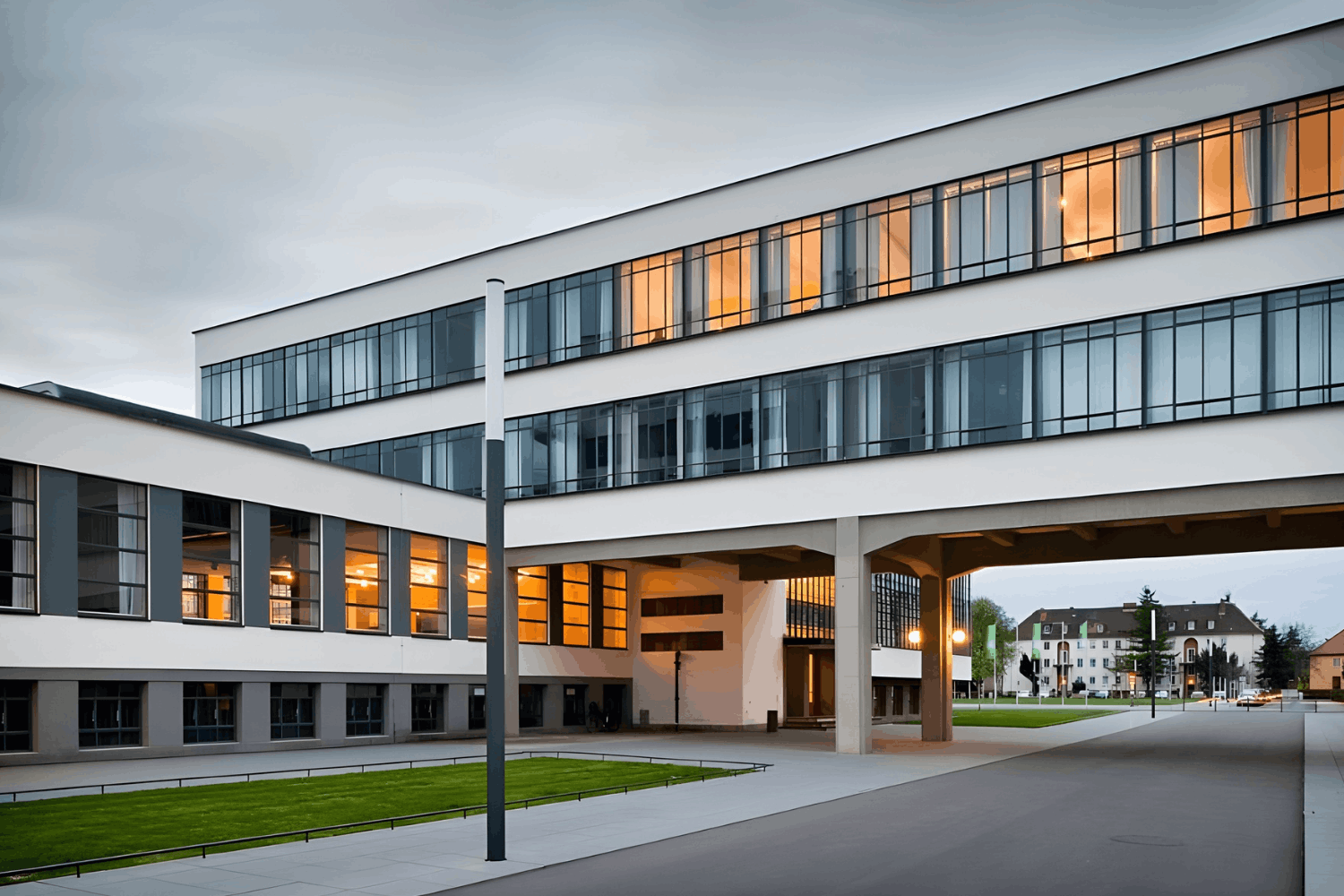
2. Fagus Factory
Although completed before the official founding of the Bauhaus, the Fagus Factory is widely regarded as a foundational work of modern architecture. Designed in 1911 by Walter Gropius in collaboration with Adolf Meyer, the building radically transformed industrial architecture. Its extensive use of glass, slender steel framing, and floating corners broke away from the heavy masonry factories of the era. Transparency became a central architectural idea, redefining the relationship between labor, light, and the built environment. The factory elevated industrial space into a humane and dignified workplace, anticipating Bauhaus principles of functional beauty and social responsibility. Visiting the Fagus Factory reveals how modern architecture emerged not only from theory, but from real industrial and social needs.
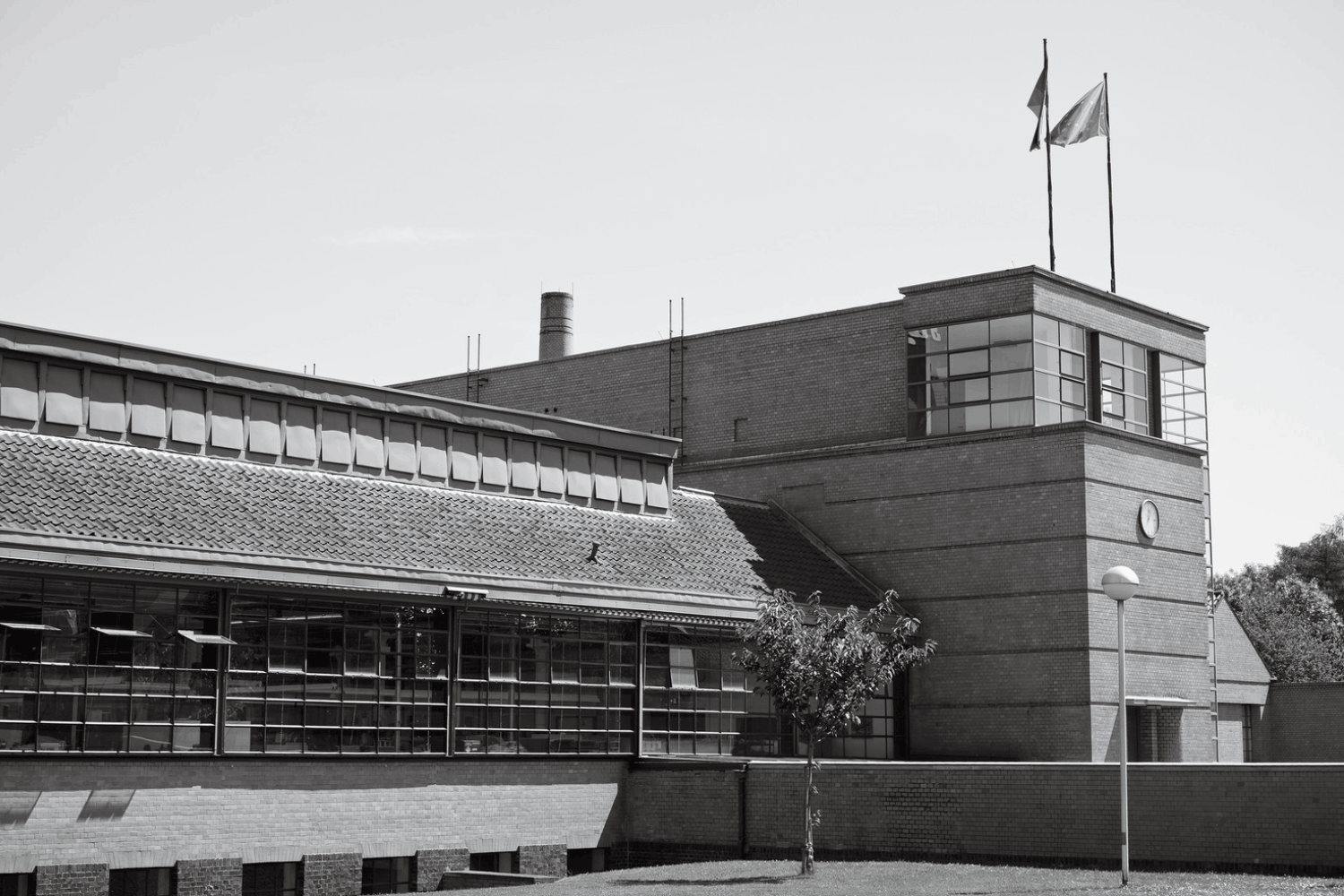
3. Villa Tugendhat
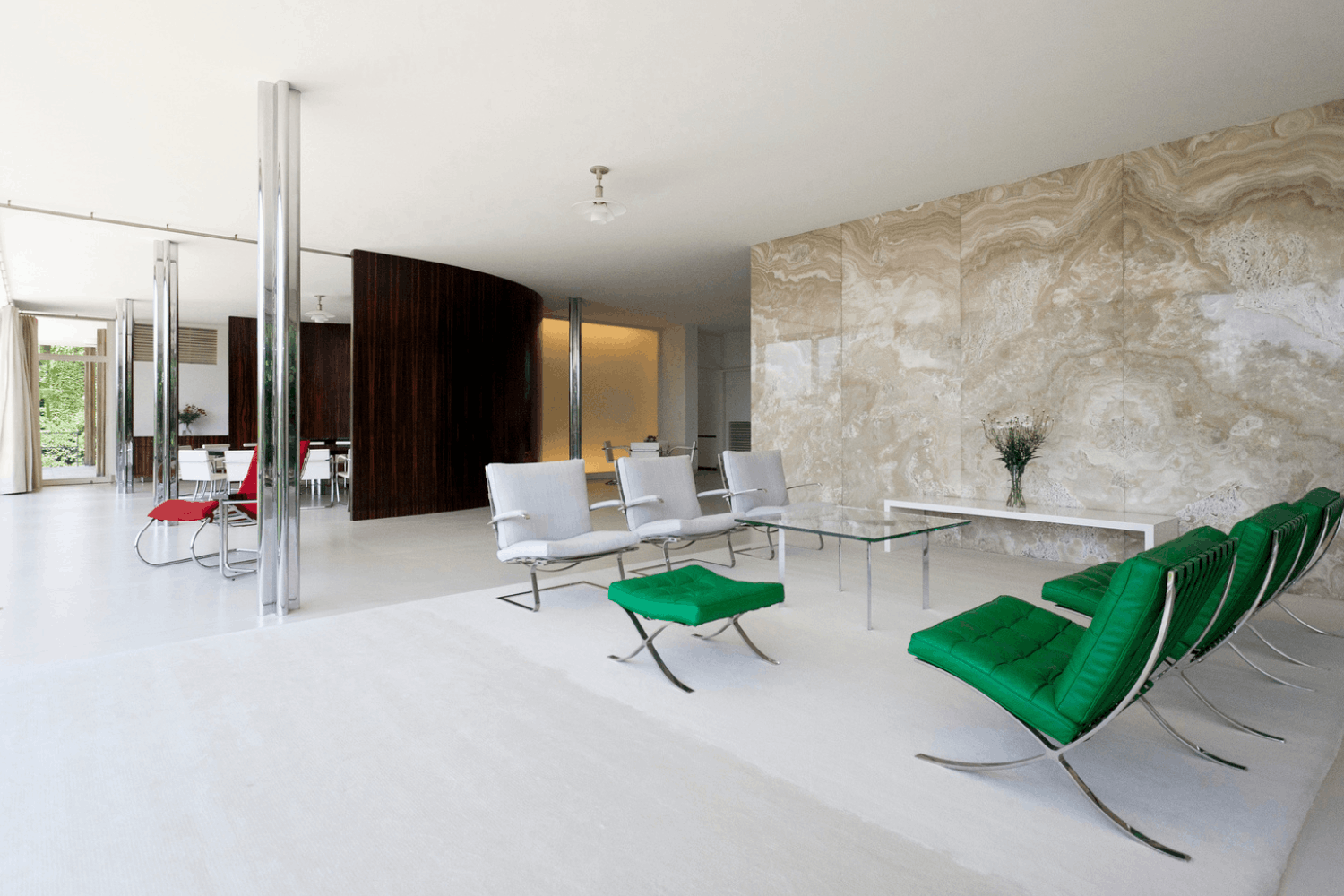
Completed in 1930 by Ludwig Mies van der Rohe, Villa Tugendhat represents the refinement of Bauhaus ideas within a residential context. The house introduced radical concepts such as open-plan living, spatial fluidity, and the integration of industrial materials into domestic architecture. Slender steel columns allow walls to dissolve into free-flowing spaces, while floor-to-ceiling glass panels frame the surrounding landscape as an extension of the interior. Despite its apparent minimalism, the villa incorporates luxurious materials—onyx, exotic woods, and polished stone—used with extreme precision. Visiting Villa Tugendhat offers a powerful insight into how modern architecture redefined domestic life through clarity, openness, and spatial continuity.
4. ADGB Trade Union School
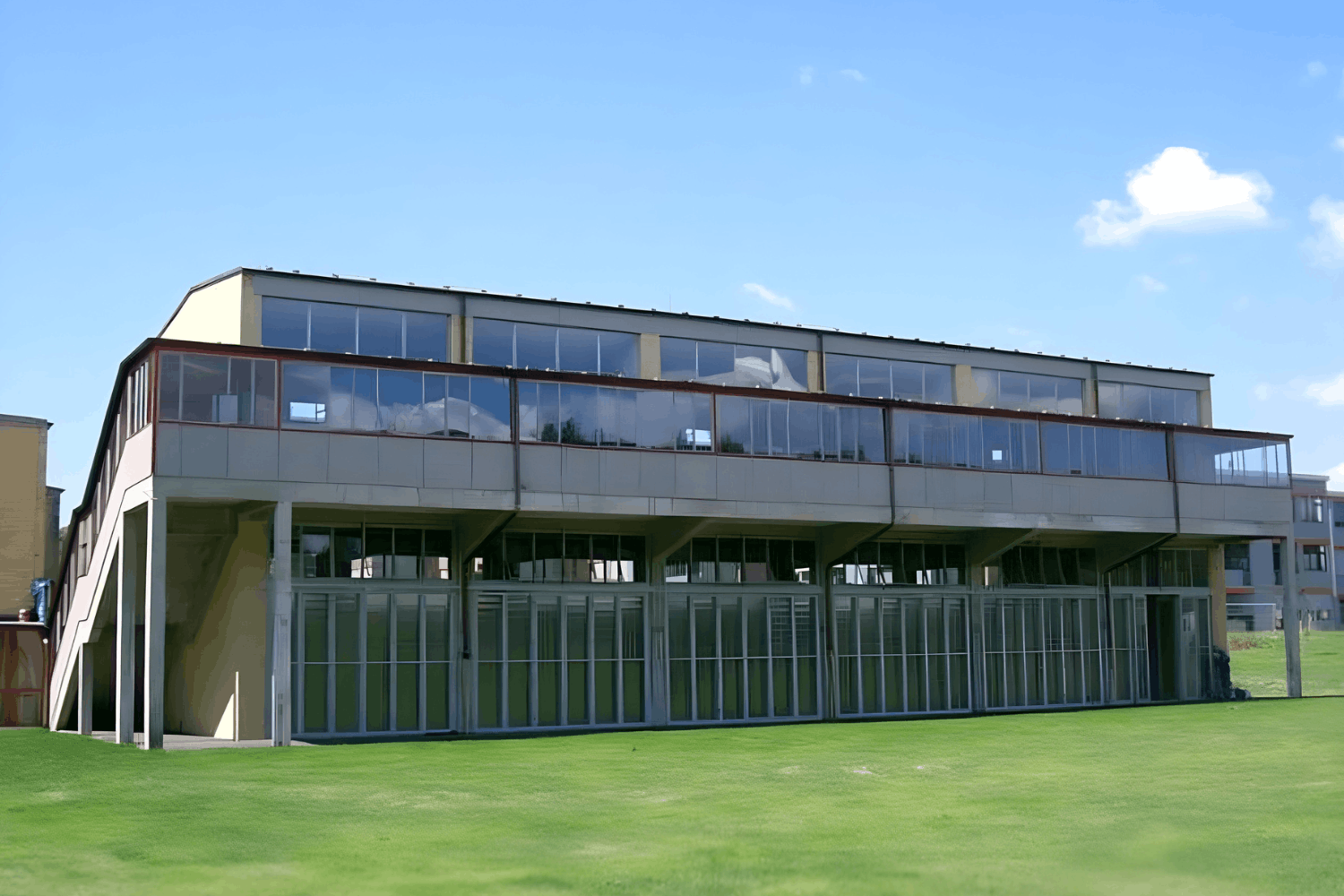
The ADGB Trade Union School, designed between 1928 and 1930 by Hannes Meyer and Hans Wittwer, reflects the Bauhaus at its most socially driven phase. Unlike more visually expressive Bauhaus works, this project prioritizes collective life, education, and functionality over formal aesthetics. The campus is carefully embedded within a forest landscape near Bernau, with buildings oriented to maximize daylight, views, and natural ventilation. Interior spaces were designed to support learning, rest, and social interaction, emphasizing architecture as a tool for social improvement. Today, the school offers a rare opportunity to experience modern architecture shaped explicitly by social ethics rather than stylistic ambition.
5. Weissenhof Estate
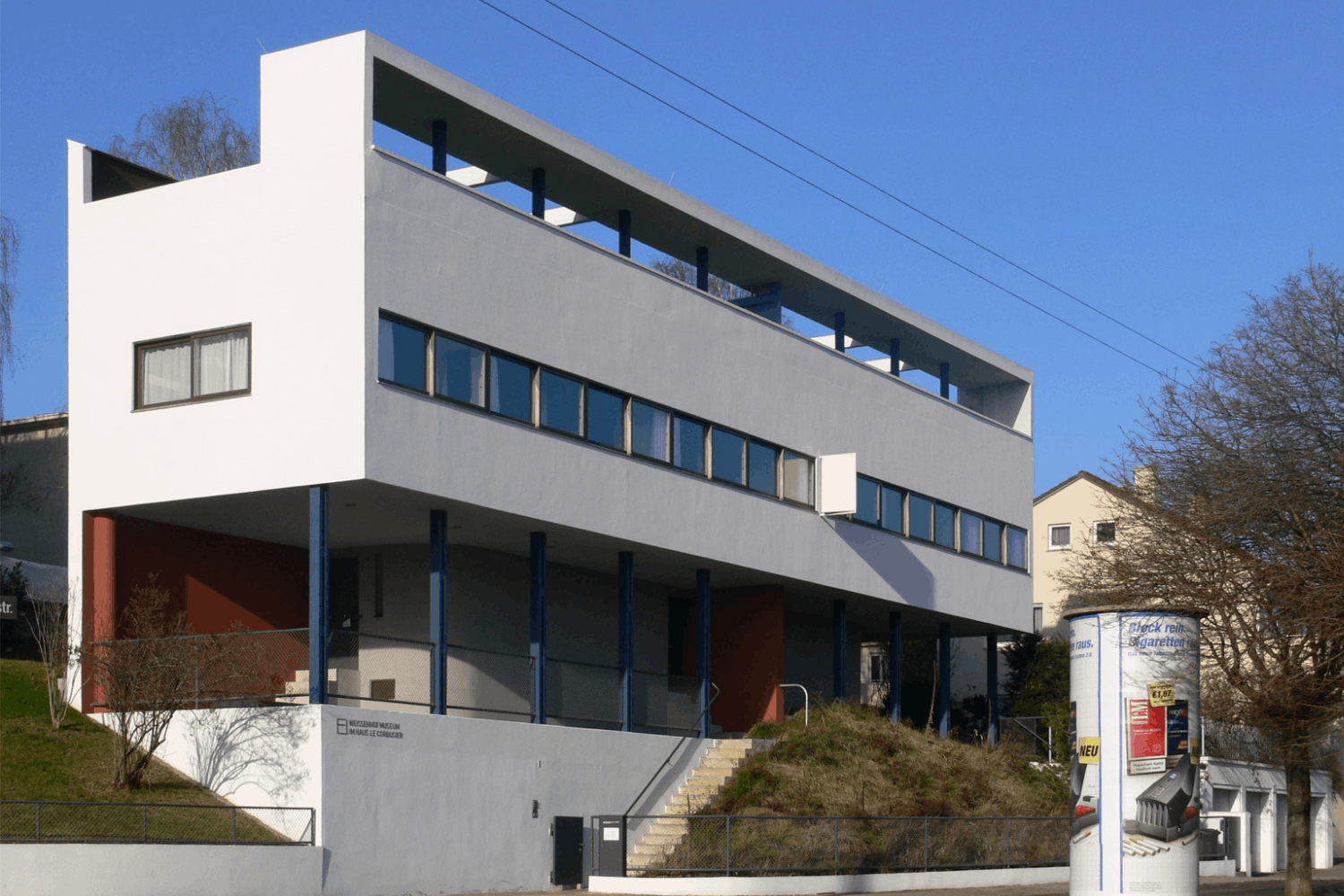
Completed in 1927, the Weissenhof Estate represents Bauhaus and modernist principles applied at an urban scale. Curated by Ludwig Mies van der Rohe, the housing exhibition brought together Europe’s most progressive architects to explore the future of living. Flat roofs, white façades, modular layouts, and open interiors challenged traditional domestic architecture and proposed new standards for mass housing. The estate addressed pressing issues of industrialization, housing shortages, and changing social structures. Walking through Weissenhof today allows visitors to understand how Bauhaus ideas extended beyond individual buildings into city-making and collective living strategies.
These five Bauhaus landmarks represent far more than architectural milestones—they are spatial manifestos that fundamentally reshaped the relationship between design, society, and everyday life. Each building reveals a different dimension of the Bauhaus vision, from industrial innovation and educational reform to domestic experimentation and urban housing. Visiting these sites offers a deeper understanding of how modern architecture emerged not as a style, but as a cultural movement rooted in clarity, purpose, and human experience. Nearly a century later, Bauhaus architecture remains strikingly relevant, reminding us that good design is not about decoration, but about shaping meaningful and progressive ways of living.











Leave a comment