

Innovative Cleaning for Modern Materials: How Hydroblasting Supports Architectural Design
Hydroblasting is a controlled cleaning method using pressurized water that effectively removes buildup from modern architectural materials without damaging their surfaces.
 Bahattin Duran15 January 20263 Mins read198

Table of Contents Show
Modern buildings don’t hide what they’re made of anymore. Glass is meant to be seen. Concrete isn’t buried behind finishes. Steel, aluminum, and exposed structure are often part of the visual language, not just the bones.
That design choice changes everything, including how those surfaces should be cleaned.
Maintenance used to be fairly blunt. Scrub it. Strip it. Recoat it. But with today’s architectural materials, that approach can quietly shorten a surface’s life. In some cases, the damage isn’t obvious at first. It shows up later, after texture has been altered or finishes start aging unevenly.
Hydroblasting offers a different way forward. Not flashy. Not aggressive. Just controlled, deliberate cleaning that respects what the material is meant to be.
What Hydroblasting Really Is
At its simplest, hydroblasting uses pressurized water to remove buildup, dirt, residue, old coatings, environmental grime. No grit. No harsh chemicals. Just water, applied with intention.
The important part isn’t the pressure itself. It’s the control.
Pressure can be adjusted up or down depending on the surface. That flexibility makes hydroblasting especially useful in design-sensitive environments, where cleaning should restore, not reshape, the material.
In practice, hydroblasting:
- Cleans without grinding or etching surfaces
- Avoids abrasive media that can permanently alter texture
- Reduces chemical exposure in surrounding areas
- Allows targeted work in visible or occupied spaces
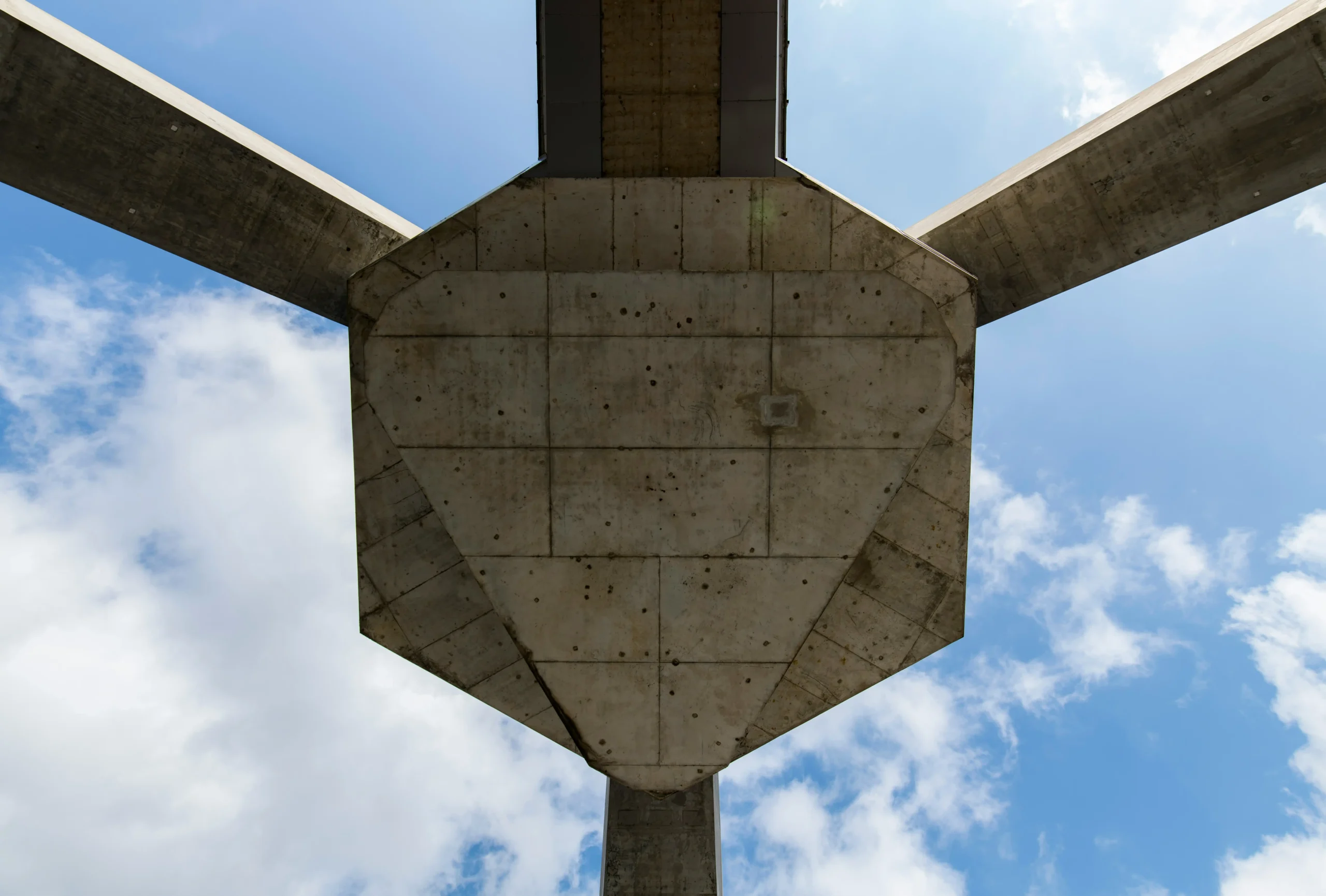
Facilities teams often rely on it for concrete or metal surfaces where abrasive methods would do more harm than good, even if that harm isn’t immediately visible.
Why Modern Materials Need More Thoughtful Cleaning
Architectural materials today are engineered for both performance and appearance. That combination makes them durable, yes, but also less forgiving.
Common surfaces affected by cleaning methods include:
- Architectural and decorative concrete
- Glass façades and curtain wall systems
- Aluminum, steel, and metal cladding
- Exposed beams, columns, and structural elements
When cleaning methods are mismatched, the results can be subtle at first. Slight discoloration. Faint etching. A change in texture that wasn’t intended. Over time, those small changes accumulate, leading to refinishing or replacement that could have been avoided.
Decorative concrete is a good example, it often requires buildup to be removed without affecting the color or surface profile. When performed correctly, hydroblasting services can achieve this balance effectively.
Design Longevity, Not Just Cleanliness
Cleaning affects more than appearance. It shapes how long materials last.
From a sustainability perspective, preserving existing surfaces almost always beats replacing them early. Fewer materials used. Less waste. Fewer disruptions.
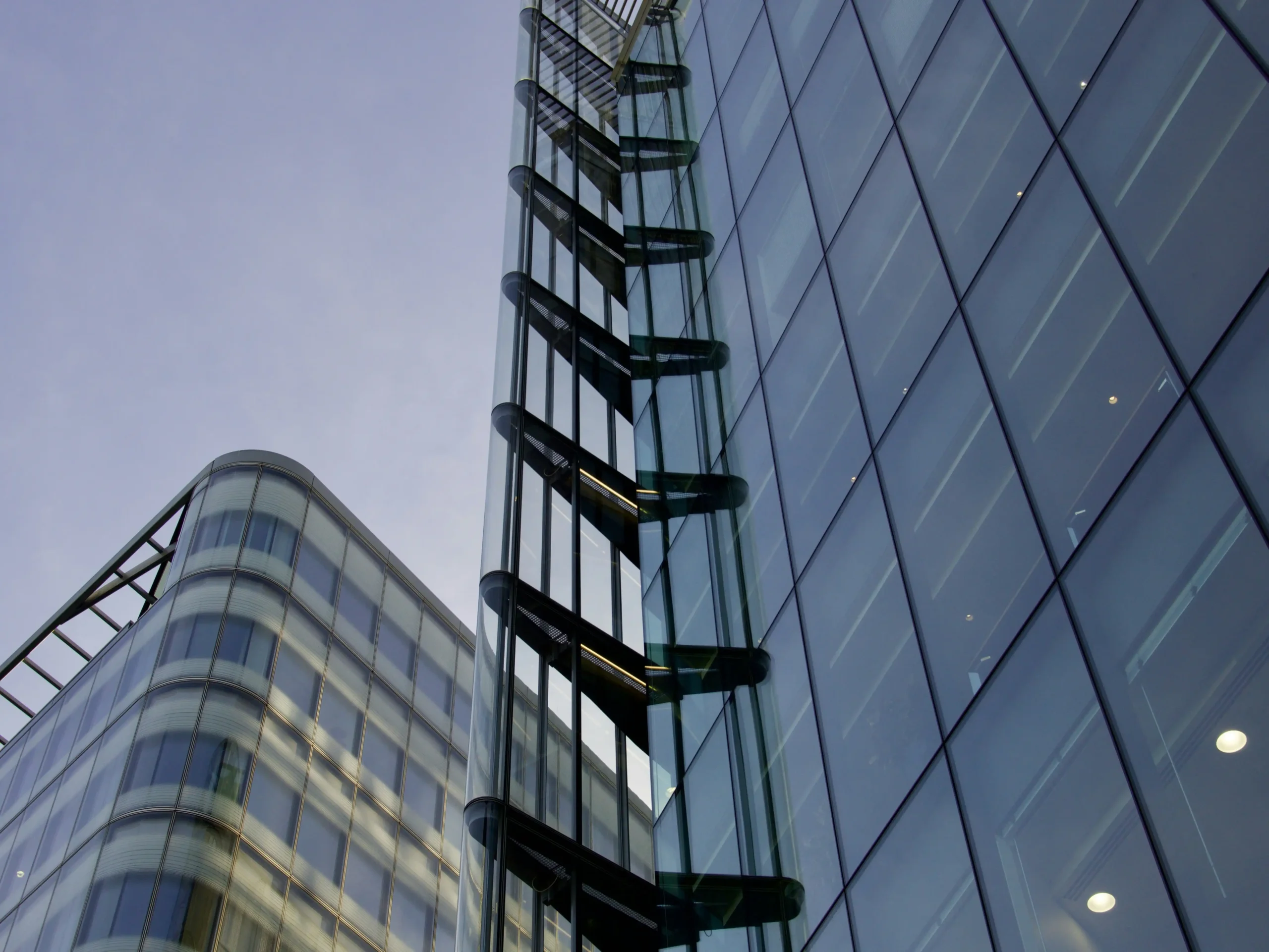
Hydroblasting supports that mindset by:
- Preserving original finishes and surface integrity
- Reducing reliance on chemical cleaners
- Limiting waste tied to surface damage or rework
- Supporting maintenance plans built around material lifecycles
It’s one reason facilities teams often choose hydroblasting near landscaping, public walkways, or water features, places where runoff or debris would create additional problems.
Where Hydroblasting Shows Up in Real Buildings
Hydroblasting isn’t limited to one building type or use case. Its adaptability is part of its appeal.
It’s commonly used for:
- Exterior façades exposed to pollution and weather
- Parking structures and ramps
- Public-facing concrete elements
- Surface preparation ahead of inspections or repairs
Because the work can be phased or scheduled during off-hours, it fits well into occupied buildings. In many cases, it’s used before inspections so surfaces can be evaluated clearly, without altering the structure itself.
Why Experience Matters More Than Equipment
Hydroblasting isn’t something you point and turn on. Outcomes depend on judgment.
Pressure selection, surface assessment, access planning, all of it matters. A surface cleaned too aggressively can’t be undone.
That’s why facilities managers evaluating hydroblasting services often look for teams that offer:
- Experience with architectural and structural materials
- The ability to adjust techniques based on surface condition
- Strong safety practices for active sites
- Clear communication before, during, and after the work
Providers who explain why they’re choosing a specific approach, and adjust when conditions change, tend to be better partners for design-driven environments.
Making Hydroblasting Part of Routine Maintenance
Hydroblasting delivers the most value when it’s preventive, not reactive.

Instead of waiting until buildup becomes a problem, many facilities integrate it into ongoing maintenance plans. That approach often includes:
- Periodic surface assessments
- Cleaning aligned with inspection cycles
- Documentation of surface condition over time
- Coordination with other maintenance activities
The result is fewer surprises. Less urgent work. More predictable planning.
Responsible Use Still Matters
Hydroblasting is a tool, not a guarantee.
Responsible use means:
- Following site-specific safety requirements
- Matching pressure to each material
- Protecting occupants and adjacent areas
- Maintaining shared responsibility between service providers and facility teams
Results vary depending on surface type and condition. For that reason, hydroblasting should be positioned as a risk-reducing maintenance method, not a promise of outcomes.
A Practical Way to Protect Modern Design
As architecture continues to favor exposed, expressive materials, maintenance practices have to evolve with it. Hydroblasting offers a measured, flexible way to clean without compromising design intent.
For facilities leaders, reviewing current cleaning methods through the lens of material performance is a sensible next step. Used thoughtfully, hydroblasting supports long-term durability, quietly, efficiently, and without unnecessary disruption.
And honestly? That kind of restraint tends to age better than anything else.






Standby or Portable Generator? A Practical Framework Based on Loads, Outages, and Logistics
Choosing between a standby and a portable generator gets easier once you...
 illustrarch Editoral Team5 Mins read
Futuro House Production Revived in Finland After Decades-Long Hiatus
A Facebook listing for abandoned moulds led to the first new Futuro...
illustrarch Editoral Team3 Mins read
Building Your Dream Home in NSW: What You Should Know About Montgomery Homes
Montgomery Homes has been building across Sydney, Newcastle, the Hunter, Wollongong and...
illustrarch Editoral Team4 Mins read

Designing a Home Theater: Where Drapery Fits Into the Plan
In a media room the curtains are a performance layer, not decoration....
illustrarch Editoral Team3 Mins read


Leave a comment